


The cenotes of Yucatan are one of the unmissable experiences of any trip to the Mexican peninsula. These natural freshwater pools, tucked away in the jungle or hidden in huge caves, offer spectacular scenery and unforgettable swims.
During our Yucatan road trip, we visited lots of cenotes around Tulum, Valladolid, Mérida and Homún. Some completely amazed us with the colour of their water, others won us over with their wilder, more authentic feel.
But not all cenotes are alike. Some are very touristy, others are still relatively unspoilt. Prices, access and facilities can also vary a lot from one site to another.
In this guide, I share the Yucatan cenotes we discovered on our trip, our honest opinion on each one and plenty of practical tips to help you pick the ones that suit you best.
Best cenotes in Yucatan at a glance
| 🌊 Cenote | ✨ Our verdict and 2026 prices |
|---|---|
| Gran Cenote (Tulum) | Gorgeous water and little turtles, but very built-up and crowded. Around 500 pesos |
| Dos Ojos (Tulum) | Superb, but mainly designed for divers. Around 350 pesos |
| Zacil Ha (Tulum) | Small and quiet, perfect for a quick stop. Around 200 pesos |
| Punta Laguna (near Cobá) | Abseiling down and bones under the water: an unusual experience guaranteed! |
| Sambula (Pebá, near Uxmal) | Our nice surprise: almost deserted, crystal-clear and shallow water |
| Cuzamá (3 cenotes) | Sublime settings, but scary ladders: avoid with children. 400 to 500 pesos per cart |
| X-Keken & Samula (Valladolid) | Very beautiful, but a bit of a “public pool” feel. 125 pesos for both |
| Zaci (Valladolid) | Our favourite, right in the town centre! Around 60 pesos |
| Suytun (Valladolid) | Very photogenic but a victim of its own success. Around 250 pesos |
✤✤✤
What is a cenote?
A cenote is a rock formation that is partly or completely filled with water. It starts out as a cave whose roof collapsed one day and which then filled up with water. You’ll find similar sinkholes elsewhere in the world (in Cuba, for example), but the Yucatan Peninsula has an exceptional number of them. The word cenote comes from the Mayan ts’onot, meaning well. The Maya saw them as sacred places, a way of communicating with the underworld. Their abundance in the region is thought to be partly linked to the impact of the Chicxulub asteroid, 66 million years ago, which weakened the limestone. There are said to be thousands of them across the peninsula, and many are connected to each other by vast underground networks.
To make planning your itinerary easier, I’ve grouped the cenotes by “region”.
What are the different types of cenotes?
Not all cenotes in Yucatan are alike. They are generally divided into several categories:
Open cenotes: the easiest to access. They often look like natural pools surrounded by vegetation. Cenote Zaci in Valladolid is a good example.
Semi-open cenotes: part of the cave has collapsed but the ceiling is still there in places. They often offer stunning plays of light.
Closed cenotes: located entirely inside a cave, they impress with their stalactites and mysterious atmosphere. The lighting is sometimes very limited.
Cenotes for diving: some cenotes are connected by huge underground networks. They attract divers from all over the world who come to explore these unique galleries.
Cenotes around Tulum
What you need to know is that there are dozens of cenotes around Tulum. We were only just starting our trip, so we wanted to see them all! Don’t do what we did: try to pace yourself at first, because there are loads near the other towns too, ha ha!
Gran Cenote
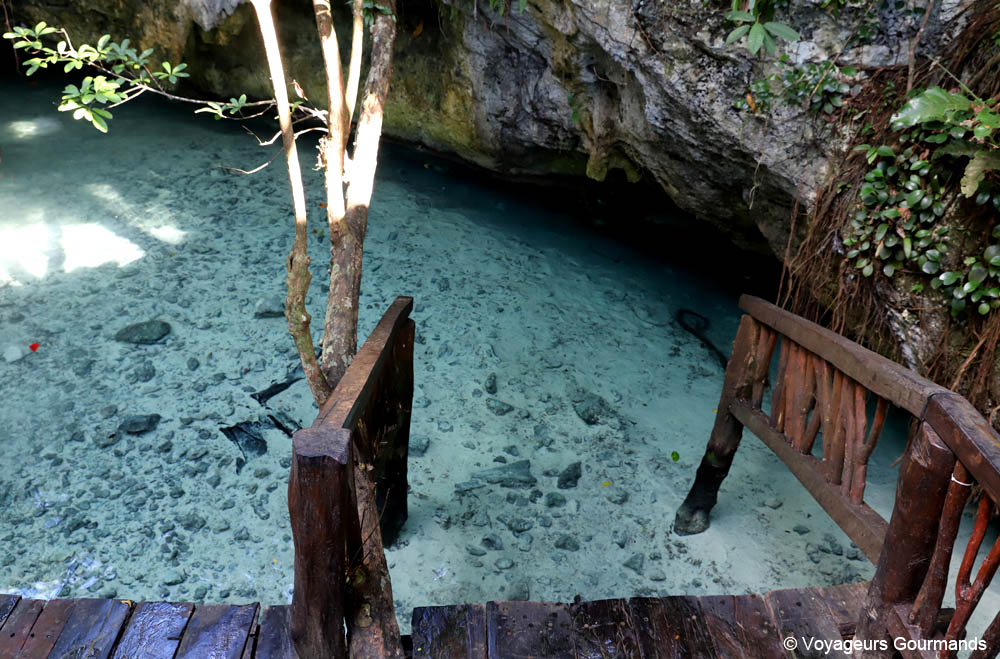
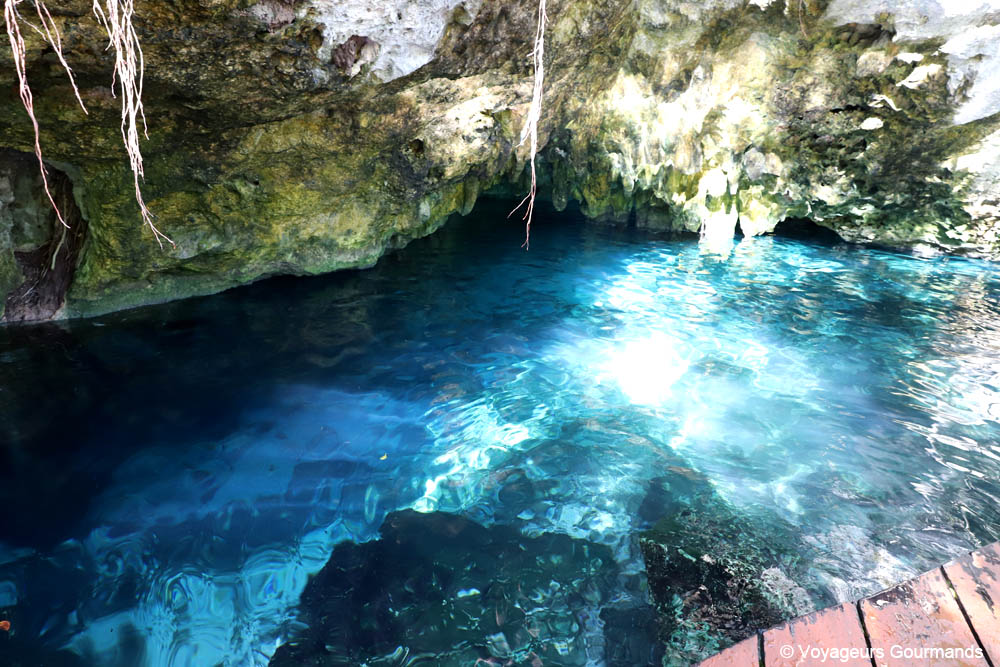
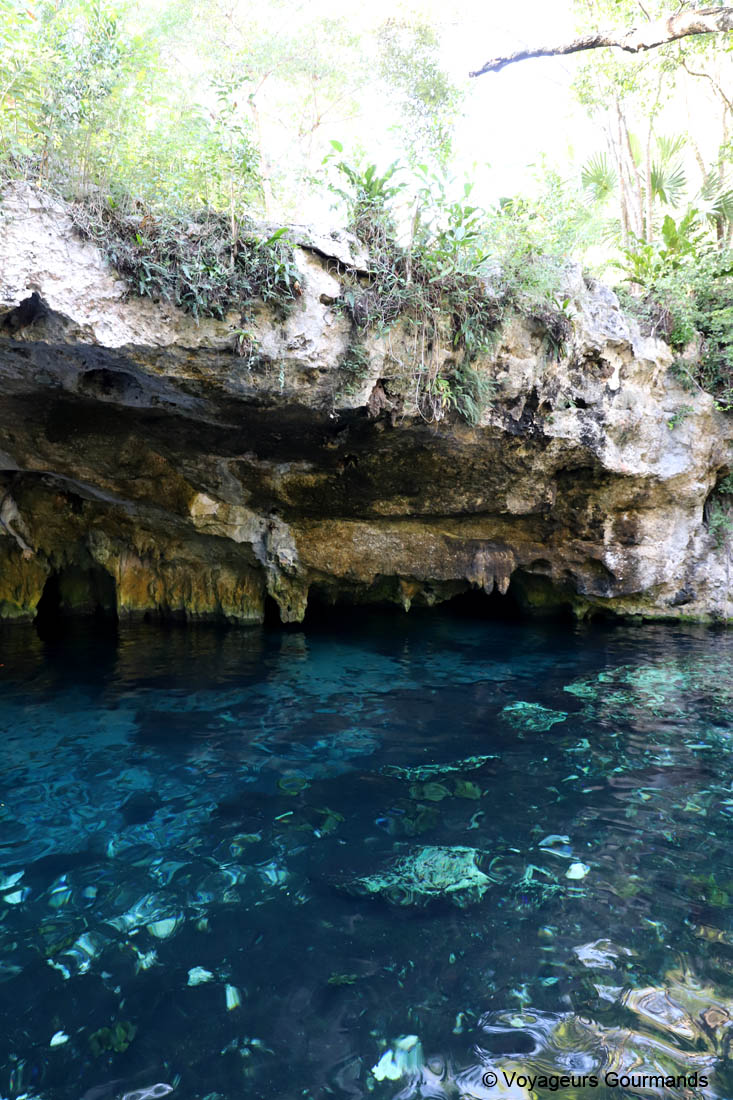
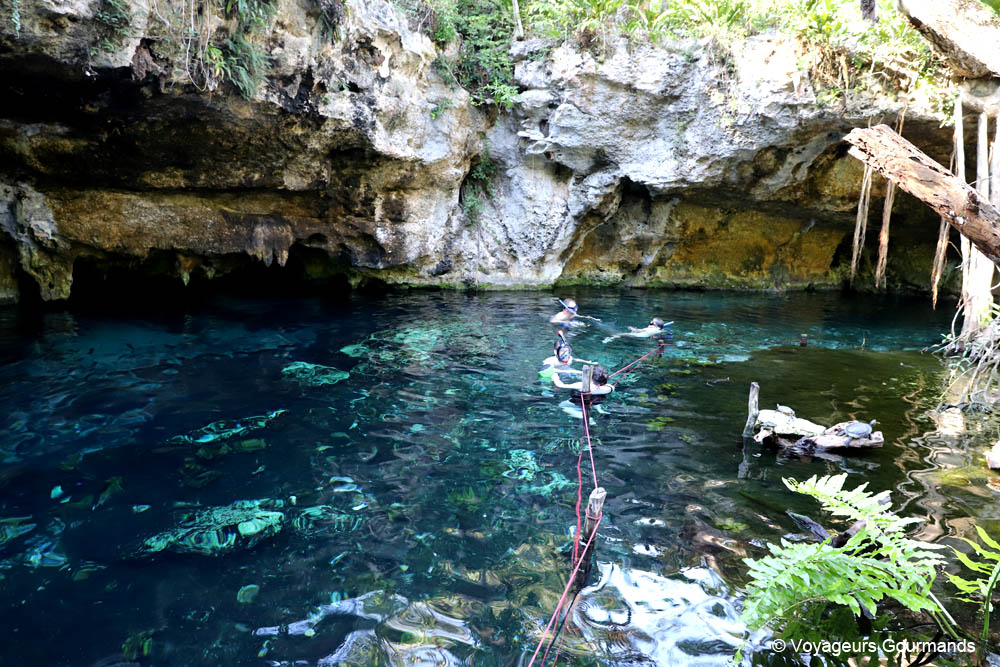
The first one we saw, but not our favourite! People spend the afternoon here, or even the whole day, as there are lawns around the cenote and picnic tables. The water is gorgeous, with lots of fish and little turtles! On the other hand, we found it a bit too “built-up” and there were a lot of people.
➺ Price: around 500 pesos per person in 2026 (compared with 160 when we visited… ouch!). The cenote is easy to access with wooden steps. Open from 8am to 4:45pm.
Cenote Zacil Ha
Just before visiting the Sian Ka’an reserve, we thought we could try to see a cenote or two. We stopped at the “Car Wash” cenote and explained that we didn’t want to swim, just have a look. Unfortunately, the 50-peso fee is the same for everyone, swimming or not. Never mind, we moved on!
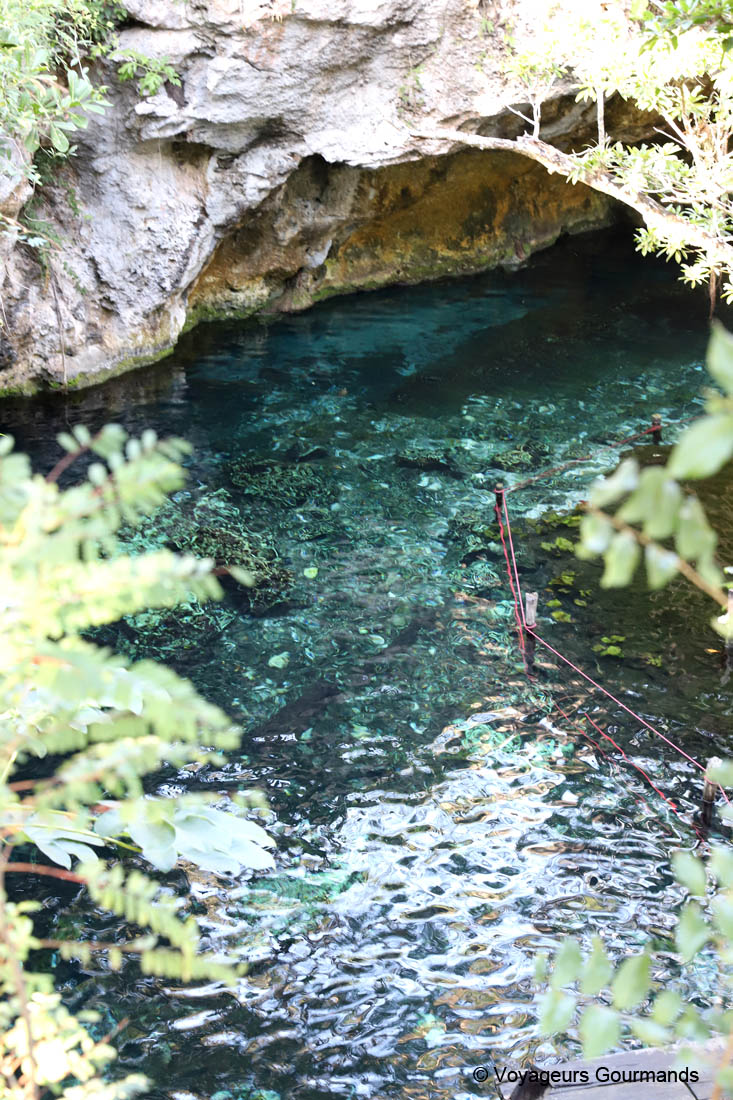
We left empty-handed for Cenote Zacil Ha, and there was nobody in the car park or at the entrance… I went in and walked slowly inside without meeting a soul… I took a few photos and off we went! This cenote is quite nice but rather small: if it’s busy, it must feel cramped!
➺ Price: around 200 pesos per person in 2026 (and 100 pesos for the Car Wash cenote).
Cenote Dos Ojos
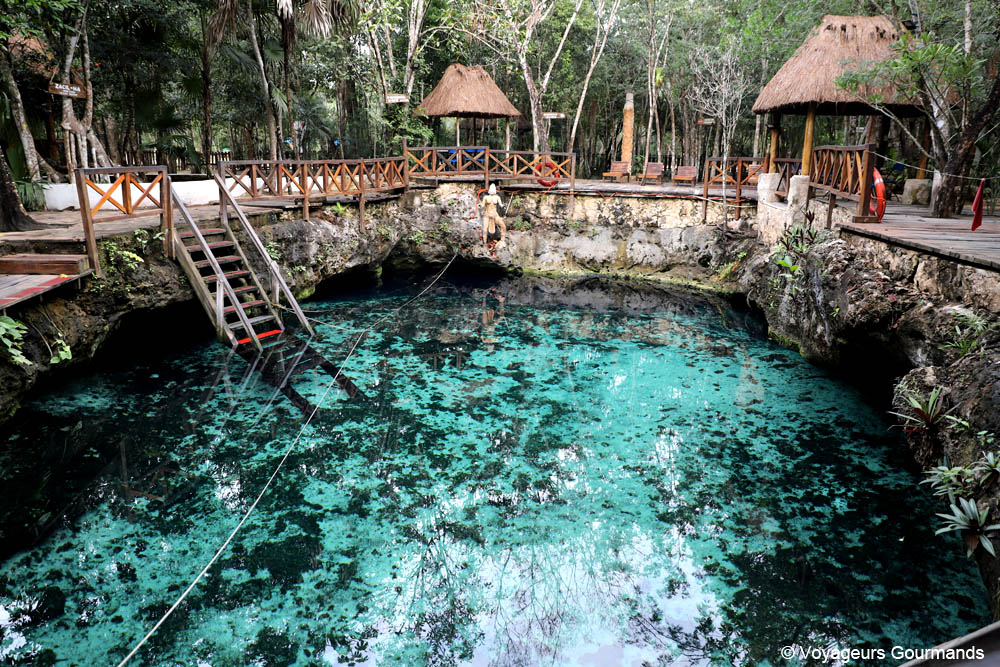
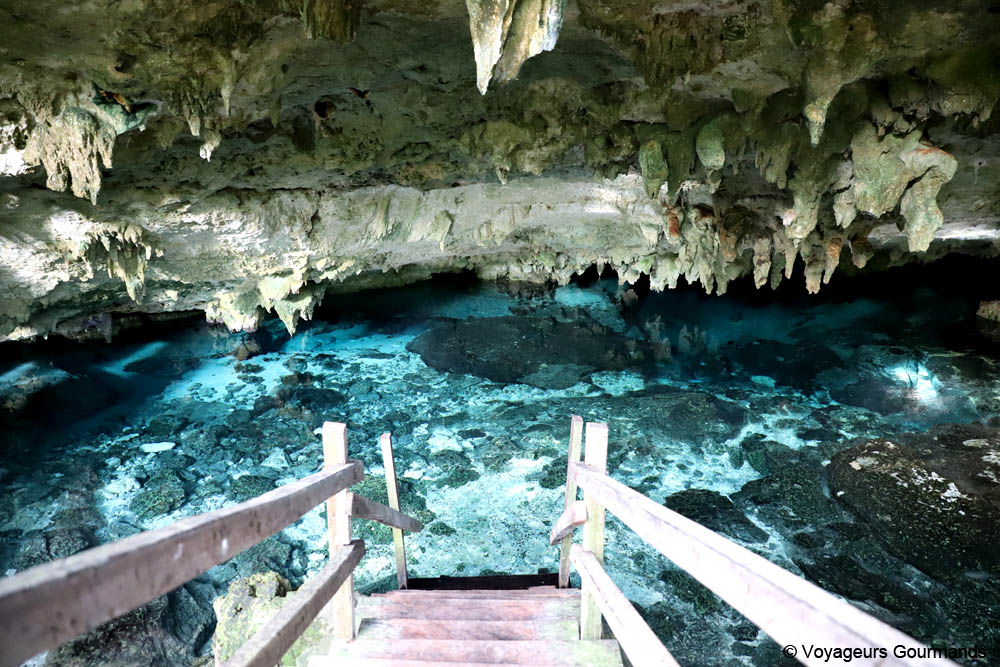
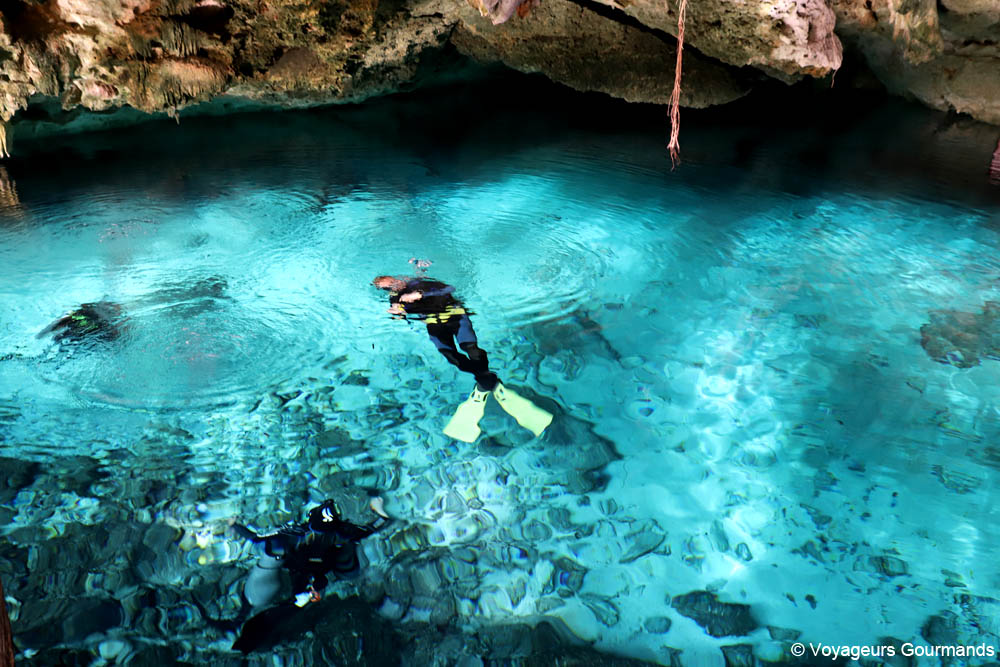
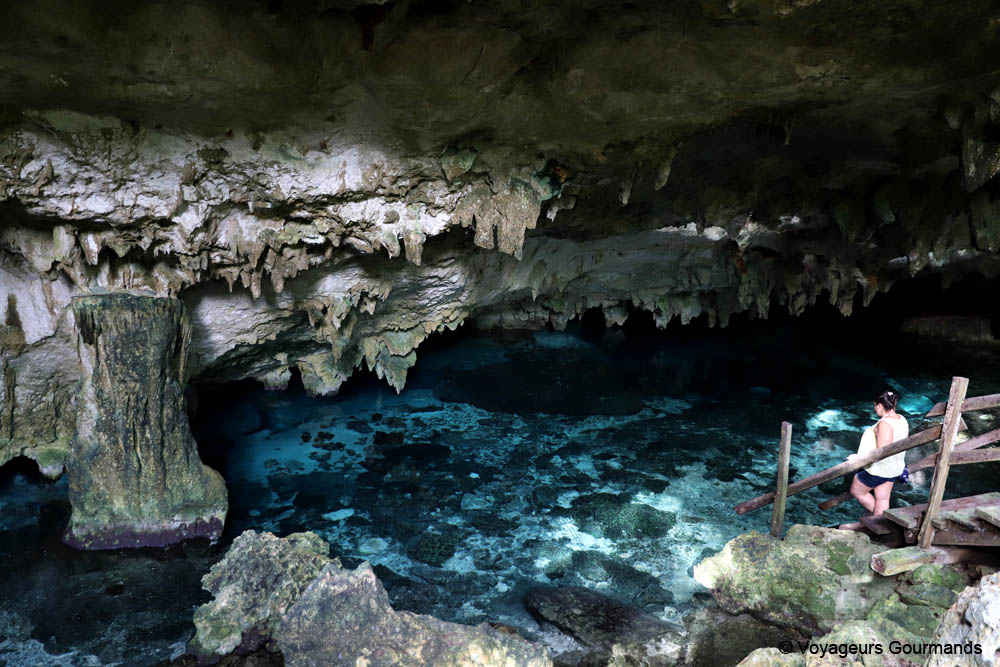
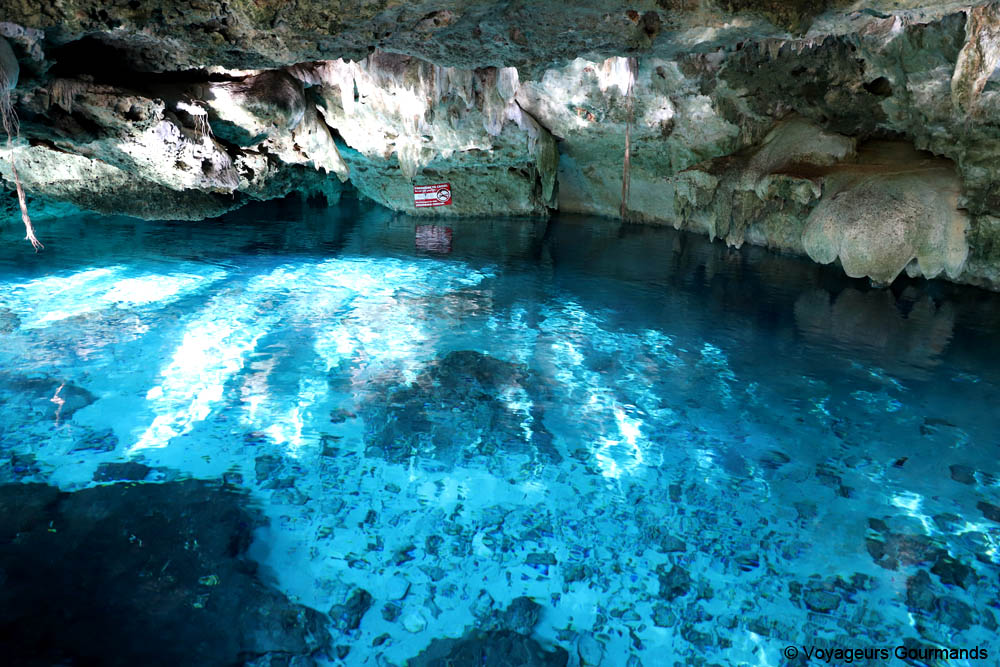
I’d read everywhere that it’s the most beautiful cenote near Tulum… I nagged Alcino into going there in the morning before visiting the Punta Laguna reserve. Once at the entrance, first “surprise”: there are still 3 km of very bad road to go… As its name suggests, the cenote is split in two, and of course what we discovered was very beautiful. However, the facilities are mainly designed for divers: the two cenotes are connected under the rock.
Looking back, we don’t think it was worth coming here “just to look”: the cenote is very, very expensive, and the ticket doesn’t give access to the neighbouring ones.
➺ Around 350 pesos per person in 2026 for swimming and snorkelling – Easy access to the cenote, but allow a good 20 minutes between the entrance and the cenote. We recommend this one for divers!
Cenote Punta Laguna
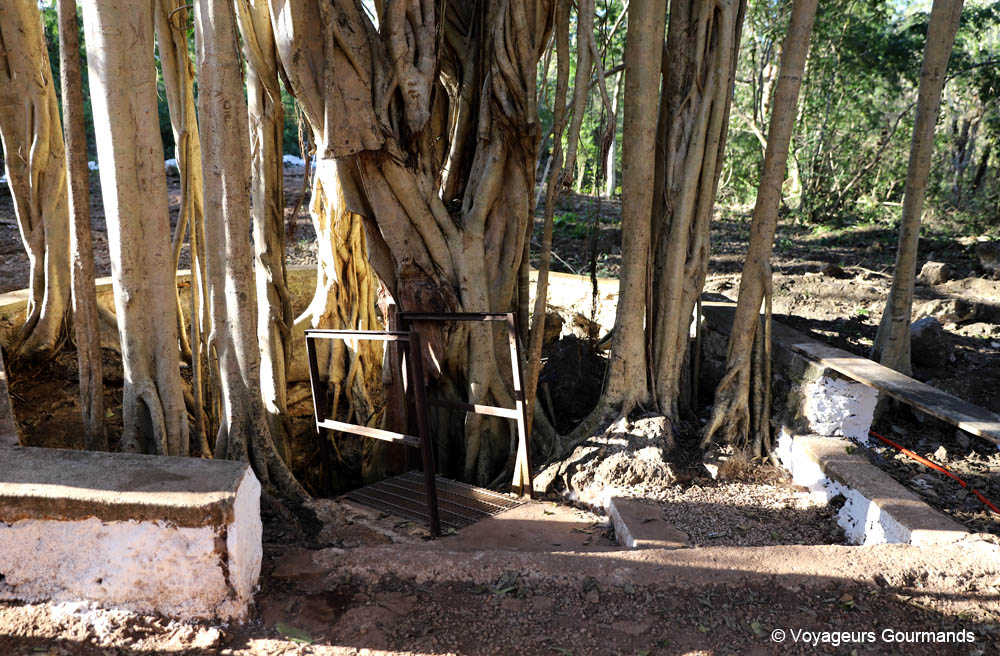
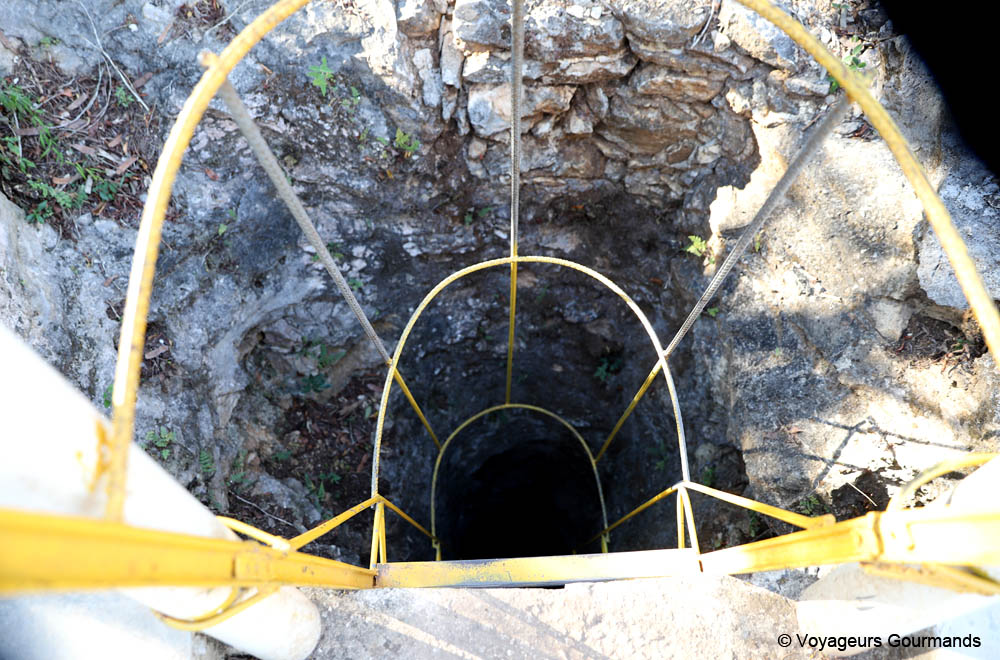
This was a very special experience, which I describe in more detail in my article on Punta Laguna… Here, in the middle of the forest, is a cenote you reach by abseiling down a ladder. Some twenty metres lower, we were there… But it’s above all what lies under the water that makes this place unique: human bones lie submerged here… Rituals, offerings, a cemetery? Nobody knows… An unusual experience guaranteed! So many emotions, from the place and the physical effort, that our photos look like nothing… Sorry!
Cenotes around Mérida
We had planned to visit two cenotes around Mérida: Cenote X-Batun, near the archaeological site of Uxmal, then Cenote Noh-Mozon on our way out of Mérida. Simply put, we never found them! So we fell back on other cenotes: Sambula and Cuzama.
Cenotes Noh-Mozon and X-Batun
We never found them, despite the maps.me GPS and despite asking the people we met…
For X-Batun, the road we were supposed to take was really terrible, so we preferred not to venture down it for miles and then have to turn back.
As for Noh-Mozon, the one shown on maps.me isn’t actually the right place! The locals we met didn’t even know it. We drove around for over an hour for that one, in vain. Once we had wifi again, we read other travellers’ accounts of crossing private land and lifting barriers to find it. In short, we wasted our time!
Cenote Sambula (Pebá)
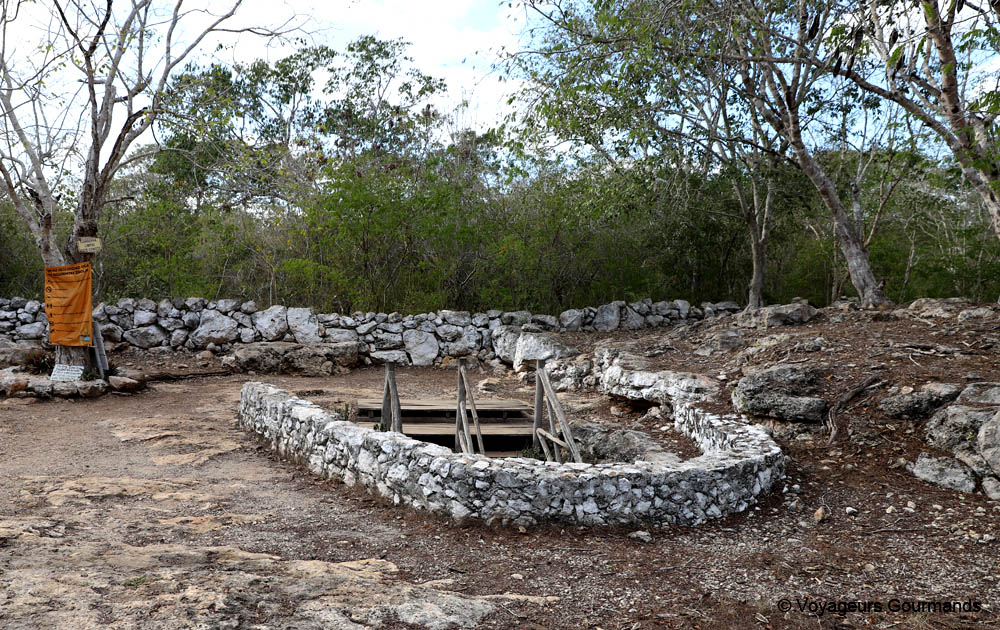
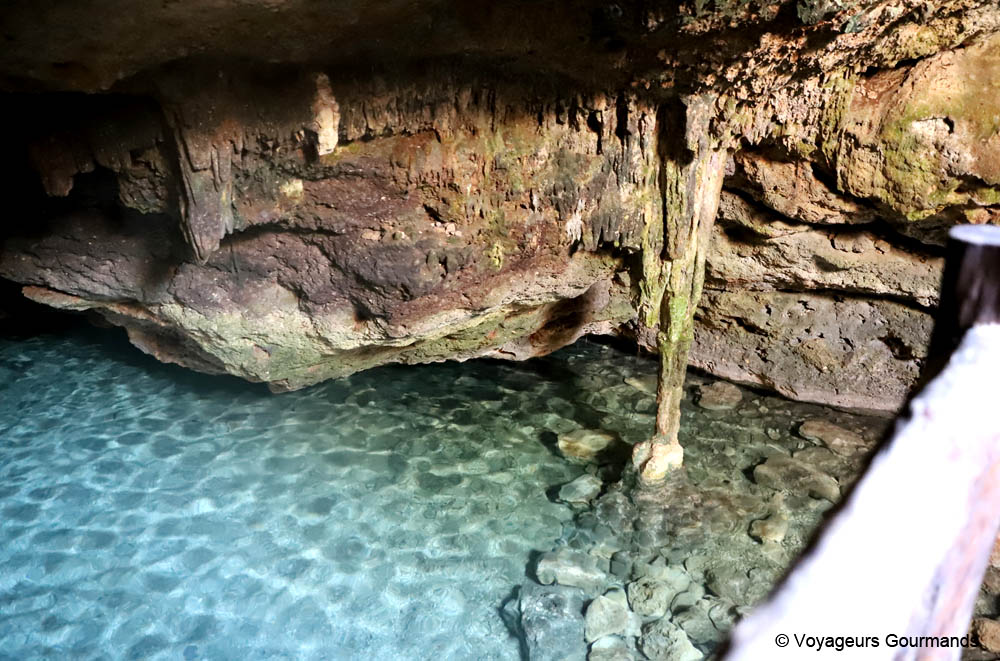
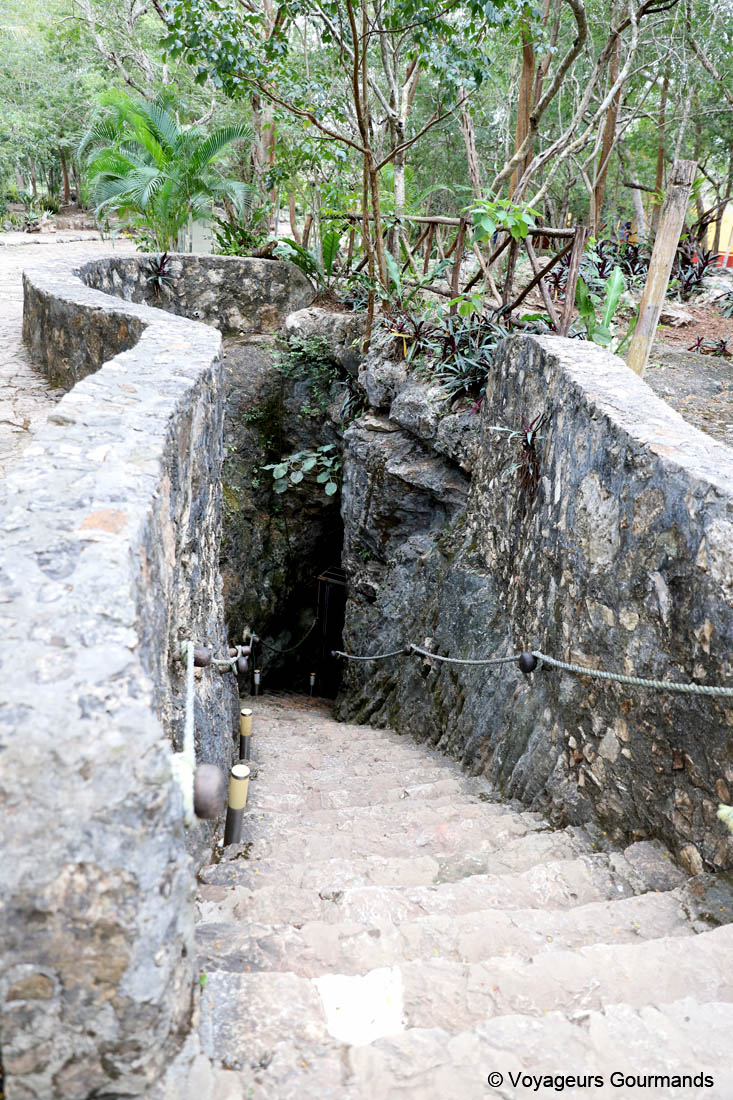
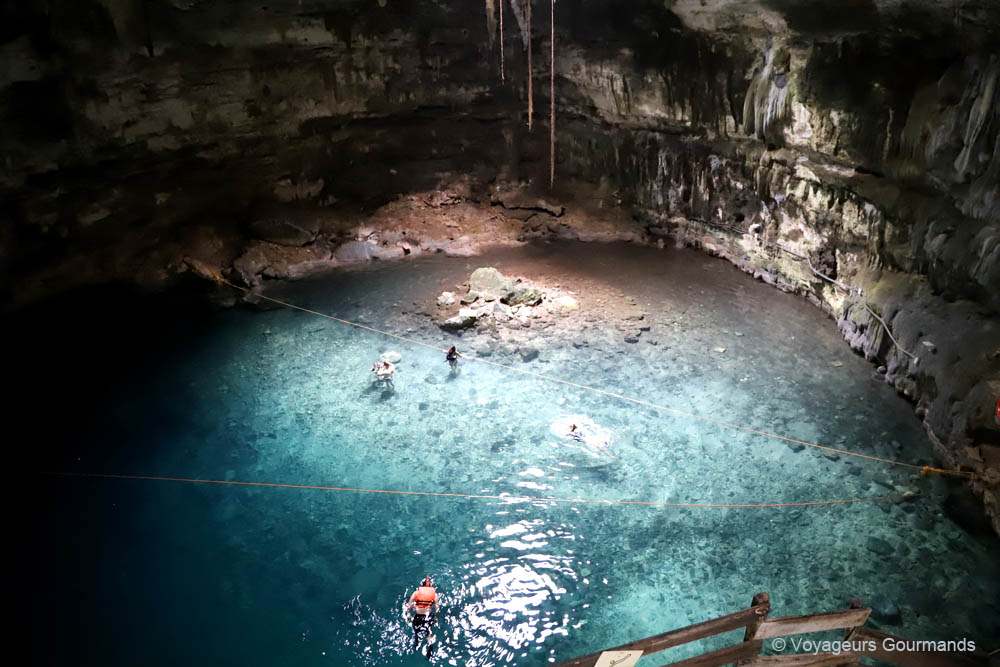
We were lucky to end up here! When we arrived, there was only one family there. The entrance is really different from what we’d seen so far, so we loved it! Barely a few steps down, the heat and the lack of air hit us – it’s crazy! The water is crystal clear, and after getting so hot at Uxmal, it felt great!
➺ Price: 60 pesos per person when we visited (check on site, open from 10am to 4pm) – Easy access with a car park and fairly wide steps down into the cenote.
A quick note: Cenote Sambula is in the tiny village of Pebá, which is why you’ll also find it under the name “Cenote Pebá”. With its shallow water (1.5 to 2 metres depending on the season), it’s one of the few cenotes on our list that’s really suitable for children.
Cuzama cenotes
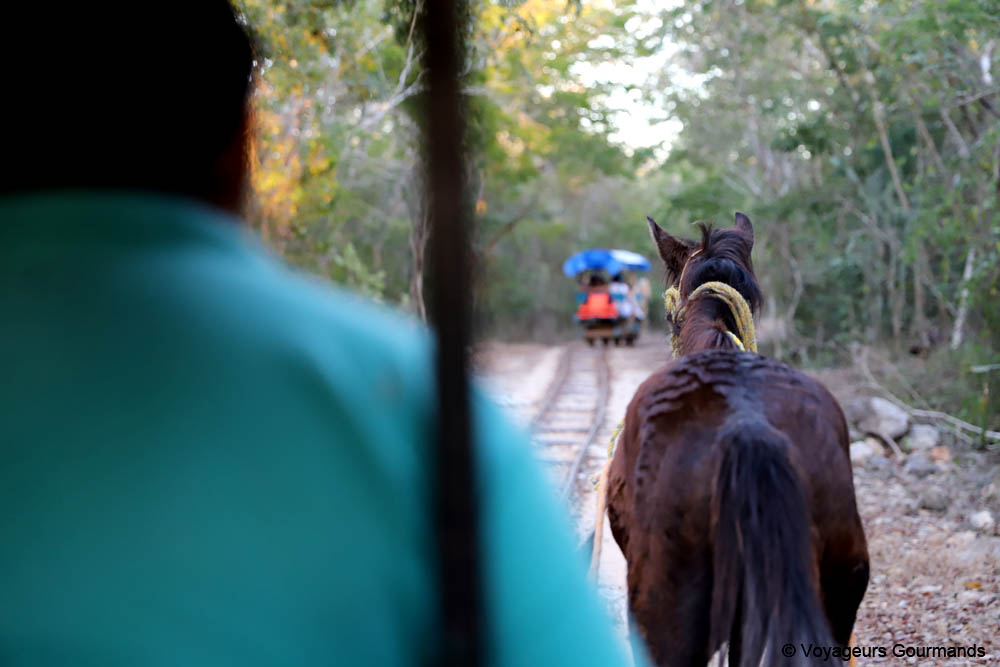
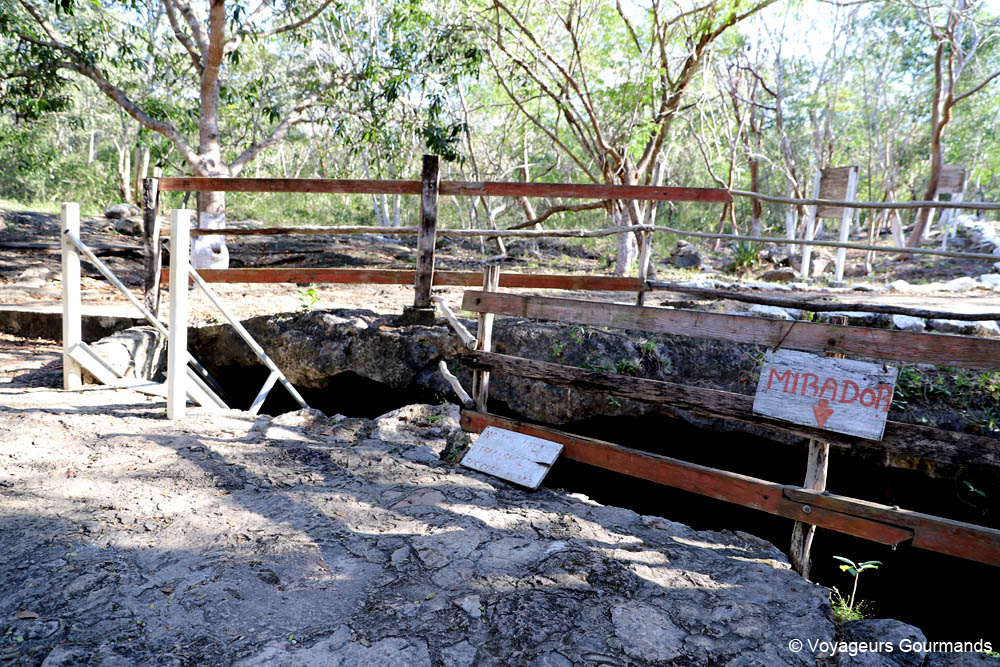
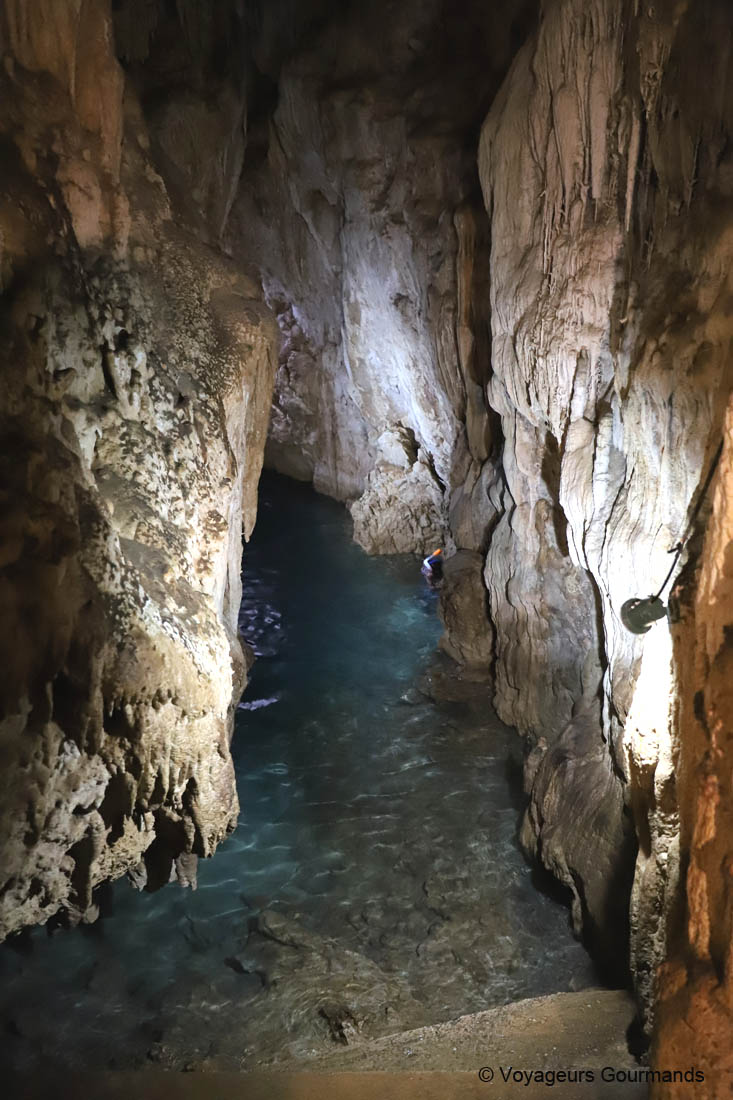
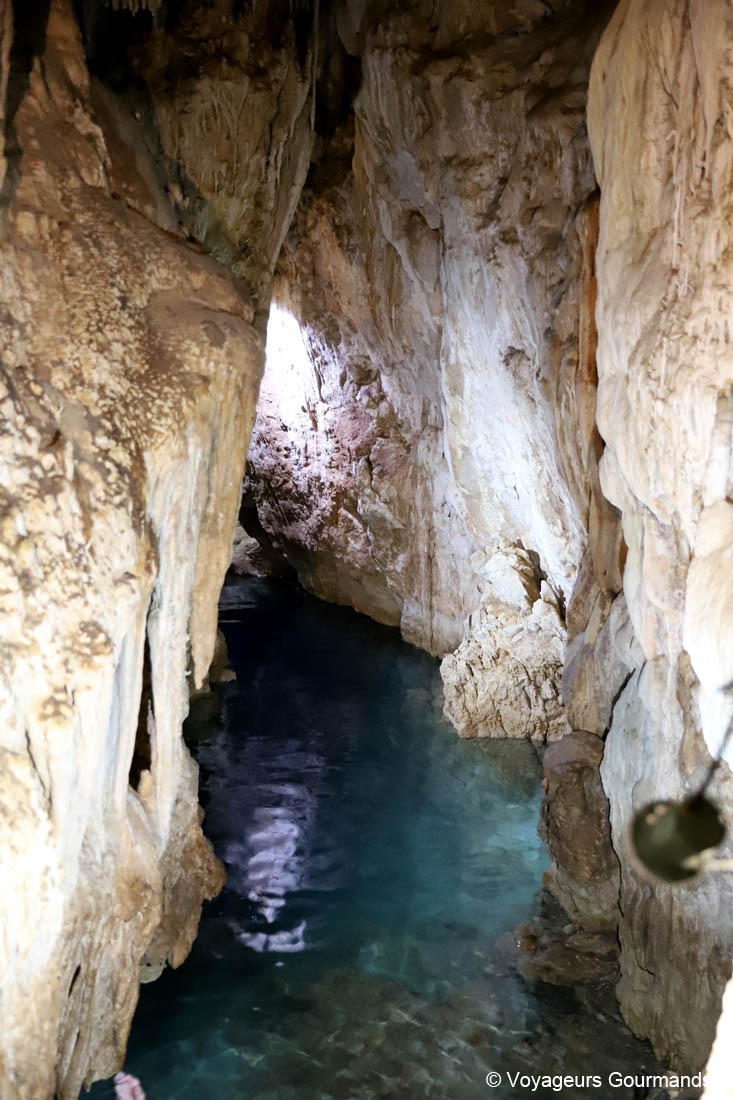
There are 3 cenotes here, which you explore in about 2 hours, with 30 minutes of swimming in each. But I have mixed feelings about this experience… First, you get there on a small cart pulled by a horse. Although I found it fun and unusual at first, I ended up feeling bad for the horses… They looked healthy and well treated, but we really struggle with attractions that use animals…
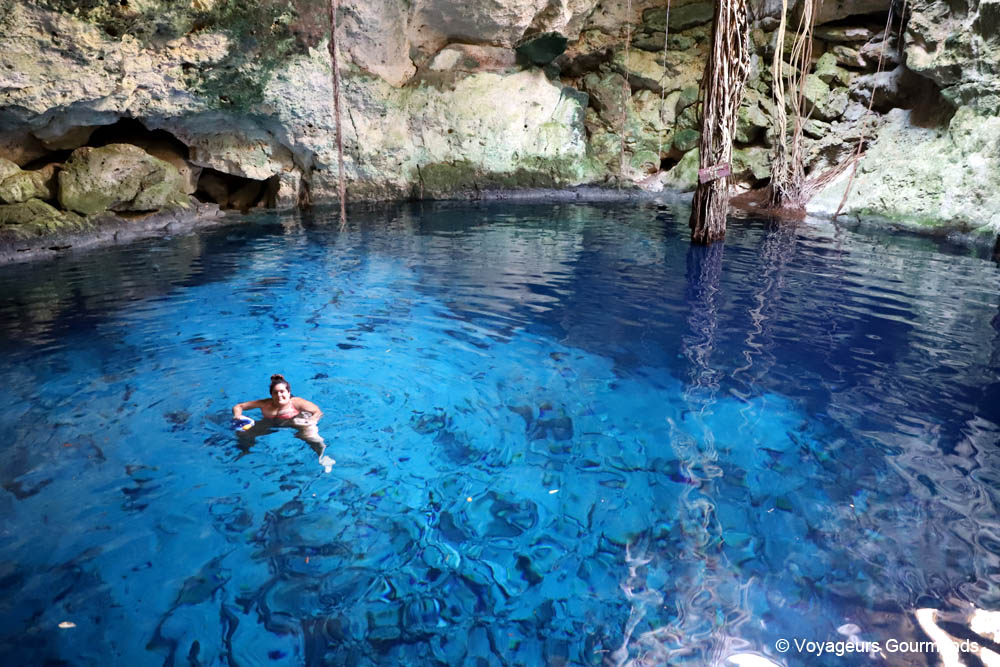
The first cenote is magnificent; the ladder to get down is a bit “slapdash”, but hey, we were hot and wanted a swim.
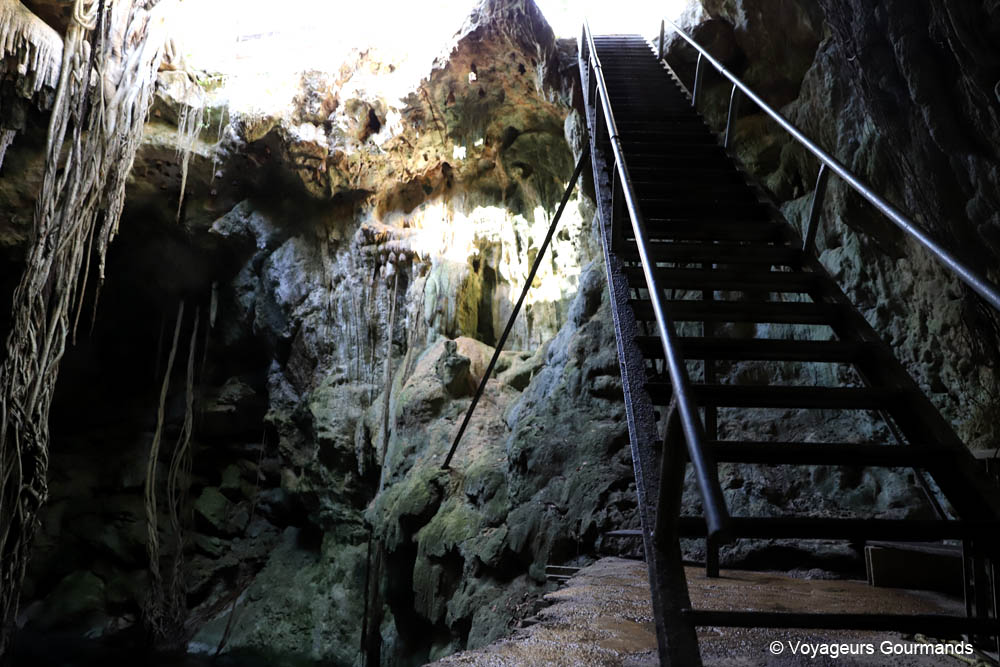
However, when we reached the second one, things got trickier: the iron ladder was frankly scary. Wet and barefoot, Alcino climbed down very slowly for about ten metres. He came back up and told me it was a bit dangerous: the ladder is slippery, over several metres, with zero safety. I started going down, not feeling very confident, when he said: “I’d rather you didn’t go down, wouldn’t you prefer to go straight to the third one?” His remark scared me even more, and off we went to the third cenote.
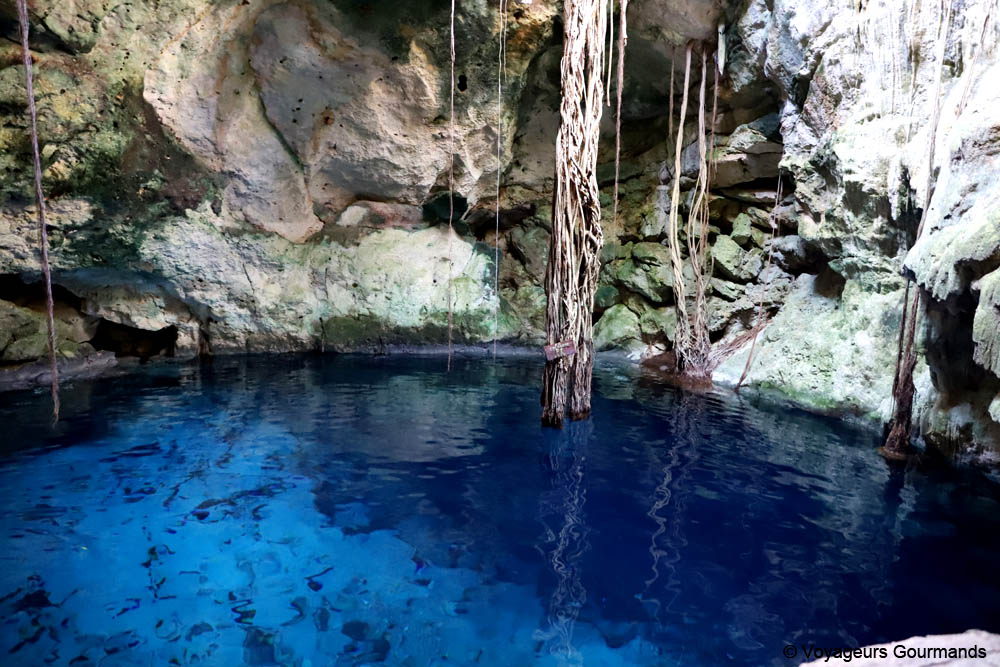
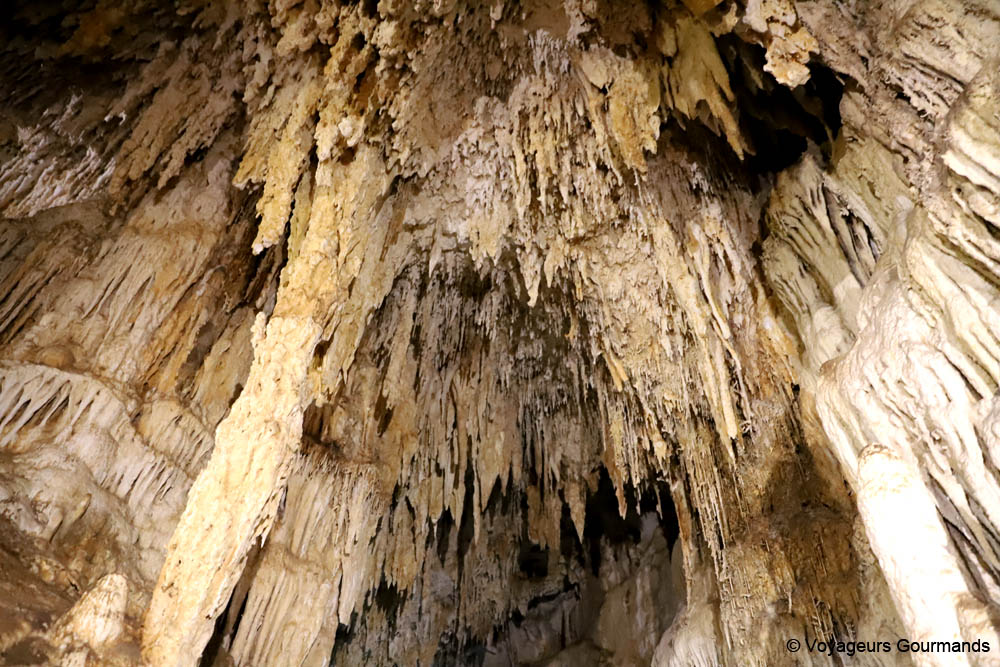
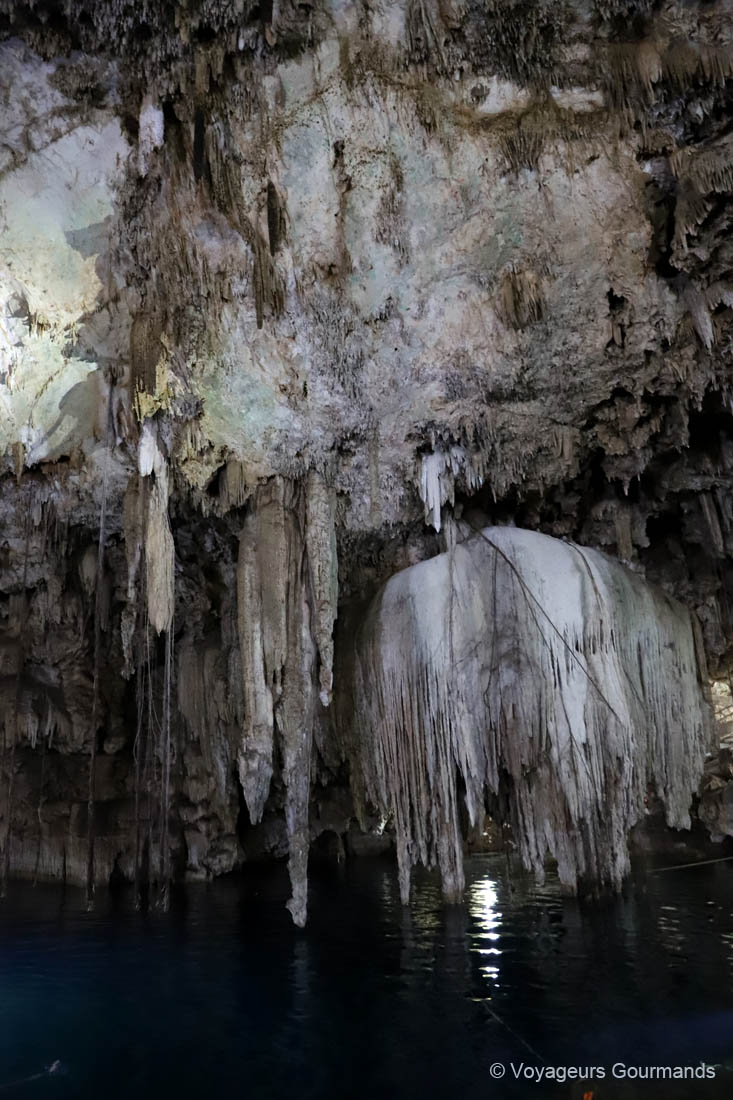
This time, access was “easier”. The setting is impressive, with a whole “cave” section to look at, lots of stalactites and stalagmites, and the water is so pure. It’s simply sublime!
➺ 200 pesos for the 3 cenotes when we visited (today, allow 400 to 500 pesos per cart for up to 4 people, to be negotiated at the village entrance): access at the start is easy, and there’s a large car park. With 3 cenotes and travelling at 10 km/h, we met very few people, which was great. However, we really don’t recommend these cenotes if you have children!
Homun cenotes
Right next to the village of Cuzama is Homun, and if we did it again, we’d stop there! We drove past the village church, far too cute, so of course we stopped. Next to it, locals were playing football, and within a few minutes one of them came to chat. He’s a guide in the area and really sold us his village: much less touristy, with plenty of cenotes too… He also told us we were standing on the third-largest church forecourt in the world (after the Vatican and Izamal)! Crazy!
The village has dozens of cenotes, often run by families. The best known are those of Santa Bárbara, a short circuit you do by bike or cart, and Santa Rosa. But the village guides (like the one who approached us!) also offer moto-taxi tours to more secret cenotes such as Bal-Mil or Yaxbacaltún. In short, if you’re hesitating between Cuzamá and Homún, we’d recommend Homún!
Cenotes around Valladolid
Cenotes X-Keken & Samula
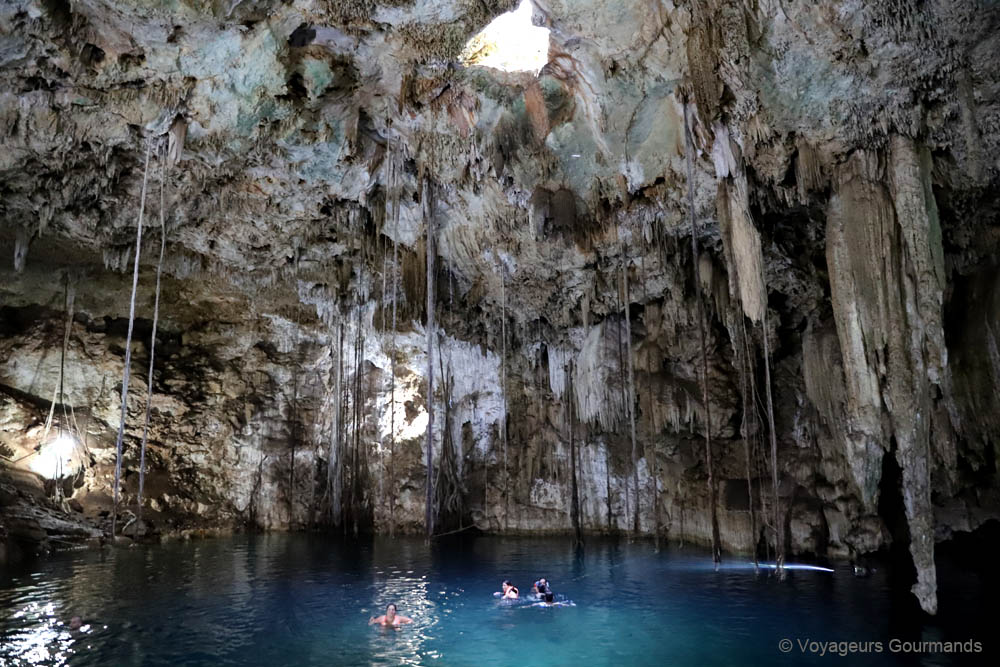
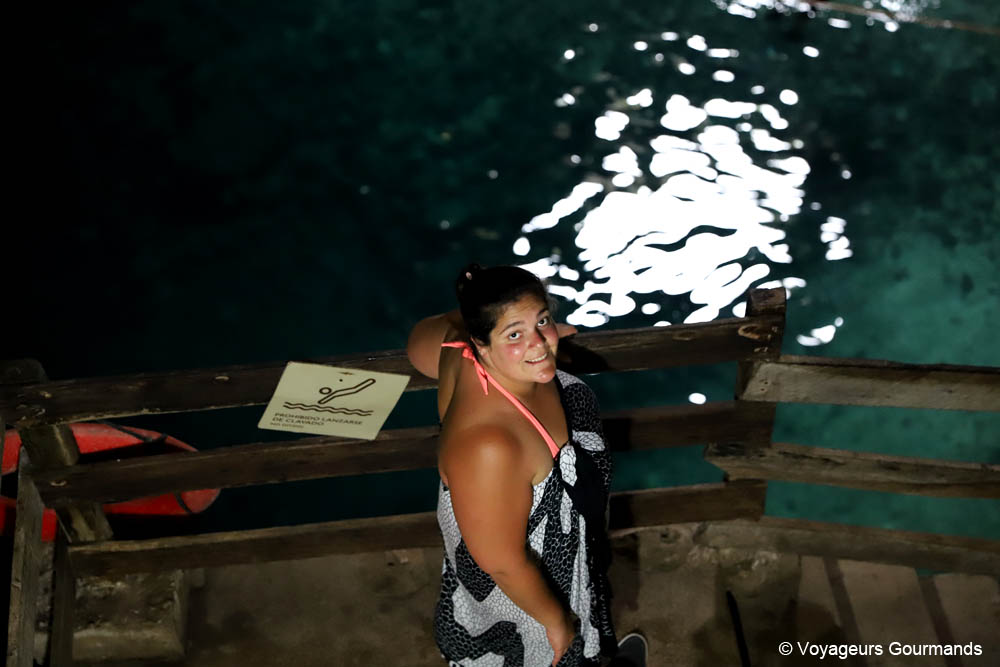
After visiting Chichen Itza, we skipped the nearest cenote, Ik-Kil, as we were afraid of the crowds. We chose X-Keken and Samula as they’re not far from town. The cenotes are very beautiful, but once again a bit too “built-up” for us. We prefer it when the natural side really remains. Here there are lots of shops, vendors and so on. So yes, I found a great dress, and the water is sublime, but it still feels a bit like a public swimming pool…
➺ 80 pesos for one cenote, 125 pesos for both + a tip for parking – really easy, paved access.
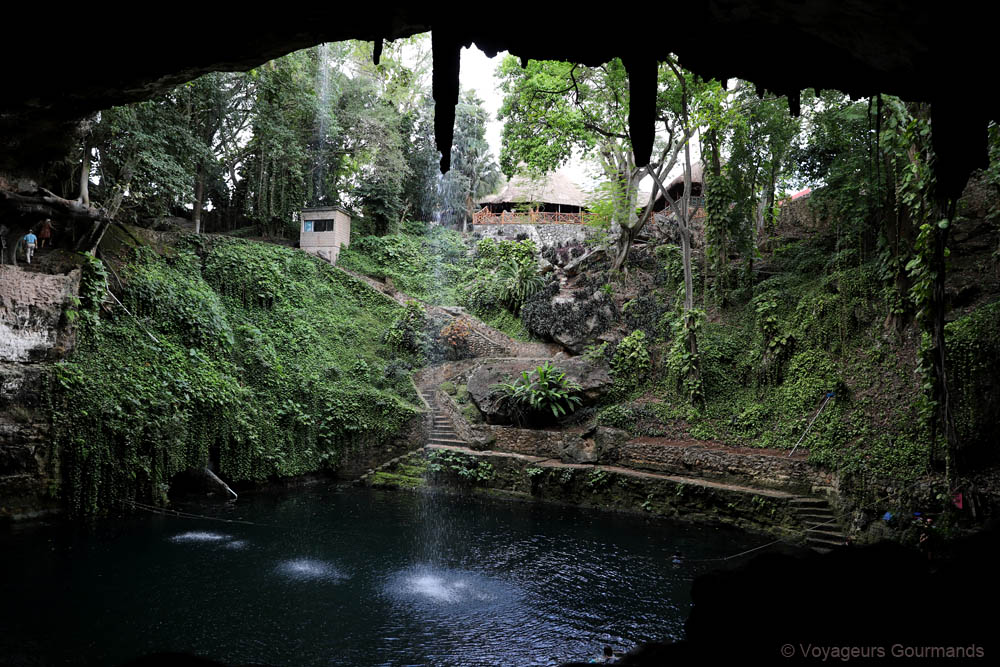
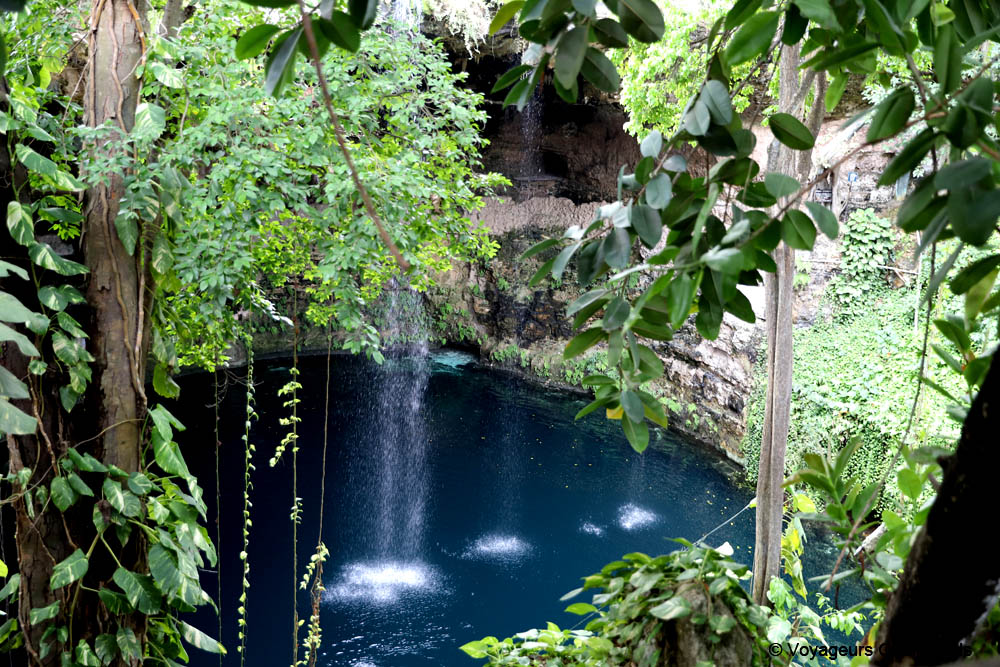
Cenote Zaci
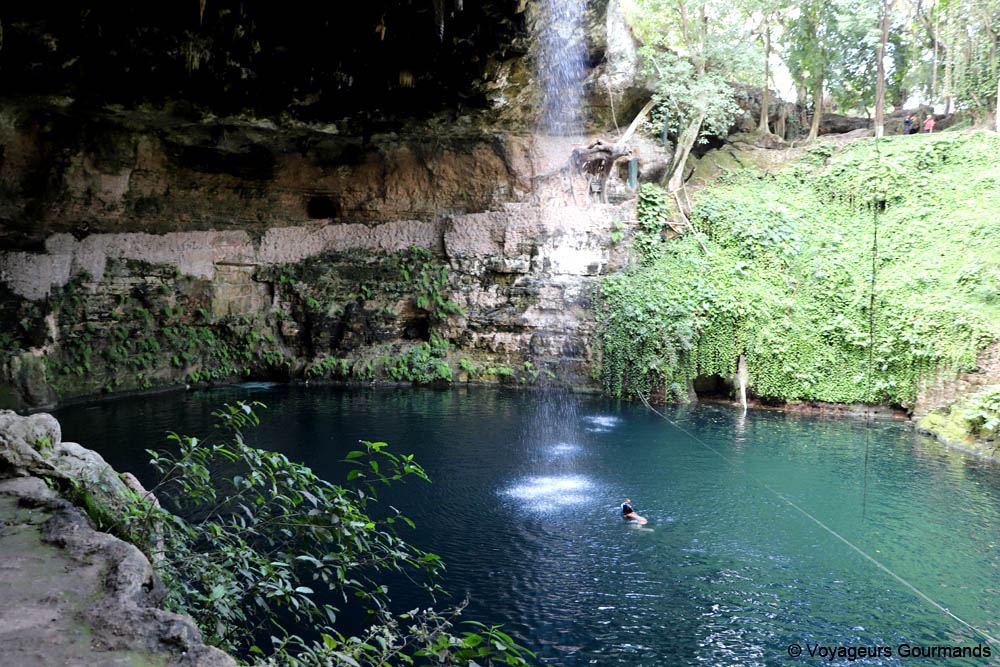
One of our favourites! This cenote is incredible because it’s right in town! We dropped by quickly “just to look”, and were so surprised that we decided to come back and spend the morning there. The second surprise: the entrance ticket is valid all day!
➺ 60 pesos in 2026 (30 when we visited): still unbeatable! – The cenote is a short walk from the town centre, or you can drive (there’s a car park). Getting into the water is easy too, although it’s quite slippery.
Cenote Suytun
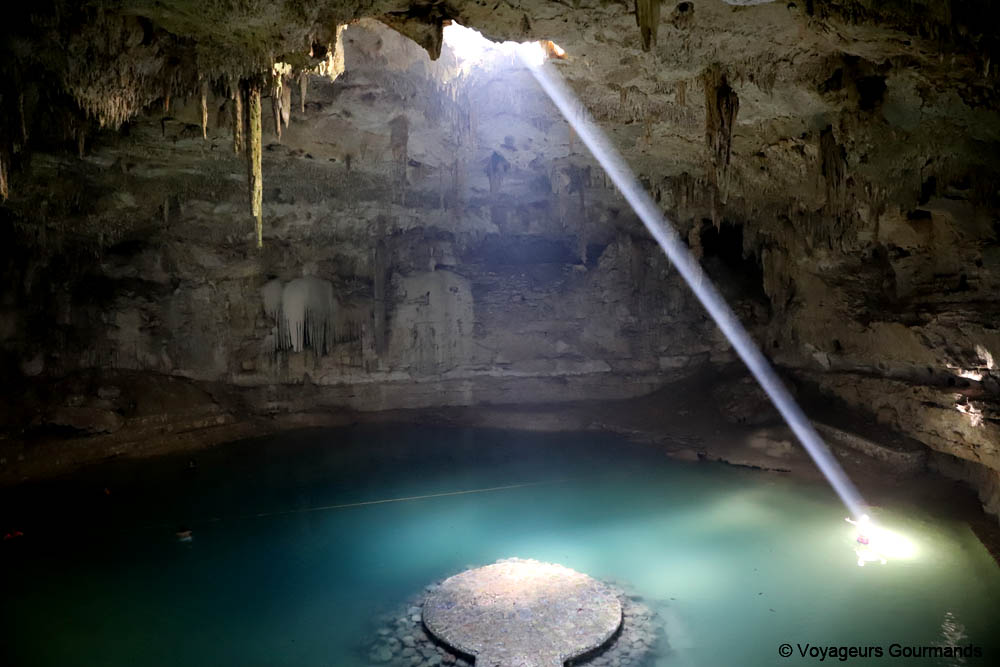
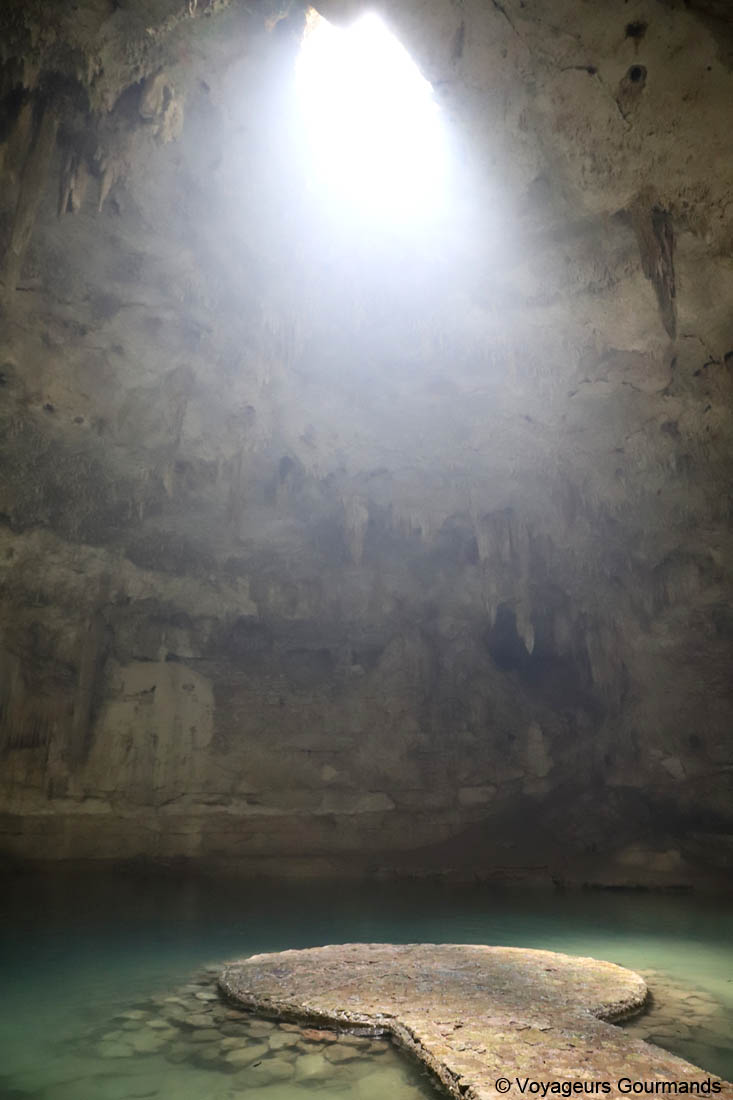
There’s no doubt about this cenote’s charm. However, it’s far too much a victim of its own success! When we arrived, 3 coaches were leaving the car park, and there was a souvenir shop with around twenty tourists inside… We were so lost in the crowd that we didn’t even realise we’d walked past the entrance without paying… until the checkpoint where they asked for our tickets! The cenote is beautiful, but here people come to take THE Instagram photo and leave… On top of that, lots of incense is burning, making the air hard to breathe (and there’s already little of it once inside the cenote…). If we did it again, we wouldn’t come here; we’d look for “wilder” cenotes.
➺ Around 250 pesos per person in 2026, life jacket compulsory – car park – very easy access.
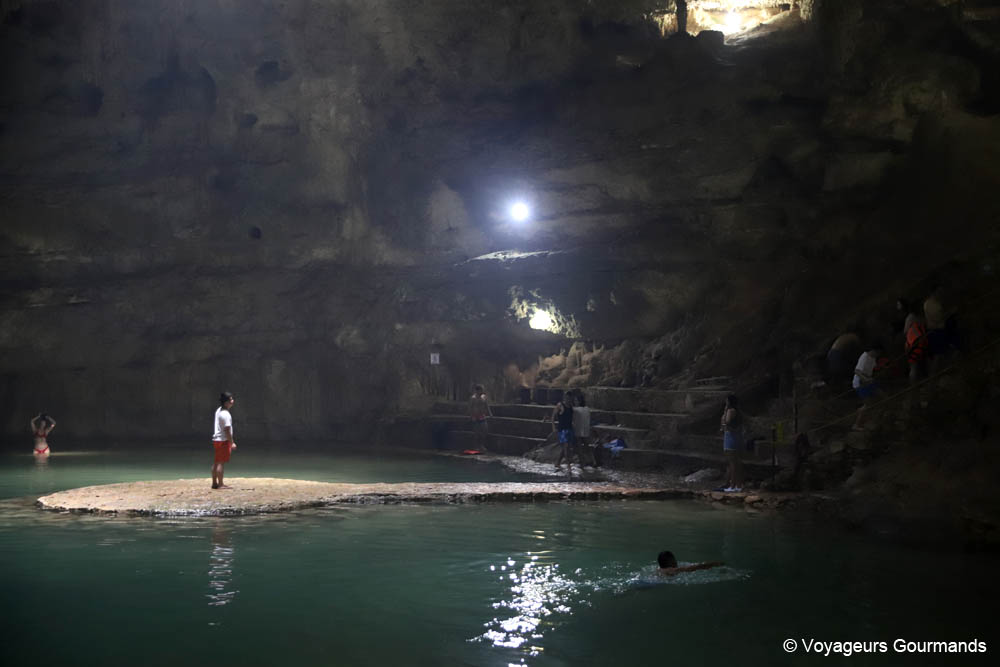
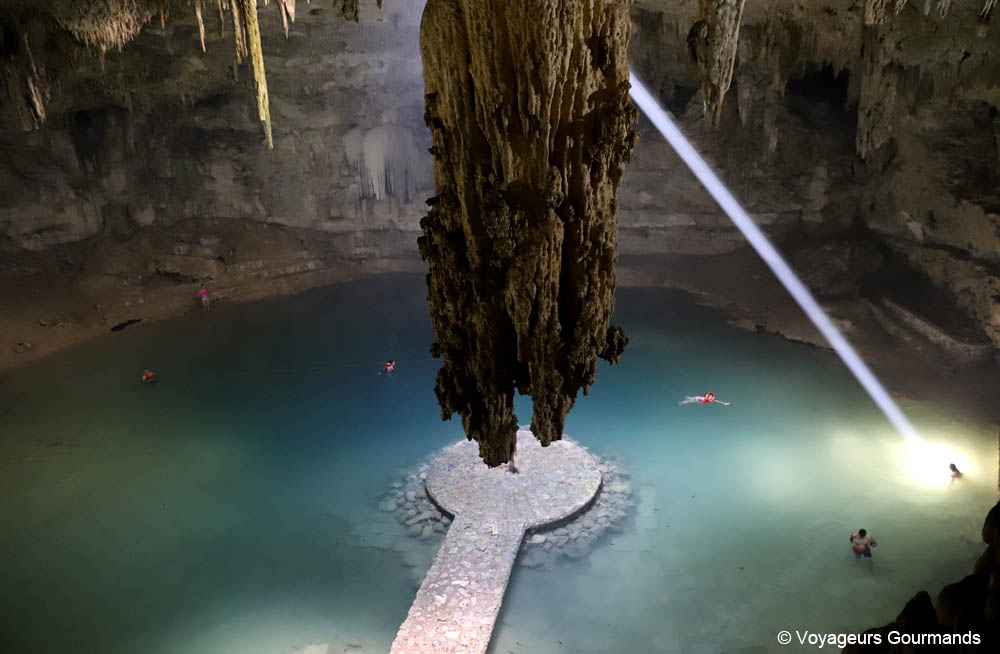
Ik Kil, Xcanahaltun, Oxman: the cenotes we’d visit today
Looking back, we slightly regret skipping some of the cenotes in the area… If we did it again, here are the ones we’d add to our list:
➺ Ik Kil: a few minutes from Chichén Itzá, it’s THE postcard cenote, with vines hanging all the way down to the water. We avoided it for fear of the crowds (and we were probably right in the early afternoon, when the tours arrive!). Top tip: go as soon as it opens at 9am. Around 200 pesos.
➺ Xcanahaltun: a family-run cave cenote near Yalcobá, north of Valladolid. You go down a spiral staircase to a wooden jetty, under shafts of light… A bit pricier than average (around 250 pesos), but far less crowded.
➺ Oxman: about ten minutes from Valladolid, in the grounds of an old hacienda, with a rope swing to jump into the water Tarzan-style. Around 80 pesos for the cenote only, 150 pesos with access to the pool.
Cenotes around Bacalar
Further south, Bacalar has completely different cenotes: no caves or open-air sinkholes here, they’re submerged in the lagoon of 7 colours. You discover them by boat: Cenote Negro, which plunges to 170 metres deep and turns the water very dark, Cenote Esmeralda, and Cenote Cocalitos, known for its swings in the water. Only Cenote Azul, right next to the lagoon, can be reached on foot or by bike. We tell you all about it in our guide to things to do in Bacalar.
Yucatan cenotes: practical tips
There are lots of things to consider before choosing which cenotes to see. First tip: don’t just think “wow, so beautiful, I want to go”. I say this because that’s pretty much what I did, and I shouldn’t have. Or at least, I should have done a lot more research! I listed loads of gorgeous cenotes I’d spotted on Instagram or on blogs, and we just went “like that”. In fact, as I mentioned above, sometimes we didn’t even find them.
What to consider before going to a cenote:
➺ The price
➺ The access
➺ The location
The price
The entrance fee will probably help you choose which cenotes to visit, quite simply because prices can double or even quintuple. During our trip, we saw entrance fees of 30 pesos and others of 375 pesos… And prices have gone up a lot since: in 2026, allow around 60 pesos for Zaci versus 500 pesos for Gran Cenote. If you’re not planning to stay a while, it’s sometimes not worth paying that much “just to look”. But that’s just our opinion, of course!!
The prices in this article are 2026 prices, but they change fast: check before you go, and bring Mexican pesos in cash.
The access
At the time, we didn’t have children yet, but we thought about it a lot when we found ourselves in cenotes we were scared to get into. Some are well equipped, with wide staircases or stone steps that are easy to use… But some can only be reached through a hole via a slippery iron ladder, over 10, 15 or 20 metres. If you’re travelling with little ones, with people who are less physically able, or just with people who aren’t very adventurous, you’ll be disappointed to get all the way there and not be able to enjoy it. I’m not judging anyone, since I didn’t go down into one myself…
On the transport side, things have changed a lot since our trip: the Tren Maya now serves Cancún, Tulum, Valladolid, Chichén Itzá and Mérida. Handy for getting from one cenote area to another… but to reach the cenotes themselves, often at the end of a dirt track, a rental car is still the easiest option. Otherwise, colectivos and taxis leave from the nearest towns.
The location
Even with GPS, the cenote isn’t always where you think it is. As we said, we wasted quite a lot of time searching for nothing! Double-check the address, get its exact location, look for reviews online, and so on.
Odds and ends
➺ Bring food and drink if you plan to spend the afternoon or the whole day there; there aren’t always vendors around. Sometimes there’s a bit of a walk or no shade, so it’s best to have water with you.
➺ There are cenotes everywhere, absolutely everywhere. If you want to see less touristy, lesser-known places, don’t hesitate to ask the locals. They’ll be delighted to point you towards the ones in their village!
💡 Good to know
🧴 Sunscreen: often banned, even biodegradable, to protect the water; a shower is usually compulsory before swimming
🦺 Life jacket: compulsory in some cenotes (Suytun, for example), often lent or rented on site
💵 Payment: bring pesos in cash, cards are rarely accepted
🕘 Opening hours: most open between 8am and 9am and close around 5pm; arrive early to avoid the groups
✤✤✤
Being lovers of the sea, rivers, the ocean and anywhere you can swim, really… we were always going to love the cenotes of Yucatan! We loved discovering these formations so unique to the region! Have you ever been to a cenote?

FAQ: visiting the cenotes of Yucatan
The frequently asked questions are here!
How much does it cost to visit a cenote in Yucatan?
Prices generally range from 60 to 500 pesos per person, depending on how popular the site is and the facilities on offer. Bring cash, as cards are rarely accepted.
Can you swim in all cenotes?
Yes, most cenotes open to the public allow swimming. Some also offer snorkelling or diving.
What is the most beautiful cenote in Yucatan?
There’s no single answer. Among the most famous are Suytun, Dos Ojos, Ik Kil, Samula and Zaci.
How many cenotes are there in Yucatan?
There are thought to be several thousand cenotes in the Yucatan Peninsula, only some of which are open to visitors.
Which cenote should you choose near Valladolid?
If you’re short on time, Zaci is a great option thanks to its location right in the town centre.
Which cenote should you visit near Tulum?
Dos Ojos is still one of the most famous cenotes around Tulum, thanks to its crystal-clear water and underground network. Ideal for divers.
Can you wear sunscreen in a cenote?
Generally not: to protect the water quality, most cenotes ban sunscreen, even biodegradable, and ask you to shower before swimming.
Which cenote should you visit near Chichén Itzá?
The closest and most famous is Ik Kil, a few minutes from the site. To avoid the crowds, go as soon as it opens, before the tours arrive.