


Pag Island, in Croatia, is unlike any other island in the Adriatic: lunar landscapes, a little town of white stone, sheep everywhere and a sea of an incredible blue. Here is the story of our stop on the island, followed by all our tips for visiting it: what to see, what to do, how to get there by ferry or by bridge, and where to stay. And to get there, the coast road alone is worth the trip.
We leave Plitvice with stars in our eyes… it was truly magnificent! The third day of our Croatia road trip takes us further north to the town of Senj, where we pick up the main road and follow the coast all the way to Pag Island. I had read that the scenery would be rather nice…
✤✤✤
Pag Island at a glance
| 🧭 Topic | 📝 Key facts |
|---|---|
| Getting there | Prizna → Žigljen ferry in the north (15 to 20 min crossing), Pag bridge in the south, about 1 hour from Zadar |
| Recommended stay | 1 to 2 days, 3 days or more to enjoy the beaches |
| Who is it for? | Road trip and landscape lovers, families looking for quiet beaches, partygoers in Novalja in summer |
| Best time to go | May–June and September for peace and quiet, July–August for swimming (but very busy) |
| Not to be missed | The coast road from Senj, Pag Town, the olive groves of Lun, the salt pans |
| Specialities | Paški sir sheep’s cheese, Pag lamb, salt, lace |
| Where to stay? | Pag Town or Novalja for amenities, Metajna for peace and quiet |
| Currency | Euro (since 2023) |
Pag Island: stunning landscapes!
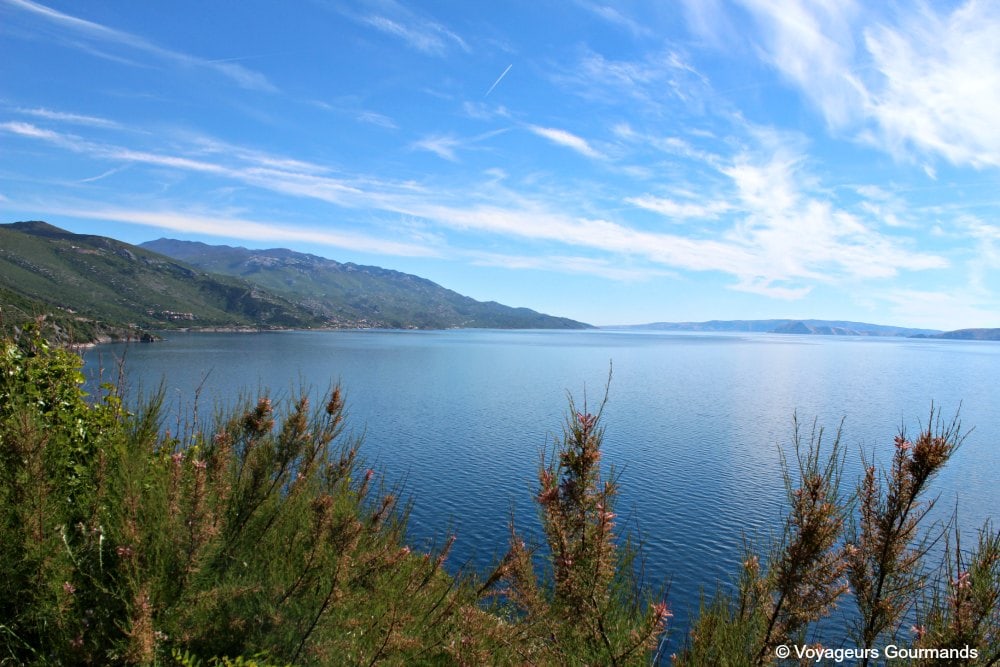
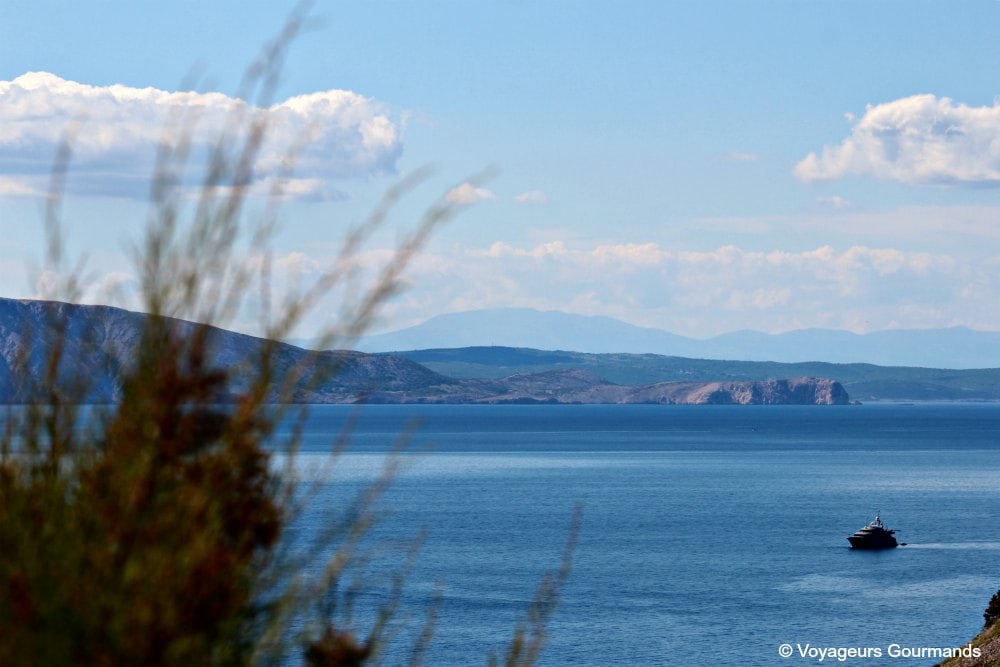
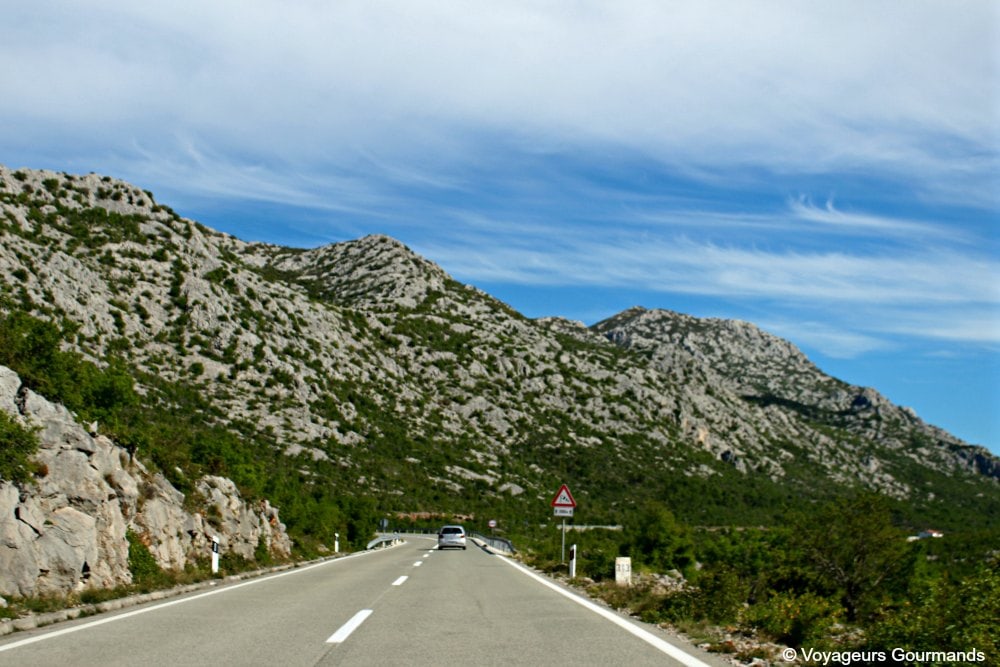
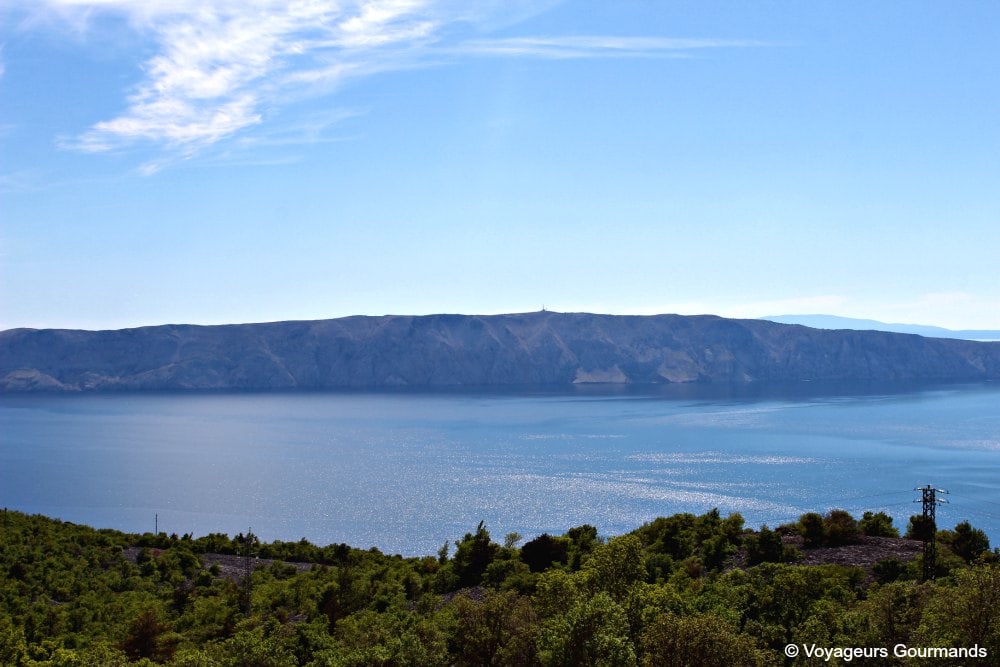
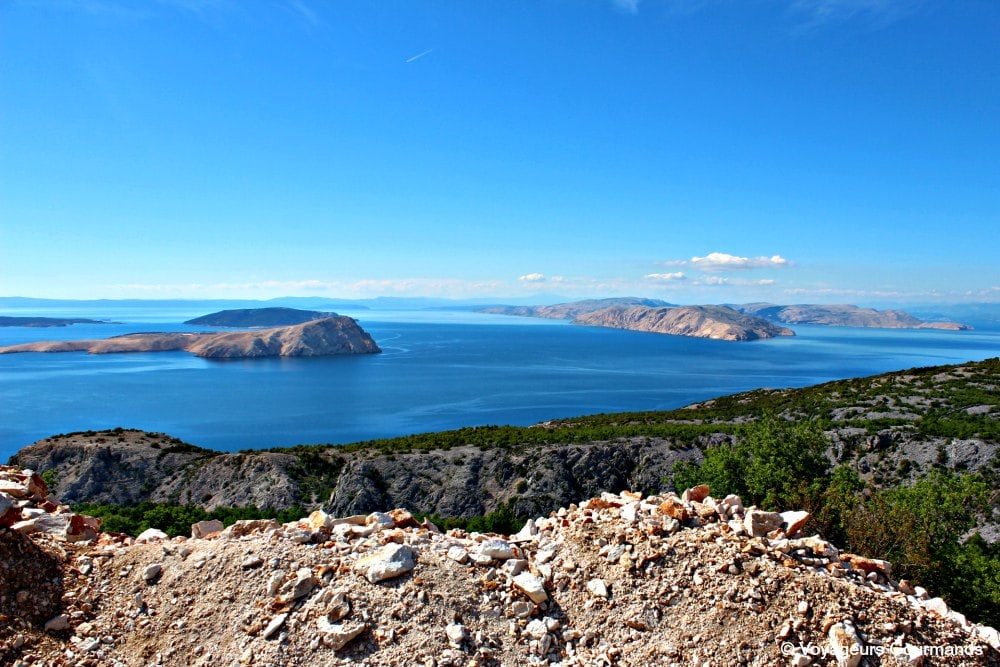
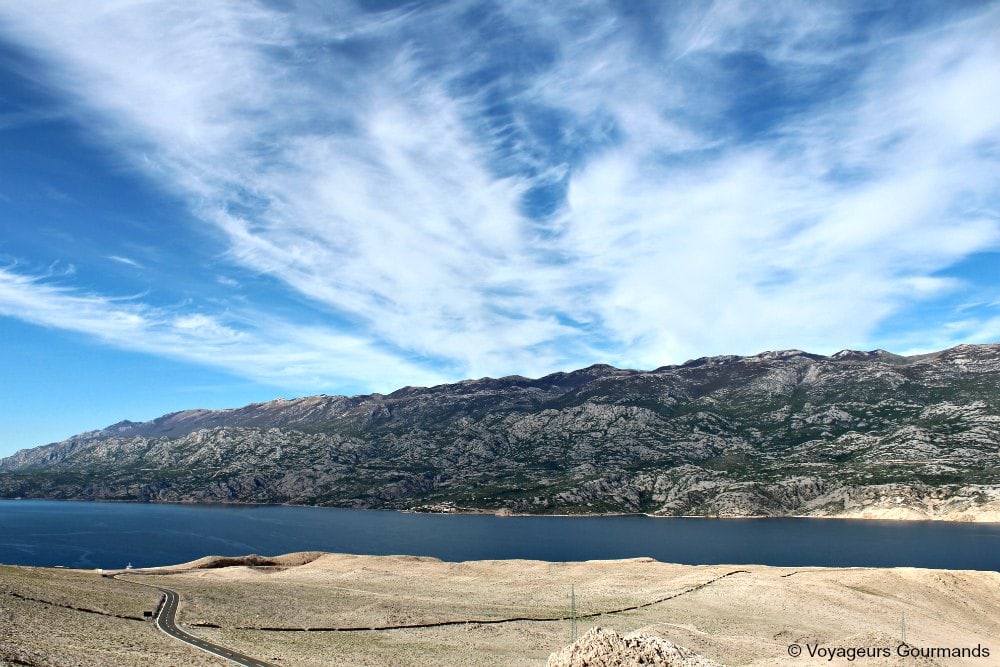
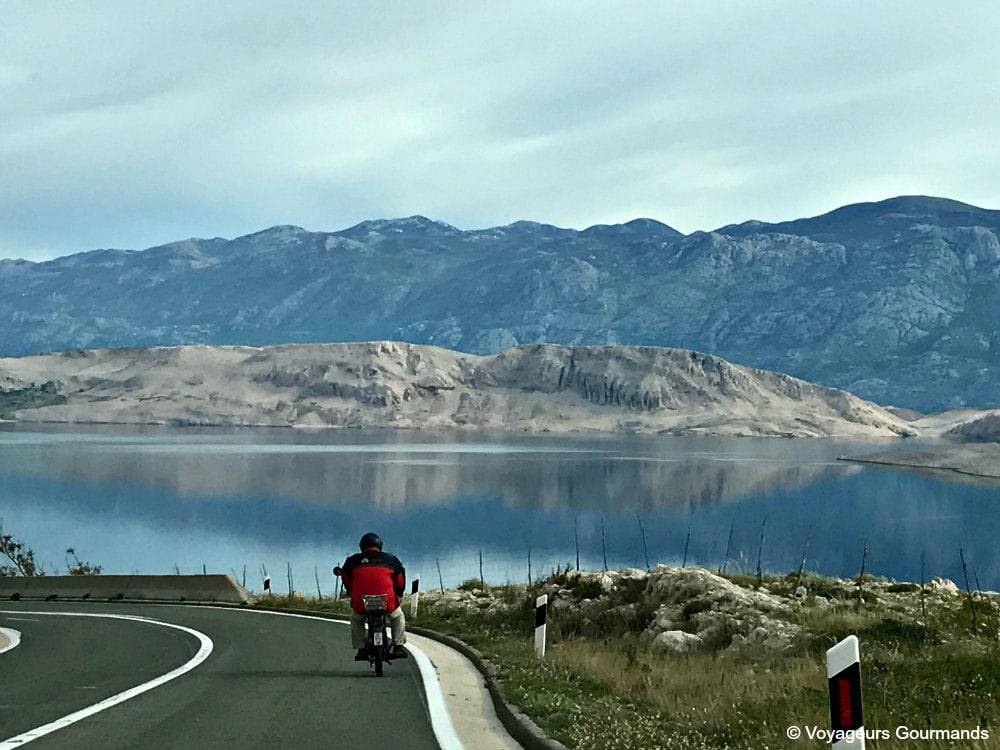
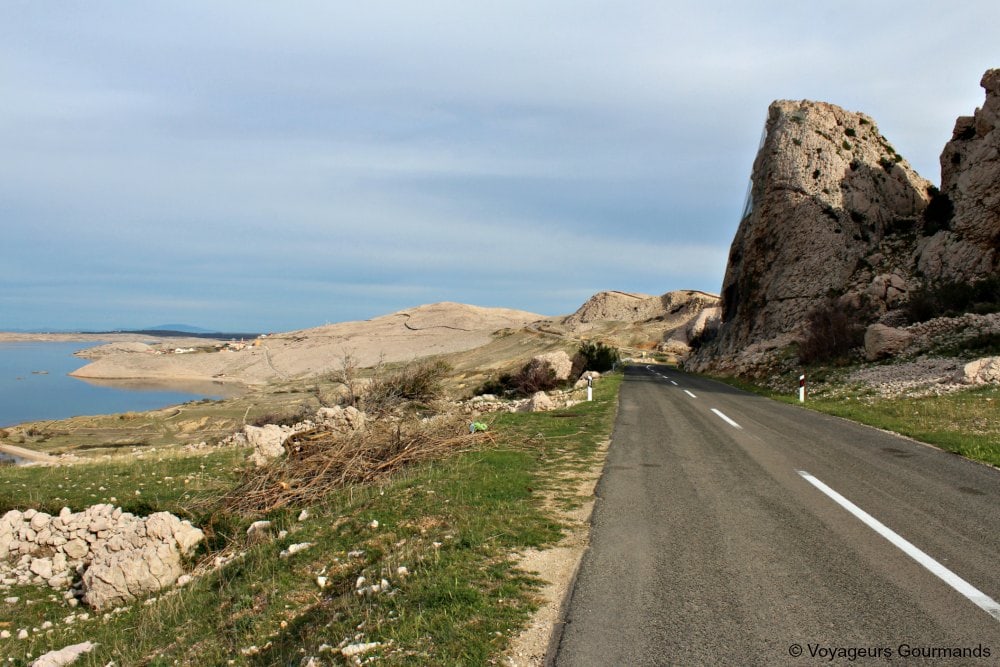
Rather nice is an understatement. The scenery is breathtaking. If Alcino had stopped every time I asked him to, it would probably have taken us 7 hours to cover 73 km… Before we got there, I imagined driving along the coast at sea level, a bit like we did in Martinique… That is the case for a few kilometres, and then we climb up the hills, back down again, zigzagging… The water is a beautiful deep blue, except along the shore where it turns crystal clear, and the sun is with us… I feel tiny, squeezed between these mountains and a sea that stretches as far as the eye can see… Well, not quite as far as the eye can see, because there are also these islands, huge chunks of land that look as if they have never been touched… Every now and then along the road, lay-bys have been built so you can pull over. We stop and take it all in… It is beautiful.
The ferry to Pag Island
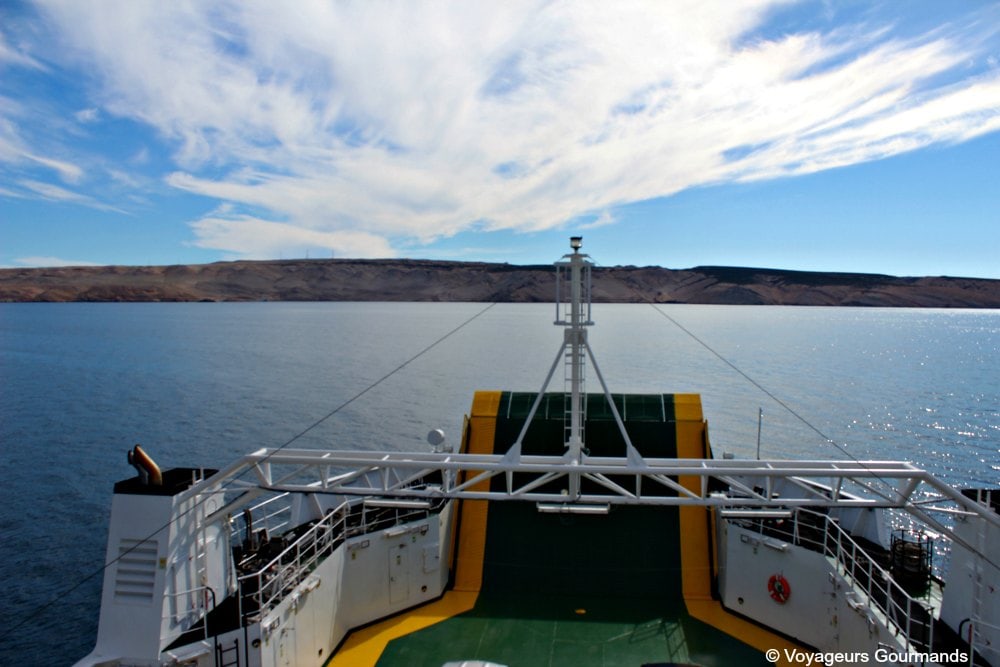
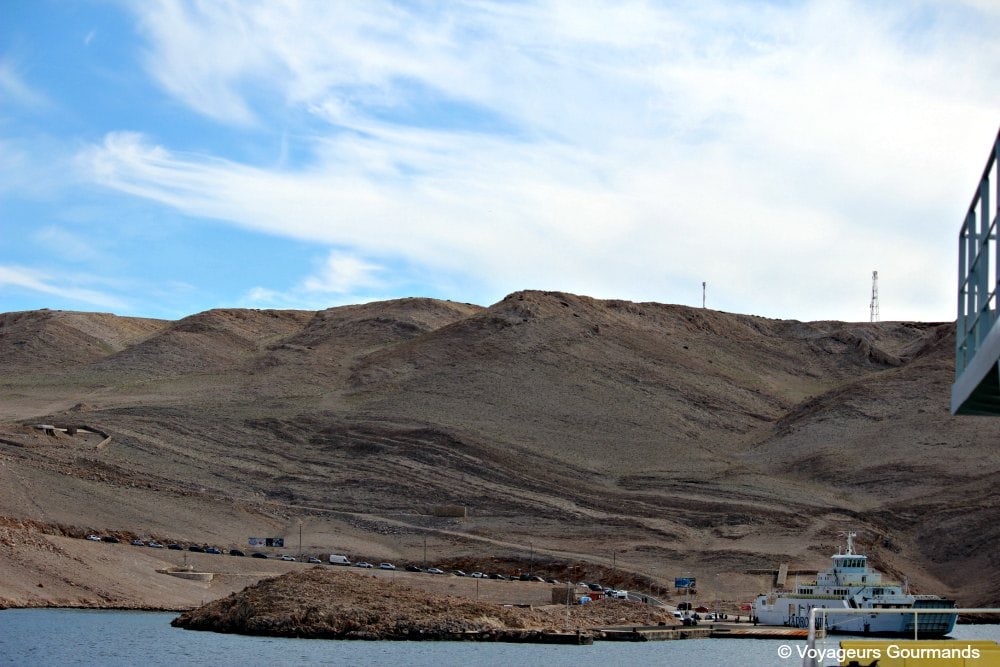
We catch the 4.35pm ferry in Prizna by the skin of our teeth. Just as well, because the next one is an hour and a half later and there is not much around to keep us busy… Behind us, a huge dark mountain; in front of us, a white and beige island. After visiting Zagreb and the lush nature of the Plitvice Lakes, here we are facing impressive, completely different landscapes staring back at each other… What a contrast!
It is the first time we have driven “our” car onto a ferry… it is funny how we still enjoy these firsts so much (however silly they may be). We park and head up to the top deck. The crossing only takes about fifteen minutes, but we are far too curious to stay in the car… “It’s so beautiful!” is what we will keep repeating… Pag Island welcomes us with a huge queue of cars heading the other way, just as we were wondering whether many people used this ferry…
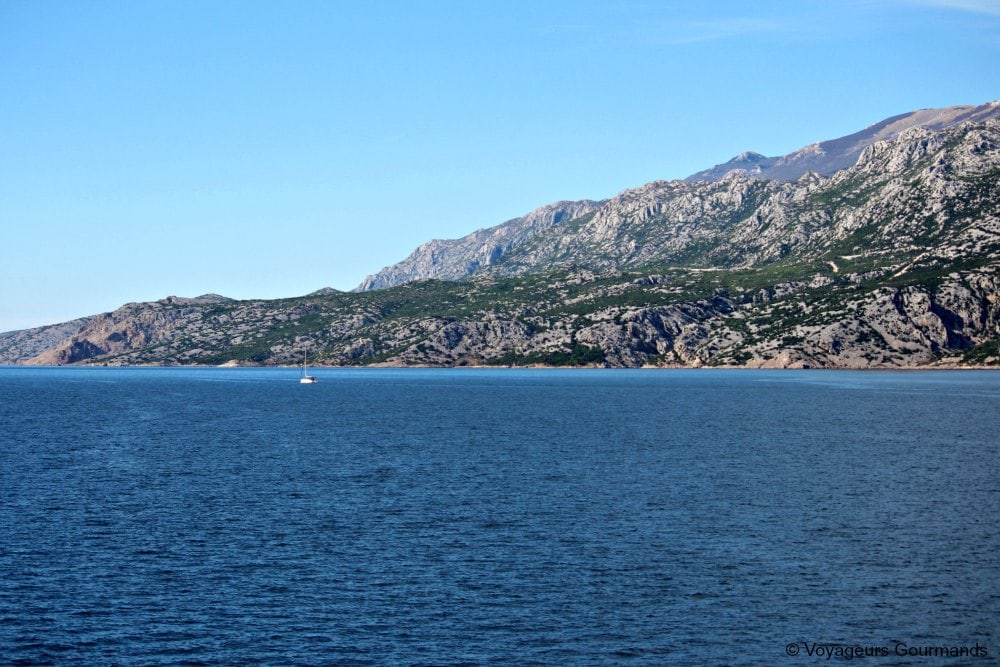
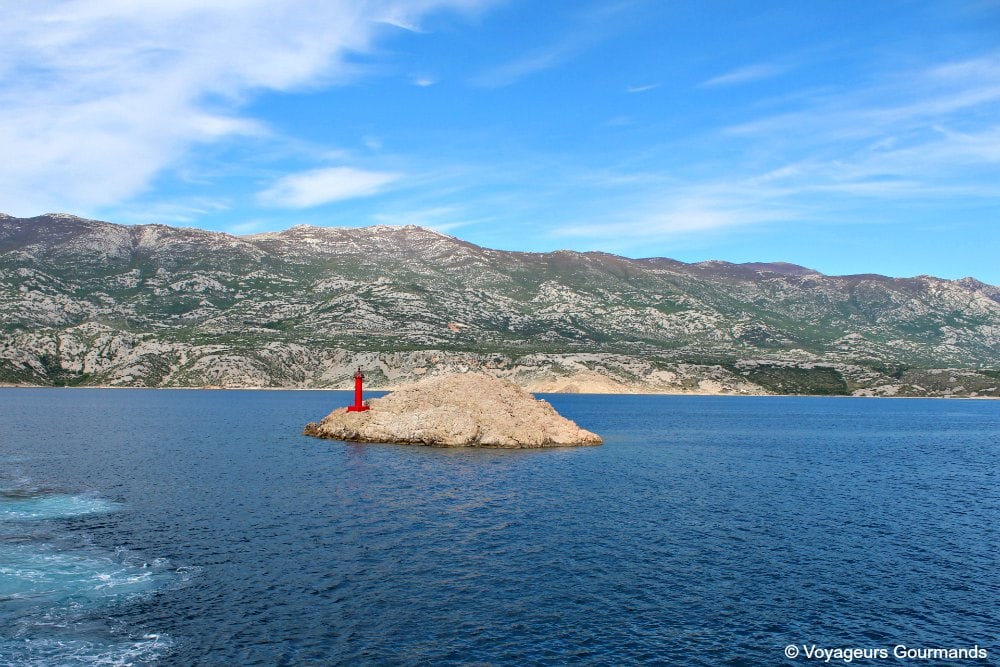
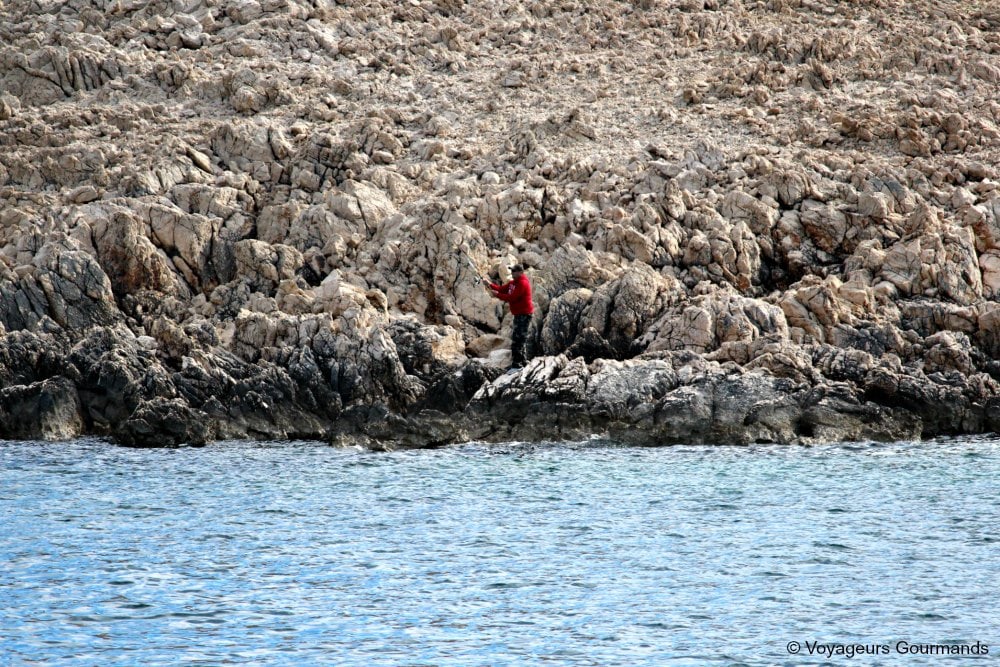
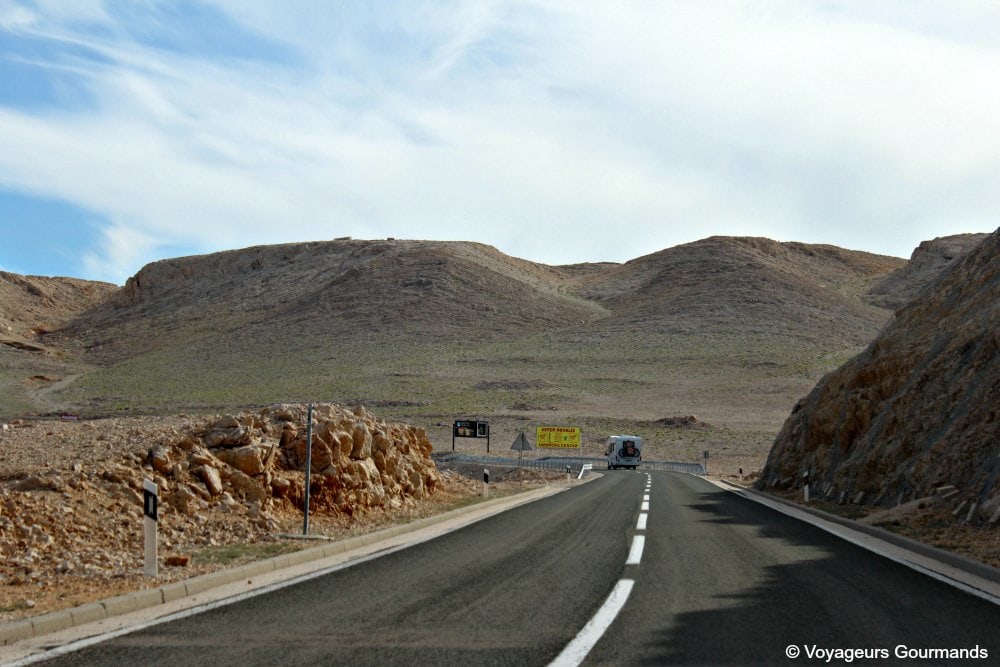
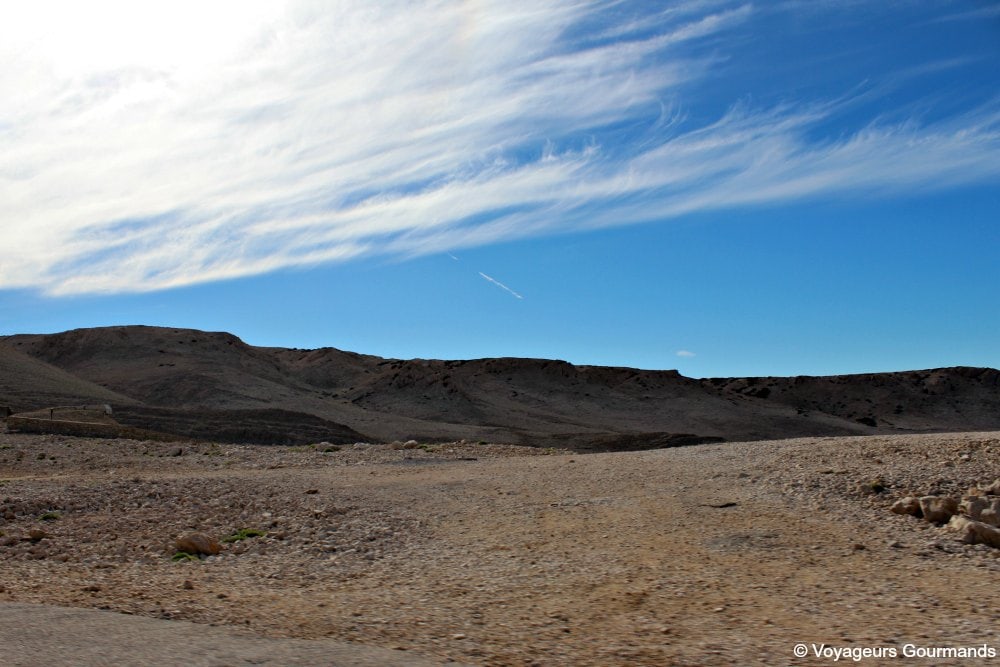
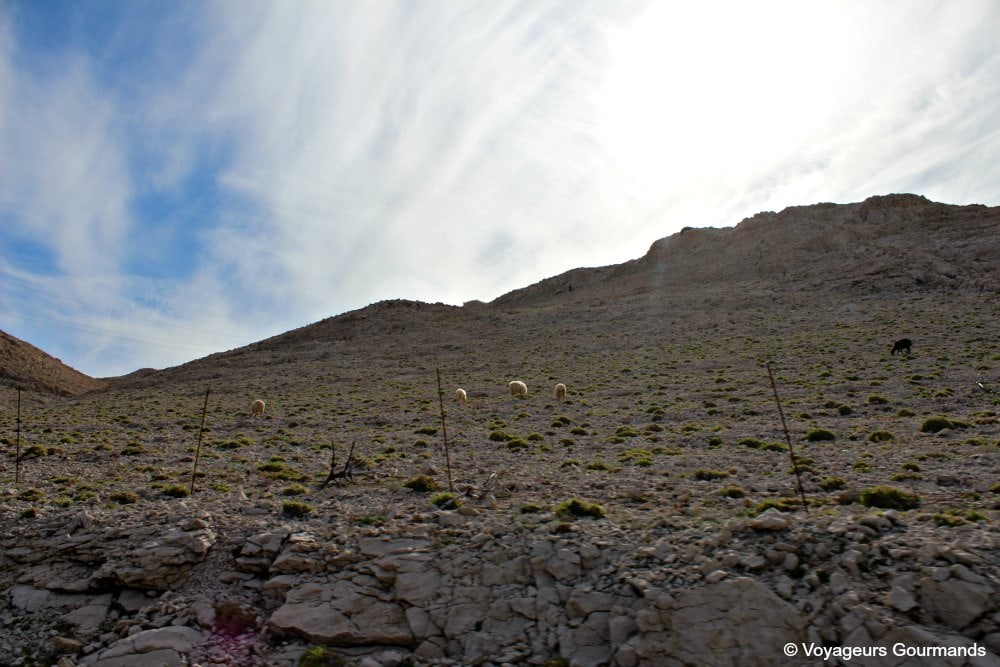
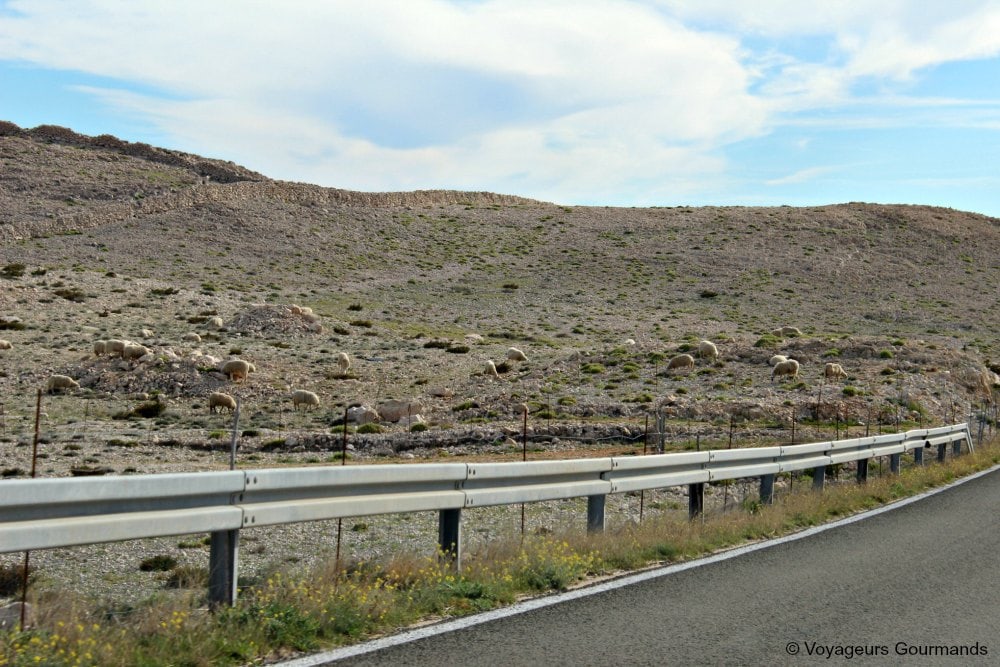
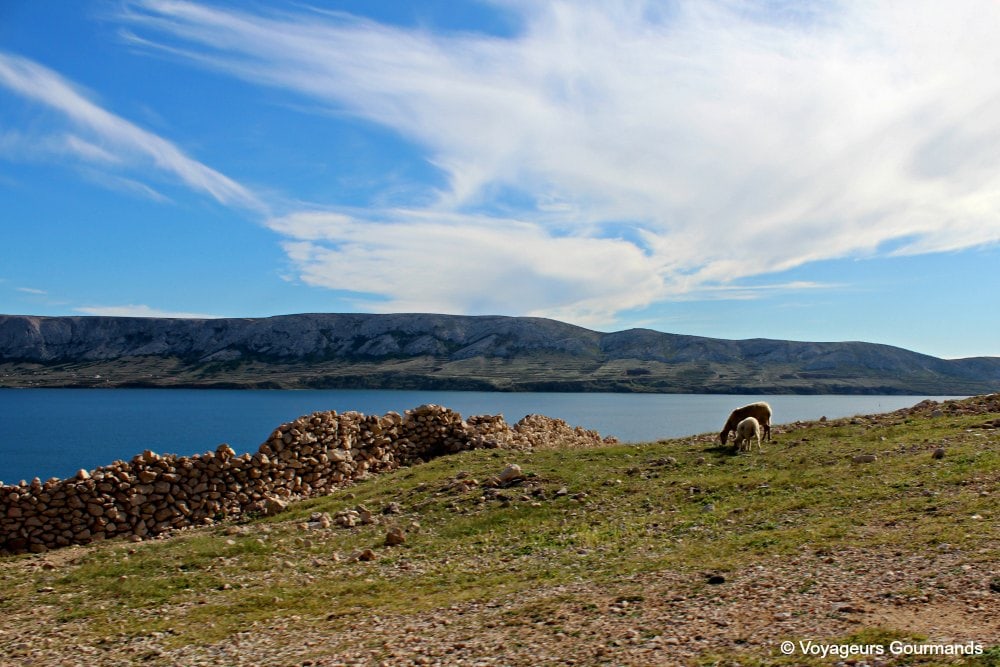
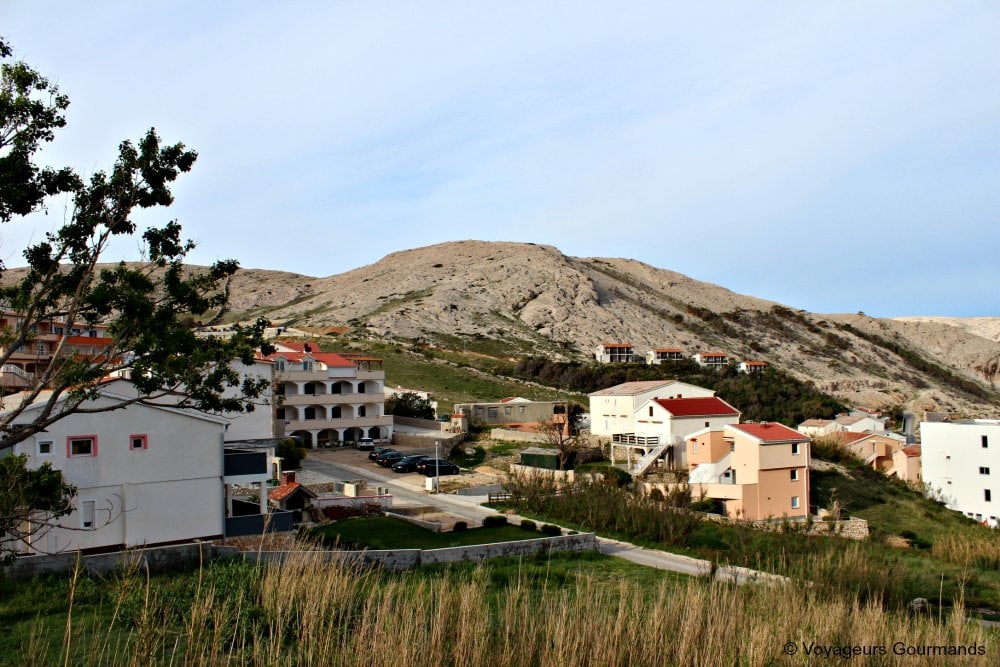
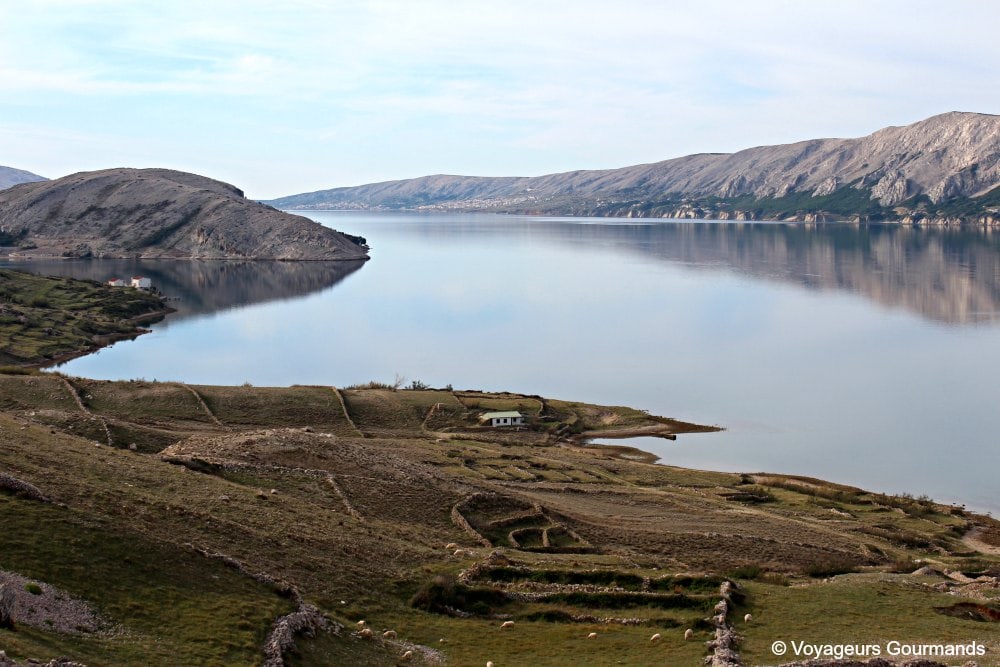
We drive for several kilometres hemmed in by these white gorges, barely passing anything, but the sight of this single road is worth the trip in itself… And then there is one, then two, then three, then dozens of sheep and lambs grazing on who knows what… The landscape is desert-like, but that is what makes it so beautiful. Some green starts to appear, then a few houses… There is only one road to Metajna, too. We booked a night there a little hastily without noticing that the village is at a dead end… Never mind, we will just drive back the other way tomorrow.
Metajna
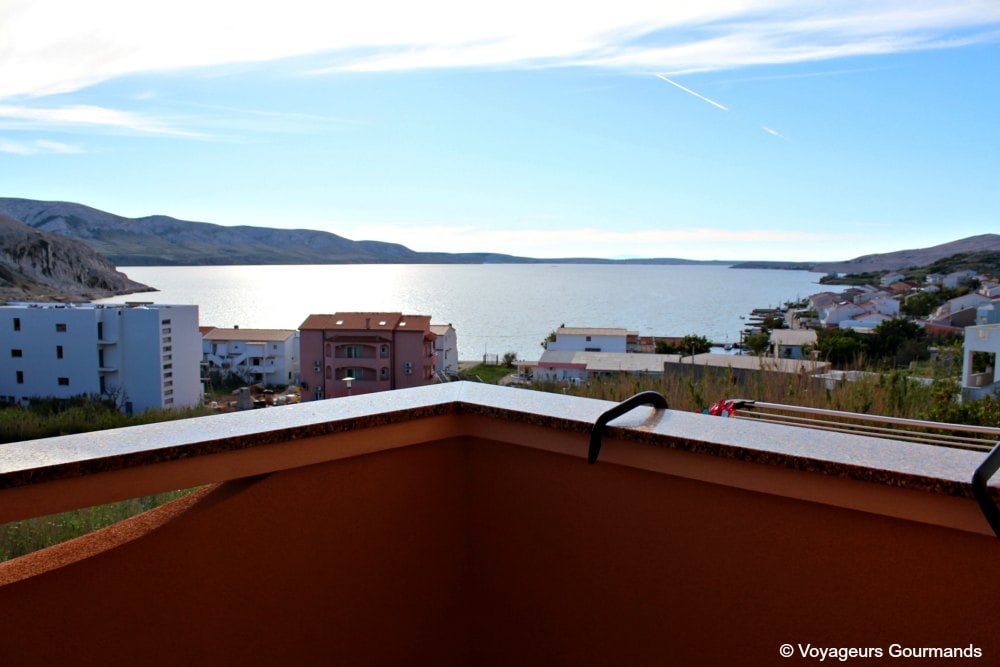
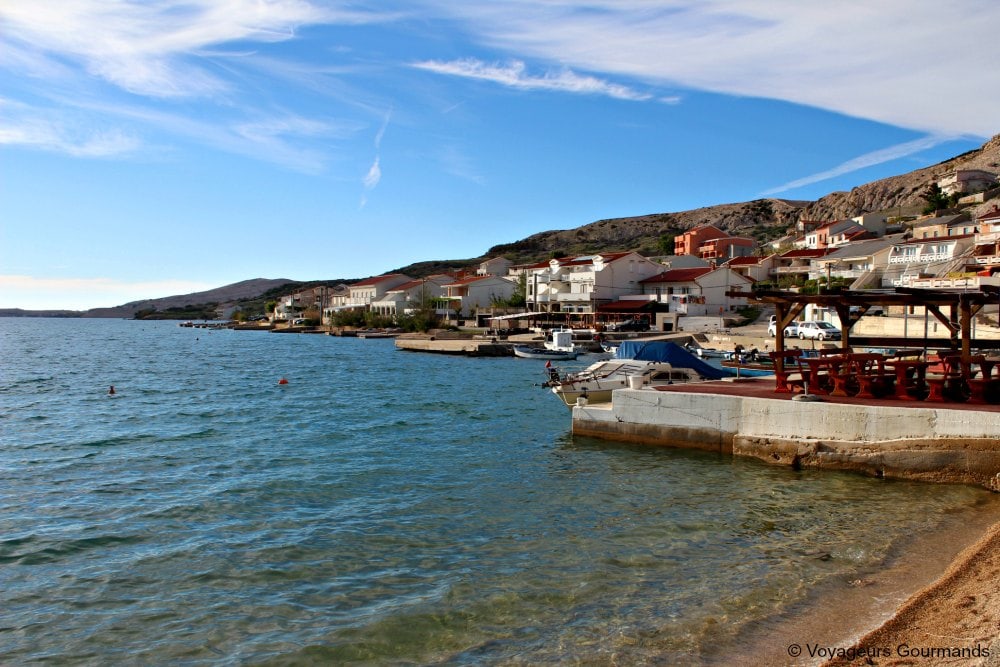
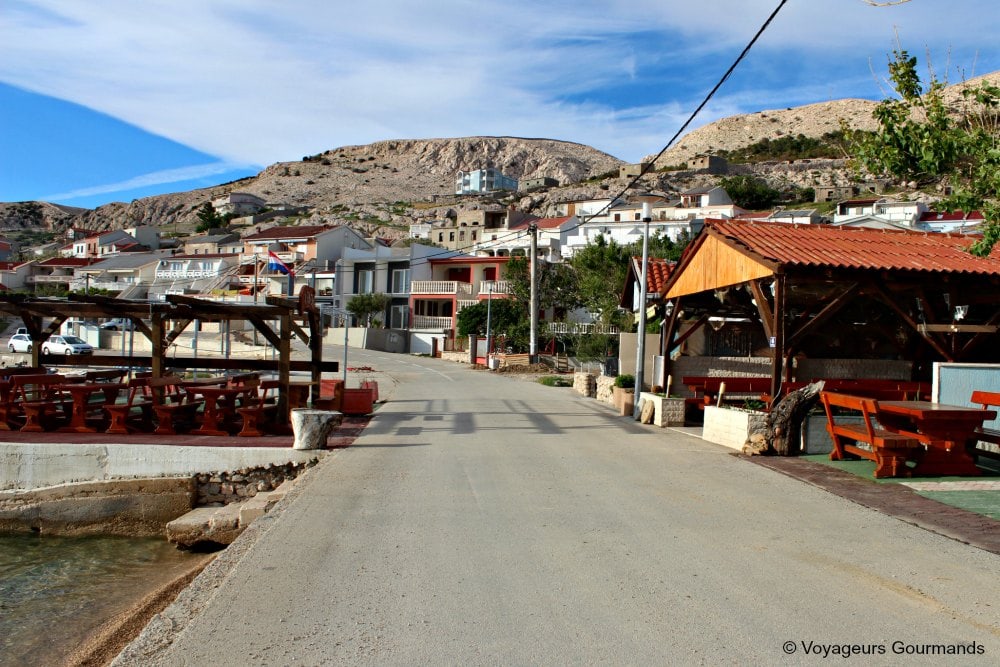
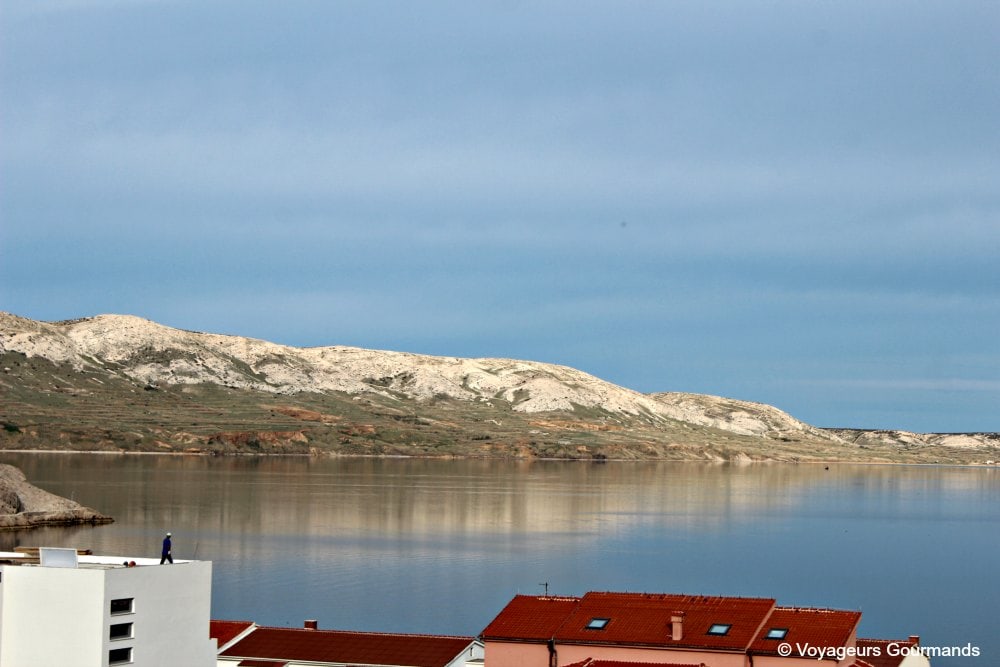
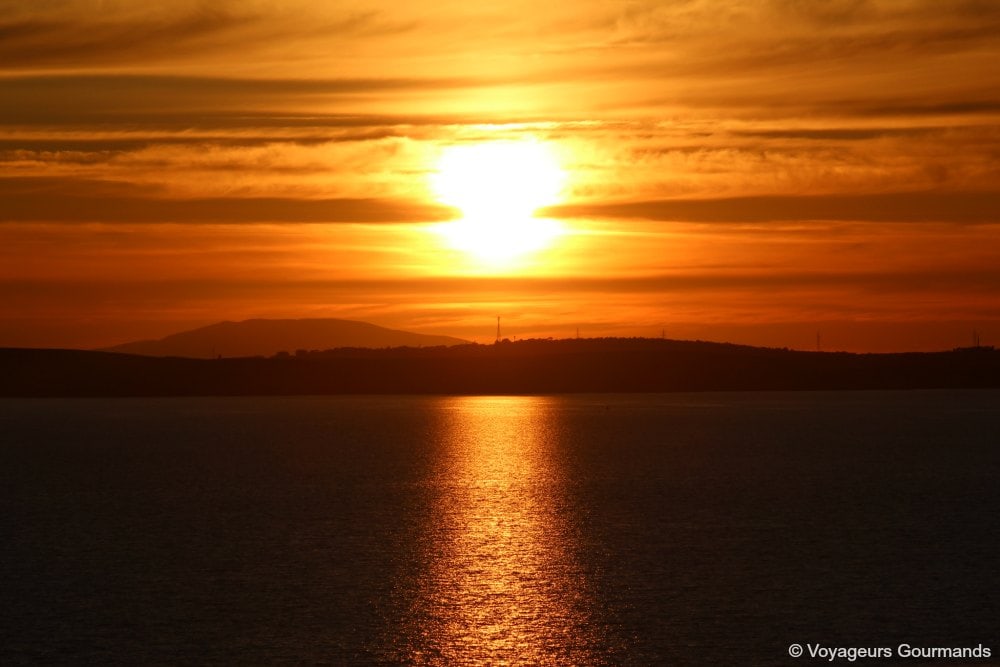
Metajna is a small village. Our host gives us an icy welcome, and it is probably not entirely legal: he does not even take our names… Given the size of the flat and the view from our balcony, we soon forget these details… We then head down to the “town centre”, where we find only two restaurants open. One does not inspire much confidence, the other has a huge terrace. The choice is quickly made… We order a Coke and a tonic, and the waitress tells us they do not serve dinner… What a shame! But it is partly our fault: we did not pay much attention when choosing where to stay, and it is only once there that we realise the village has hardly a soul in it… Something to bear in mind for our next road trip… Fortunately there is a small supermarket, which gives us enough for a picnic on the balcony… The view is stunning and so peaceful…
Pag Town
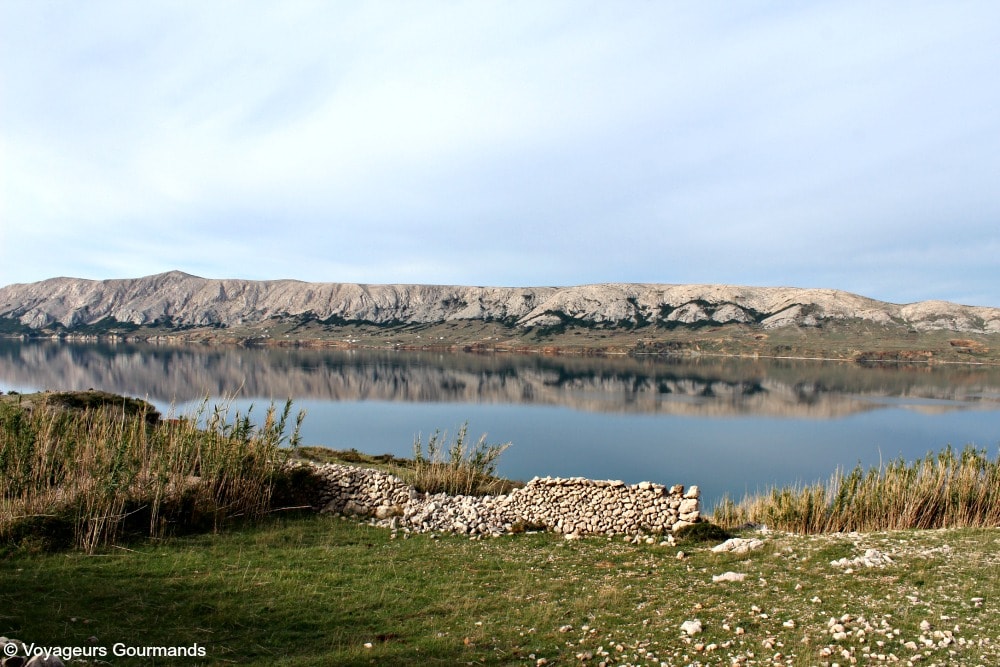
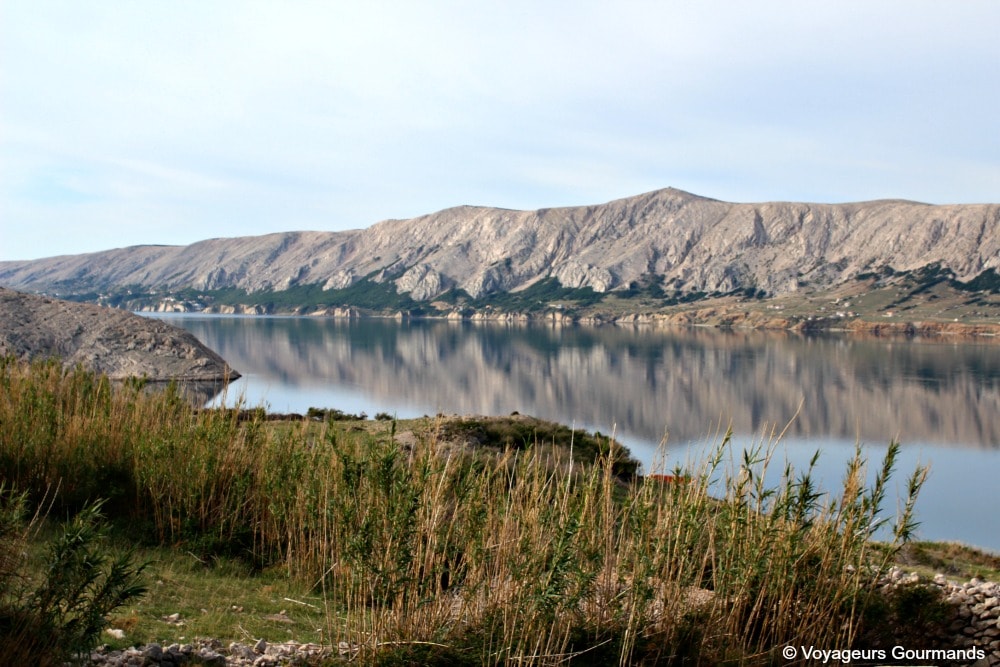
The next day we drive back the other way to visit Pag Town. The landscape is even more beautiful than the day before… If that is possible… It is very early, everything is calm and peaceful… The sheep are still grazing, and not a breath of wind spoils the gorgeous reflections on the water…
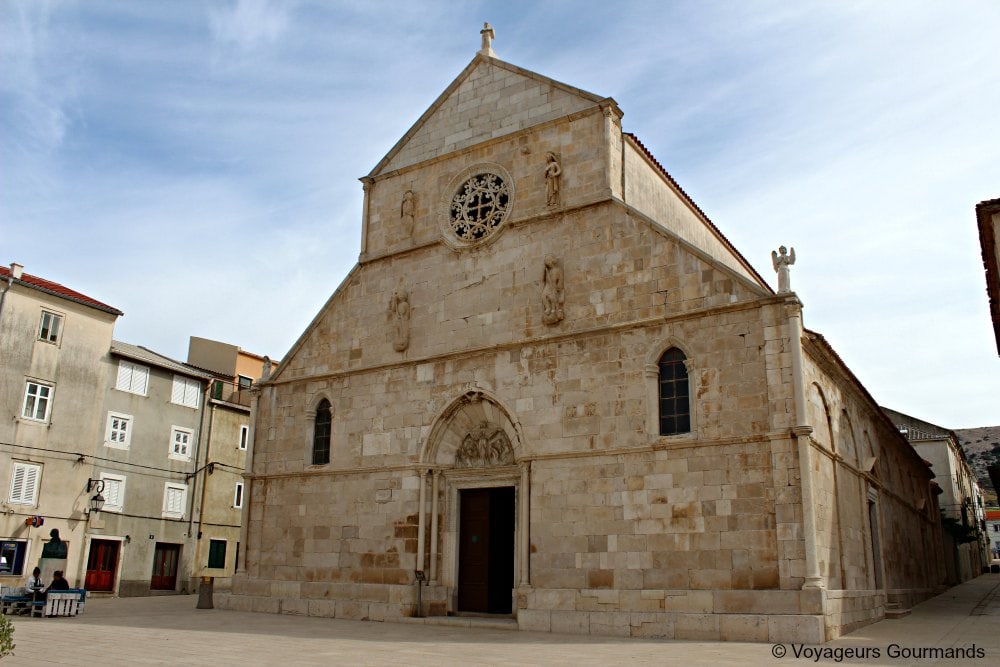
We are a little hungry and sit down at the first café we find. A pity, because a little further on we discover a lovely promenade with a much nicer view… We take a quick walk around the town: it is pretty, and so is its church.
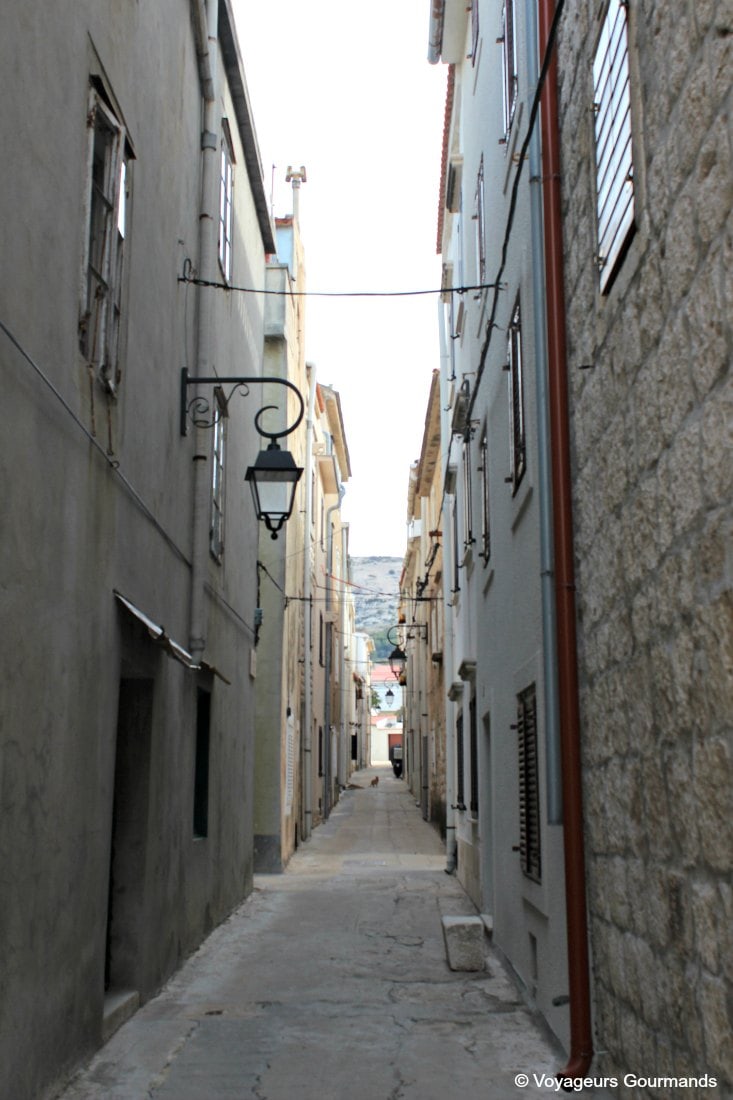
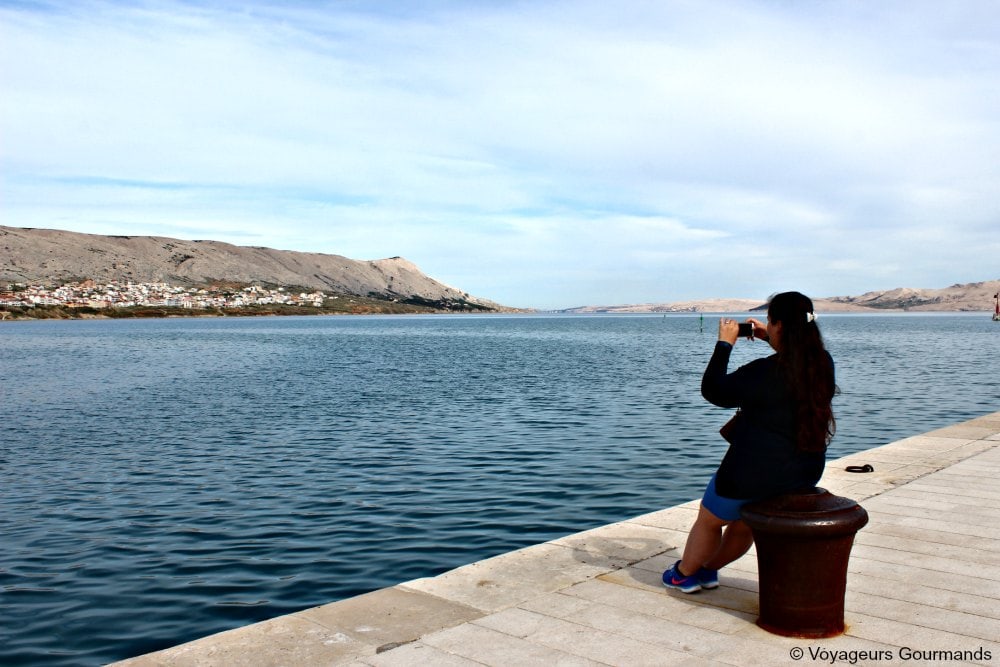
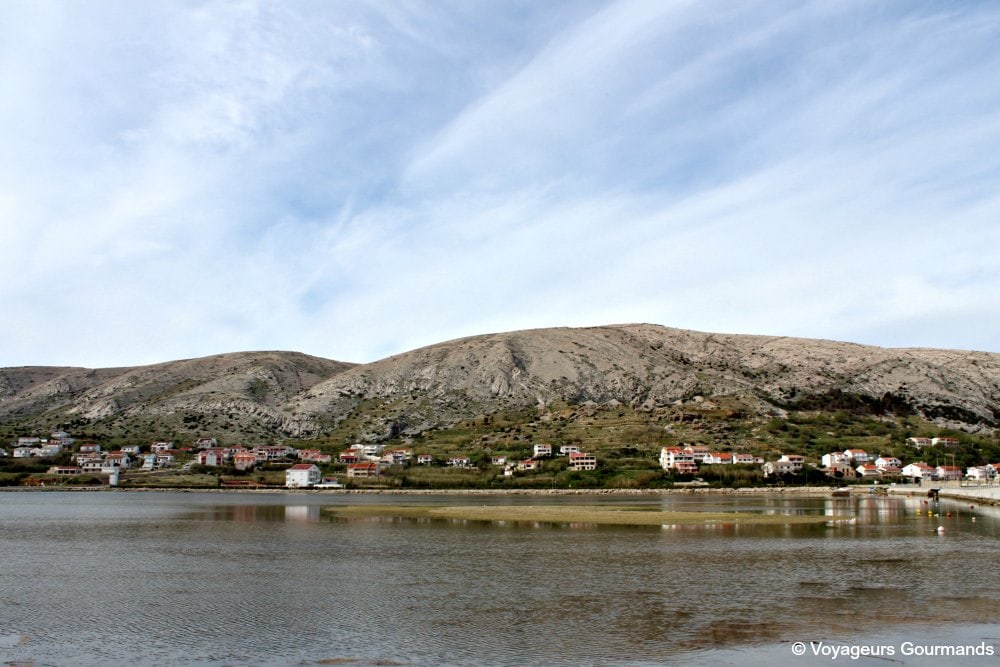
We do not visit the lace museum, which the town is famous for. Pag Town is tucked between a mountain range on each side, with a few streams trying to find their way through… The town is small and we soon see it all: we enjoy the scenery a little longer, then decide to leave earlier than planned for Zadar, the next stop on our Croatia road trip. And visiting Zadar is this way!
The main square and the Church of St Mary
The Pag Town you visit today is a “new” town: construction began in 1443, when the inhabitants left the old town, a little further south. Its grid plan, with perfectly straight streets, owes a great deal to Juraj Dalmatinac, the architect of St James’s Cathedral in Šibenik. All the streets lead to the main square, where the collegiate Church of St Mary, with its carved rose window and 16th-century bell tower, faces the Rector’s Palace and the Bishop’s Palace, left unfinished because Pag never had a bishop.
Pag lace
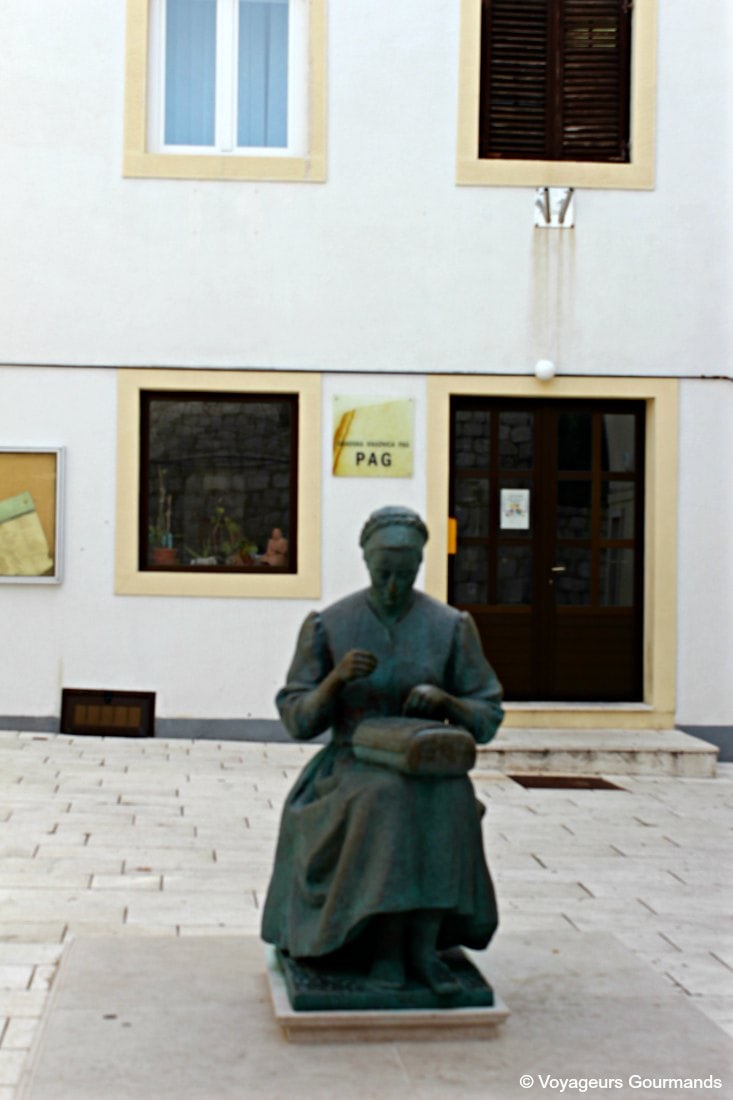
The town is famous throughout Croatia for its lace, made with a needle using skills handed down from generation to generation since at least the 16th century. Its very fine geometric patterns earned Croatian lace a place on UNESCO’s Intangible Cultural Heritage list in 2009. To see it up close, head to the lace gallery in the historic centre. While wandering around, we also came across a statue of a lacemaker, a lovely tribute to the women who are the pride of the island.
The ruins of Stari Grad and the Salt Museum
About 3 km to the south, the remains of the old town, Stari Grad, abandoned in the 15th century in favour of today’s town, are worth a short detour: part of the ramparts, a Romanesque basilica and the ruins of a Franciscan monastery still stand. Just outside town, the Salt Museum tells the story of salt production, which long made Pag wealthy, and pairs nicely with a walk along the salt pans.
Swimming in town
No need to get back in the car for a dip: a large pebble beach stretches right next to the centre, with shallow water that makes it ideal for children. Small coves also line the bay of Pag, quieter outside the summer months.
💡 Good to know
If you are passing through Pag at the end of July, check the dates of the summer carnival, the town’s big event: traditional island costumes, kolo (the Croatian folk dance) and folk performances bring the main square to life. Pag also holds a smaller winter carnival in February.
What else to do on Pag Island?
We only spent one night on the island, and we left for Zadar feeling we had only seen a small part of it. Here are Pag’s other must-sees, if you have time to stay a little longer than we did.
The island’s lunar landscapes
This is what struck us most: much of the island is almost desert-like, all white and beige rock. This scenery is the work of the bora, a cold wind that sweeps down from the mainland mountains carrying salt from the sea, which stops vegetation from growing on the eastern side. The contrast with the blue of the Adriatic is striking, especially on the road between the ferry and Pag Town.
Novalja and Zrće beach
In the north-west of the island, Novalja is Pag’s second town and the liveliest in summer. Nearby, Zrće beach is famous for its open-air clubs, which draw crowds of partygoers from June to September. If you are looking for peace and quiet, it is best avoided in high season, but the town is worth a stop for its little harbour and its underground Roman aqueduct.
The ancient olive groves of Lun
At the northern tip of the island, the Lun peninsula is home to a protected grove of tens of thousands of wild olive trees, some of which are said to be over a thousand years old. A path lets you wander among these gnarled trunks, a setting very different from the rest of the island.
The Pag salt pans
Salt has been part of the island’s history since ancient times. The large salt pans stretch out near Pag Town, and the salt produced here is sold in many Croatian delis: a nice souvenir to take home.
Quieter beaches
Away from the buzz of Zrće, the island has plenty of pebble coves and a few sandy beaches. Ručica beach, right next to Metajna, is one of the best known, with its pale cliffs and turquoise water. The beaches of Šimuni and Povljana are also popular with families.
Tasting Pag cheese (paški sir)
You cannot talk about Pag without mentioning its cheese. Paški sir is a hard sheep’s cheese with a slightly salty taste: the sheep graze on aromatic herbs coated in the salt carried by the bora. It has European protected designation of origin status, and you will find it in the island’s cheese shops as well as on restaurant tables, often served with olive oil. Pag lamb is the island’s other great speciality. To discover the rest of the country’s specialities, head to our article on Croatian food (in French).
✤✤✤
Visiting Pag Island: practical information
Getting to Pag Island by car: ferry or bridge?
If you are arriving from the north, like us, you will take the Jadrolinija ferry between Prizna, on the mainland, and Žigljen, on the island. The crossing takes 15 to 20 minutes and there are regular departures throughout the day, with extra sailings in summer. Tickets are valid for any departure on the date shown and can be bought at the port or on the Jadrolinija website, where you will find up-to-date fares (allow a few euros per passenger, a little more for the car). In July and August, expect queues at peak times.
If you are arriving from the south, from Zadar for example, there is no need for the boat: the Pag bridge links the mainland to the island, and it takes about an hour to drive to Pag Town.
How many days and when to go?
One or two days are enough to enjoy the landscapes and visit Pag Town as part of a road trip, as we did. If you also want to see Lun and Novalja and enjoy the beaches, allow three days instead. For swimming, June to September is ideal, but July and August are very busy, especially around Novalja. Out of season the island is very quiet… sometimes a little too quiet: in Metajna, we could not find a single restaurant open for dinner.
💡 Good to know
Metajna lies at the end of a dead-end road: to get to Pag Town or head back towards Zadar, you have to drive all the way back the way you came. Also bear in mind the bora, a fierce wind that blows mainly in winter: in strong winds, the Prizna ferry can be suspended and traffic restricted on the Pag bridge. Check the weather and the state of the connections before setting off.
Where to stay?
Our flat in Metajna was huge and the view magnificent. If the icy welcome does not bother you, the flat itself was great and clean ➺ Jela apartment.
Where to eat?
➺ Metajna: there are only two restaurants in the village, so if you are travelling out of season like us, bring something for a picnic; there is a small supermarket in the village.
➺ Pag Town: do not stop at the first café or restaurant you see, there are plenty more a little further along the promenade, with lovely terraces. Not tested but highly rated: the Na Tale bistro.
➺ And you can discover all the country’s specialities in our article on Croatian food (in French).
✤✤✤
The road between Senj and Pag Island is stunning: if you have the time, we highly recommend taking it rather than the motorway. The island has magnificent lunar landscapes, and they alone make the detour worthwhile.
Pag Island FAQ
The frequently asked questions are here!
How do you get to Pag Island?
From the north, by ferry between Prizna and Žigljen (a 15 to 20-minute crossing with Jadrolinija). From the south, a bridge links the island to the mainland, about an hour’s drive from Zadar.
How much is the ferry to Pag Island?
Allow a few euros per passenger and a little more for a car. Fares vary by season, so check the Jadrolinija website before you go. Tickets are valid for any departure on the date shown.
How many days do you need to visit Pag Island?
One or two days are enough for the landscapes and Pag Town on a road trip. Allow three days if you also want to see Lun and Novalja and enjoy the beaches.
What are the best beaches on Pag Island?
Zrće, near Novalja, is the most famous, especially for its summer clubs. For somewhere quieter, try Ručica beach near Metajna, or the beaches at Šimuni and Povljana.
What should you bring back from Pag Island?
Paški sir sheep’s cheese, the island’s great speciality, but also salt from the Pag salt pans and, for a more precious souvenir, Pag lace, listed as UNESCO Intangible Cultural Heritage.
