


From the lush green Minho to the golden beaches of the Algarve, by way of the terraced vineyards of the Douro and the cobbled streets of Lisbon, Portugal is a country made to be explored by car. Unlike many other European destinations, distances are short: it only takes a few hours to get from one region to the next, so you can plan a rich itinerary without spending your days behind the wheel.
That is the whole promise of a Portugal road trip: the freedom to stop in a fishing village that wasn’t on the programme, linger at a miradouro to watch the sunset, or make a detour to a quinta for a glass of port among the vineyards.
In this guide, we cover everything you need to plan your Portugal itinerary for a road trip: which route to choose depending on how many days you have, the must-see stops, how much it costs, and all our practical tips for a trip without any hitches.
✤✤✤
Why go on a road trip in Portugal?
Let’s say it straight away, in all objectivity: Portugal is the most beautiful country in the world. My mother was born there and I have been going back every year for as long as I can remember. Portugal is a bit like our second home, and this blog inevitably shows it. So it isn’t a country we discovered on a single holiday, but one we explore year after year, region after region.

Beyond this personal connection, Portugal ticks every box for a holiday by car:
- A country on a human scale: around 600 km from north to south, so you can cross it without spending all day driving.
- An amazing variety of landscapes in such a small area: the Atlantic Ocean, mountains, wine valleys, the golden plains of the Alentejo and the cliffs of the Algarve.
- Roads in good condition, with fast motorways (toll roads) and lovely national roads if you want to take your time.
- Fairly relaxed driving compared with other countries in southern Europe.
- A cost of living that is still affordable, especially outside Lisbon and Porto.
- Food and hospitality that make you want to stop everywhere.
Which Portugal itinerary should you choose?
It all depends on how much time you have. Here is an overview of the main options by length of trip:
| 🗓️ Length of trip | 🚗 Suggested route |
|---|---|
| 7 days | Lisbon + Sintra + Atlantic coast, or Porto + Douro Valley |
| 10 days | Lisbon → Alentejo → Algarve, or Porto → Douro → Braga/Guimarães → Peneda-Gerês |
| 15 days | Lisbon → Central Portugal → Porto → Douro Valley |
| 3 weeks | The full tour of Portugal (north, centre and south) |
We go into each of these options in more detail below, but bear in mind that there is no single «right» itinerary: it all depends on what you are looking for (beaches, heritage, food…) and how much time you want to spend at each stop rather than on the road.
Must-see stops on a Portugal road trip
Whether your road trip lasts one week or three, some stops feature in almost every itinerary, as they sum up the country so well:
- Lisbon: the capital, with its historic neighbourhoods, trams and miradouros.
- Sintra: colourful palaces and wooded hills just a few kilometres from Lisbon.
- Óbidos: a walled medieval village, one of the most charming in the country.
- Nazaré: a fishing village famous for its giant waves.
- Fátima: a major Marian pilgrimage site.
- Coimbra: a university city on the banks of the Mondego.
- Aveiro and Águeda: the «Venice of Portugal» and its colourful street art.
- Porto: the city of a thousand ochre hues, between the Douro and the port wine cellars.
- The Douro Valley: UNESCO-listed terraced vineyards.
- Guimarães: the birthplace of Portugal.
- Braga: a religious city with baroque sanctuaries.
- Viana do Castelo and the Minho River: the authentic north, between the ocean and the Spanish border.
- Alentejo: olive groves as far as the eye can see, whitewashed villages and authentic cuisine.
- Algarve: cliffs, beaches and coves in the south.
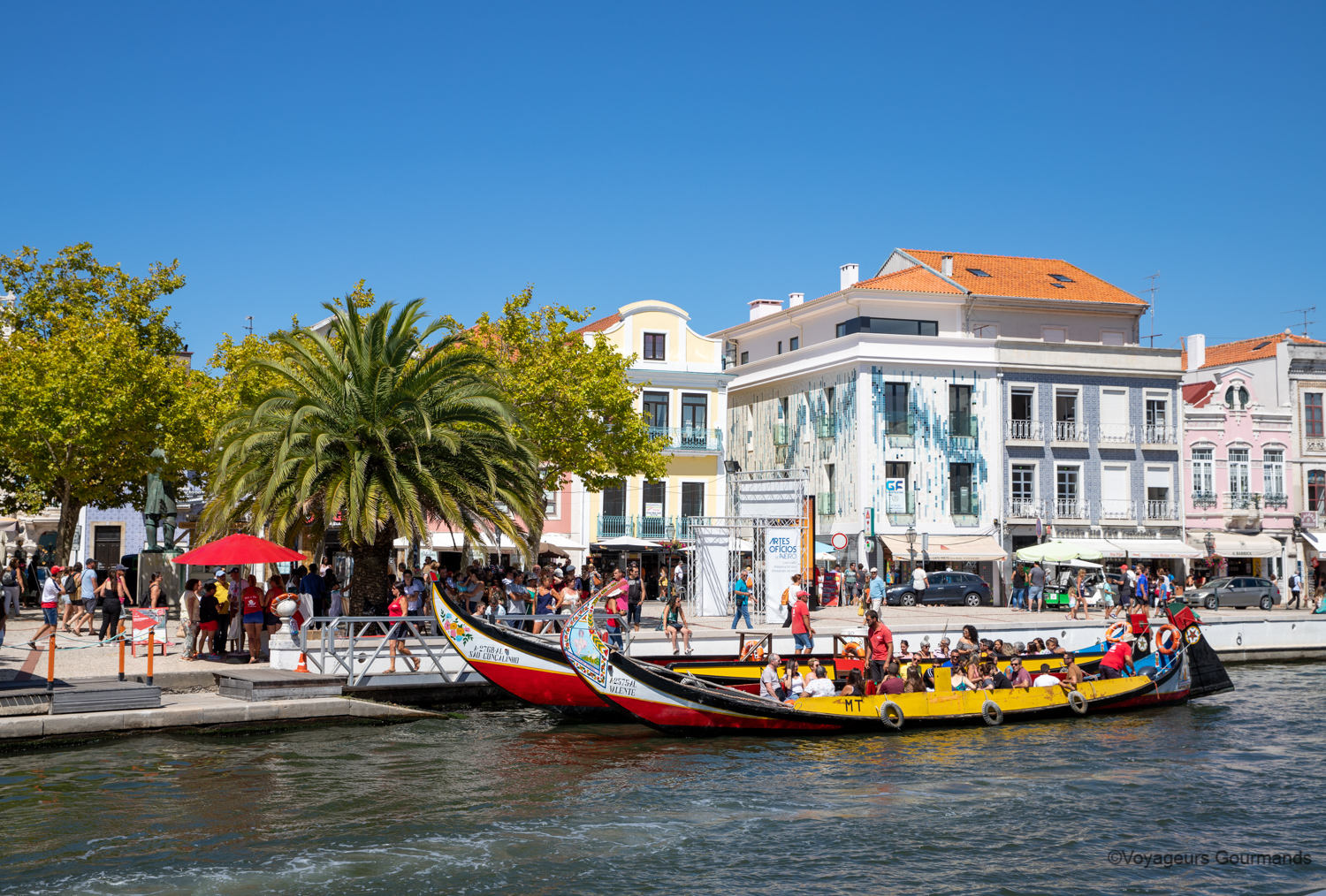
7-day Portugal itinerary
With a week, it is best to focus on one region rather than trying to see everything. Two options stand out:
Option 1 – Lisbon, Central Portugal and the Atlantic coast
- Days 1-2: Lisbon
- Day 3: Sintra
- Day 4: Óbidos
- Day 5: Nazaré
- Day 6: Fátima
- Day 7: back to Lisbon (or carry on to Coimbra if you have a little more time)
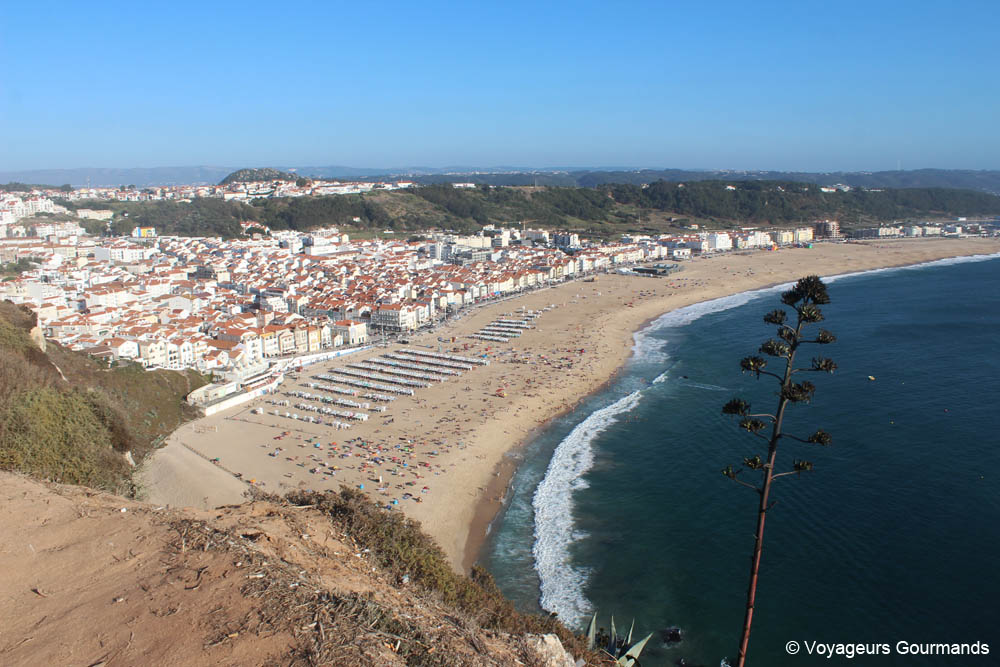
Option 2 – Porto, the Douro and the Minho
- Days 1-2: Porto
- Days 3-4: Douro Valley
- Day 5: Guimarães
- Day 6: Braga
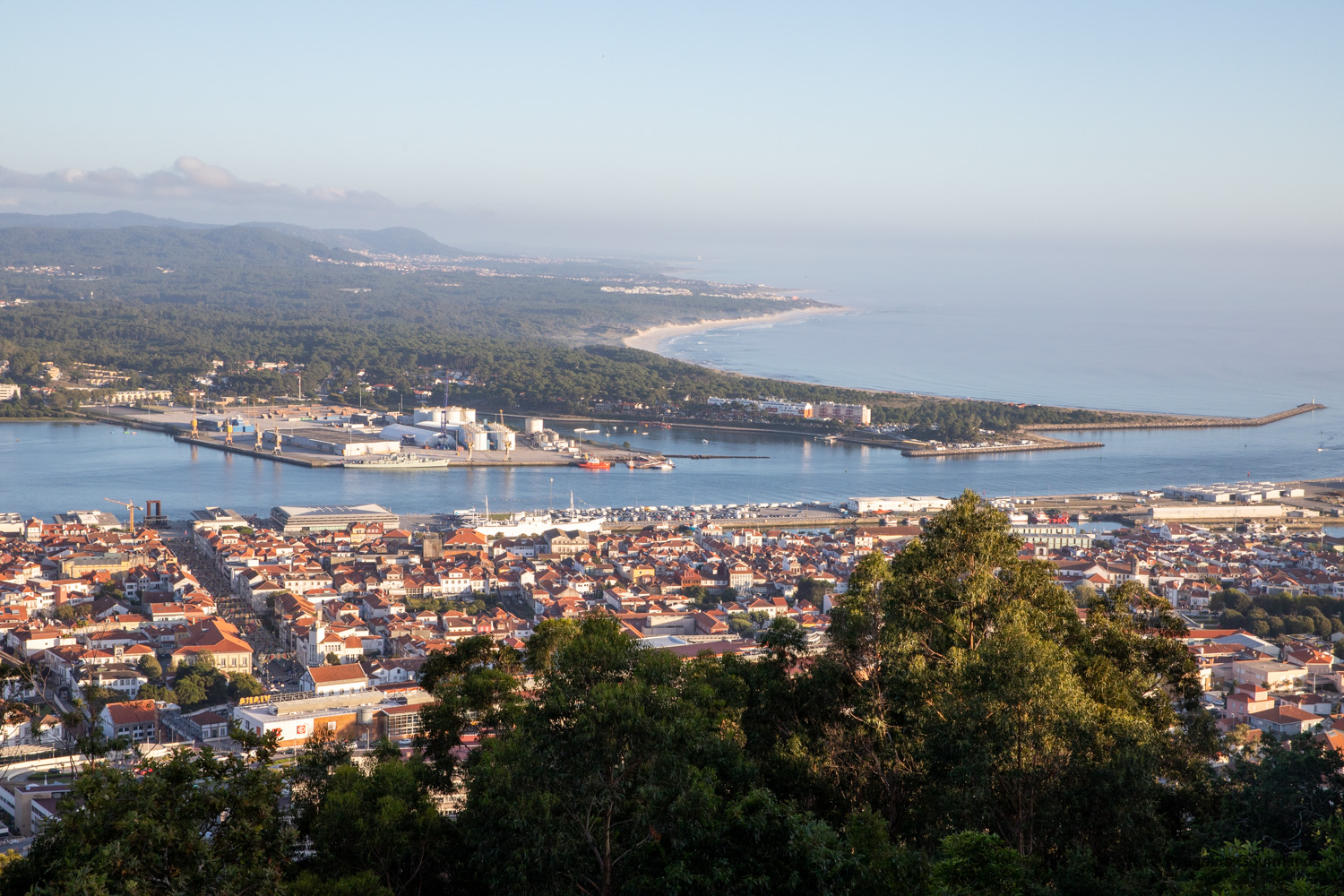
- Day 7: Viana do Castelo and the Minho River
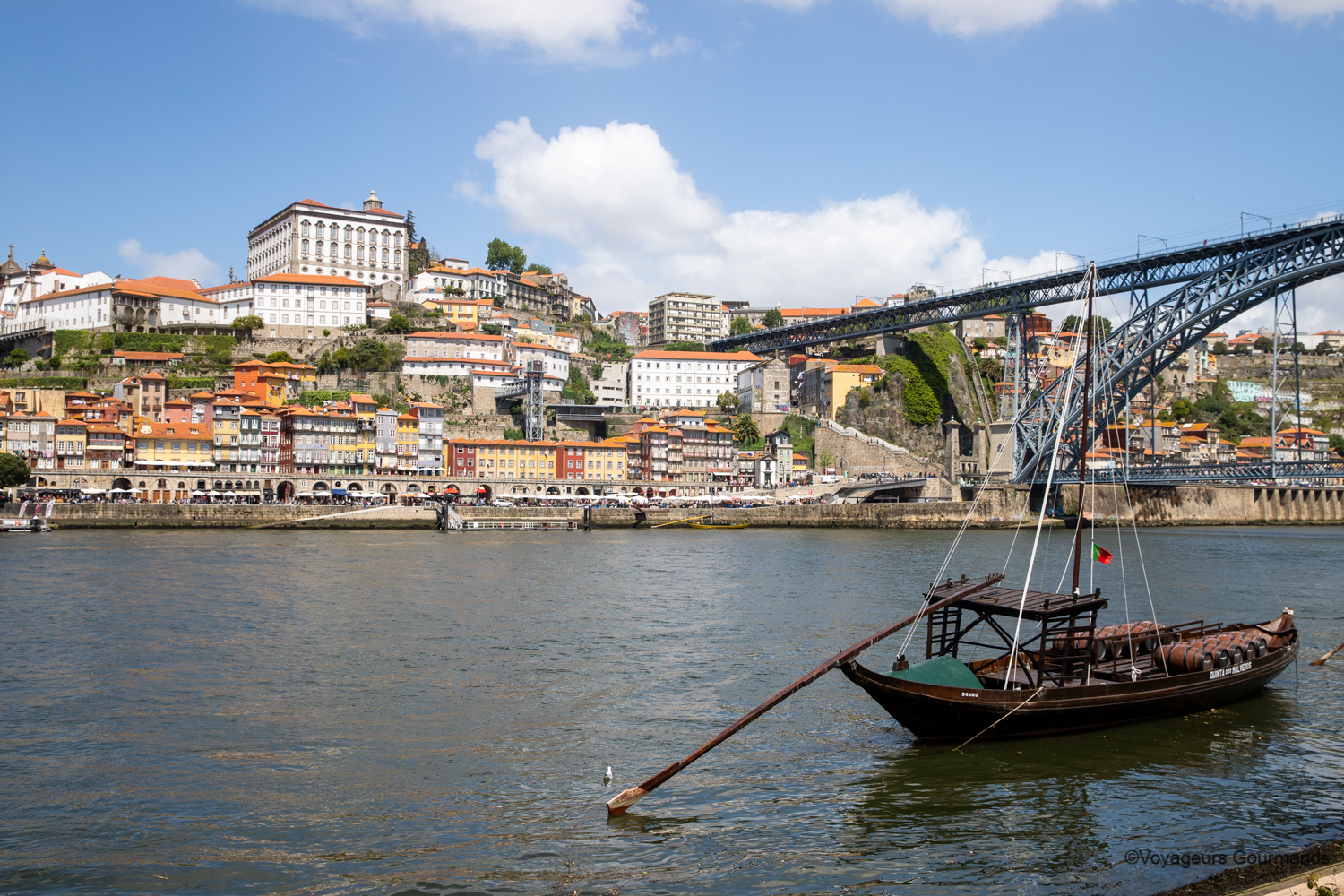
Either way, the idea is the same: it is better to take the time to really get to know one region than to try to drive from north to south in a week and end up spending more time in the car than enjoying the country.
10-day Portugal itinerary
Ten days let you head south and combine heritage with some beach time: Lisbon (2-3 days), the Alentejo (2-3 days) with towns such as Évora or Monsaraz, then the Algarve (3-4 days) to make the most of the beaches and coves of the southern coast.
You can also stay in the north and explore the region at a slower pace: Porto (2-3 days), the Douro Valley (2-3 days), then up to Braga and Guimarães (2 days), before finishing in Peneda-Gerês National Park and Ponte de Lima (2-3 days). An ideal option for lovers of nature, wine and authentic villages, far from the crowds of the south.
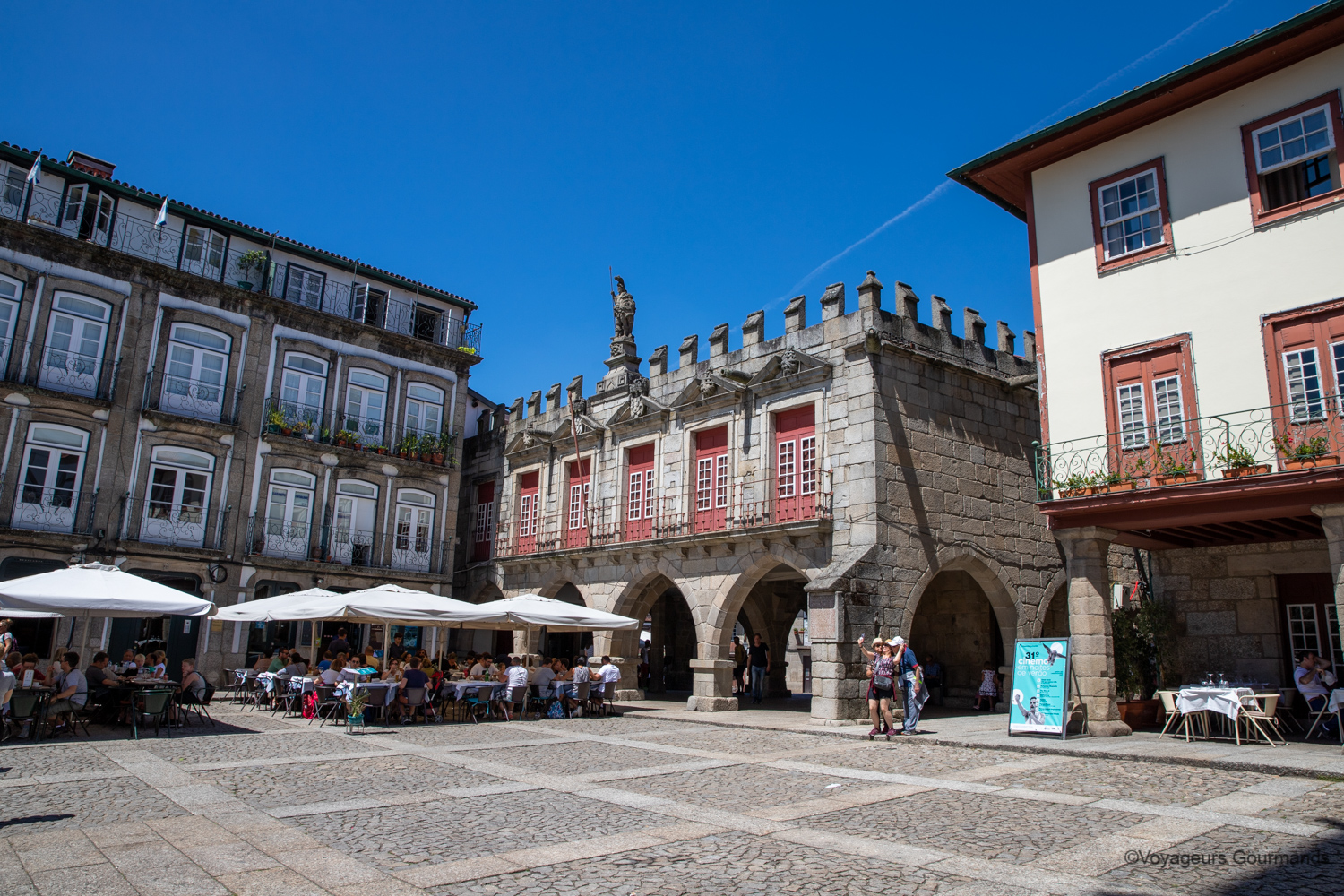
15-day Portugal itinerary
With two weeks, you can link the centre and the north of the country without rushing: Lisbon (3 days), Central Portugal (Óbidos, Nazaré, Coimbra – 3-4 days), Porto (2-3 days), then the Douro Valley (2-3 days) to end on a high.
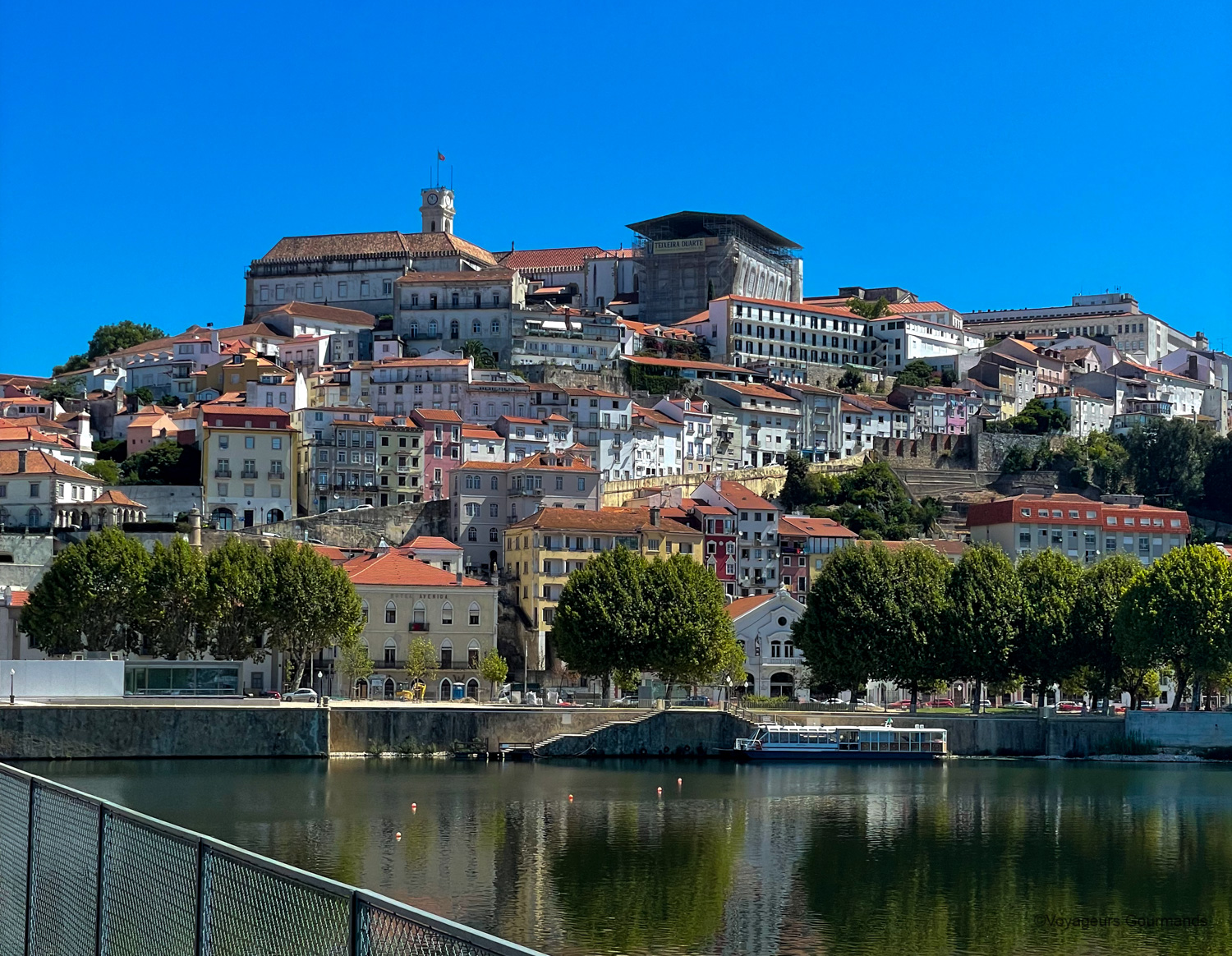
It is probably the ideal length for a first road trip in Portugal: long enough to take your time, without needing three weeks off work.
3-week Portugal itinerary
With three weeks, you can finally do the full tour of the country, from the Minho to the Algarve, at a relaxed pace. Here is a sample itinerary from north to south:
- Days 1-3: Porto and its surroundings.
- Days 4-6: the Minho, with Braga, Guimarães, Ponte de Lima and Viana do Castelo.
- Days 7-8: the Douro Valley, between quintas and scenic roads.
- Days 9-11: Central Portugal, with Aveiro, Coimbra, Nazaré and Óbidos.
- Days 12-14: Lisbon and Sintra.
- Days 15-17: the Alentejo, with Évora and Monsaraz.
- Days 18-21: the Algarve, with its cliffs, beaches and coves.
The easiest option is to fly into Porto and out of Faro (or the other way round): that way you avoid driving back up the whole country at the end of your trip. Watch out, though, for the one-way fees that rental companies often charge when you drop the car off in a different city.
The best Portugal itinerary for your interests
As well as the length of your trip, you can also build your itinerary around a theme:
- Portugal for beaches: focus on the Algarve and the Setúbal coast.
- Portugal for villages: Óbidos, Monsaraz, Marvão, and the villages of the Alentejo and the Minho.
- Portugal for food lovers: Porto for wine, the Alentejo for traditional cuisine, the coast for seafood.
- Portugal for heritage: Lisbon, Sintra, Coimbra and Évora, all listed or packed with historic monuments.
- Portugal with kids: go for short drives, the Algarve and its family-friendly beaches, and outdoor activities.
- Off-the-beaten-track Portugal: follow the Minho River, explore the inland Alentejo, the Serra da Estrela, Chaves and Trás-os-Montes, or Peniche and the Berlengas islands.

How much does a road trip in Portugal cost?
The budget for a road trip obviously depends on your pace and the level of comfort you want, but here are a few rough figures to help you work it out:
- Car hire: generally allow between €25 and €45 a day depending on the season, the length of the rental and the type of car (small city cars being the cheapest).
- Fuel: don’t expect to save money here, as prices at the pump are far from cheap; for a road trip of one week to ten days, budget on average between €100 and €200 depending on the distance covered.
- Tolls: depending on your route, allow between €20 and €60 for a week, a little more if you use the motorways a lot rather than the smaller roads.
- Accommodation: from a hostel or simple guesthouse at around €30-50 a night, up to a charming quinta or boutique hotel at €100-180 a night; outside Lisbon, Porto and the Algarve in high season, prices are often gentler.
- Restaurants: allow €10 to €15 for a simple meal in a traditional tasca, and more like €25 to €40 per person somewhere more upmarket.
- Activities: entry to monuments and museums usually costs between €5 and €15, while a port tasting in a cellar or a boat trip on the Douro costs more like €20 to €60 per person.
Overall, a one-week road trip in Portugal can cost from €500-600 per person if you travel simply, or over €1,000-1,200 per person for a more comfortable trip, excluding flights.
When is the best time for a road trip in Portugal?
Spring (April to June) and early autumn (September-October) are the ideal times: pleasant temperatures, fewer tourists than in the height of summer, and particularly green landscapes in spring. Summer (July-August) is still a good option for the Algarve and its beaches, but expect big crowds and high temperatures inland, especially in the Alentejo.
Car hire in Portugal: everything you need to know
Hiring a car is by far the most practical way to do a road trip in Portugal, as it leaves you completely free to set your own times and detours.
We always book through the comparison site BSP Auto, which we find excellent: in our opinion, it offers the best value for money for car hire in Portugal.
- Minimum age: most rental companies require drivers to be at least 21, sometimes with a licence held for at least a year; under 25, a «young driver» surcharge may apply.
- Driving licence: a licence issued in the European Union is enough, with no need for an International Driving Permit on holiday; if your licence was issued elsewhere, check the rules with your rental company.
- Manual or automatic: the vast majority of hire cars in Portugal are manual; if you want an automatic, book early and make it clear, as these models go quickly.
- Airport or city pick-up: collecting your car at Lisbon or Porto airport is very convenient but often more expensive than a city-centre branch; on the other hand, it saves you taking public transport with your luggage.
- Insurance: check what is included in the basic rate (often with a high excess) and whether your bank card already includes car hire excess cover, which could save you paying for extra insurance at the desk.
- Condition of the car: as anywhere, take photos of the car before setting off to avoid any disputes when you return it.
- Size of the car: in historic centres (Porto, Lisbon, Óbidos…), the streets can be very narrow, and a small car is often more comfortable than a big SUV.
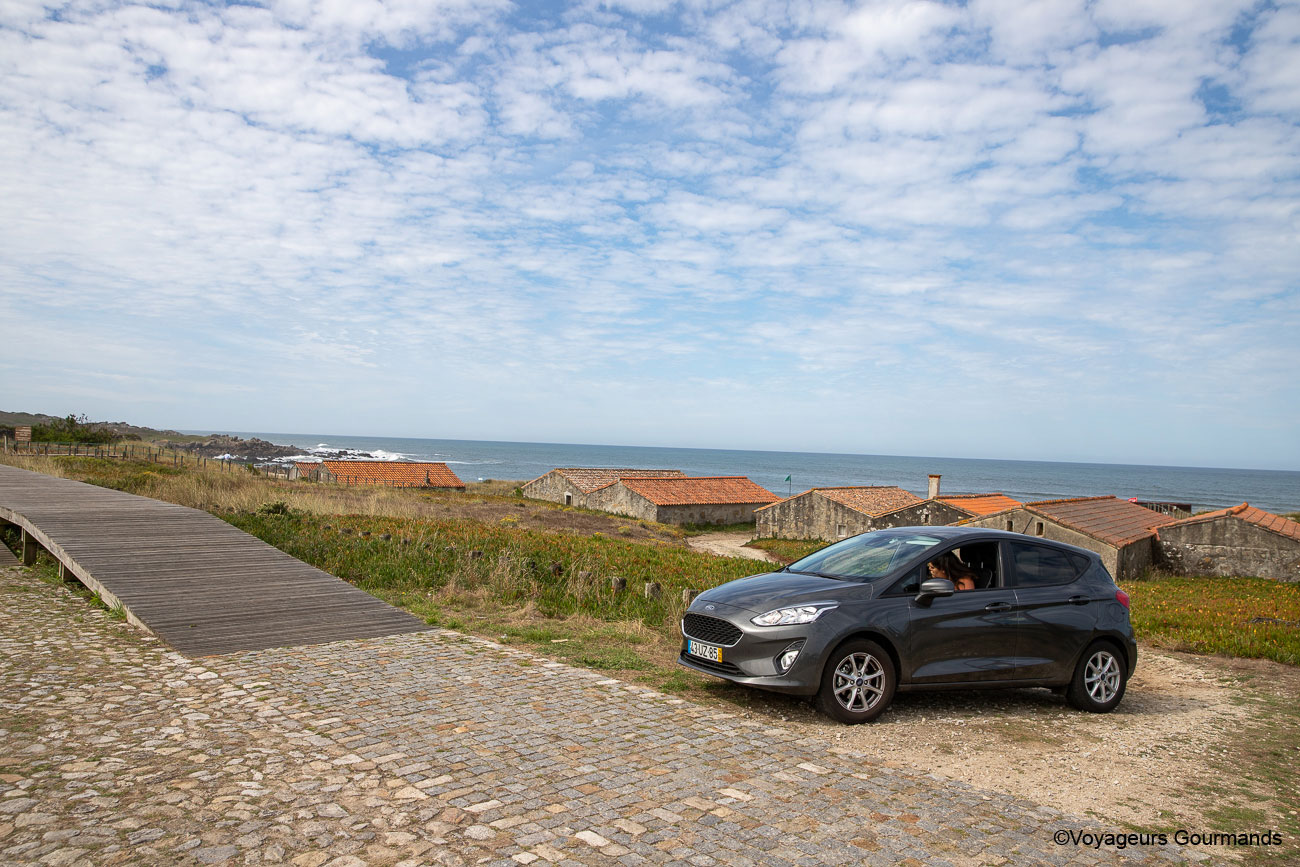
Tolls in Portugal: how do they work?
The Portuguese motorway network uses several toll systems, and it is worth understanding them before you set off:
- Traditional tolls: you take a ticket when you join the motorway and pay when you leave, in cash or by bank card.
- Via Verde: this is the Portuguese electronic toll system. Cars fitted with a transponder use the lanes marked with a big green «V», without stopping. Many hire cars have one, but it is best to check with your rental company before you leave.
- Electronic-only tolls: on some stretches, particularly around Porto, there are no barriers, just gantries that read your number plate. Without a transponder, you have to pay afterwards at a CTT post office or a Payshop outlet, within a limited time.
Good news: since 1 January 2025, almost 1,000 km of former electronic toll motorways (the ex-SCUTs) have become free, particularly in the Algarve and the north of the country. That makes a Portugal road trip noticeably cheaper.
The trap to avoid: driving on an electronic toll motorway without realising you have to pay, and receiving a fine weeks or months later for non-payment. Always ask your rental company which toll system your car uses (transponder, package included, or manual payment at your own expense) before you hit the road.
Driving a foreign-registered car? You can register your number plate and link it to your bank card on the pttolls website: electronic tolls are then charged automatically. Another option is to register for 30 days to drive on the stretches that only have gantries. It is quick, easy, and saves you a trip to the CTT post office to pay your tolls afterwards.
If you would rather avoid tolls, the national roads often link the same destinations, with slower but also more scenic drives.
Practical tips for a successful Portugal road trip
- Book your car in advance, especially in high season.
- Allow plenty of time for each drive: the little country roads are often worth the detour.
- Don’t underestimate parking in the historic centres of Lisbon and Porto, which is often tricky.
- Carry some cash or a compatible card for the tolls.
- Plan a few nights outside the big cities to enjoy lower prices.
In a nutshell
Portugal has the rare quality of being generous however much time you give it: a week is enough to fall in love with a region, while three weeks let you cover almost the whole country without ever getting bored on the road. That is what makes it, in our eyes, one of the most beautiful destinations in Europe for a road trip. And that is not about to change, given how many times we have already been back.
Whether you follow the very special light of Lisbon, the wine roads of the Douro or the unspoilt villages of the Minho and the Alentejo, the key is to give yourself time to stop where you hadn’t planned to. That is often where the best travel memories are made.
Find all our detailed articles on each stop of this road trip in our Portugal section, and feel free to ask us your questions in the comments to fine-tune your own itinerary.
To help you picture your itinerary, you will find every stop of this road trip on our interactive map.
Portugal itinerary FAQ
Frequently asked questions are here!
How many days do you need for a Portugal road trip?
Allow at least a week to explore a single region at a relaxed pace (the north or the Lisbon area, for example). To link several of the country’s main regions without rushing, 10 to 15 days is better. Three weeks give you time for a more complete tour, from north to south.
Do you need an International Driving Permit to drive in Portugal?
Not if your licence was issued in the European Union: it is valid for driving in Portugal on holiday. If your licence was issued elsewhere, check with your rental company whether an International Driving Permit is required.
Is it better to start in Lisbon or Porto?
Both cities have well-connected international airports, so it mainly depends on the itinerary you choose. If you are focusing on the south and the centre, start in Lisbon. If the Douro and the north appeal to you more, Porto is the more logical starting point.
Can you do a road trip in Portugal without a hire car?
It is possible between the big cities thanks to trains and long-distance coaches, but it seriously limits access to the villages, viewpoints and rural regions such as the Douro, the Alentejo or the Minho, which are exactly what makes a road trip worthwhile.
Is Portugal a good destination for a family road trip?
Yes, as long as you adapt the pace: choose fewer but longer stops, and focus on regions such as the Algarve or the Atlantic coast, which combine beaches, outdoor activities and fairly short drives between stops.