


Being of Portuguese descent, I’ve tasted every dish on this list, and I can tell you this: Portuguese food is about far more than salt cod and pastéis de nata! It’s generous, often simple cooking that changes a lot from one region to the next. In the north you’ll eat soups and pork, all along the coast it’s seafood, in the Alentejo it’s slow-cooked dishes with coriander, and in the Algarve it’s cataplanas.
In this article, I share 40 Portuguese specialities: the traditional dishes you’ll find both in restaurants and on family tables, the petiscos people nibble with a drink, the desserts and the drinks, each time with the region where you should try them. Everything you need to know what to order once you’re there… Enjoy!
✤✤✤
Portuguese food at a glance
| 🍽️ Category | 😋 Specialities to try | 📍 Where to try them |
|---|---|---|
| Soups | Caldo verde | Everywhere, especially in the north |
| Meat | Francesinha, leitão, cozido, bifana, carne de porco à alentejana | Porto, Minho, Bairrada, Alentejo |
| Rice | Arroz de pato, arroz de marisco, arroz de cabidela, arroz de sarrabulho | Everywhere; sarrabulho in the Minho |
| Salt cod | Bacalhau à Brás, com natas, à Gomes de Sá, bolinhos de bacalhau | Everywhere; Gomes de Sá in Porto |
| Fish and seafood | Grilled sardines, polvo à lagareiro, amêijoas, caldeirada, cataplana | Lisbon, the coast, the Algarve |
| Sandwiches | Bifana, prego | Lisbon, Porto, Alentejo |
| Petiscos | Chouriço assado, pica-pau, moelas, rojões, caracóis, tremoços, queijo da Serra | In tascas, everywhere |
| Desserts | Pastéis de nata, ovos moles, travesseiros, pastéis de Tentúgal | Lisbon, Aveiro, Sintra, Coimbra |
| Drinks | Port, vinho verde, ginjinha, licor beirão, bica | Douro, Minho, Lisbon, Óbidos |
Must-try Portuguese dishes
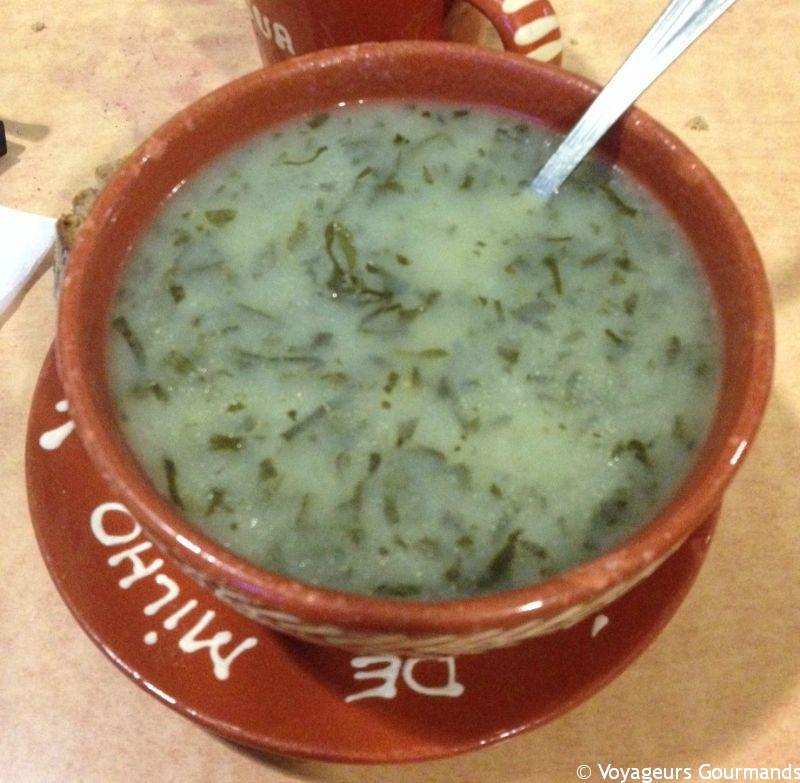
Caldo verde
People grow a lot of vegetables in Portugal, so naturally a lot of soup is eaten there. This one is mainly a speciality of the north, and it’s THE soup served on every occasion, even at weddings once the night is well under way. It’s made with potatoes and onions cooked down until smooth, to which finely shredded kale and slices of chouriço are added.
Alheira
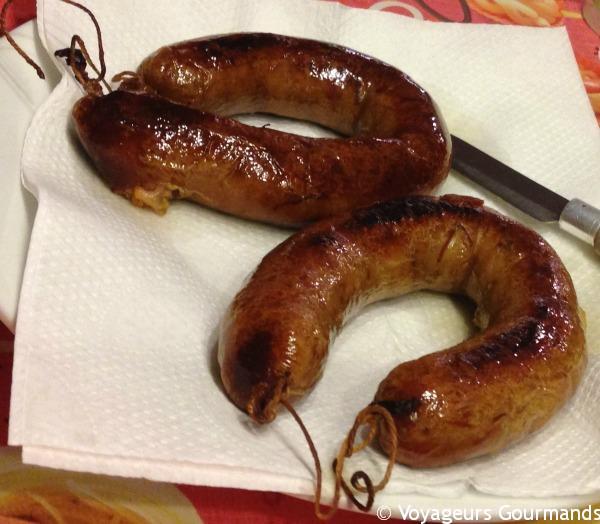
There are so many different kinds in Portugal that it’s hard to find a perfect translation. The word covering all sausages and cured meats is “enchidos”, which means “filled”. The alheira is a smoked sausage whose main ingredients are chicken, pork, bread, olive oil, garlic and paprika. Sometimes it also contains duck or ham. It’s grilled on the barbecue, pan-fried or baked, and usually served with vegetables.
It’s said to have been invented by Portuguese Jews at the end of the 15th century: to escape the Inquisition, they made sausages without pork, using poultry and bread, and hung them in their smokehouses like everyone else. Today, most of them contain pork too. The most famous is the alheira de Mirandela, from Trás-os-Montes, voted one of the 7 Wonders of Portuguese Gastronomy. In restaurants, it’s often served with a fried egg, chips and grelos, sautéed turnip greens.
Feijoada
There are many variations of this recipe, but the main ingredients are always kidney beans and pork. The meat is simmered in a sauce of tomatoes, carrots and cabbage, with traditional sausages and sometimes bacon added. The dish is ready when the sauce has thickened, and it’s usually served with white rice. Given how hearty it is, it’s more of a winter dish.
Cozido à Portuguesa
It’s considered the most traditional of all Portuguese dishes. It’s cooked in different ways depending on the region and is perfect for meat lovers. It contains chicken, beef, pork, various traditional sausages and plenty of sides: carrots, cabbage, potatoes, turnips, chickpeas, beans and rice. The meat is slowly cooked in a large pot, with the vegetables and sausages added little by little. It takes a long time to prepare, so it’s usually kept for special occasions or Sunday lunch.
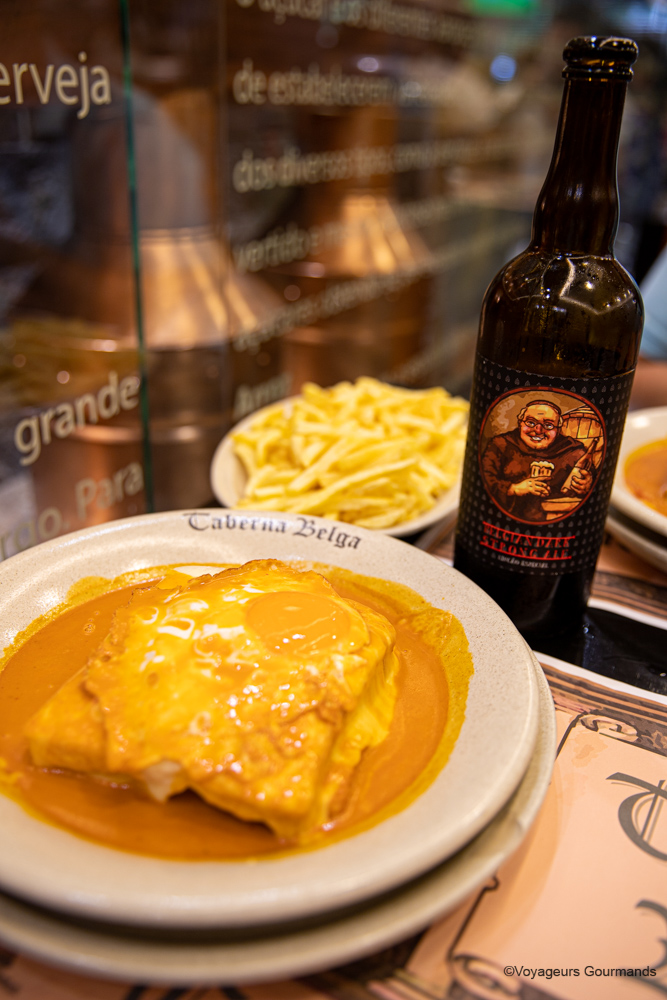
Francesinha
Notice the word “Frances” in there? That’s because it’s the Portuguese take on the croque-monsieur. The recipe varies a little from one place to another, but you’ll usually find cheese, ham, steak, various sausages, an egg and its famous sauce: slightly spicy and made with beer. It comes with chips, which you’ll probably struggle to finish! Over time, it has become THE speciality of Porto, but… for me, the best one is served in Braga, at the Taberna Belga restaurant!
Bifana
The bifana is the ultimate Portuguese snack: a soft bread roll filled with thin slices of pork marinated in garlic, white wine and paprika, then simmered in their sauce. People eat it standing at the counter, with a dash of mustard and an ice-cold beer, at any time of day. The most famous one comes from Vendas Novas, in the Alentejo, but you’ll find it everywhere from Lisbon to Porto, where it’s served with a slightly spicier sauce.
Prego
A cousin of the bifana, the prego swaps the pork for a thin slice of beef seared with garlic, served in a bread roll. A little quirk: in marisqueiras (seafood restaurants), people often order one at the end of the meal, after the seafood, to “close” the stomach. There’s also the prego no prato, served on a plate with a fried egg, rice and chips.
Arroz de sarrabulho
Very soft and moist, arroz de sarrabulho is cooked in a meat stock (pork, chicken, sometimes beef), thickened with pig’s blood and flavoured with cumin. It’s a hearty winter dish from the Minho, shared around the table near Braga and Ponte de Lima, where it’s traditionally served with rojões.
Leitão
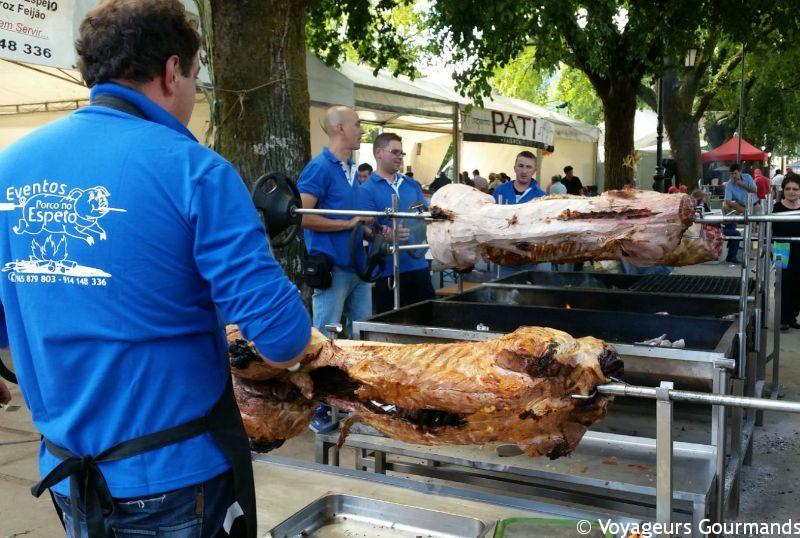
The Portuguese love pork in all its forms, as you’ll have noticed from the previous dishes. One they’re particularly fond of is leitão. What is it? A suckling pig, seasoned beforehand with garlic, salt and pepper, then roasted on the barbecue or in the oven for a good 2 hours. You’ll find it at parties, weddings…
For the best, head to Bairrada, between Coimbra and Aveiro, and more precisely to Mealhada, where leitão restaurants line the main road. The suckling pig is roasted whole in a wood-fired oven, with very crispy skin, then served with homemade crisps, orange slices and a glass of Bairrada espumante. Leitão da Bairrada is also one of the 7 Wonders of Portuguese Gastronomy.
Carne de porco à Alentejana
It’s a tasty combination of pork and seafood, which makes it a unique and delicious pairing. As its name suggests, it’s a speciality of the Alentejo region. The meat is diced and marinated for several hours in garlic, white wine, paprika and sometimes other spices to develop the flavours.
The meat is then fried until golden and tender. Meanwhile, the clams are usually cooked separately in a sauce of white wine, garlic and coriander until they open.
Once both are ready, they’re combined in the pan and cooked together for a few minutes so the flavours can blend.
Bitoque
Bitoque is the everyday dish you’ll find on the menu of almost every tasca: a beef or pork steak pan-fried with garlic, topped with a fried egg and served with chips, rice and a little salad. Nothing fancy, but it’s the perfect choice when you can’t decide, and it’s rarely expensive.
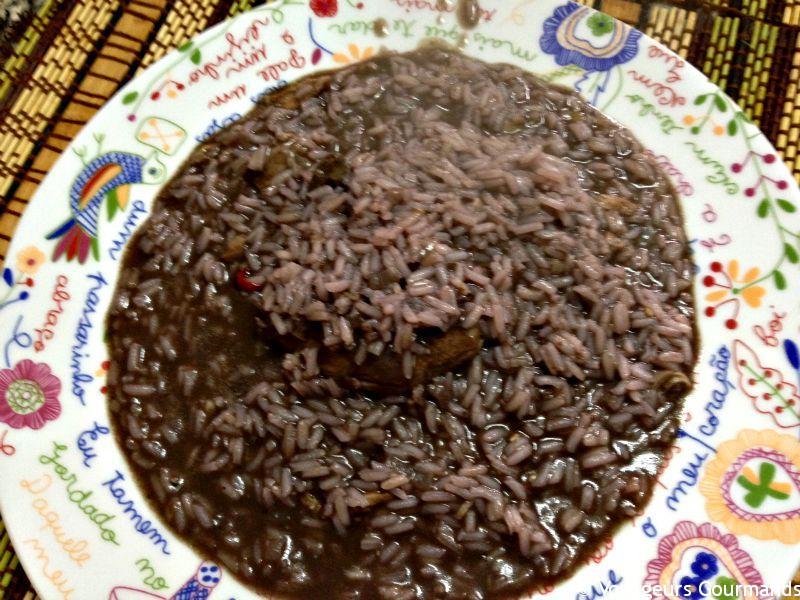
Arroz de cabidela
For anyone who isn’t Portuguese, this dish really is one of the oddities of Portuguese cuisine (I promise I’ll write a whole article about them soon).
The rice is cooked with small pieces of shredded chicken, and a rather unusual sauce is added. It’s made from chicken blood diluted in vinegar… Put like that, I’ll admit it sounds a bit strange… Personally, I love it!
Arroz de pato
Its literal translation is duck rice. No blood this time, I promise!
It’s a kind of risotto with small pieces of shredded duck. Sometimes it’s baked in the oven with a few slices of chouriço on top. Yum!
Given its location, it’s only natural to find so much fish in Portugal. There’s the famous salt cod, of course, but also a huge variety of other fish and seafood (mussels, crabs, clams, prawns, etc.). Fish is generally grilled, served with potatoes and drizzled with olive oil, but you’ll also come across more elaborate recipes.
Arroz de marisco
Voted one of the 7 Wonders of Portuguese Gastronomy, arroz de marisco is a very “malandrinho” seafood rice, meaning very moist, almost like a soup. It’s packed with prawns, clams, mussels and sometimes crab or lobster, in a tomato broth with coriander and a hint of chilli. It’s usually ordered for at least two people, in seaside restaurants.
Bacalhau (salt cod)
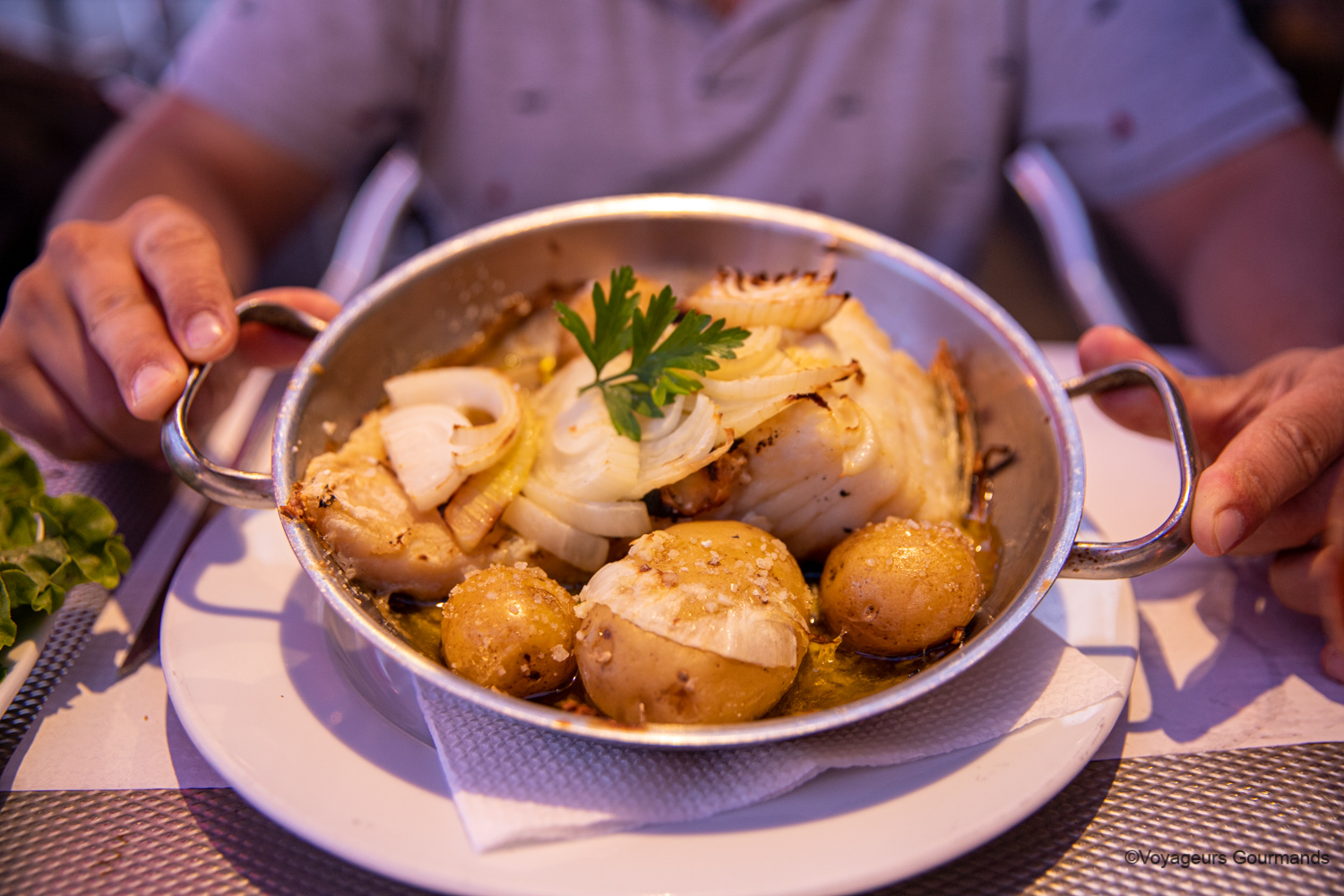
Well, this won’t come as news to you: it’s THE Portuguese speciality, the famous “bacalhau”. But you may not know the popular saying that there are 365 different ways to cook salt cod, one for every day of the year! So don’t hesitate to try the more elaborate versions you’ll find in restaurants!
Here are a few of my favourite recipes.
Bolinhos de bacalhau (salt cod fritters)
Do I really need to introduce the famous bolinhos de bacalhau (also called pastéis de bacalhau)? They’re small, round fried fritters eaten as a starter, on the go, or with drinks. They’re made with salt cod, of course, potatoes, onions (or not) and parsley.
They differ from the Caribbean version, which also contains flour.
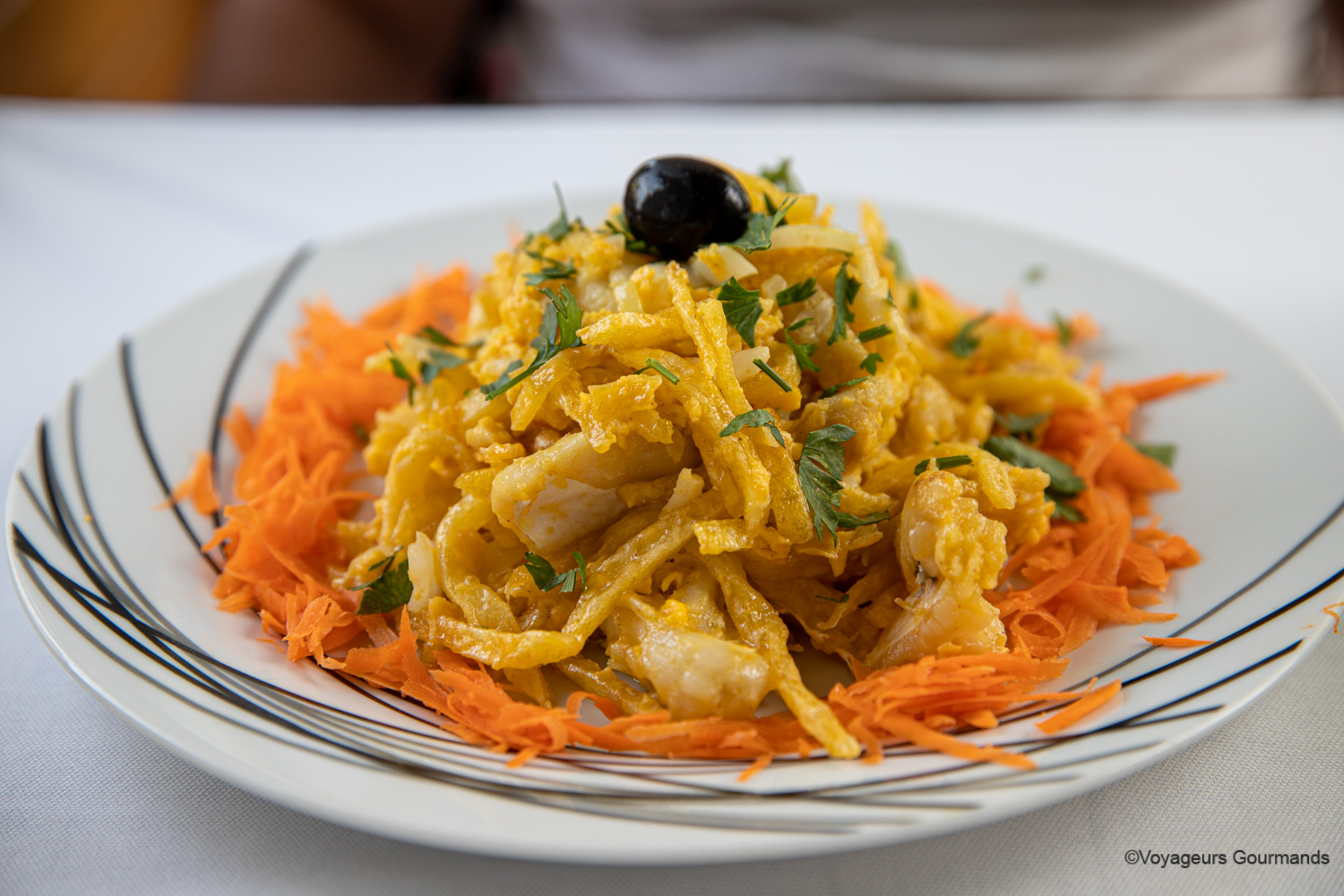
Bacalhau à Brás
A simple and delicious version. Fry matchstick potatoes, onions and garlic in a pan. Add the shredded salt cod (cooked in water beforehand) and some parsley. When everything is golden, add beaten eggs and stir constantly. Ready to serve!
It’s said to have been created in a tavern in Lisbon’s Bairro Alto, run by a man called Brás. It’s the recipe I recommend to anyone unsure about trying salt cod: it’s on the menu of almost every restaurant, and the eggs really soften the taste of the salted fish.
Bacalhau com natas
As with the previous version, the salt cod, potatoes (boiled beforehand) and onions are browned in a pan. Milk and cream are then added over a low heat. The mixture is poured into a dish and browned in the oven for 5 minutes. Delicious!
Baked until golden, it’s the ultimate family dish, often made for big gatherings as it can be prepared in advance. You’ll also regularly find it on restaurants’ lunchtime set menus, at a low price.
Bacalhau à Gomes de Sá
This recipe was born in Porto at the end of the 19th century and is named after its creator, José Luís Gomes de Sá. The salt cod is flaked, then baked with sliced potatoes, onions and plenty of olive oil, before being topped with hard-boiled eggs and black olives. It’s one of the salt cod recipes most often made for festive meals in the north.
Grilled sardines
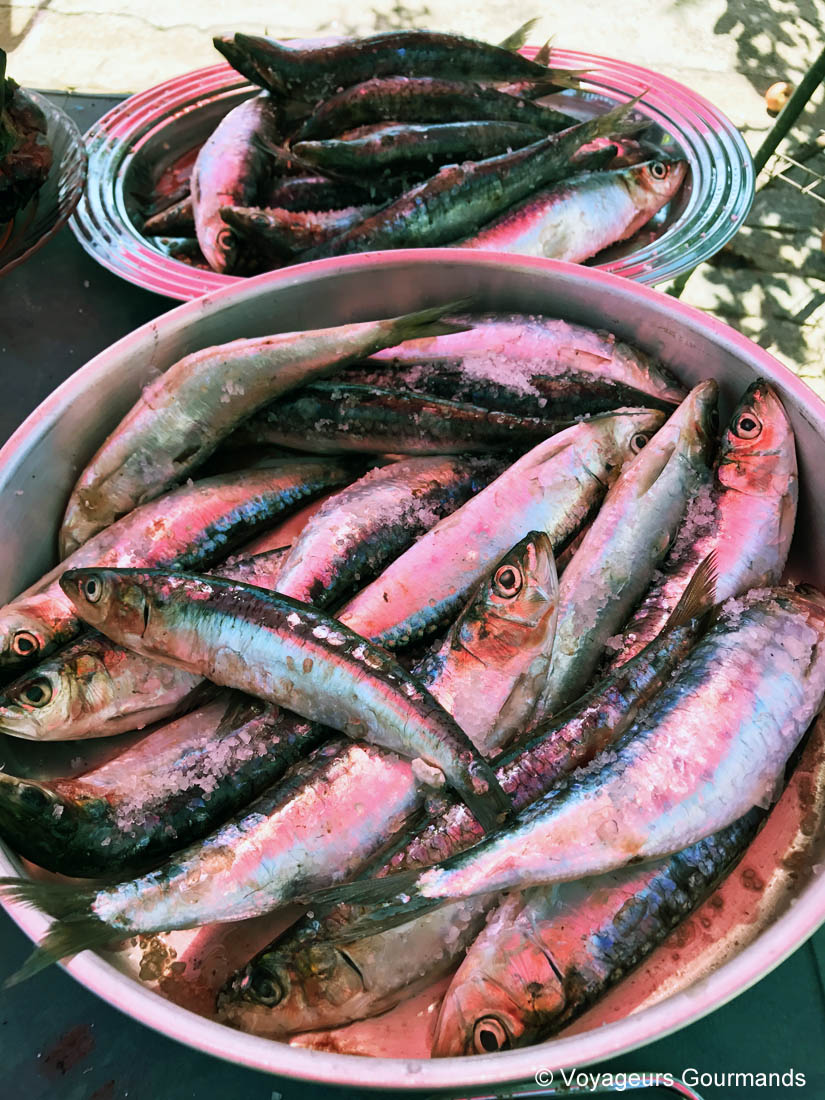
After salt cod, sardines are probably the most eaten fish in Portugal! They’re tasty, cheap and plentiful. Sardines are usually grilled on the barbecue, and you’ll find them everywhere: in restaurants, at festivals, even at weddings, alongside the famous caldo verde. They’re served with vegetables, or on a slice of “broa“, another Portuguese speciality.
Caldeirada de peixe
It’s simply the Portuguese version of bouillabaisse. Take a large pot, several types of fish cooked together… Ta-da! As is often the case, it’s served with potatoes and/or rice.
Every port has its own version, with white fish, seafood or even eel around Aveiro. But you’ll always find layers of potatoes, tomatoes, onions and peppers, slowly cooked with white wine and olive oil. It’s best on the coast, in Nazaré, Peniche or Sesimbra, in restaurants that cook the catch of the day.
Polvo à Lagareiro
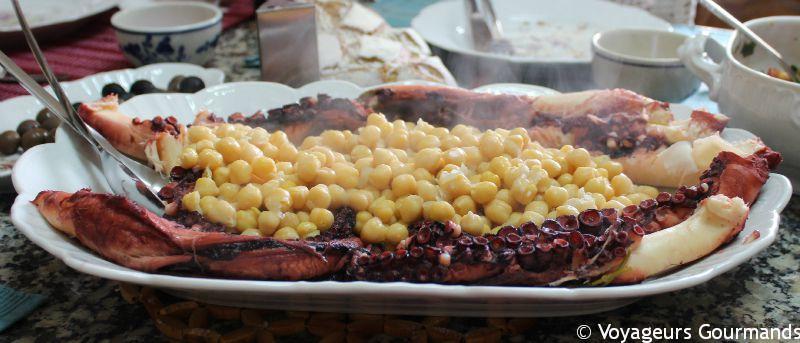
It’s a fairly simple recipe: grilled octopus drizzled with olive oil, sometimes with garlic. After sardines and bacalhau, octopus is one of the most eaten seafoods in Portugal.
The octopus is first boiled until tender, then roasted in the oven with lots of olive oil and garlic. It’s served with batatas a murro: small potatoes baked in their skins, then crushed with a punch (“murro”) before being drizzled with oil. The name comes from lagares, the olive oil mills. In northern Portugal, it’s also one of the dishes eaten on Christmas Eve, along with salt cod.
Amêijoas à Bulhão Pato
It can be served as a starter or a main course. It’s clams steamed in a light broth of white wine, olive oil, garlic and lemon, seasoned to taste!
The dish is named after Raimundo António de Bulhão Pato, a 19th-century poet. The secret is fresh coriander added at the last minute, and the bread you dip in the sauce, almost the best part of the meal! You’ll find it in every marisqueira, especially in Lisbon and along the coast, often as a starter to share.
Cataplana
Cataplana refers both to the dish and to the clam-shaped copper pot, which closes tightly to steam the food. A speciality of the Algarve, it combines seafood, fish or pork and clams with tomatoes, onions, peppers, chouriço and white wine. It arrives closed at the table, and opening it in front of you is all part of the show!
Petiscos
Petiscos are small plates to share, the Portuguese equivalent of tapas. People order them in tascas, as an aperitif or to make up a whole meal, with a beer or a glass of wine. My favourite place for petiscos is Café Caçana, in Montaria, near Viana do Castelo: you can eat rojões, moelas or snails there, all washed down with champarrião… yum!
Chouriço assado
The chouriço is placed on a small clay dish (the assador), doused with aguardente, then flambéed right at the table. It’s sliced as soon as it’s nicely charred and eaten with good bread: simple, but always impressive when the flames shoot up!
Pica-pau
Its name means “woodpecker”, because you pick at the pieces one by one with a cocktail stick. It’s small cubes of beef or pork sautéed in a garlic, white wine and beer sauce, served with pickles (gherkins, carrots, cauliflower). Keep some bread for the sauce, you won’t regret it.
Moelas
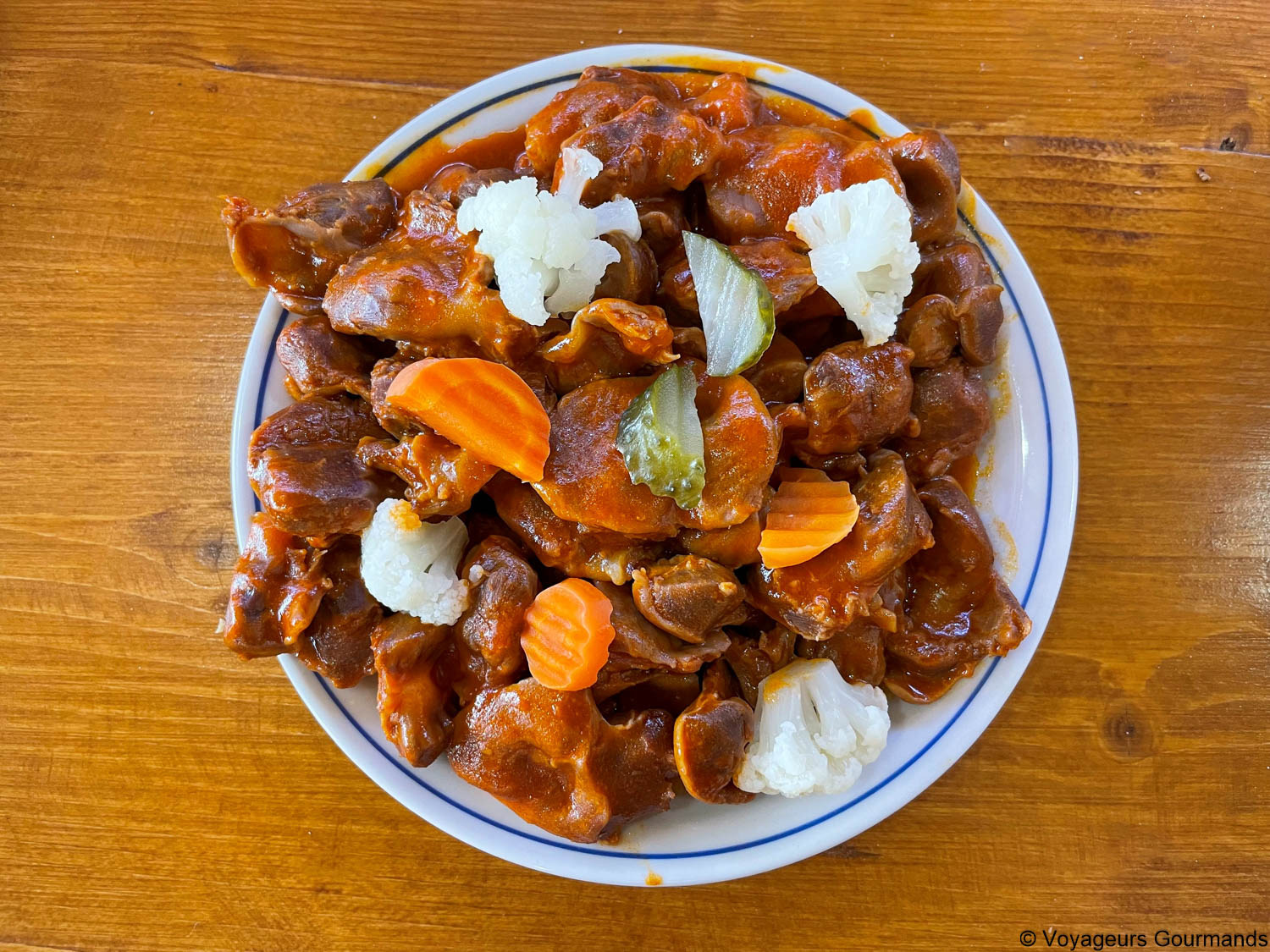
Moelas are a popular Portuguese speciality: chicken gizzards simmered in a spicy sauce, often served as a snack or a main course. They’re usually slow-cooked with onions, tomatoes, garlic, white wine or beer, and spices such as chilli, bay leaf and cloves. As a snack, they’re often served with bread to mop up the sauce…
Rojões
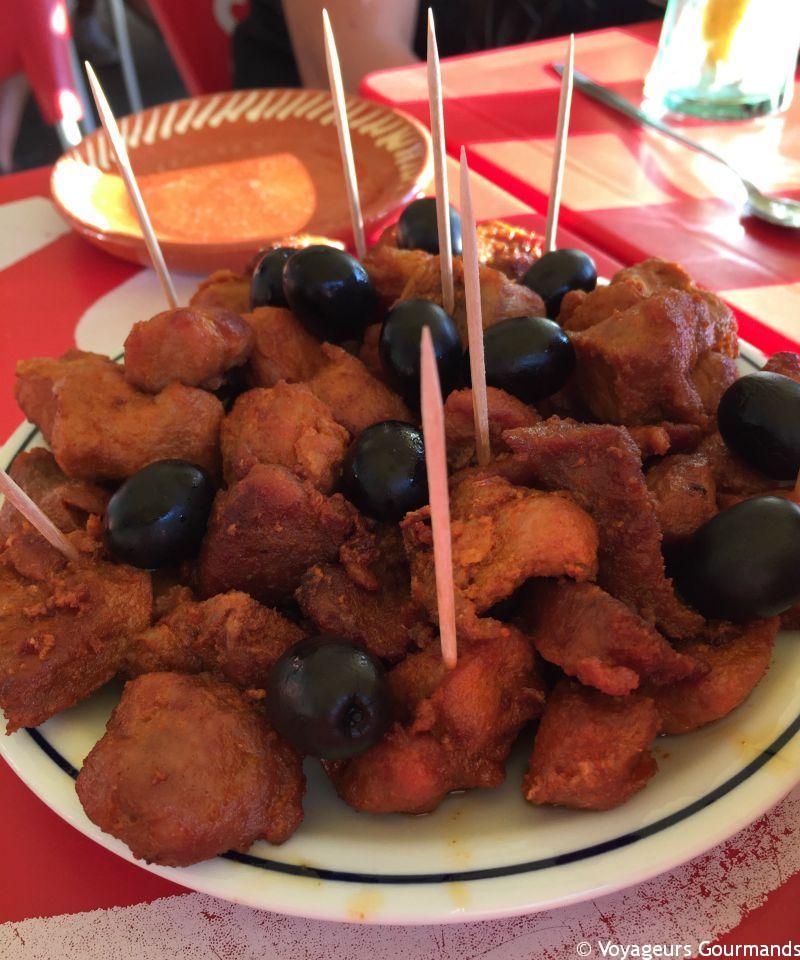
Rojões are small pieces of pork fried in their own fat. This traditional recipe is very popular in some parts of Portugal, especially in the north. The meat is usually cut into small cubes and seasoned with salt, garlic, bay leaf and sometimes other spices depending on the region. It’s then slowly cooked in a pan until golden and crispy on the outside while staying tender and juicy inside. Personally, I prefer eating them as “tapas” rather than as a main course, I think they’re even better!
Caracóis
If you see a sign saying “Há caracóis” on a shopfront, snail season has begun! Smaller than French Burgundy snails, they’re cooked in a broth flavoured with garlic, oregano and bay leaf, and eaten in summer, on a terrace, with a cold beer. You’ll find them all over Portugal, from Lisbon to the Algarve and up in the north, where they’re just as popular.
Tremoços
These are lupin beans preserved in brine, often brought to your table with a beer. You pinch the skin to pop the bean out… and you just can’t stop. You’ll also find them in small bags in every supermarket, if you’d like to take some home.
Queijo da Serra
Made from sheep’s milk in the Serra da Estrela, mainland Portugal’s highest mountain range, it’s the most famous Portuguese cheese and one of the 7 Wonders of Portuguese Gastronomy. When well matured, it becomes so runny that the top is cut off so you can eat it with a spoon, with bread. You can try it when visiting central Portugal, but you’ll also find it in delicatessens all over the country.
Portuguese desserts
Of course, Portuguese cuisine also boasts a huge variety of desserts and pastries. I’ve already shared an article on Portuguese Christmas desserts and another on Easter traditions in Portugal. Still, here are the 9 sweet treats you absolutely must try during your stay.
Pastéis de nata
Probably the most famous pastry in the country! (You’ll find my recipe here, by the way!) It’s a cross between a small tart and a custard, both crispy and creamy. The custard is made with eggs and a sugar syrup, in a puff pastry case. Enjoy it warm, dusted with cinnamon: your taste buds will thank you! To make them at home, you’ll need individual pastel de nata tins: they’re what give them their distinctive shape.
Ovos moles de Aveiro
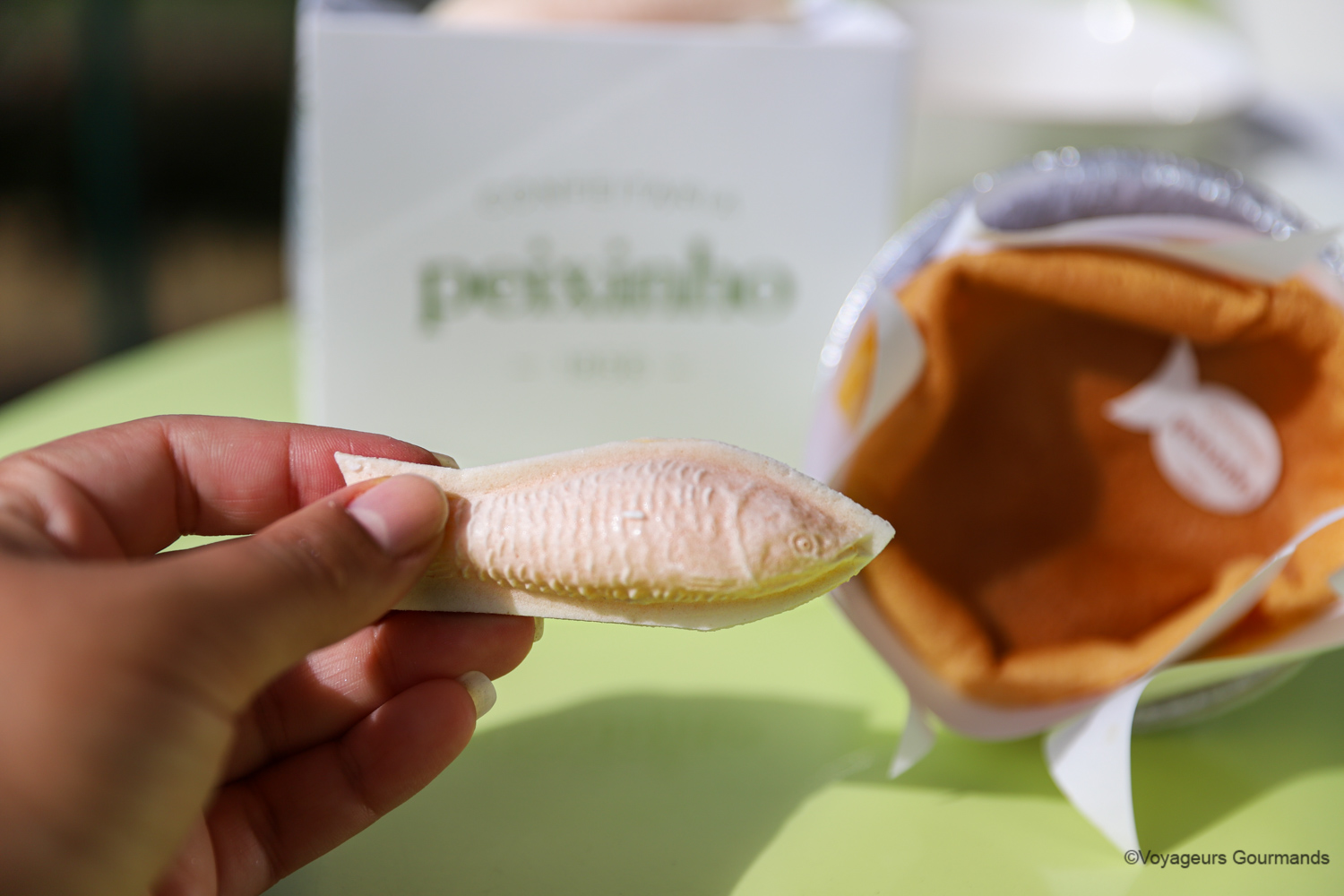
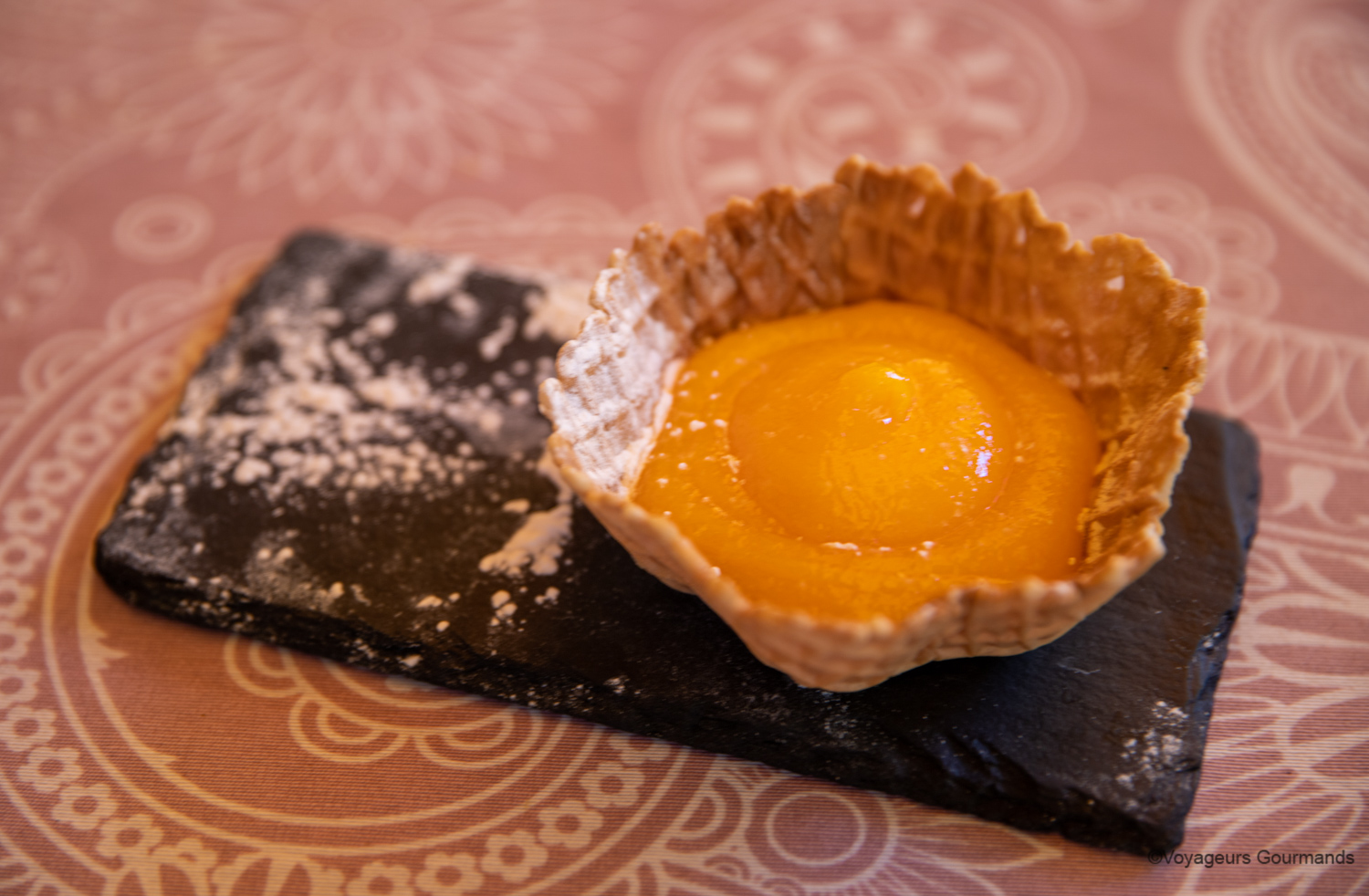
Ovos moles from Aveiro are traditional sweets made from a delicate egg yolk and sugar paste, often moulded into artistic shapes representing shells or other maritime motifs. Our article on Aveiro is here!
The recipe comes from convents, where nuns used up the leftover egg yolks after starching their habits with the whites. The cream is wrapped in a thin wafer, and ovos moles de Aveiro even have EU PGI status. They’re also sold in small painted wooden barrels, perfect as a sweet souvenir.
Pudim
The basic recipe for Portuguese pudim uses simple ingredients such as eggs, milk, sugar and sometimes vanilla. The mixture is poured into a caramel-lined mould, then baked in a bain-marie until set and golden. Once cooled, the pudim is turned out onto a plate, revealing a smooth, glossy surface soaked in golden caramel. Served chilled, it also comes flavoured with orange or coffee (I love that one, even if the original is still my favourite!). To make it at home, a flan mould with a central tube is ideal, as it gives it its traditional shape.
Arroz doce
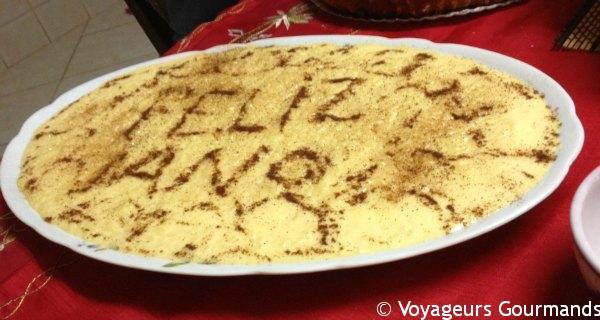
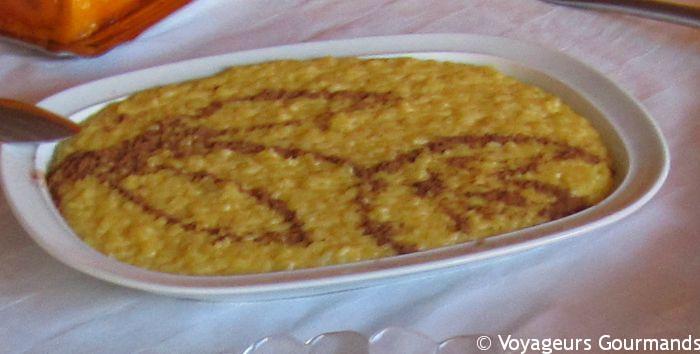
It’s the Portuguese version of rice pudding. Eggs, milk, sugar and short-grain rice are cooked together and then poured into shallow dishes. It’s usually eaten dusted with cinnamon. It’s one of the desserts found at every celebration of the year and at big events such as weddings and christenings.
The cinnamon isn’t just sprinkled on top: it’s used to draw patterns or letters, and arroz doce is never missing from the Christmas table. Unlike French rice pudding, it’s also flavoured with lemon zest, which makes it fresher.
Pão de ló
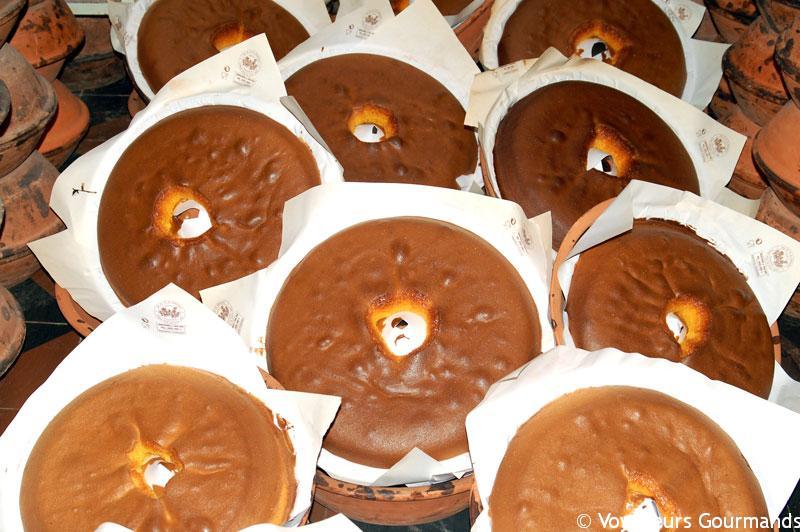
Pão de ló is a traditional Portuguese cake, loved for its light, airy texture and delicious simplicity. Originally from the area south of Lisbon, it’s often associated with celebrations and special occasions. The basic recipe is actually like that of a large sponge cake: eggs, sugar and flour, mixed into a smooth, airy batter. Baked in a generously buttered tin, the cake becomes spongy and golden.
There are different regional versions of pão de ló across the country, each with its own distinctive touch. For example, pão de ló from Ovar, in northern Portugal, is known for its denser, moister texture, thanks to extra egg yolks. In Coimbra, it’s often flavoured with orange or lemon, adding a refreshing note to this sweet treat.
Travesseiros de Sintra
Travesseiros (“pillows”) are puff pastries filled with an almond and egg cream and dusted with sugar. The most famous shop is Piriquita, in Sintra’s historic centre, where there’s often a queue. It’s worth the wait, especially when they’re fresh out of the oven! One more good reason to take a day trip from Lisbon.
Queijadas de Sintra
Another Sintra speciality, queijadas are small tarts made with fresh cheese, sugar, eggs and cinnamon, in a very thin, crispy pastry. You’ll find them elsewhere in Portugal, in Madeira or Évora for example, but the ones from Sintra are still the best known.
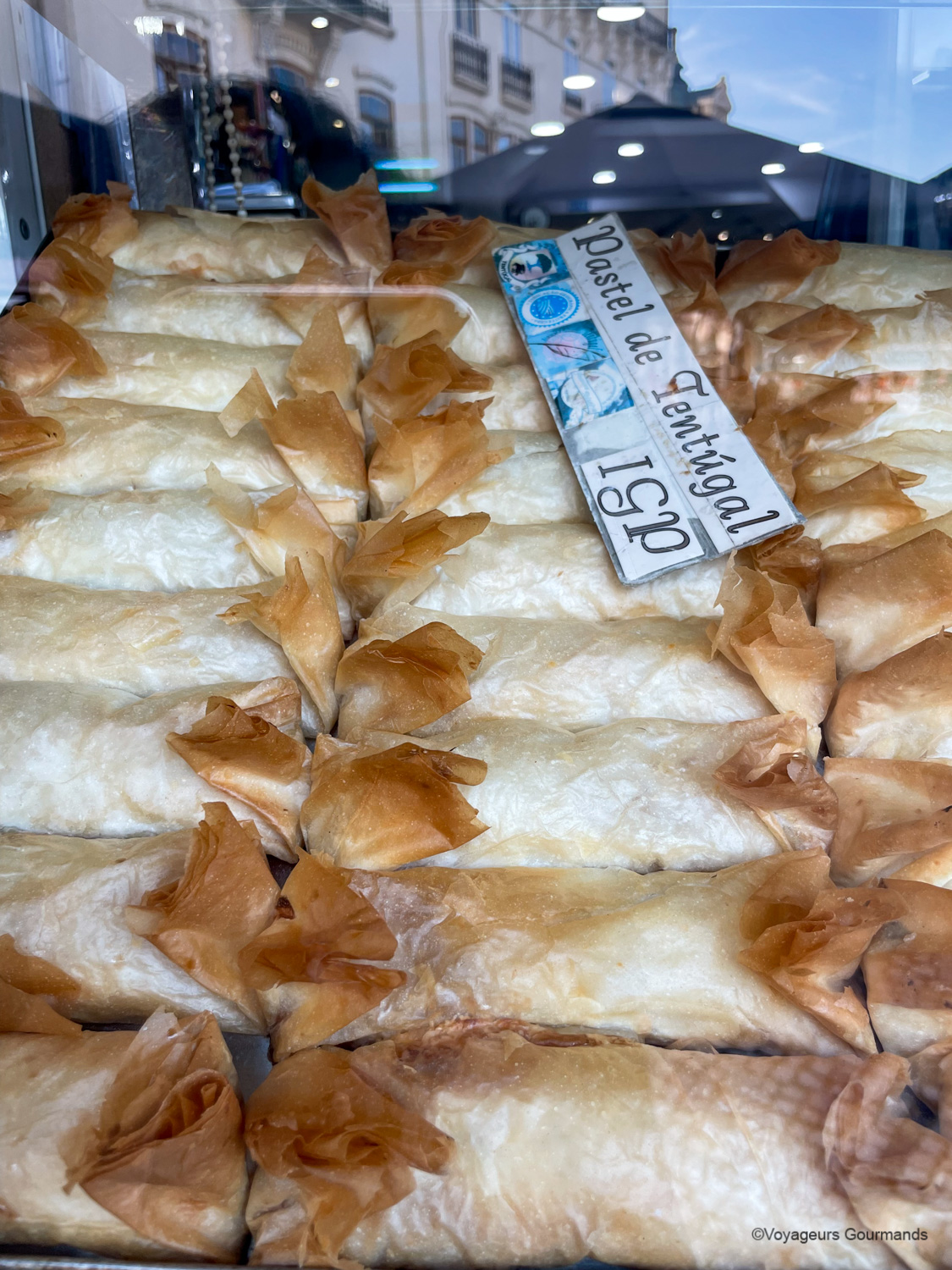
Pastéis de Tentúgal
Made in Tentúgal, a village near Coimbra, these pastries use a dough so thin it’s almost transparent, stretched by hand on large tables, then rolled around an egg yolk cream similar to that of ovos moles. Both crispy and melt-in-the-mouth, they’re well worth a detour if you’re in the area.
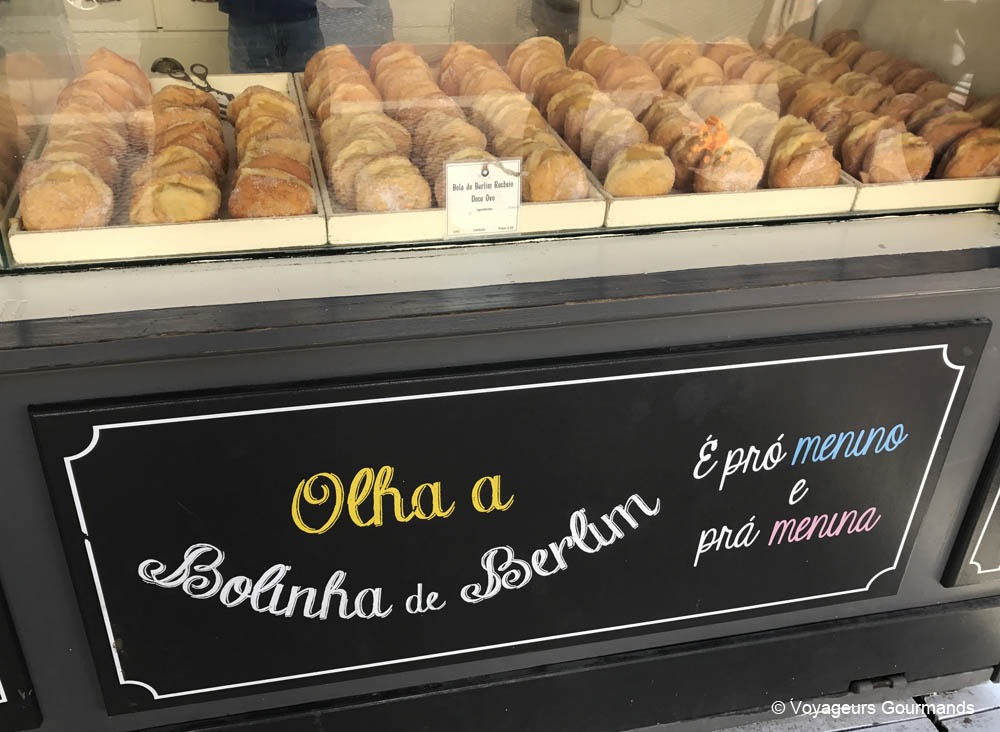
Bola de Berlim
You can’t spend a summer in Portugal without eating one: this large sugary doughnut, filled with egg custard, is sold right on the beach by vendors shouting “Bolas!”. You’ll also find them all year round in pastelarias. For me, the best ones are from the Manuel Natário pastry shop in Viana do Castelo, or straight from the beach in Nazaré.

Portuguese drinks
Portugal isn’t only about what’s on your plate: its wines, liqueurs and coffee are part of the experience too, and each region has its own specialities.
Port wine
Produced in the Douro Valley and then aged in the cellars of Vila Nova de Gaia, just across from Porto, it’s Portugal’s most famous wine. It comes in several styles: ruby, tawny, white… Locally, it’s first enjoyed simply as an aperitif, neat. White port is also served as a porto tónico, with tonic water, ice and a slice of lemon.

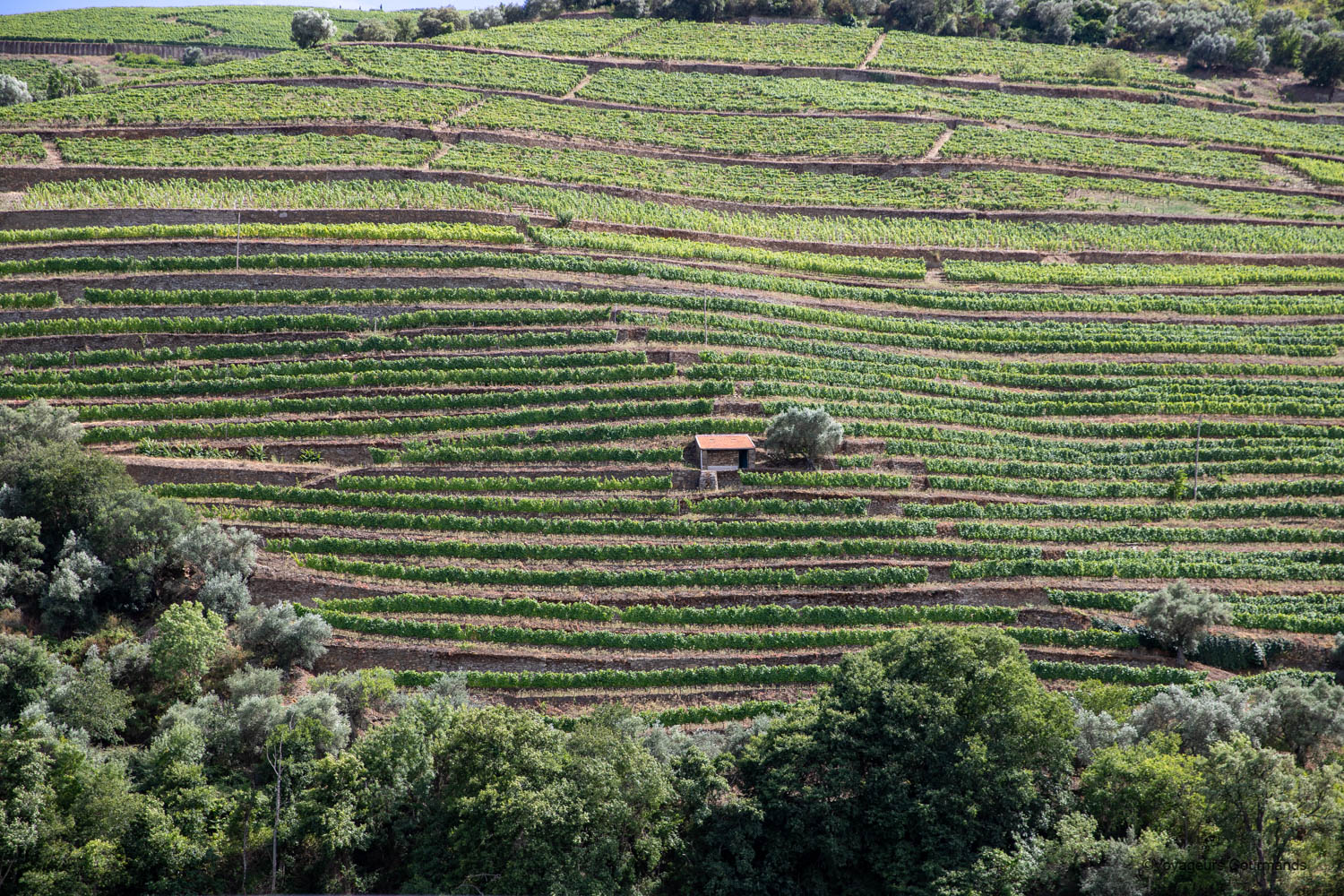
Vinho verde
This “green wine” isn’t green at all: it’s a young, light wine, often white and slightly sparkling, produced in the Minho region, in northern Portugal. Well chilled, it’s the perfect match for grilled sardines and seafood.
Ginjinha
This sour cherry (ginja) liqueur is drunk as an aperitif or a digestif. In Lisbon, people drink it standing outside the tiny A Ginjinha bar, near Rossio, and in Óbidos it’s served in a little chocolate cup that you eat afterwards. I share more addresses in my article on where and what to eat in Lisbon.
Aguardente and licor beirão
Aguardente, also called bagaço, is a grape marc brandy often served as a digestif at the end of a meal. If you prefer something sweeter, try licor beirão, an aromatic herbal liqueur from the Lousã area, found in every bar in the country.
Coffee
In Portugal, coffee is drunk strong and at any time of day. For an espresso, ask for a bica in Lisbon or a cimbalino in Porto. For something non-alcoholic, freshly squeezed orange juice is everywhere, as is Sumol, a local fruit soda.
To taste these specialities in their home region, go on a road trip around Portugal.
✤✤✤
I hope you’ve enjoyed this! Whether you’re heading to Lisbon or Porto, you’ll be able to find almost all of these dishes… Make your little checklist before you go! And if you’d like to carry on the journey in your kitchen, this Portuguese cookbook will help you recreate these dishes at home.
So, which Portuguese specialities tempt you the most? ^^
Portuguese food FAQ
Frequently asked questions are here!
What is the national dish of Portugal?
There’s no official national dish, but salt cod (bacalhau) is seen as the symbol of Portuguese cuisine: it’s said there are more than 365 ways to cook it. Cozido à portuguesa is also often cited as the country’s most traditional dish.
What are the 7 Wonders of Portuguese Gastronomy?
Chosen by public vote in 2011, they are alheira de Mirandela, queijo Serra da Estrela, caldo verde, arroz de marisco, grilled sardines, leitão da Bairrada and pastel de Belém.
What is the most popular food in Portugal?
Salt cod in all its forms (à Brás, com natas, à Gomes de Sá…) comes first, followed by grilled sardines in summer and the francesinha in Porto. On the sweet side, the pastel de nata is a must.
What’s an easy Portuguese dish to make at home?
Caldo verde, bacalhau à Brás and amêijoas à Bulhão Pato are quick to make with just a few ingredients. For dessert, you can try your hand at pastéis de nata, using the recipe I share on the blog.
What are rojões?
Rojões are pieces of pork marinated in white wine and garlic, then fried in their own fat. They are a speciality of northern Portugal, eaten as a main course or as a petisco.
What does arroz de pato mean?
Arroz de pato means “duck rice”. The duck is cooked in stock, shredded, then mixed with the rice and baked with slices of chouriço until the top is golden.