


When you think of Portugal and its many symbols, a few spring to mind straight away, including the bright, unmistakable image of Portuguese azulejos. You know, those famous little ceramic tiles, so richly decorated? They’re not just architectural features, they’re works of art that tell the country’s rich history. I’ve already written about some aspects of Portuguese culture in other articles… But I’d never tackled such an identity-defining subject… In fact, I have loads of ideas like this, such as fado or authentic portraits… I didn’t know if it would go down well, but, as they say… It’s my blog after all, I’ll do what I like… So I went for it!
In this article, I wanted to take you into the fascinating world of azulejos: to explore their centuries-old origins, their deep cultural meaning, and how these ceramic pieces went from simple decoration to timeless symbols of Portuguese identity. From the Moorish influence that shaped their patterns to the way these tiles still brighten up streets, churches and homes, I find it fascinating that they’ve stood the test of time… Every tile tells a story, every pattern stirs an emotion… Shall we?
✤✤✤
The history of Portuguese azulejos
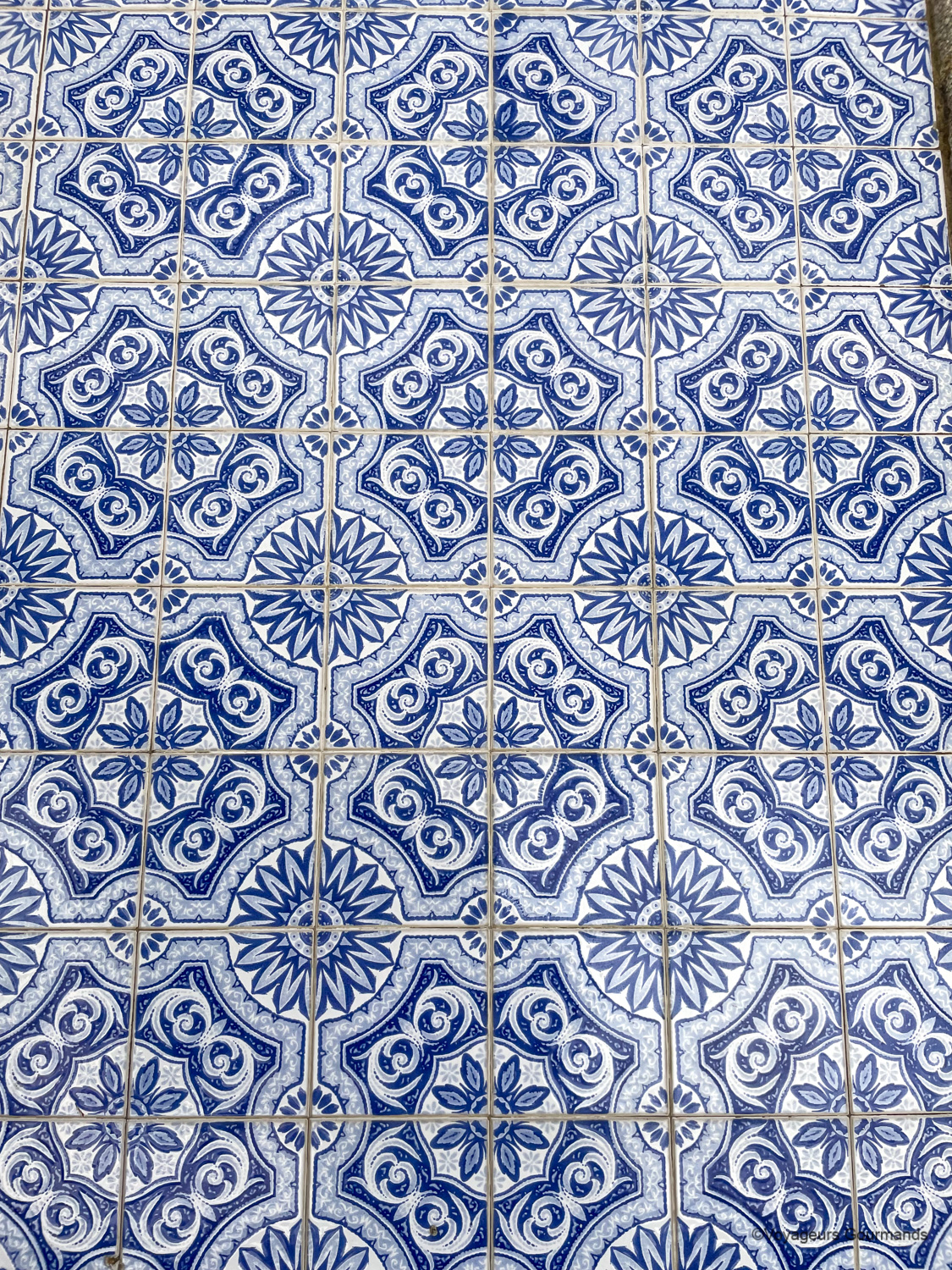
An azulejo is a painted, glazed ceramic tile used to cover walls, façades and interiors. The word comes from the Arabic “az-zulayj”, meaning “small polished stone”, and not from “azul” (Portuguese for blue), as many people think… Although the mix-up is understandable when you see all those blue and white tiles!
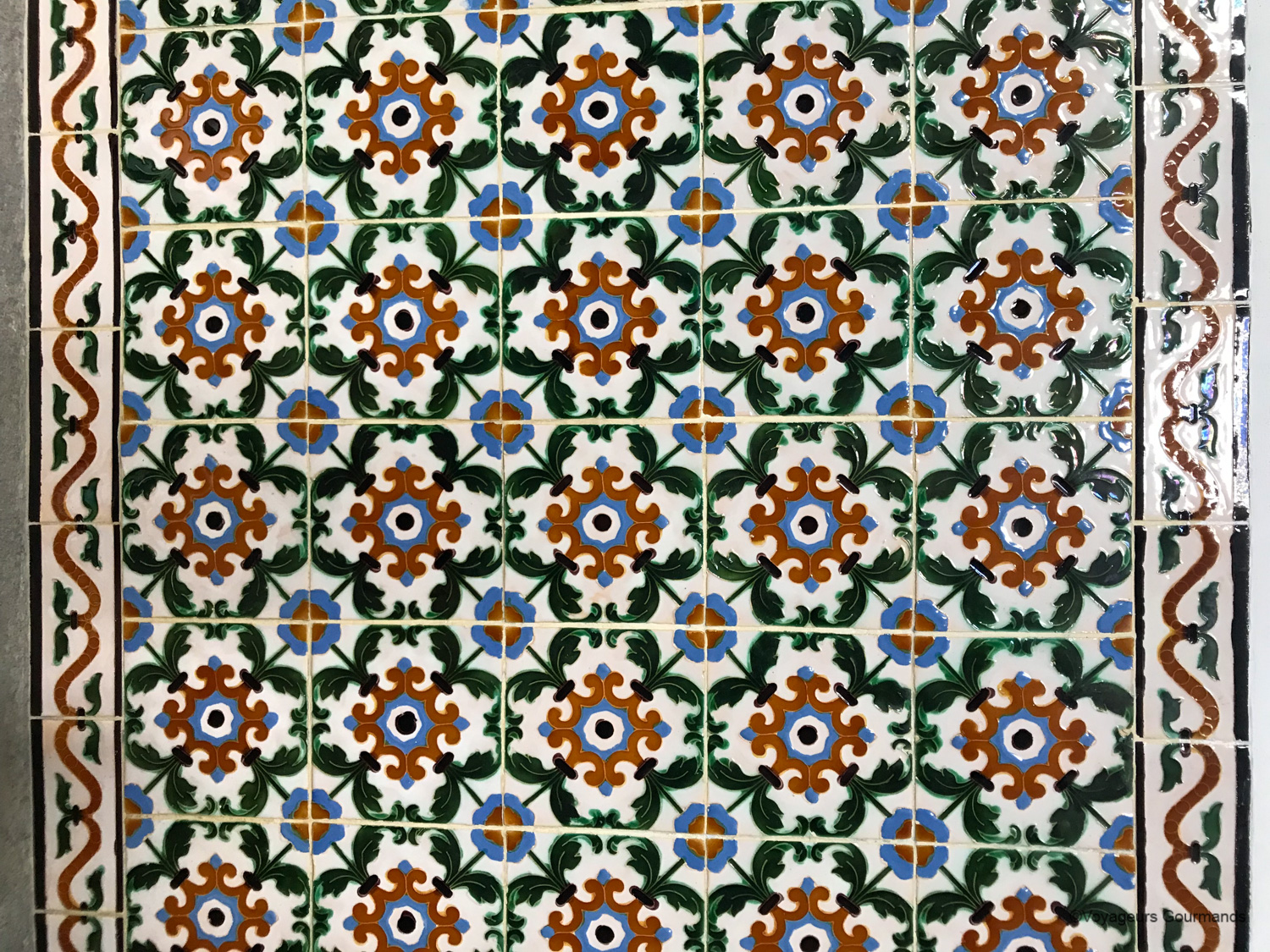
Contrary to popular belief, it wasn’t the Moors who brought azulejos to Portugal: their presence in the country had ended in the 13th century. The first tiles came from Spain, from the Hispano-Moorish workshops of Seville, at the end of the 15th and the beginning of the 16th century. King Manuel I had them shipped in large quantities to decorate the National Palace of Sintra, which still holds one of the oldest collections in the country. These early azulejos carry the legacy of Moorish art, with their geometric and plant motifs.
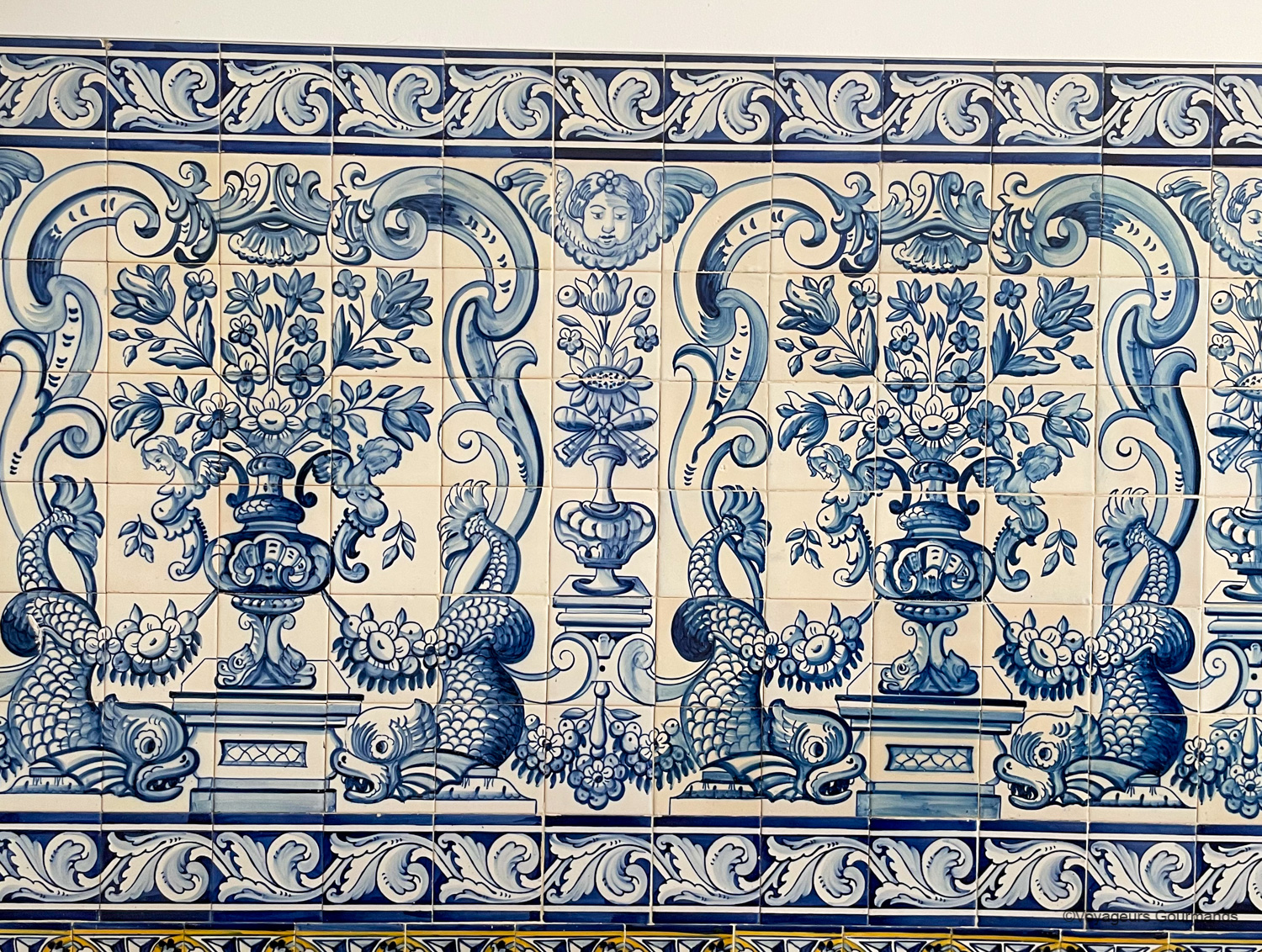
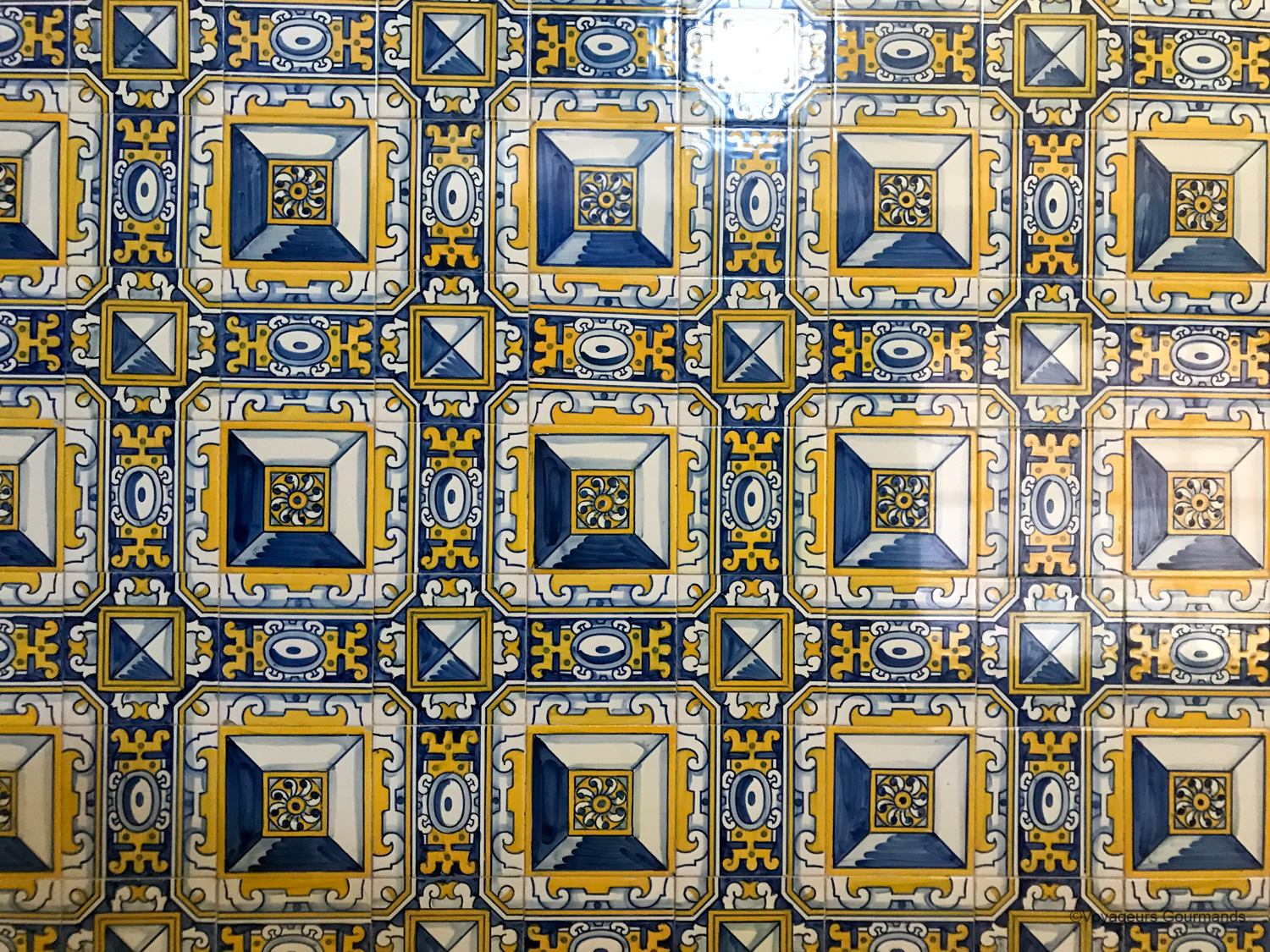
In the 16th century, craftsmen adopted the Italian maiolica technique, which made it possible to paint directly onto the glaze, and Lisbon’s workshops began producing their own tiles. The 17th century brought large panels of repeating patterns, known as “carpet” tiles, and towards the end of the century, influenced by Chinese porcelain and Delftware, blue and white took over. In the 19th century, the fashion for tile-covered façades, which came from Brazil, spread to Lisbon and Porto, before azulejos went on to cover railway stations, markets and metro stations in the 20th century. Today you’ll also find them in Spain and in Portugal’s former colonies: Brazil, Mozambique, Angola and even Macao.
What the patterns mean
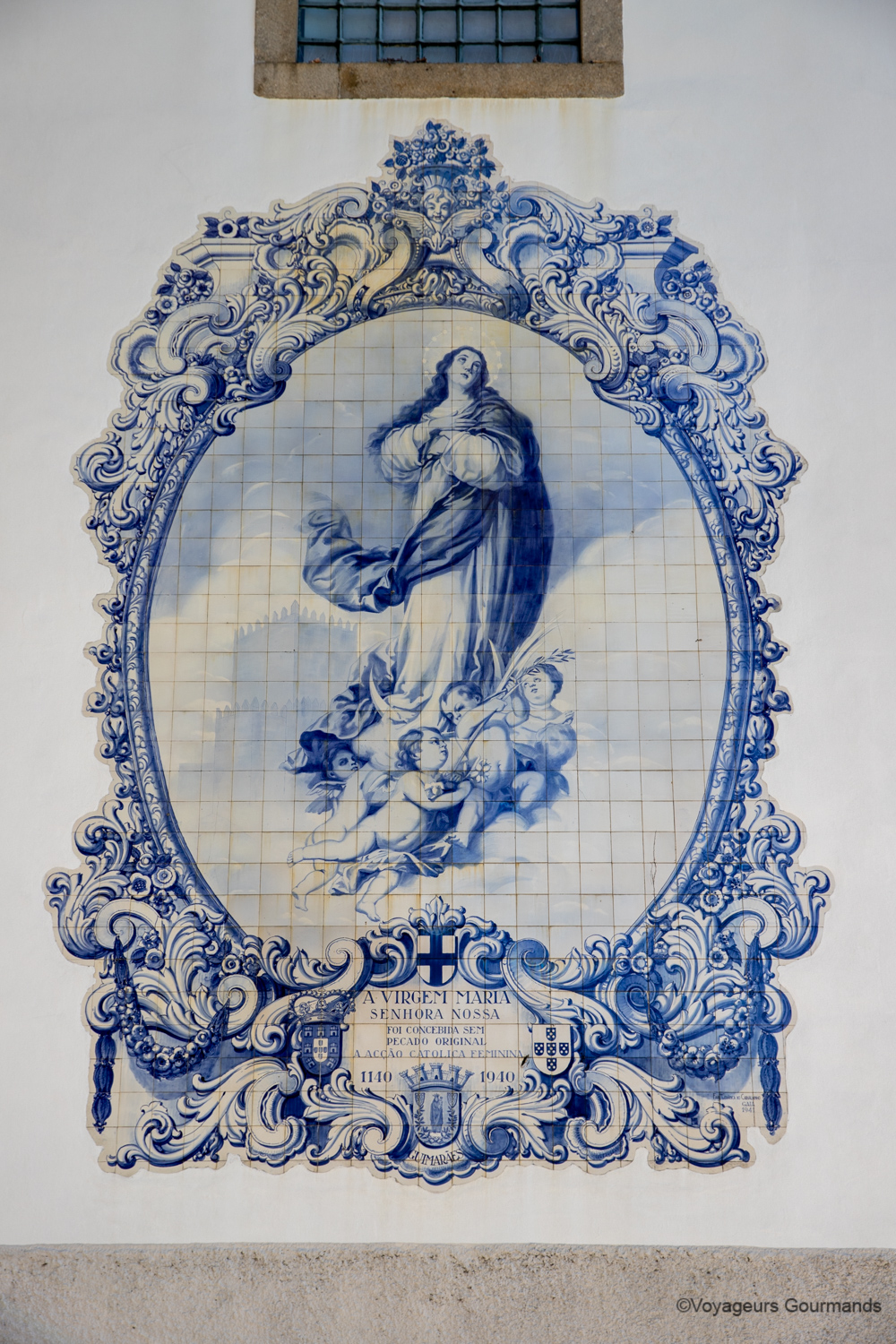
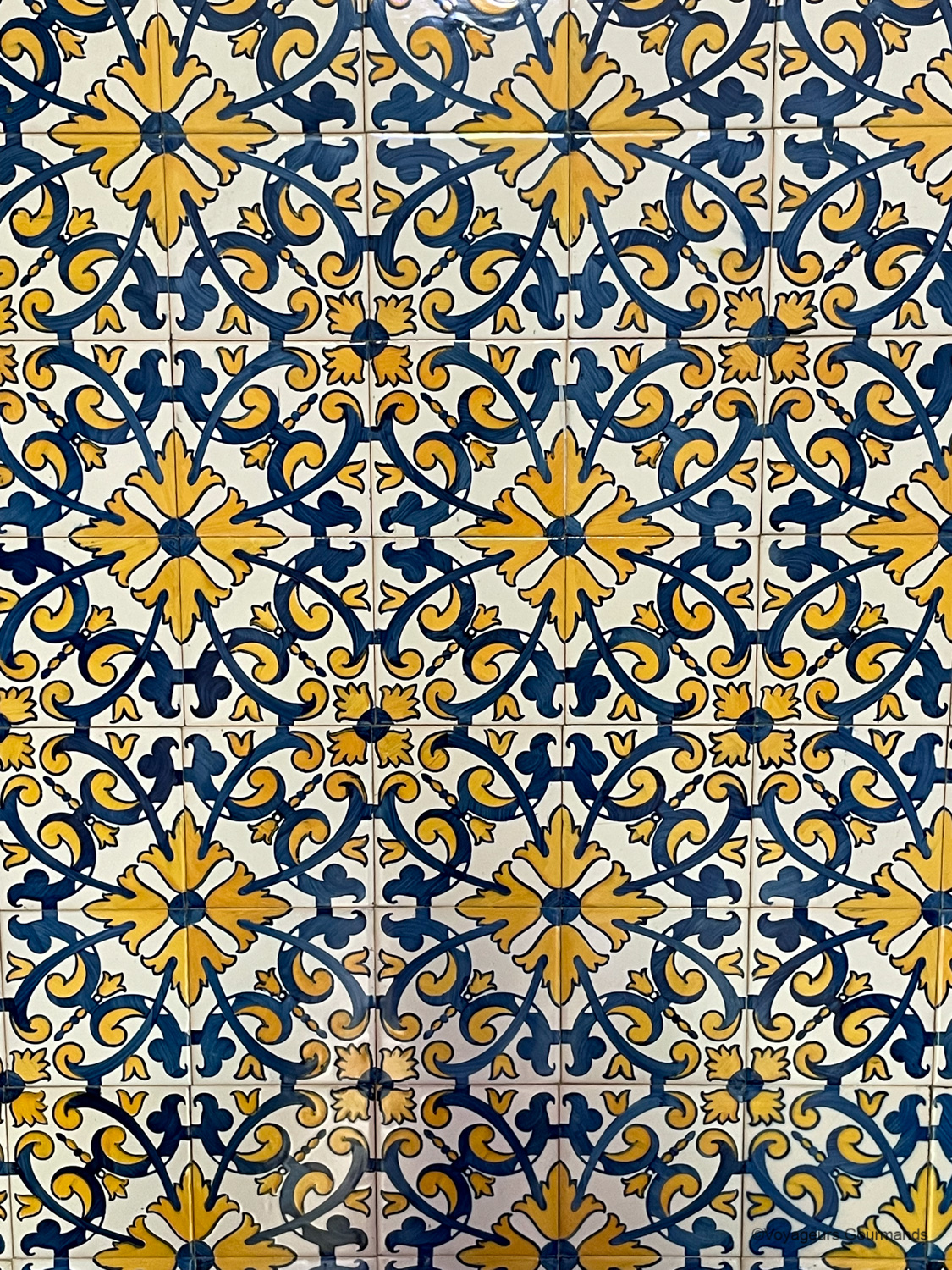
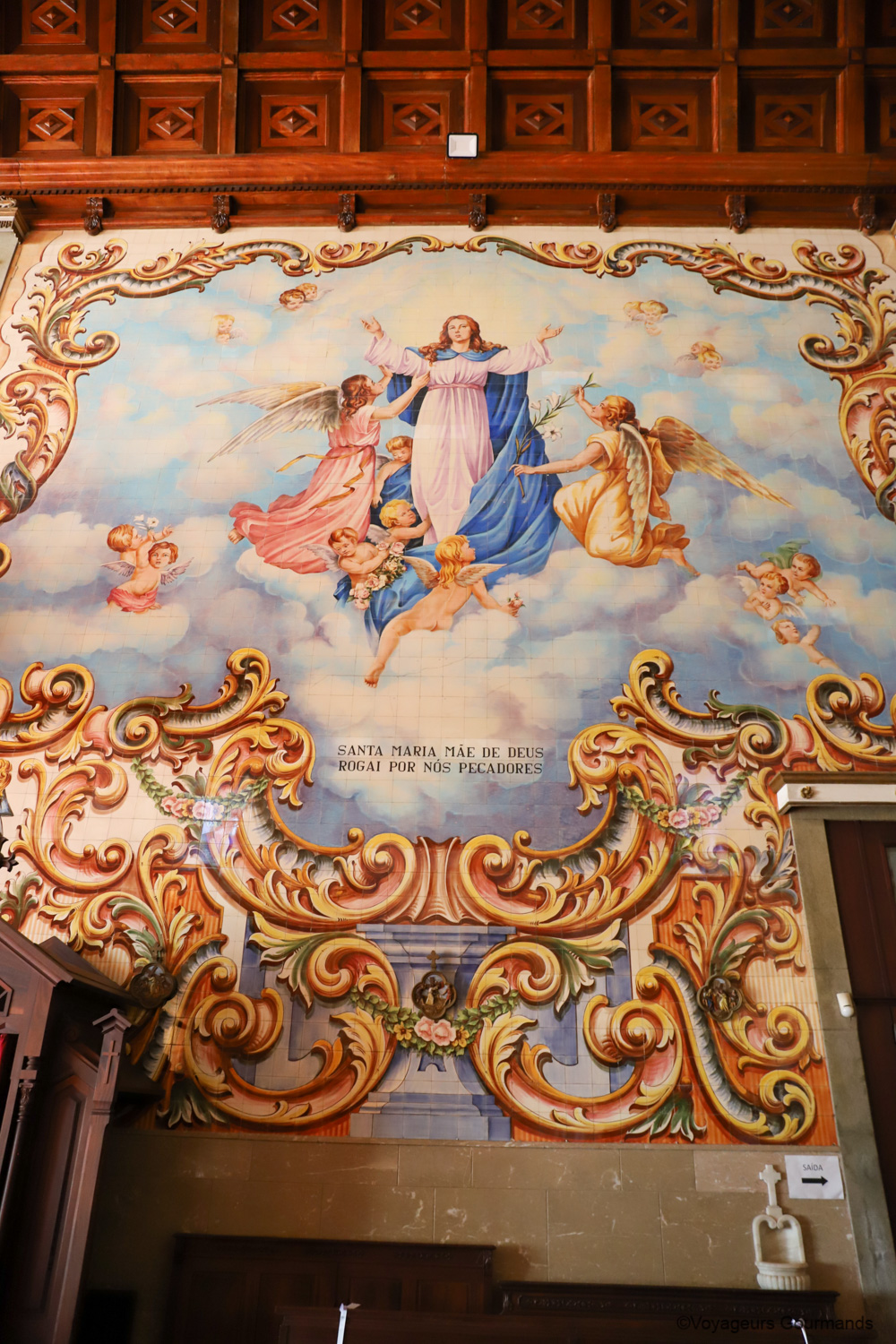
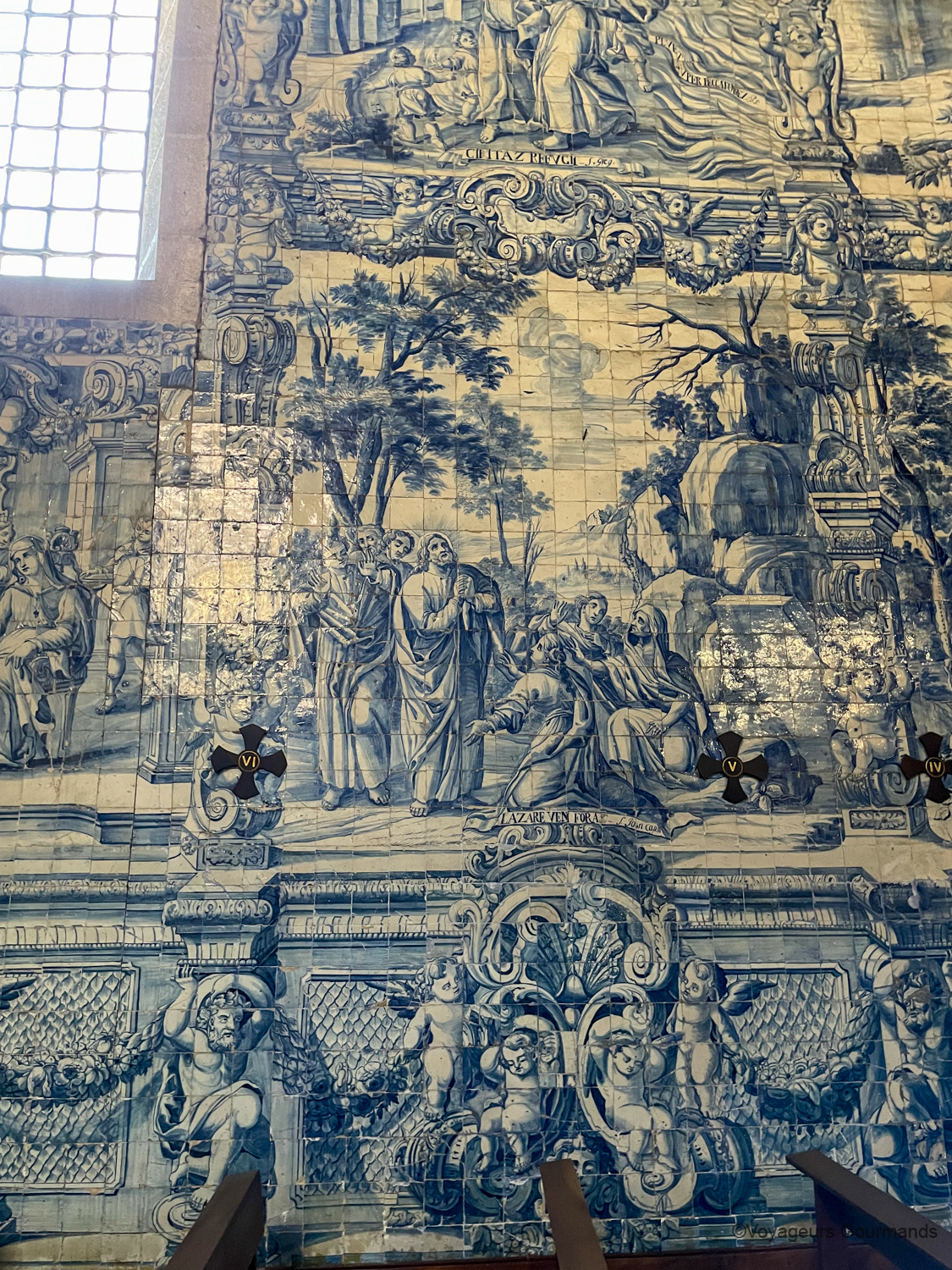
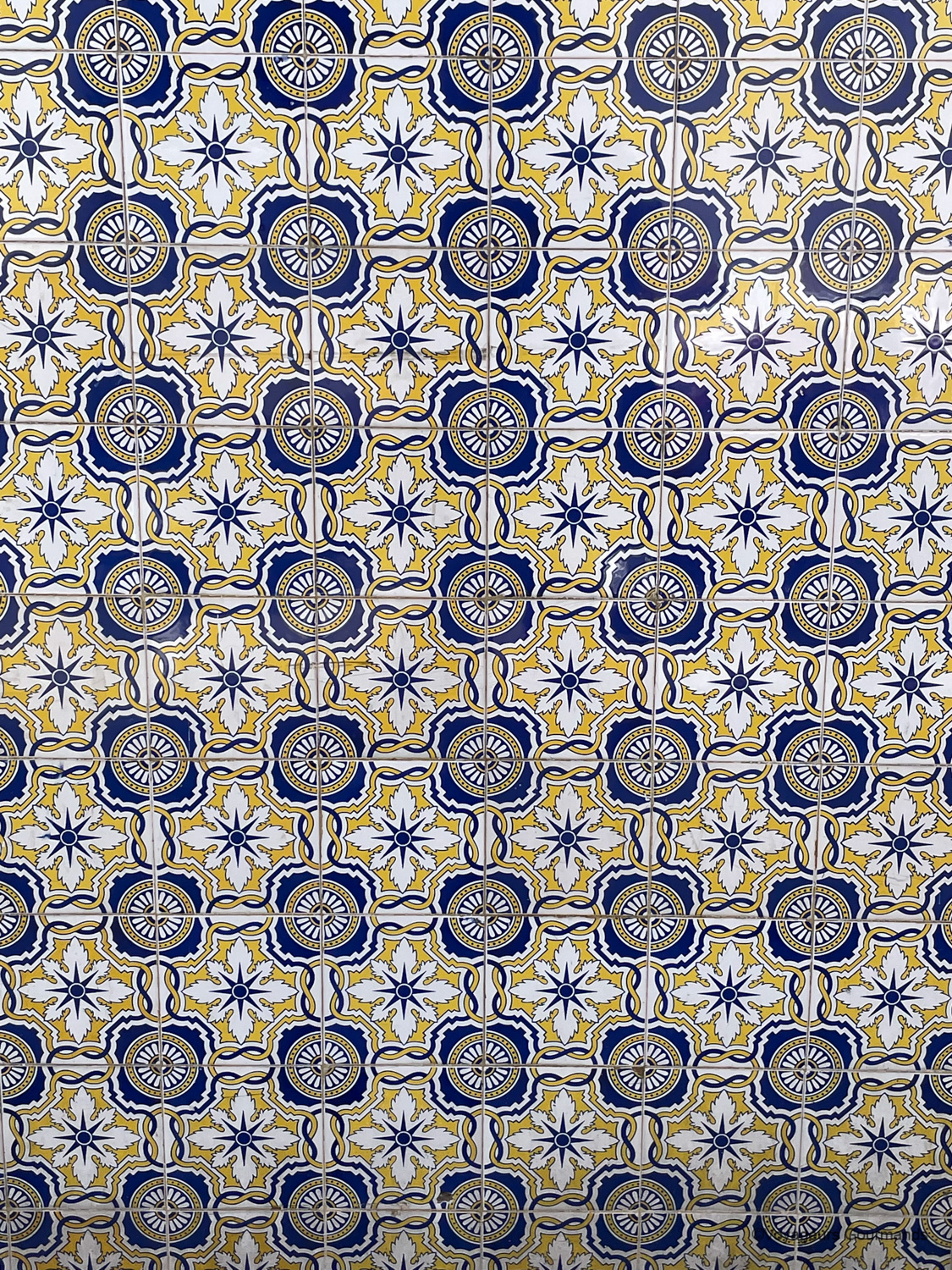
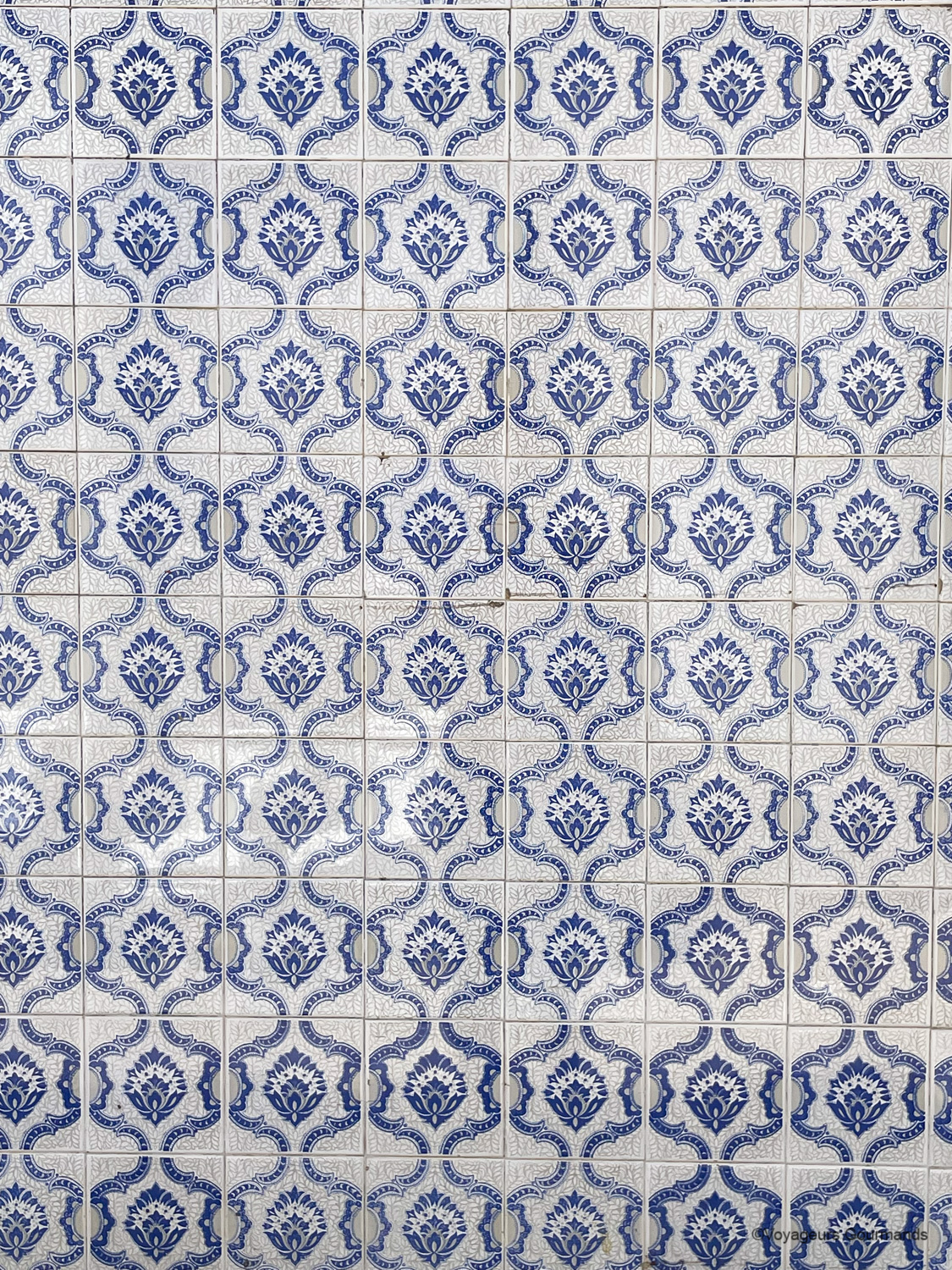
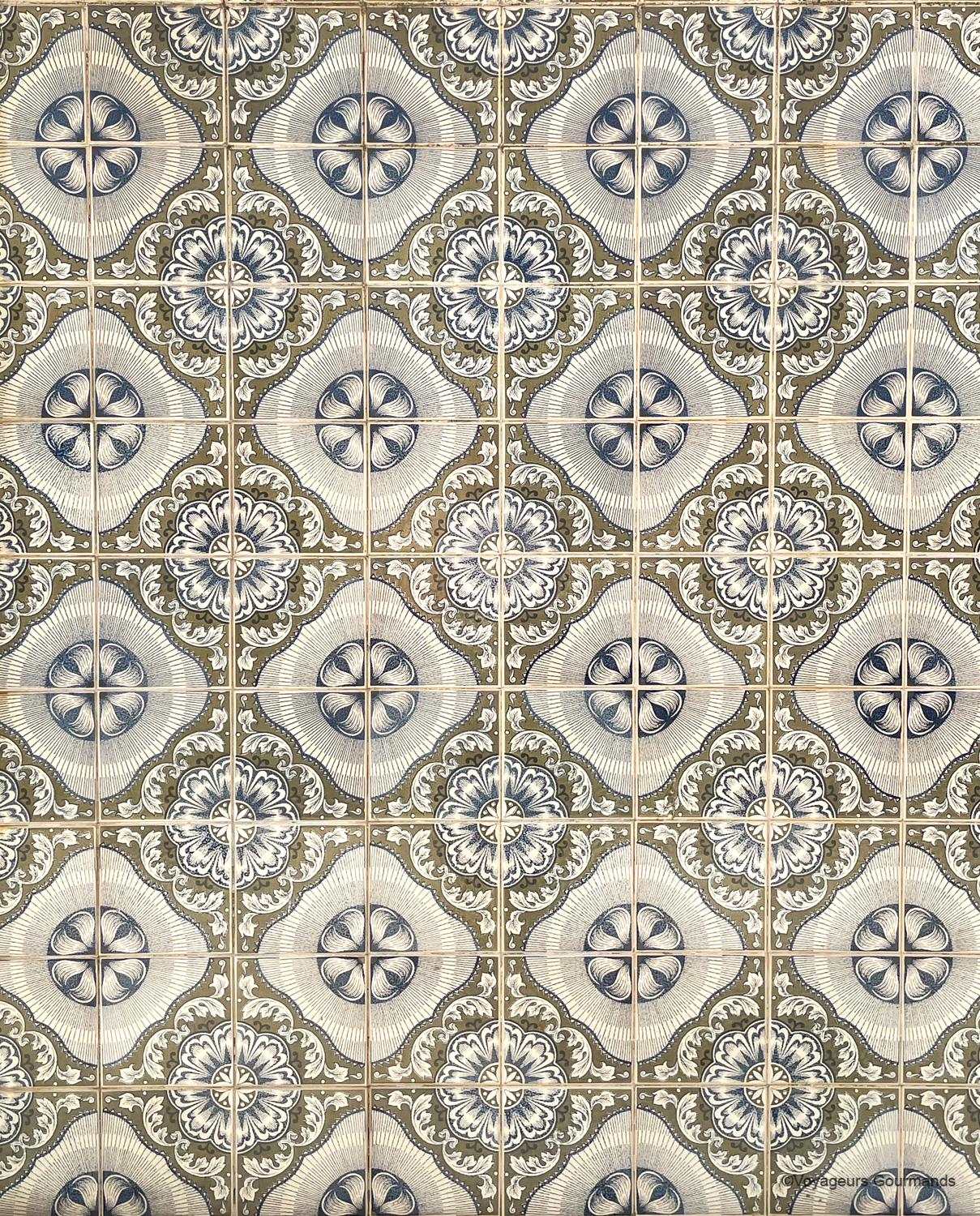
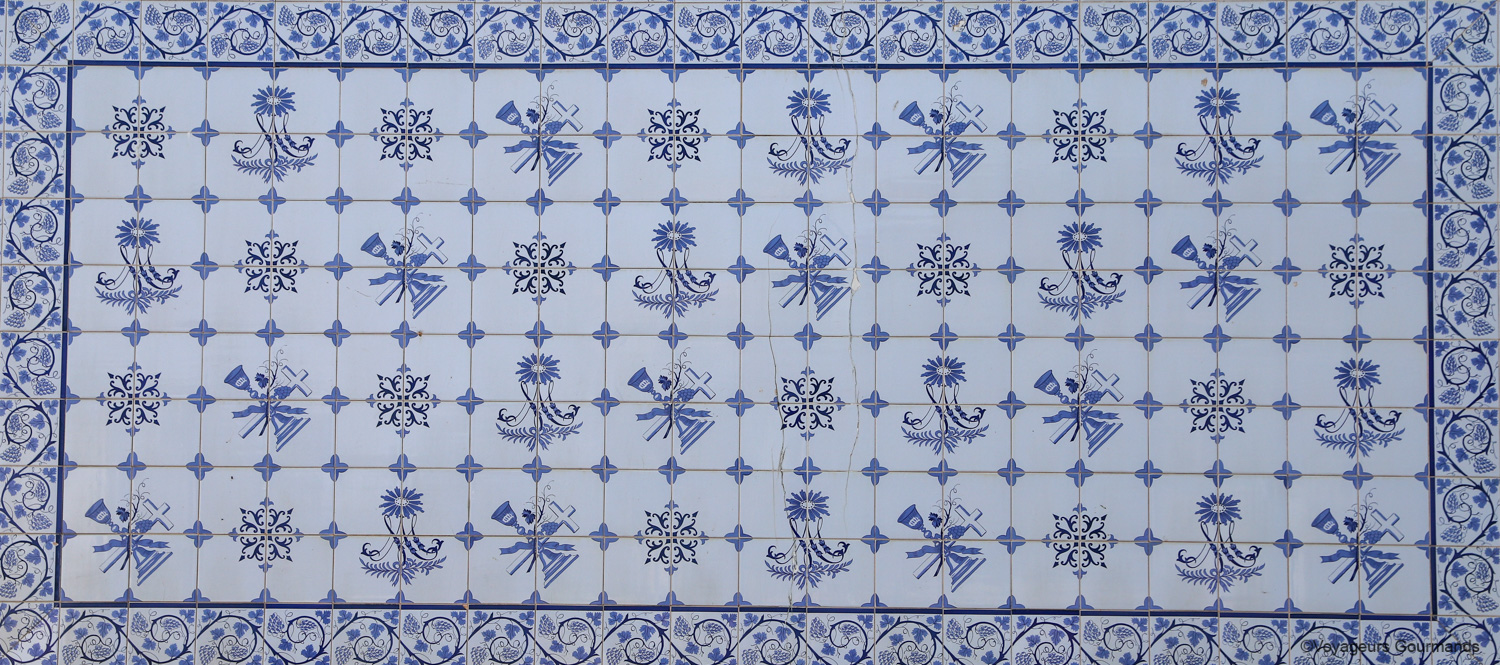
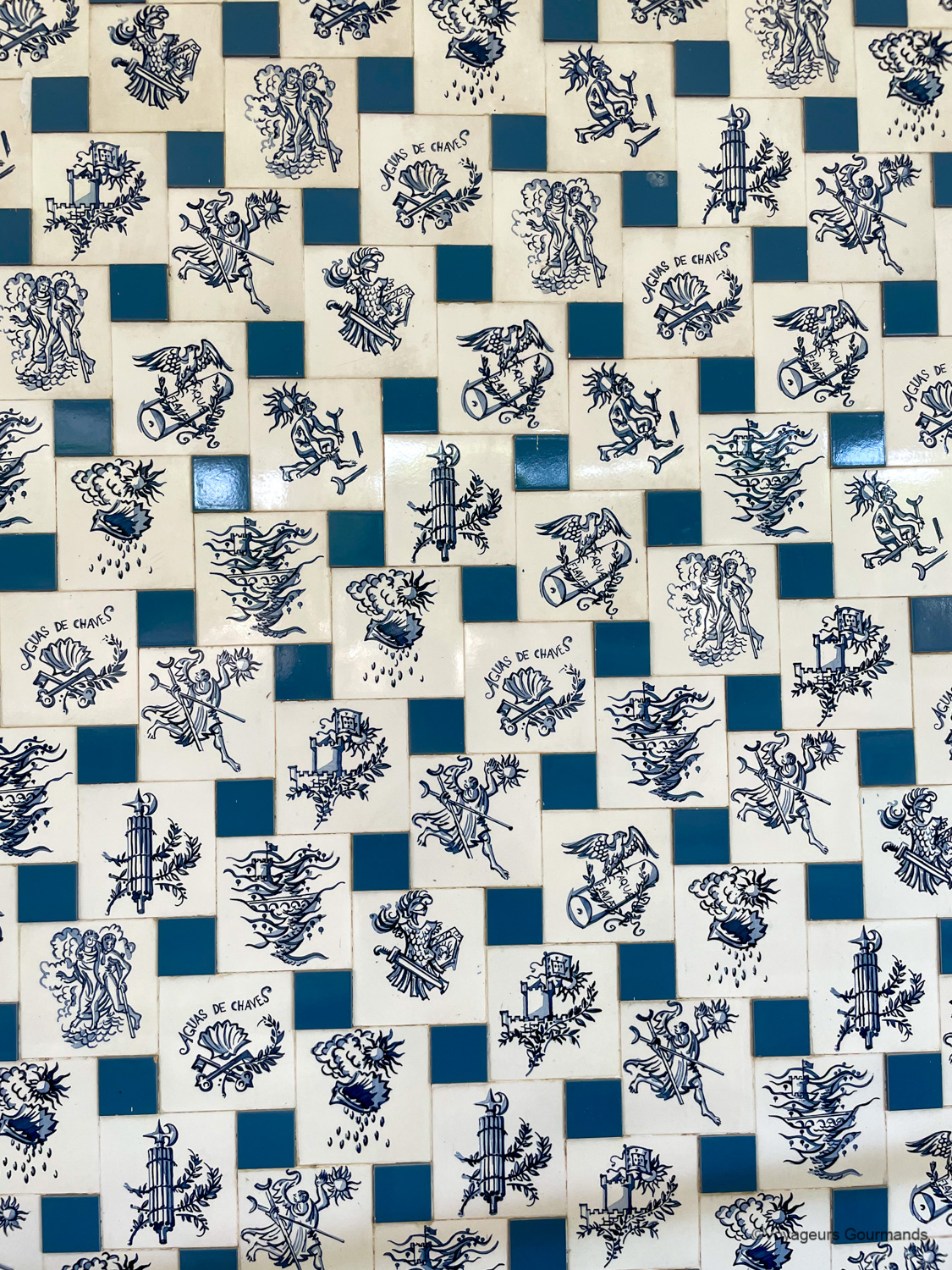
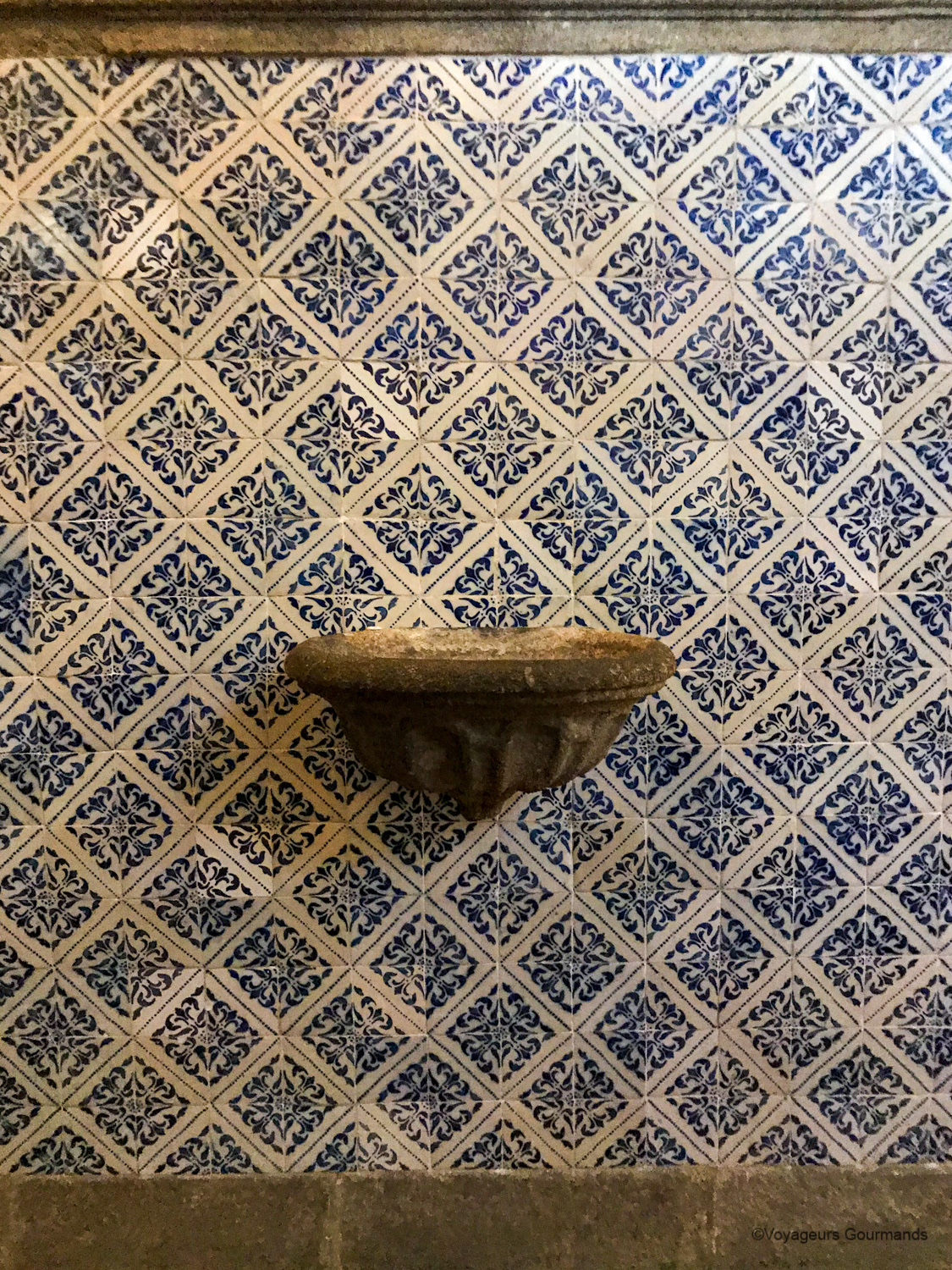
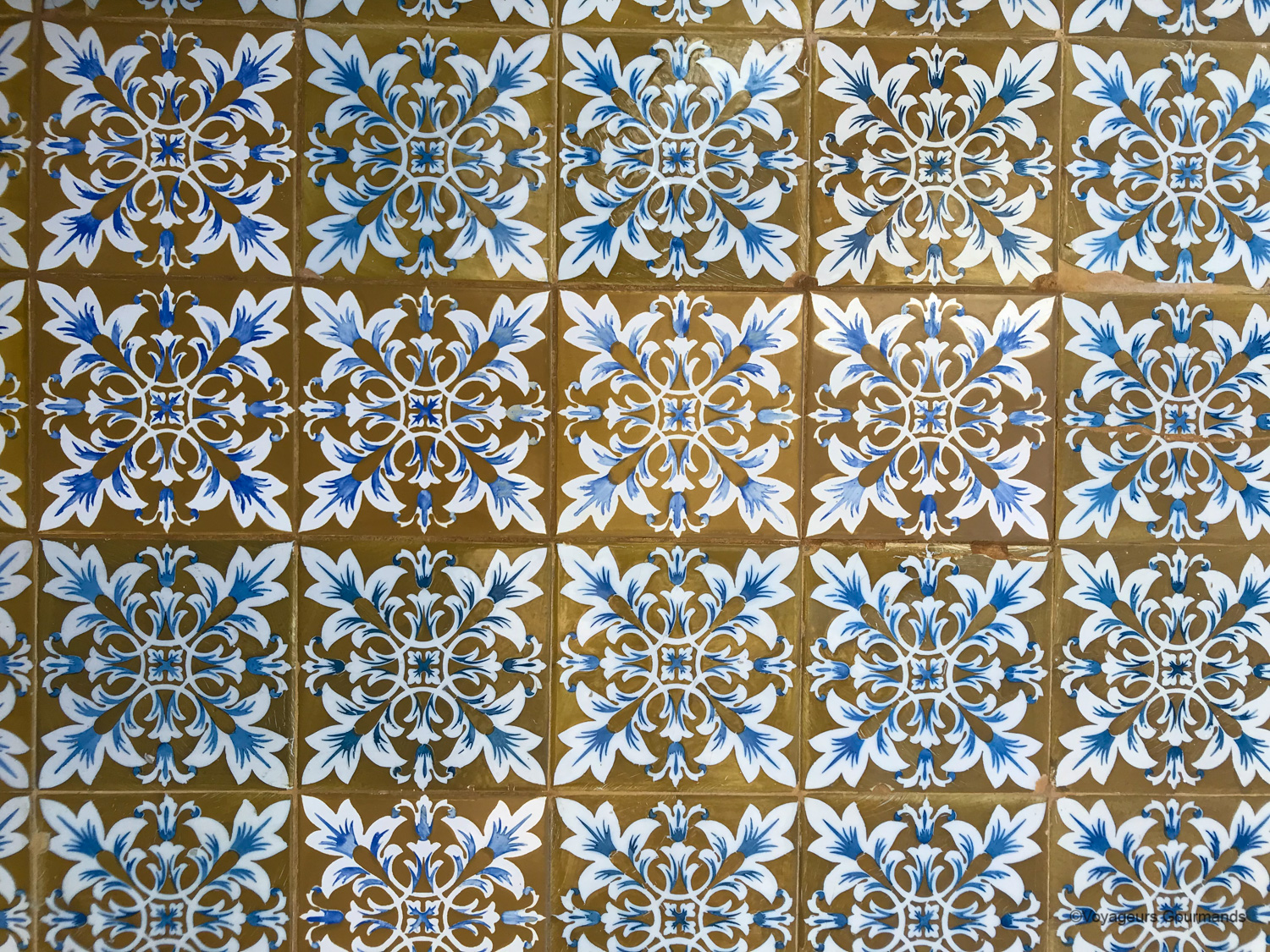
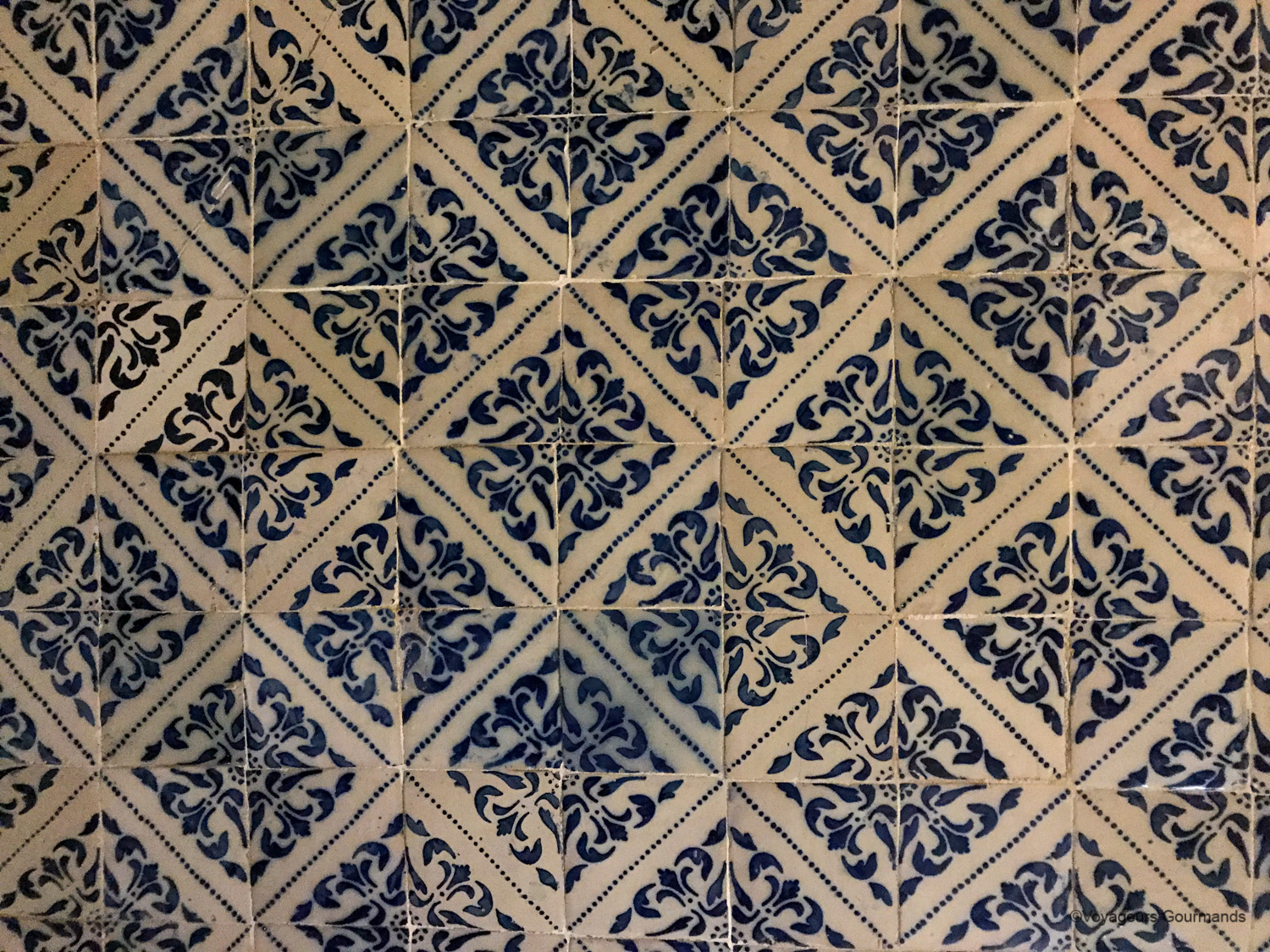
The patterns on Portuguese azulejos often carry symbolic meaning. Floral motifs represent nature and fertility, while geometric ones stand for order and harmony. Some panels depict major historical events, legends or religious scenes. Portuguese tiles come in several styles: the traditional blue and white, colourful ones with floral, geometric or historical motifs, and more modern designs that bring in contemporary elements.
How azulejos are made
Making azulejos is a painstaking art that has survived the centuries thanks to remarkable craftsmanship. Traditionally made from fired clay, these delicate tiles go through several key stages. It all starts with preparing the clay, which is kneaded, flattened and cut into squares that will serve as the artists’ canvas. Next comes the painting, where master craftsmen show off their skill: coloured pigments are applied by hand to create intricate patterns, historical scenes or artistic compositions. Once painted, the azulejos are glazed, which gives them their characteristic shine and makes the colours last. The final step is firing at high temperature, when the tiles take on their final form. This alchemy of earth, colour and fire creates azulejos that go far beyond decoration to become true works of art, symbols of Portuguese patience, creativity and craftsmanship.
Where to see authentic Portuguese tiles
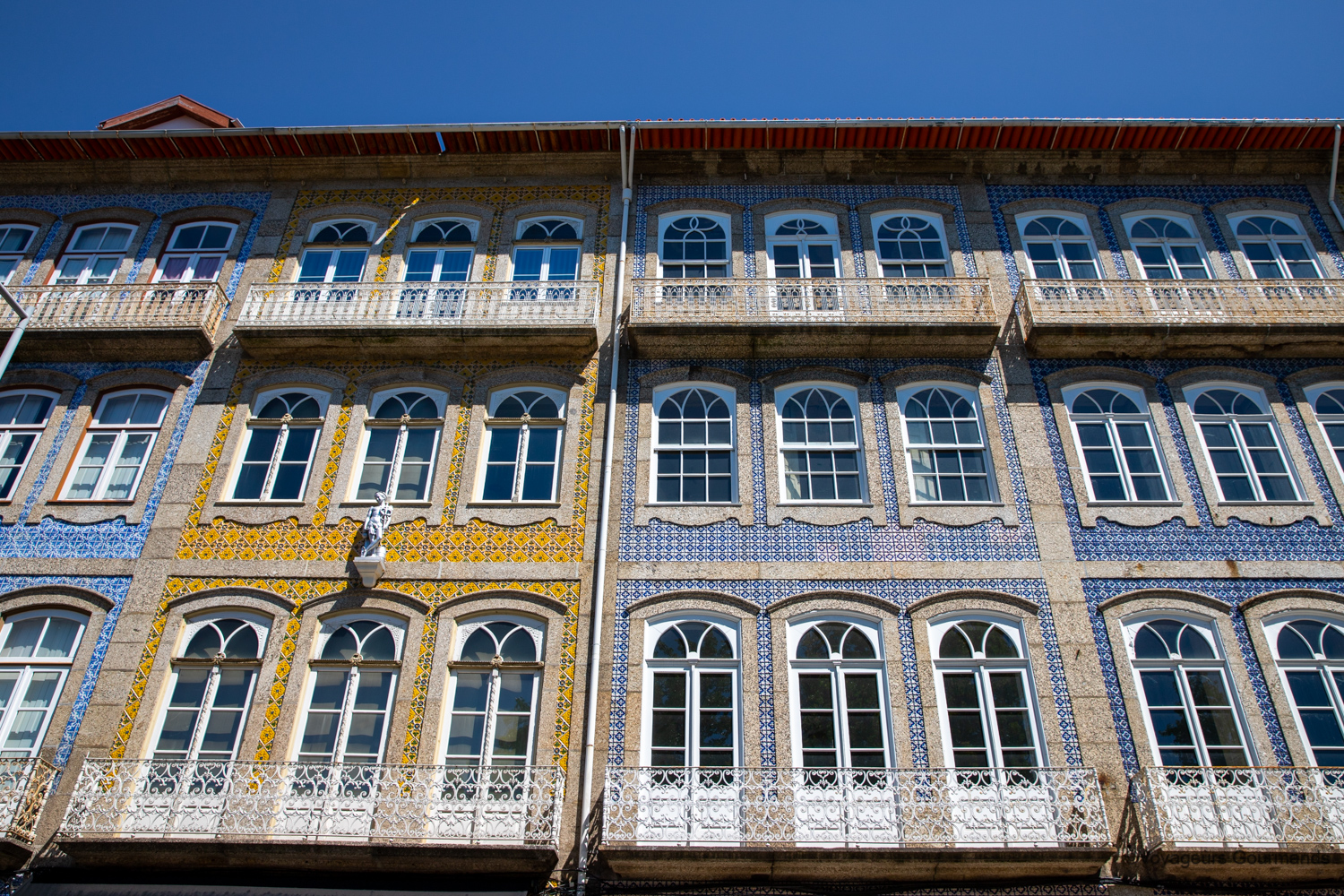
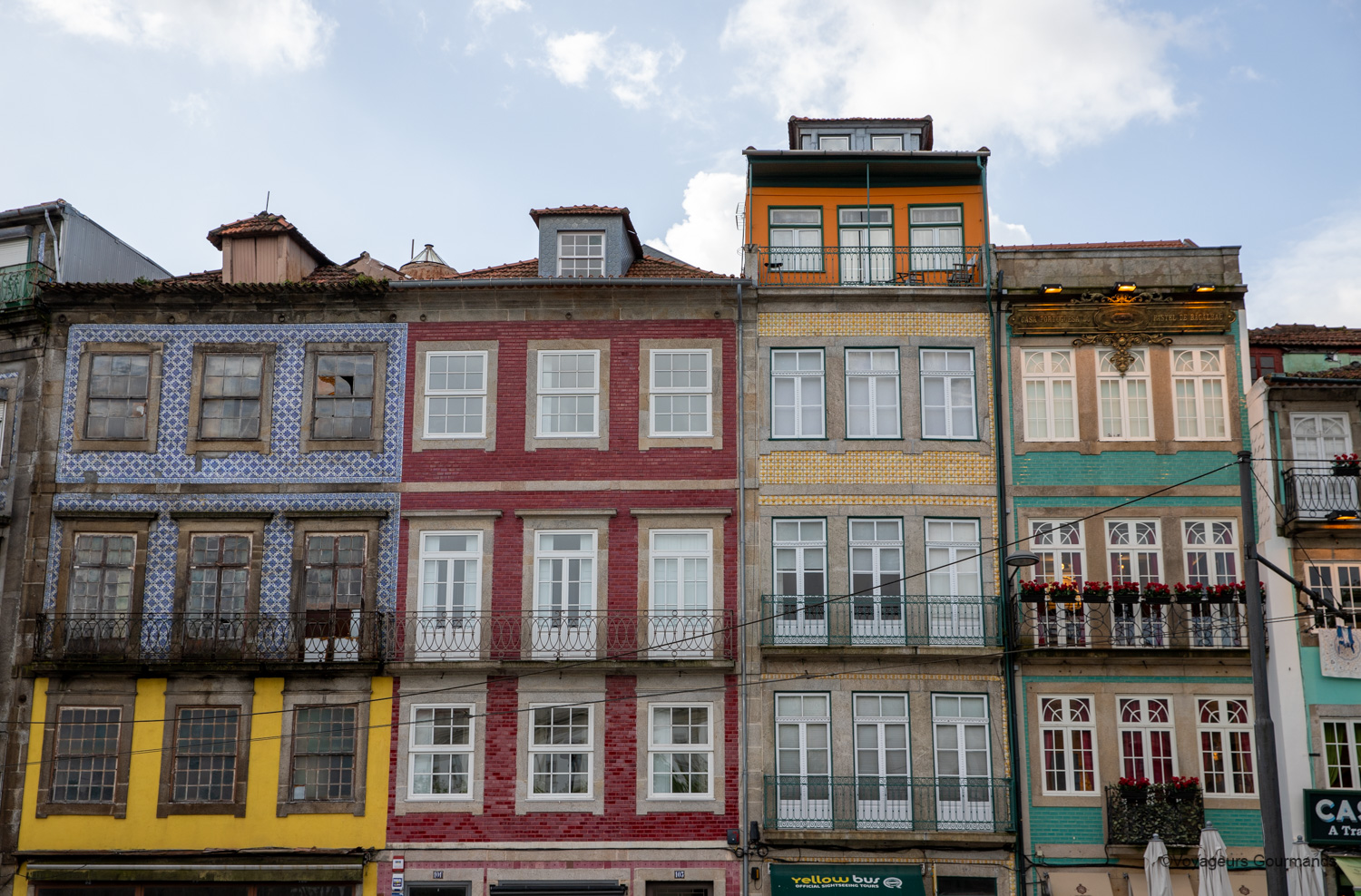
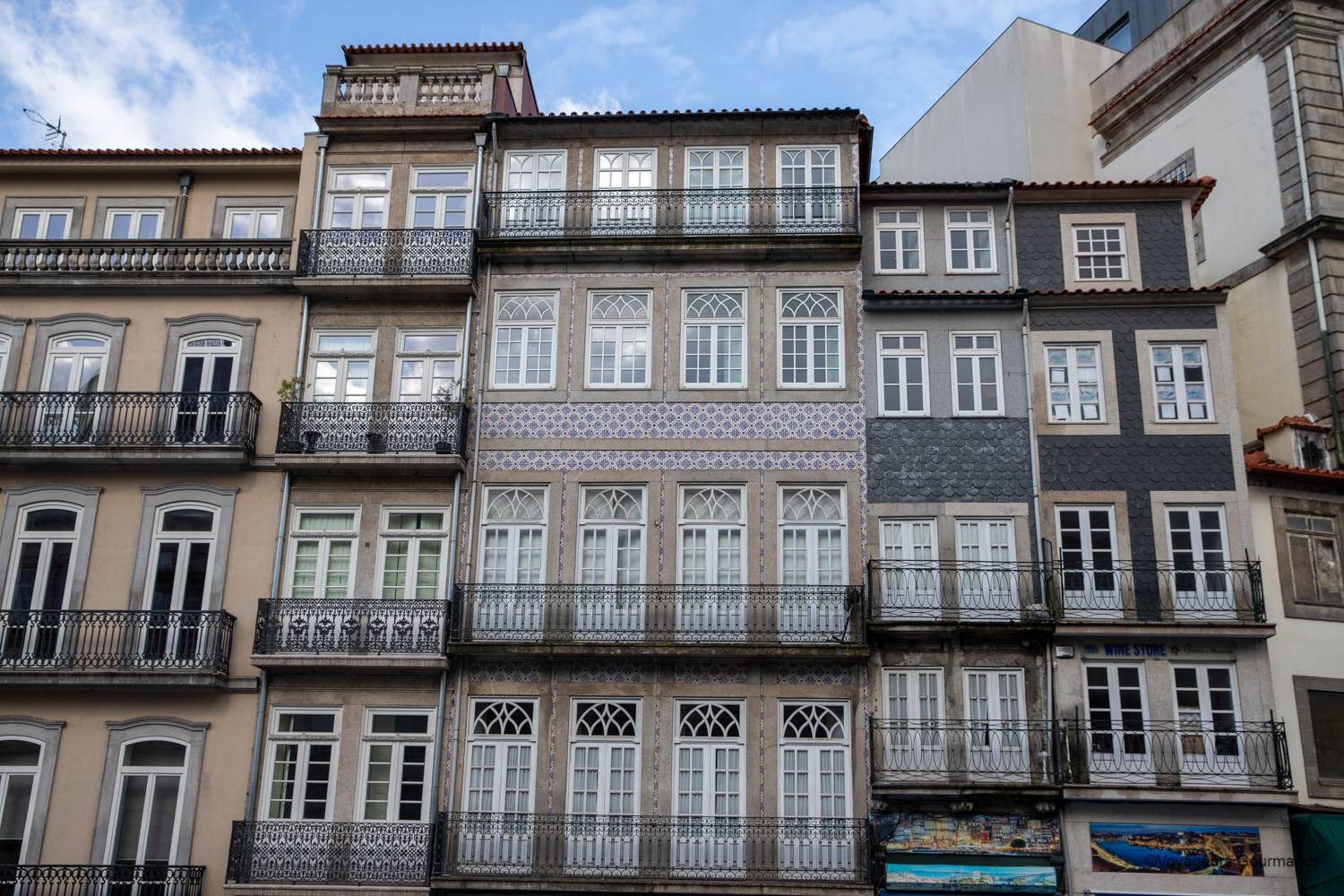
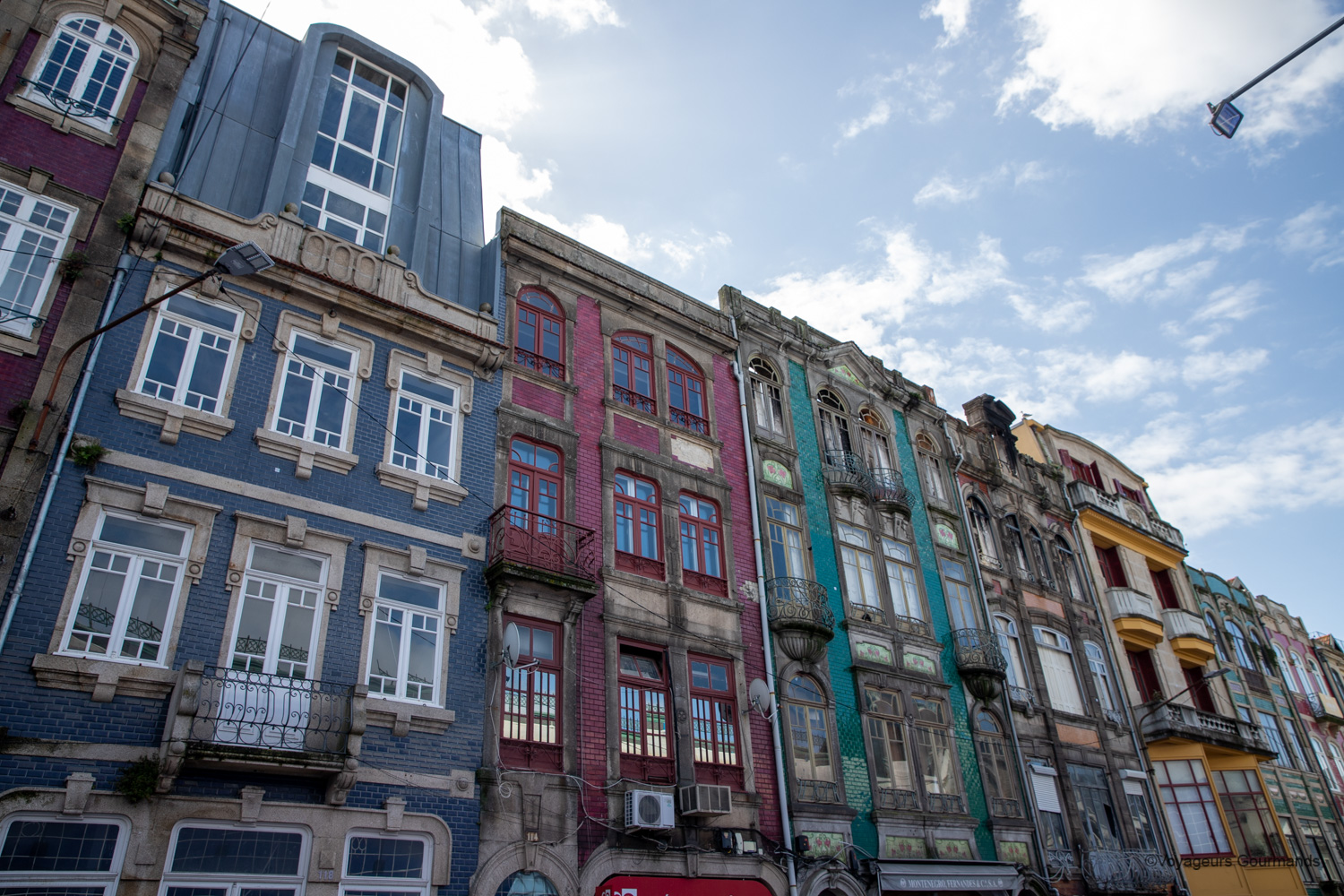
You’ll find authentic Portuguese tiles all over the country, but some areas are particularly renowned for them, such as Lisbon, Porto, Sintra and Évora. Churches, palaces, railway stations and the façades of historic buildings are all great places to admire these unique works of art.
Here’s a short list of well-known monuments and some lesser-known ones (not exhaustive, of course):
- The National Tile Museum in Lisbon, housed in the former Madre de Deus convent: the ideal place to learn their whole history, with its huge panorama of Lisbon before the 1755 earthquake.
- The National Palace of Sintra, home to some of the oldest azulejos in the country, Hispano-Moorish tiles from the early 16th century.
- The Church of São Roque in Lisbon, for its late 16th-century polychrome azulejos, among the oldest in the city.
- The Monastery of São Vicente de Fora in Lisbon, with its panels illustrating La Fontaine’s fables.
- The National Palace of Queluz, with its tile-lined canal in the gardens.
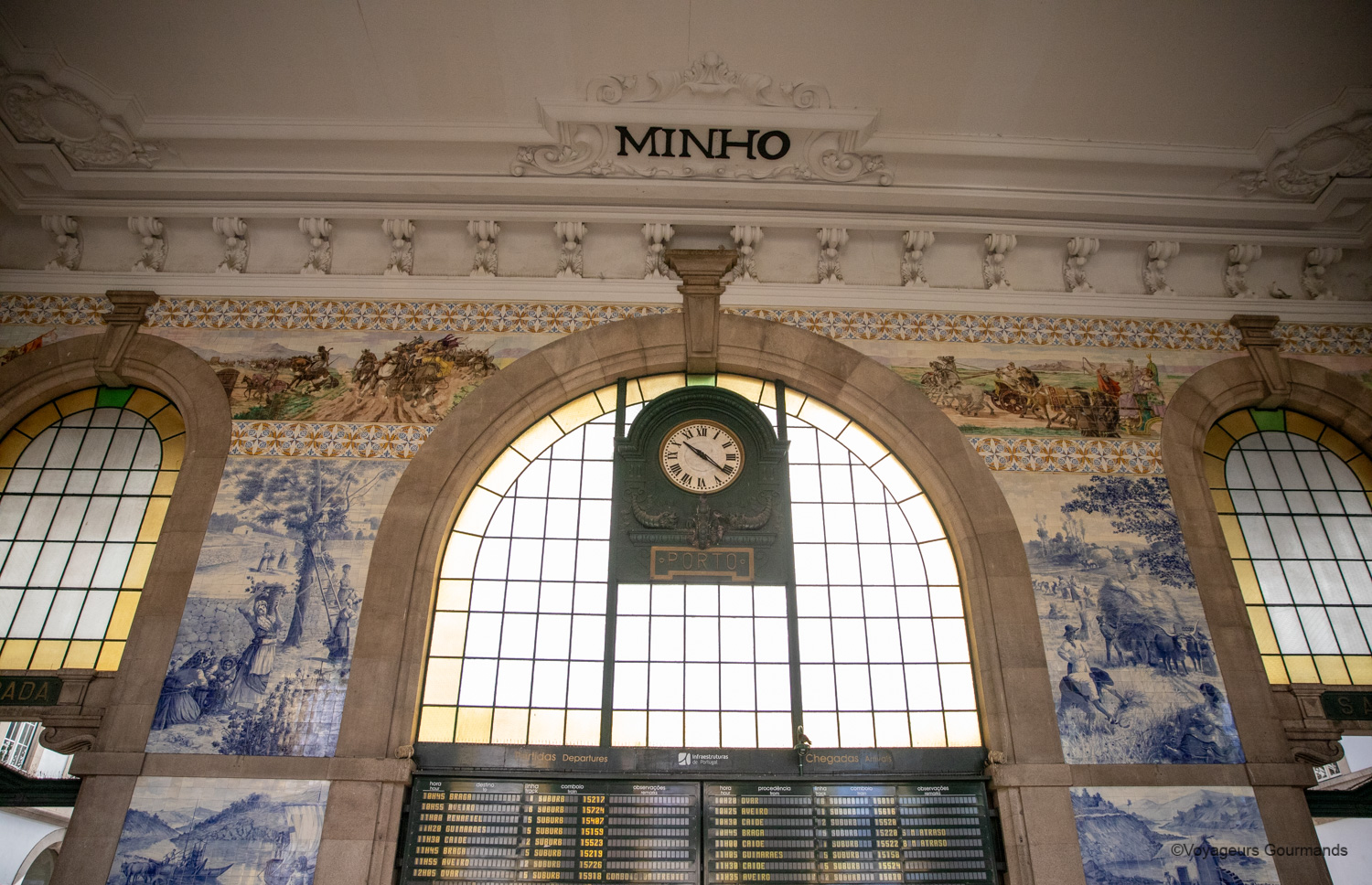
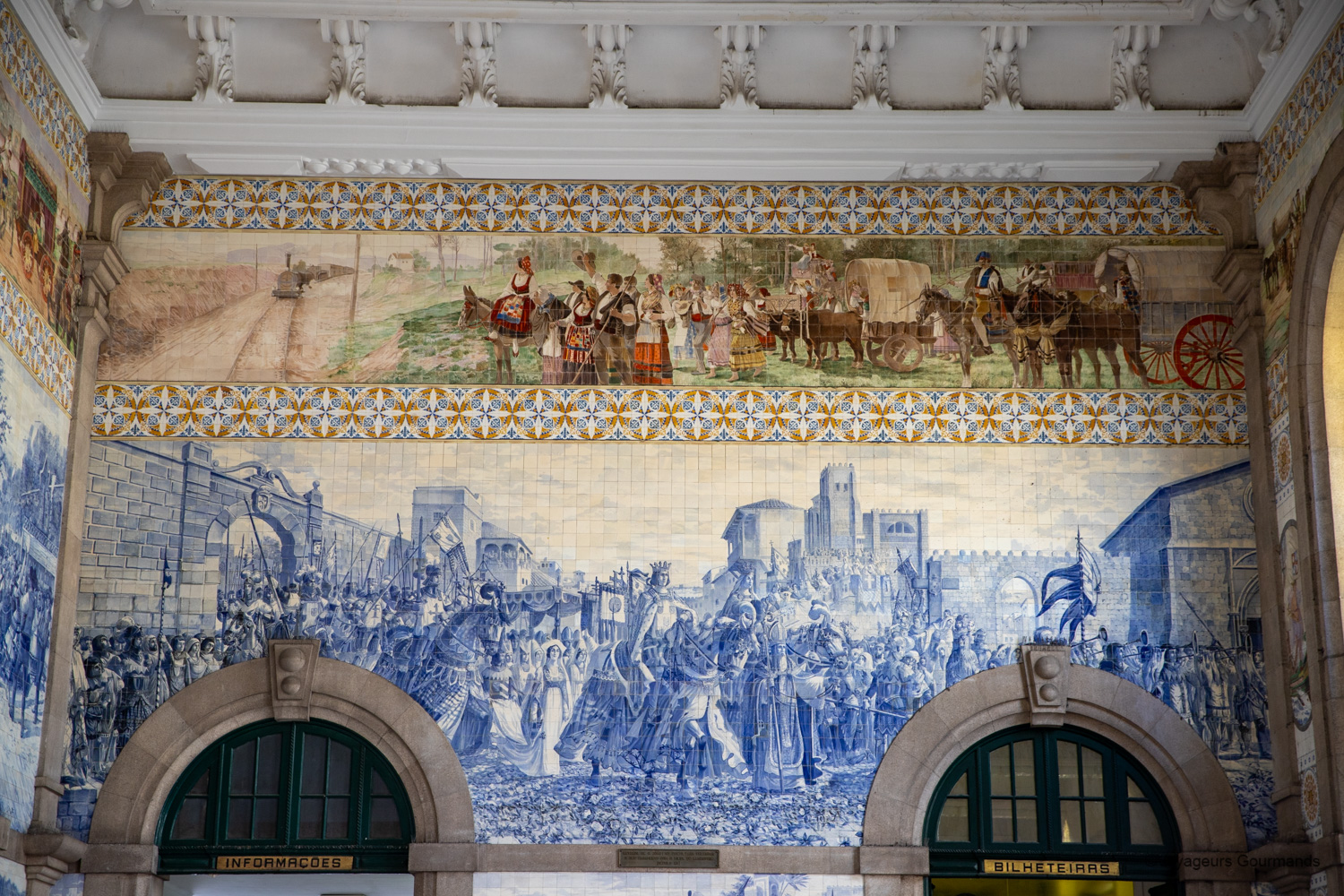
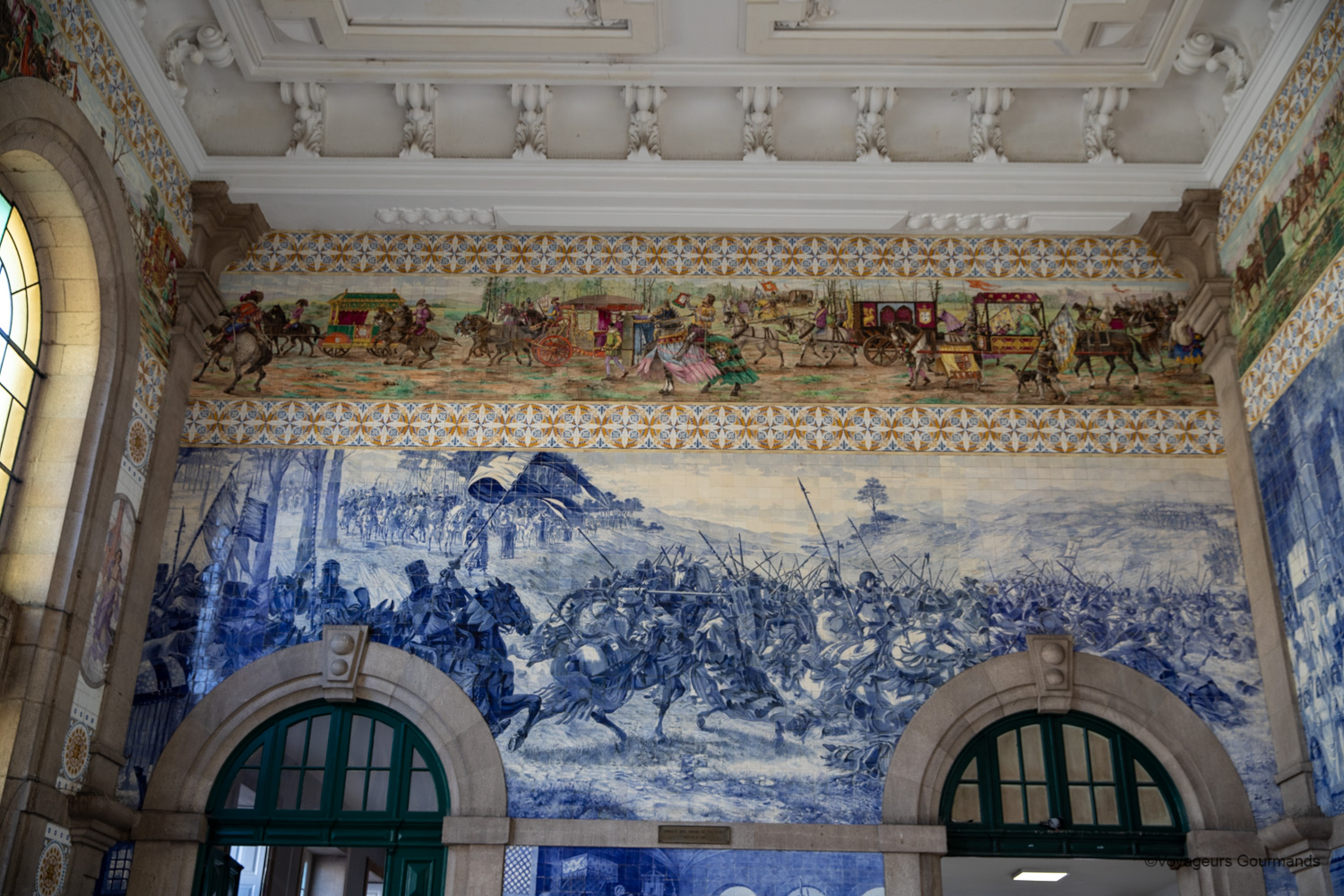
- São Bento station in Porto, where some 20,000 azulejos by Jorge Colaço tell the story of Portugal.
- The Church of Santa Maria in Óbidos, its interior entirely covered in 17th-century azulejos.
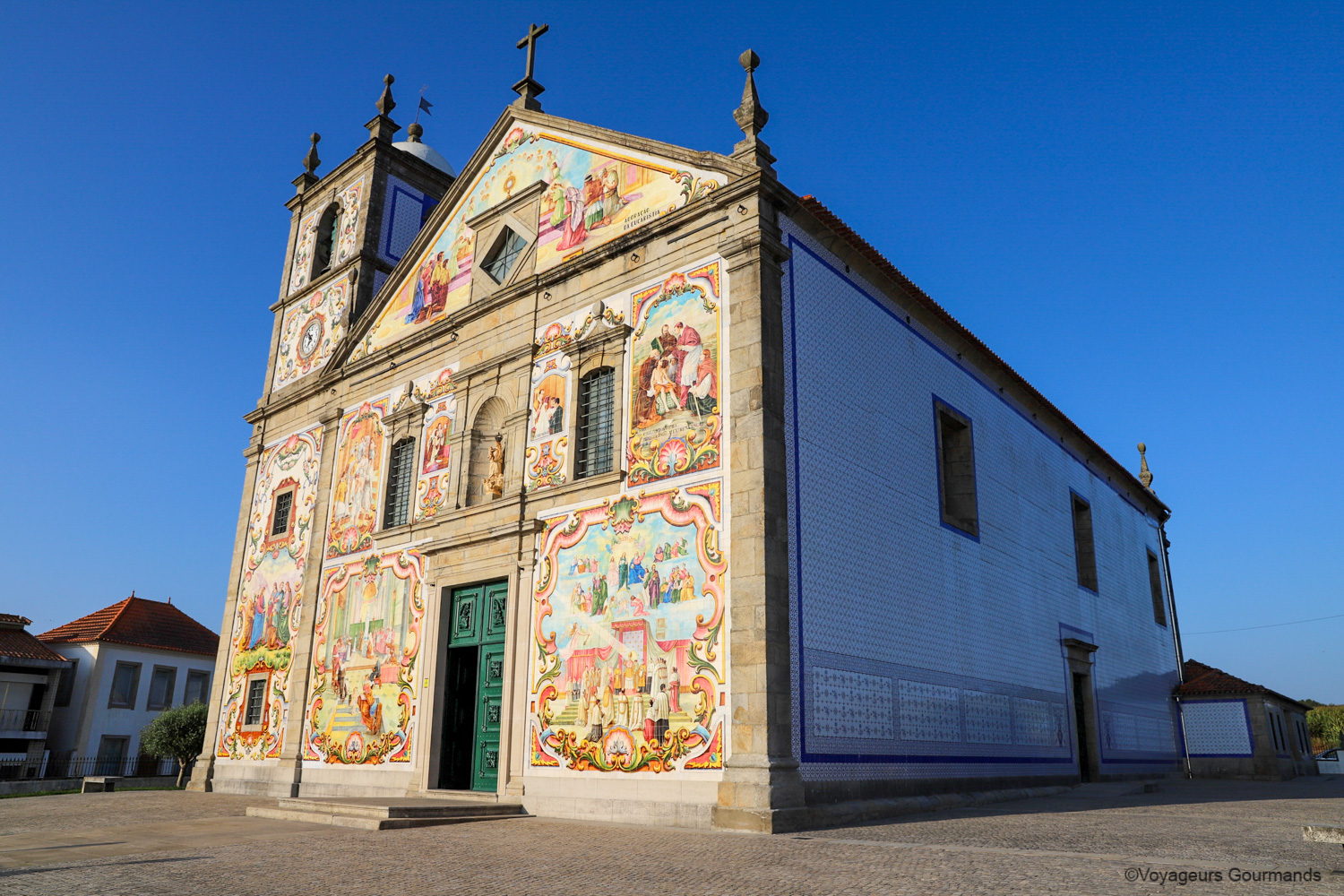
- The stunning Válega church and its multicoloured façade.
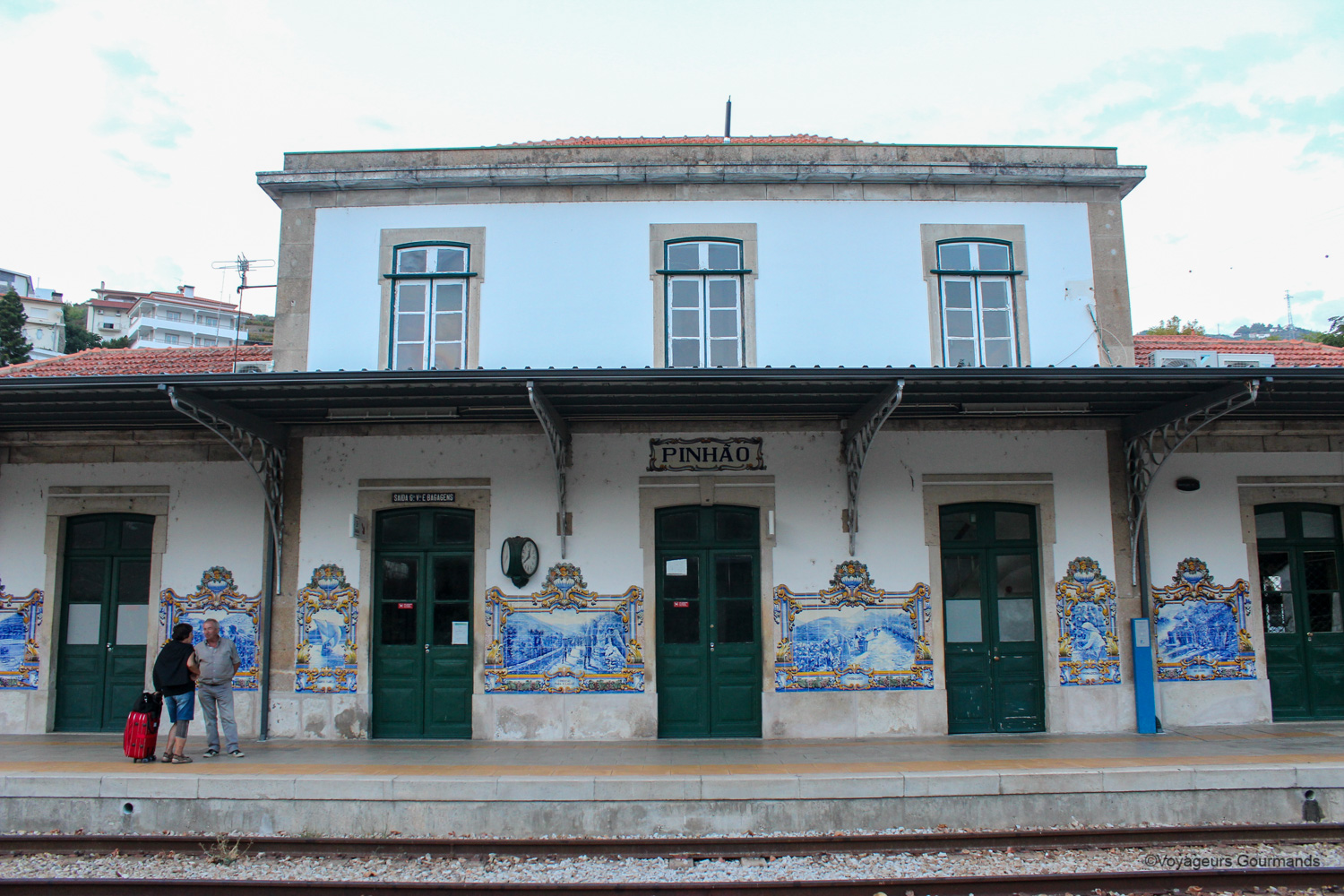
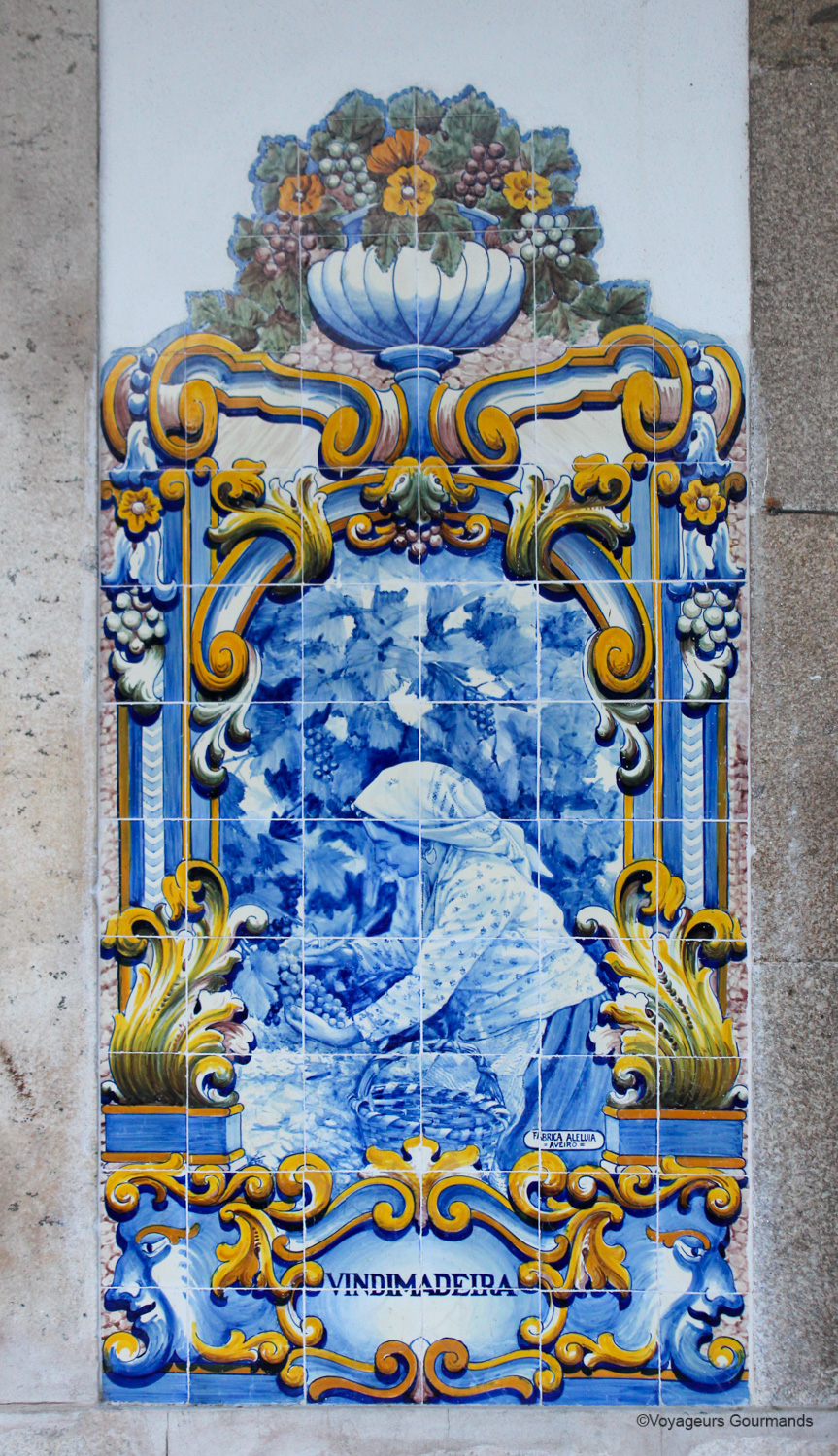
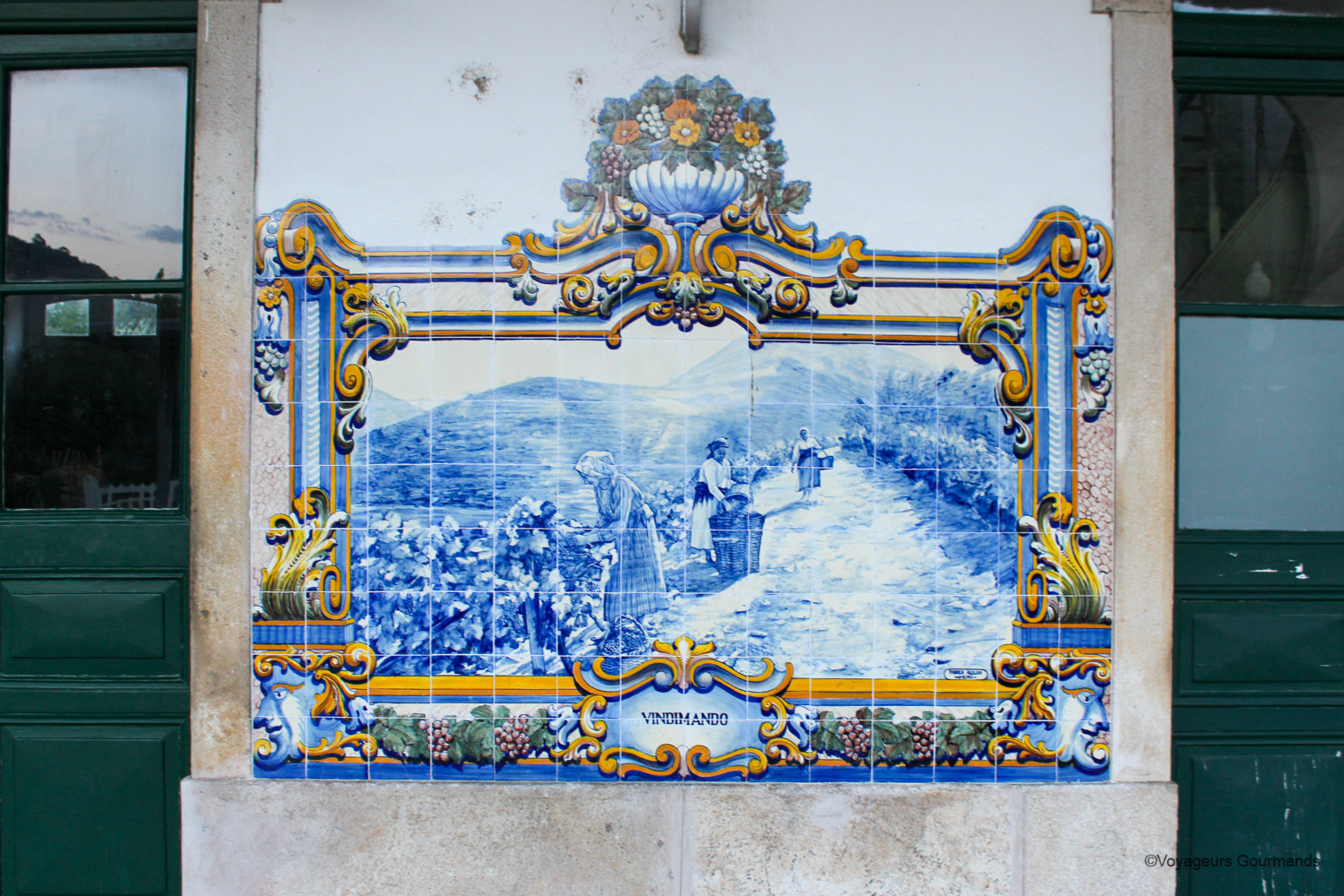
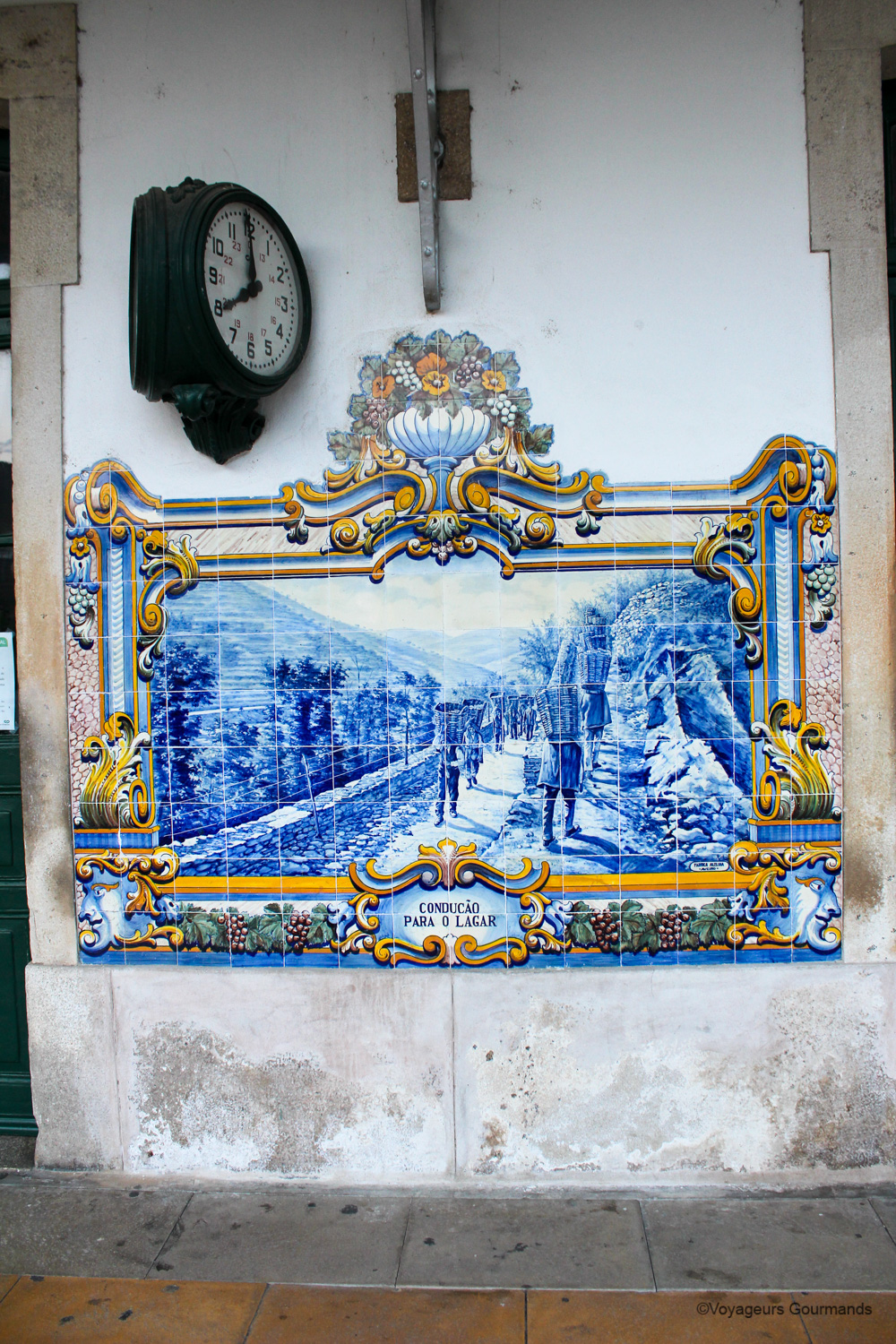
- Pinhão station, in the Douro Valley, whose panels depict the grape harvest and the region’s landscapes.
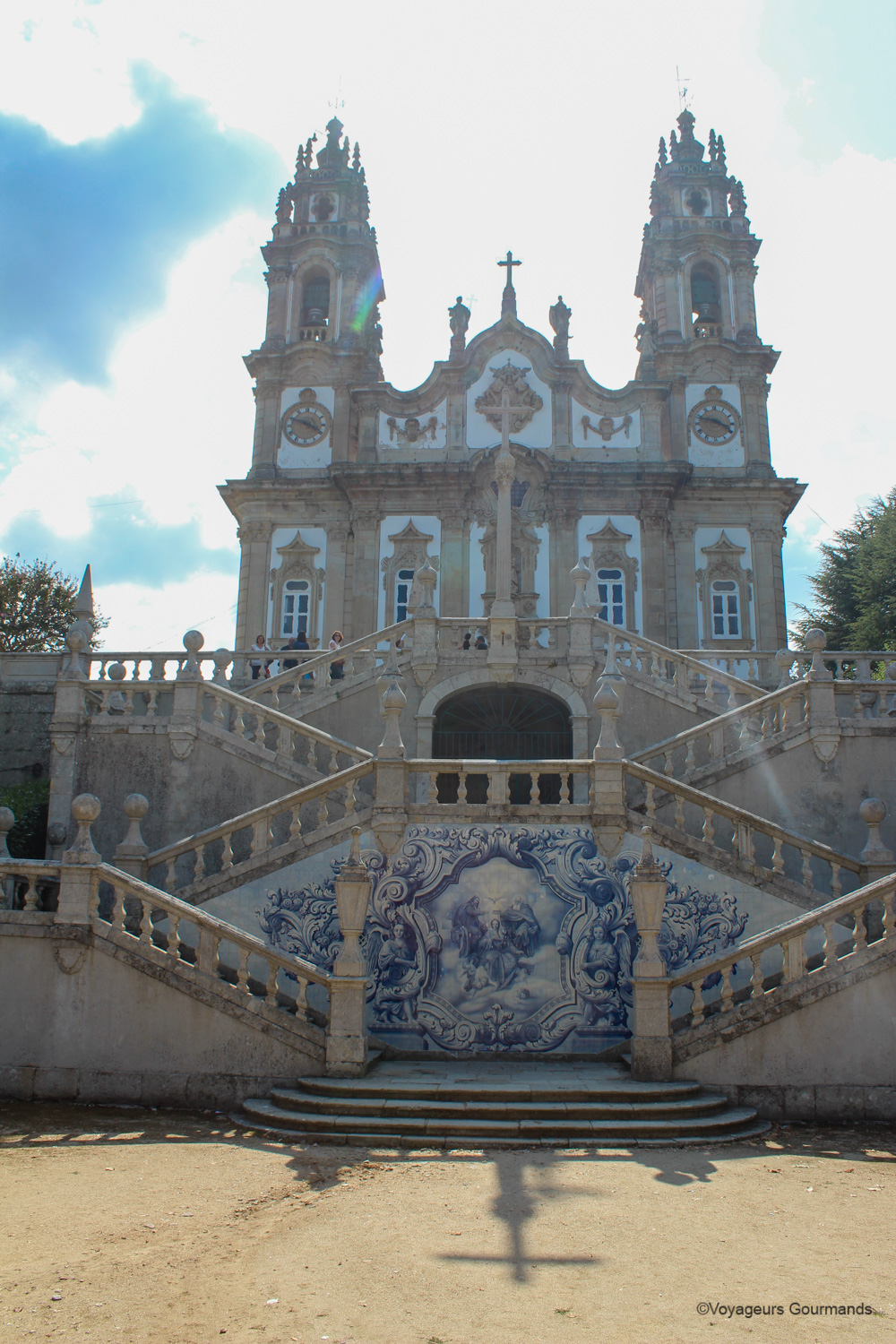
- The Sanctuary of Our Lady of Remedies in Lamego, with its grand Baroque staircase decorated with blue and white azulejos.
Some places have become must-see spots thanks to their tile panels or façades! Take Válega church, for example: it isn’t near any major tourist site, yet plenty of visitors make the detour just to see it! (To be fair, it’s well worth it!!)
Traditional uses of azulejos in Portuguese architecture
Portuguese azulejos have traditionally been used to decorate both interior and exterior walls. You’ll often see them in kitchens, bathrooms, patios and on the façades of houses and public buildings. They can also be used as flooring or to create large murals.
To bring Portuguese tiles into your home décor, you can use them as a focal point on a feature wall or a kitchen splashback. They also work as decorative accents mixed with plainer tiles, or to create one-of-a-kind designs.
Craftspeople and tile workshops
In Portugal, there are still craftspeople and workshops specialising in making azulejos. They keep traditional techniques alive and create unique handmade pieces. Some workshops also offer tours and demonstrations so visitors can discover how the tiles are made.
If you’d like to go further, there are two well-regarded specialist books: Azulejos: Portuguese Tiles by Maria Antónia Pinto de Matos and The Art of Azulejo in Portugal by José Meco. If you’re visiting Lisbon, don’t miss the National Tile Museum 🙂 It traces the history of this little earthenware tile, and there are dozens of pieces to admire.
Azulejos vs other ceramic tiles: what’s the difference?
Although Portuguese azulejos share some similarities with other ceramic tiles, they stand out for their distinctive patterns, their history and their cultural influence. They are also made using traditional techniques and are closely tied to Portugal’s architecture and history.
Portuguese azulejos also play an important role in sustainable tourism in Portugal. Preserving them and promoting their art and history helps protect the country’s cultural heritage and supports local communities. Visitors are encouraged to support local artisans and to visit historic sites to discover the art of azulejos in an authentic and respectful way.
To see them for yourself, from Porto to Lisbon, follow our Portugal road trip itinerary.
✤✤✤
I hope you enjoyed this slightly different article and that you’ve learnt more about Portuguese azulejos! Next time you spot them in Portugal (or elsewhere), you’ll remember their story.
Portuguese tiles FAQ
Frequently asked questions are here!
Where do azulejos come from?
Azulejos arrived in Portugal at the end of the 15th and the beginning of the 16th century, imported from the Hispano-Moorish workshops of Seville. King Manuel I used them to decorate the National Palace of Sintra. The Portuguese then developed their own production from the 16th century onwards, until the azulejo became a national symbol.
What does the word azulejo mean?
The word azulejo comes from the Arabic “az-zulayj”, meaning “small polished stone”. Contrary to what many people think, it has nothing to do with “azul”, the Portuguese word for blue.
Why are Portuguese tiles often blue and white?
The first azulejos were multicoloured. Blue and white took over at the end of the 17th century, influenced by Chinese porcelain and Delftware, which were very fashionable in Europe at the time. It has since become the signature look of Portuguese tiles.
What do the patterns on azulejos represent?
Geometric and floral motifs, inherited from Moorish art, evoke order, harmony and nature. Large figurative panels depict religious scenes, battles, legends or everyday life, as at São Bento station in Porto.
Where can you see the most beautiful azulejos in Portugal?
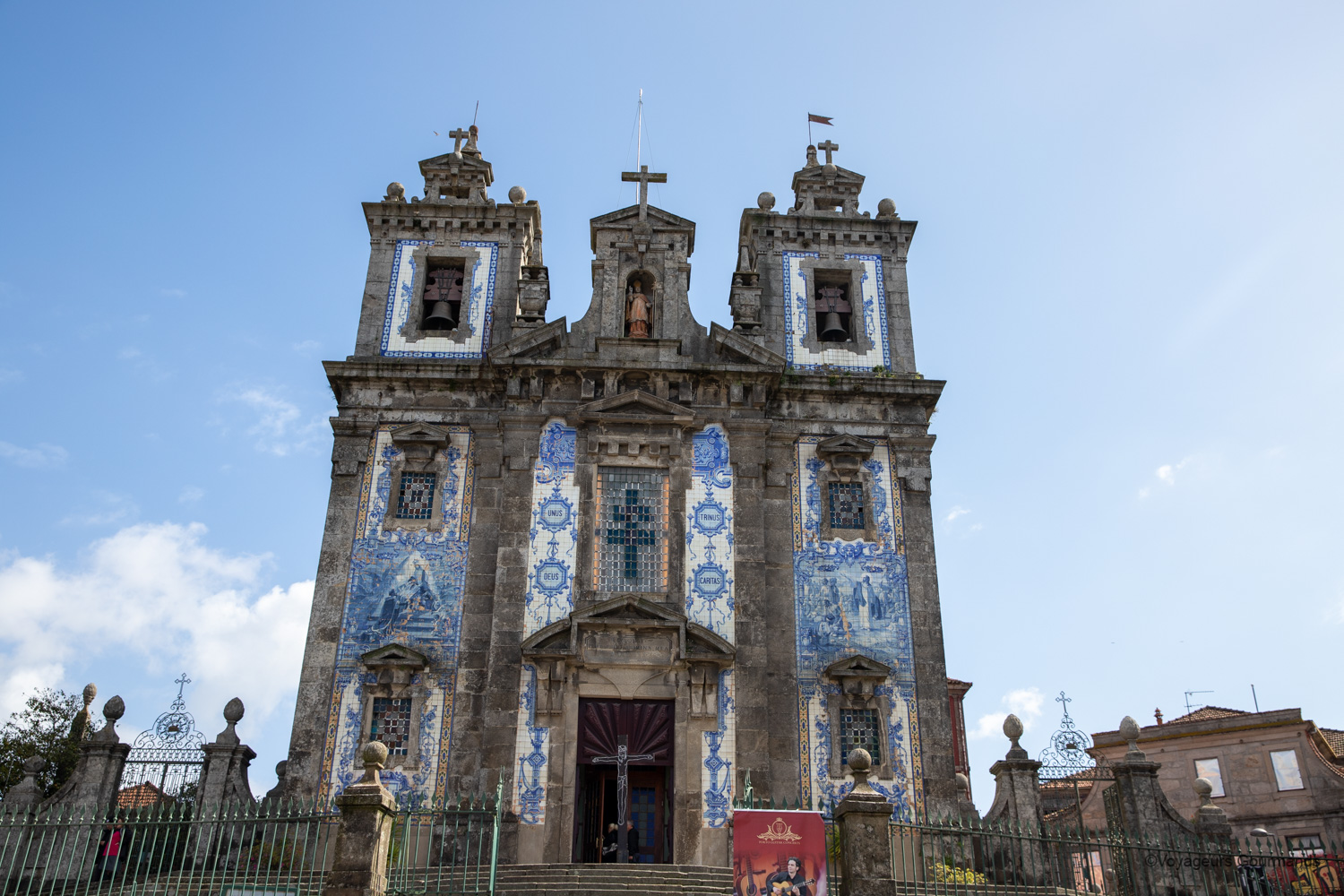
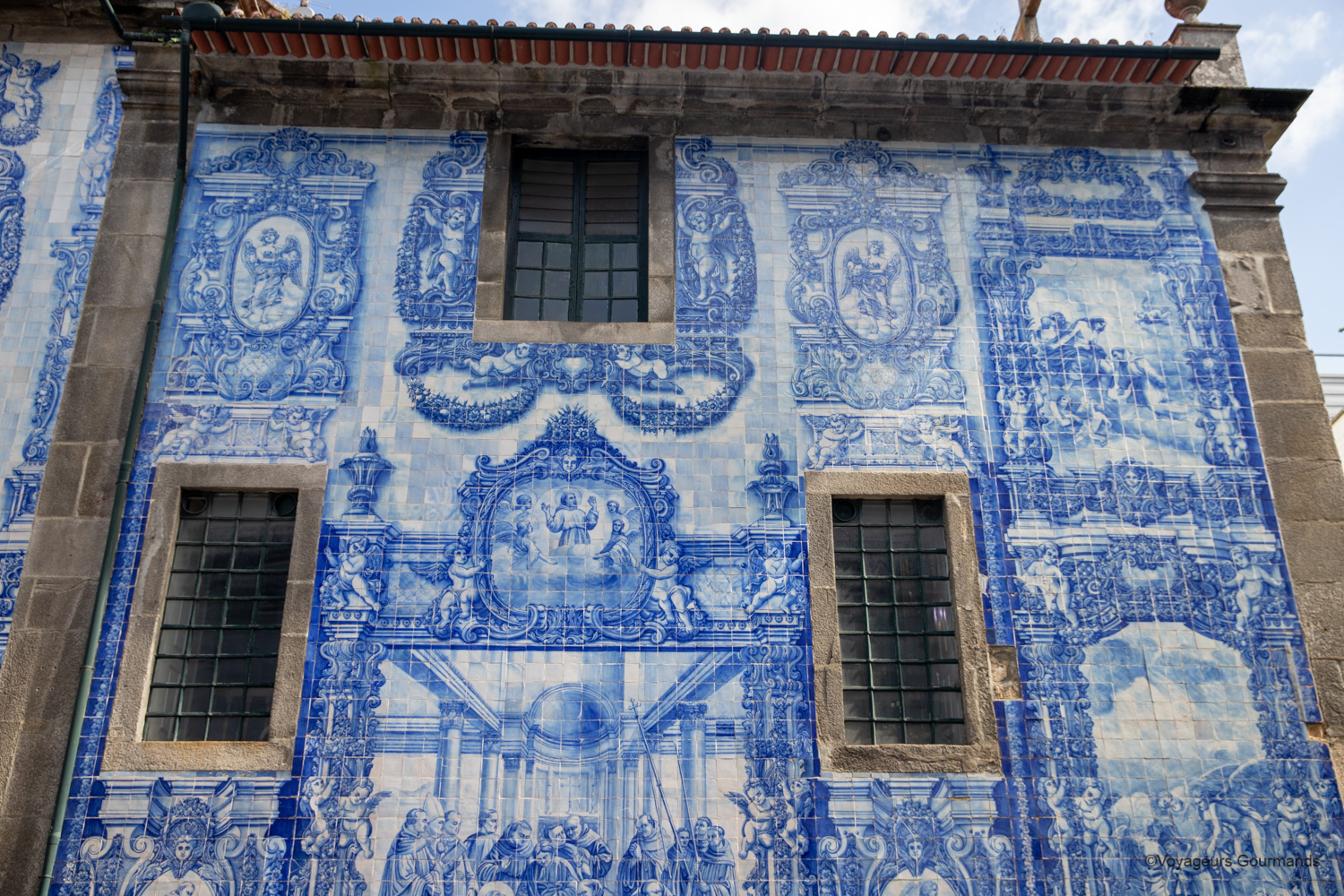
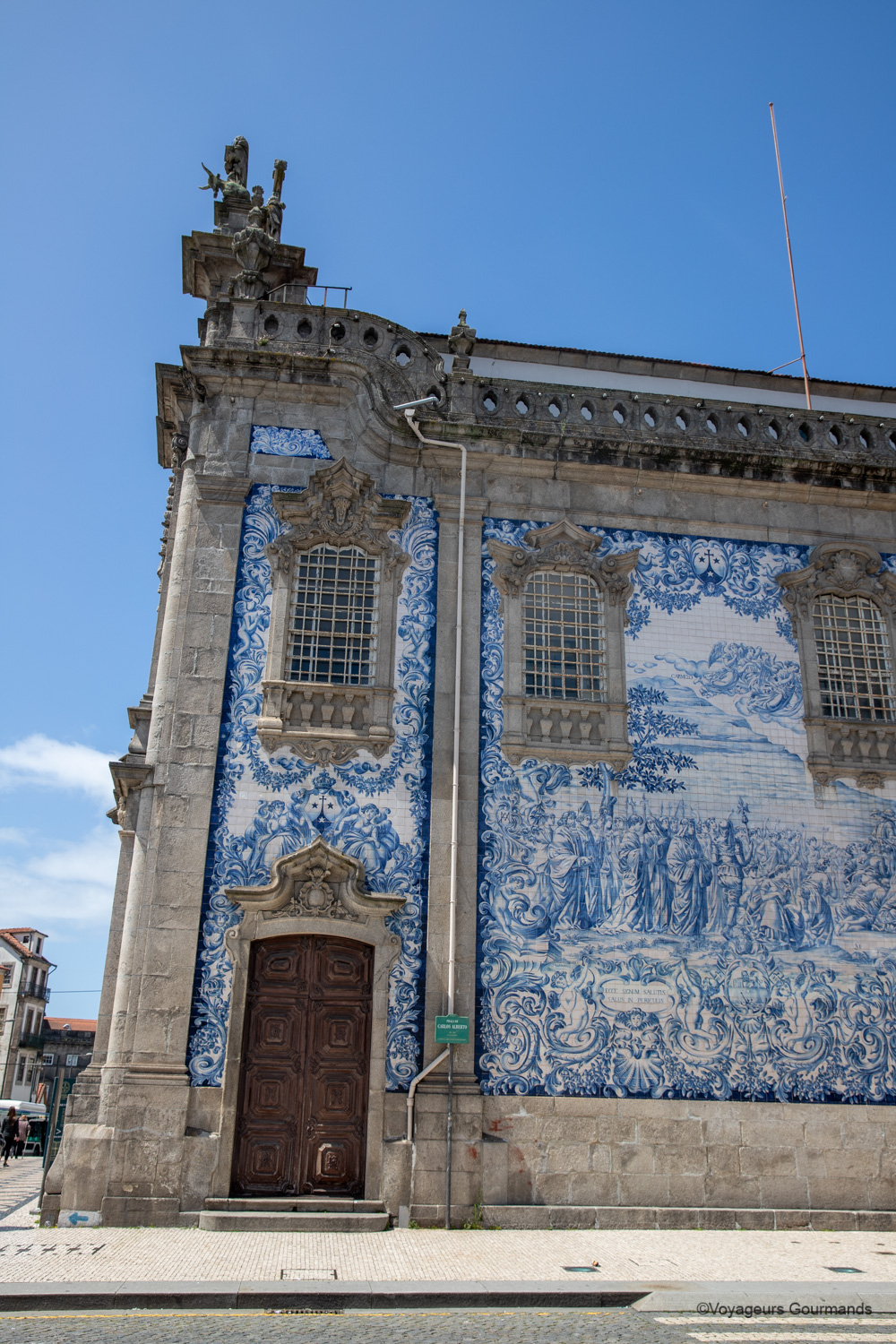
In Lisbon, the National Tile Museum, the Monastery of São Vicente de Fora and the Church of São Roque are unmissable. In Porto, São Bento station and the church façades in the centre are well worth a visit. Further afield, don’t miss Sintra Palace, Válega church, Pinhão station in the Douro Valley and the sanctuary in Lamego.
Can you bring azulejos home from Portugal?
Yes, but choose new tiles or reproductions sold in workshops and shops. Theft of antique azulejos from façades is a real problem in Portugal, so avoid old pieces sold at flea markets without a clear origin.


