


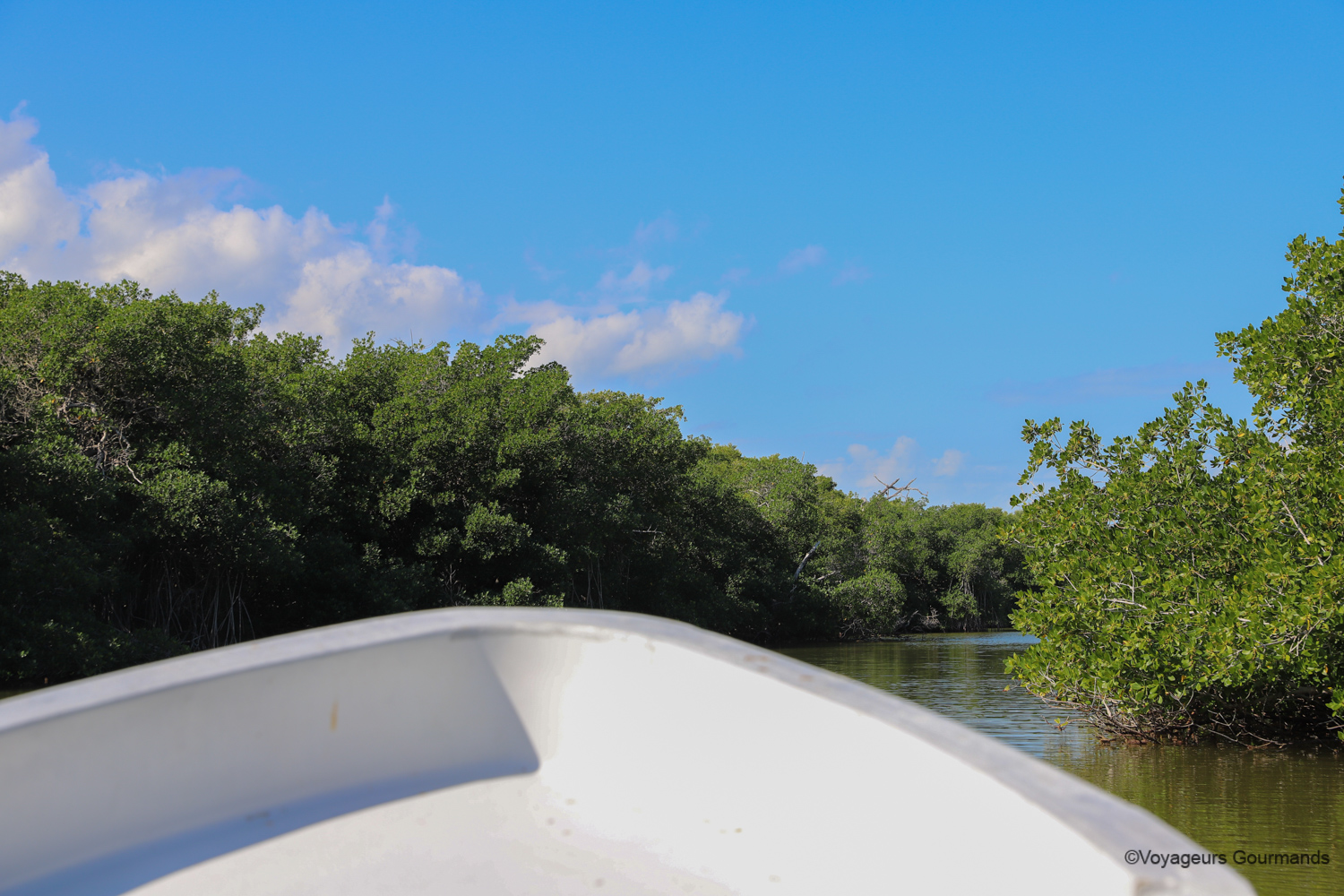
In Mexico, in the north of the Yucatán Peninsula, lie two must-see spots for nature lovers: the Rio Lagartos reserve and Las Coloradas. If we wanted to come here during our Yucatán road trip, it was mainly to see our first flamingos in the wild. Our favourite part? Our 3-hour boat trip through the heart of the Rio Lagartos reserve, just us and our guide at dawn. Climb aboard!
✤✤✤
Rio Lagartos and Las Coloradas at a glance
| 🌿 Key info | 📌 What to remember |
|---|---|
| Where? | In the north of the Yucatán Peninsula, about 3 hours’ drive from Tulum, Cancún or Mérida |
| The boat trip | A 2.5 to 3-hour boat trip through the reserve, ideally leaving at 7 am |
| Boat trip price | Around 1,200 to 1,500 pesos per boat (up to 6 people), as a rough guide |
| What you’ll see | Flamingos, crocodiles, pelicans, herons, iguanas… |
| Las Coloradas | Pink salt ponds, guided visits only, 331 pesos per person for foreign visitors, no swimming |
| Best time to go | From November to April |
| Where to stay? | Hotel Rio Lagartos, our favourite |
| Good to know | One hour behind Tulum and Cancún: bear it in mind for sunset! |
The Rio Lagartos reserve
We arrive in Rio Lagartos around 6 pm, and it’s already dark. We quickly check in at the hotel and set off to find Rio Lagartos Adventures. According to Google Maps, it’s near our hotel… but in Mexico, we often struggled to find places despite the GPS… This time, we find the office easily, set up in the restaurant next door. They offer several rates, private or shared, with departures at 7 am or 10 am. Without hesitation we choose 7 am, and it looks like we’ll have the boat to ourselves.
If that sounds a bit stressful and you’d rather book ahead, you can do it online by clicking here.
The boat trip
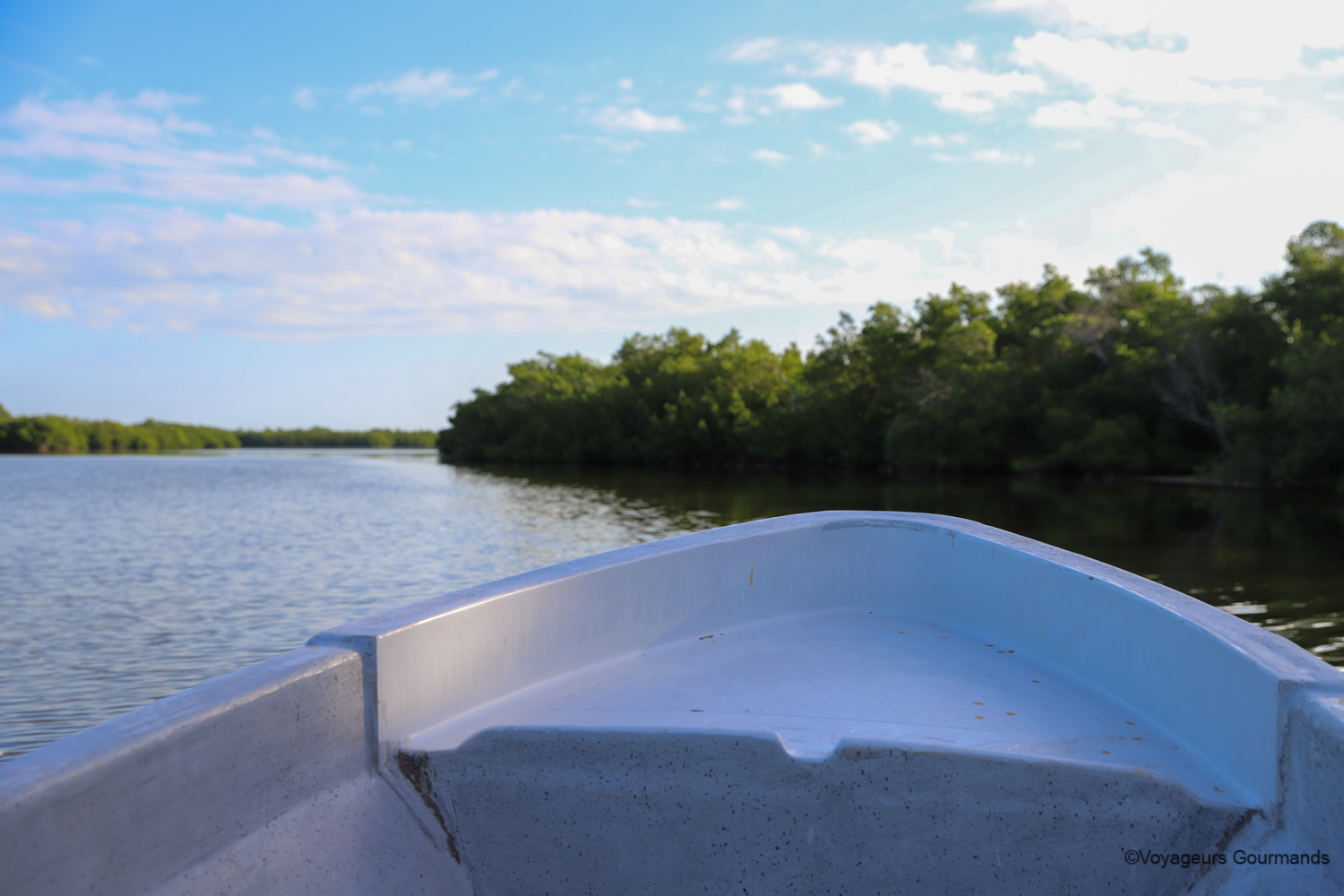
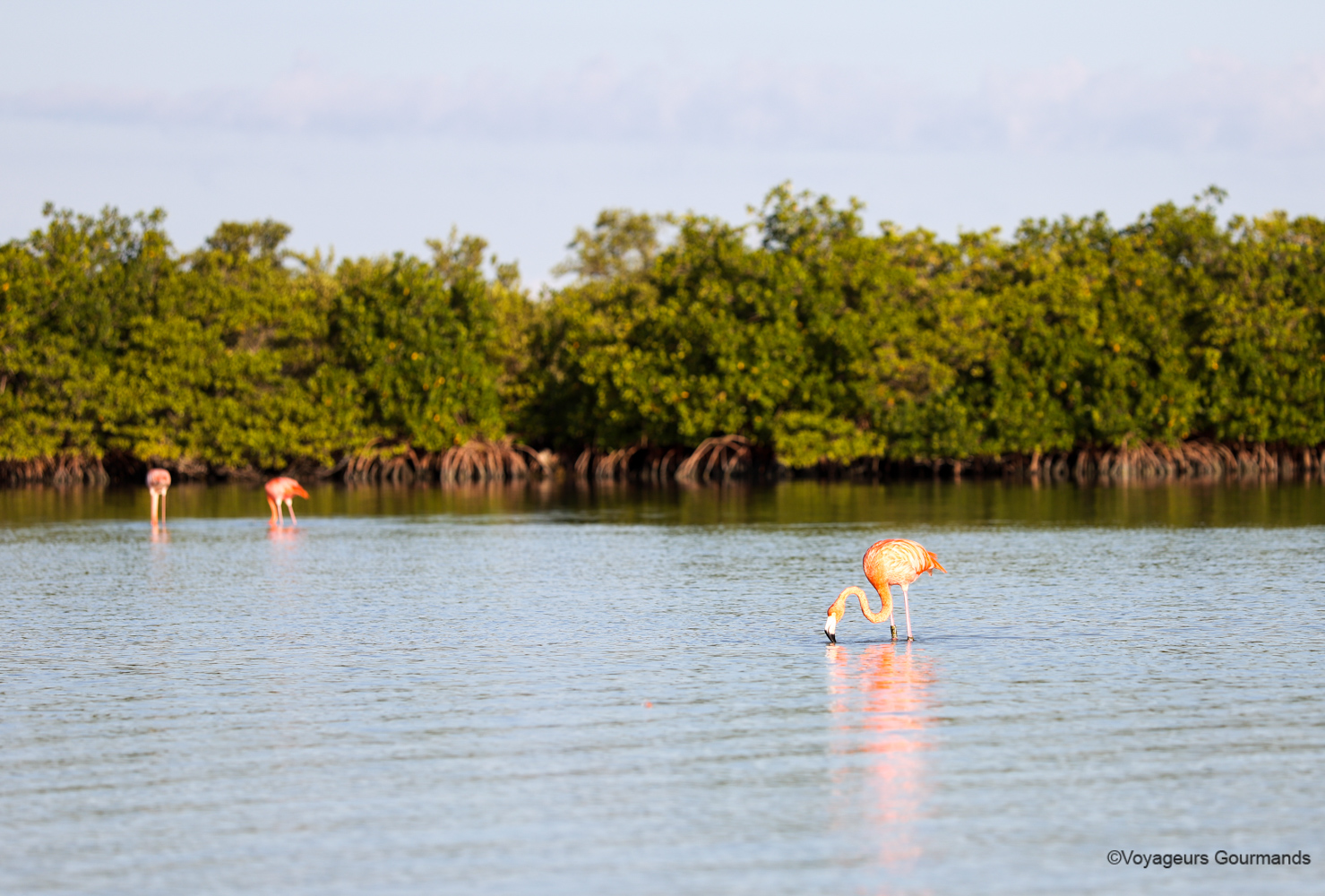
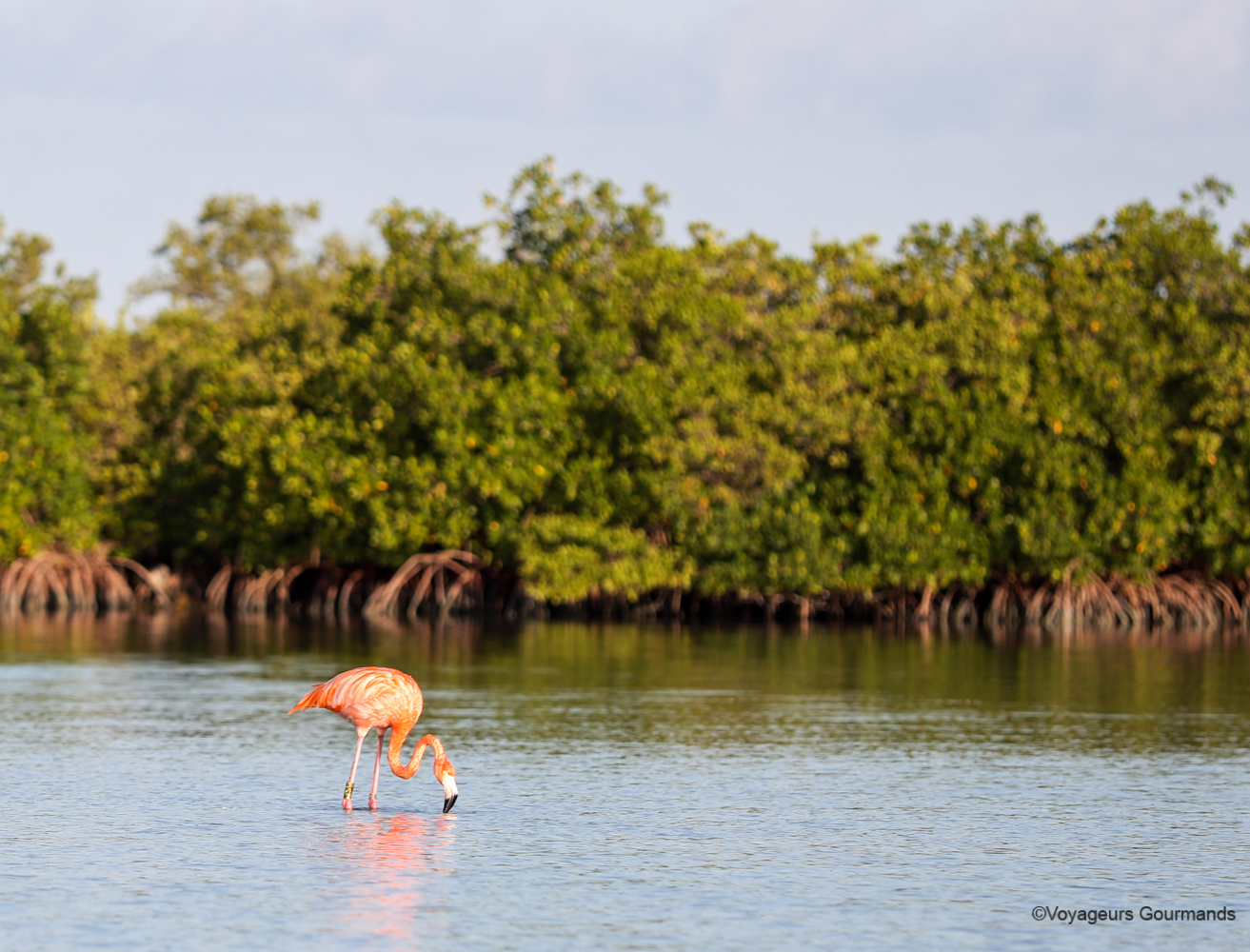
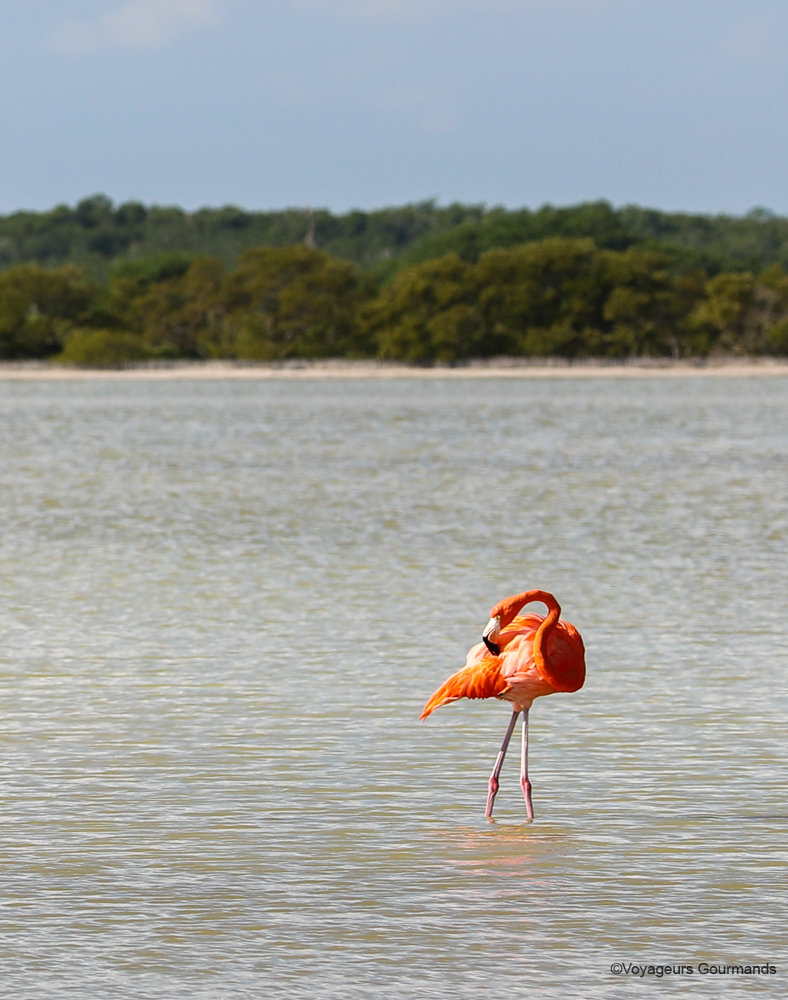
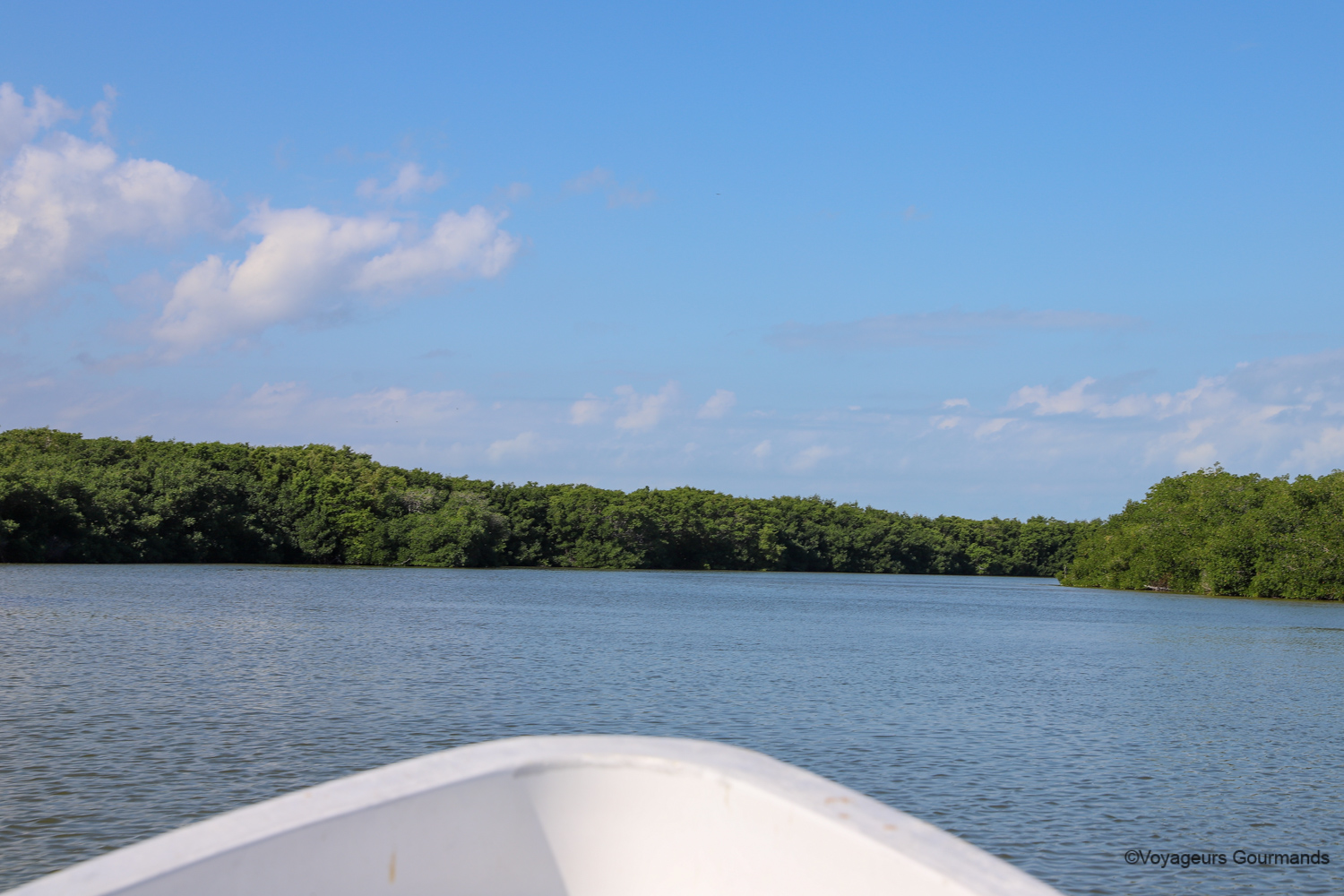
It’s 6:50 am and we’re at the meeting point. Our guide turns up late, which gives me 15 minutes of stress along the lines of “he’s not coming, we’ve been scammed”, but all’s well that starts well. The three of us climb into our little boat, with water, binoculars and the silence of dawn. Everything is so calm, so peaceful, the birds and nature are only just waking up… It feels like we’re alone in the world… Barely 5 minutes in, we spot our first flamingos. I’m going crazy: they’re so beautiful!
Flora and fauna
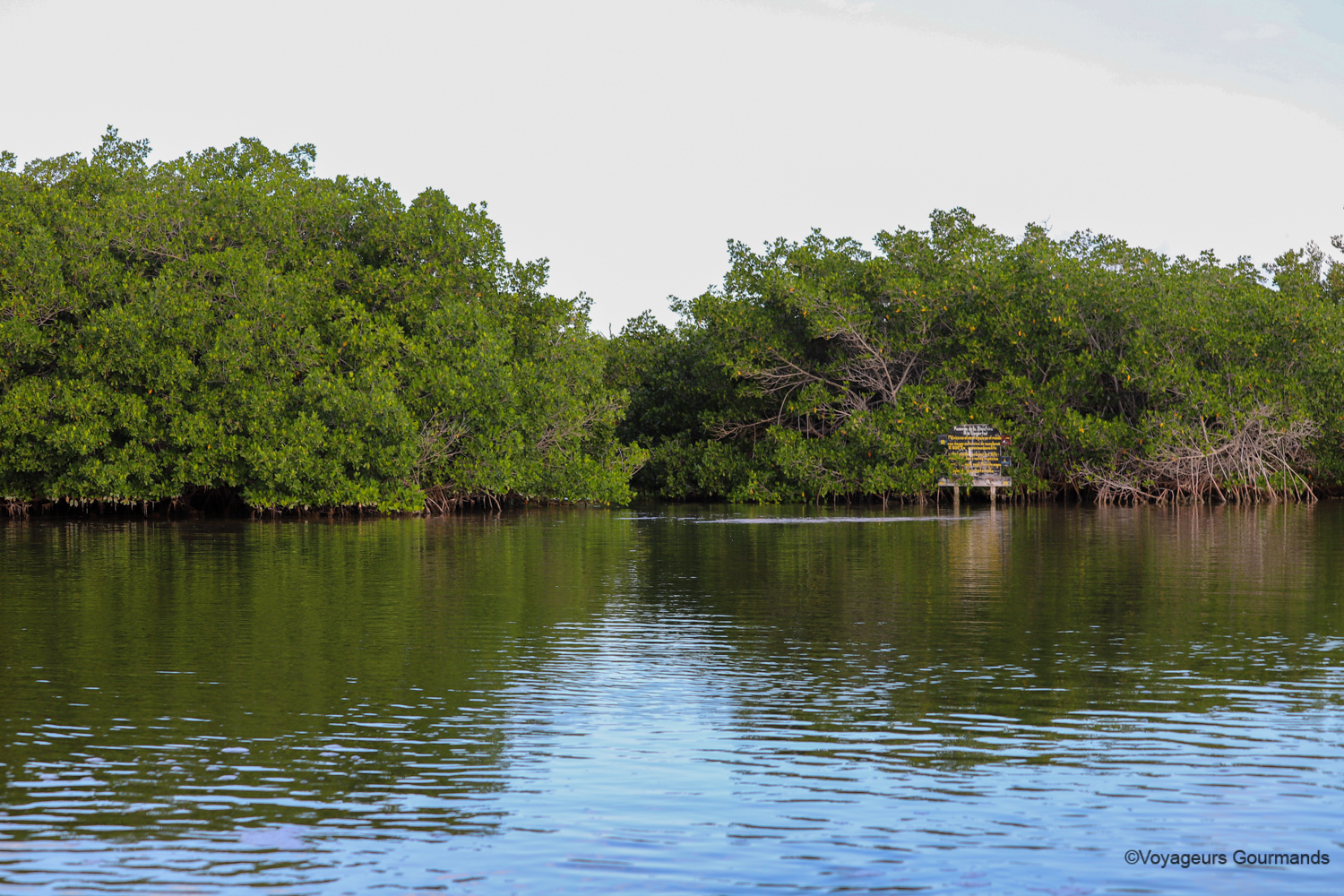
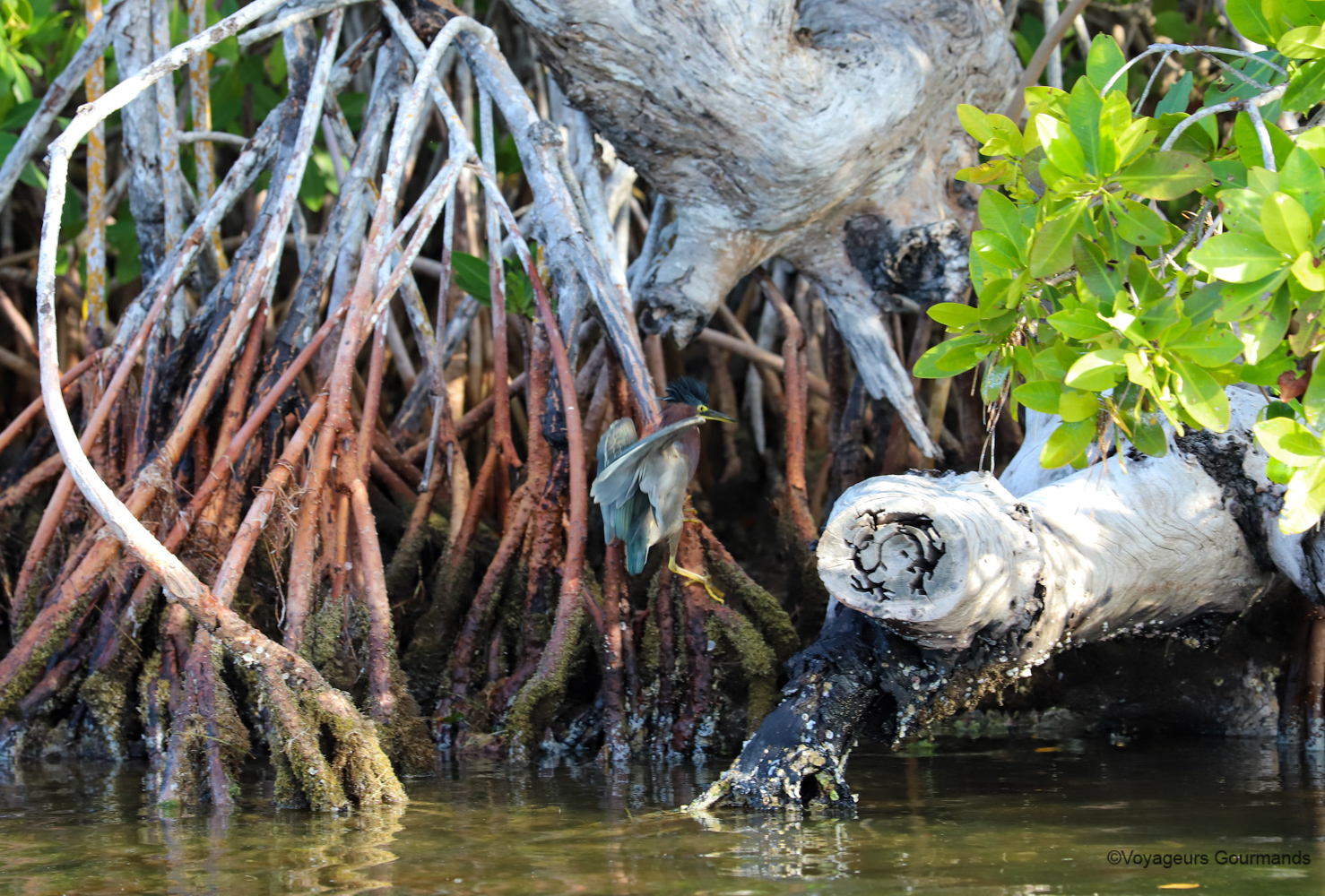
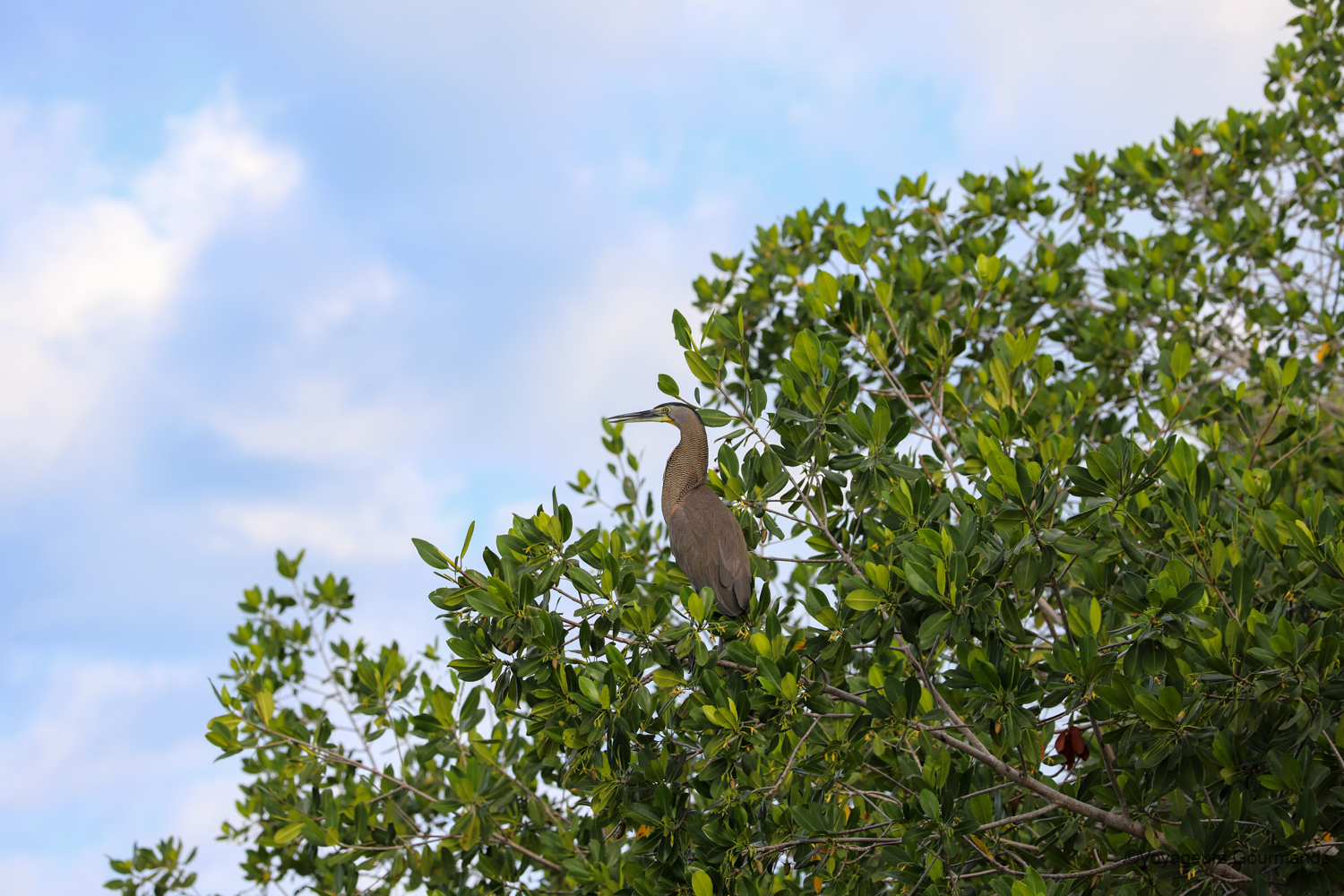
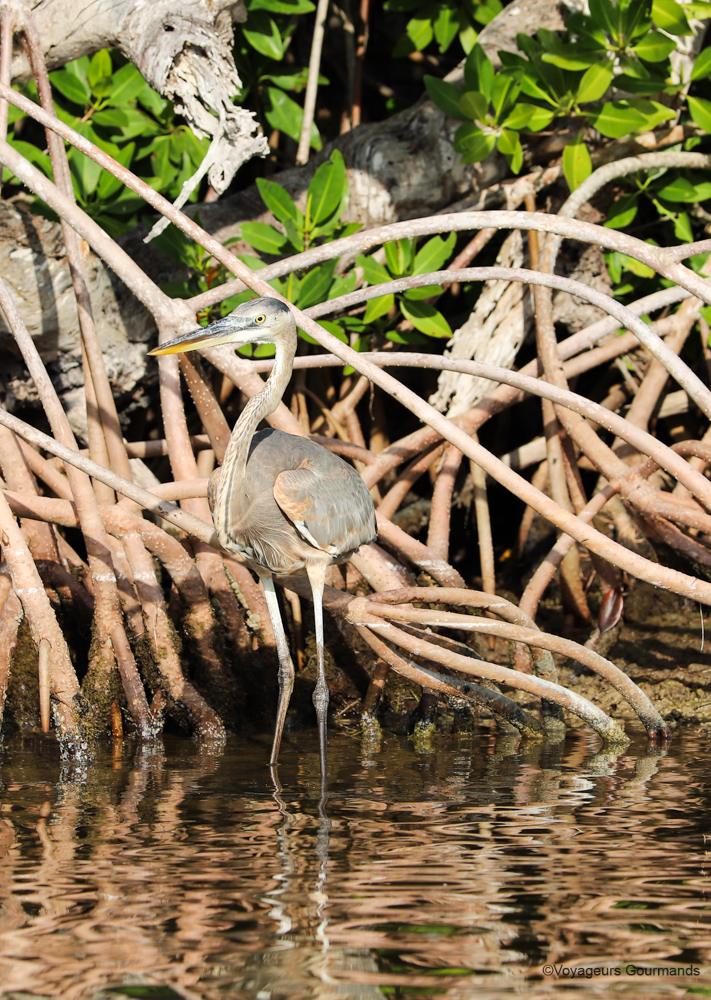
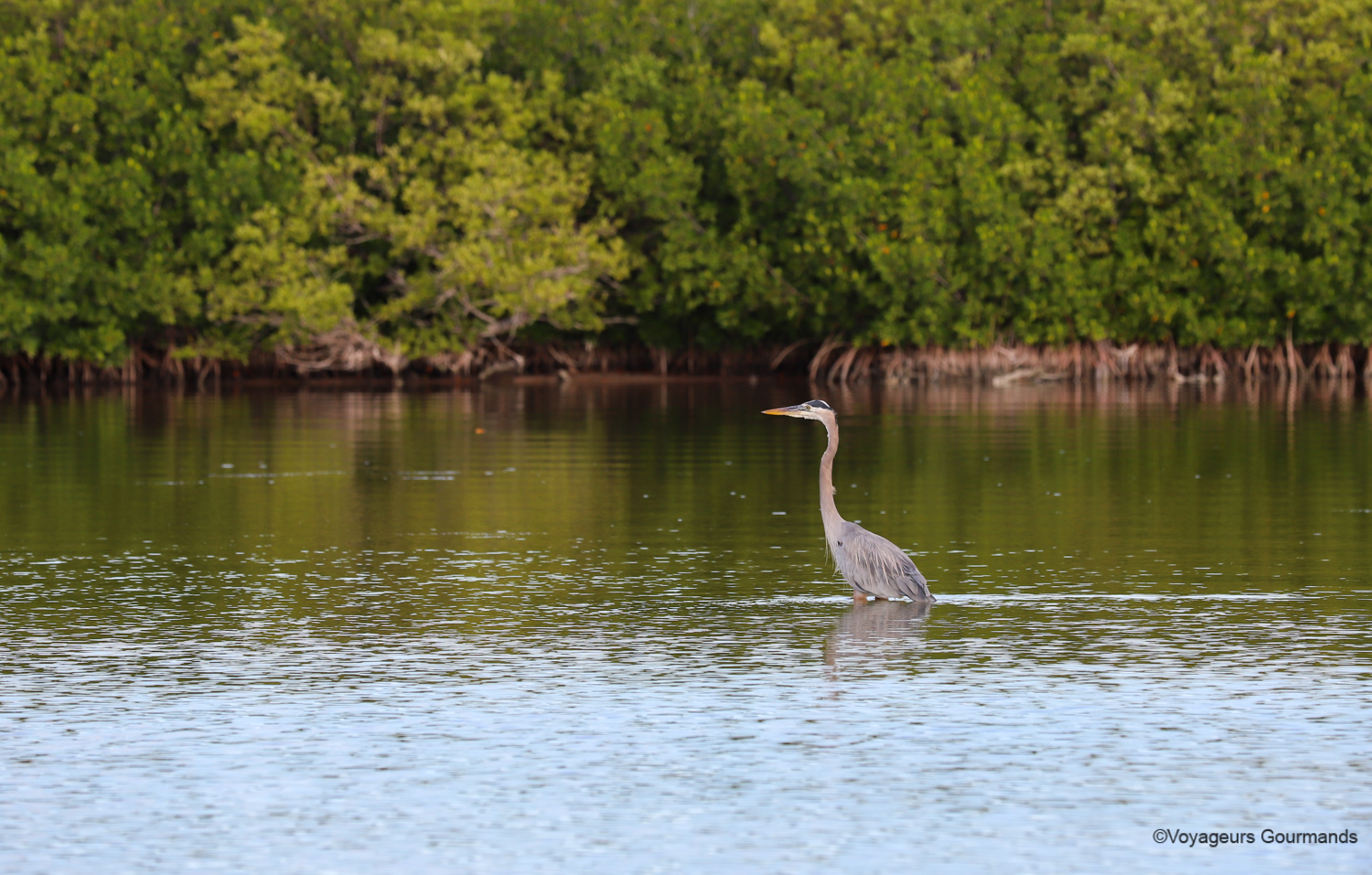
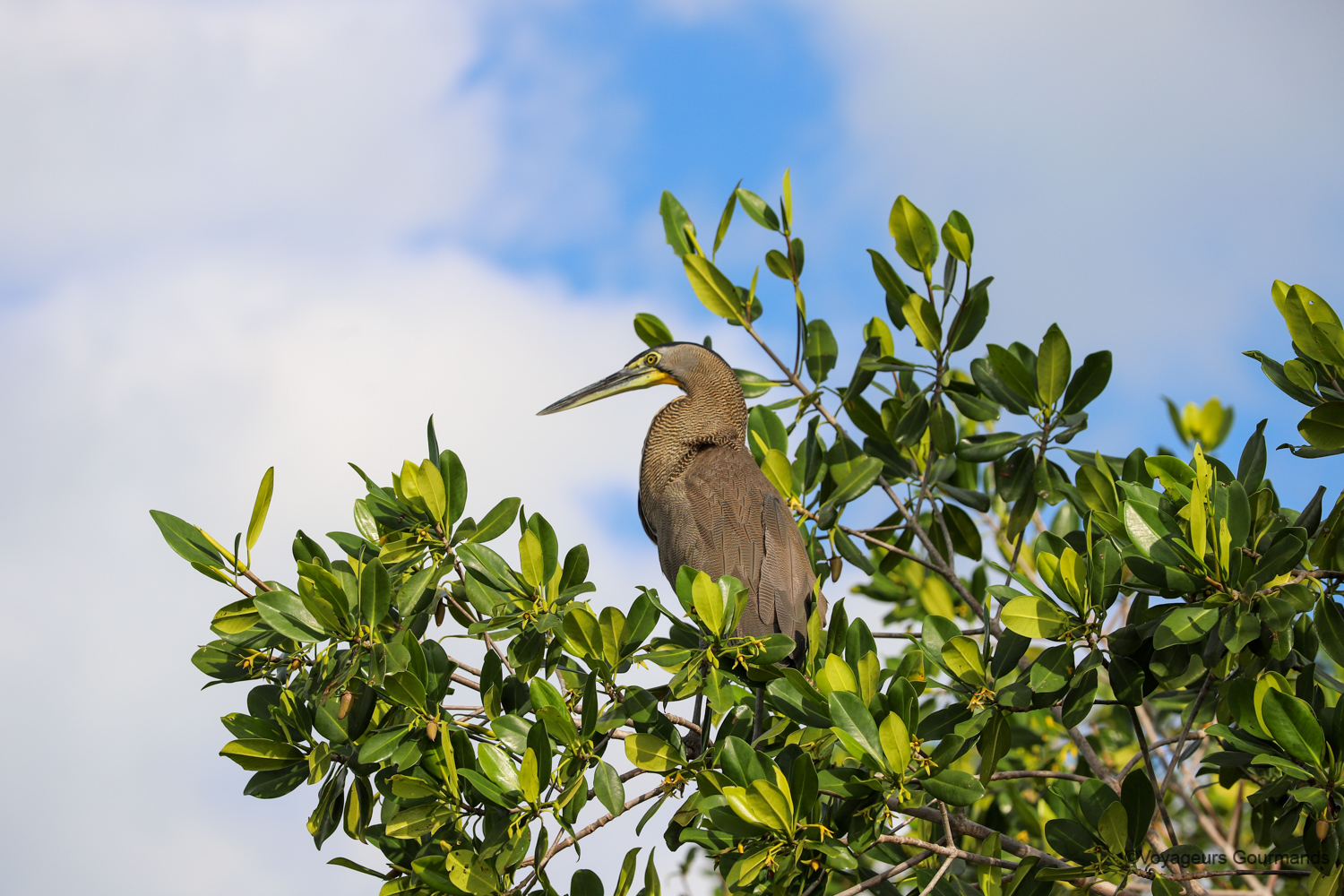
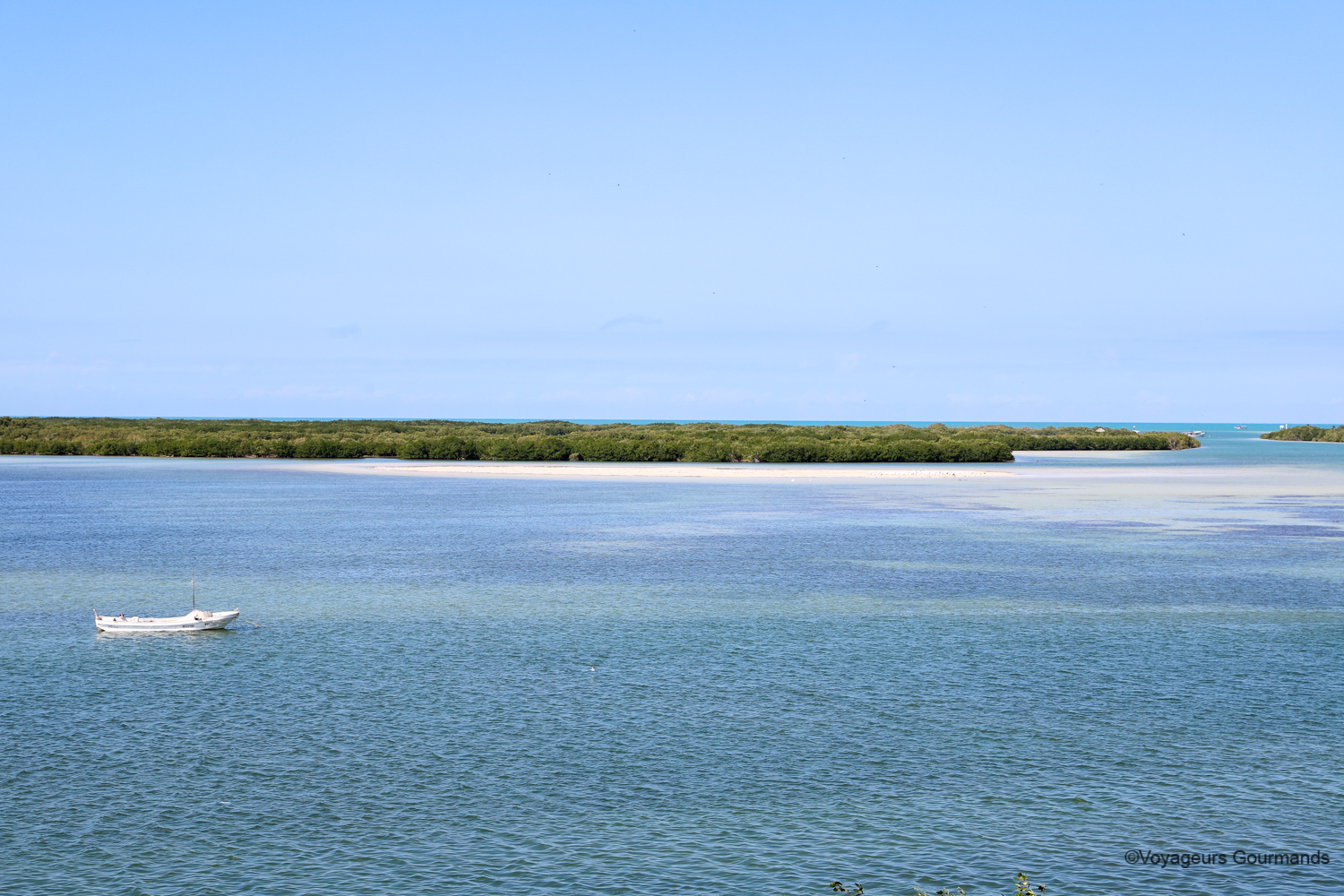
The trip continues through the channels, past the boats moored there. The birds have settled in for the night and are slowly waking up. All in near-religious silence. The only sound is our little motorboat, which David switches off a few metres from the birds. We head deeper into the reserve, with bird encounters punctuating the ride. I’ll be honest, we’re hopeless with bird names, and since we didn’t take any notes…
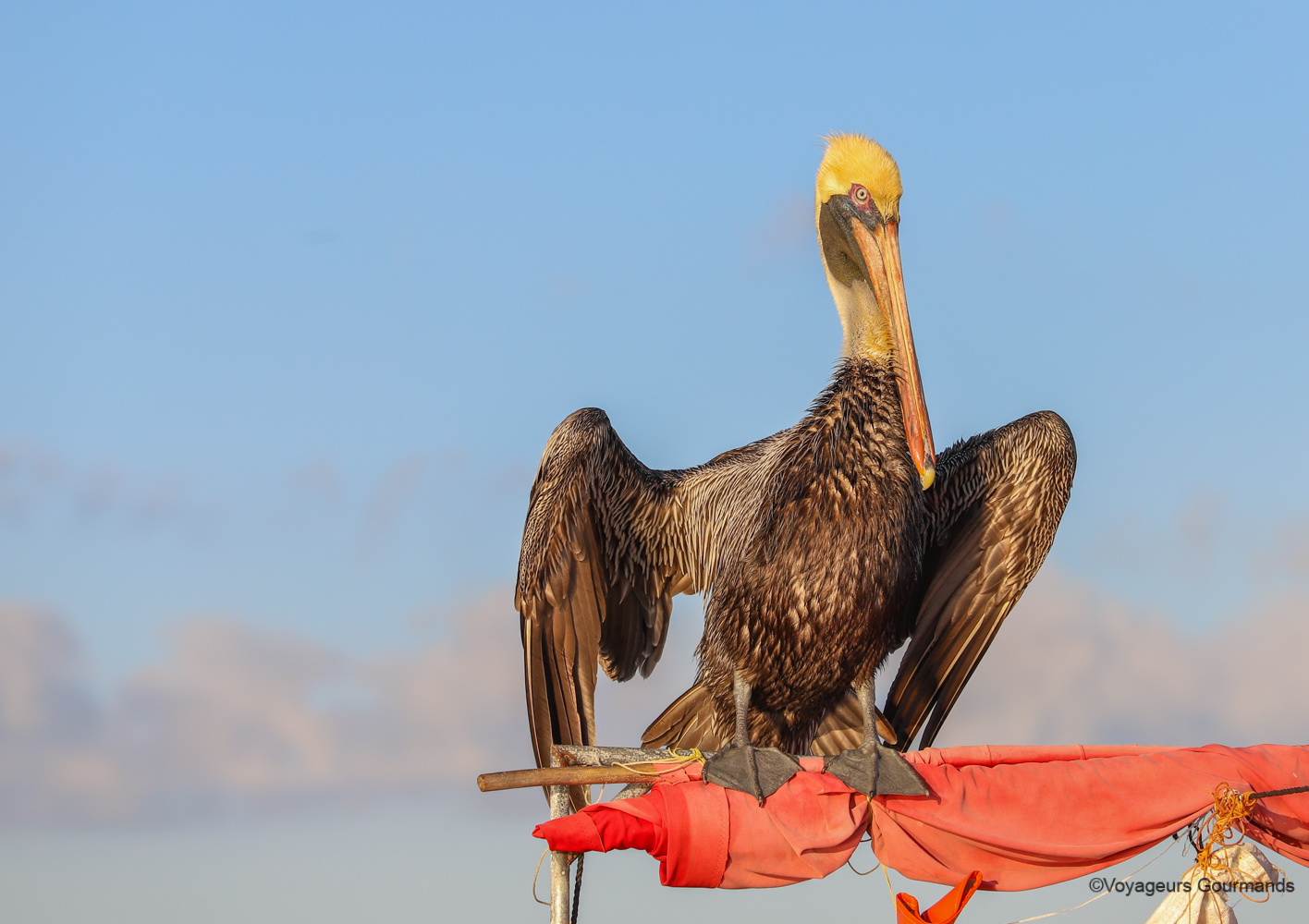
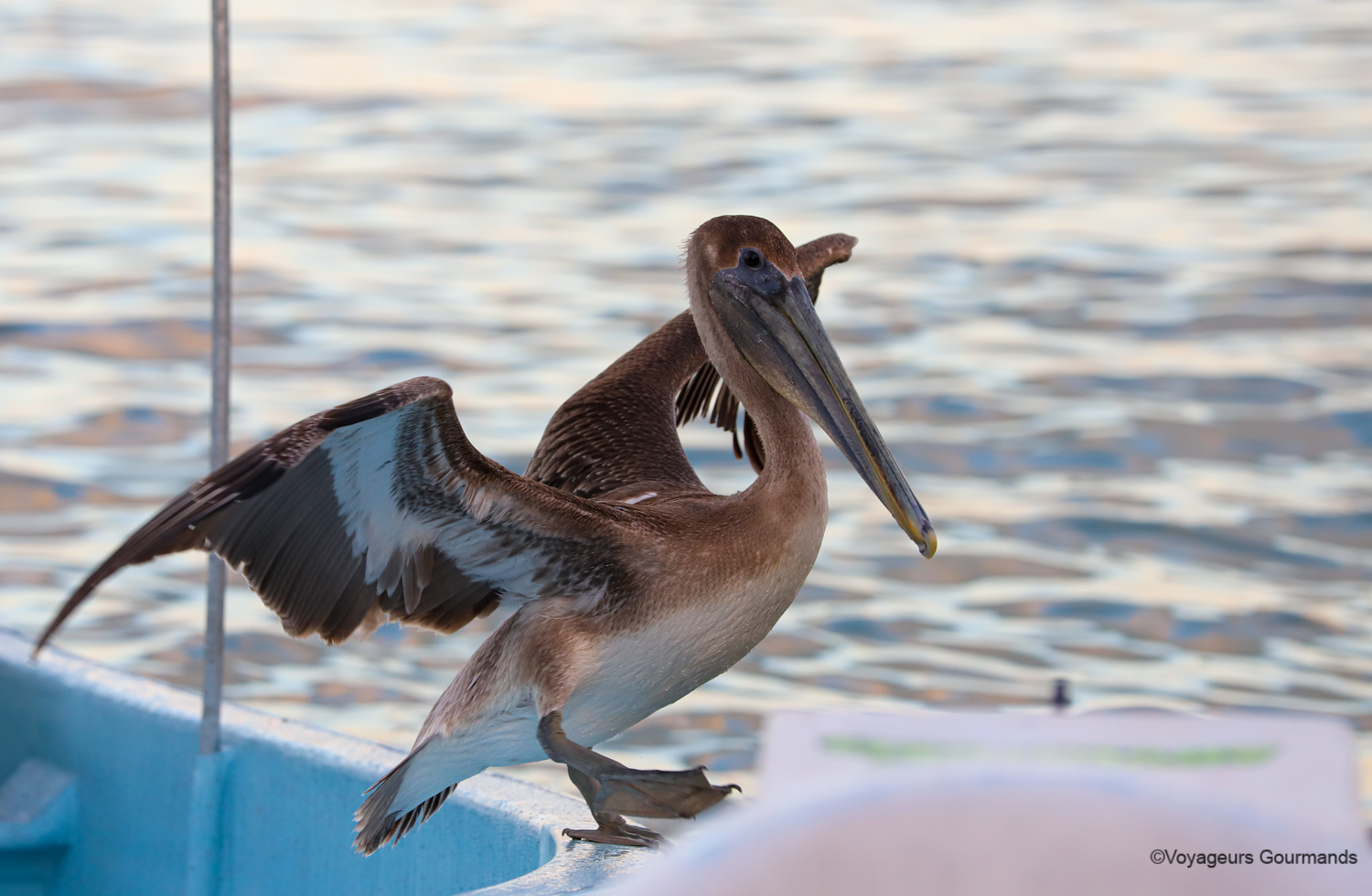
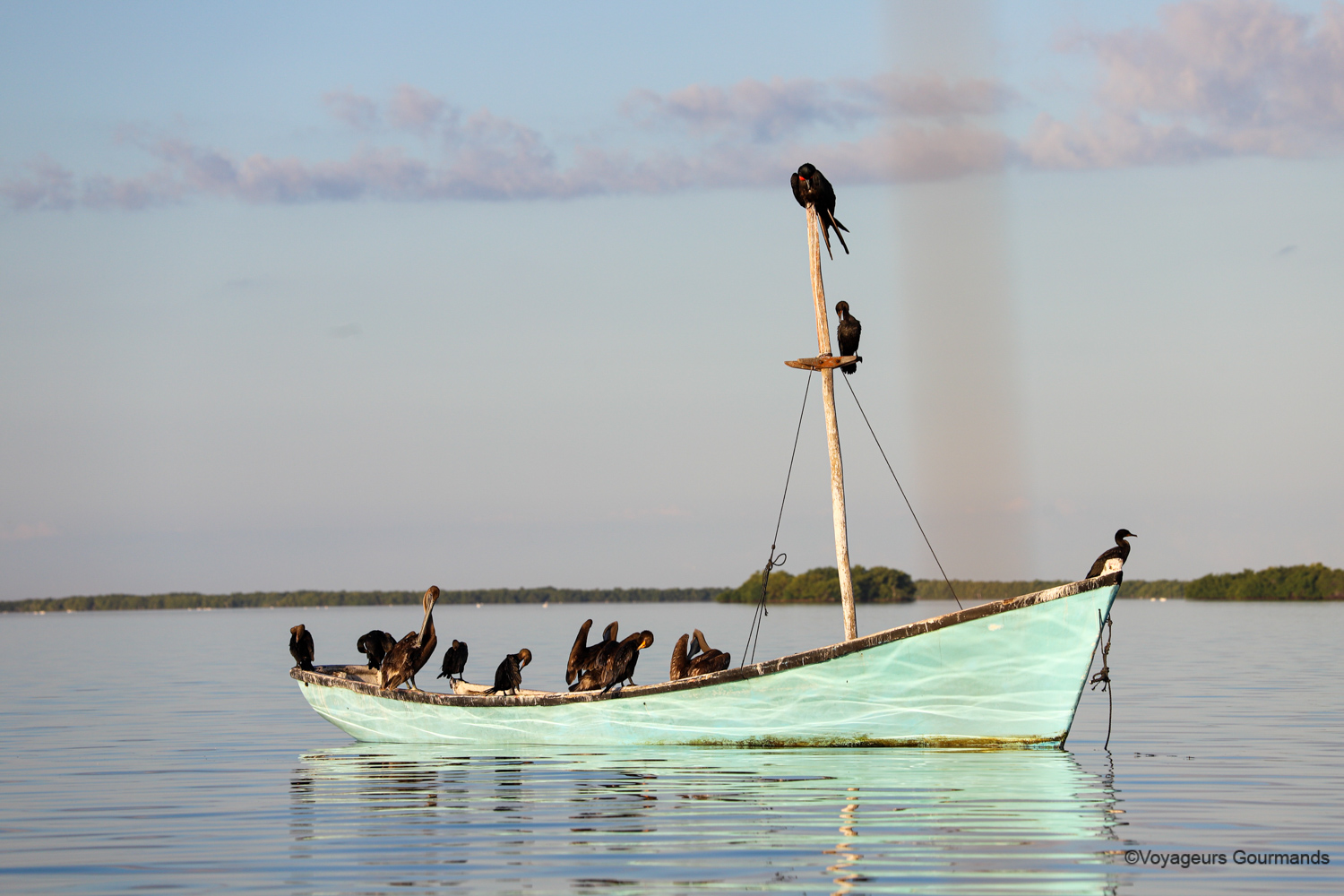
Remember the name of the reserve? Rio Lagartos? Well, now it’s time to meet the creatures that gave their name to the river and the reserve. Our guide asks if we’re still up for seeing them. Of course! He runs through a few rules again, like not putting your hands outside the boat… It may seem obvious, but some tourists do it… We’re not too keen on having a hand chomped by a croc, so all good…
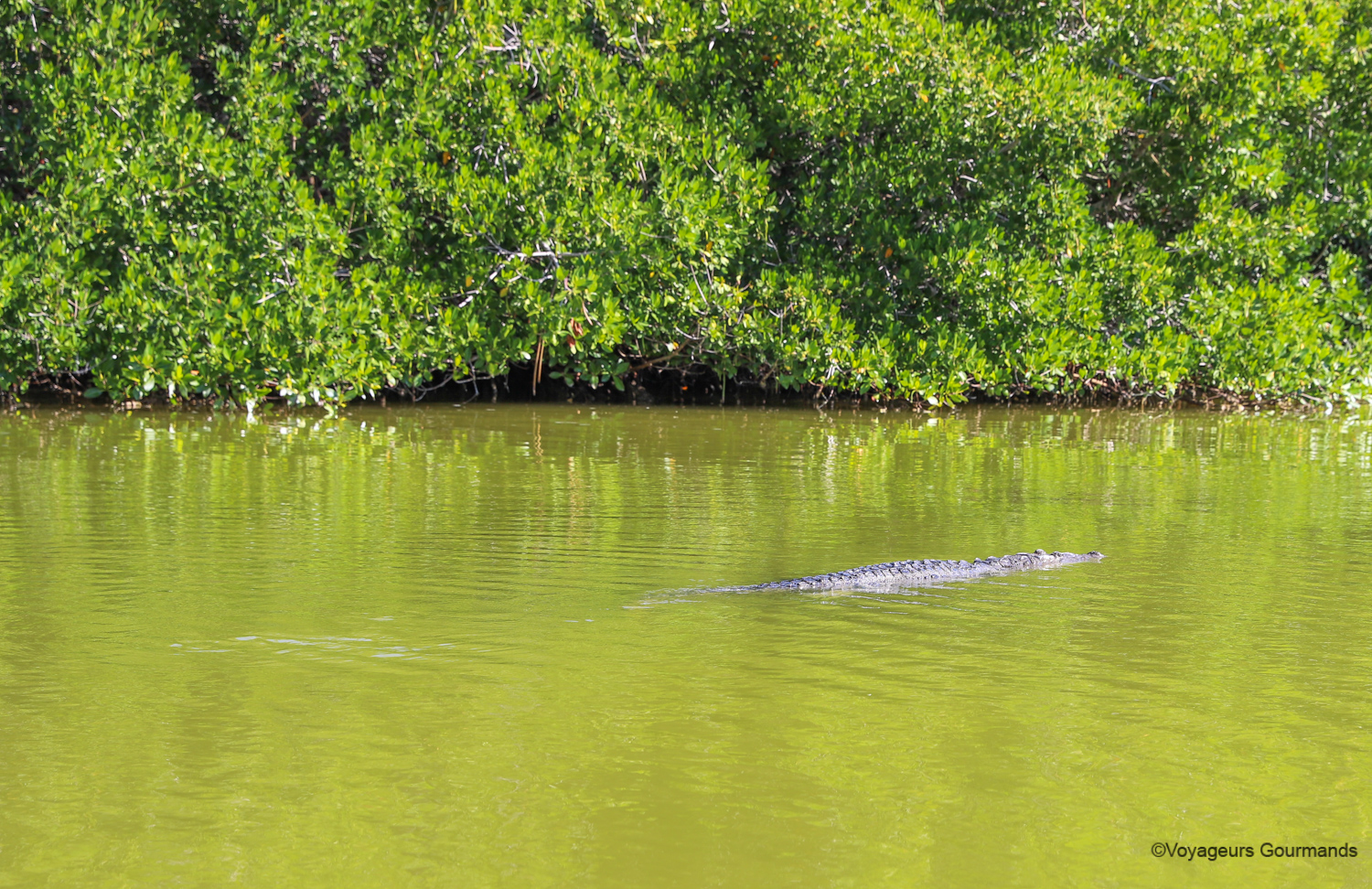
Crocodiles: the famous “lagartos”
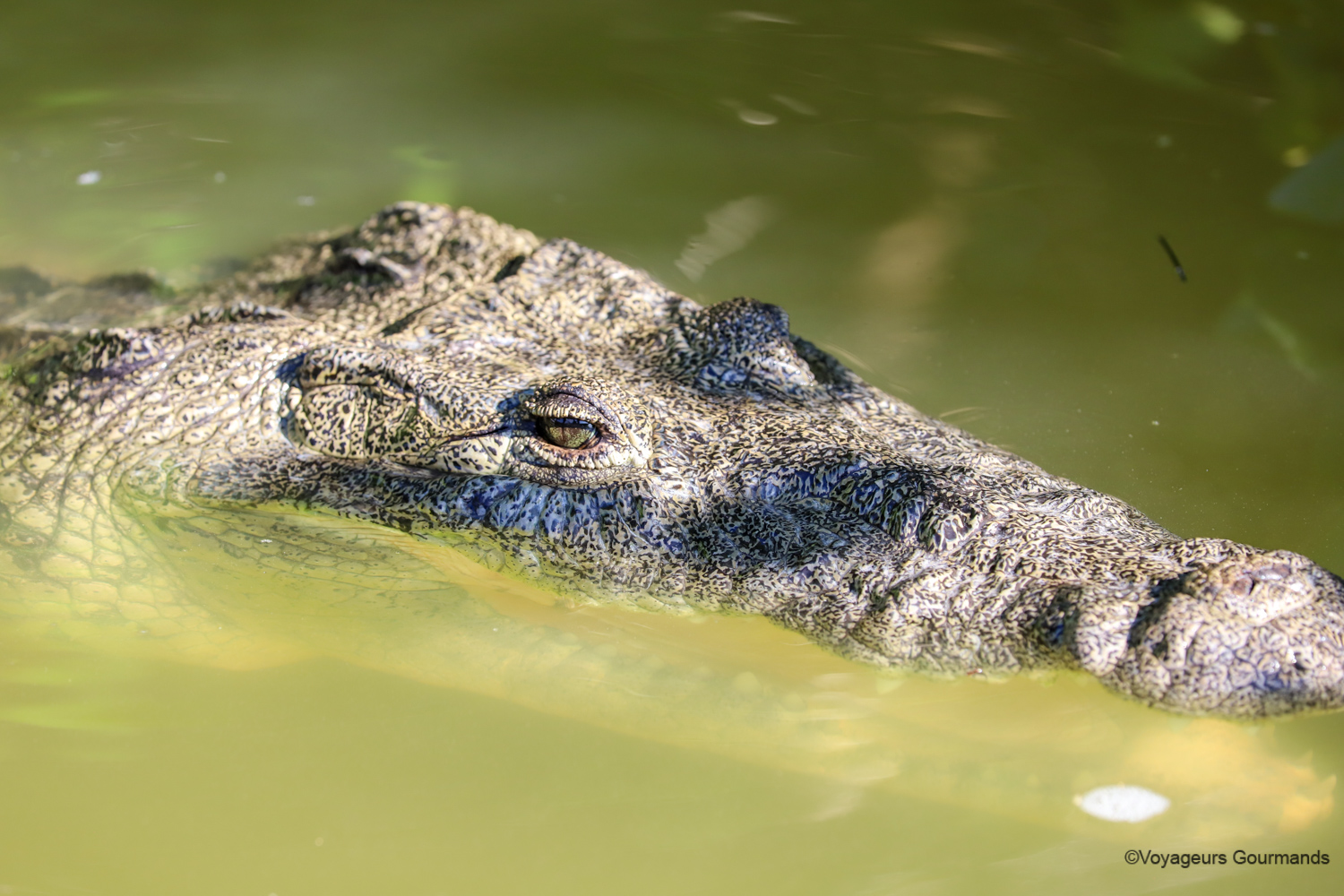
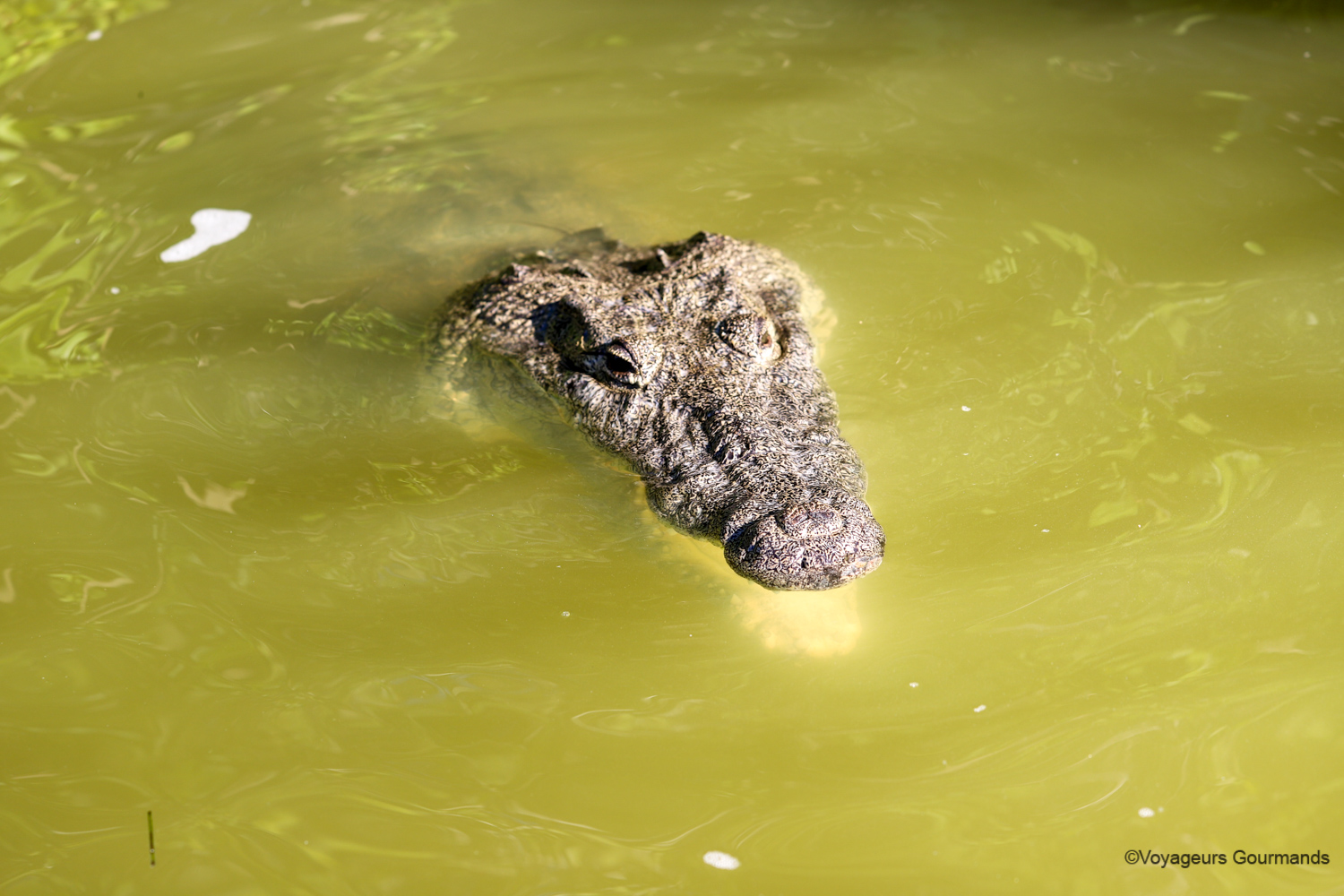
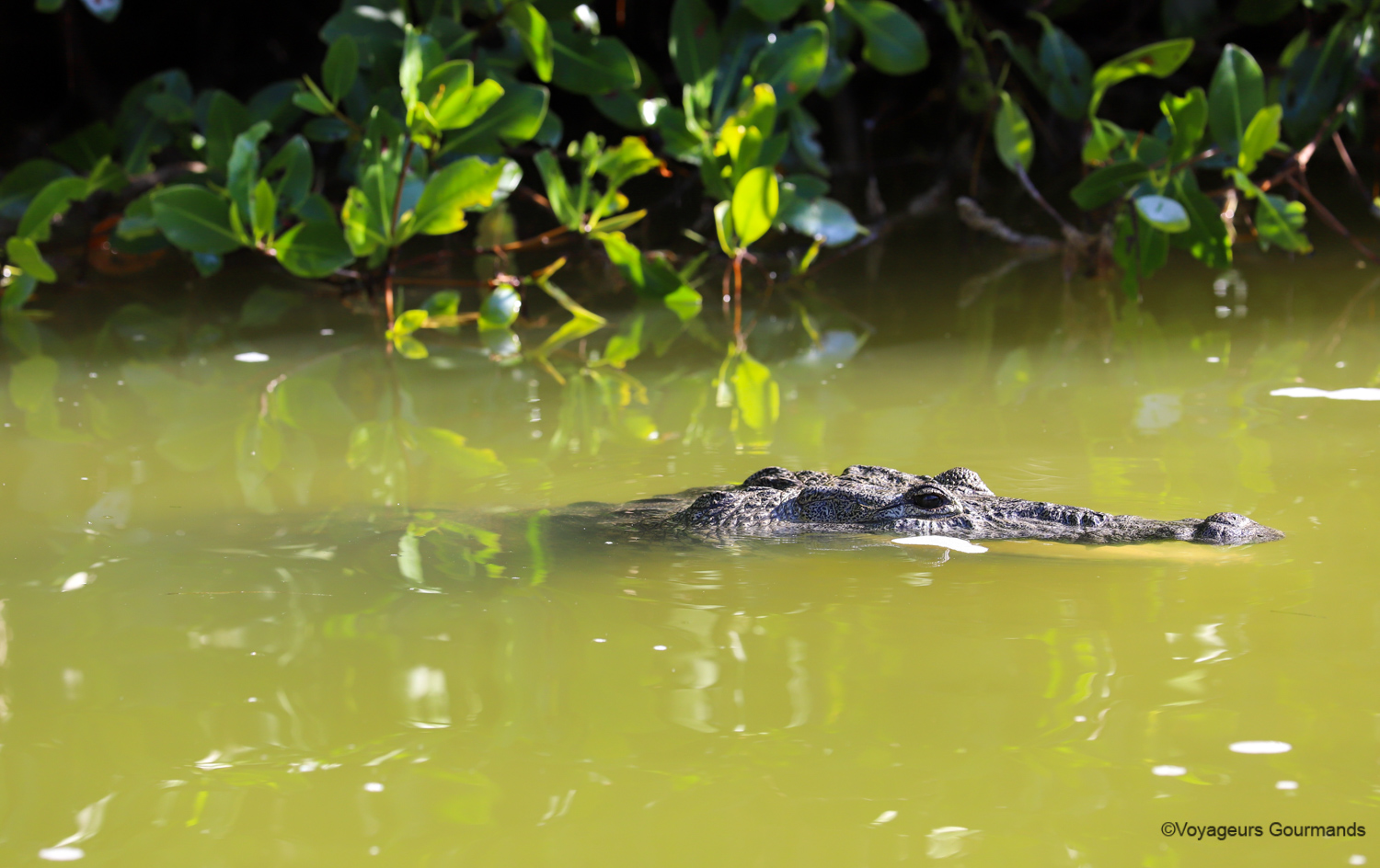
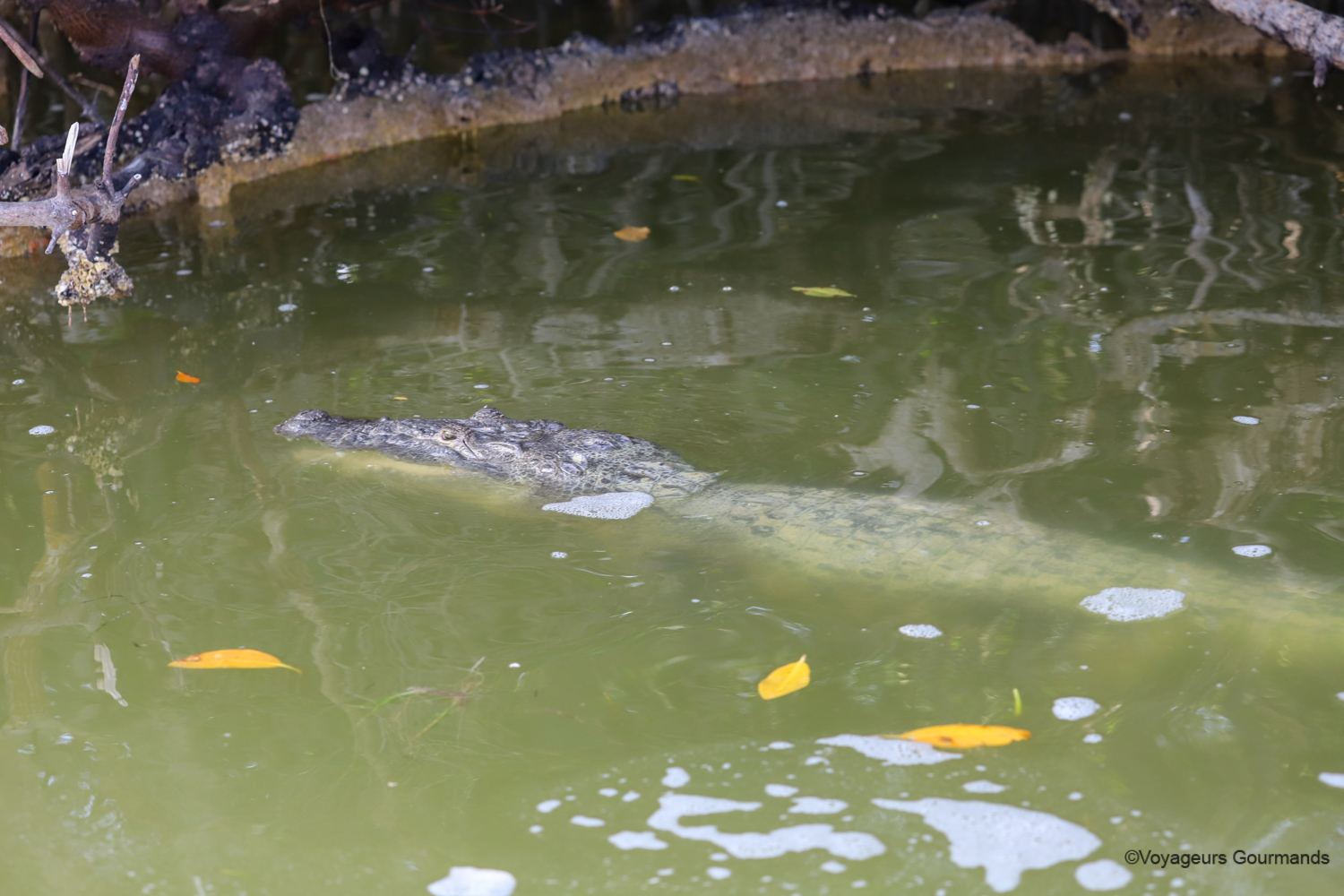
A few metres further on, two fishermen call out to us: there’s a crocodile right next to them… David moves a little closer and cuts the engine. The animal is completely still, you’d think it was fake… The water is dark but hints at its size. Just as we’re leaving, a noise startles it and it whips round in a few seconds… Yeah, I still have no intention of letting my hands trail outside the boat…
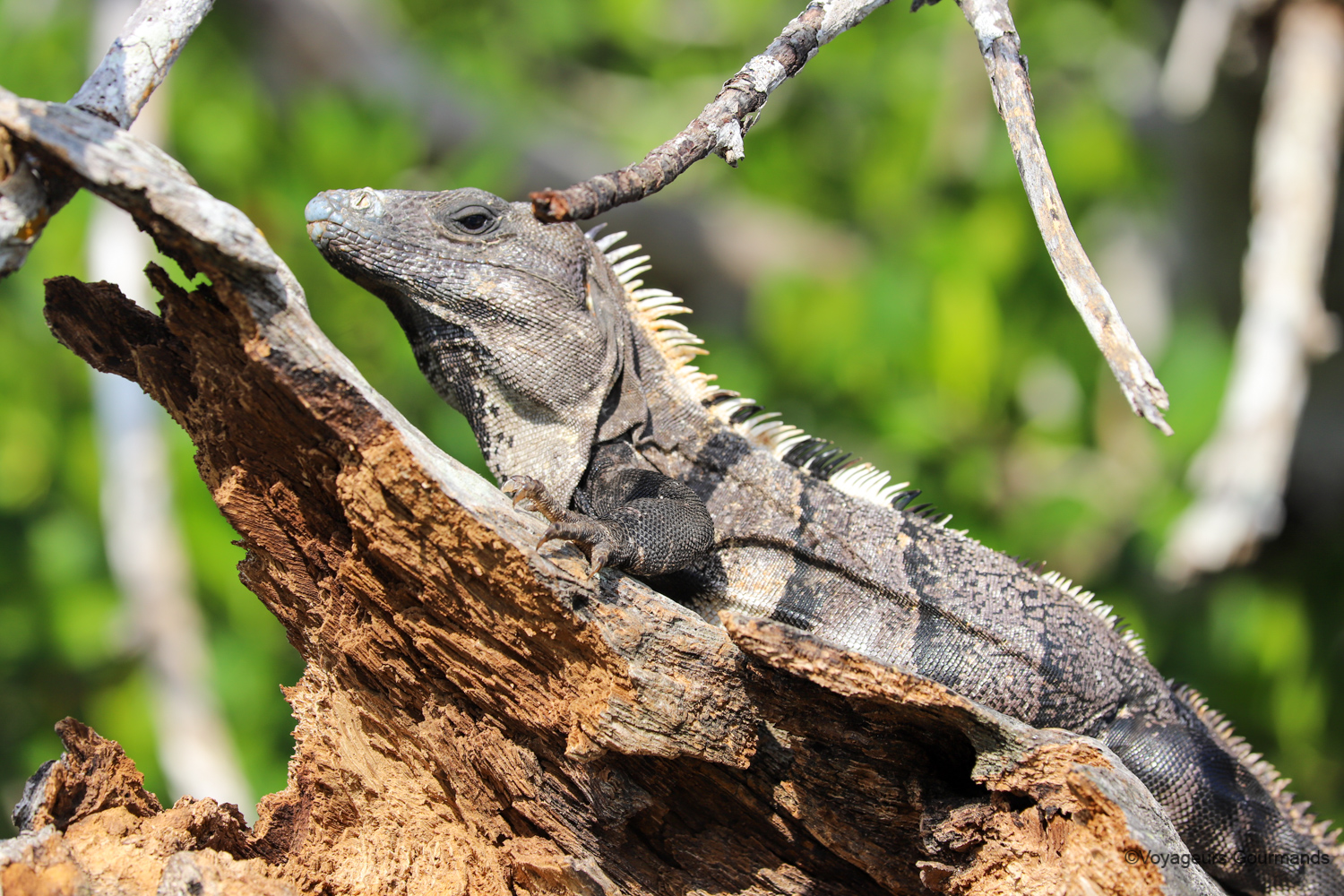
We head slowly back through the channels, our guide regularly stopping to show us other birds, and even an iguana! Half the time, Alcino and I hadn’t even noticed them! Our guide spots them so quickly you’d almost think he’d come out beforehand to put them there…
The flamingos
After a good hour of wildlife watching, our guide tells us to hold on tight before speeding off towards the salt flats… and the flamingos!
We arrive near Las Coloradas, pull the boat up and walk onto a small hill of salt. Two of the site’s security guards pass in the distance but recognise our guide and wave to him. He has the “right” to stop here, as long as he doesn’t enter the site. We visited Las Coloradas the day before, but we enjoy hearing the story of the site and how the salt is made all over again. (We tell you about Las Coloradas in the second part of this article.)
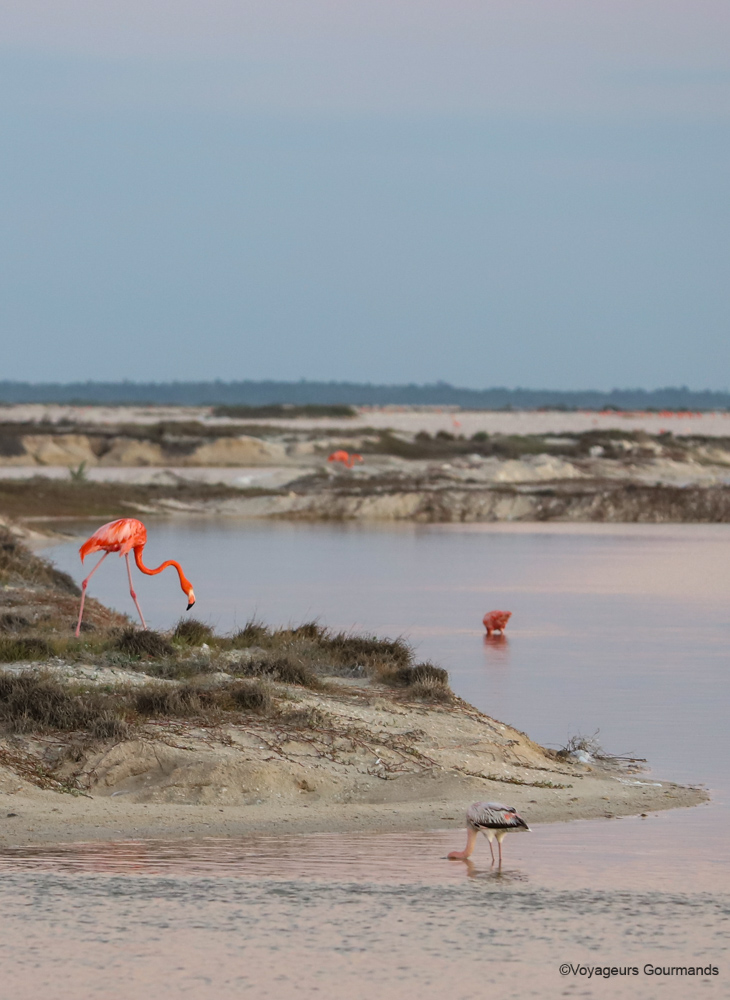
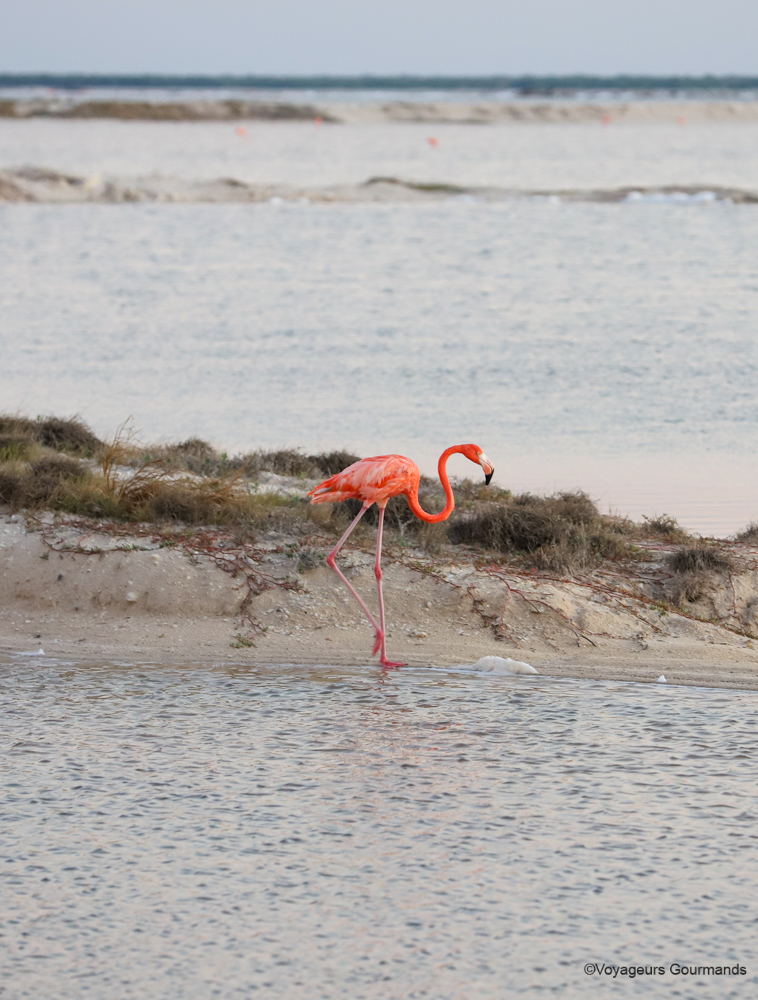
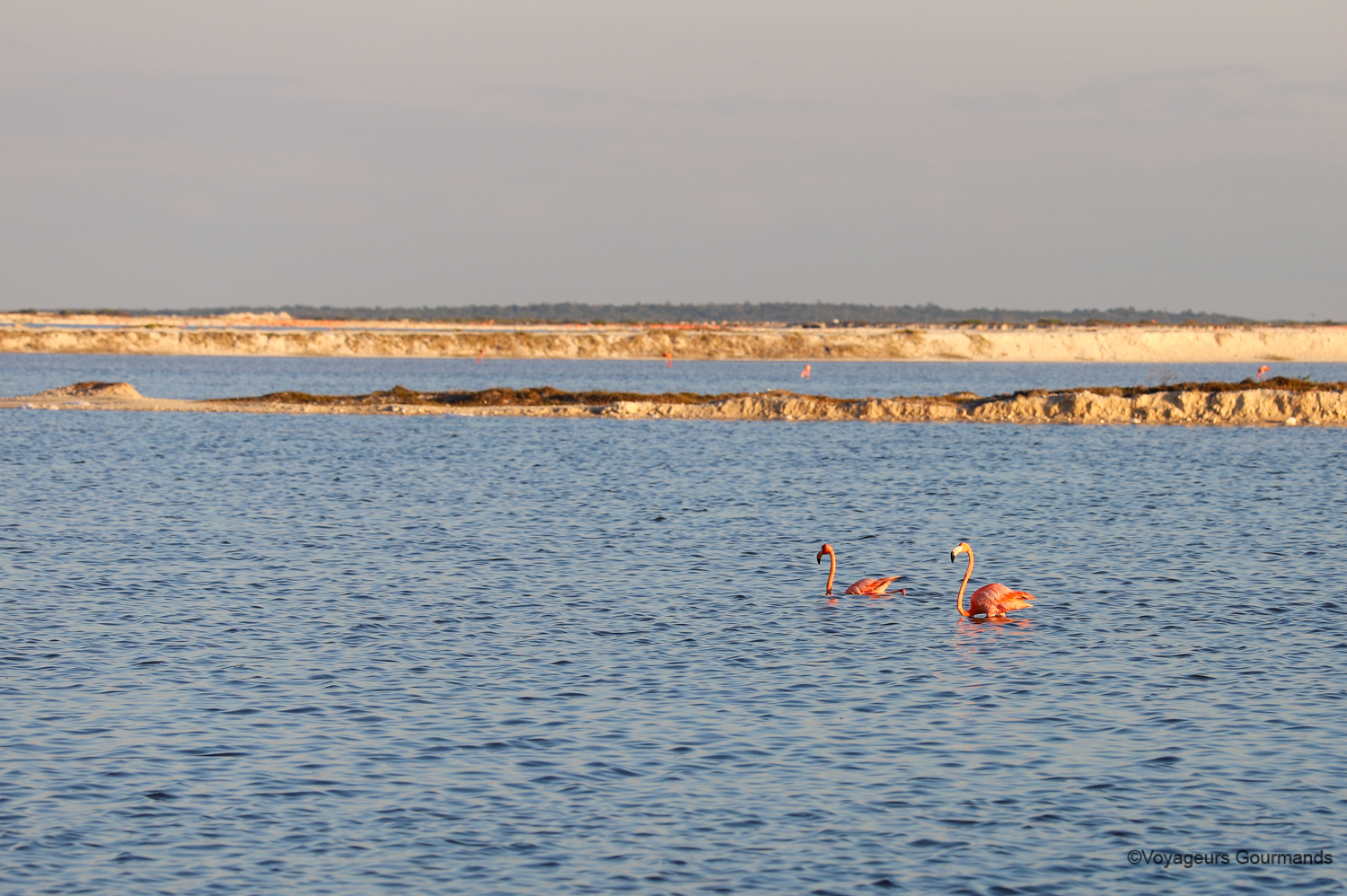
We spot a few flamingos in the distance and go wild. We also get a few explanations about their colour. By the way, do you know why they’re pink? And that they’re born white? We don’t get close: David really respects the animals. We don’t want to leave, but he tells us it’s the end of the trip… We’ve been out for 2 hours 30 minutes, and we need 30 minutes to get back to the starting point…
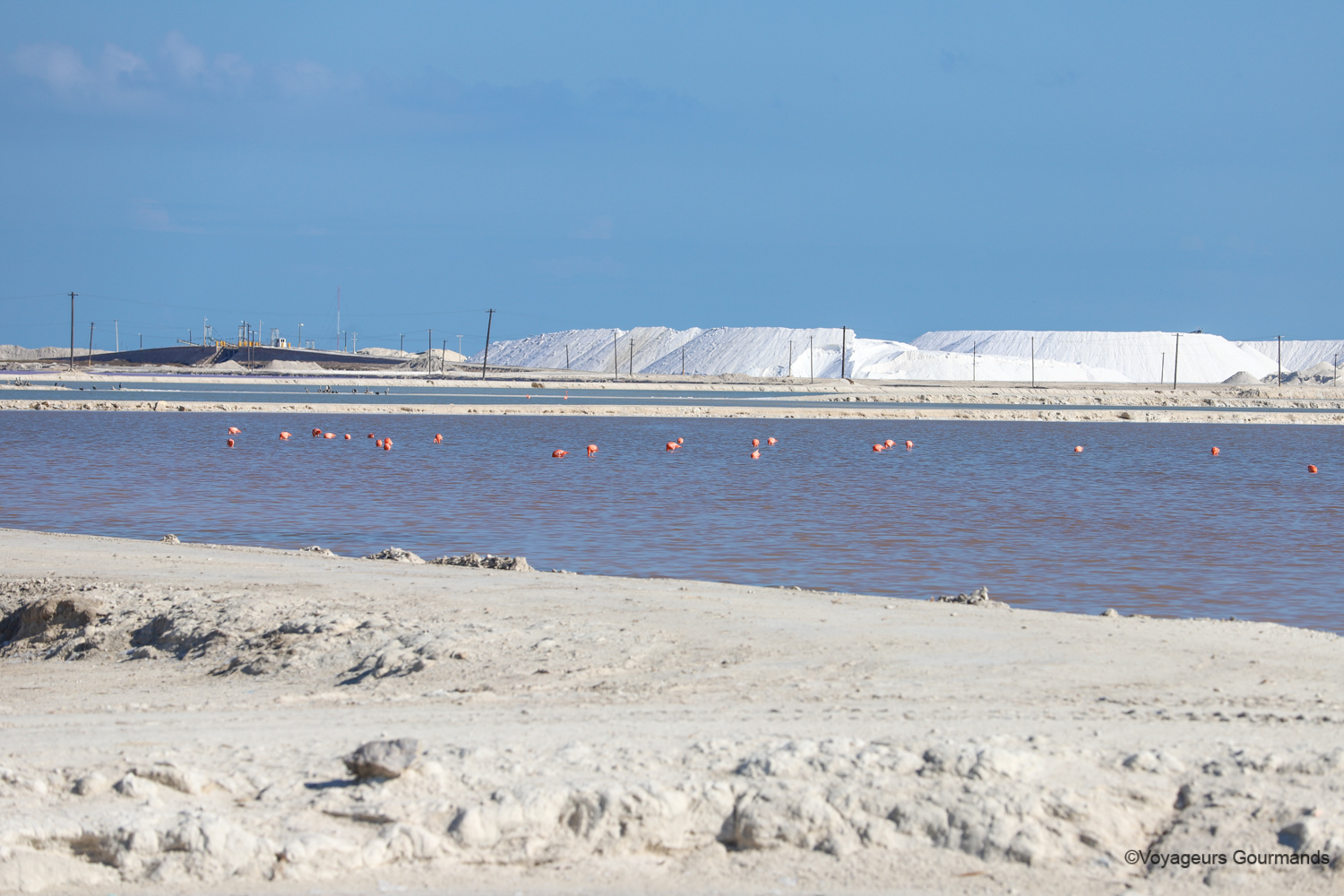
We set off thinking we’re heading back… But David doesn’t head for the channels: he crosses the lagoon opposite Las Coloradas, on the other side from where we were… And there… not 1, not 2, not 5, but dozens of flamingos! What a unique moment! Now I want to leave even less!
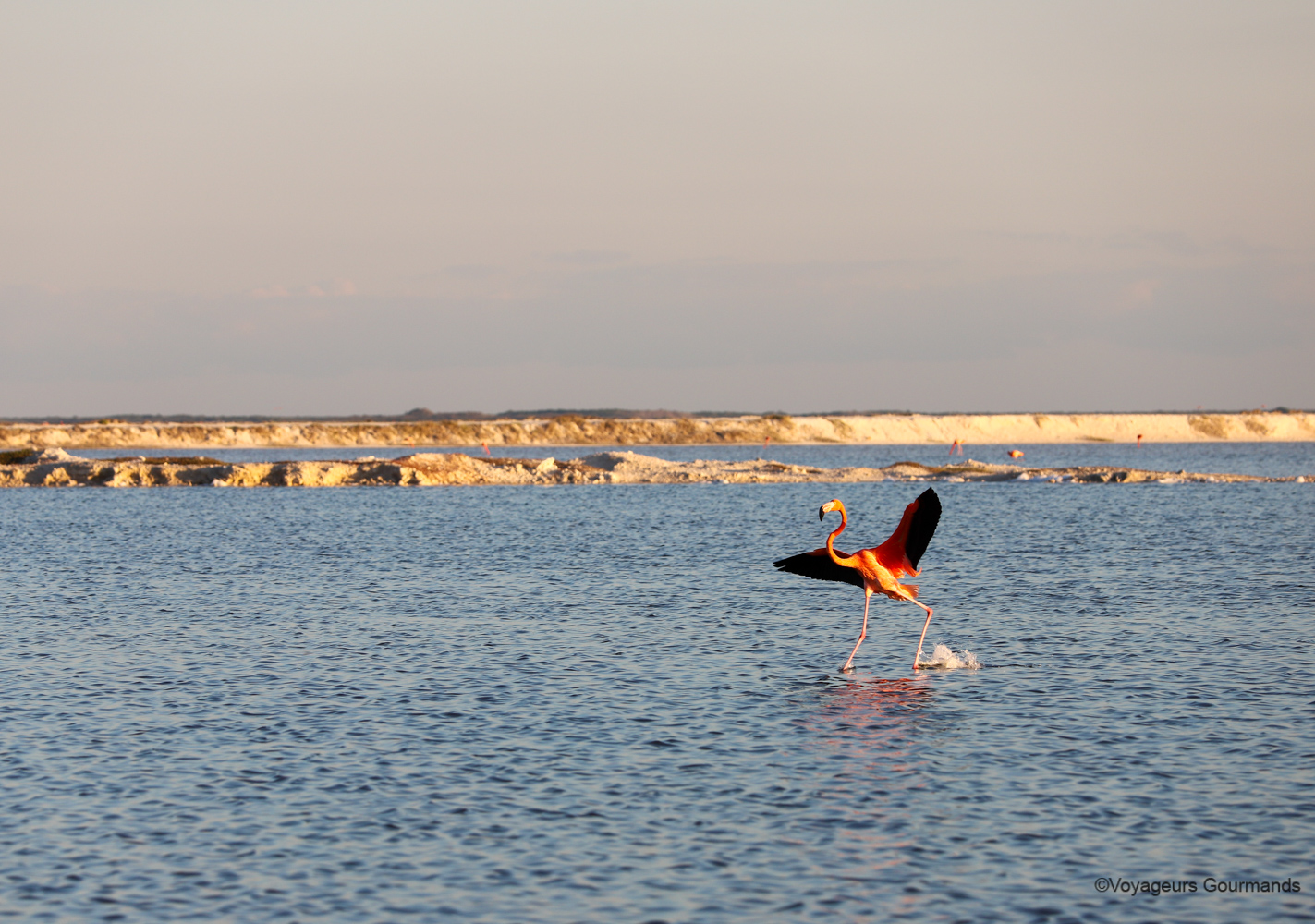
Some are eating, others take flight… and others do a sort of “dance”. Our guide explains that it’s the males courting the females. In theory, the mating season is in March… and it’s January… It’s one of the effects of global warming…
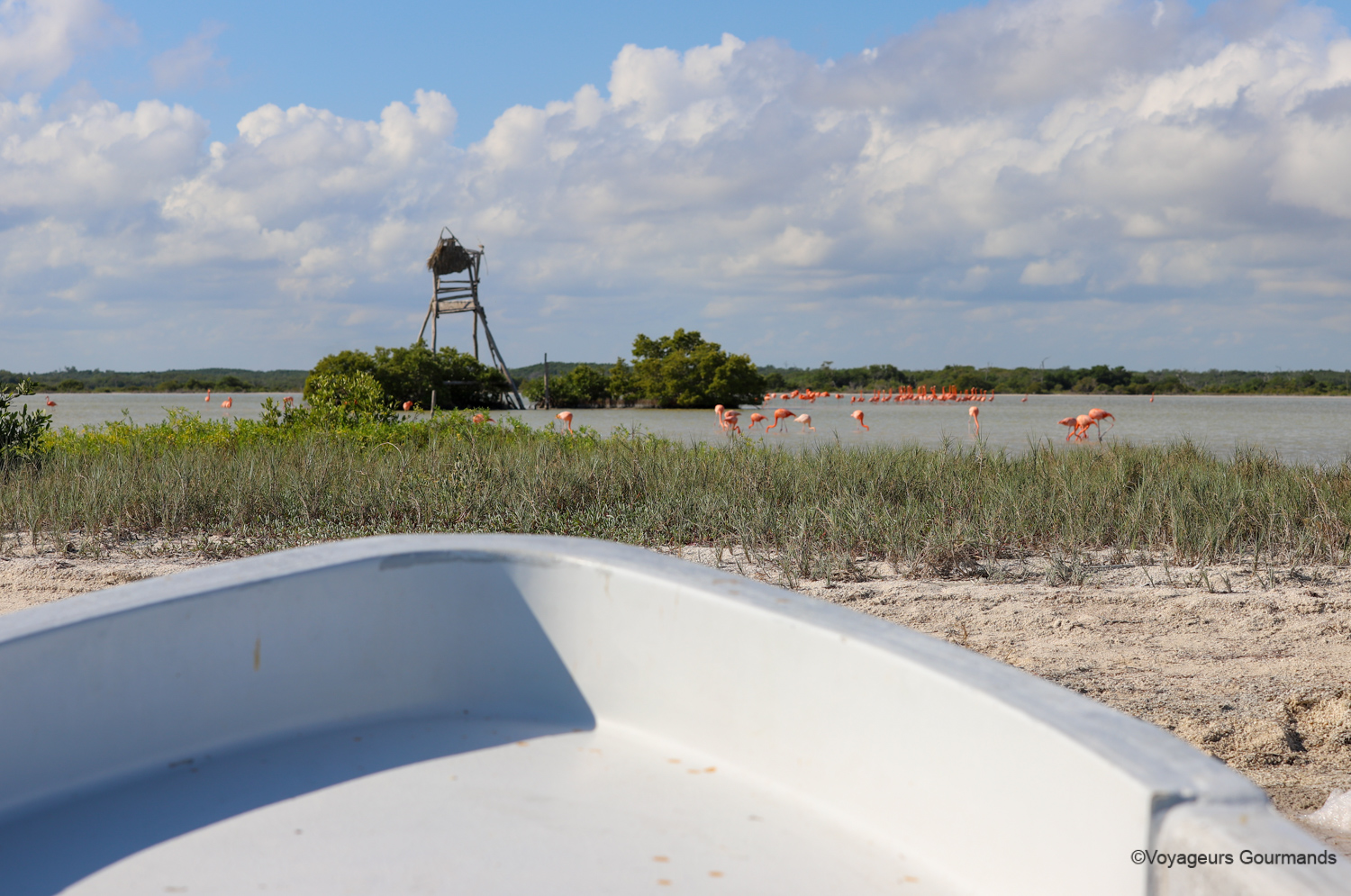
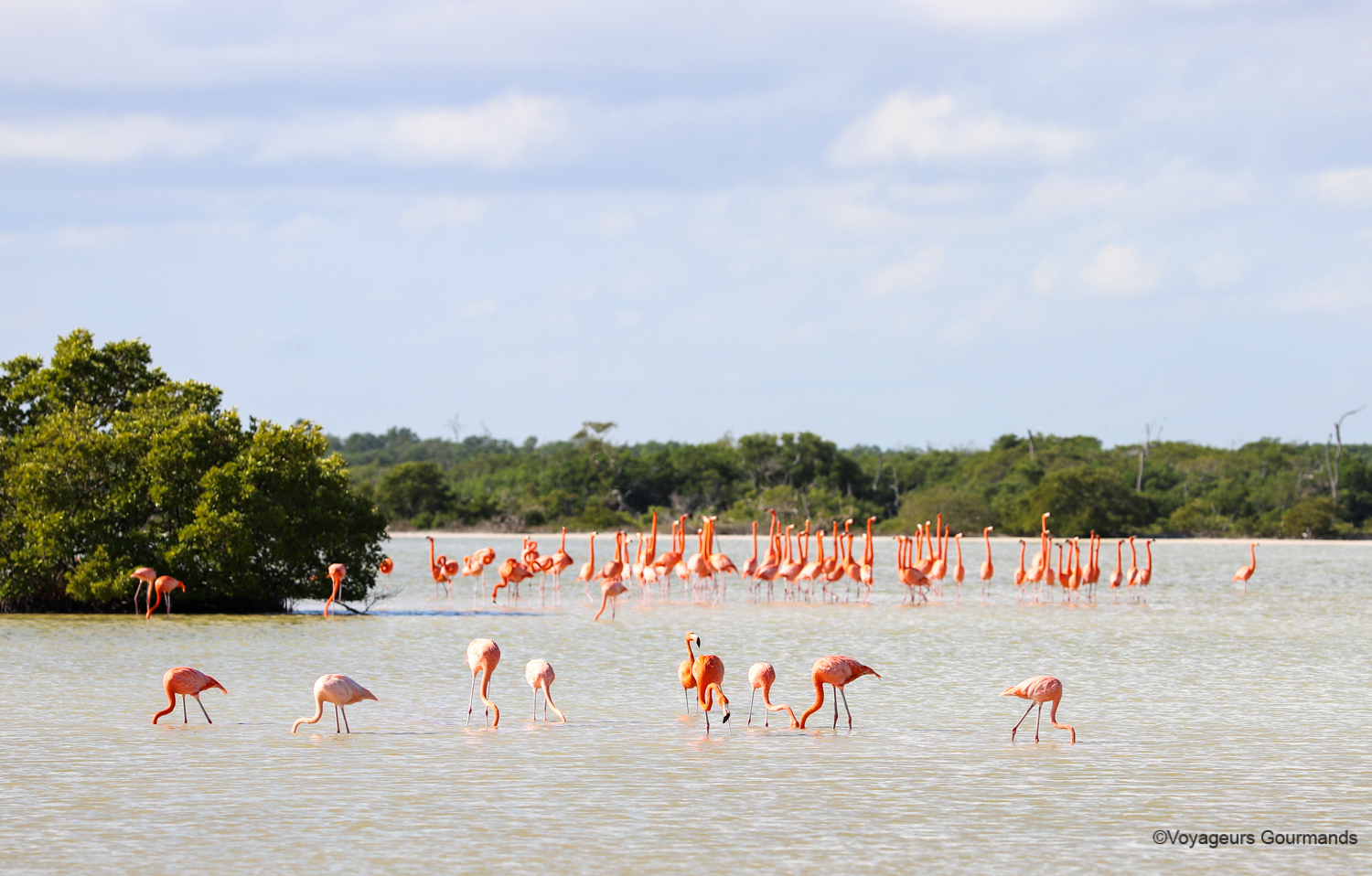
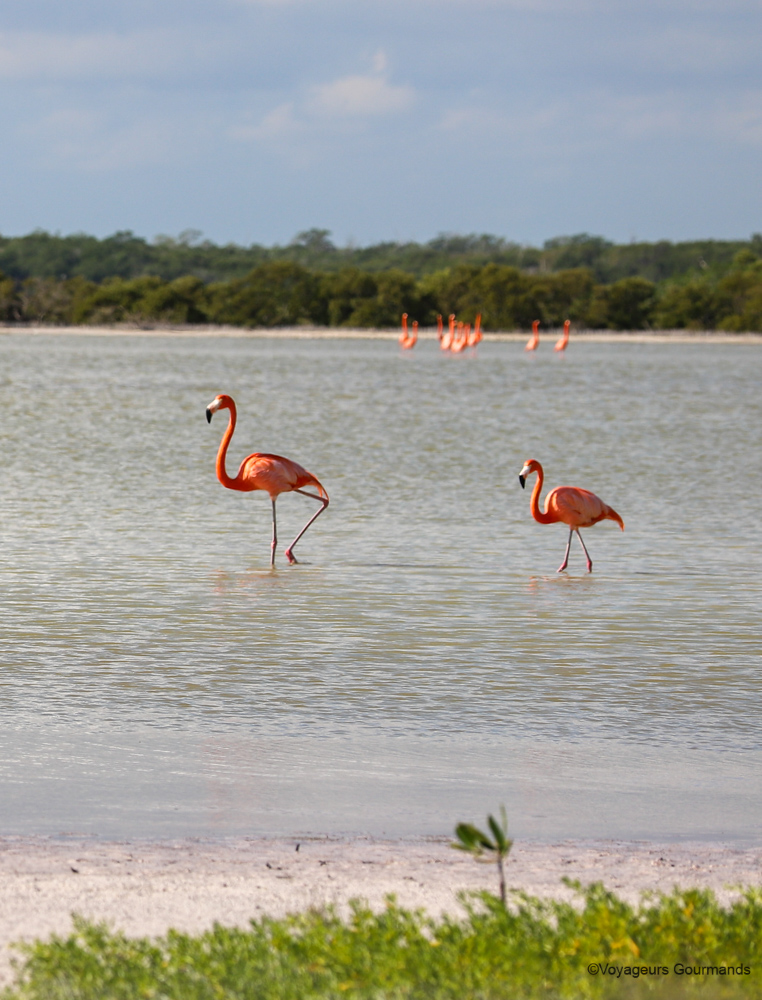
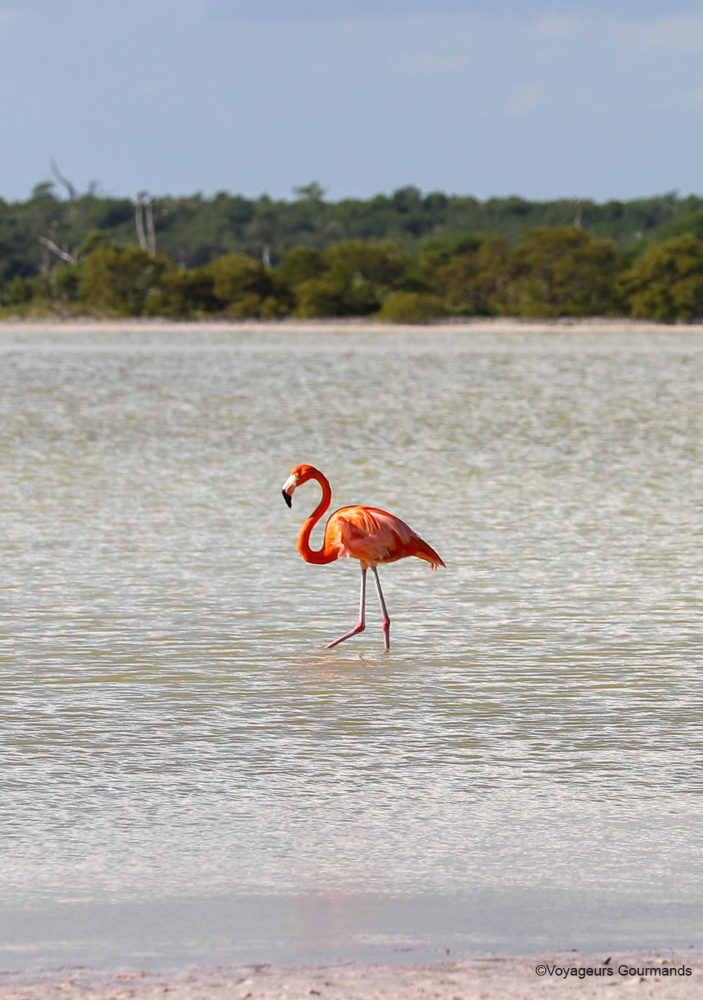
After this unique moment, we speed off at full throttle, eyes filled with even more pink stars… We enjoy the sea air and the wind whipping our faces, we stop talking, we feel privileged. And we think to ourselves that David really does have a pretty great job…
Las Coloradas
Our original plan was to reach Rio Lagartos in the evening, do the boat trip the next morning, then head to Las Coloradas before leaving.
In the end, we realise on the road that we can arrive early enough to go straight to Las Coloradas. We get to the site at 4:30 pm; it closes in about half an hour. Just so you know, it’s private land, so entry is paid and the visit must be done with a guide. It only lasts a short quarter of an hour and, in itself, it’s nothing extraordinary. We quickly learn the history of the place, a few “secrets” about the colour of the salt ponds, a little about flamingos… The place is beautiful, but if that were all there was to see around here, we’re not sure it would be worth the detour.
What’s also stunning are the aerial views of the salt ponds. But since a drone fell into one of them and contaminated the salt, drones have been banned.
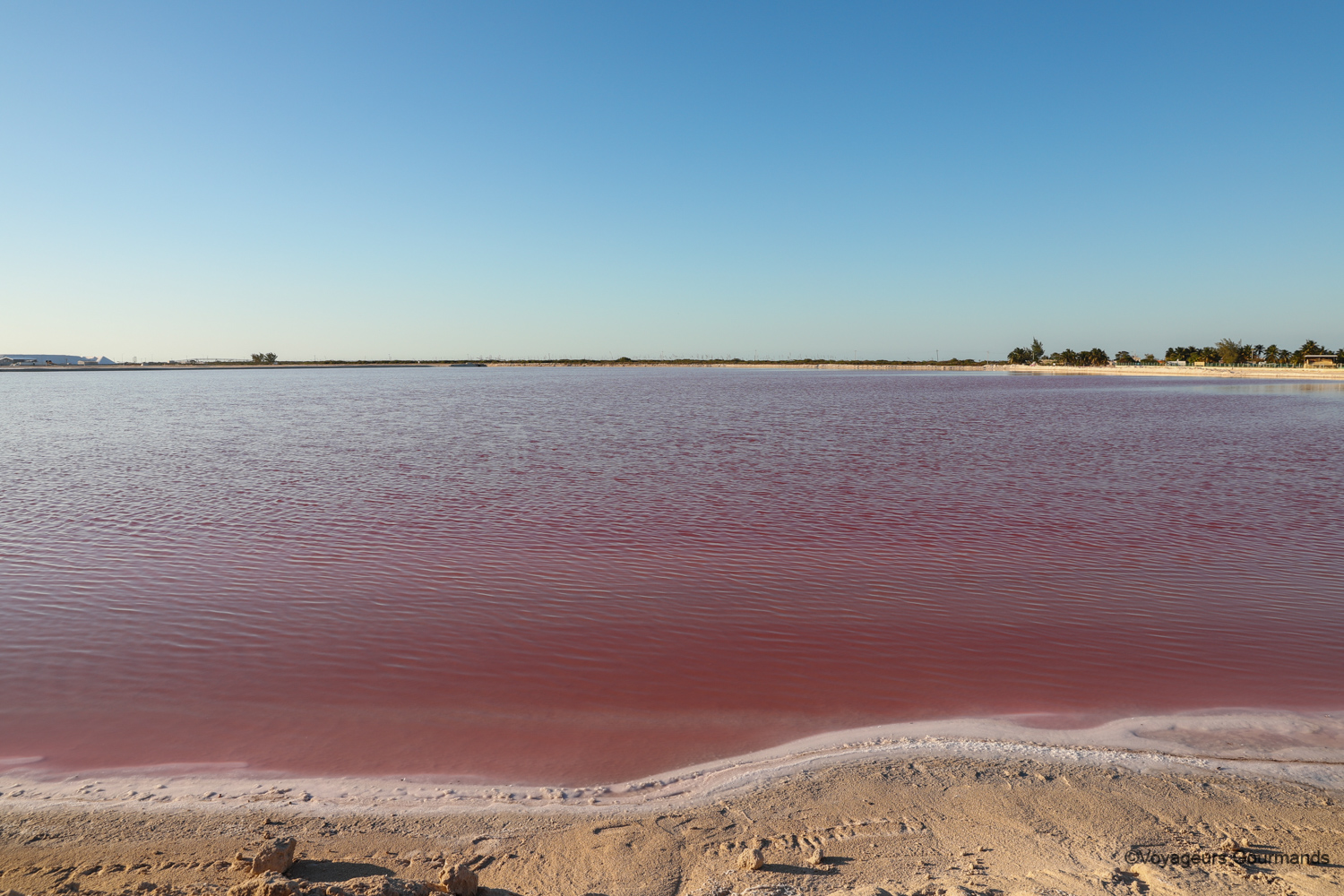
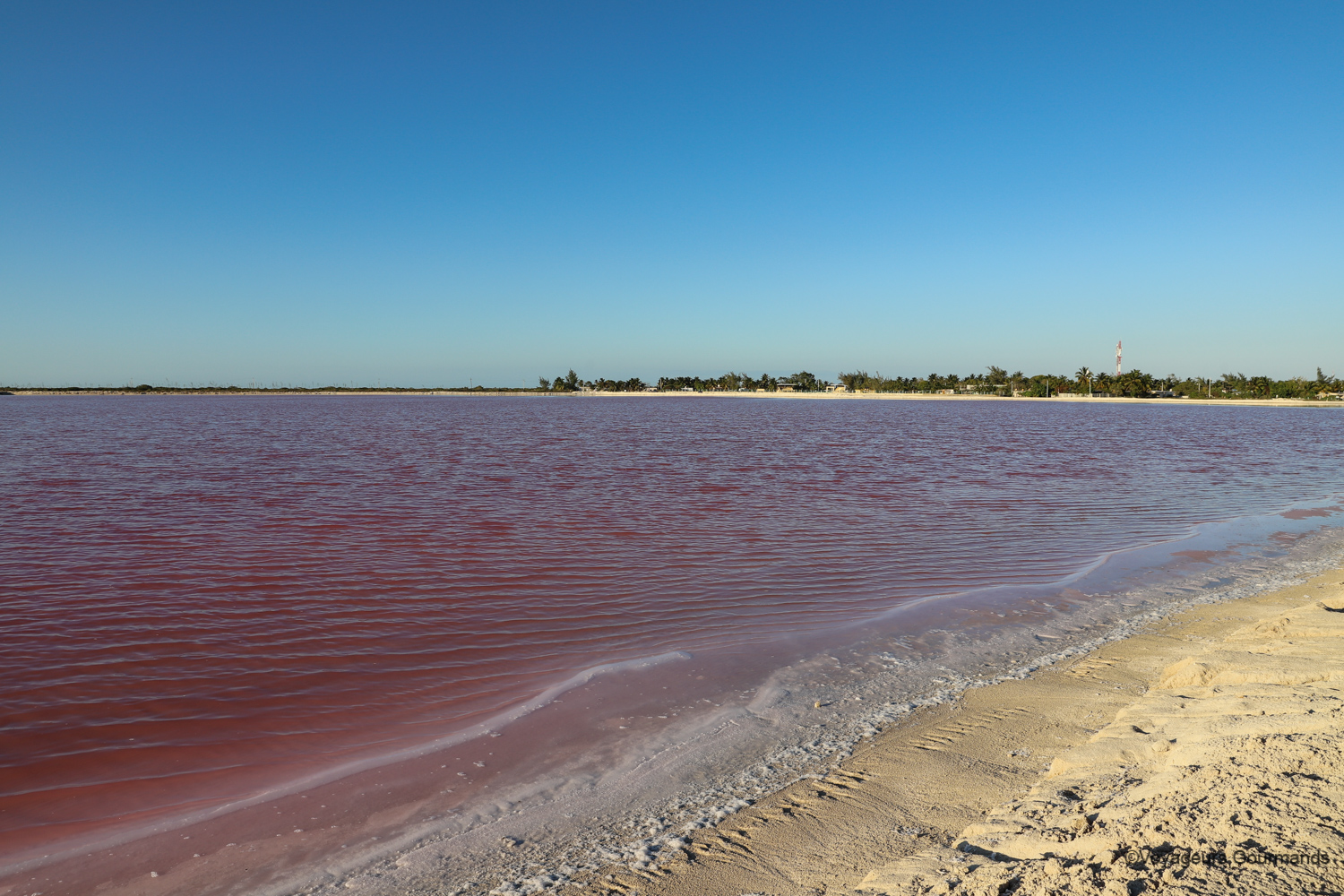
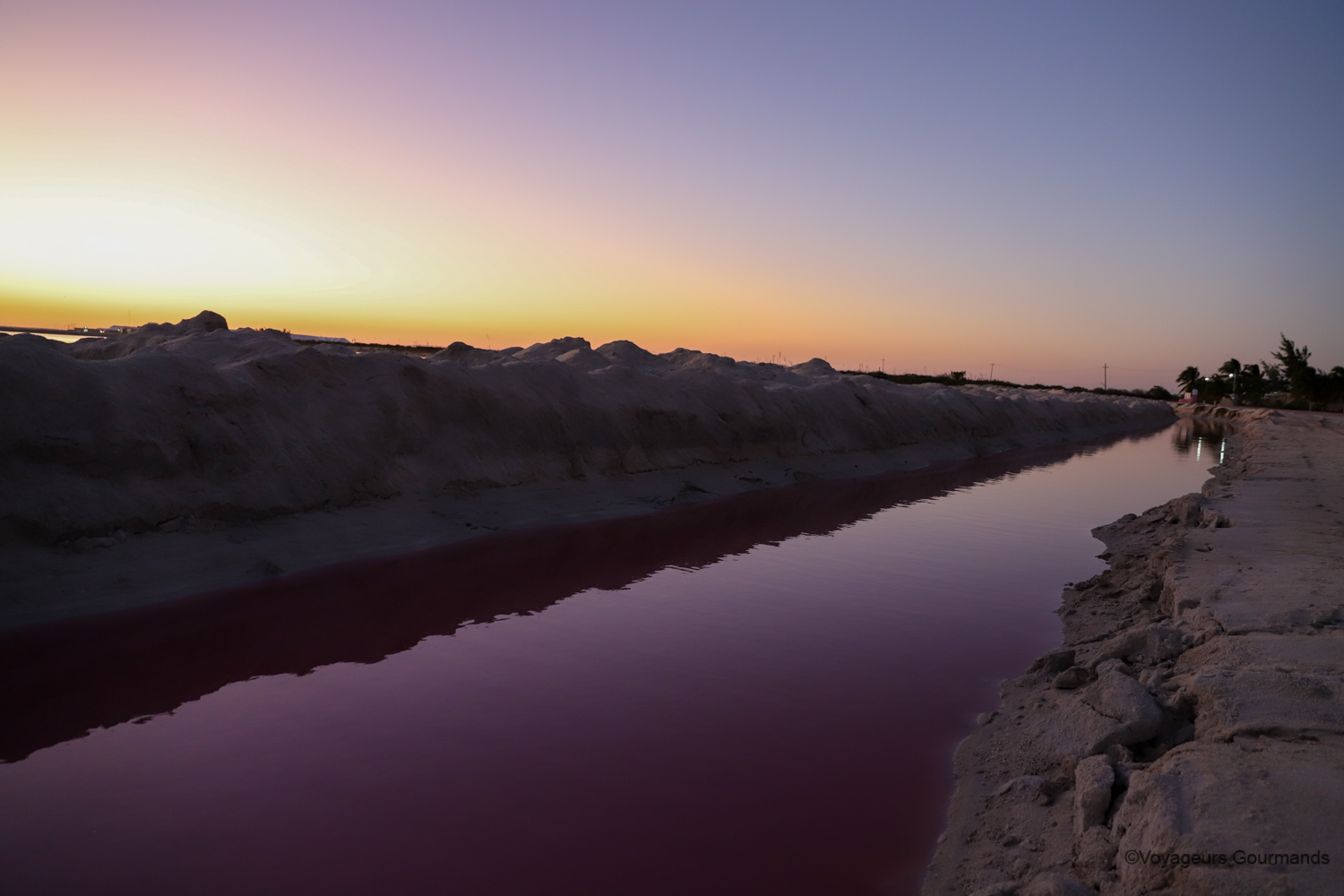
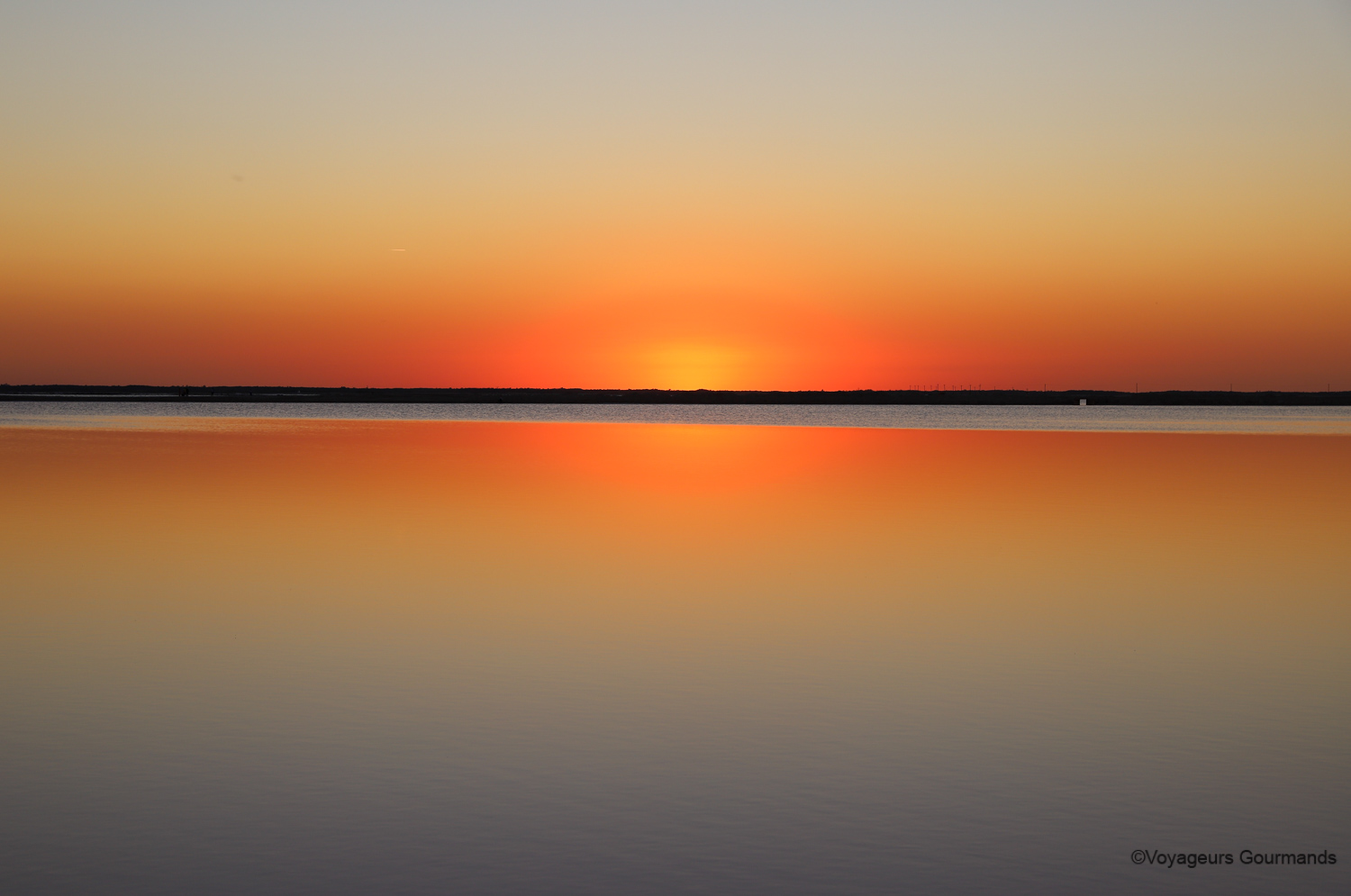
Even if we weren’t blown away by the visit, let’s be honest: the sunset here is gorgeous…
Why is the water at Las Coloradas pink?
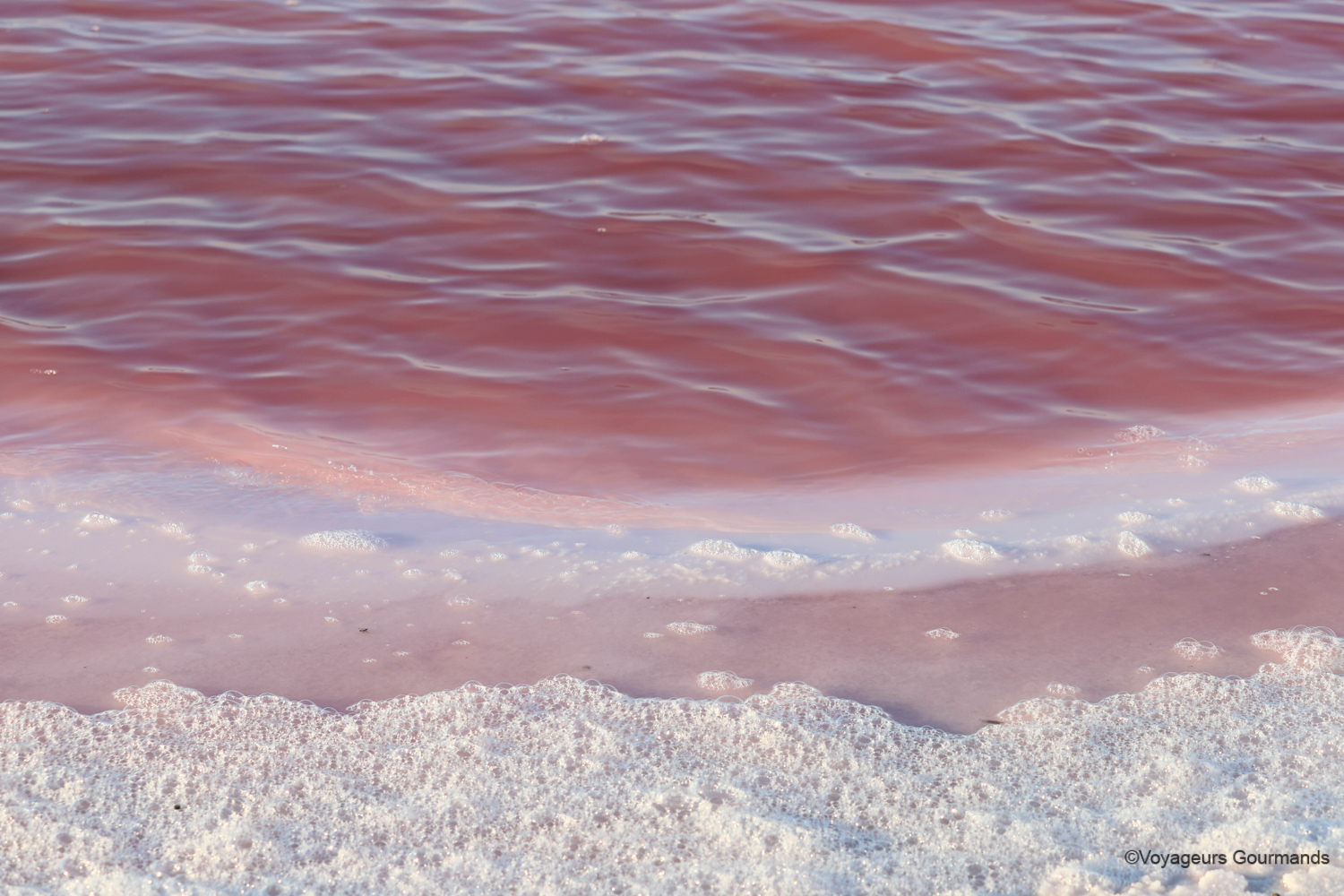
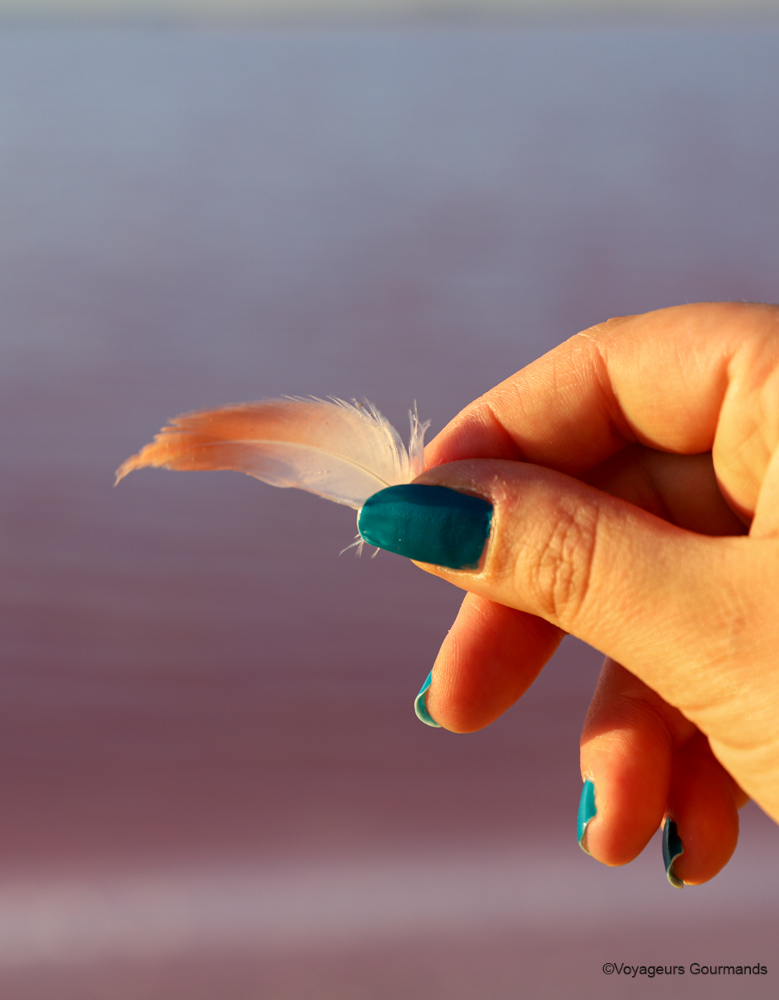
Remember David’s question about the flamingos’ colour? The answer is right here! The ponds at Las Coloradas are salt pans, used to produce salt. This ultra-salty water is teeming with micro-algae and tiny brine shrimp, which produce red pigments. These same pigments colour the water… and the feathers of the flamingos that feed on them!
The intensity of the pink depends on the sun, the salinity and the season. The colours are at their brightest from March to May, between 11 am and 3 pm. We were there at sunset… it was sublime, but if you want the candy pink you see in photos, go in the middle of the day instead.
Can you swim at Las Coloradas?
No, and it’s often a disappointment for visitors! Swimming is forbidden, as is walking in the ponds. The site is a private operation producing salt for consumption, so you have to keep your distance from the edge. It’s for the same reason that drones are now banned.
💡 Good to know
📍 Where: about twenty minutes’ drive from Rio Lagartos
🎟️ Price: 331 pesos per person for foreign visitors, 230 pesos for Mexican nationals, guide included (2026 prices)
🕒 Duration: allow a short quarter of an hour for the standard guided visit
☀️ Best time: between 11 am and 3 pm for the brightest colours
🚫 Not allowed: swimming, walking in the ponds and flying drones
🔗 Booking: on site at the entrance, or online on the official Las Coloradas website
Rio Lagartos: practical info
Where to stay?
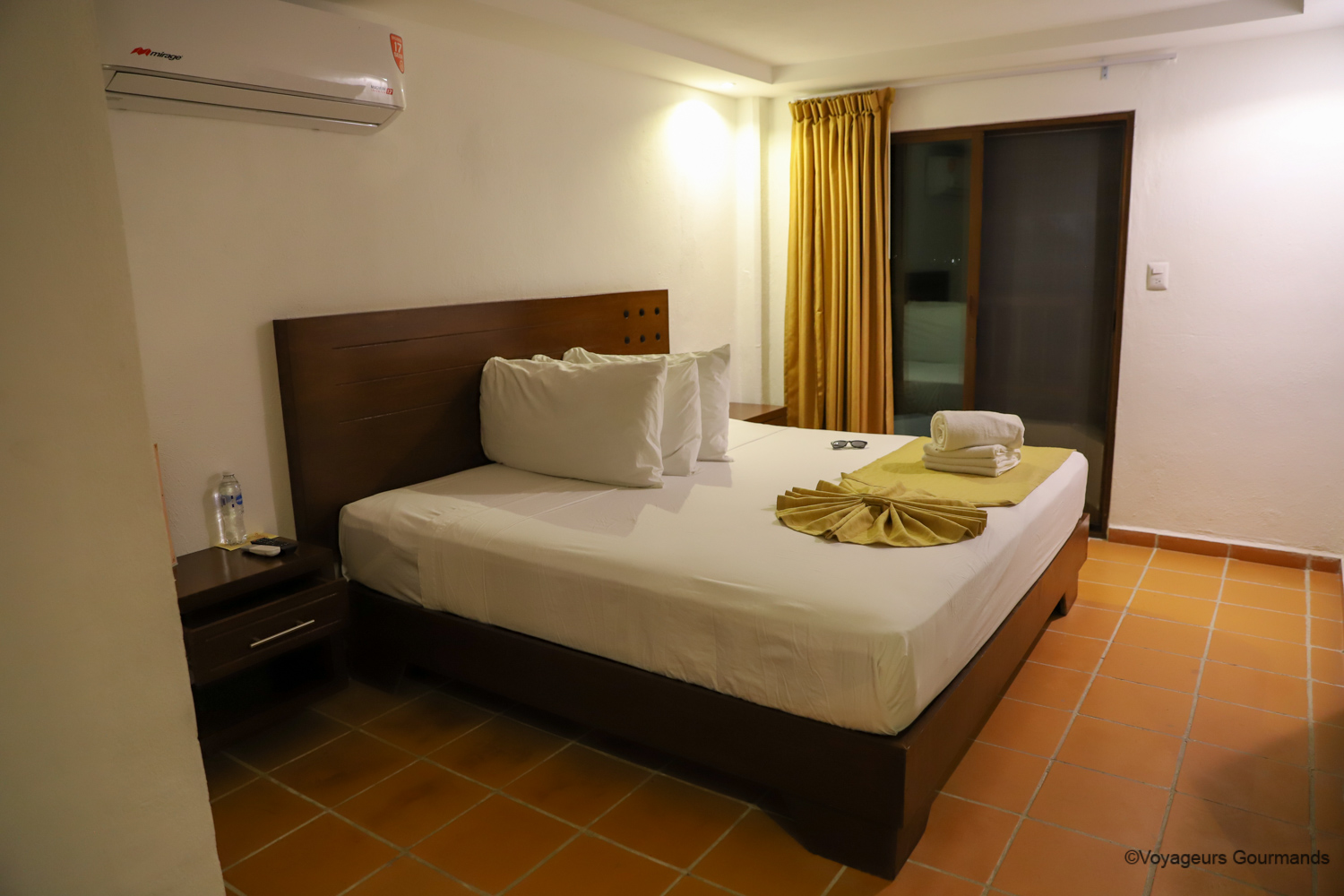
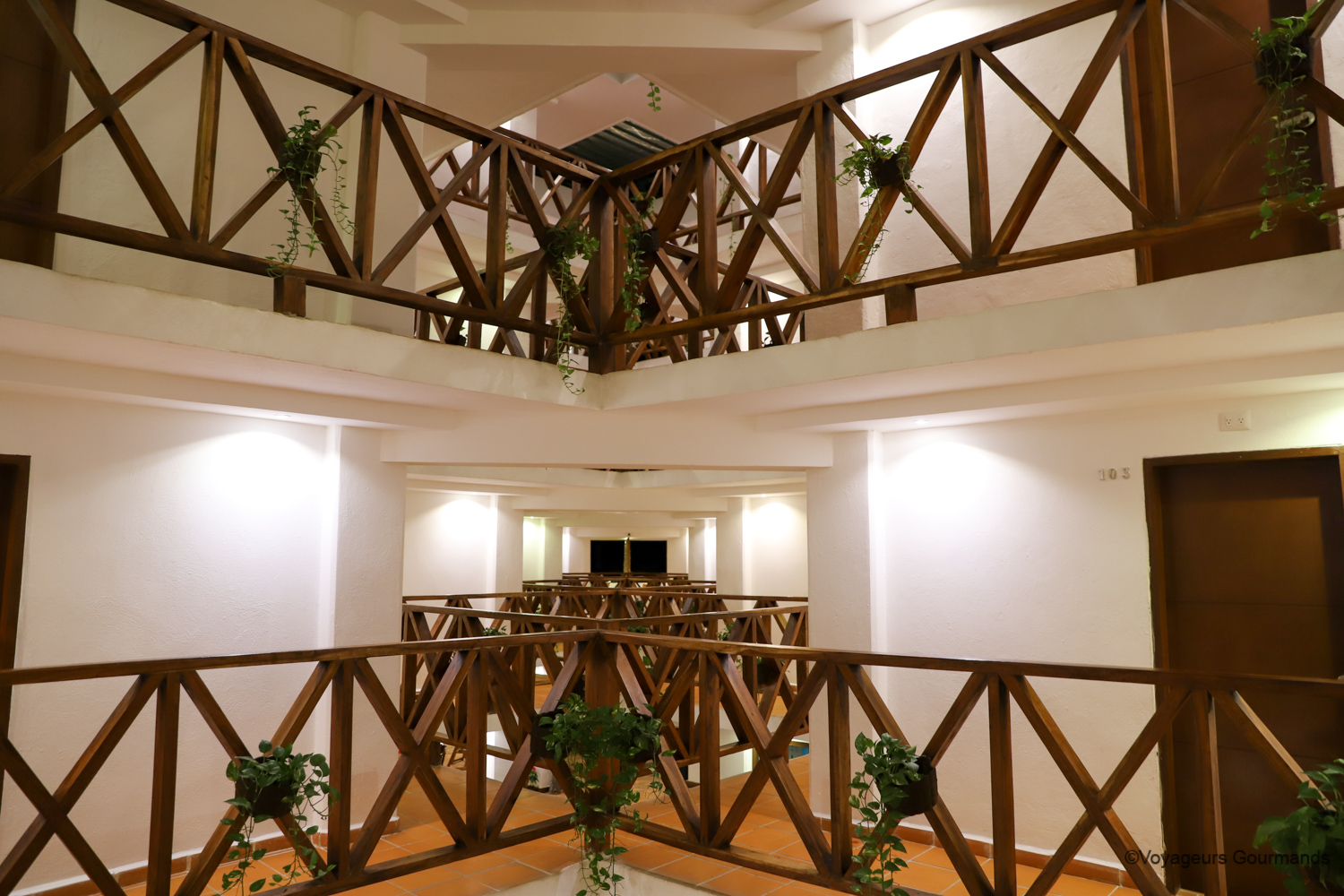
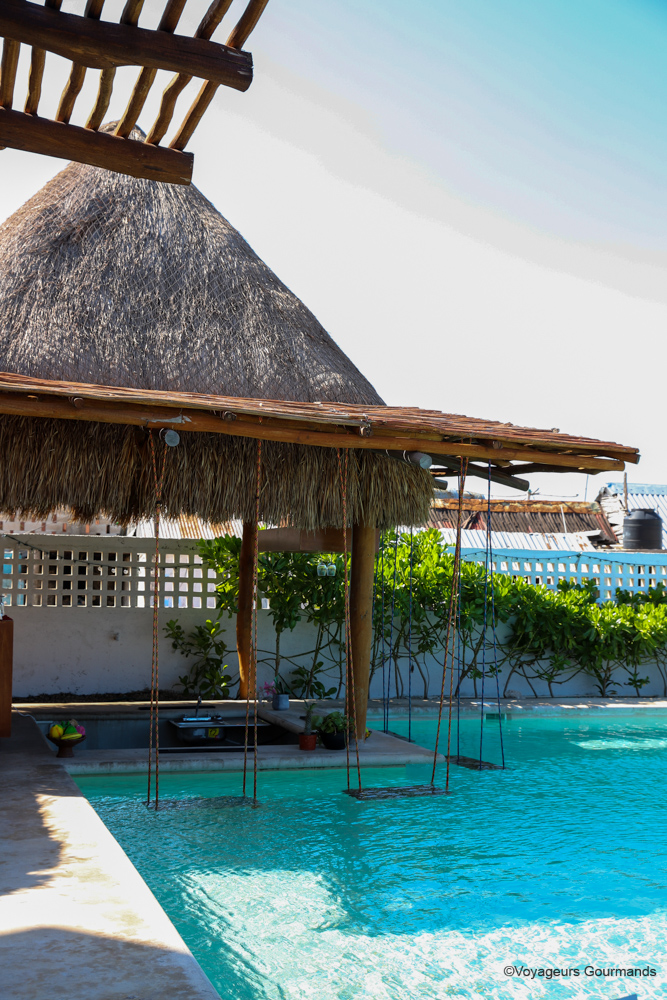
We 100% recommend where we stayed: Hotel Rio Lagartos! The place is gorgeous and really well located, the rooms are huge and the restaurant is excellent! We had one of our first guacamoles there, and our mouths are still watering! We even regret not arriving a bit earlier to enjoy the pool!
Where to eat?
Arriving in the evening after a long drive, we were delighted that our hotel had a restaurant. So we had dinner there, with several Mexican specialities on the menu! Yum! Everything was delicious and very generous, we recommend it!
After our trip in the Rio Lagartos reserve, we got back to the hotel just after 10 am, just in time to enjoy the breakfast buffet.


Other useful info
➺ Watch out for the time difference! It’s one hour earlier here than on the coast (in Tulum, for example). Funny story: we’d completely forgotten about the time difference… We rushed like crazy from Tulum to be at Las Coloradas for sunset at 5:30 pm… And once there… we realised it was actually 4:30 pm…
➺ To get to Las Coloradas and Rio Lagartos, you need to drive to Tizimín; from there, a single road takes you to the coast.
➺ For the boat trip in the reserve, expect to pay around 1,200 to 1,500 pesos per boat (up to 6 people) for a 2.5 to 3-hour trip. Prices vary between agencies and depending on whether you share the boat: ask on the spot the day before, or book online.
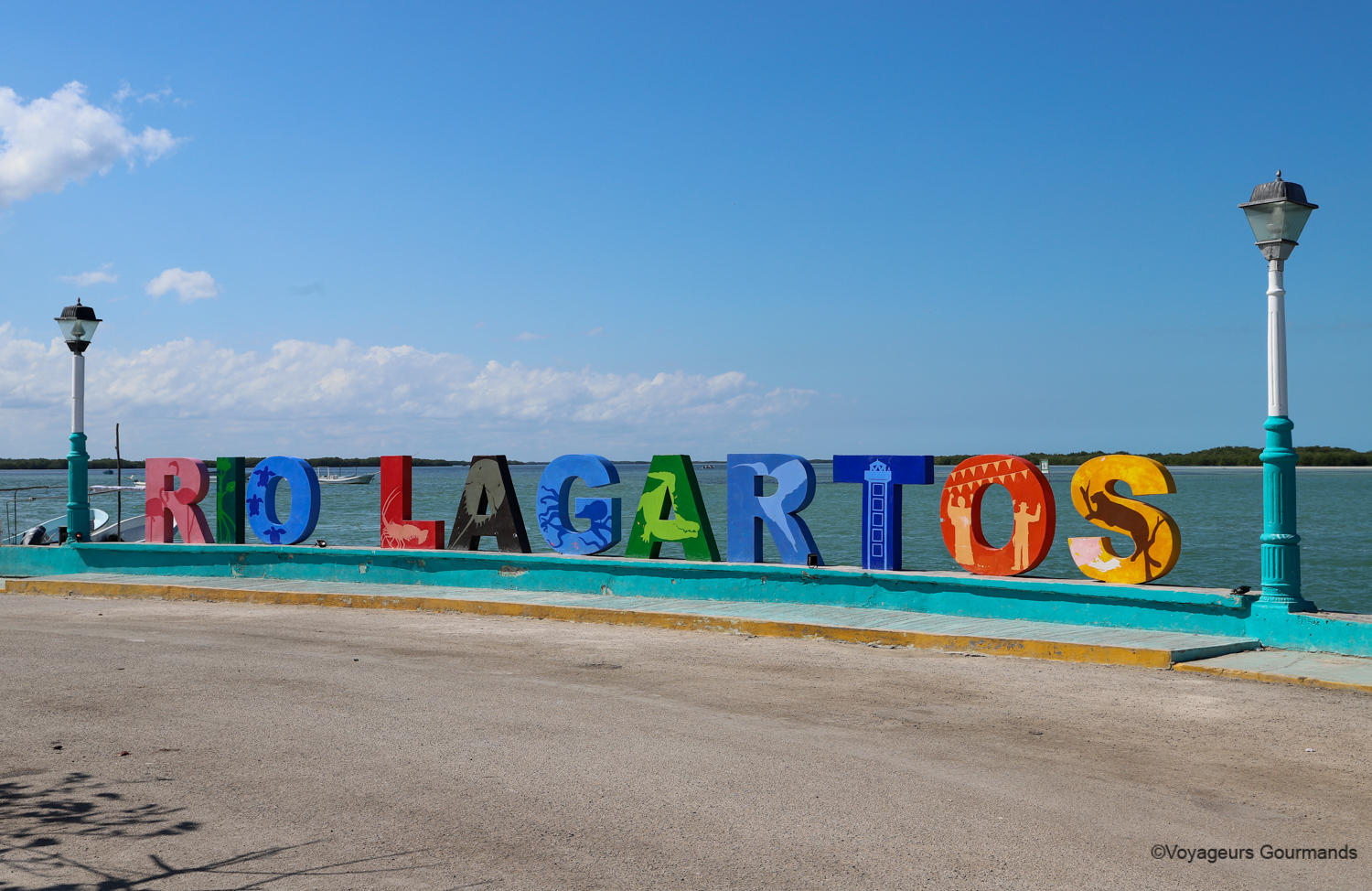
➺ The town of Rio Lagartos itself isn’t of great interest, apart from its nature reserve. A small church and the Malecón (seafront promenade) can be seen fairly quickly. That’s what we did before heading back to Tulum.
➺ The visit to Las Coloradas is paid and must be done with a guide (you’ll find one at the site entrance).
✤✤✤
The Rio Lagartos reserve was one of our favourite stops on our Yucatán road trip. We enjoyed nature, saw animals in their natural habitat, had great weather, ate well and stayed in a top hotel… A lovely place for anyone who wants to see something other than the beautiful Caribbean beaches! And if you love nature, don’t miss the Sian Ka’an reserve, the monkeys of Punta Laguna or a swim in the cenotes of Yucatán.

FAQ
The frequently asked questions are here!
Rio Lagartos or Celestún for flamingos?
We didn’t go to Celestún (in Yucatán state, west of Mérida, close to the Campeche border), so we can’t give you our opinion on it. However, we can explain our choice. We chose Rio Lagartos over Celestún simply because it’s right next to Las Coloradas, which we also wanted to see. That way, we could see 2 sites in a single stop.
When is the best time to visit Rio Lagartos?
The best time to visit Rio Lagartos is between November and April. Temperatures are pleasant and there’s little rain, which makes boat trips and wildlife watching much more enjoyable.
How do you book a boat trip in Rio Lagartos?
The easiest way is to drop by one of the agencies in the village the day before, such as Rio Lagartos Adventures, which offer departures at 7 am or 10 am. If you’d rather have peace of mind, you can also book online in advance.
How much does a boat trip in Rio Lagartos cost?
Expect to pay around 1,200 to 1,500 pesos per boat, which takes up to 6 people, for a 2.5 to 3-hour trip. Prices vary between agencies and depending on whether you share the boat.
Why is the water at Las Coloradas pink?
The ponds at Las Coloradas are salt pans. This very salty water is home to micro-algae and tiny brine shrimp that produce red pigments. These colour the water, and also the feathers of the flamingos.
Can you swim at Las Coloradas?
No, swimming is forbidden, as is walking in the ponds. The site is a private operation producing salt for consumption. Visits are guided only and cost 331 pesos per person for foreign visitors.