


For the final stage of our road trip in Croatia, we chose to visit Split! We booked 4 nights there to discover the city and also explore the surrounding area.
We spent one day on the island of Brac and another visiting Trogir and the Makarska coast as far as Brela. On the last two days, we took our time to explore Split inside out.
The rest of the time, we explored Split in every direction… and we absolutely loved it. The city won us over with its balance of history, nature and beaches, all paired with delicious food and incredible artisan ice cream. Split really has it all!
✤✤✤
Split at a glance
| 📋 Key info | ✨ Our tips |
|---|---|
| 📍 Where? | On the Dalmatian coast, in the middle of the Croatian coastline, around 4 hours’ drive from Zagreb |
| ✈️ How to get there? | By plane to Split Airport, 25 km from the centre, or by car as part of a road trip in Croatia |
| ⏱️ How long? | 2 full days for the city, 4 days to add the island of Brac, Trogir and the Makarska coast |
| ⭐ Must-sees | Diocletian’s Palace, St Domnius Cathedral and its bell tower, the statue of Gregory of Nin, Marjan Hill, Bacvice beach |
| 🌤️ When to go? | May, June and September, for good weather without the summer crowds |
| 🍝 Where to eat? | Bepa for truffle pasta, Luka Ice Cream for artisan ice cream |
| 🛏️ Where to stay? | In or near the old town: everything can be visited on foot |
| 🚗 Do you need a car? | Not in the city, but it is handy for day trips around Split |
Things to do and see in Split
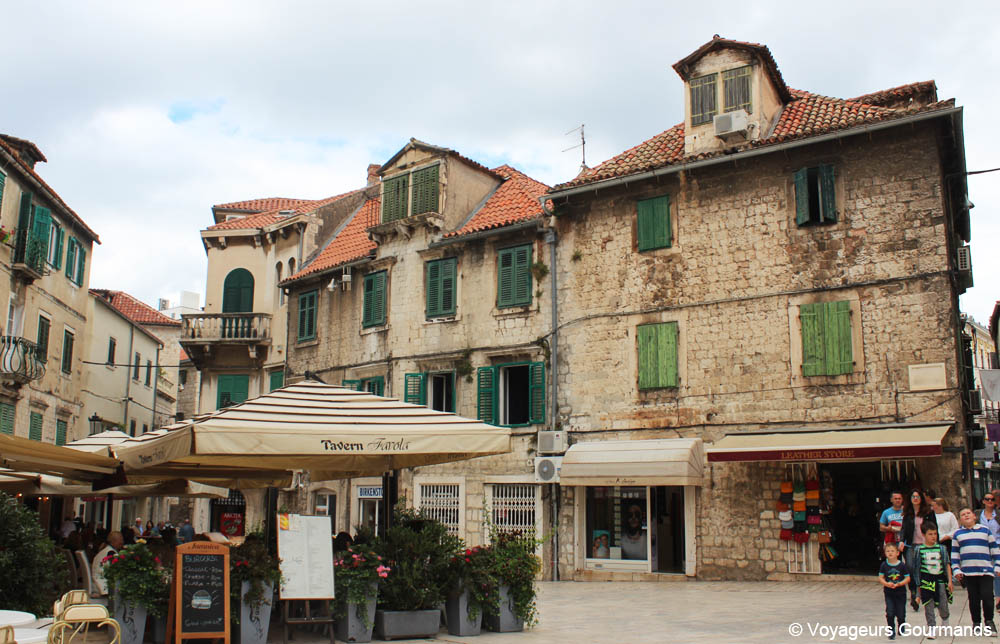
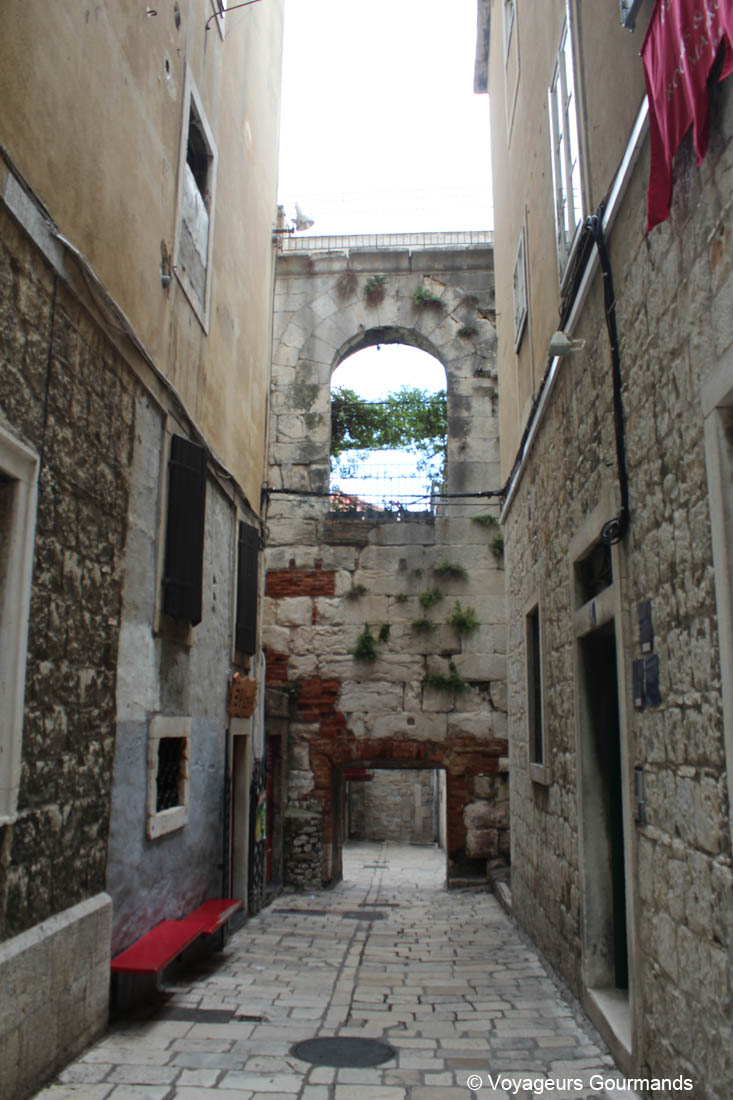
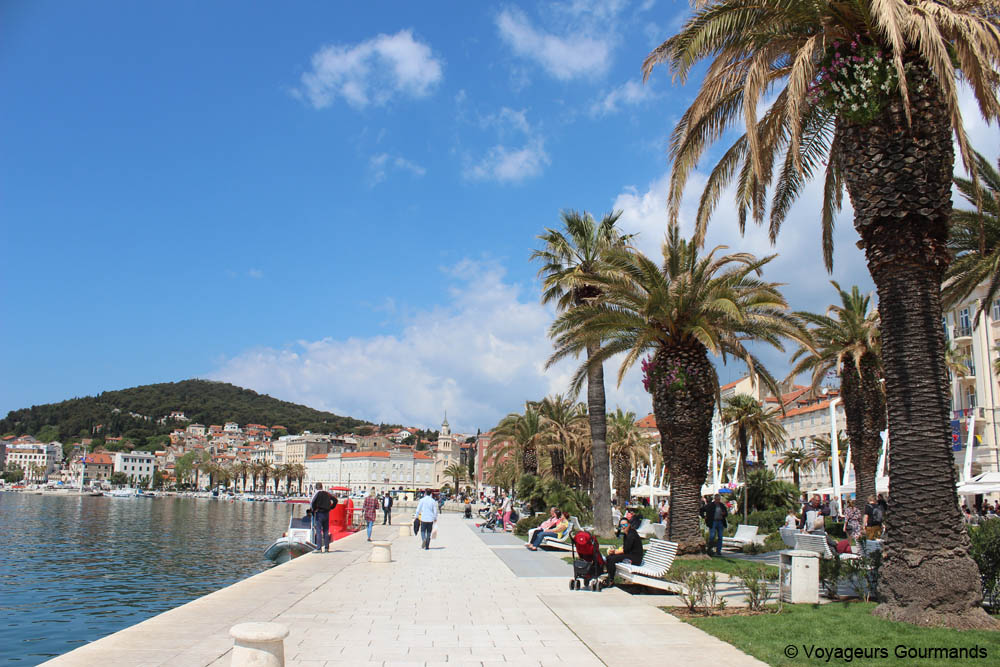
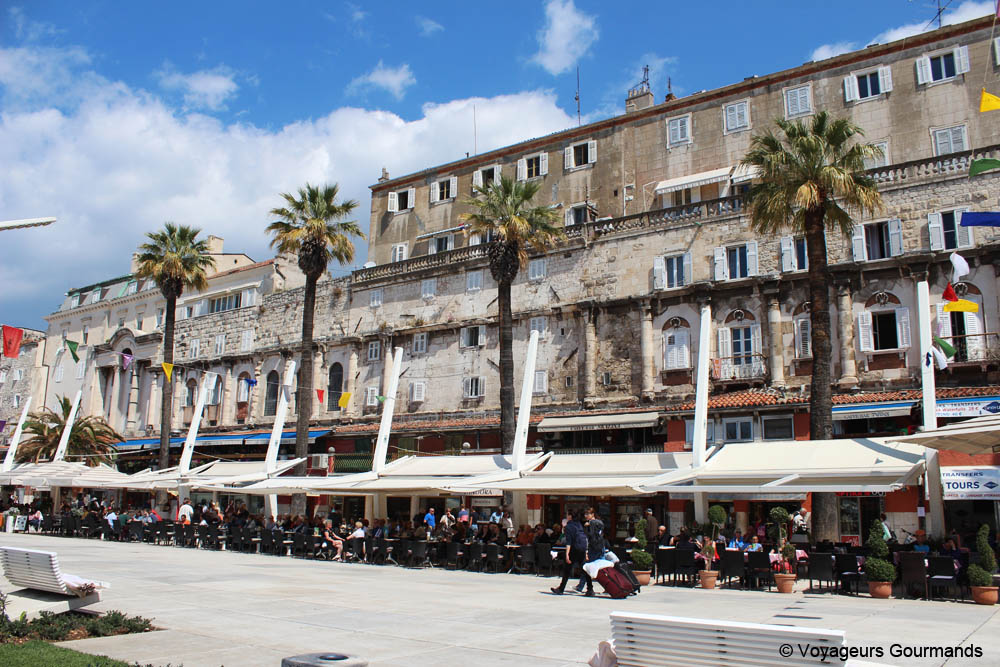
What makes Split special is that its old town is enclosed within walls: Diocletian’s Palace, a huge Roman site listed as a UNESCO World Heritage Site. Although it is now home to many restaurants, bars and shops, it also has plenty of historic sites from that era. The narrow streets and stone buildings, which reminded us of Sibenik, give the city enormous charm, and you could easily get lost there for hours. Outside the walls, a lovely promenade facing the harbour, Bacvice beach and Marjan Hill let you enjoy the Dalmatian coast and its beautiful seafront.
Diocletian’s Palace
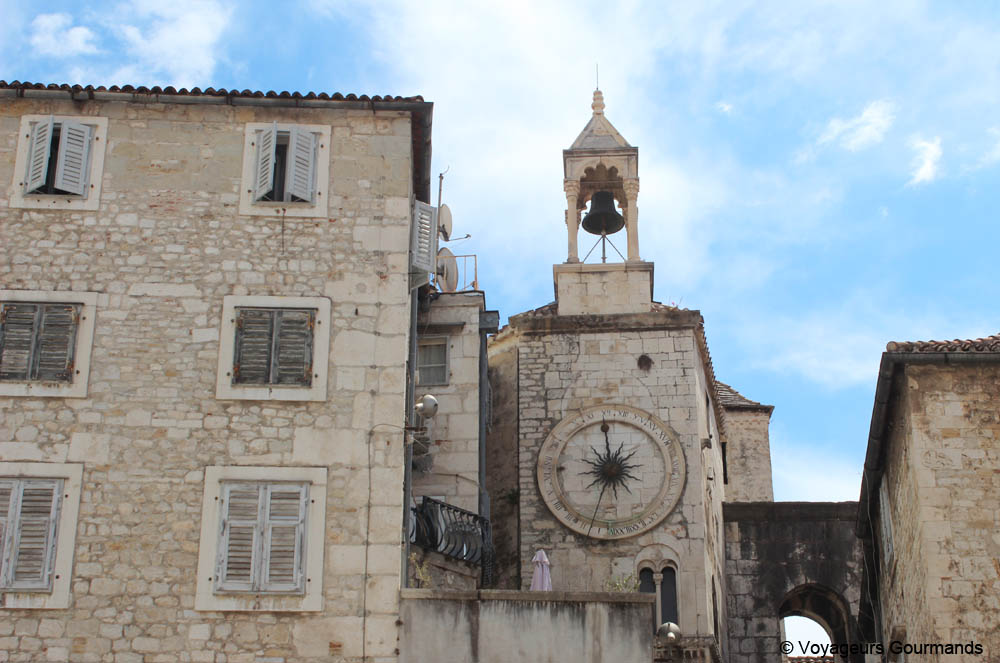
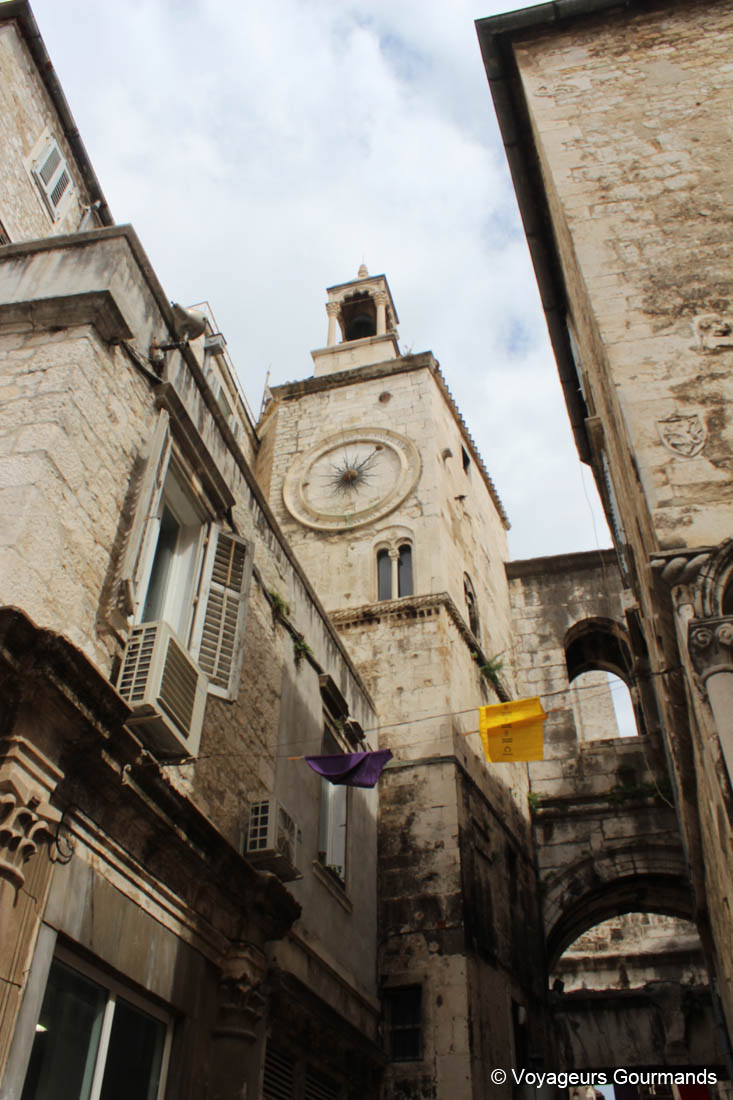
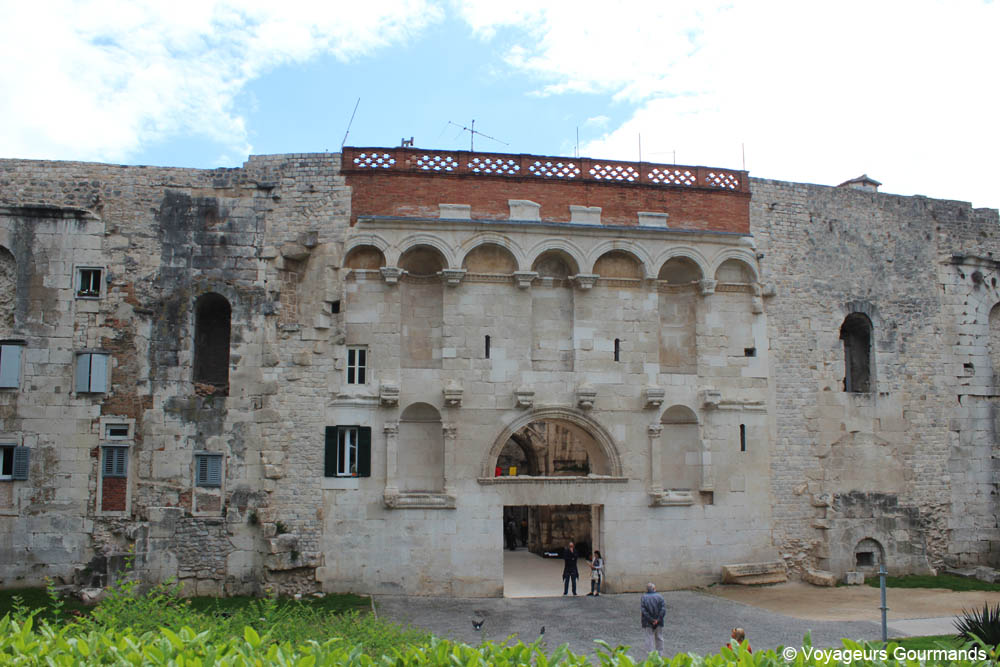
This is the heart of Split and the essential starting point for any visit. Diocletian’s Palace is Split’s most iconic monument, listed as a UNESCO World Heritage Site. This vast Roman palace is now a lively place where restaurants, bars, markets and shops sit alongside historic sites such as St Domnius Cathedral and the Temple of Jupiter.
➺ To make sure you don’t miss any of its history, you can book a guided tour of Diocletian’s Palace.
The four-sided wall has four gates (Golden, Bronze, Iron and Silver) and inside, the narrow streets form a real labyrinth that once separated the emperor’s apartments from the areas reserved for soldiers and servants. Today, the complex has around 220 buildings and 3,000 inhabitants, a fascinating mix of history and everyday life.
St Domnius Cathedral
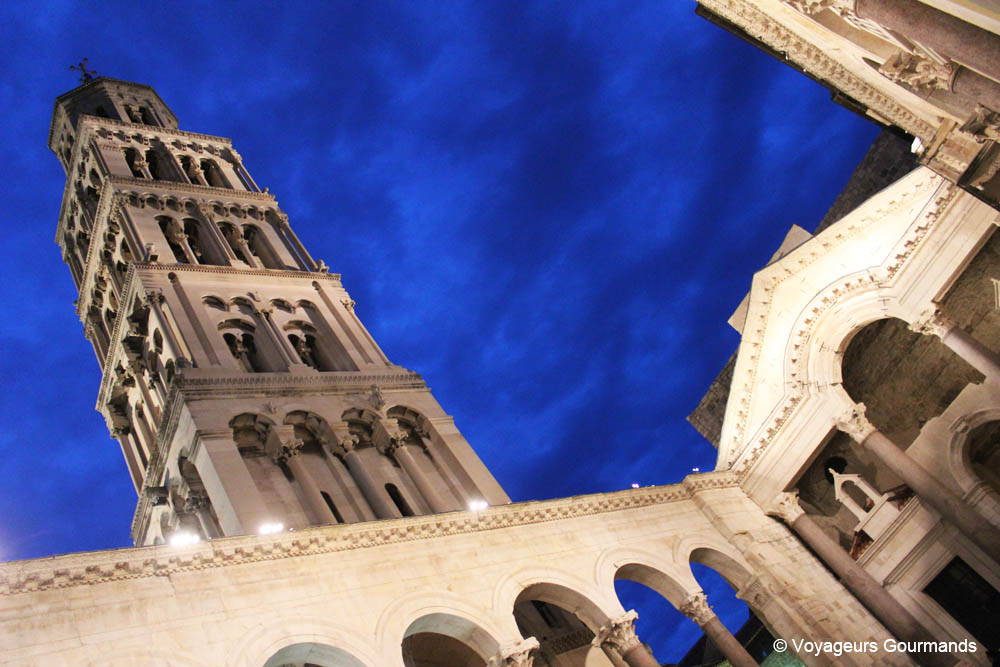
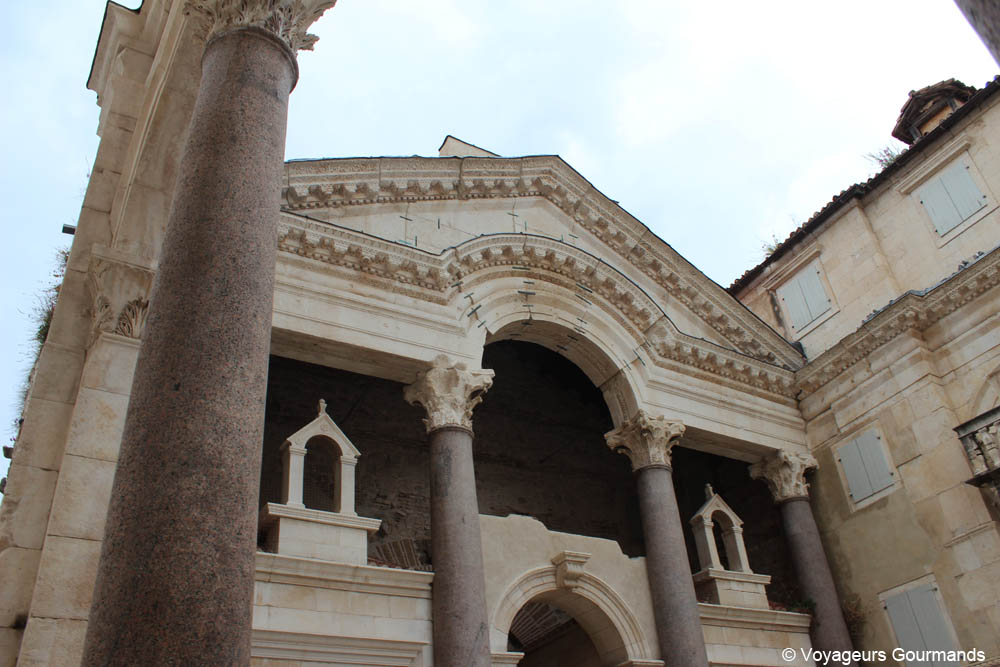
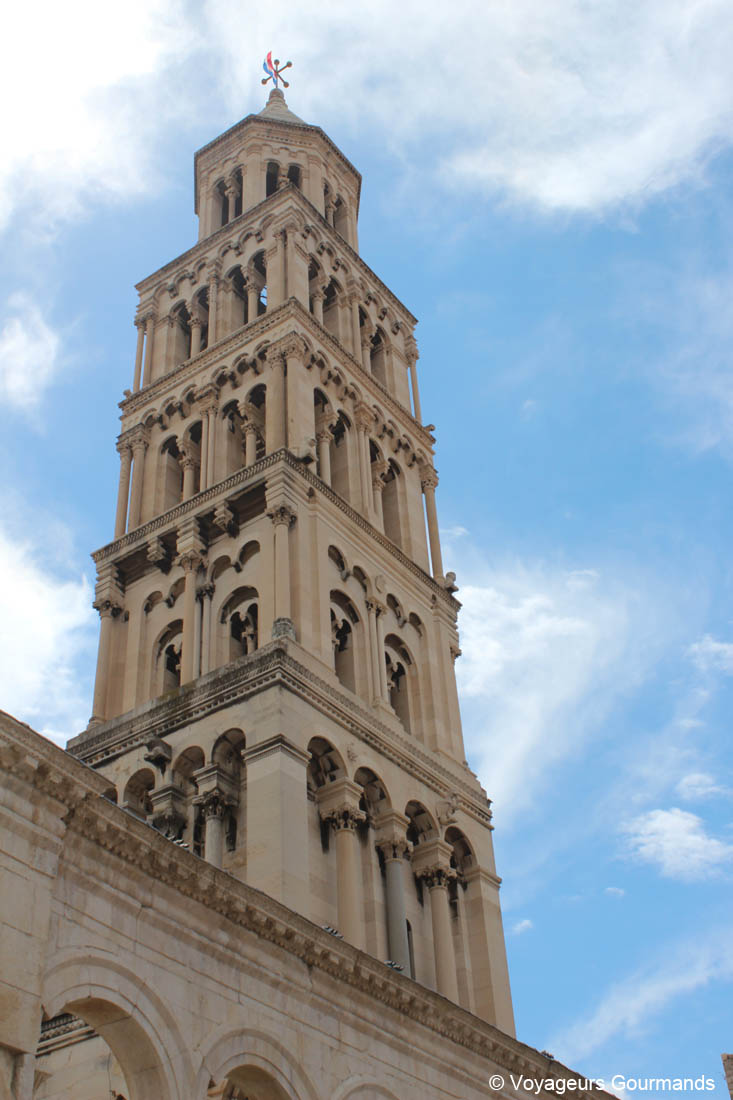
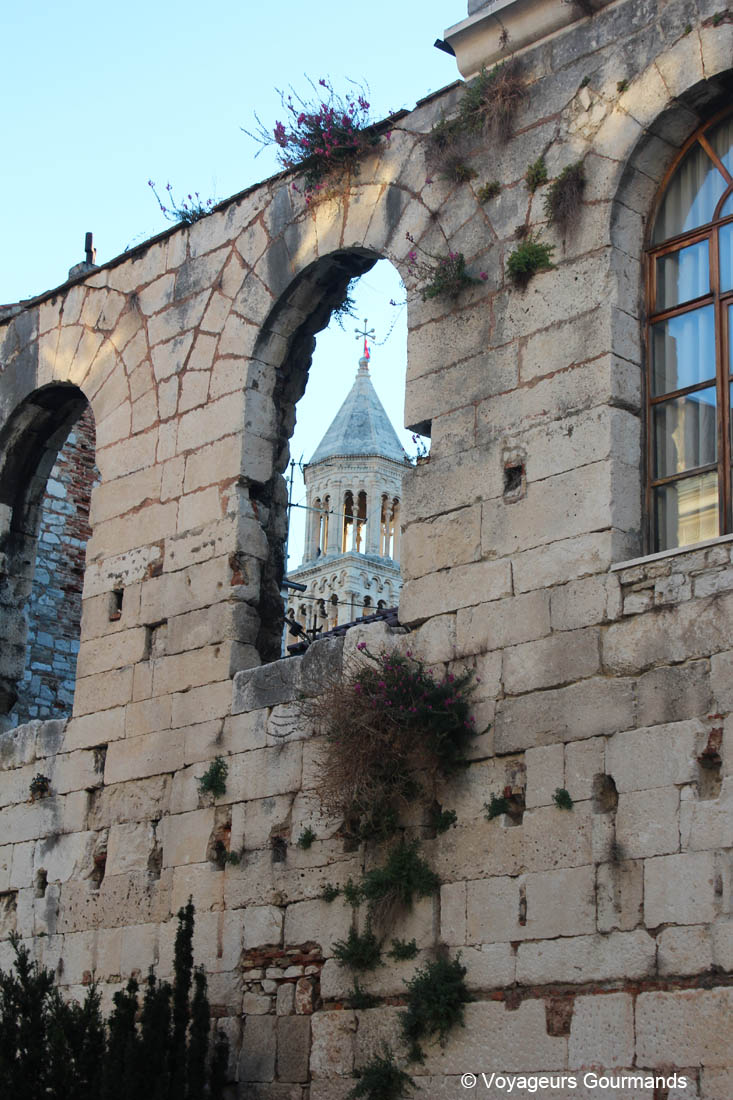
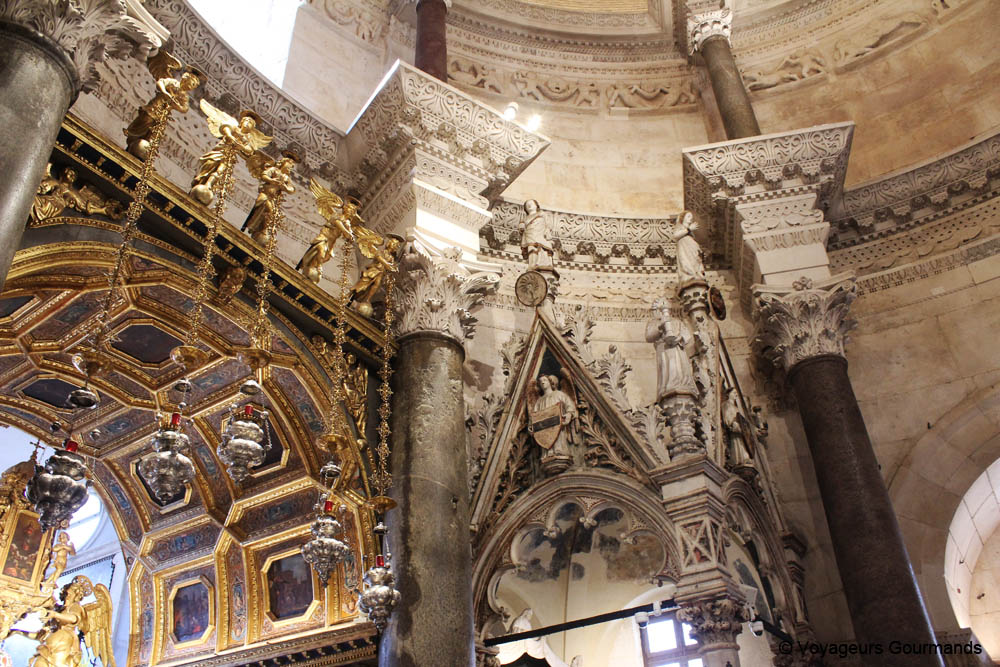
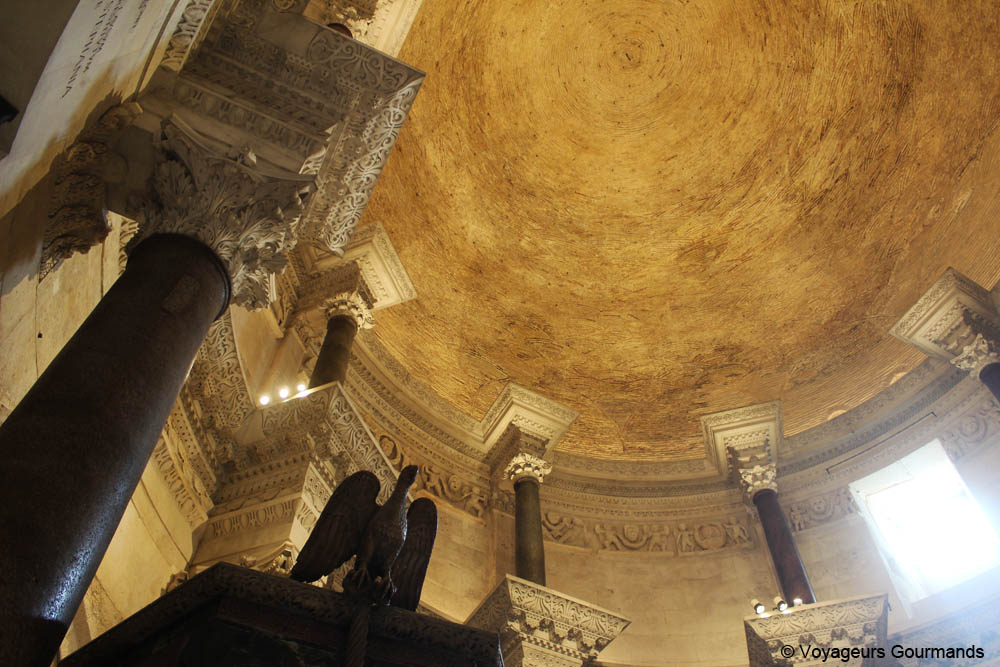
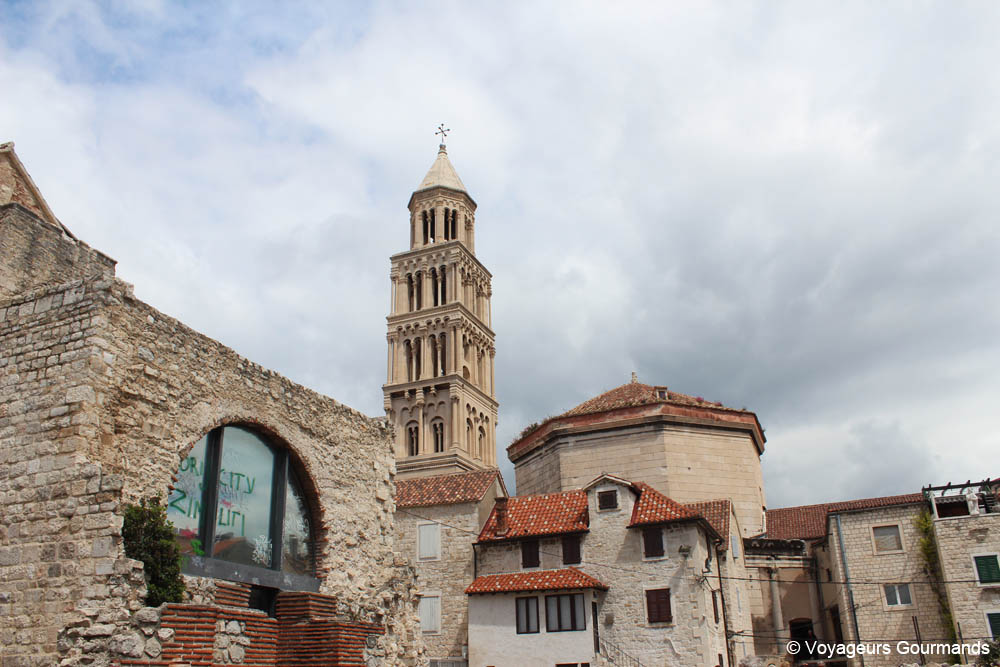
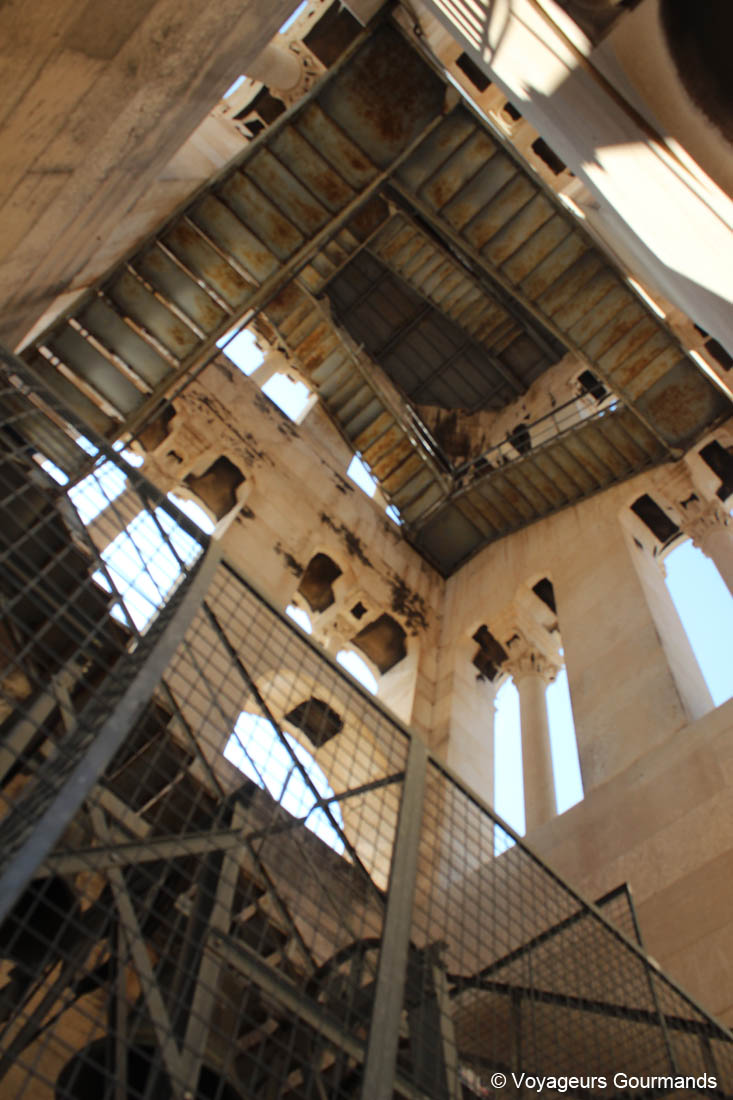
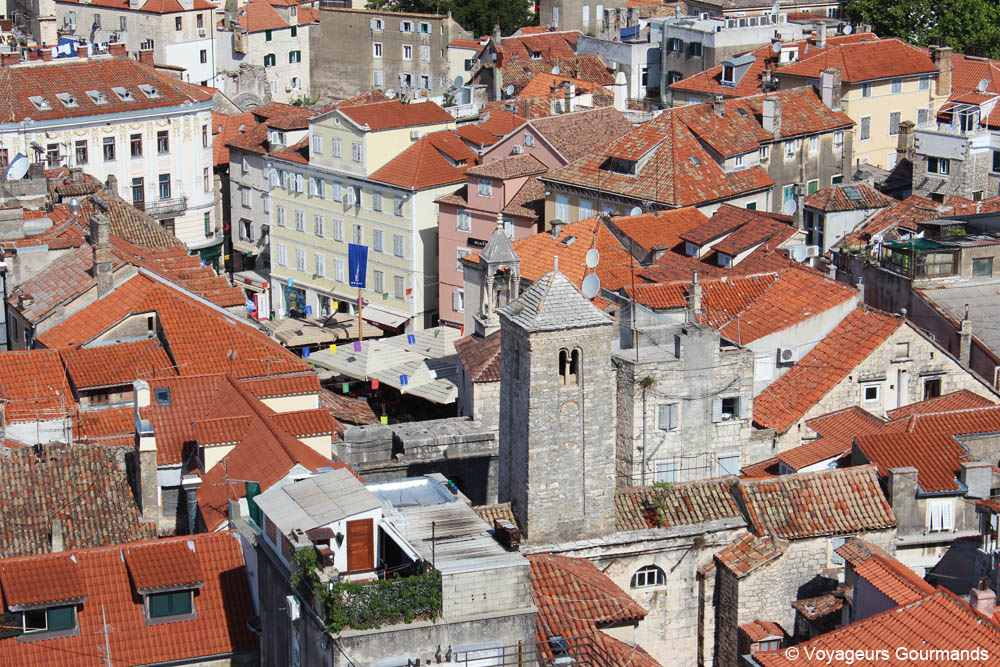
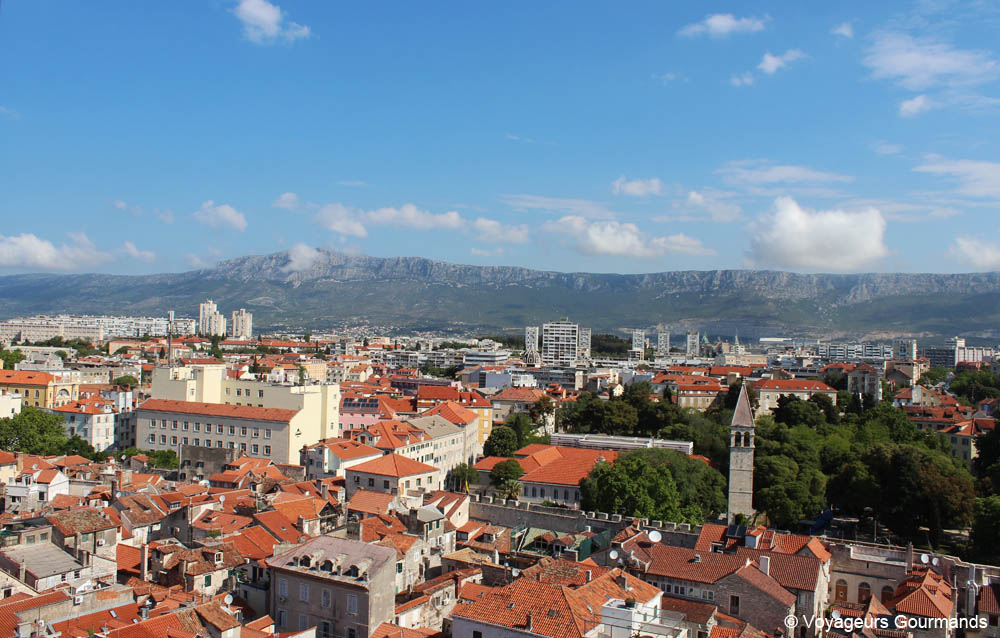
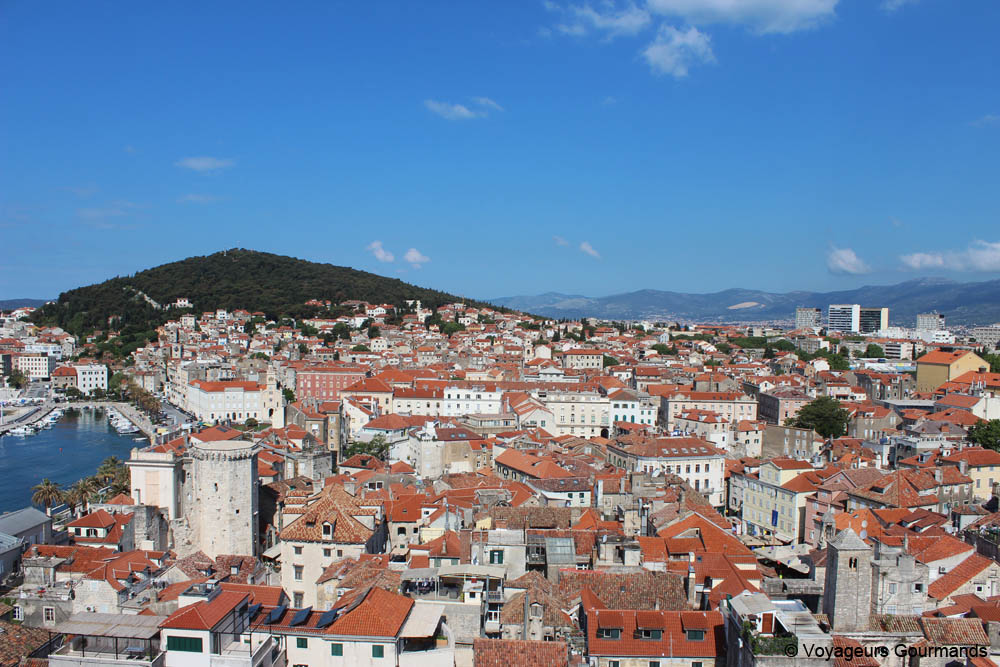
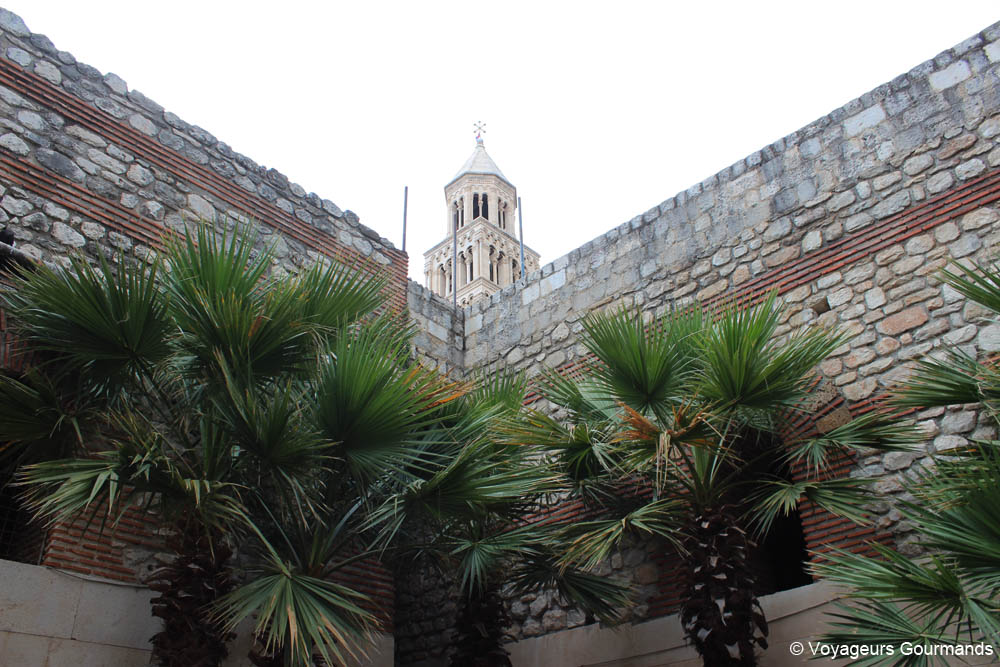
It started out as Emperor Diocletian’s mausoleum, before becoming a church in 650. The bell tower was added later. We almost missed the visit because of the religious festival taking place at the time! Luckily, on the Monday we left, we were able to visit the cathedral and, above all, climb its bell tower. The climb is a little tiring (slightly rusty iron stairs zigzagging from one side of the building to the other), but it offers a magnificent 360° view over the whole of Split. The cathedral and the Temple of Jupiter are full of fascinating details.
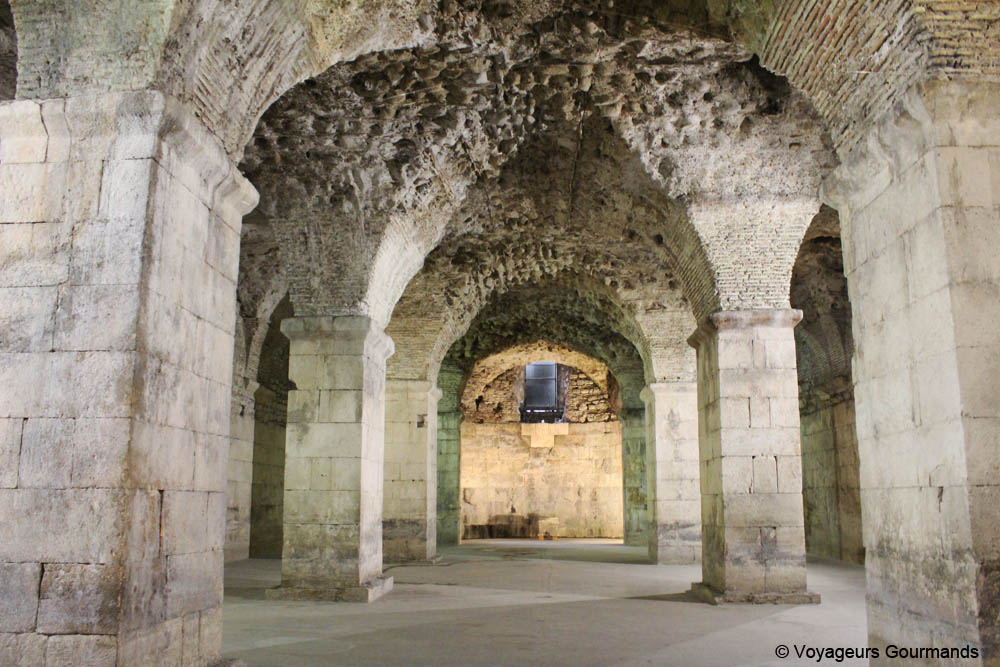
The underground halls
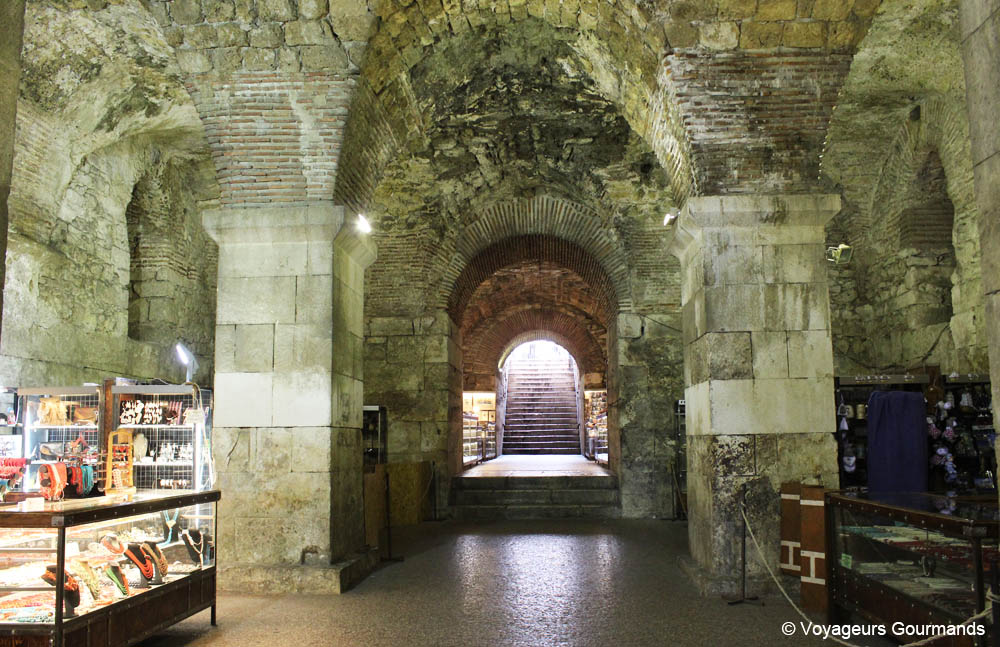
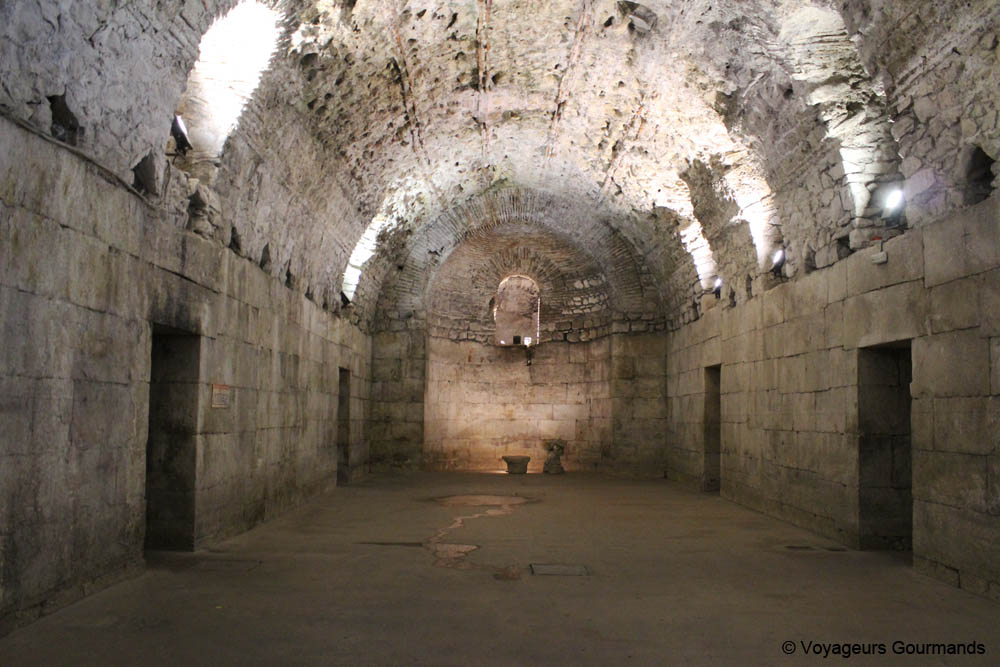
They are mainly home to souvenir shops. Most of the other halls open to visitors are almost empty, with just a few objects on display. We recommend that you book a guided tour, as we found the information on site rather limited. Without a guide, you will mostly wander through a maze of empty rooms, which is not very interesting.
The statue of Gregory of Nin
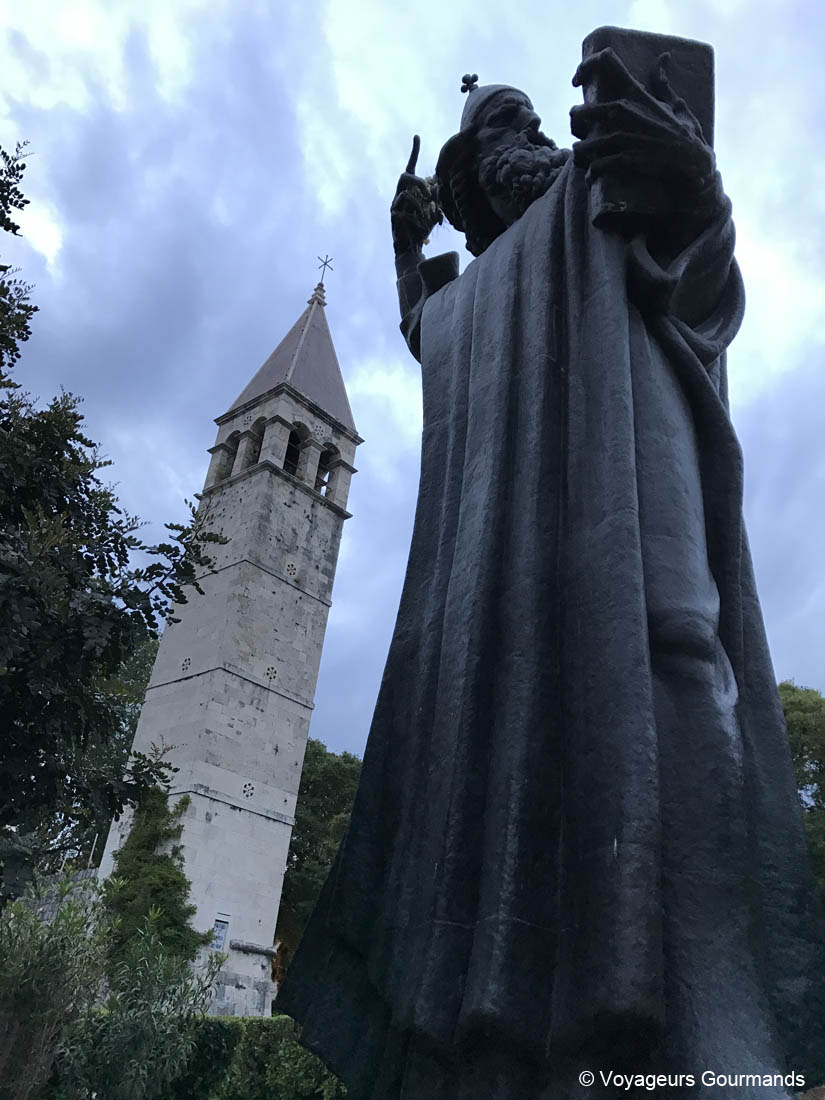
We loved photographing this giant, both by day and by night. The imposing statue of this bishop has become a symbol of Split. He fought to have Croatian used as a liturgical language, and today touching his statue is said to bring good luck and guarantee a return to Split.
Marjan Hill
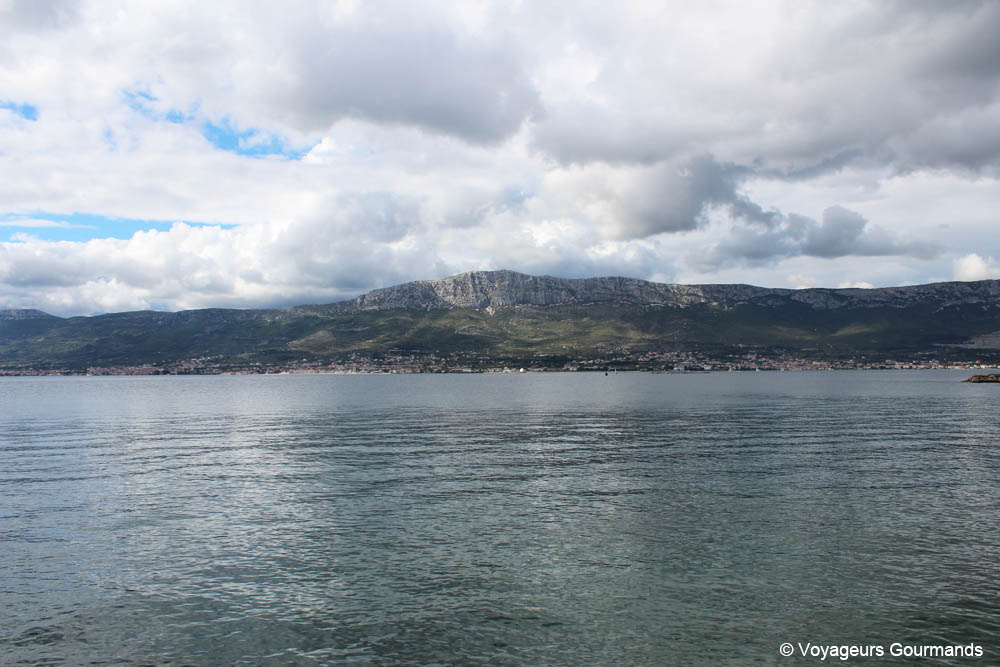
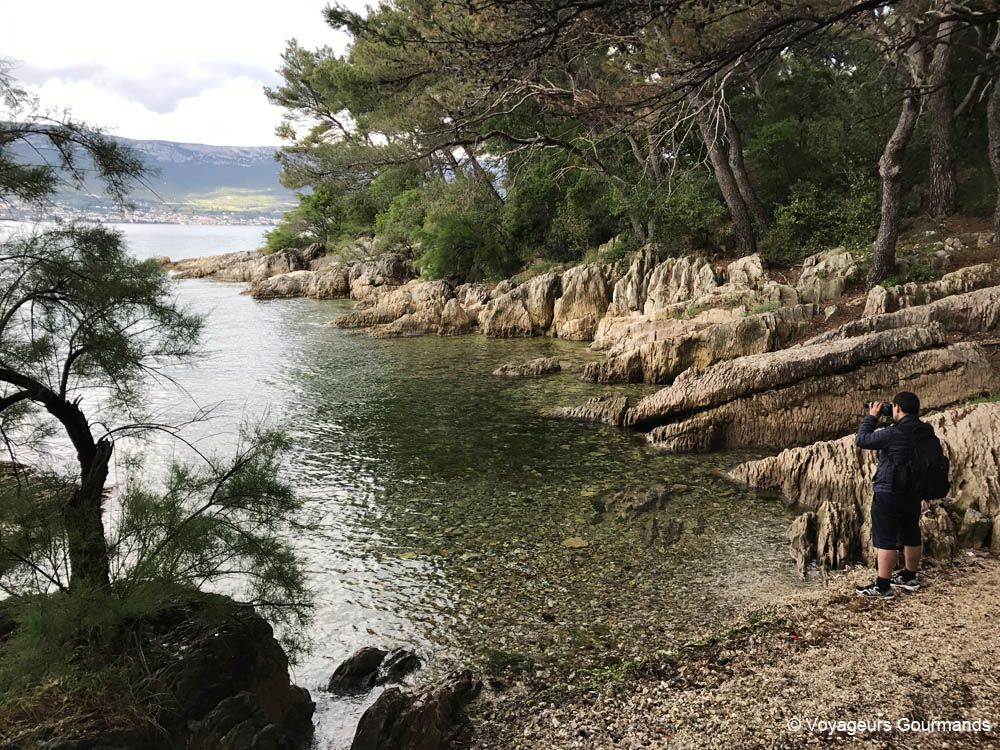
This hill overlooks the whole of Split and is covered in a vast pine forest, a real green lung on the Dalmatian coast. You can either follow the coastal path around the park or climb to the top through the forest. We did both to watch the sunset, and they are both great spots! Marjan is also a sports hub for locals: rollerblading, running, cycling, swimming… as well as badminton, pétanque, football and tennis in the park’s leisure area.
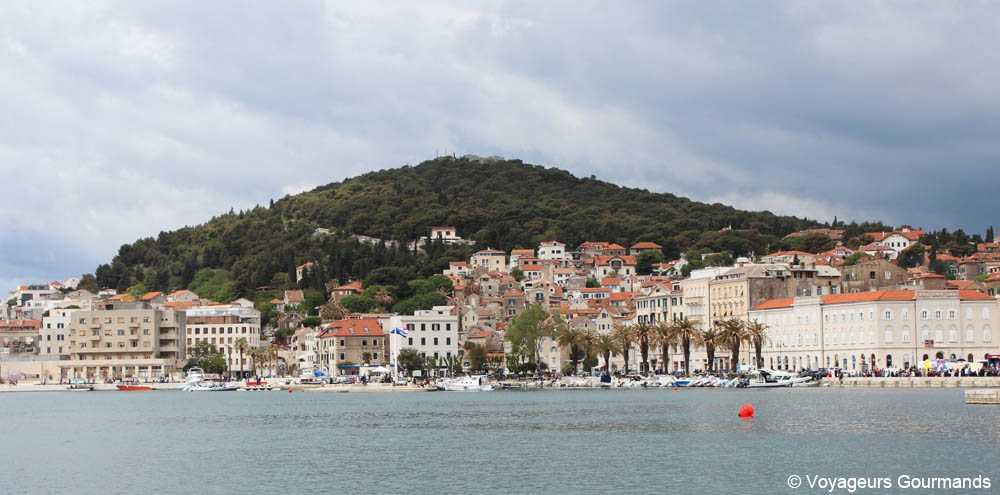
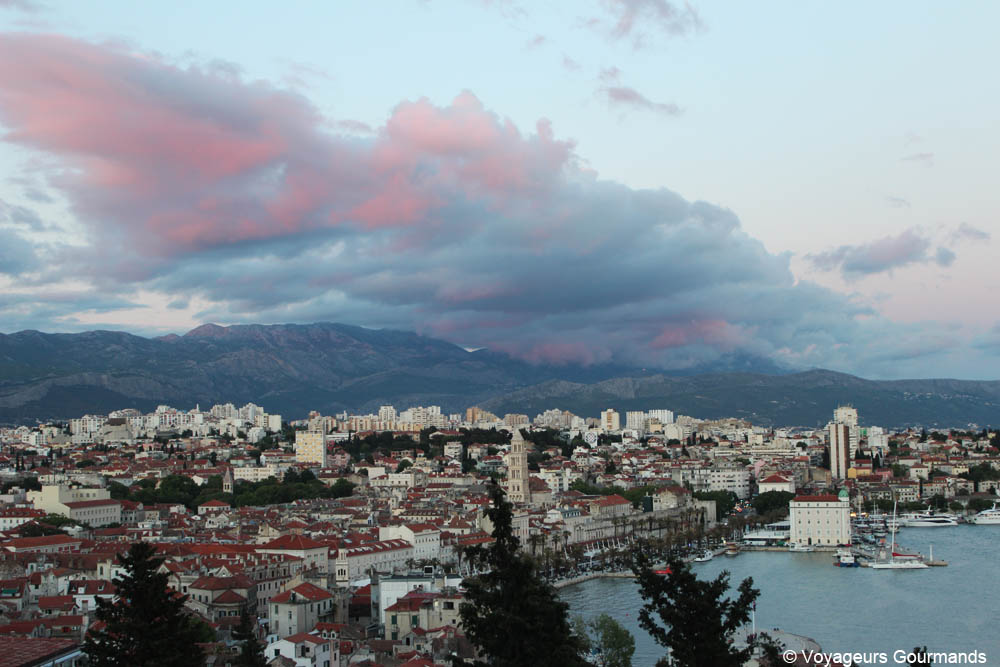
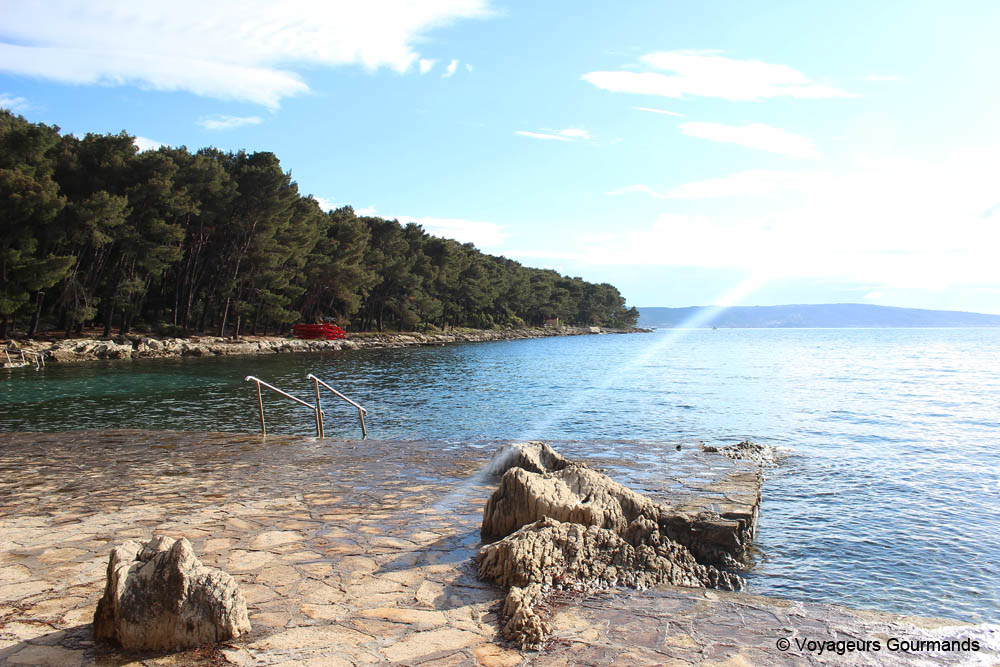
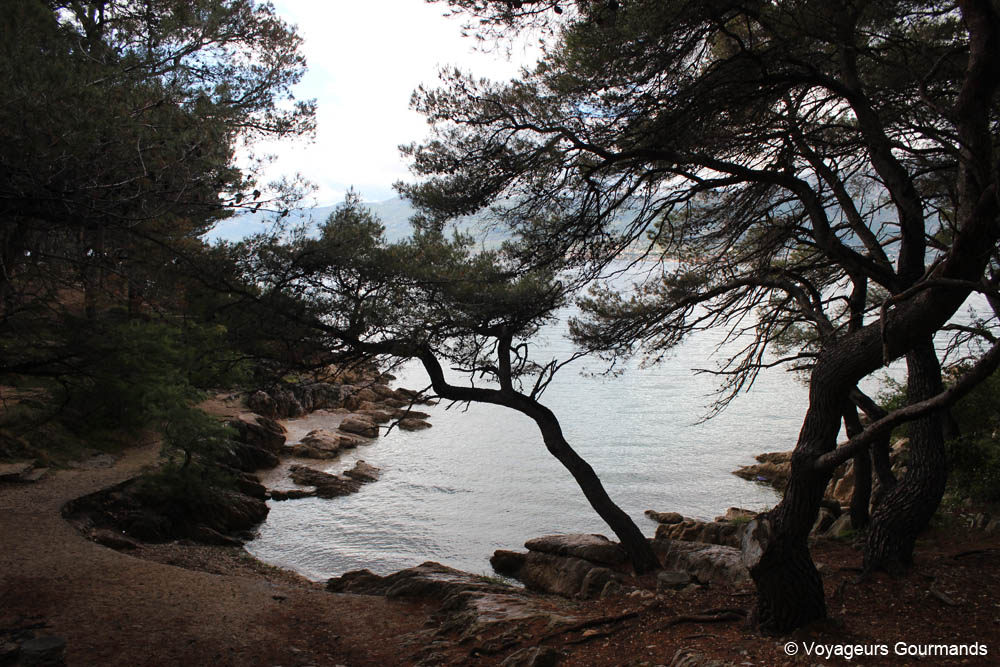
Bacvice beach
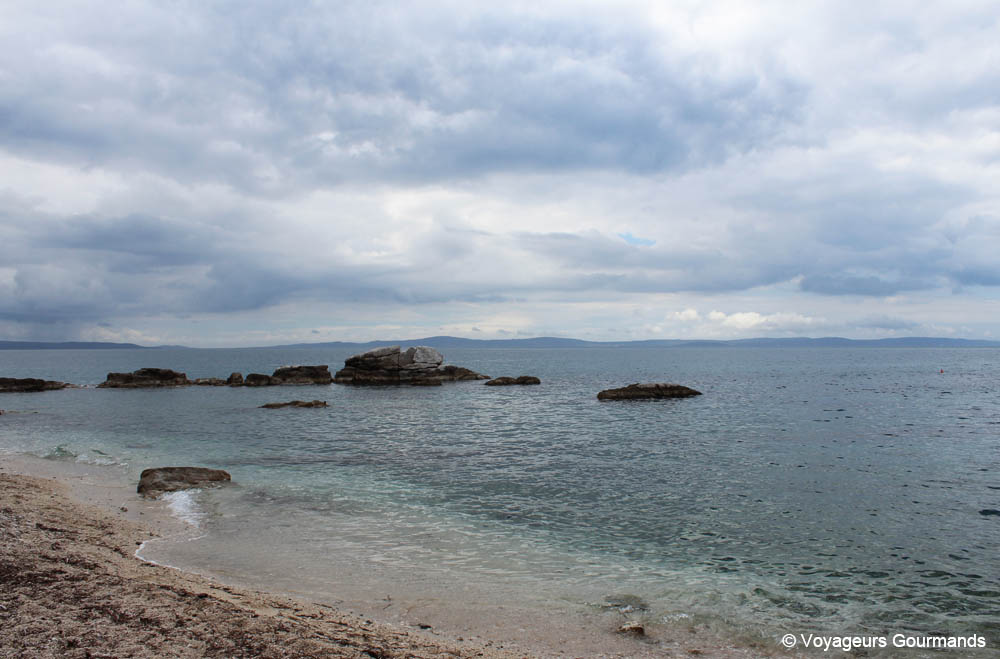
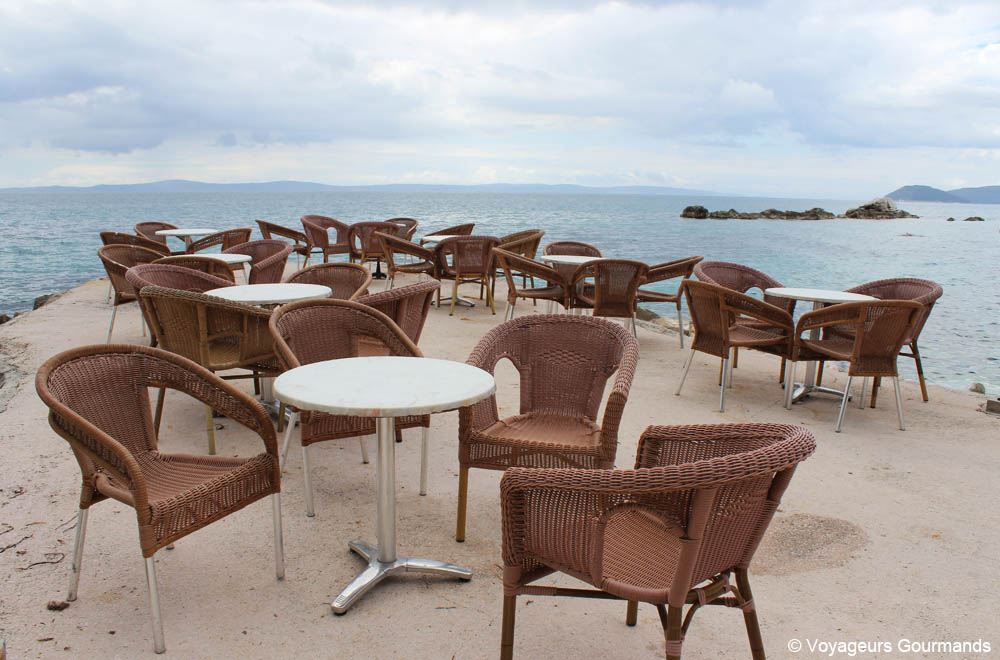
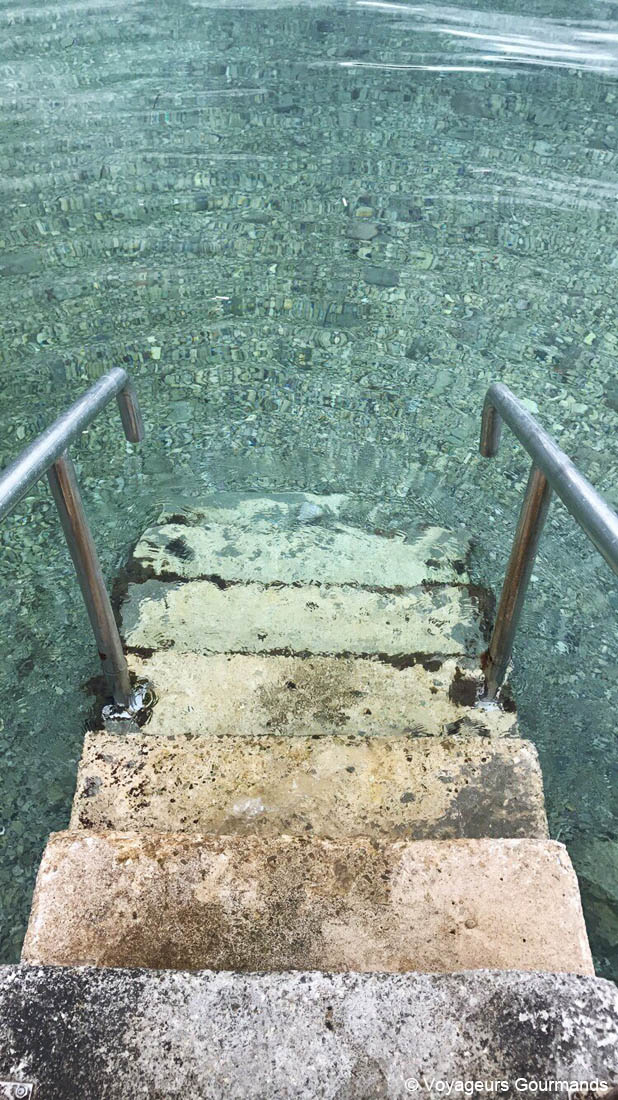
This is the beach most easily reached on foot from the city centre. A long concrete stretch fitted with ladders for swimming faces a row of restaurants, cafés and ice cream stands… A pleasant spot where we had lunch (although the restaurant itself was not great), and where we enjoyed watching locals play picigin, a Dalmatian ball game. On sunny Sundays, it must be THE place to be! If you visit Split in summer, plan a break here… Just saying!
The Feast of St Duje, Split’s city festival
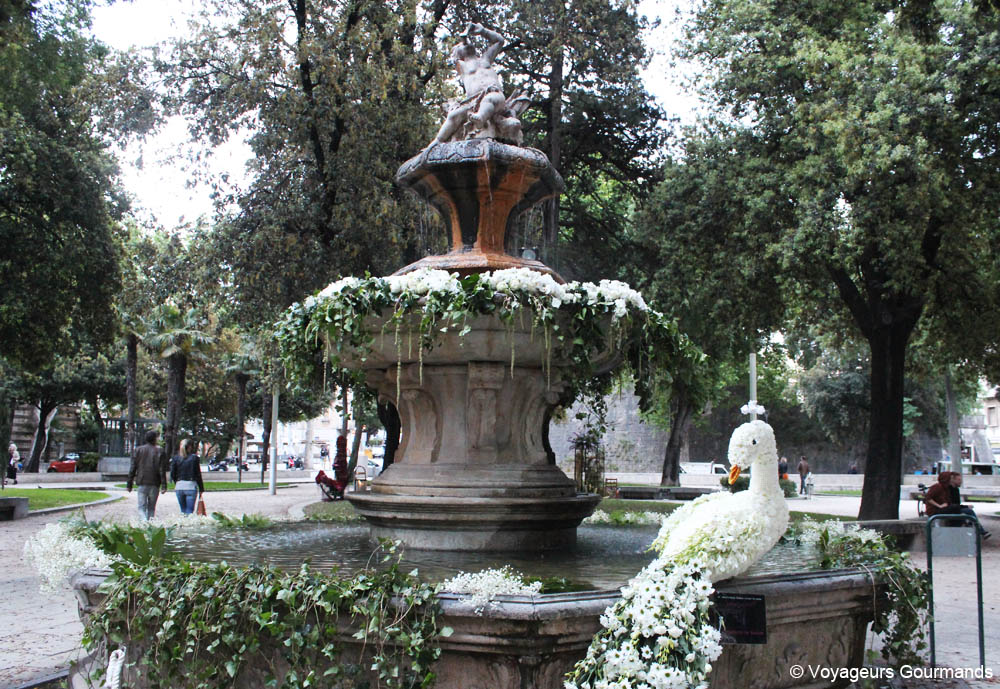
We arrived in Split during this religious festival, which celebrates the city’s patron saint and is Split’s biggest celebration! That means many more events and activities around town, but also many more tourists and limited access to the cathedral. We still enjoyed watching the religious procession, seeing the streets decked with flowers, browsing the vintage car fair (well, that was mostly Alcino) and watching the cooking demonstrations.


Visiting Split in 2, 3 or 4 days
2 days
Day 1: Diocletian’s Palace, cathedral, old town, Riva
Day 2: Marjan Hill, Bacvice beach, sunset
3 days
Day 1: Old town and Diocletian’s Palace
Day 2: Marjan Hill and the beach
Day 3: Day trip to the island of Brac or Trogir
4 days
- 2 days in Split
- 1 day on Brac
- 1 day in Trogir and Makarska
This last option lets you make the most of the city and its surroundings without rushing. As mentioned earlier in the article, this is the itinerary we followed.
Things to do near Split
We have written a detailed article on things to do near Split, but here is a quick summary:
➺ The islands: Korčula, Vis, Hvar or the island of Brac (also reachable on a boat trip from Split),
➺ Klis Fortress,
➺ the small town of Trogir,
➺ Omis,
➺ one of our Croatian favourites: Sibenik,
➺ the Makarska Riviera and Brela Rock,
➺ Krka National Park.
✤✤✤
Visiting Split: practical information
Where to stay?
Throughout our trip to Croatia, we booked our accommodation the day before. In Split, this backfired a little, as we ended up with a toilet in the shower for our last 4 nights… That said, the rest was fine: our B&B Be Happy offered a room with a brand-new bed, a huge breakfast (which sometimes even let us make sandwiches for lunch) and, importantly, a parking space locked at night.
➺ To be as close as possible to the sights, we recommend choosing accommodation in Split’s old town.
Where to eat in Split?
Here are a few places we tried in Split (in order of preference):
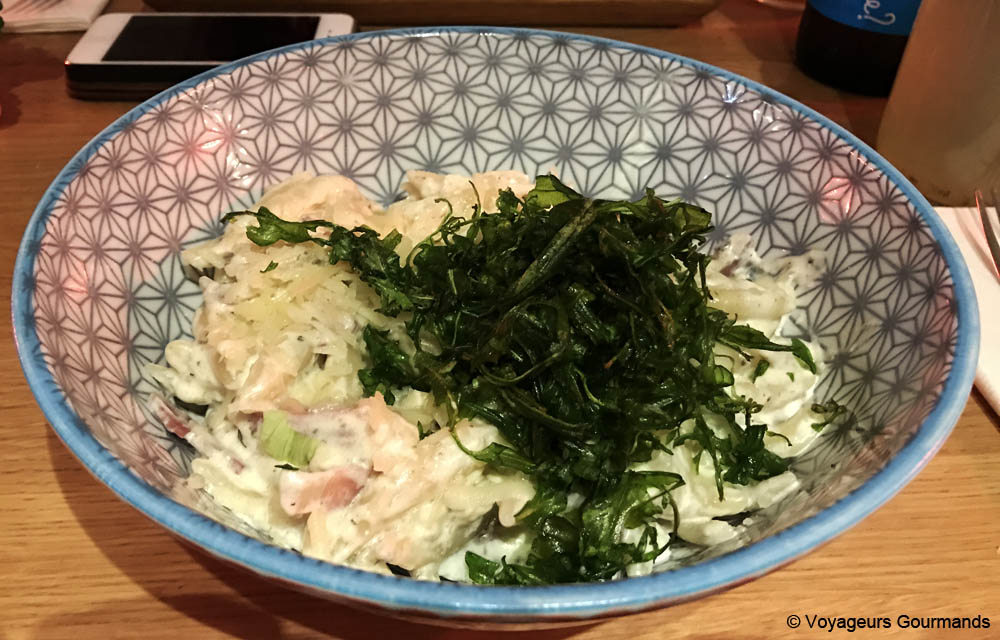
➺ Truffle pasta and a tapas platter: Bepa! Narodni trg 1, 21000, Split
➺ Great ice cream: Luka Ice Cream – ul. Petra Svačića 2, 21000, Split
➺ The truffle pasta was also very good here: Kavana Restaurant Central – Narodni trg 1, 21000, Split
➺ The speciality is fried fish… but we found everything very, very greasy: Buffet Fife – Trumbićeva obala 11, 21000, Split
And take a look at our article on Croatian food to find out more about the country’s specialities!


🚗 Practical tips
- Ferries to the islands: Jadrolinija.
- You can do everything on foot in Split.
- A car is only useful for day trips or if you are on a road trip in Croatia!
- To hire a car, we always use the comparison site ➺ BSP Auto, which offers the best value for money.
✤✤✤
We absolutely loved visiting Split! The city deserves a stay of several days, with plenty to see and a pleasant atmosphere that makes you want to wander around. It is also an ideal starting point for exploring Dalmatia. We are already dreaming of a second road trip from Split, heading down to Dubrovnik or even Montenegro!
Have you been to Split?
FAQ – Visiting Split
Frequently asked questions are here!
How many days do you need to visit Split?
To visit Split properly, I recommend 2 full days. But as you will have seen in our articles on Croatia, Split is also an excellent starting point for exploring the surrounding area.
What to do in Split when it rains?
You can visit Diocletian’s Palace and the museums, or enjoy the restaurants and cafés in the centre.
When is the best time to visit Split?
May, June and September are ideal for avoiding the crowds while enjoying good weather. We were there in May and it was just perfect!