


Viana é amor, quem gosta vem, quem ama fica.*
[“Viana is love: those who like it come, those who love it stay.”]
How could I not kick off my series of articles on Portugal with the best things to do in Viana do Castelo? In fact, I could just as well have started my travel blog with this city. It’s certainly where my travel bug was born!
It’s where my mum was born and where I travelled for the very first time (at just two months old). It’s where I discovered other landscapes, tasted new flavours, met new people and found something different from my Paris and French traditions. Viana was the city of all my school holidays, sometimes up to three times a year (Easter, summer and Christmas)!
Today, I realise how lucky I was, and I make the most of it even more! I look at these familiar landscapes, whose every detail I know by heart, with fresh eyes: I’m amazed by the huge mountains that have always surrounded me, spellbound by sunrises that have always been there, and transported to another world at the religious festivals that have marked my whole life…
Right, let’s start at the beginning.
✤✤✤
Viana do Castelo at a glance
Where is Viana do Castelo?
Viana do Castelo lies in north-west Portugal, on the Atlantic coast, at the mouth of the Lima river. Today it belongs to the “Norte” region [there have been many reorganisations recently], but you’ll often hear people talk about the Minho, the city’s historic province. Ideally located, it’s a key stop (and a real favourite of mine) on a road trip around Porto. Feel free to browse all our articles on the country in the “Portugal” category too.
Where does the name come from?
Here’s a fun fact: legend has it that a sailor working on the Lima river was madly in love with a young woman called Ana. He spent his days asking the other sailors whether they had seen his sweetheart: “Viu a Ana?” (“Have you seen Ana?”), and they would answer that yes, they had: “Sim, vi a Ana” (“Yes, I saw Ana”). In one version of the story, Ana was actually the city’s princess, and the sailor would say “Vi a Ana do Castelo” (“I saw Ana of the castle”). And that’s how Viana do Castelo got its name.
Things to do in Viana do Castelo
Santa Luzia Sanctuary
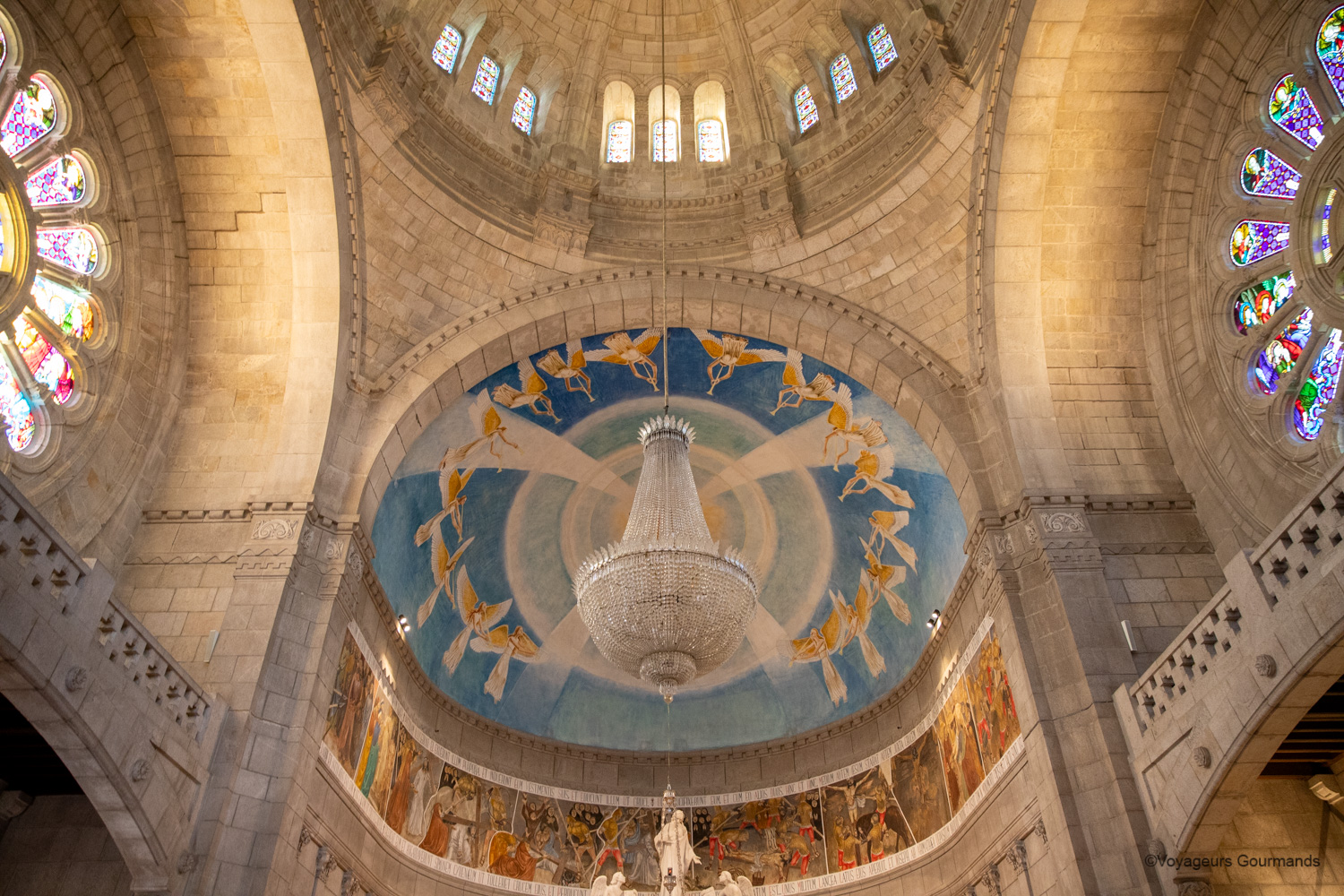
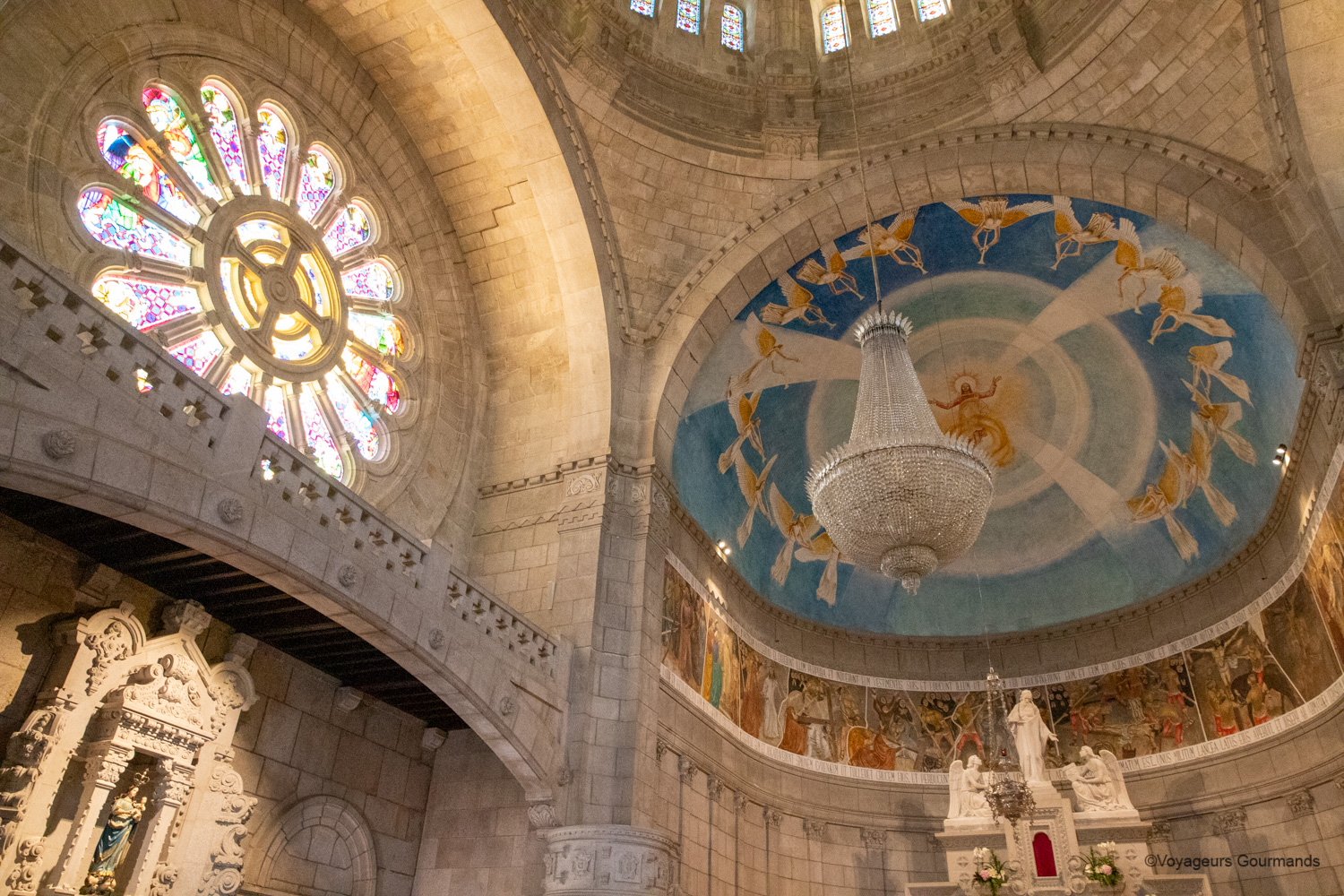
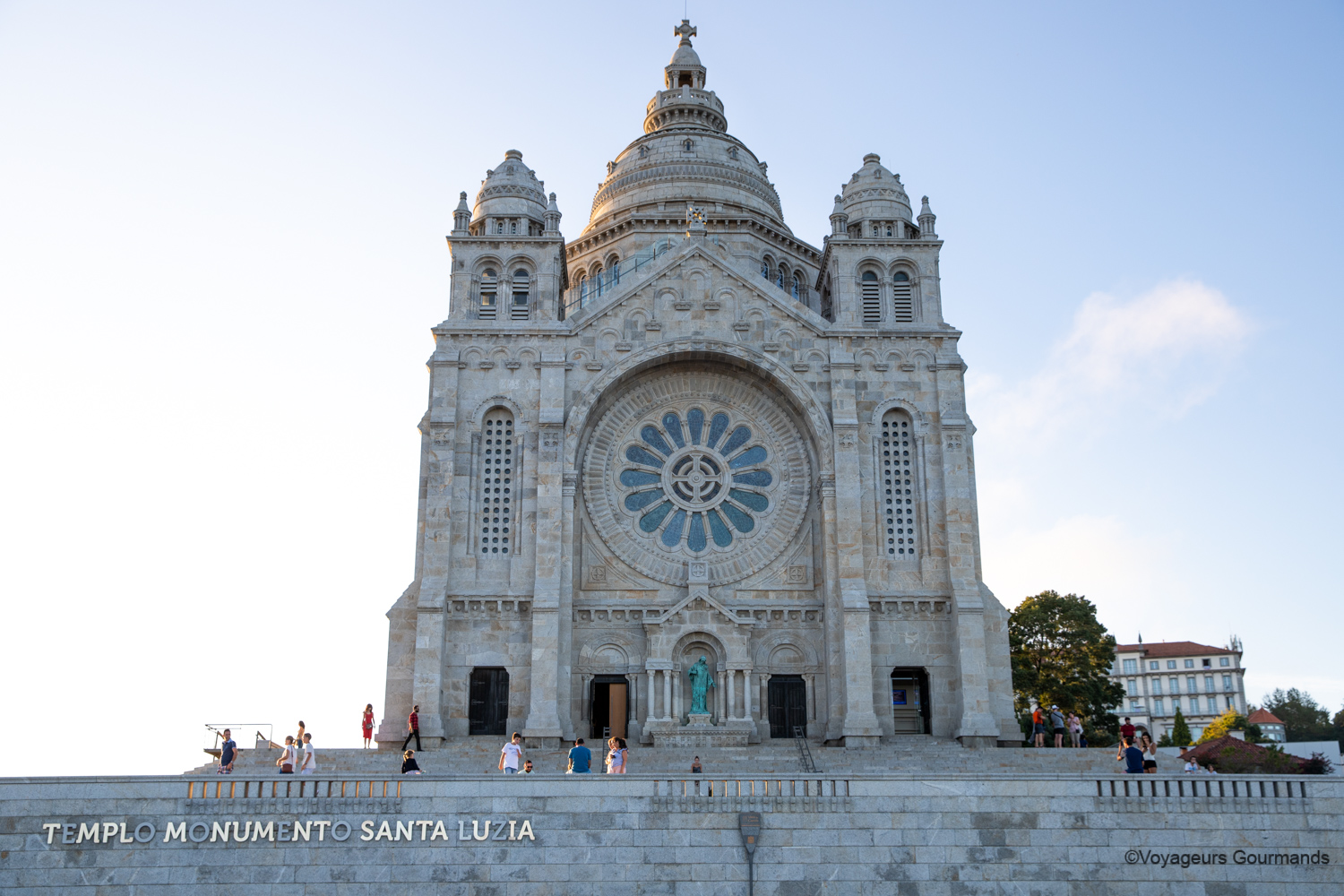
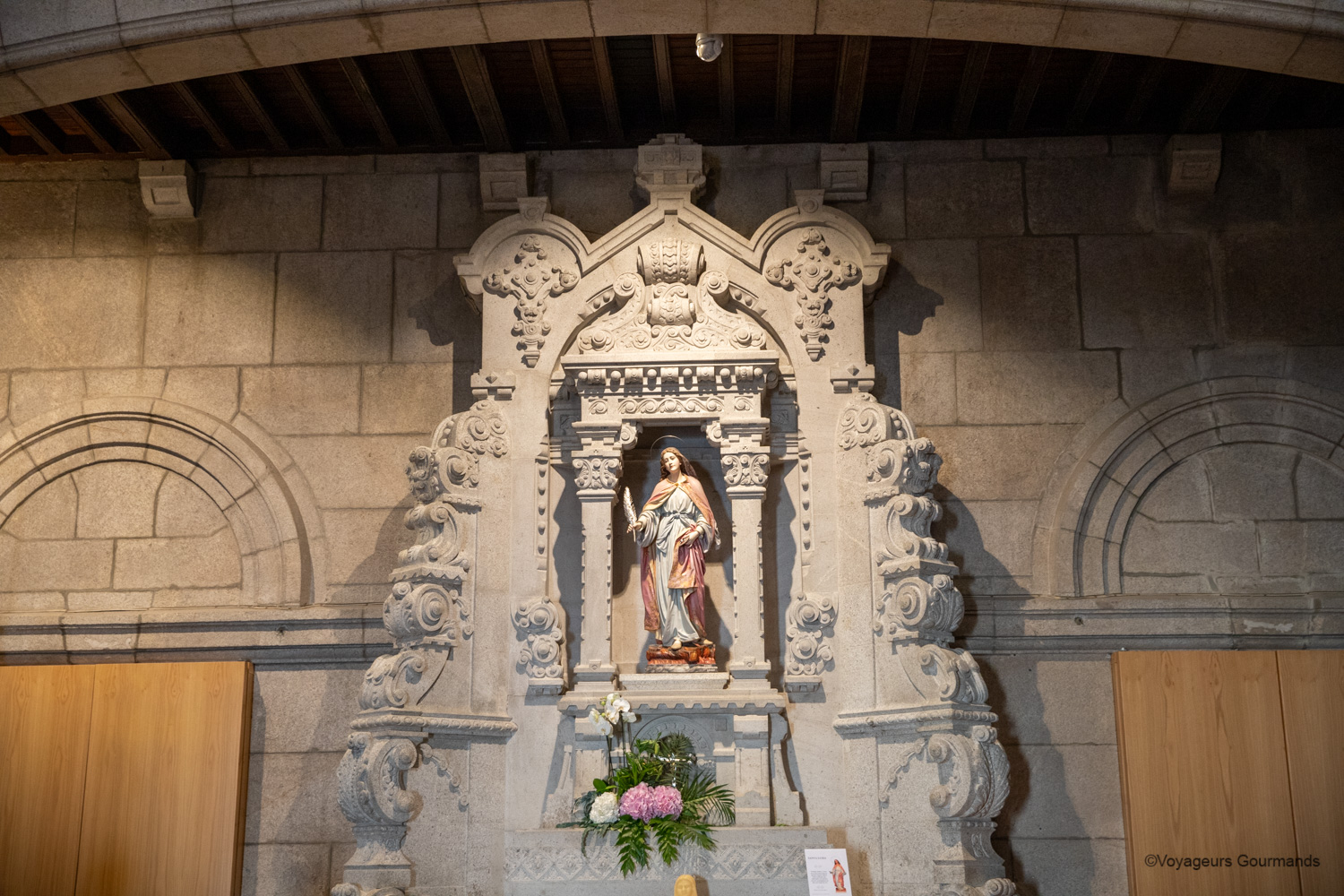
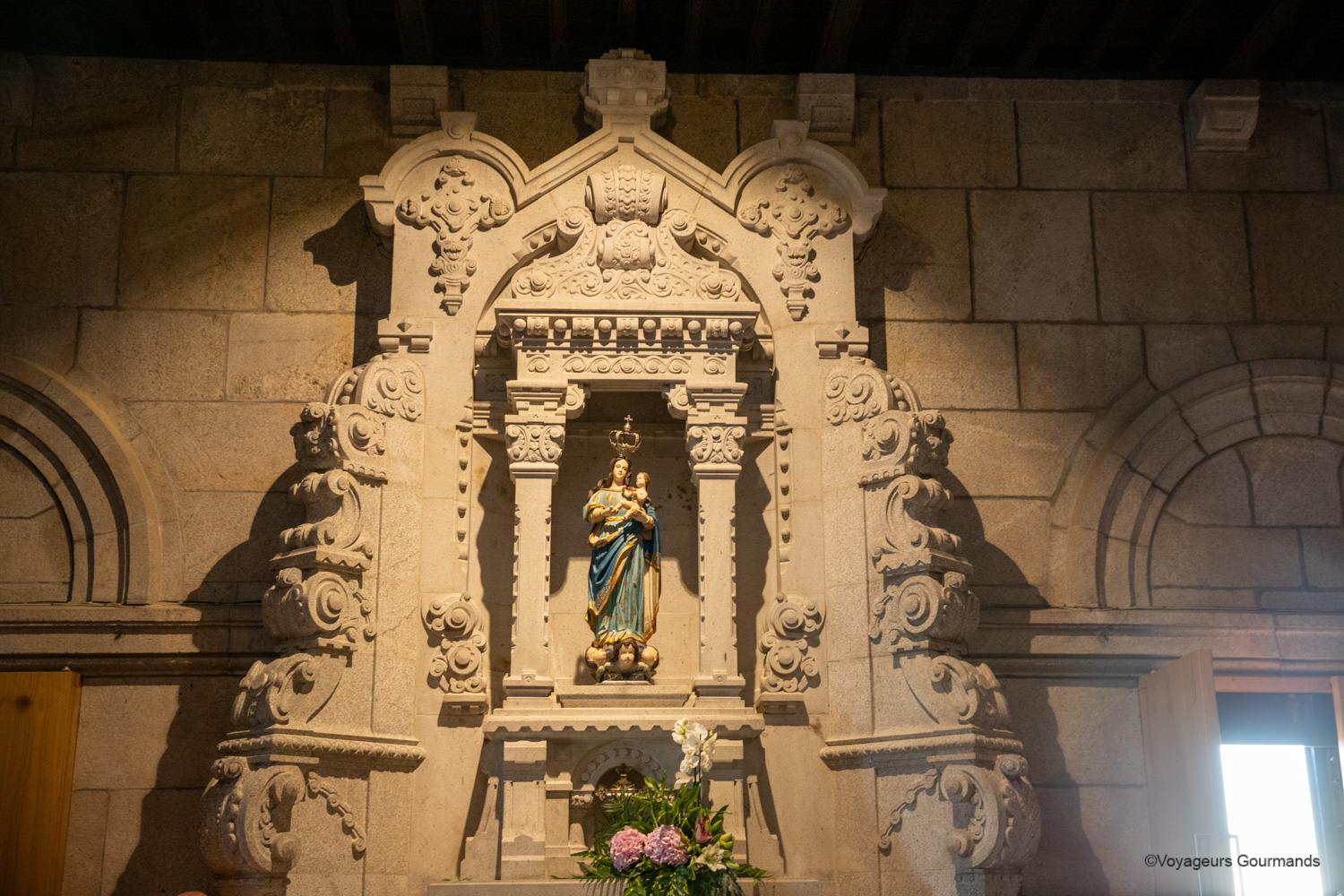
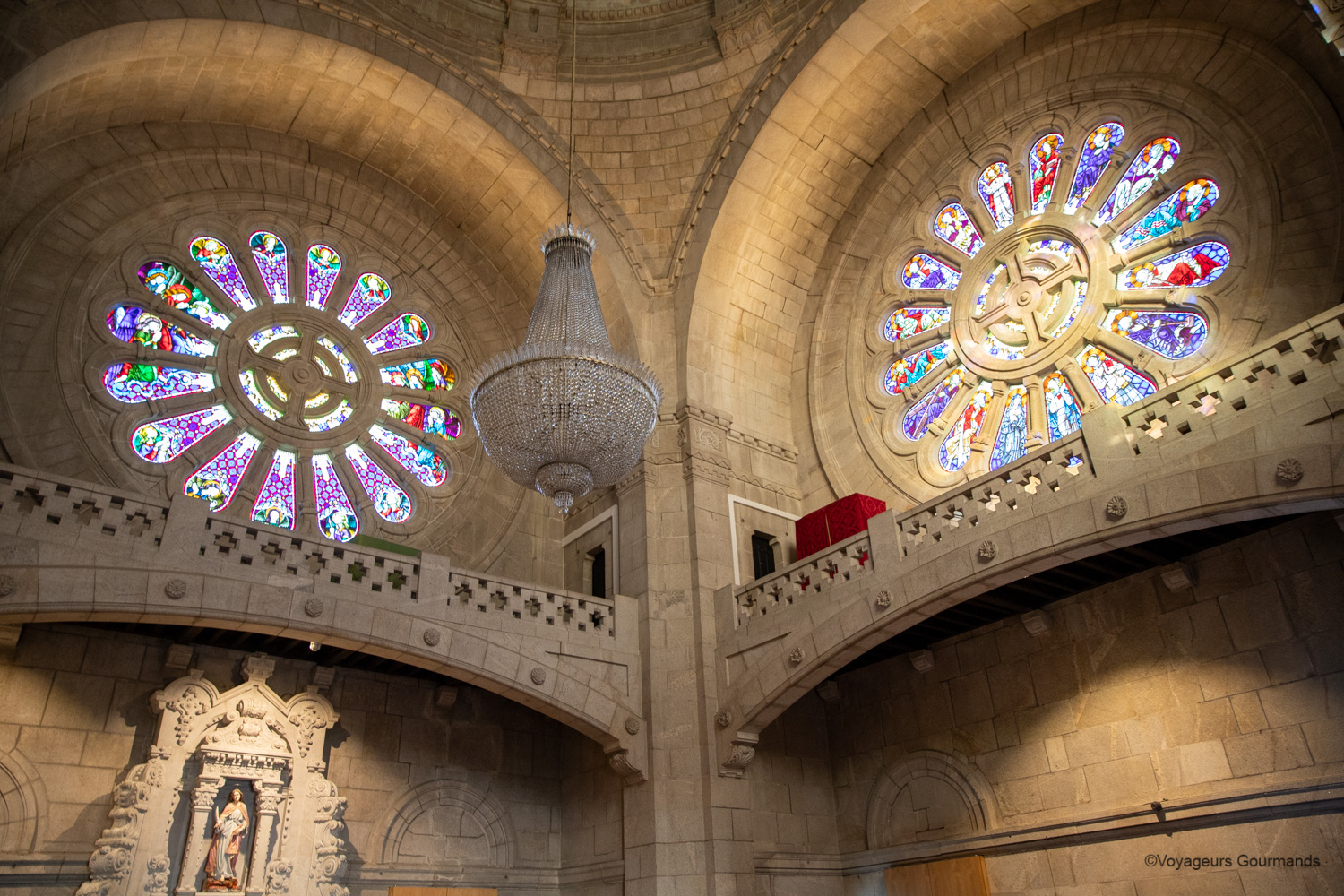
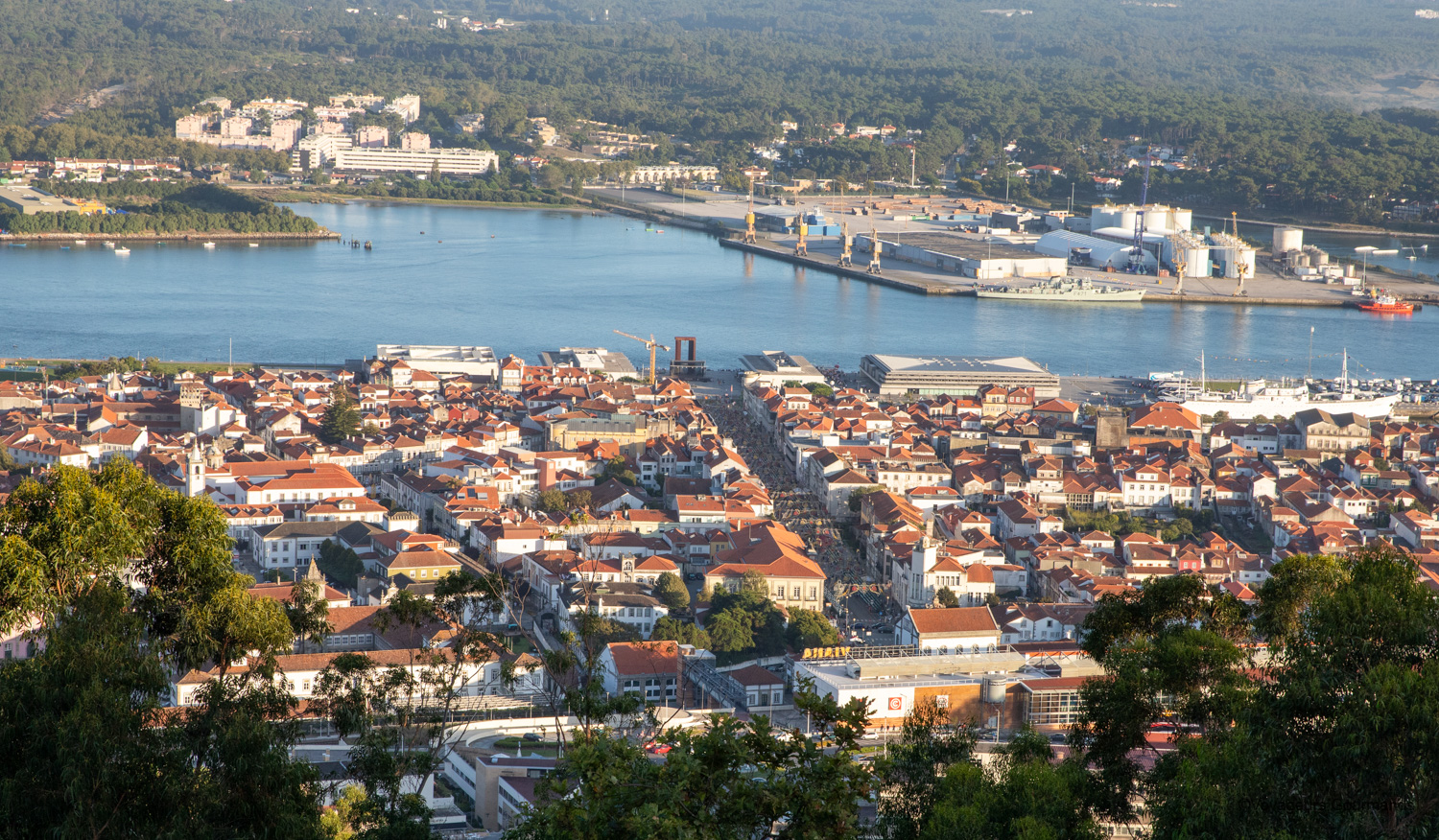
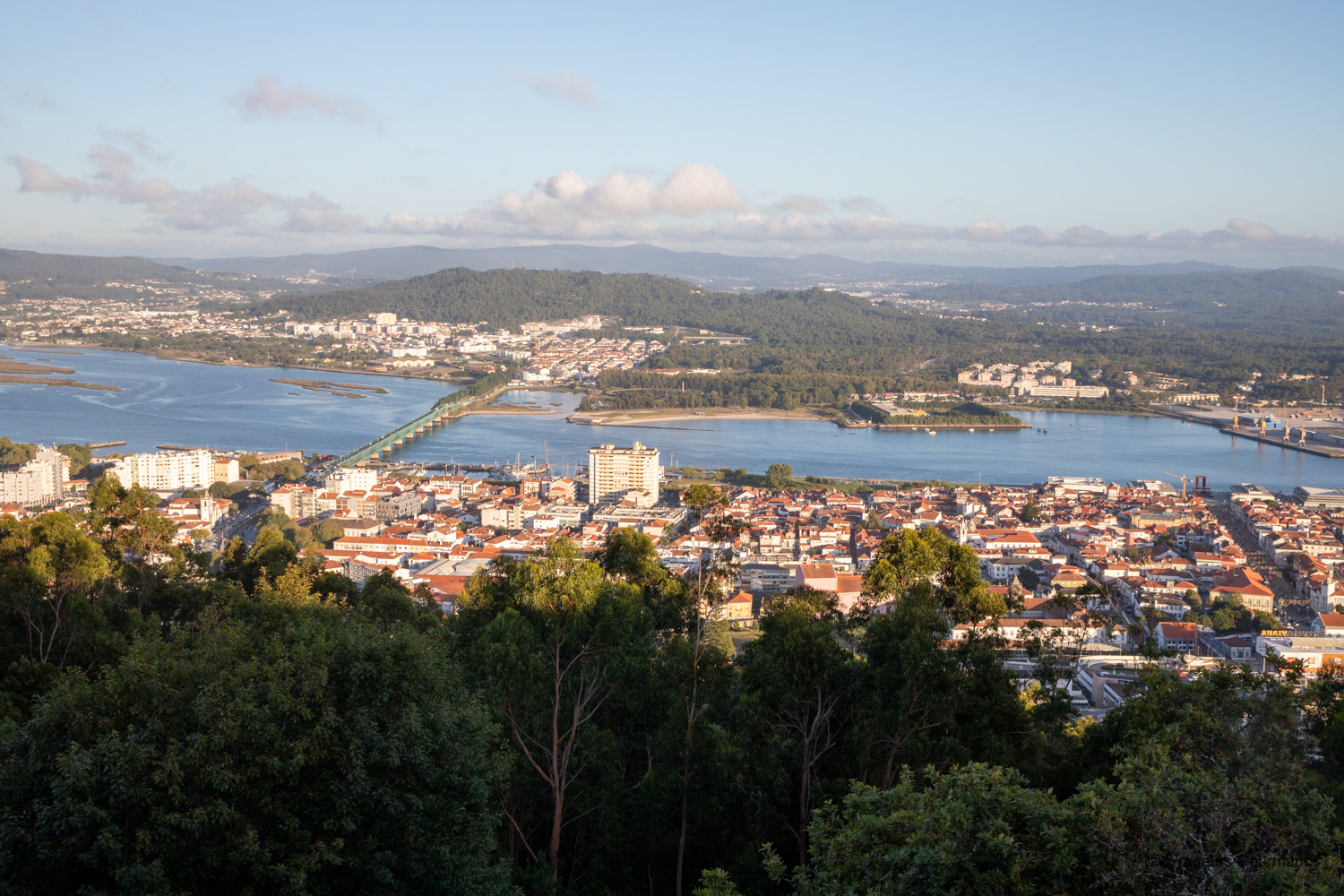
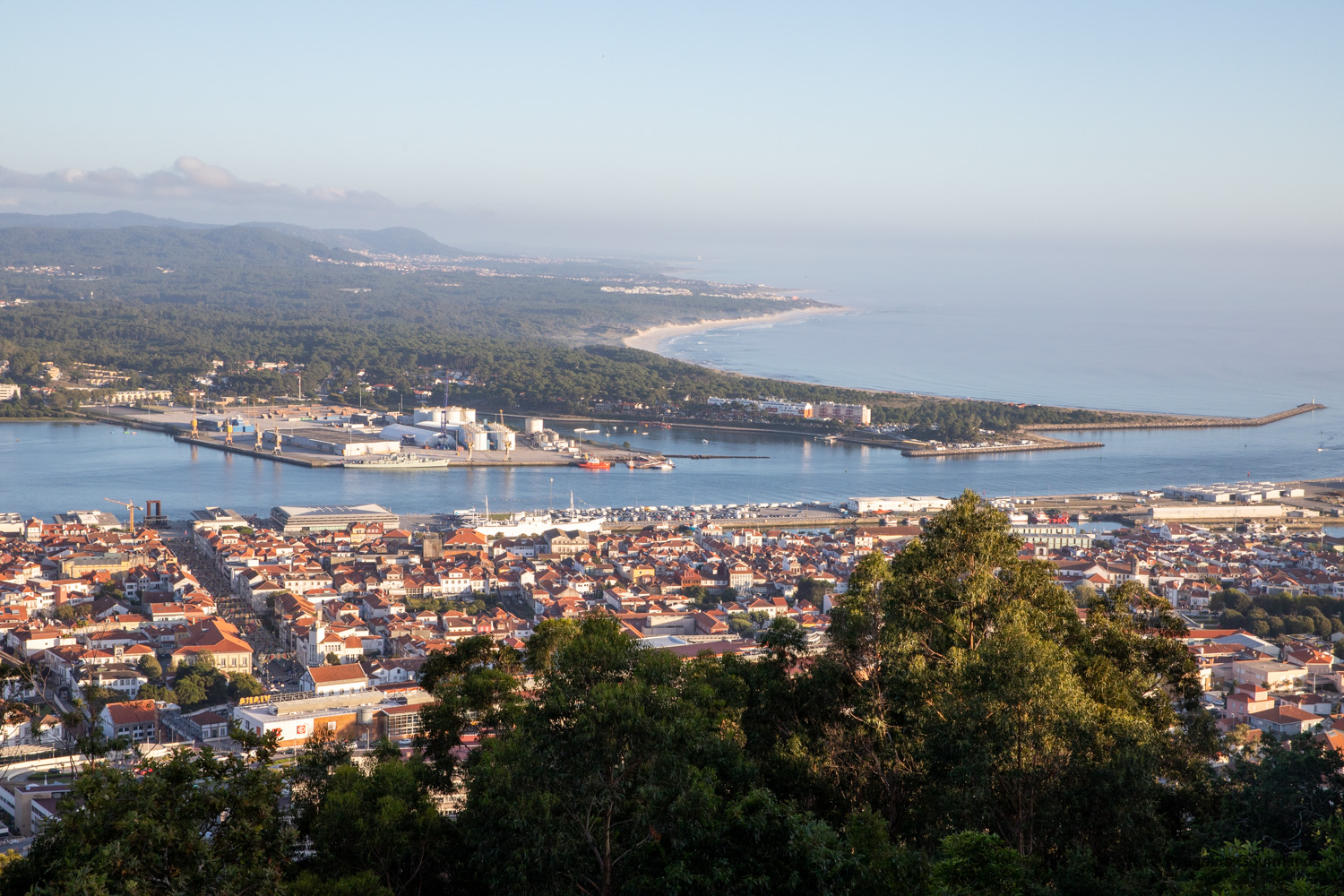
The city is overlooked by the majestic Basilica of Santa Luzia, inspired by the Sacré-Cœur in Paris. Although the project dates back to 1898, the church only opened for worship in 1926 and was fully completed in 1943. Naturally, one of the first things I recommend is heading up Santa Luzia hill [Monte de Santa Luzia]! You can admire its splendid interior and enjoy endless views over the Atlantic Ocean and the coastline. You can get there by car (there are a few parking spaces in front), on foot, or by funicular when it’s running ^^.
You can also climb to the top of its towers, but they aren’t always open, so check the opening times before you go.
Good to know: there’s a prestigious hotel and restaurant right behind it. In the low season, prices are very reasonable for the quality, so go for it!
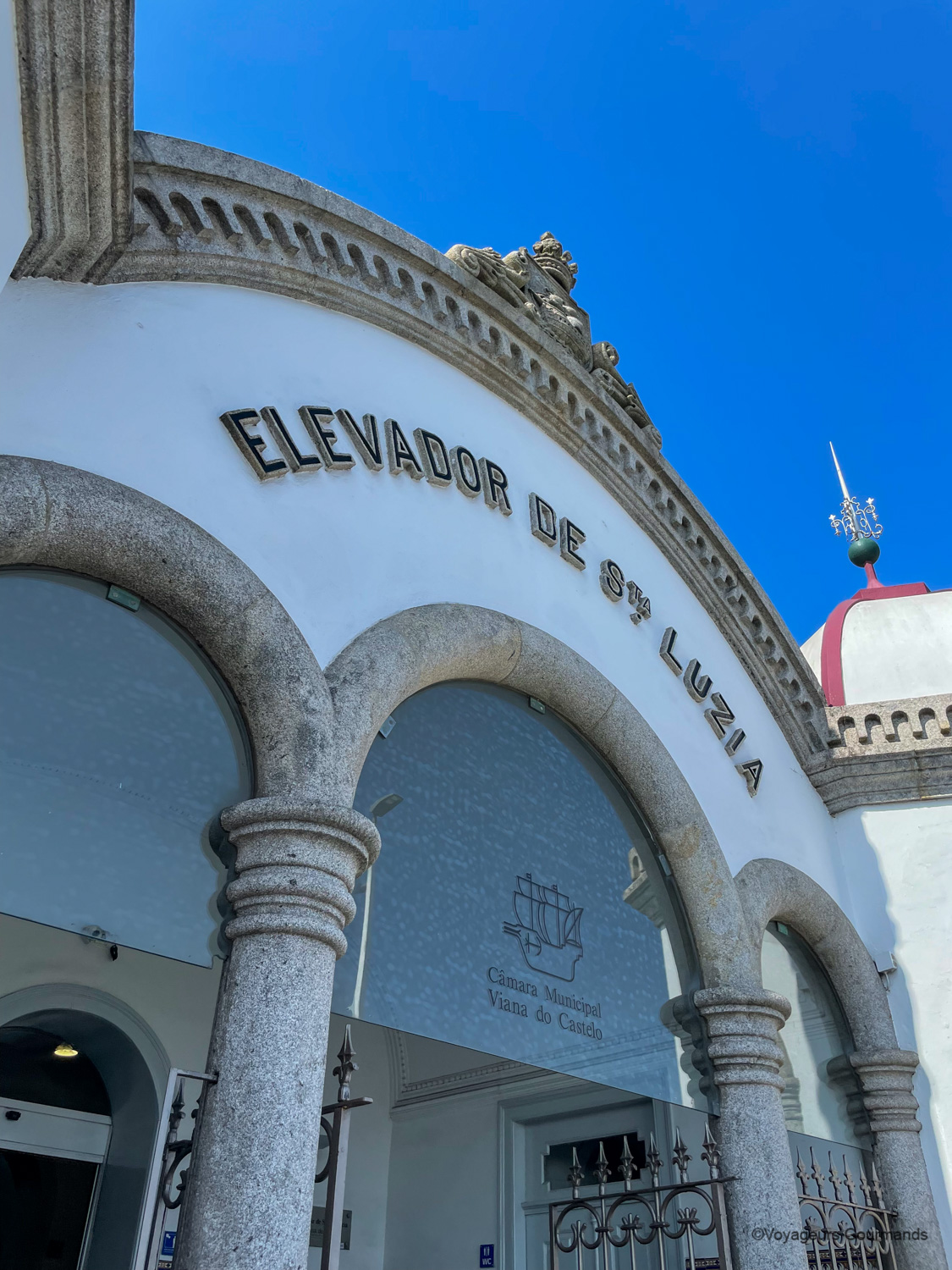
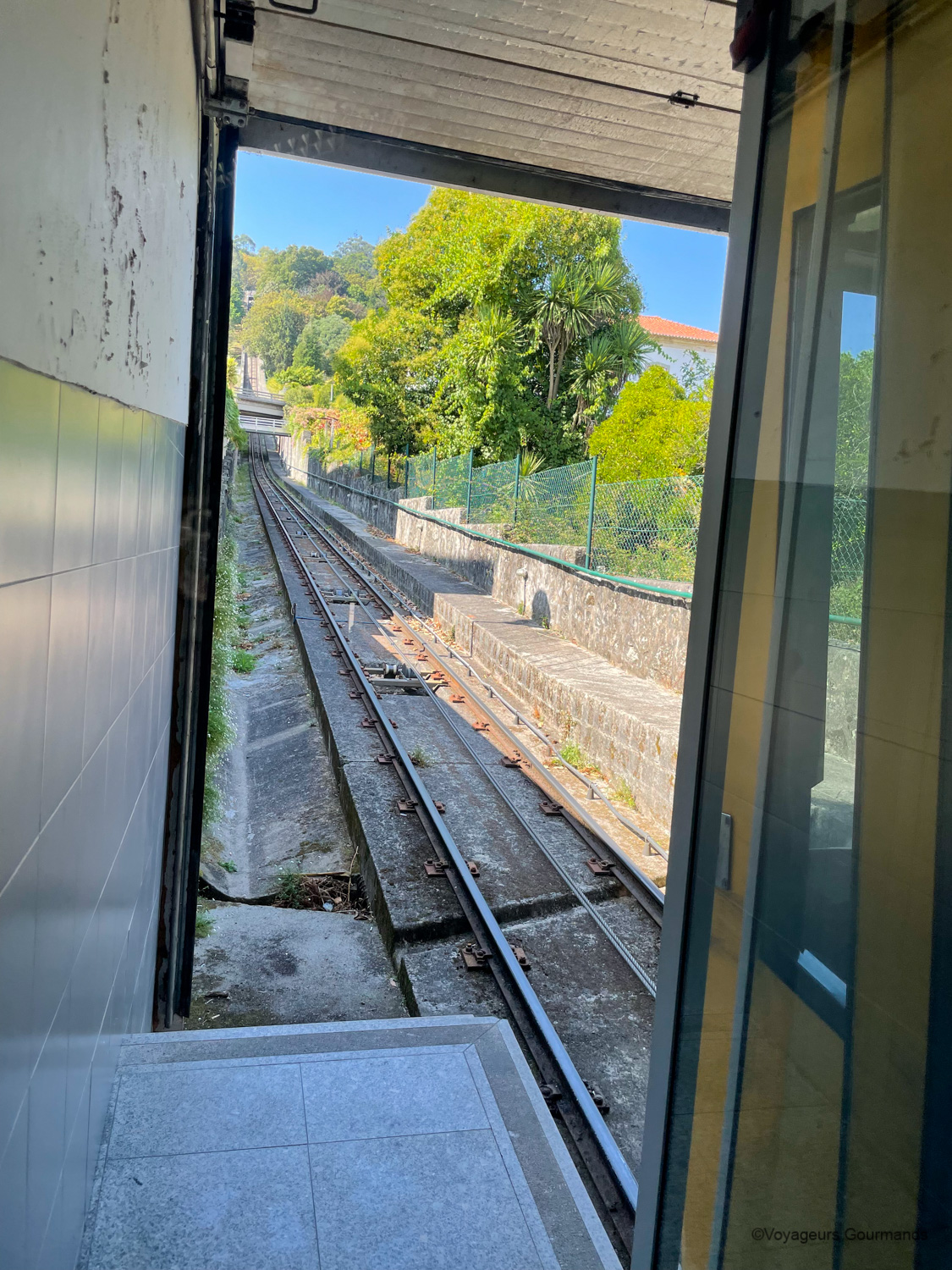
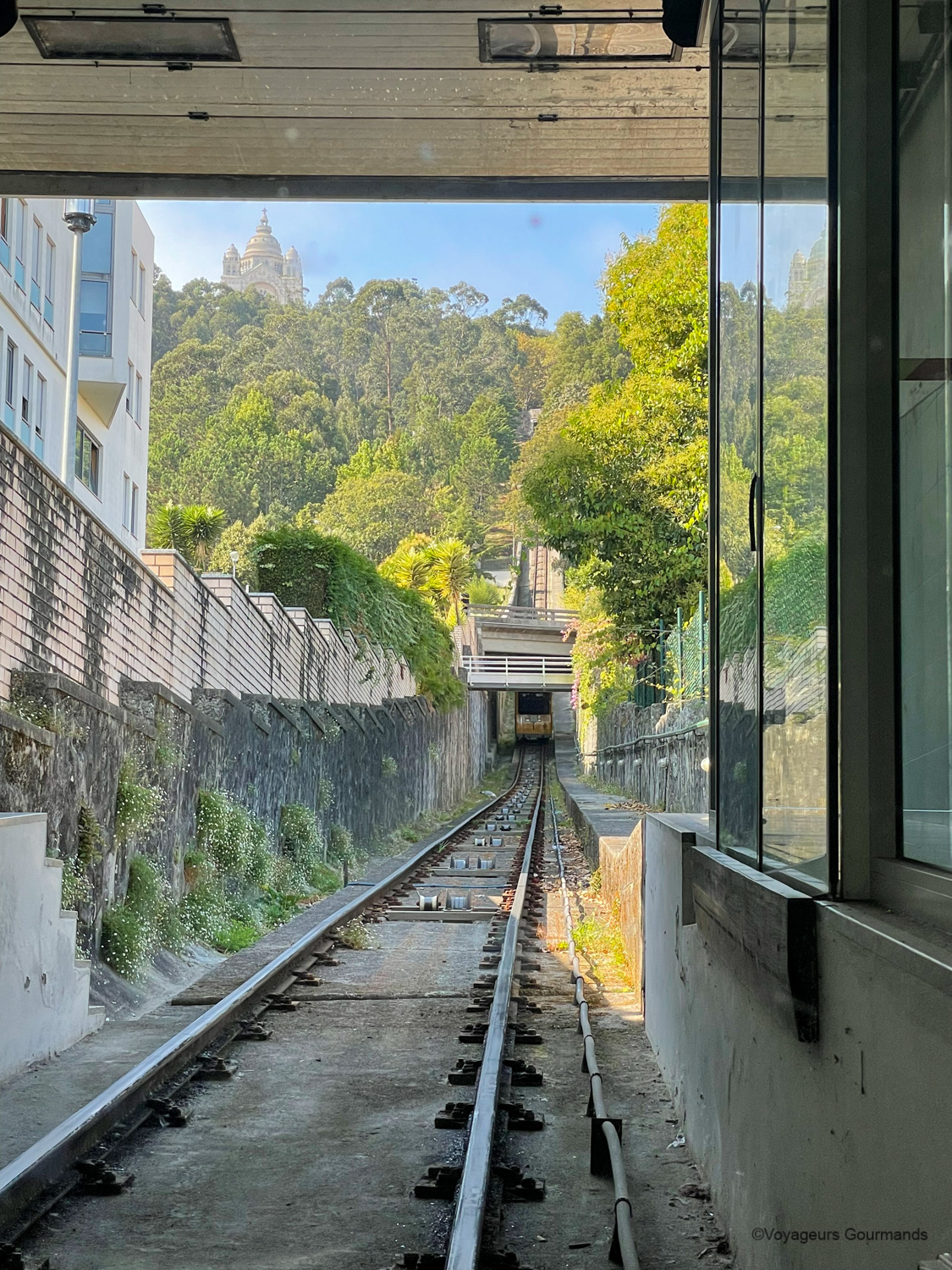
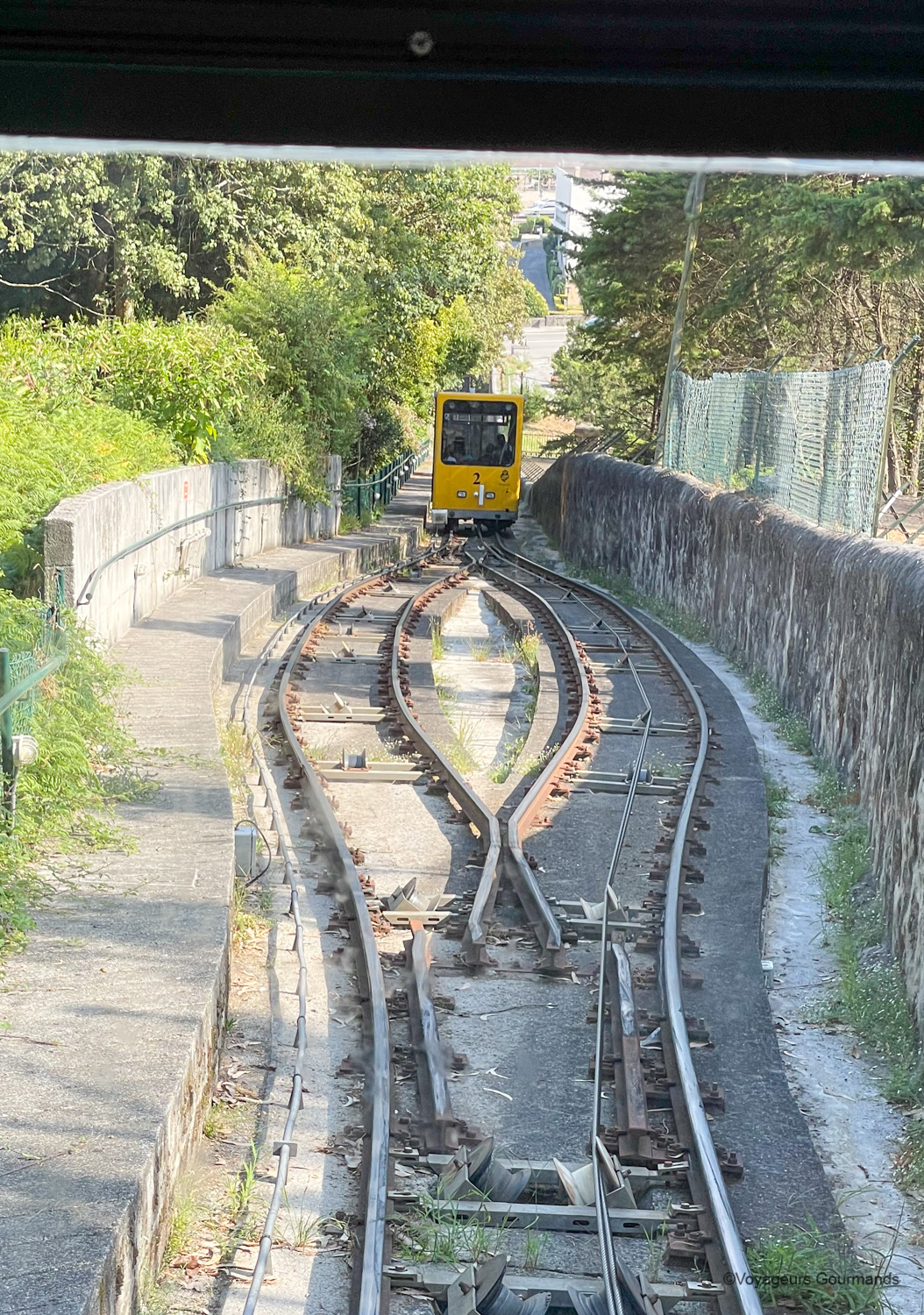
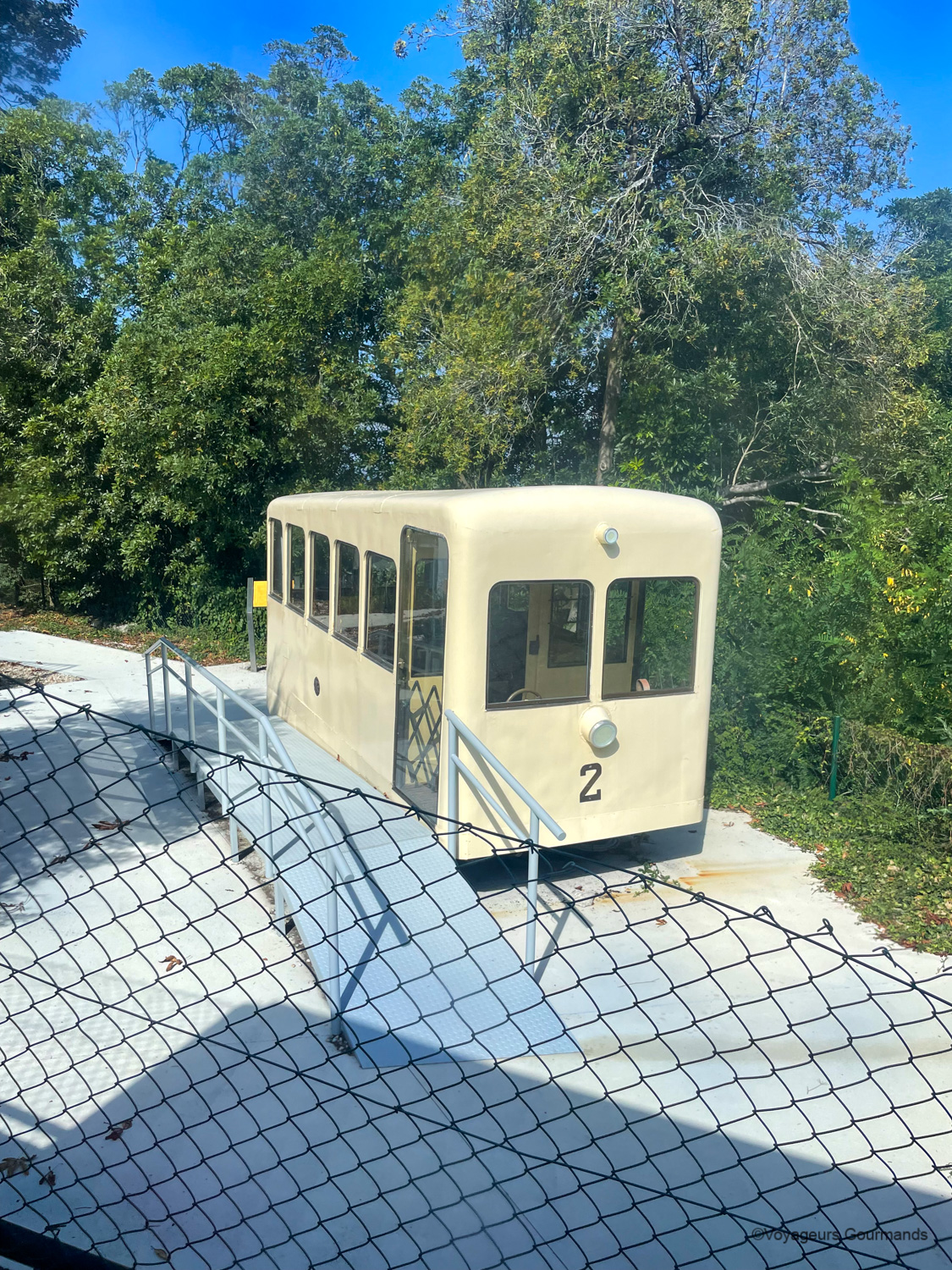
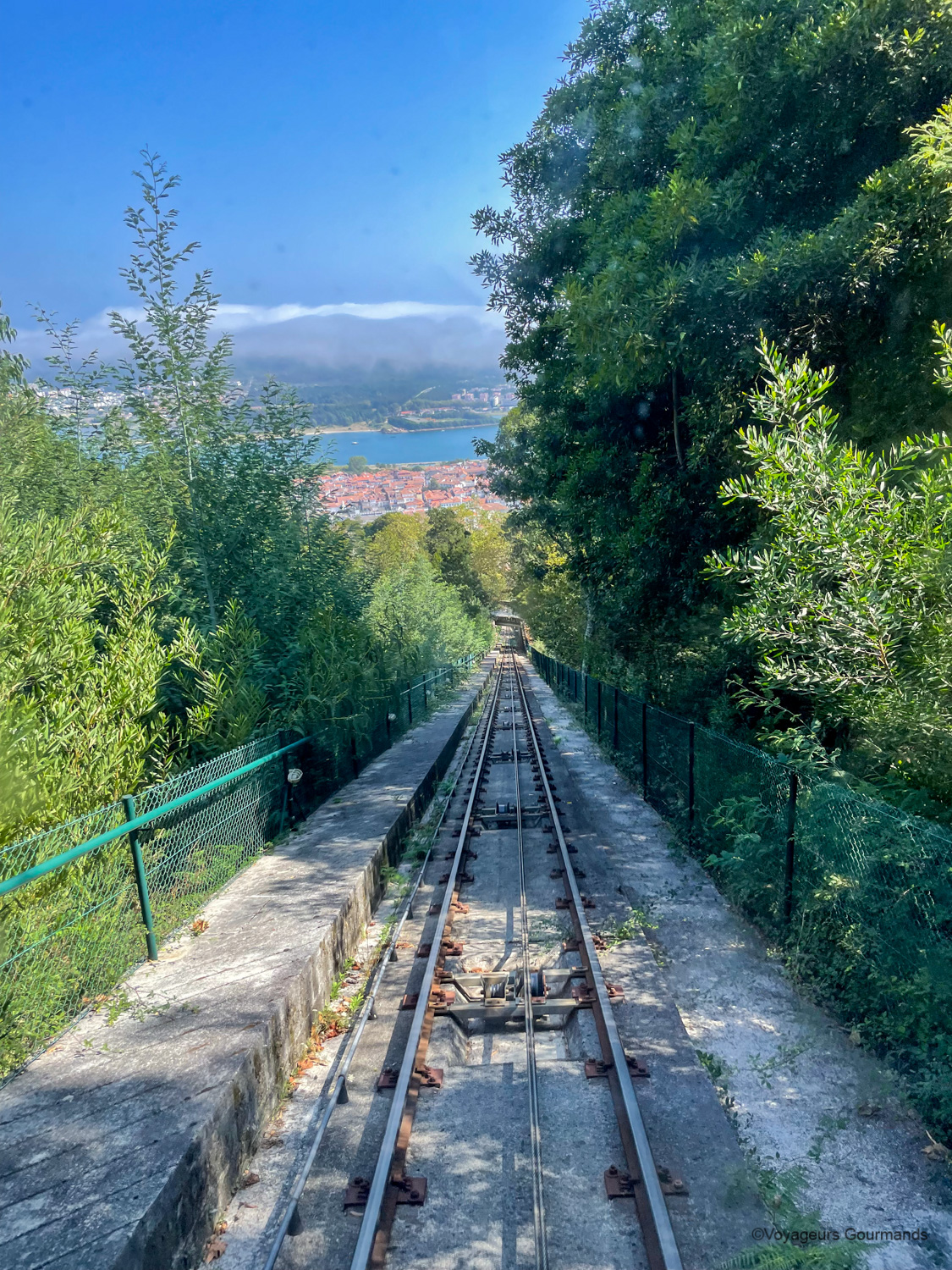
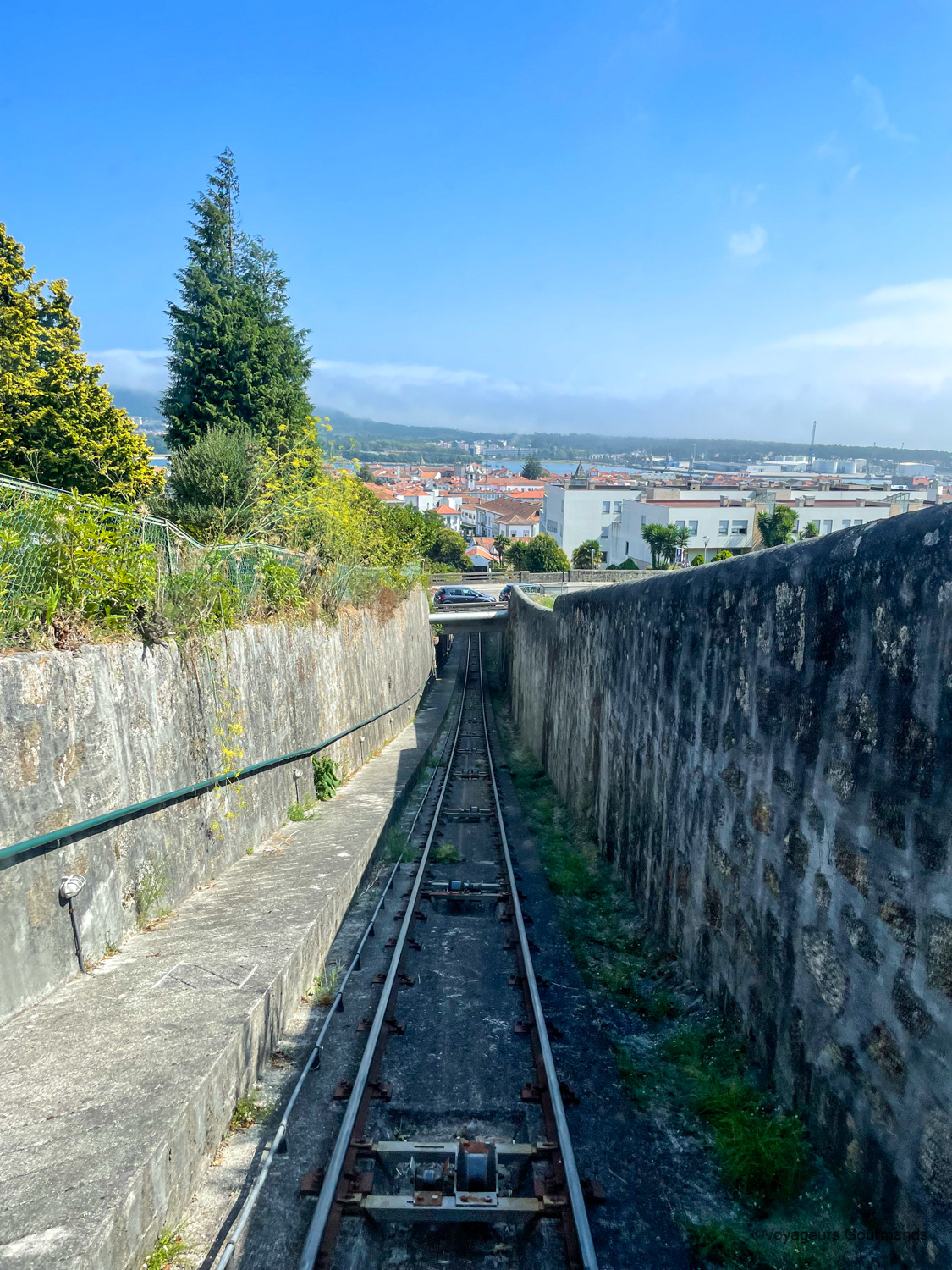
Santa Luzia Funicular (Elevador de Santa Luzia)
It’s a little experience in its own right… For as long as I can remember, it was often out of order… Then one summer, we saw a queue building up… Quick, it was our turn to hop on! Less tiring than walking and less dizzying than the winding road up, the funicular offers a gentle climb… Little by little, the city appears below, then the coastline and the ocean as far as the eye can see… It’s so beautiful, time seems to stand still for a moment… If you’re travelling with children, it’s a fun thing to do with them too… Our son was absolutely fascinated, hehe!
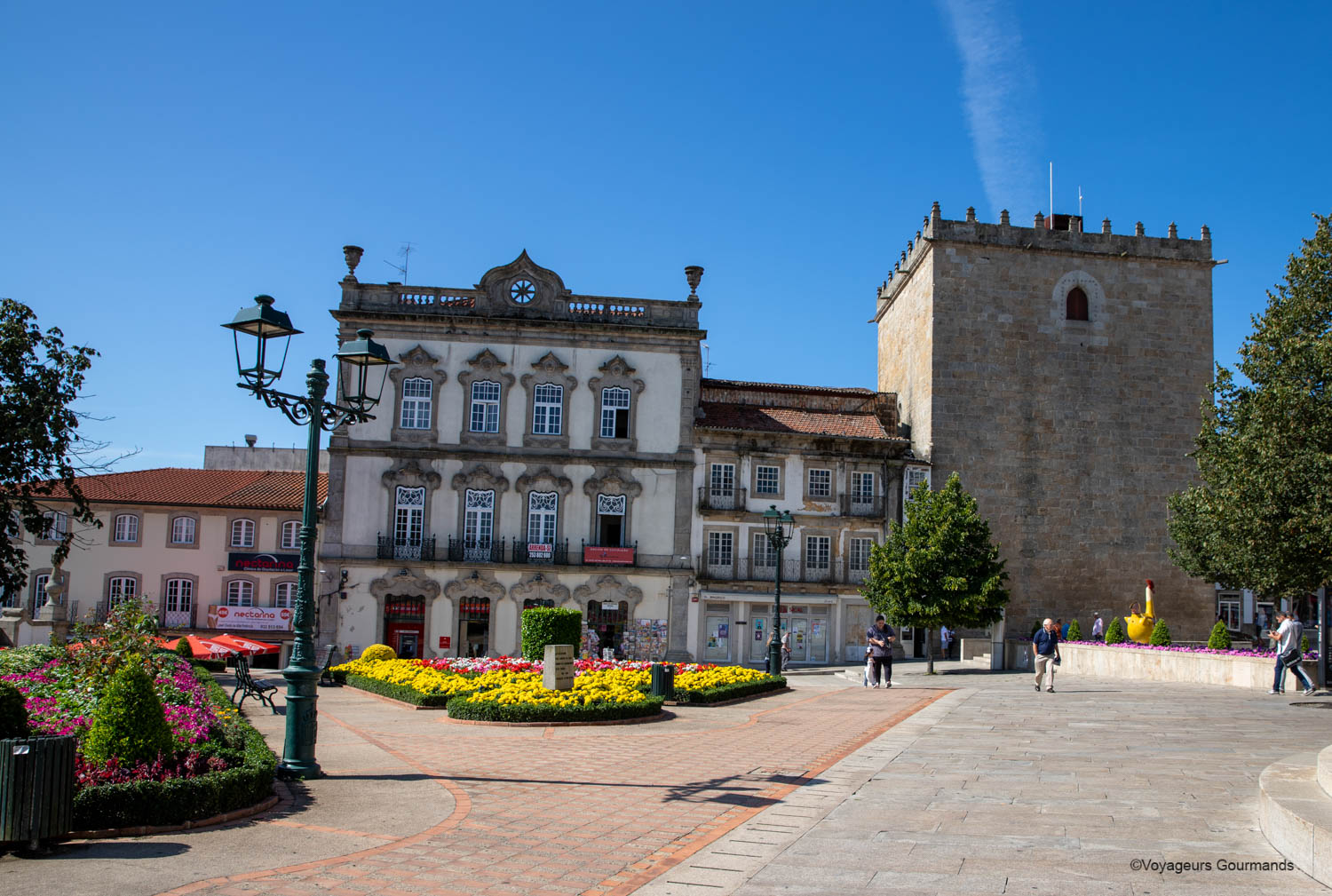
Praça da República
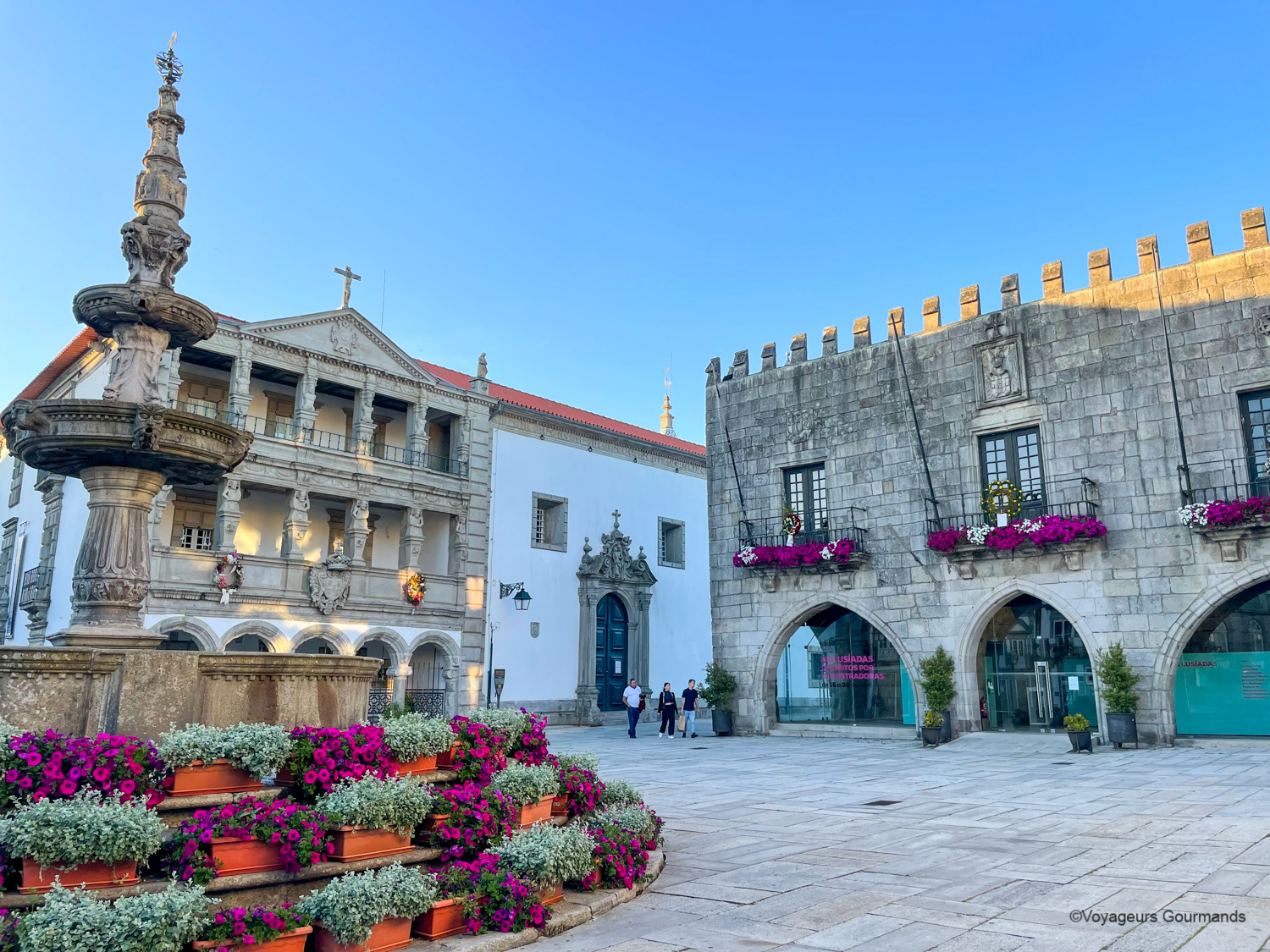
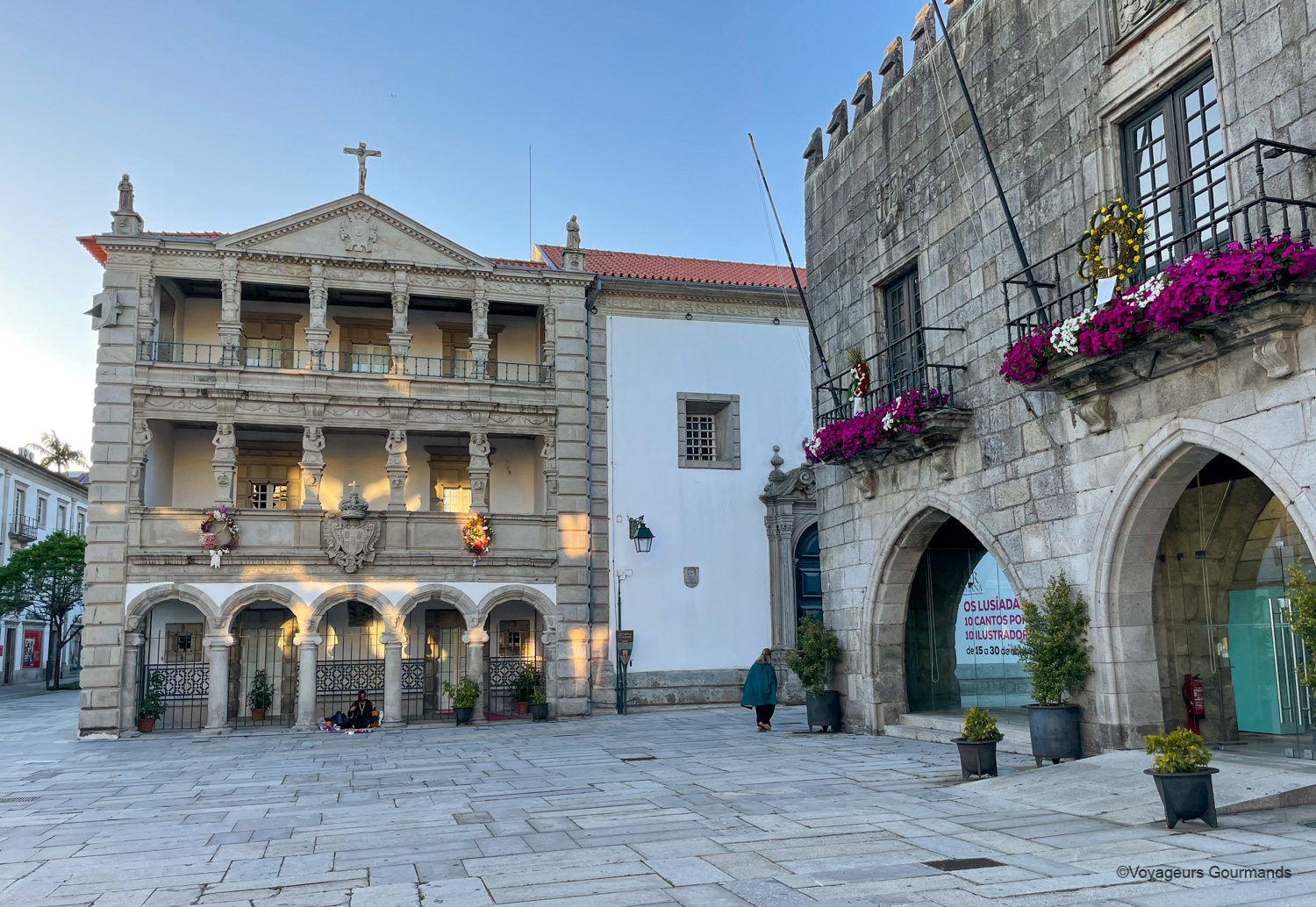
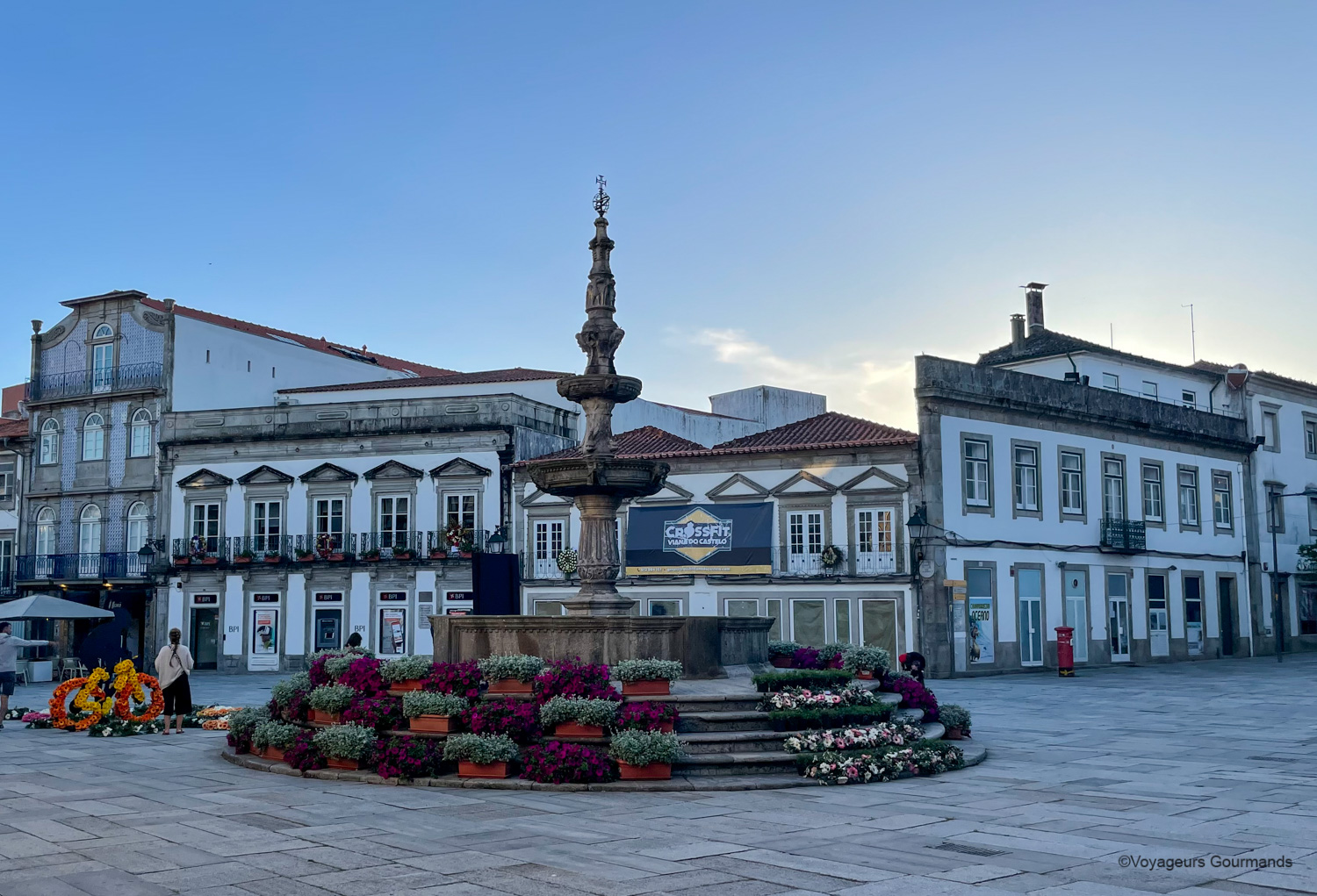
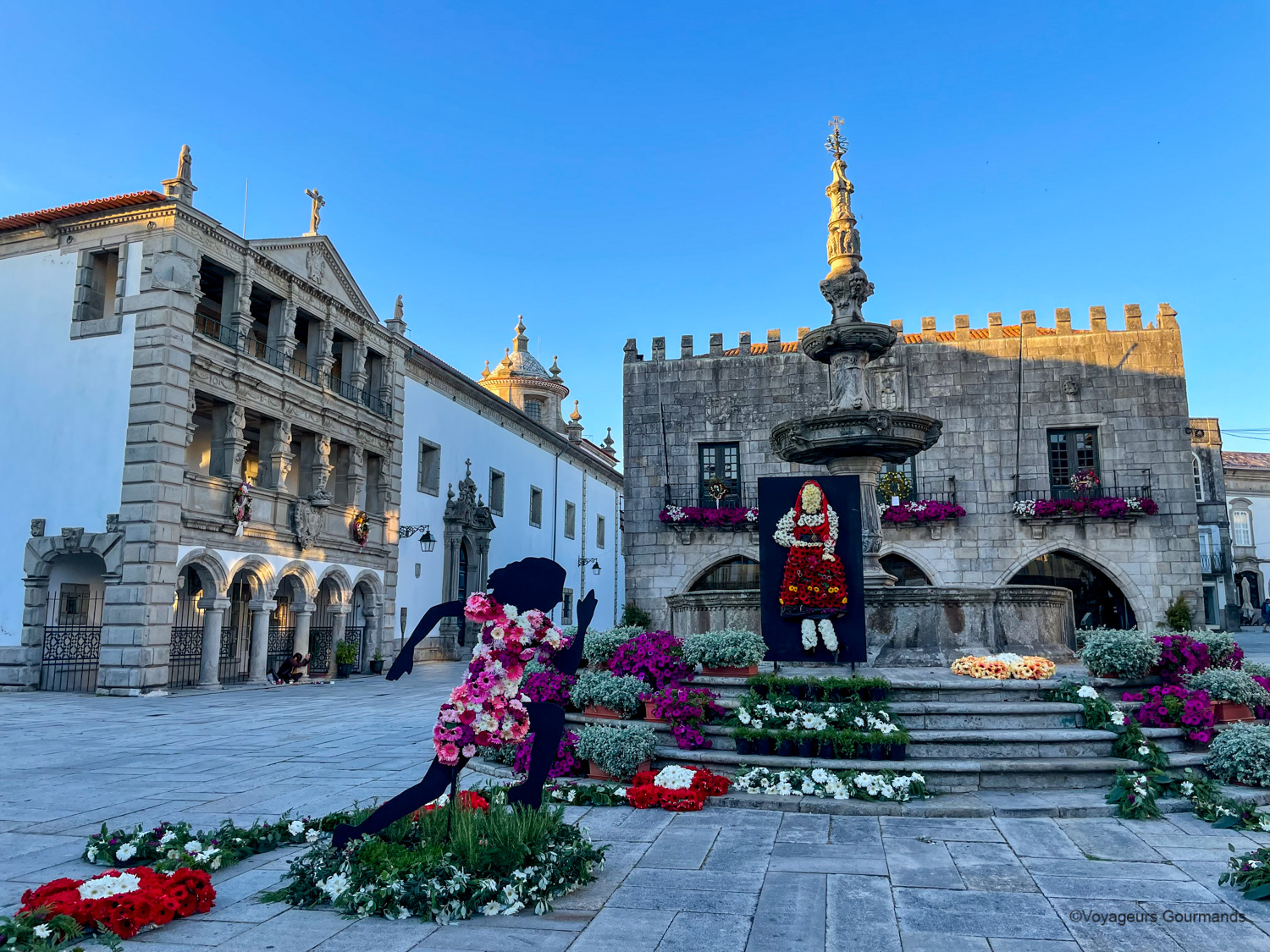
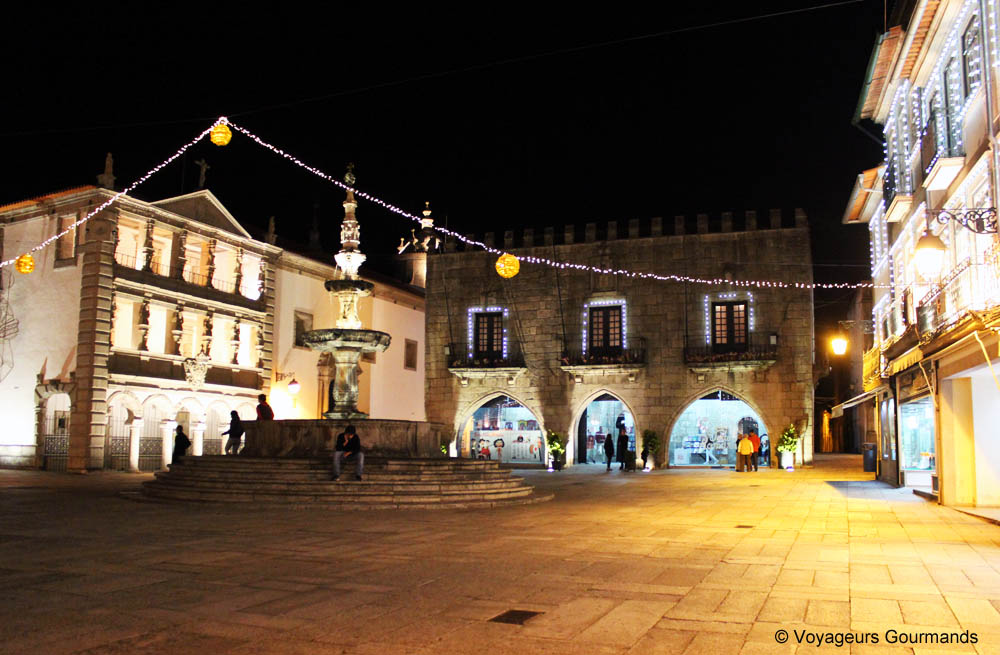
Head to the city centre and its famous Praça da República (Republic Square), with its 16th-century fountain (there’s also a church on the left and the old town hall on the right, where the city council used to meet, dating from the same century). It’s the place for a stroll and a coffee break with a pastel de nata. Next to the fountain, take a peek inside the Ourivesaria Freitas shop, just to discover another Viana speciality: its gold jewellery…
Costume Museum (Museu do Traje)
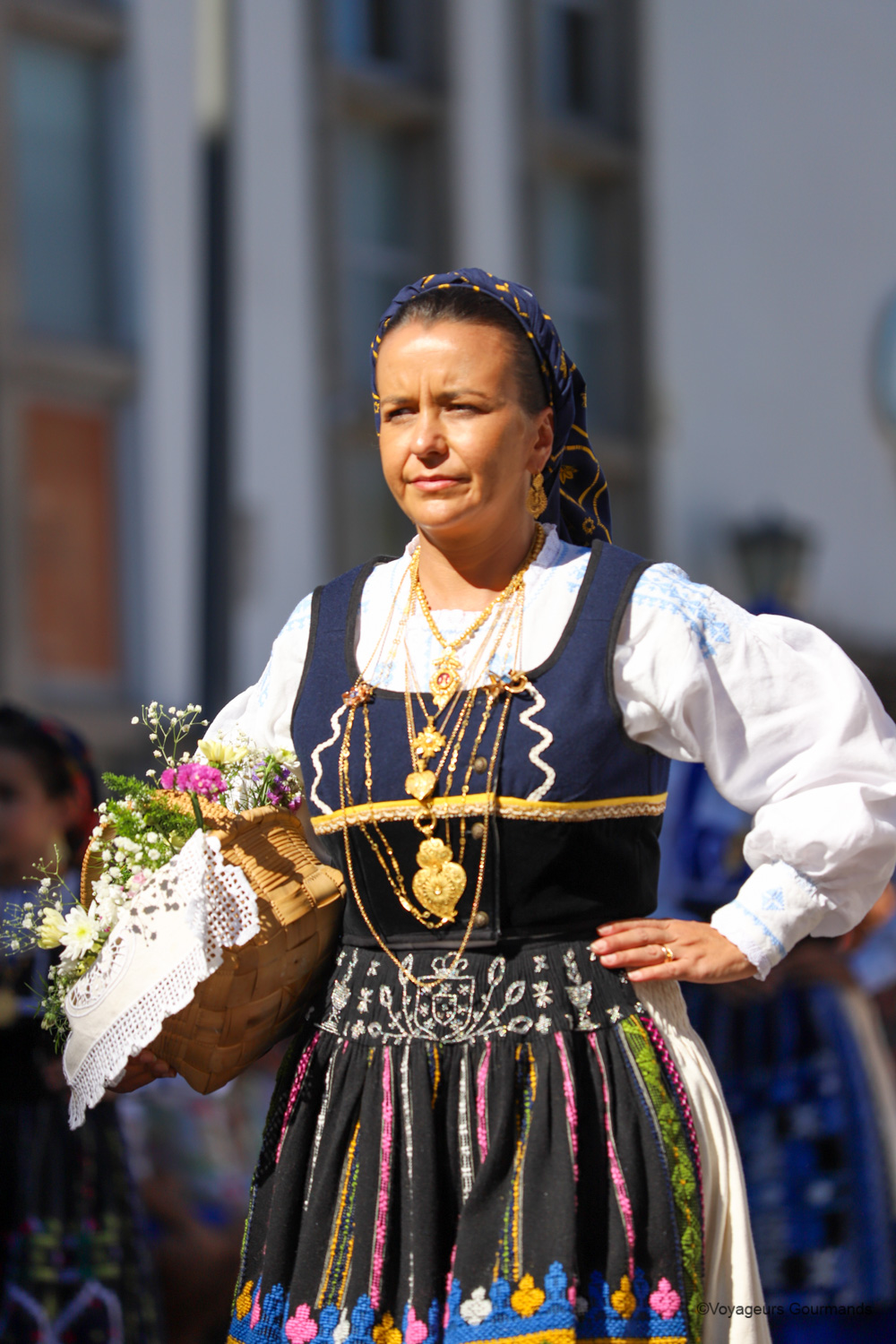
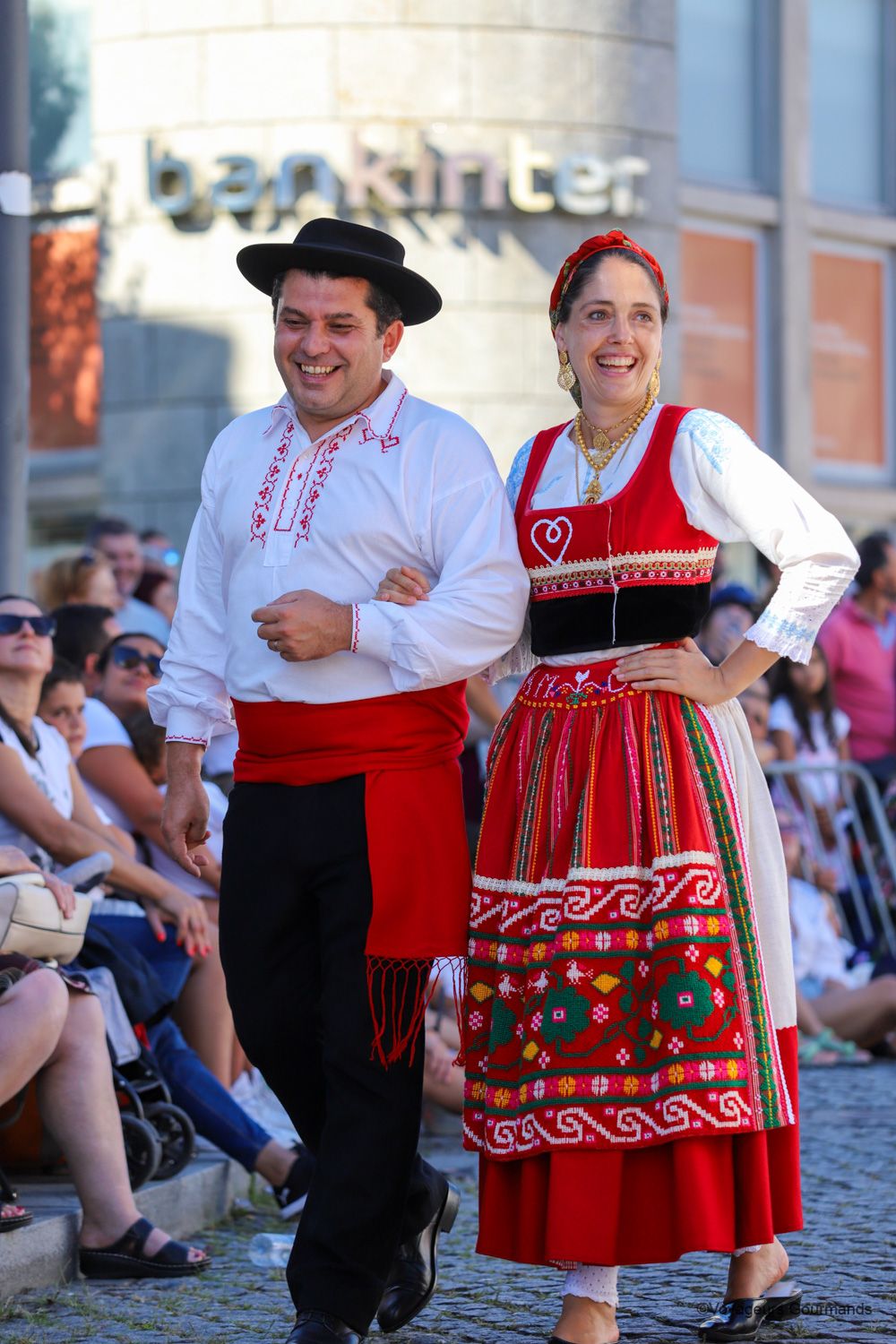
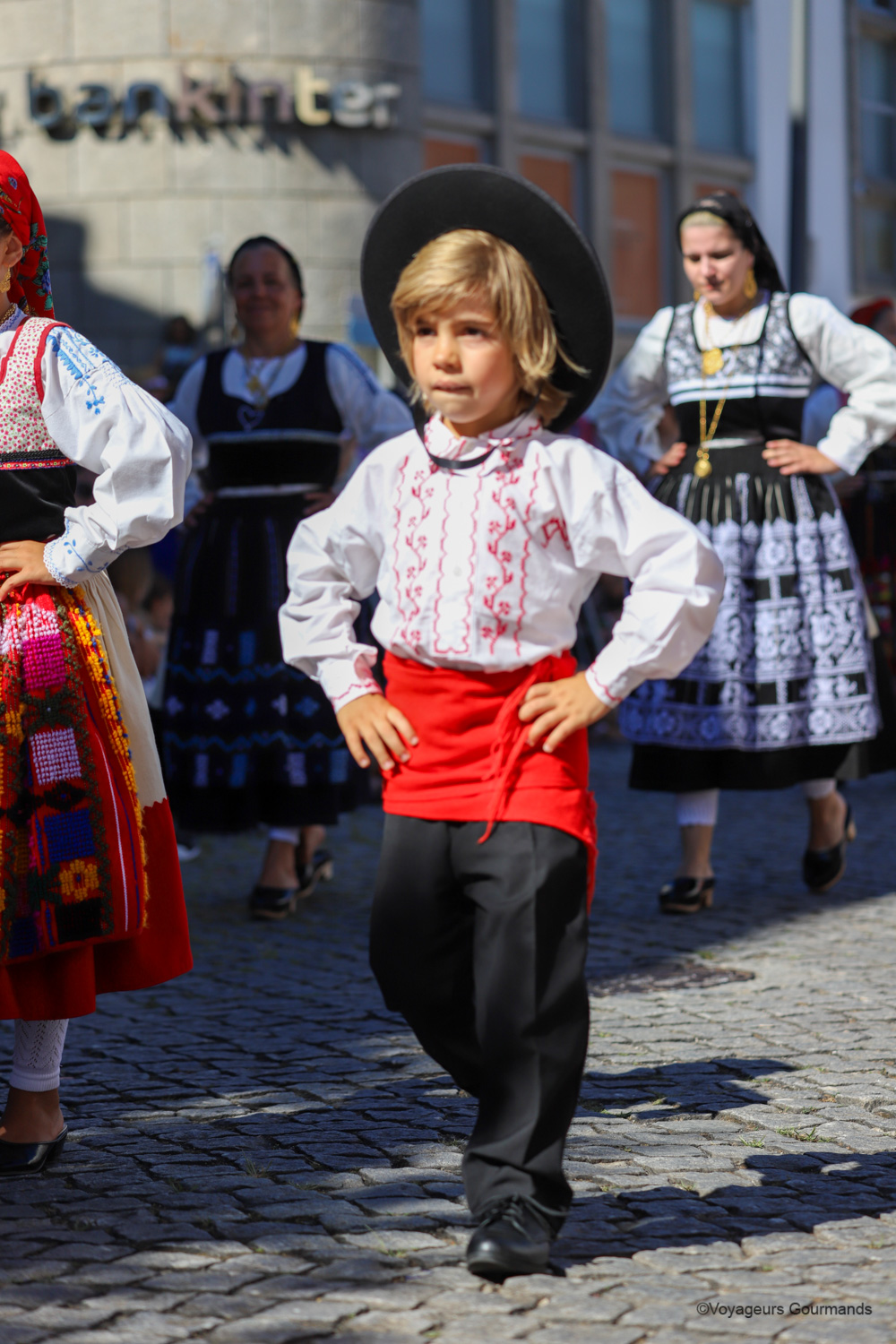
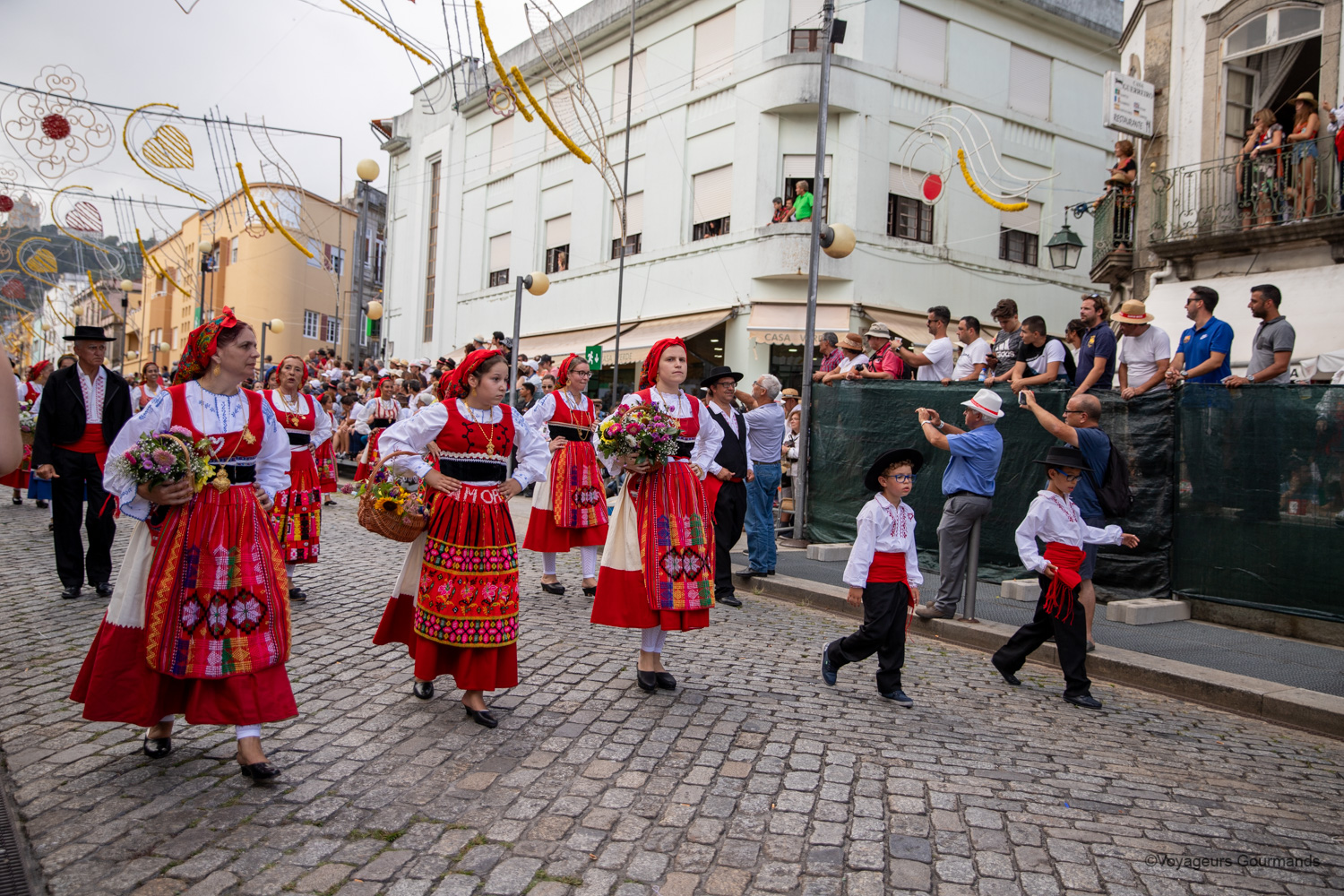
If you’re not in town during the festivities, I suggest visiting the Museu do Traje. This museum explains how people used to dress in the past. Nowadays, during festivals, there are parades where people wear their beautiful traditional costumes. You have to see them! 🙂 (You can also see them in the shops that sell them, but then you miss out on the story behind them.)



The Romaria de Nossa Senhora da Agonia festival
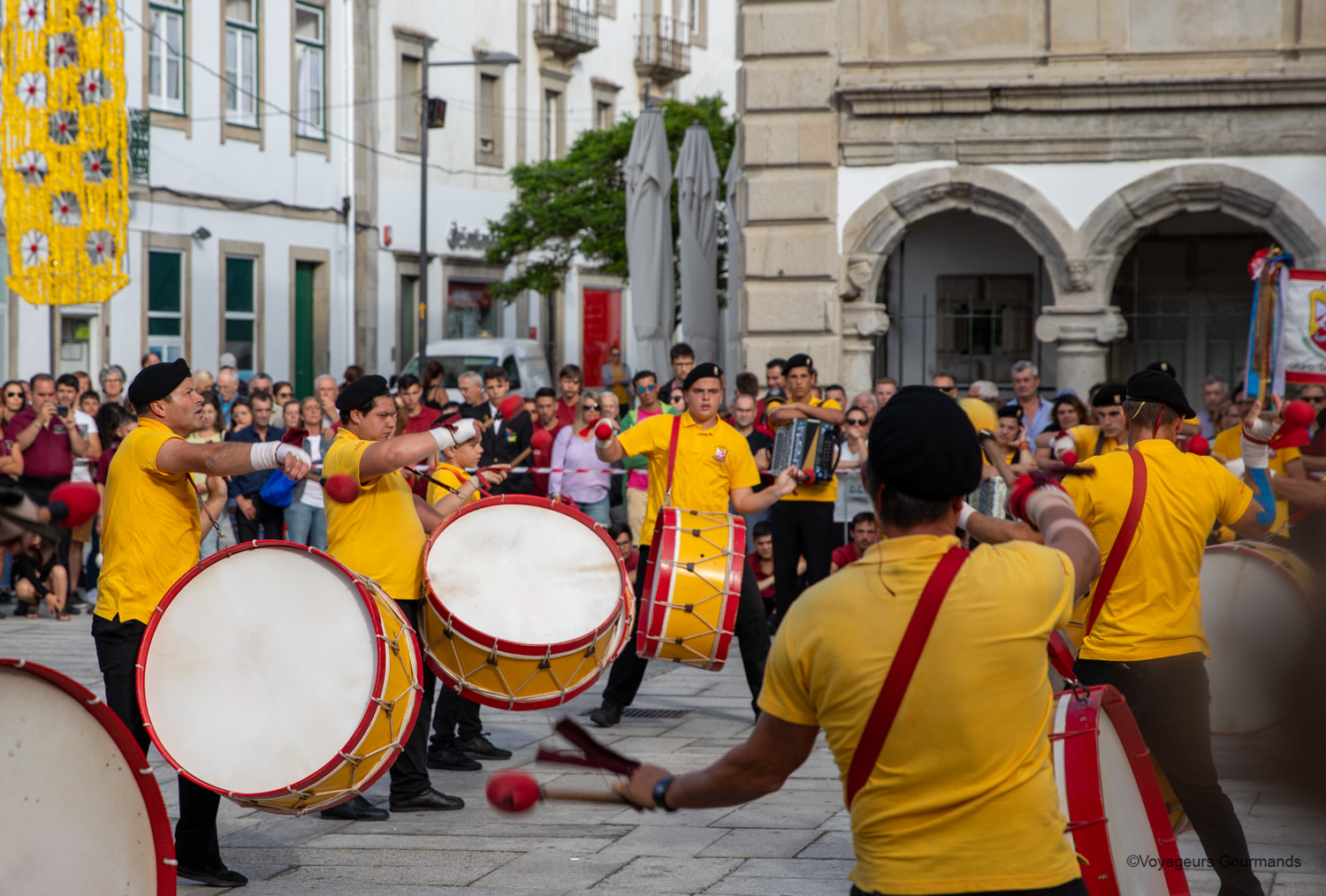
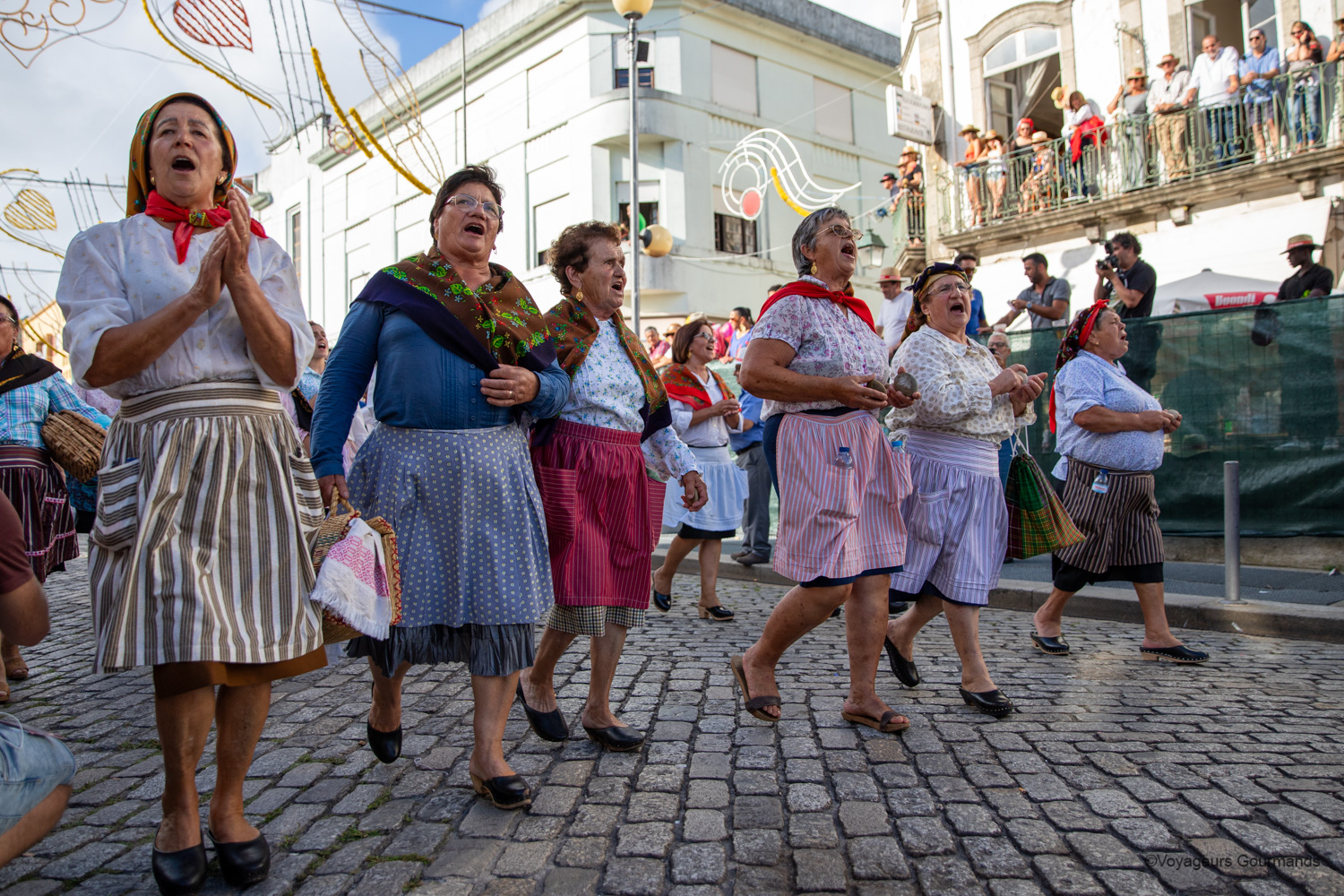
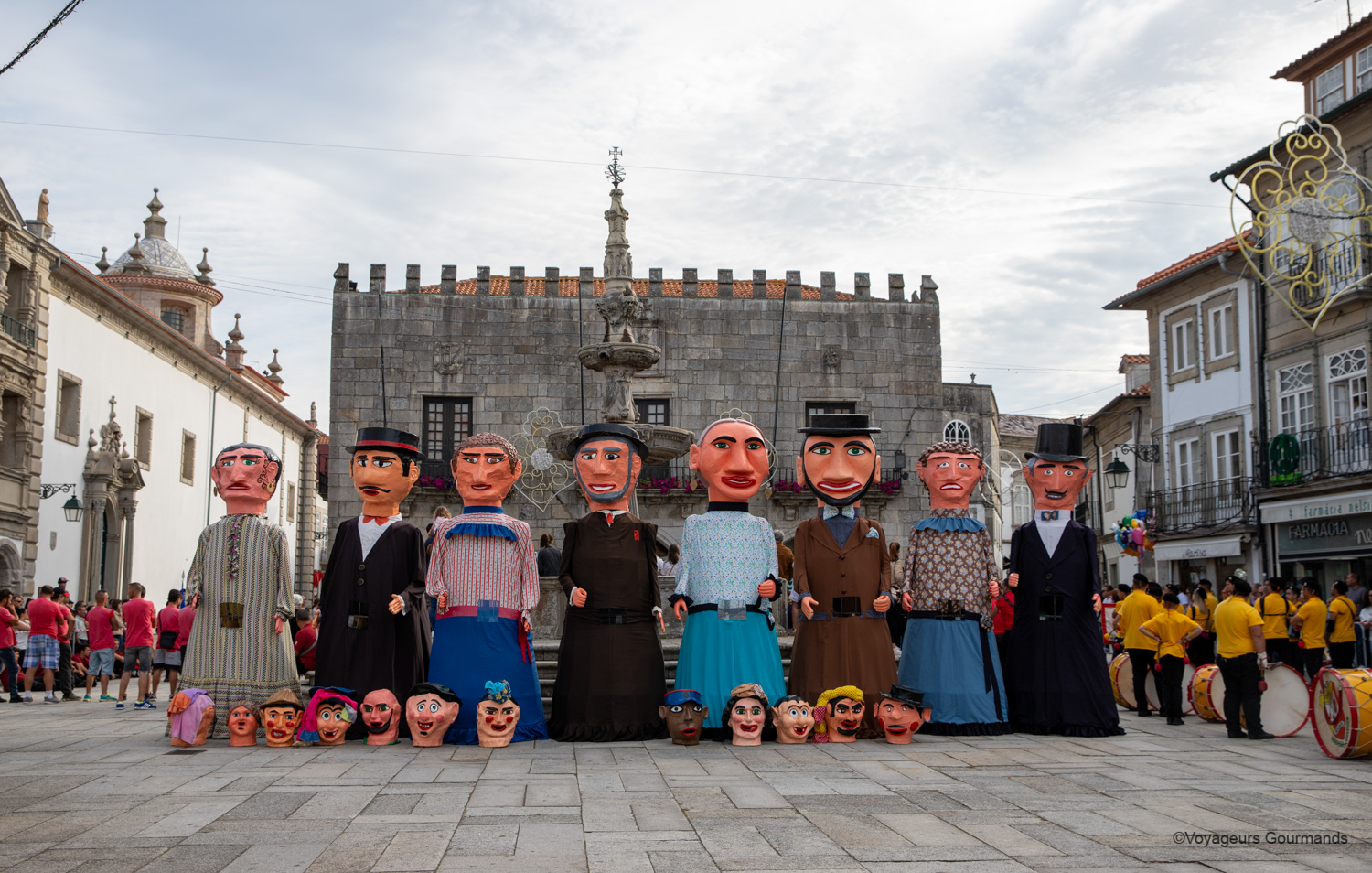
Honestly, if you can choose your dates… I’d recommend visiting Viana do Castelo in August… Yes, strange when you know it’s the busiest time of year in the city… But it’s your chance to immerse yourself in a typical traditional Portuguese festival… There are loads of them all over the country, especially in summer, but this is one of the biggest!
Most of these festivals are religious and honour one or more saints. You’ll see parades depicting biblical figures, the life of Christ and local traditions. It’s still a party, so you’ll also find funfair rides, markets, street vendors and, above all, fireworks! Nothing like the fireworks we have in France: let’s just say every Portuguese festival has a display worthy of Bastille Day, sometimes even better! As I mentioned above, the Romaria de Nossa Senhora da Agonia is one of the biggest festivals in the country, but also one of the most authentic. However, if that doesn’t really appeal to you, avoid August, as people now flock from all over the world to visit Viana do Castelo at that time!
Read our detailed article about the Viana do Castelo festival here: Romaria de Nossa Senhora d’Agonia.
Viana do Castelo Cathedral (Sé Catedral / Igreja Matriz)
Viana do Castelo’s Sé Catedral, also known as Igreja Matriz, is a remarkable 15th-century Gothic building in the heart of the historic centre. With its two large towers and its interior decorated with azulejos, it’s a must-see to discover Viana’s history and atmosphere.
Gil Eannes Hospital Ship
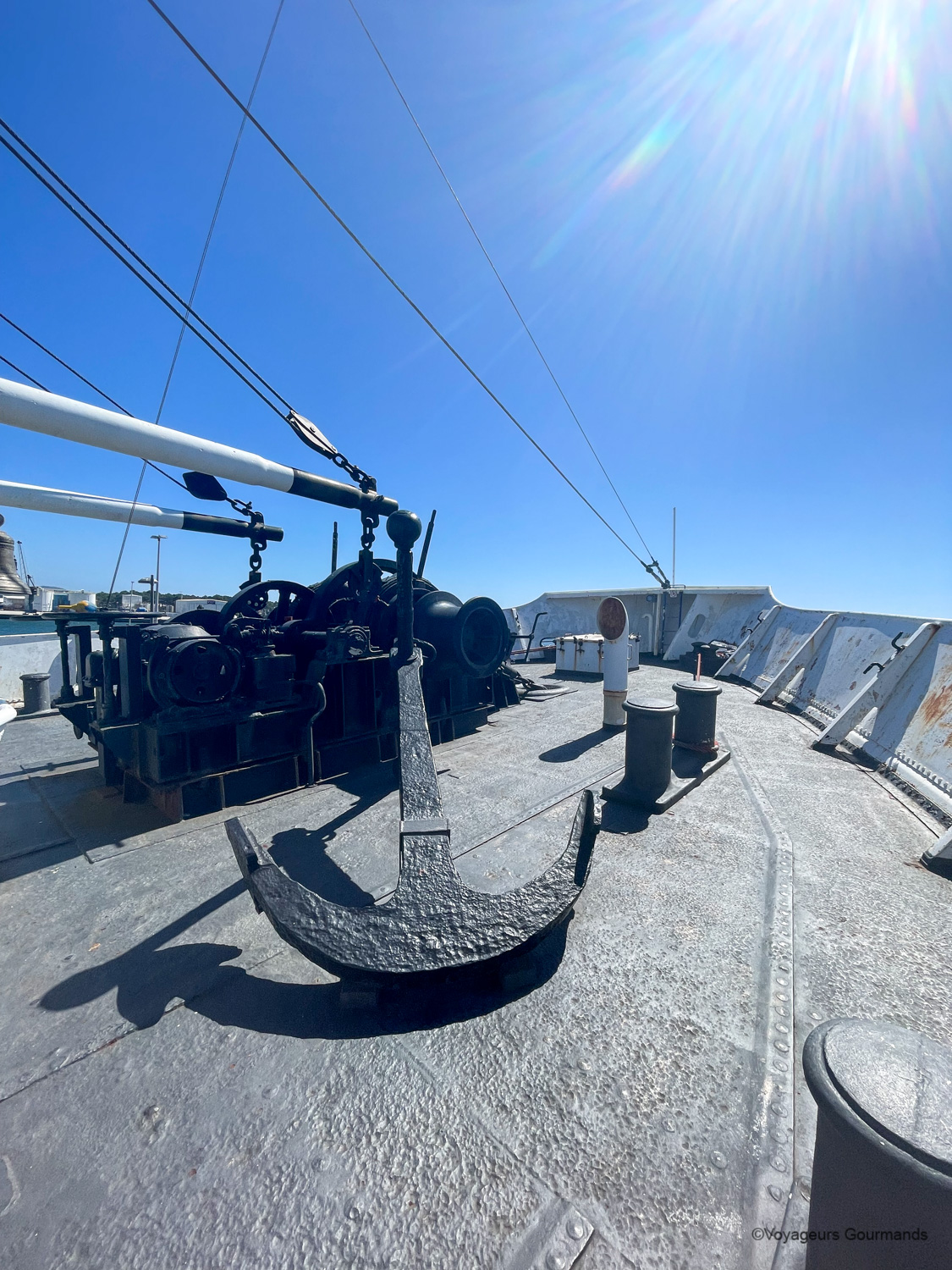
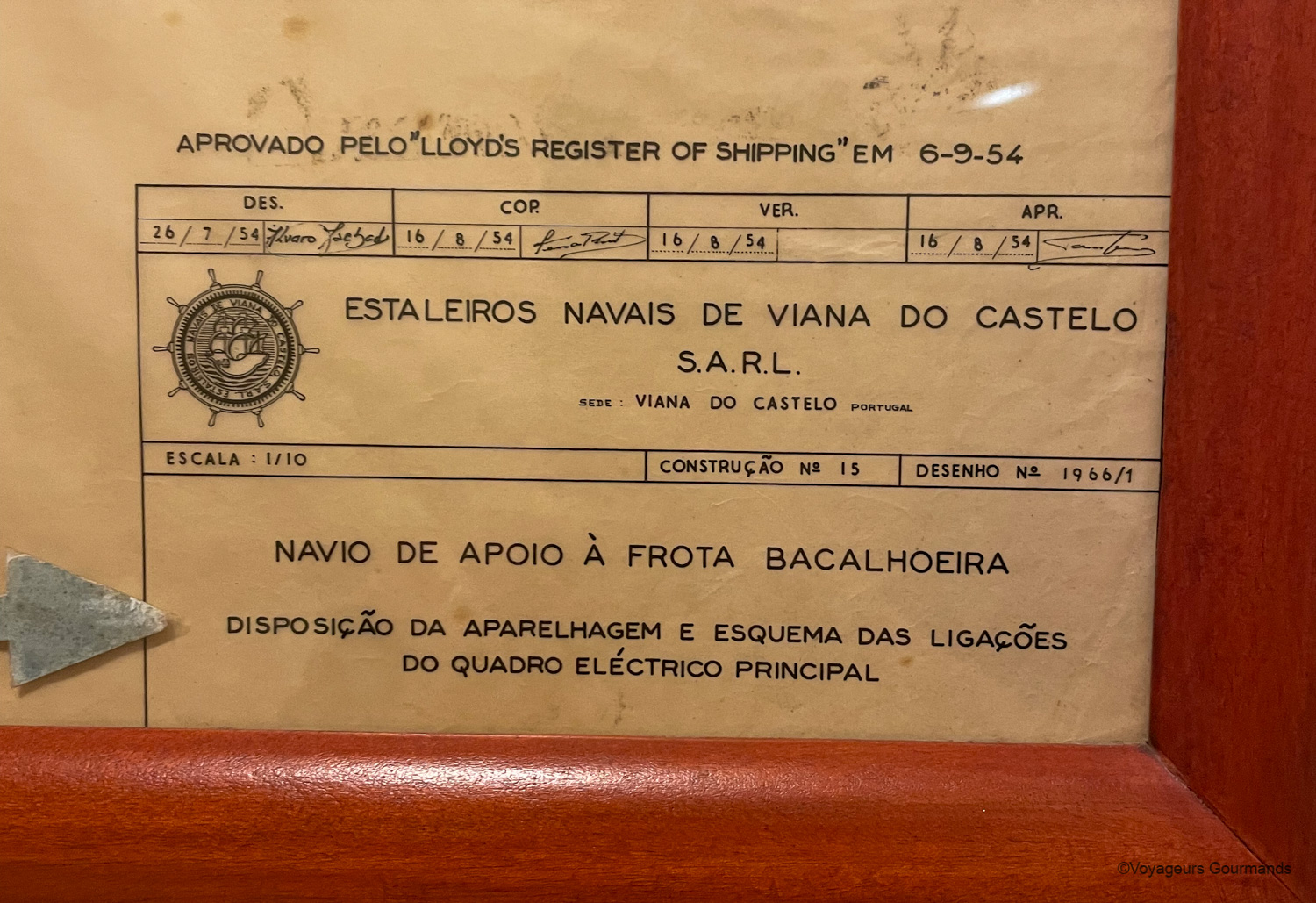
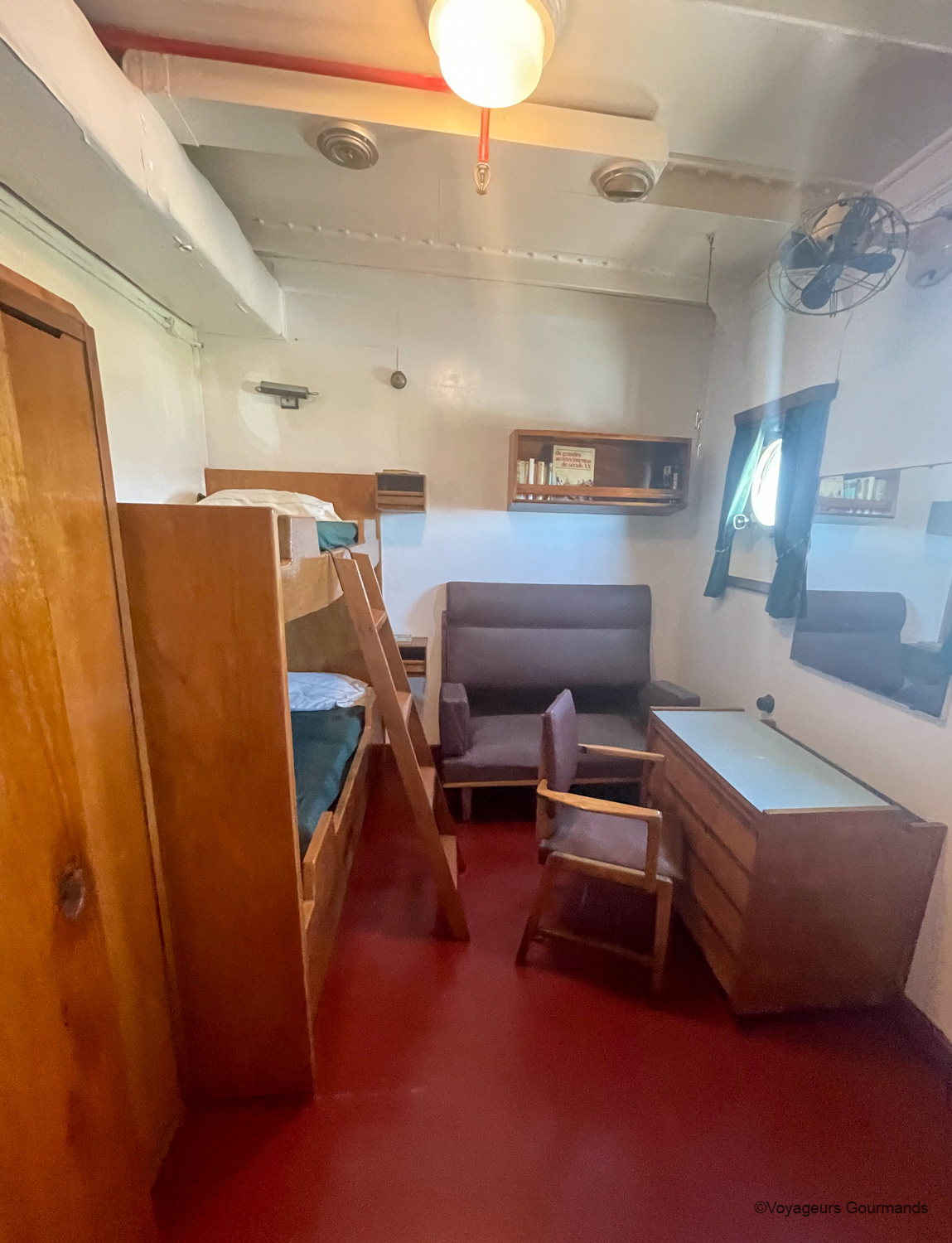
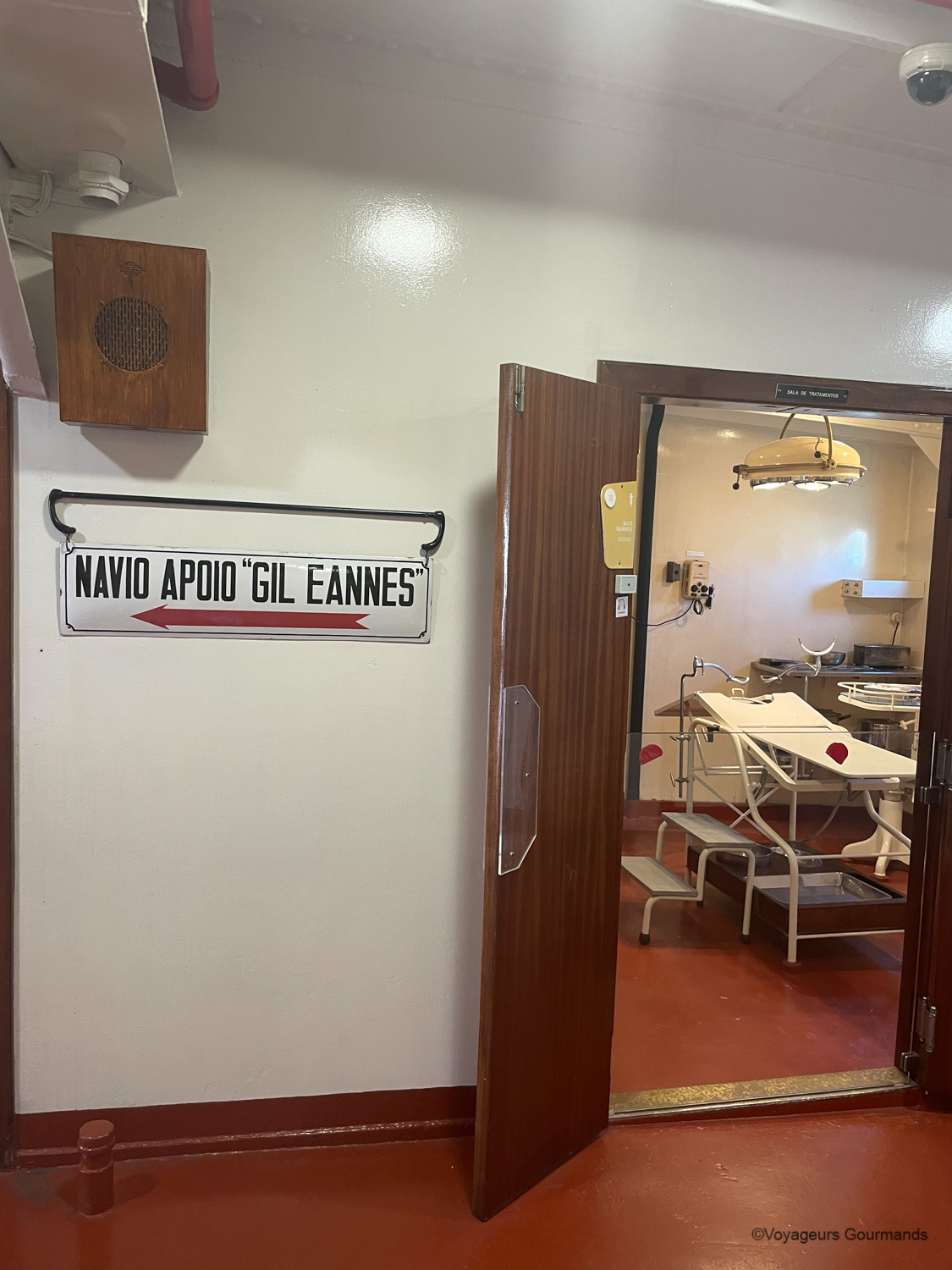
A former hospital ship, the Gil Eannes (navio-hospital Gil Eannes) has been meticulously preserved and turned into a museum, offering visitors a fascinating dive into Portugal’s maritime past. Built in 1955, this iconic ship supported Portuguese fishermen in the distant waters of the Atlantic Ocean, providing essential medical care and acting as a rescue platform in emergencies. Inside the museum, you’ll discover moving details of life on board, from the medical treatment rooms to the doctors’ and crew’s cabins.
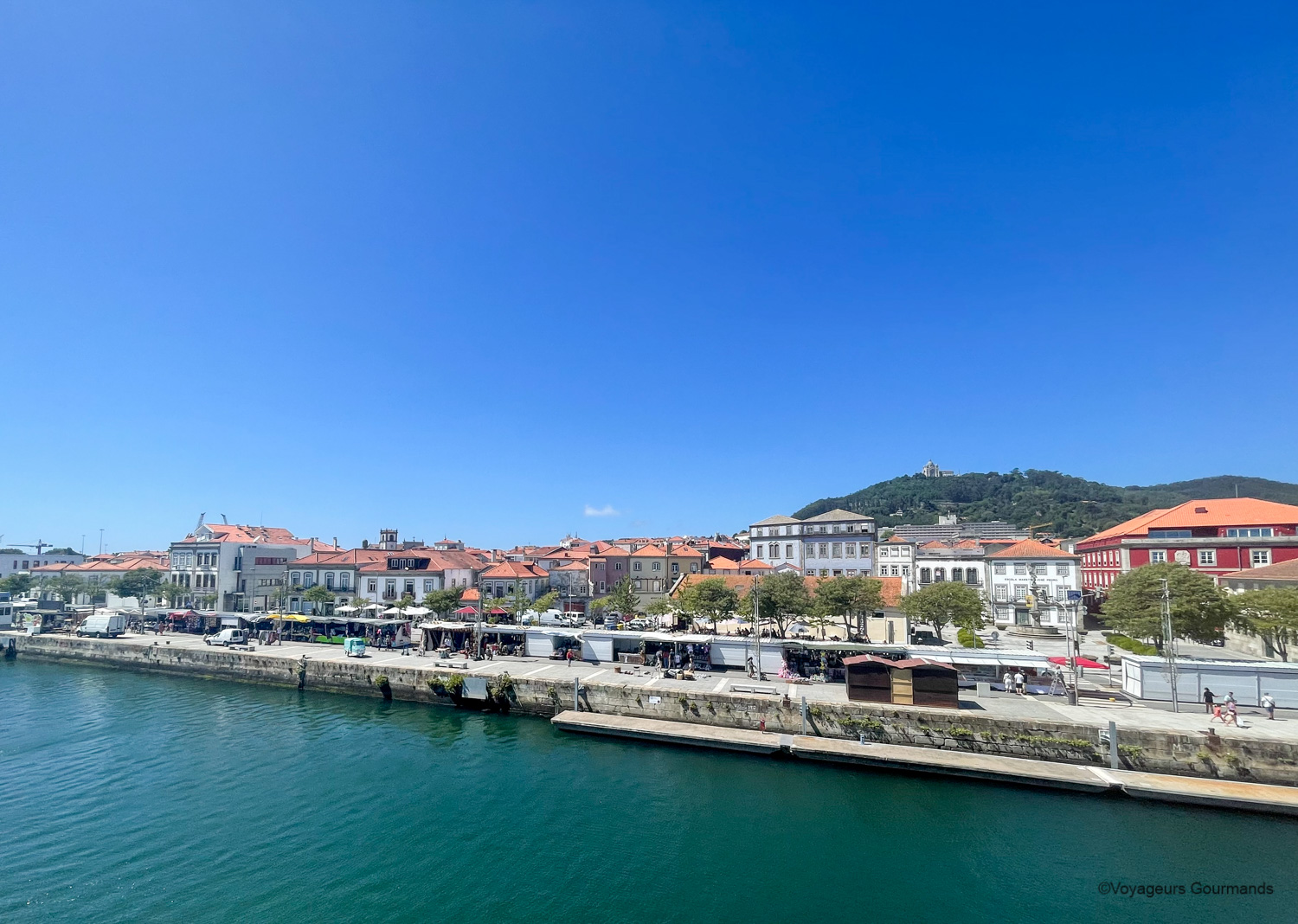
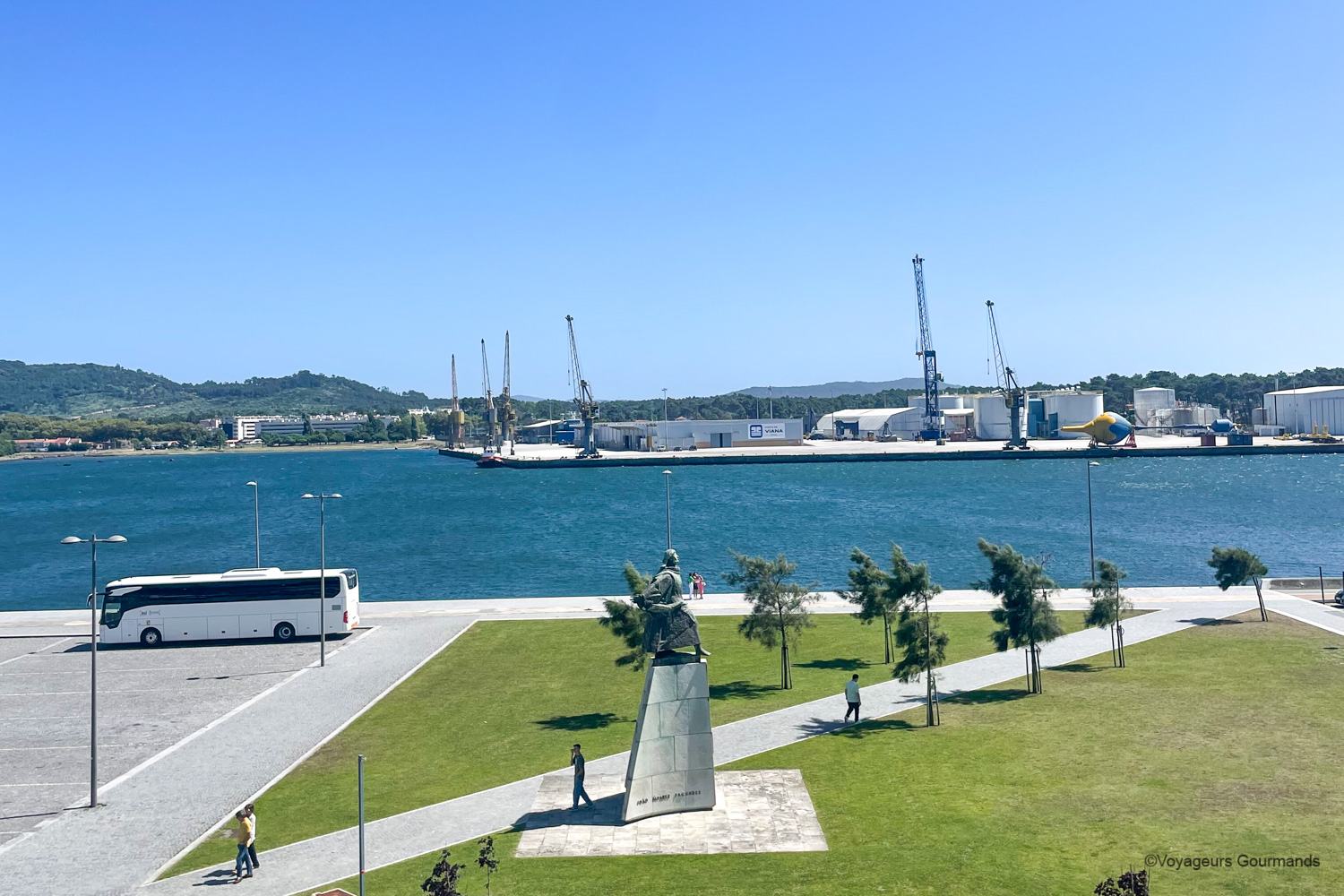
The museum’s location on the banks of the Lima river adds something special to the visit. Its decks offer magnificent panoramic views over the harbour of Viana do Castelo, giving the visit an immersive feel… As if you were out at sea, like all those men in the past… Don’t miss the view of Santa Luzia and the city either: a picture-postcard setting.
You’ll find all further information on their website.
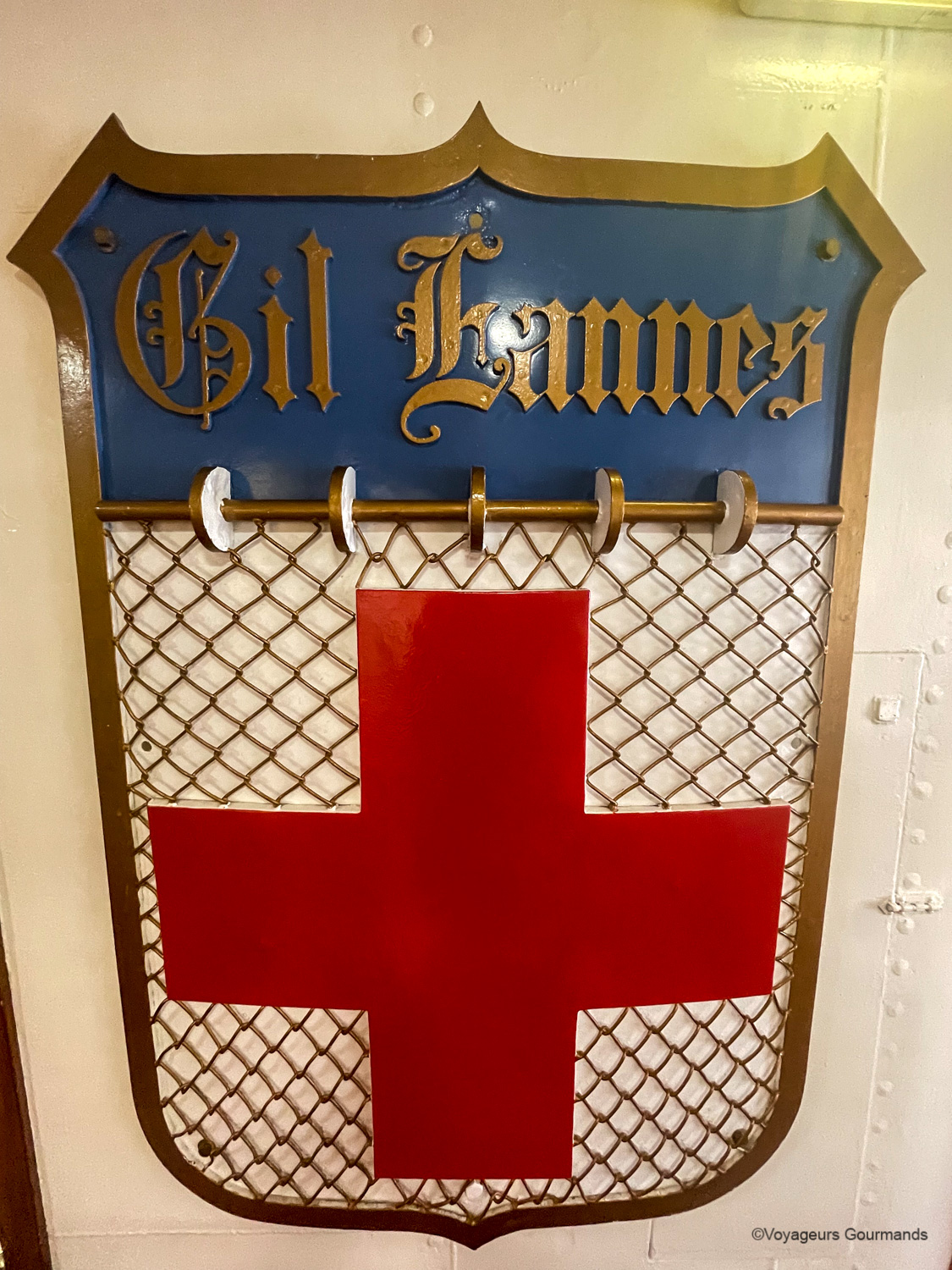
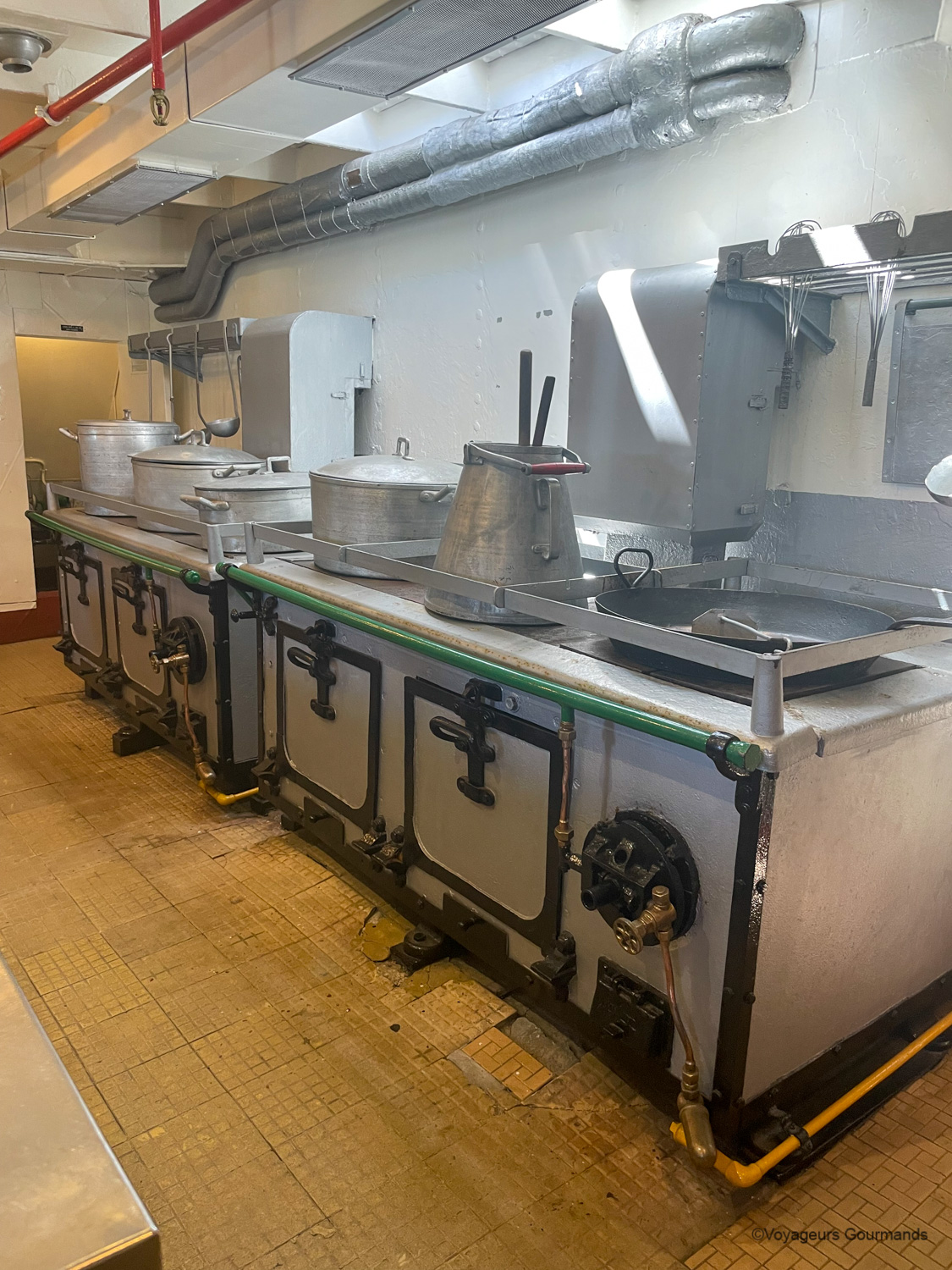
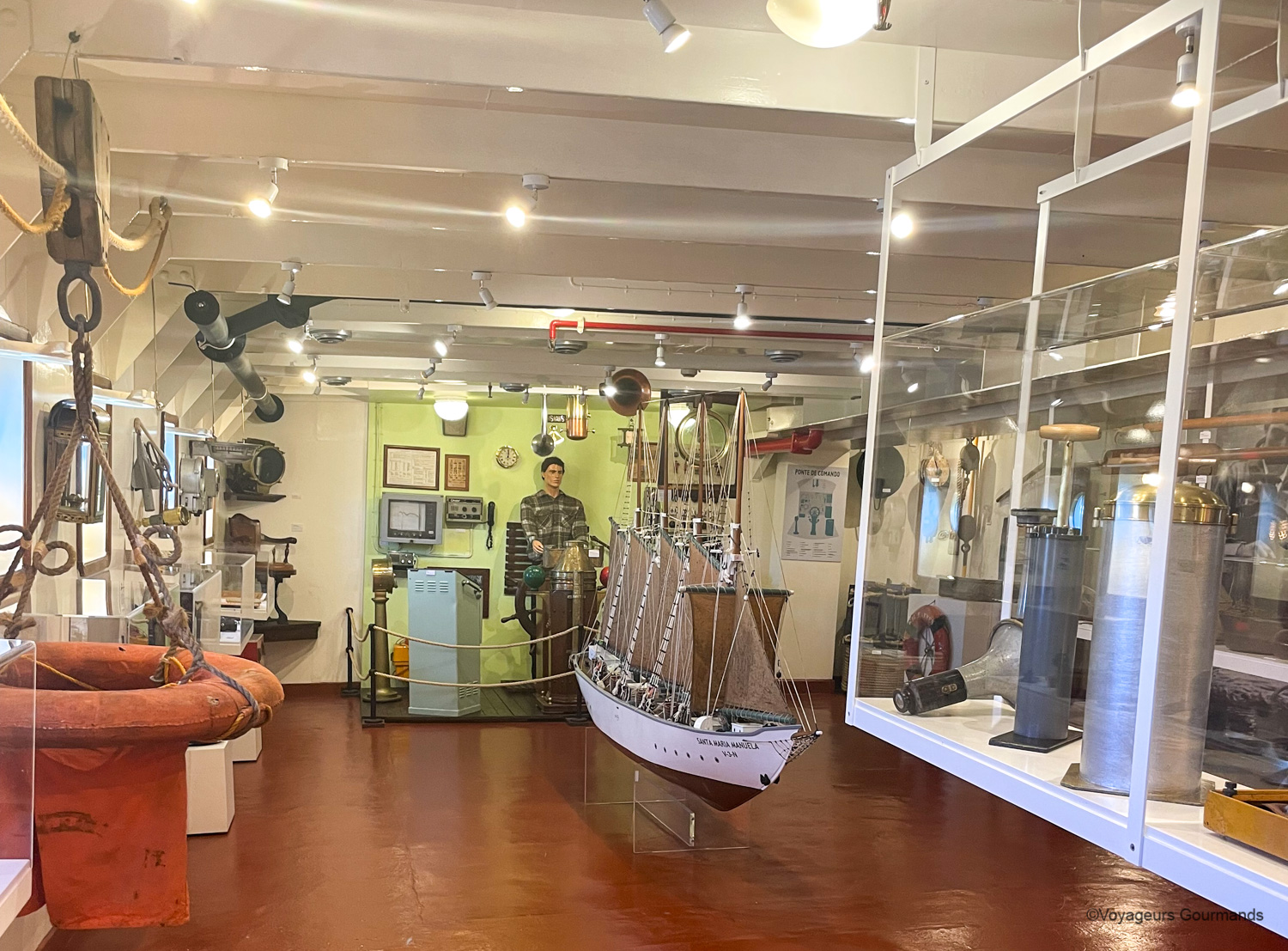
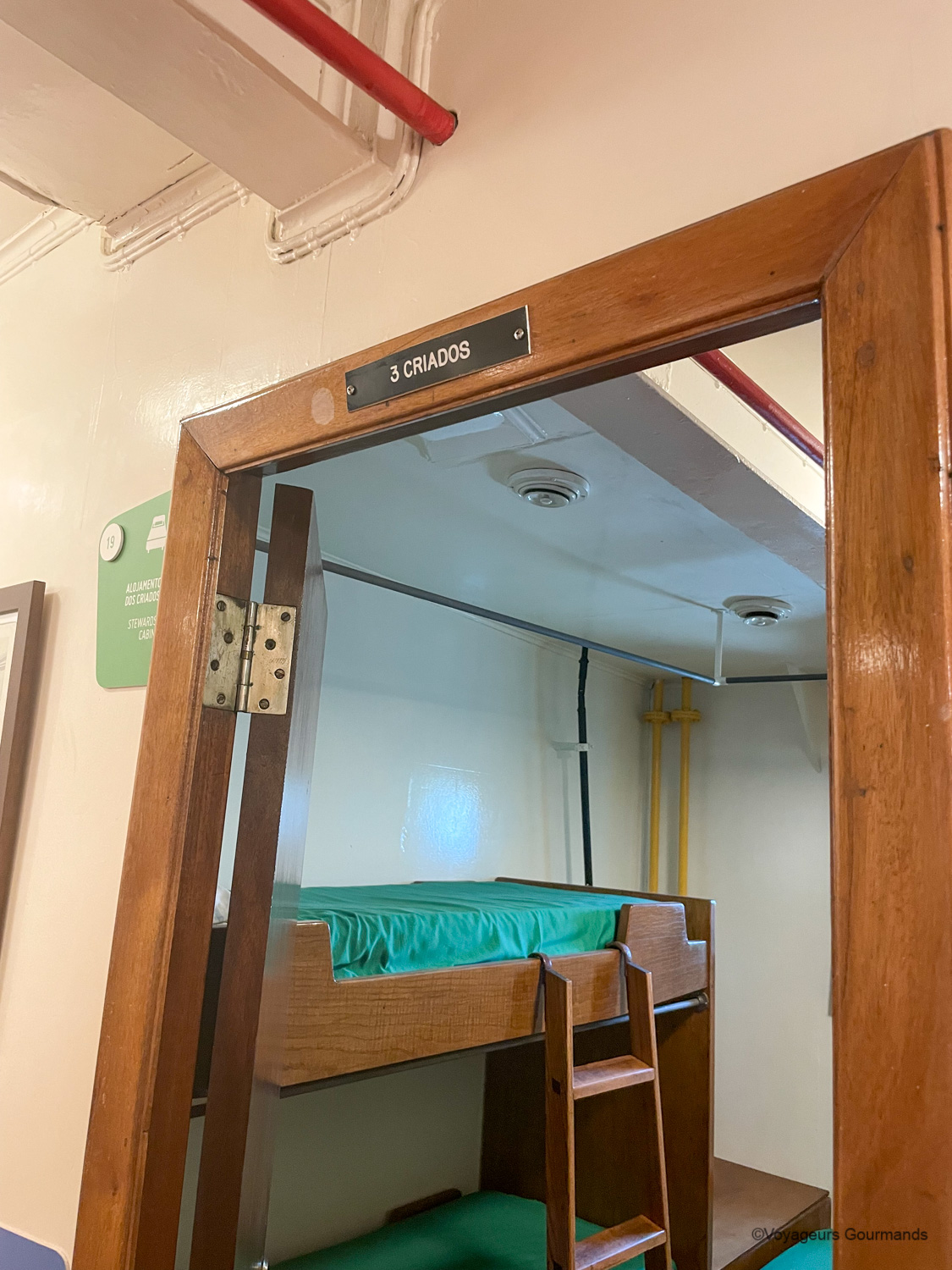
Igreja de São Domingos
This church was once part of a 16th-century Dominican convent. Behind its sober façade lies a warm interior with beautiful Baroque altarpieces and gilded woodwork.
Santuário de Nossa Senhora da Agonia
This church, dedicated to Our Lady of Sorrows, is one of the city’s main churches. Located near the fishing harbour, it’s the one that celebrates the Nossa Senhora da Agonia festival every August.
Markets
There’s the municipal market, but it’s not really worth the detour! On Fridays, however, you should pop over to the weekly market. (It’s held partly next to the municipal market and partly beside the ramparts of the “Santiago da Barra” castle, which I mentioned at the start of the article.)
Forte de Santiago da Barra
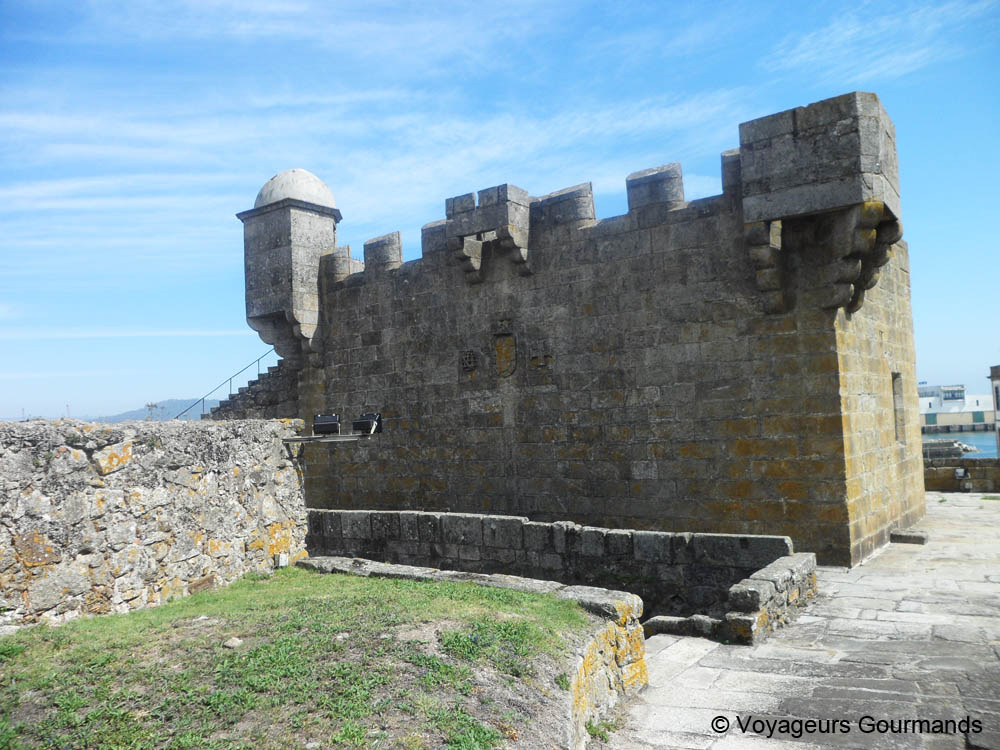
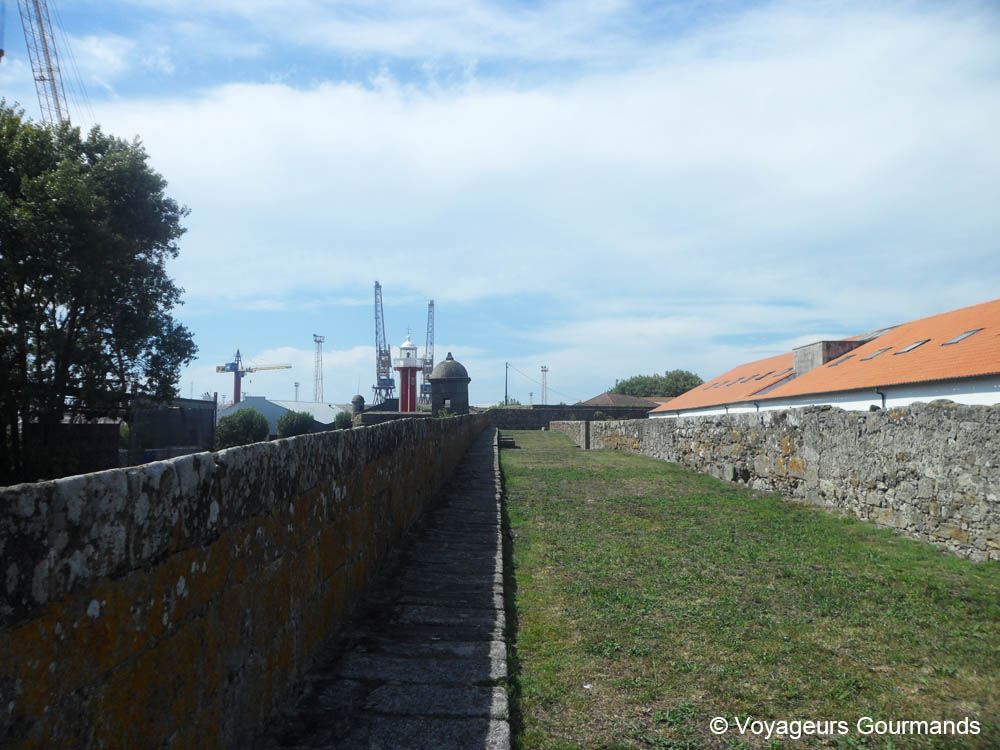
There’s the legend, but there really is a castle to visit in Viana do Castelo too, or at least what’s left of it! You can go in and walk up onto the ramparts for free. You’ll get a nice view of the harbour on one side and the shipyard (shipbuilding and repairs) on the other. It’s small and takes barely half an hour.
Praia Norte
The first person to tell me the water is cold here… ^^ Well yes, this side of Portugal is washed by the Atlantic Ocean, so yes, it’s cold! Personally, when it’s 35°C, I don’t mind at all! And when you don’t see the sea all year, it’s just as blissful whatever the water temperature. As you’ve guessed, I always go for a swim! In Viana itself, the beaches are very rocky; you’ll need to head a little further north, towards the beaches of Afife and beyond, to avoid stubbing your toes on the stones. The beaches here are also quite popular with surfers, not as much as in Nazaré, but still ^^. The beach opposite Viana, in the town of Darque, is often busy with windsurfers. Even if you don’t practise the sport, it’s fun to watch them. It’s called Praia do Cabedelo.
💡 More things to see in Viana: Casa dos Nichos (archaeological museum and temporary exhibitions), Palácio dos Távoras, Citânia de Santa Luzia, Museu de Artes Decorativas (decorative arts museum).
What to see near Viana do Castelo
There’s plenty to do around Viana: towns, natural sites, beaches…
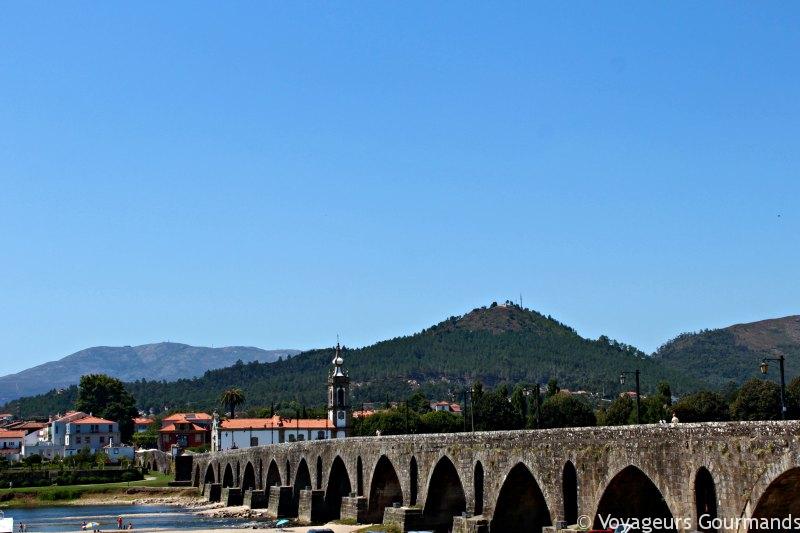
- Visit Ponte de Lima, the oldest town in the country (about 30 km away)
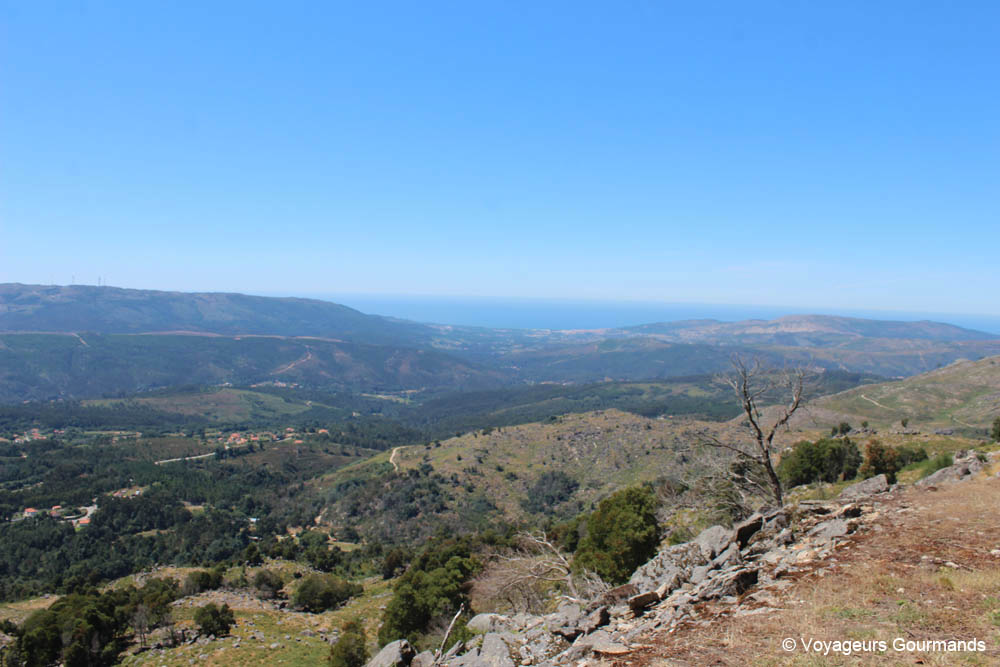
- Drive along the coast on the N13 national road and enjoy the Atlantic coastline unfolding before you. You can also head up to the Minho river and discover the gems dotted along the way.
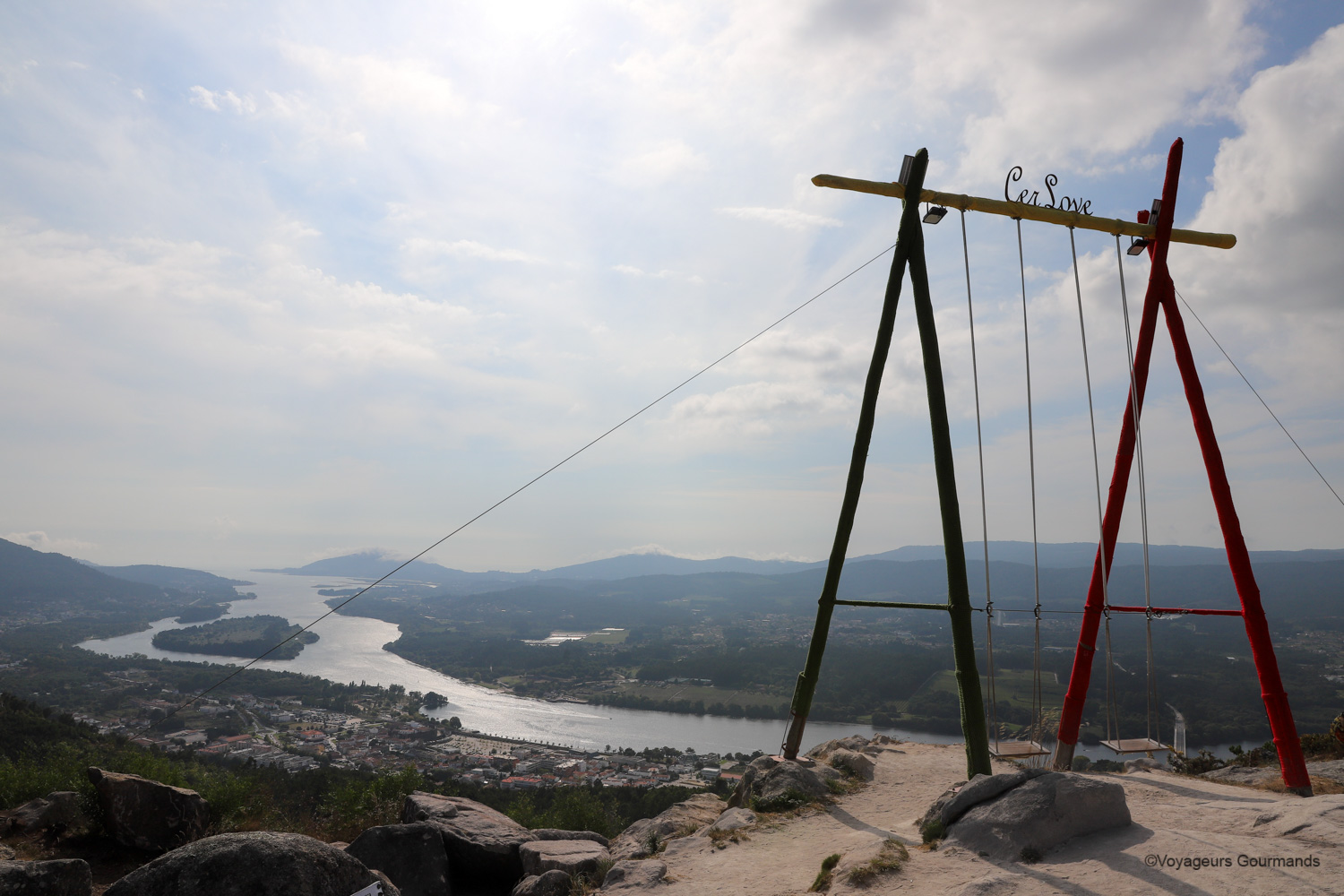
- The Nossa Senhora do Minho sanctuary and its incredible 360° view.
- The town of Barcelos and its famous traditional market (about 35 km away).
- Carreço, its beach, its windmills (Moinhos de Montedor) and its lighthouse (Farol de Montedor)
- Afife, its beach, the Chapel of Santo António and its sea views
- Cascata do Pincho: one of the most beautiful waterfalls in the area.
- Praia do Cabedelo, in Darque, on the other side of the Lima river.
Visiting Viana do Castelo: practical information
➩ How to get from Porto to Viana do Castelo
🚗 Viana is easy to reach from Porto (about 70 km away) via the A28 motorway. If you’re coming into Portugal from Vigo in Spain, take the N13 from Valença instead: it follows the Minho river before reaching the coast.
🚂 Viana do Castelo is easy to reach by train, with a station right in the city centre. For timetables and fares, check cp.pt.
🚍 There are plenty of local buses (although they’re not cheap!) and coaches for longer journeys. All the information is on rede-expressos.pt.
Where to stay in Viana do Castelo
As I have a house and part of my family there, I never stay in a hotel here! That said, I can still recommend two or three, including Flor de Sal in Viana, with a lovely view, or the Santa Luzia hotel, with an even more breathtaking view… I’ll let you see for yourself…
Where to eat in Viana do Castelo
A few of our favourite spots:
➺ Manuel Natário, Rua Manuel Espregueira, to try one of the city’s best pastries, the Bola de Berlim (a cream-filled doughnut).
➺ Pastelaria Brasileira, for breakfast, an afternoon snack or a quick bite. My favourite spot <3
➺ Restaurante Botas d’Água: one of our favourites in the city centre.
➺ Tas’ca Dentro: serves a range of Portuguese “tapas” (petiscos).
➺ Restaurante Camelo: outside the city, but a real institution for typical Portuguese dishes.
➺ Tasquinha da Linda: a very good fish restaurant, but rather pricey.
➺ Restaurante Aquário: on the Darque side, you’ll need the car again, but I love this place for eating fish close to the sea.
Click here for a map with walking routes to explore the city.
✤✤✤
I hope I’ve made those who don’t know it yet want to visit Viana do Castelo, this beautiful city. And for those who already know it: did you love it? Did I forget something you enjoyed? Feel free to share in the comments!
Pin me!

Visiting Viana do Castelo: FAQ
Frequently asked questions are here!
What are the best things to do in Viana do Castelo in one day?
Start with Monte de Santa Luzia (by funicular when it’s running) for the view, then explore the historic centre: Praça da República, the cathedral and the Igreja de São Domingos. In the afternoon, visit the Gil Eannes hospital ship and the Santiago da Barra fort, then end the day on the beach.
How do you get from Porto to Viana do Castelo?
Viana do Castelo is about 70 km north of Porto. By car, take the A28 motorway. You can also get there by train (CP), with a station right in the city centre, or by coach with Rede Expressos.
When is the best time to visit Viana do Castelo?
August is the time to experience the Romaria de Nossa Senhora da Agonia, one of the biggest festivals in Portugal, but it’s also the busiest month. For a quieter stay with pleasant weather, choose spring or September.
How do you get up to Santa Luzia in Viana do Castelo?
You can get up Monte de Santa Luzia by car (there are a few parking spaces in front of the basilica), on foot, or with the Elevador de Santa Luzia funicular, which isn’t always running, so check before you go.
Where can you swim near Viana do Castelo?
The beaches in Viana itself, such as Praia Norte, are quite rocky. For sandy beaches, head north towards Afife, or cross the Lima river to Praia do Cabedelo in Darque, popular with windsurfers.
Where to stay in Viana do Castelo?
For a lovely view in the city, try Flor de Sal. For an even more breathtaking panorama, choose the Santa Luzia hotel, right behind the basilica on top of the hill.