


For the first stop on our road trip in Croatia, we decided to visit Zagreb, the country’s capital. Often overshadowed by the coast, this city has a lot to offer. Less touristy than Dubrovnik or Split, it wins you over with its authentic atmosphere, colourful streets, lively markets and countless cafés where you can while away the hours. We spent 2 days there: the perfect opportunity to discover the must-see sights, enjoy the local food and soak up the city’s atmosphere.
Here is our complete guide to the best things to do in Zagreb in 2 days, with a detailed itinerary and all our tips.
✤✤✤
Visiting Zagreb: a lovely surprise
We’re beside ourselves with excitement when we land at the airport! Our first road trip, our first trip to Croatia: we can’t wait to explore Zagreb, the capital! We picked a bed & breakfast slightly outside the centre so we’d have parking, but getting there is a bit chaotic: the road markings are hard to make sense of, and trams and cars seem to share some of the lanes… We drive past the entrance twice without spotting it… In the distance, we can see Zagreb Cathedral. So we’re not that far out after all…
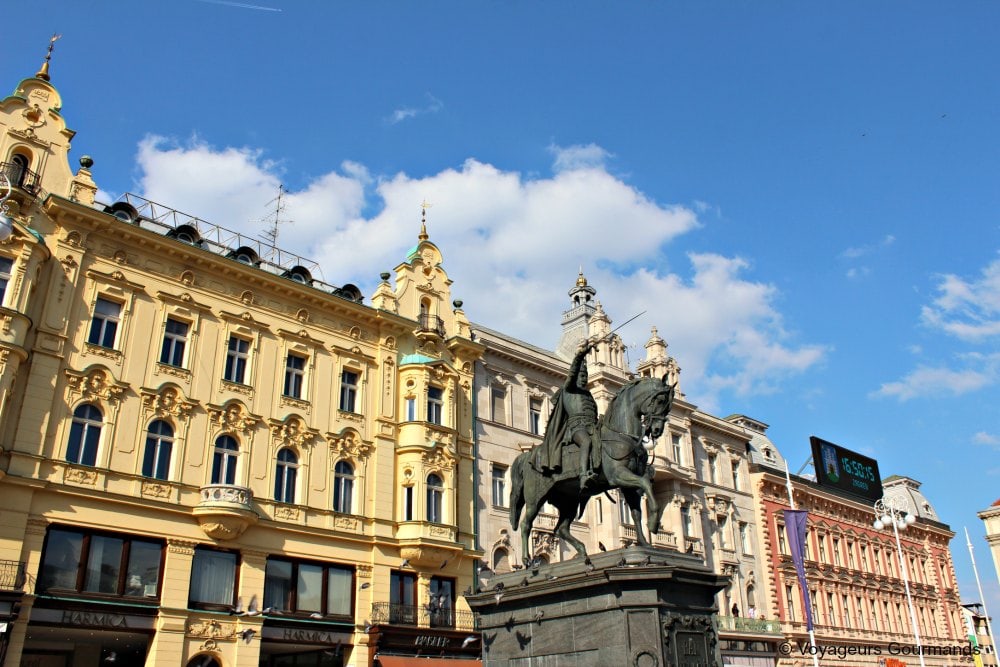
Our B&B is really lovely, everything is new and clean, but we don’t hang around: we lace up our trainers and set off to explore the city. We naturally head towards the cathedral, as our guidebook suggests a 2-hour walk that starts more or less from there… We reach Zagreb’s main square, Ban Jelačić Square, with its large statue and huge buildings whose architecture reminds us of Vienna or Budapest!
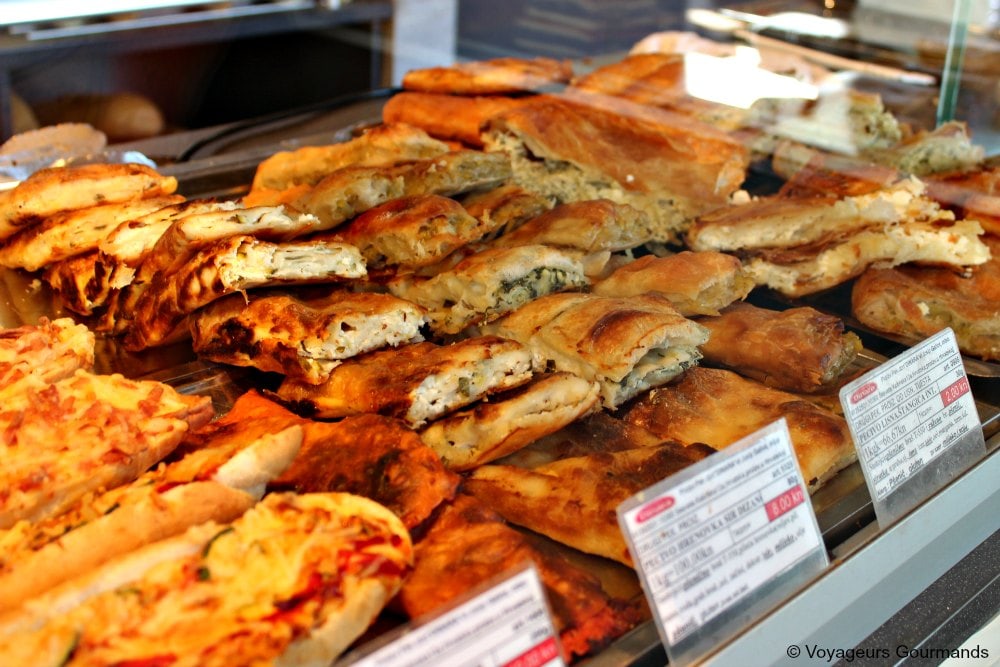
We climb the steps up to the market [Dolac Market], but it’s Sunday and the stalls are closed… There’s a little bakery, which is lucky, because I’m already feeling peckish! We discover cheese burek, a Turkish speciality we first tried in Istanbul, which turns out to be everywhere in Croatia too!
How many days do you need in Zagreb?
Zagreb is easy to explore on foot, and 2 days are enough to see the city’s highlights. Here’s an itinerary idea:
- Day 1: explore the Old Town, Dolac Market, Tkalčićeva Street and the main monuments.
- Day 2: enjoy the parks, the modern part of the city and the local food.
If you have more time, it’s easy to add a day trip from Zagreb, such as the Plitvice Lakes.
Things to do in Zagreb
Zagreb Cathedral
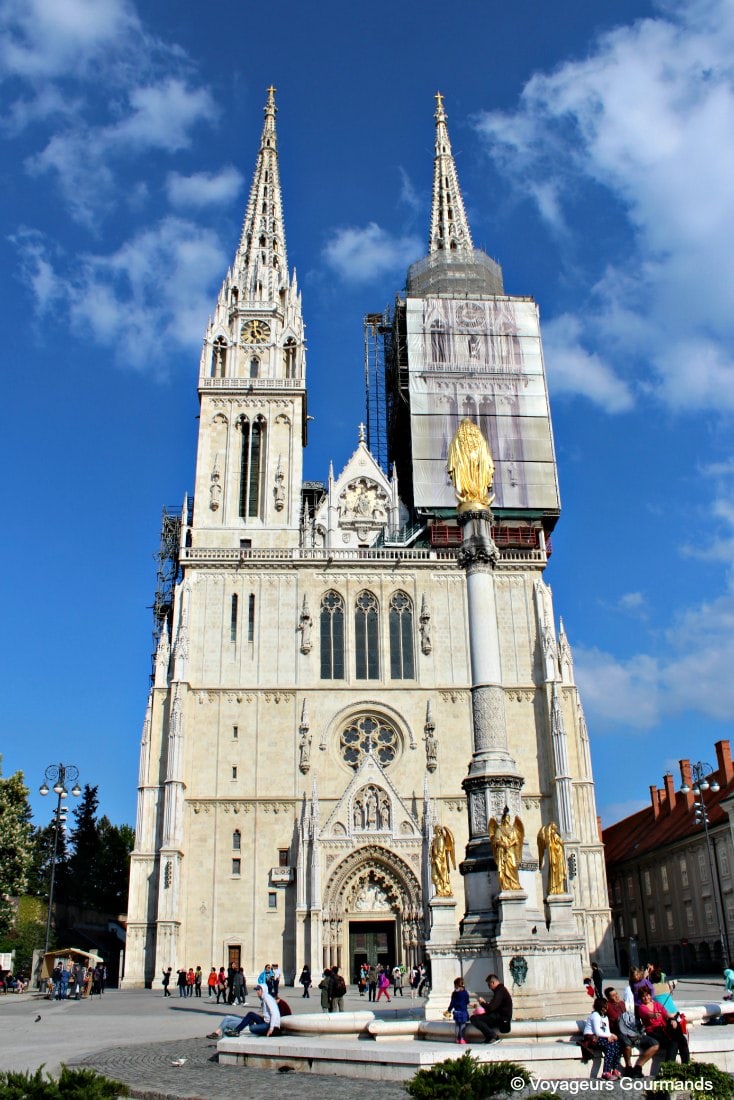
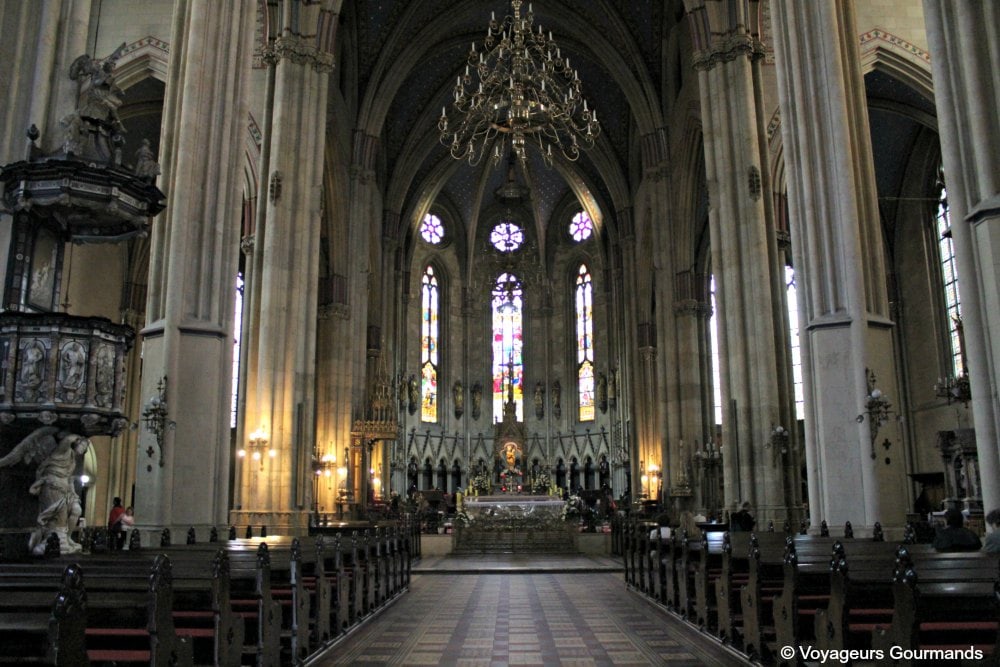
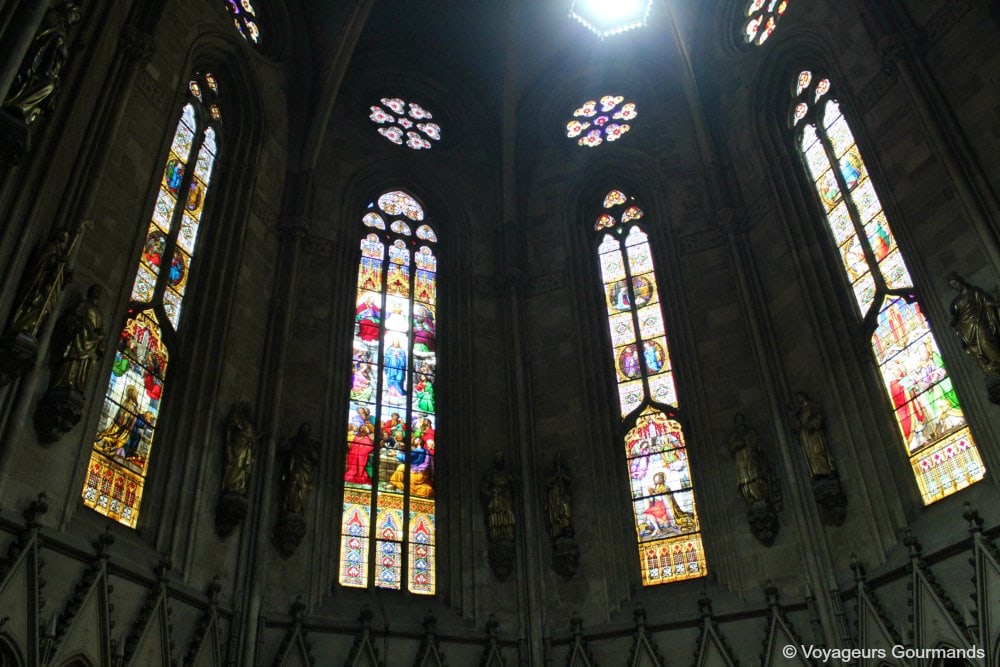
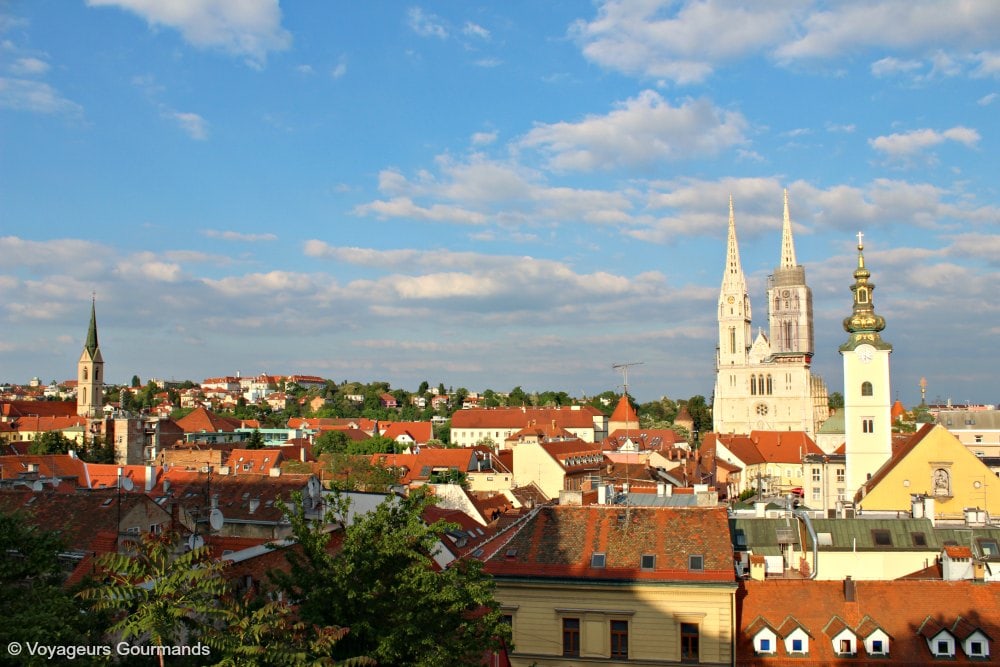
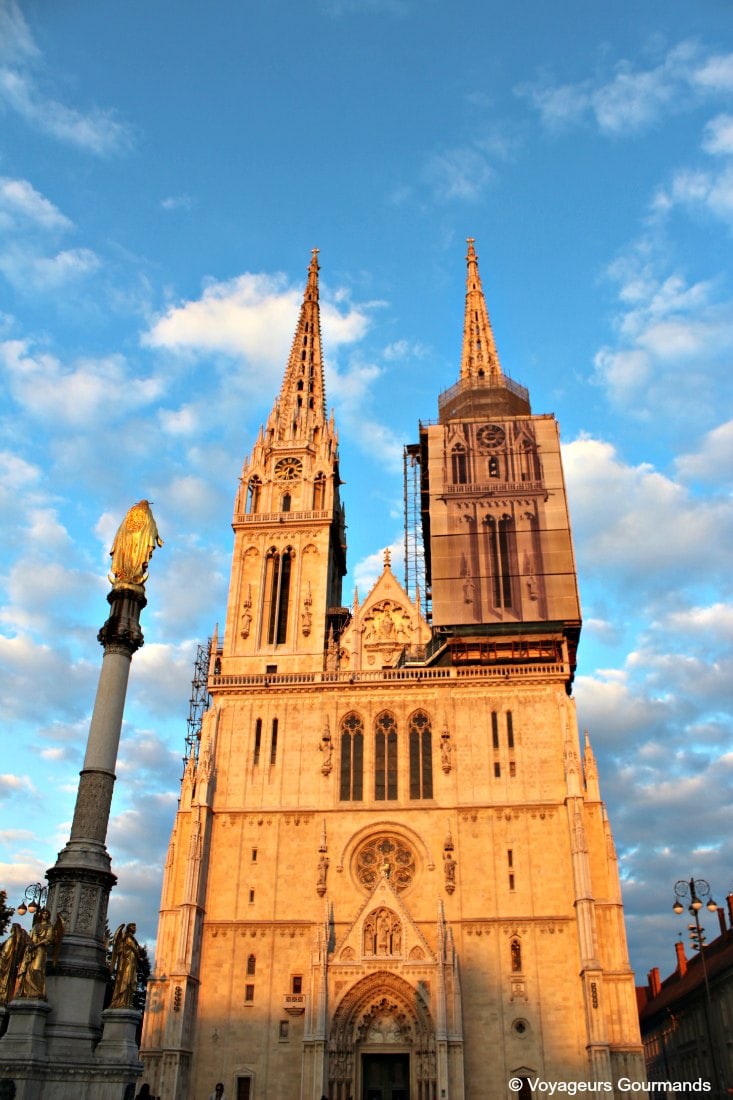
Zagreb Cathedral, also known as the Cathedral of the Assumption of the Blessed Virgin Mary or St Stephen’s Cathedral, stands right next to Dolac Market. It’s very imposing, and I find it has a “royal” feel, probably because of its beige colour and the golden reflections of the fountain opposite… Built in the 13th century in the Gothic style, it has been rebuilt and restored several times over the centuries. Its façade is adorned with elaborate sculpted details, while its spires rise majestically into the sky. Inside, you can admire Baroque altars, impressive frescoes and a chapel dedicated to the Virgin Mary. Badly damaged in the 2020 earthquake, it reopened at the end of 2025, but work on the exterior is still ongoing, so expect to see some scaffolding.
Tkalčićeva Street
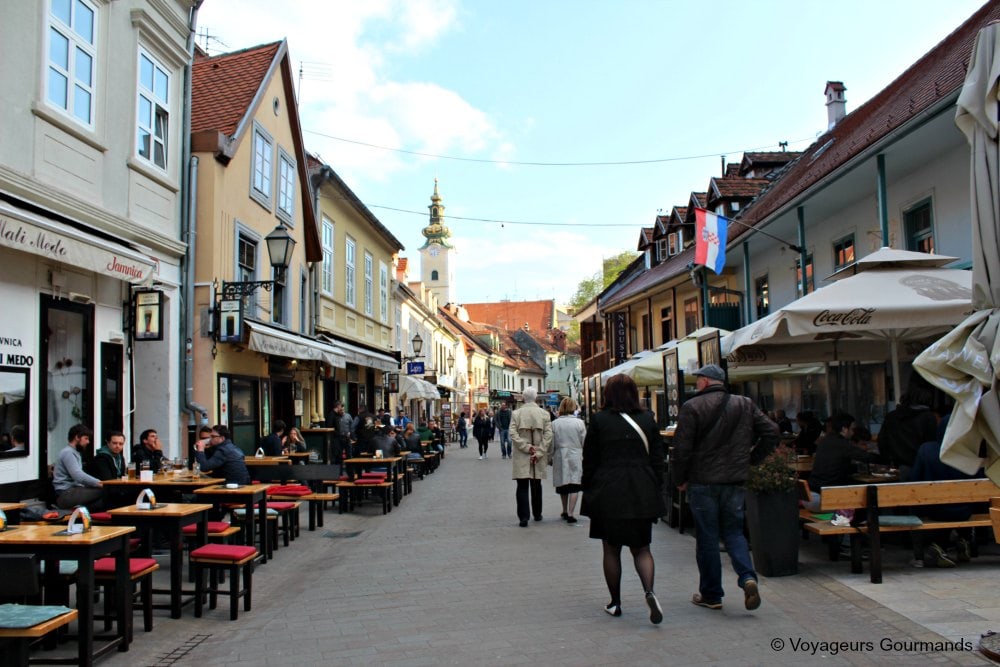
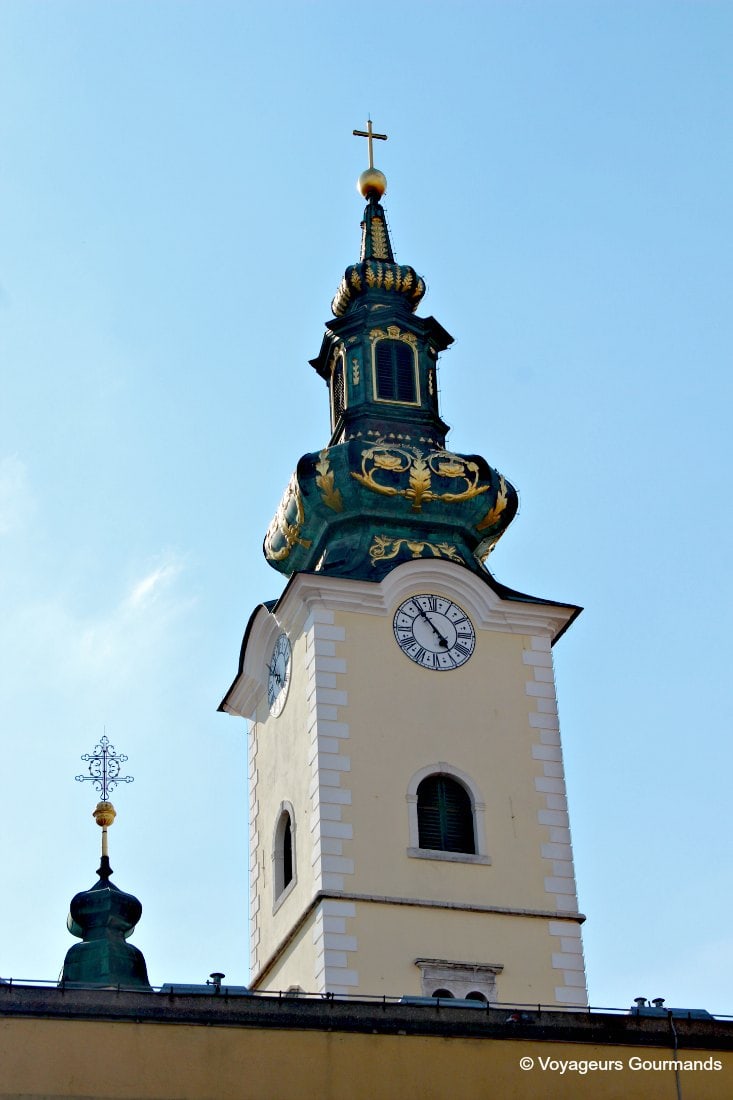
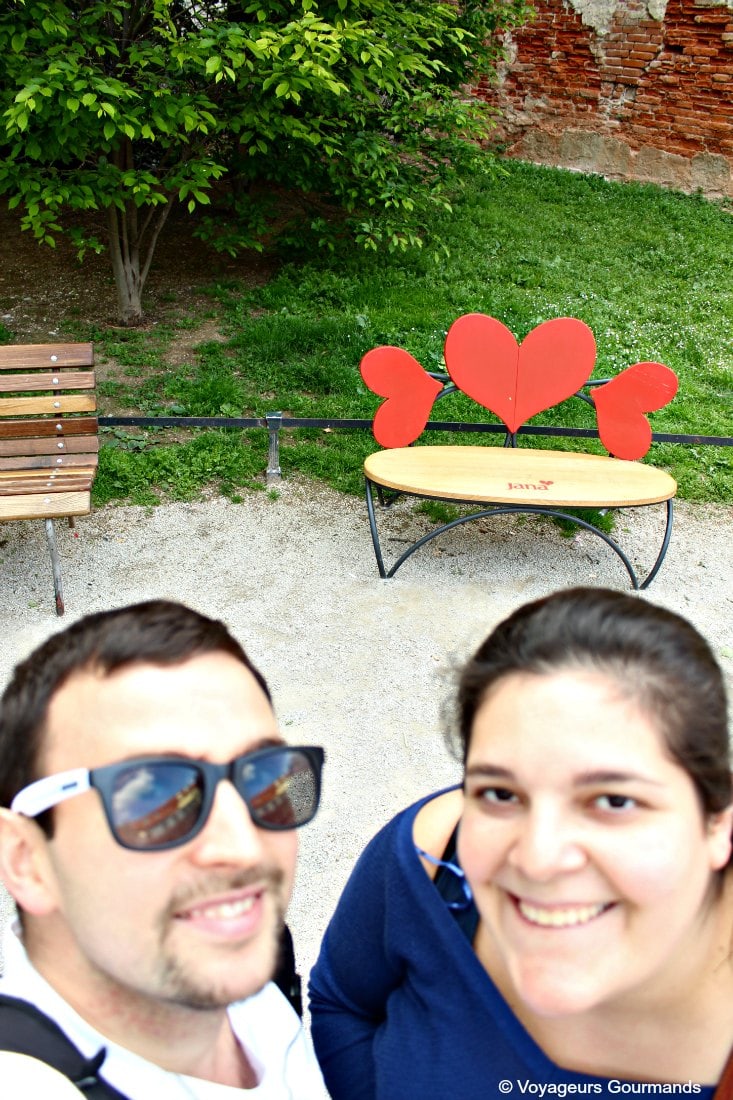
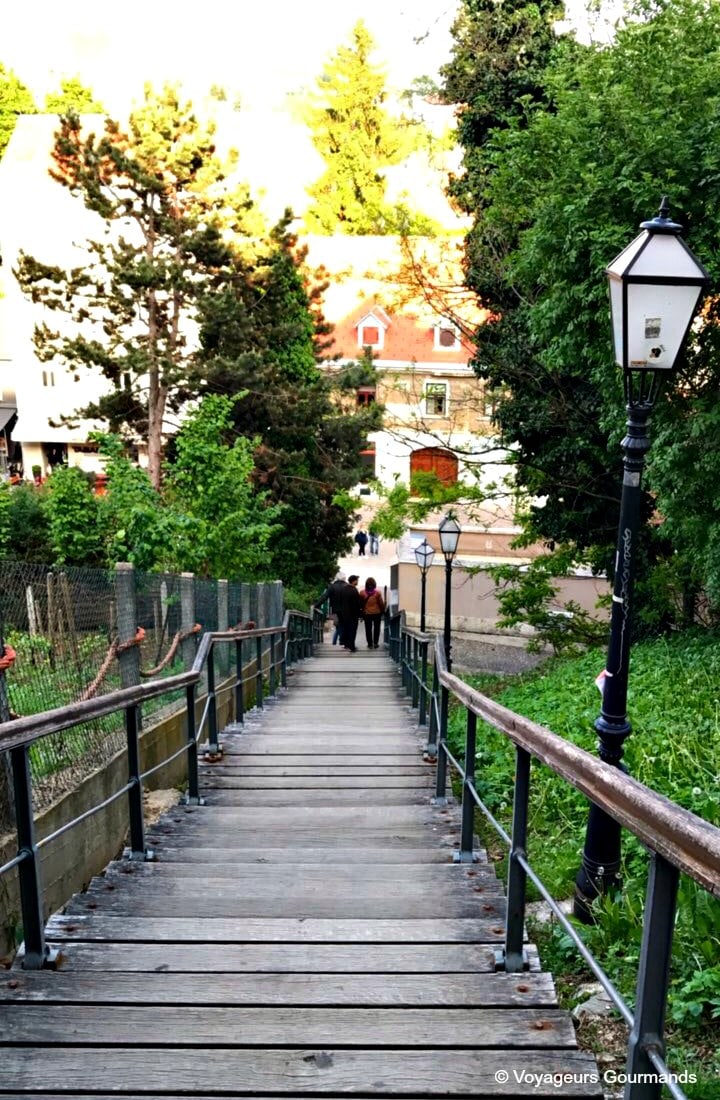
We slip into Tkalčićeva Street, a long street lined with restaurants, cafés and trendy pubs… It’s very lively, even at 4 pm! We pass beautiful bell towers, pretty rooftops, some lovely street art… and a sweet little bench for lovers! Shame we don’t have more time to sit down for a while!
St Mark’s Church in Zagreb
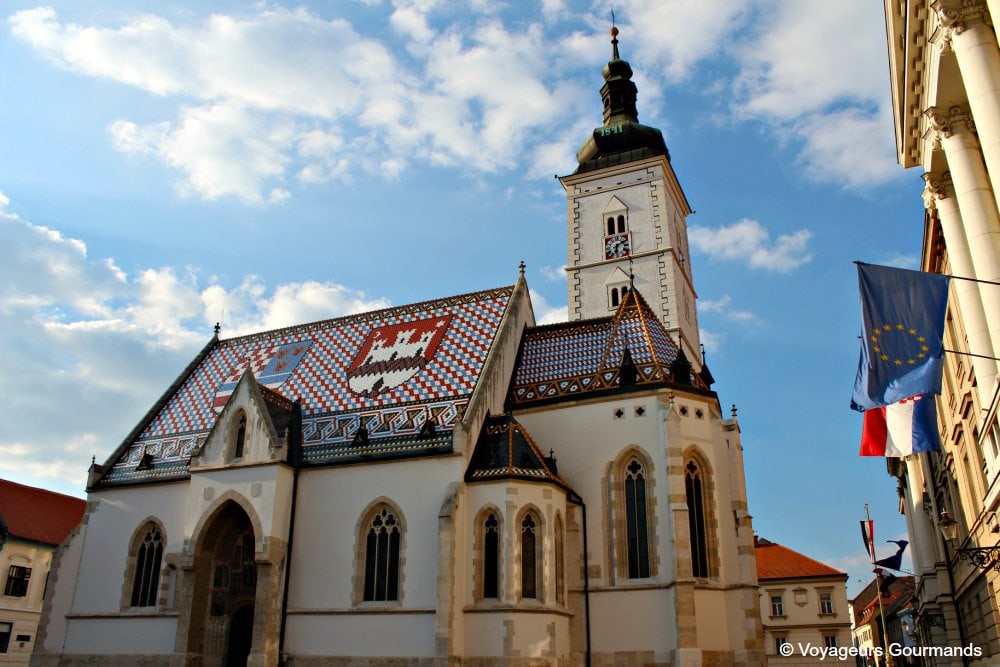
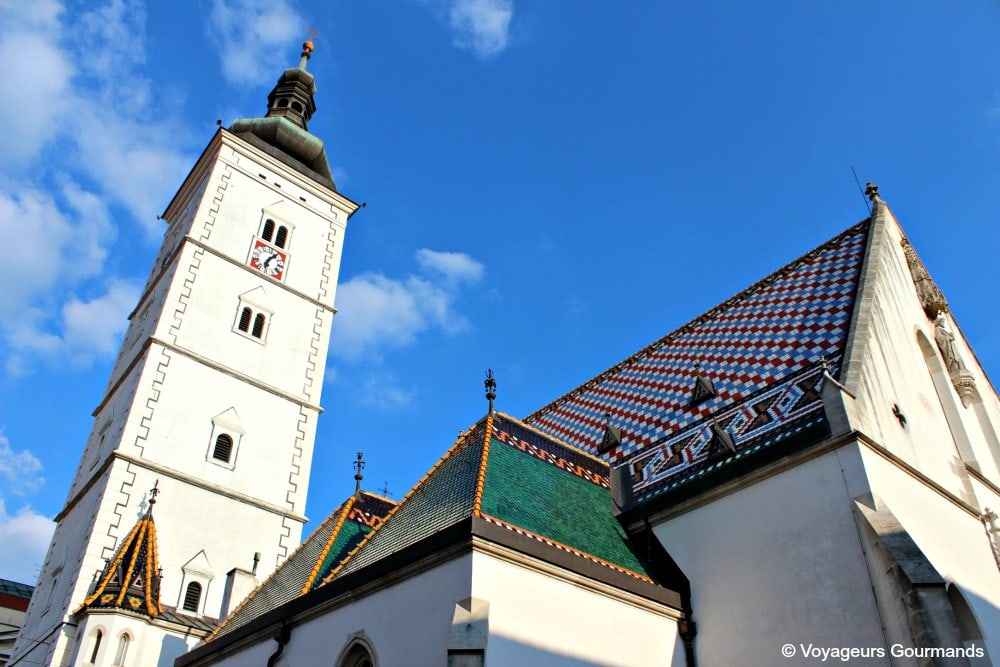
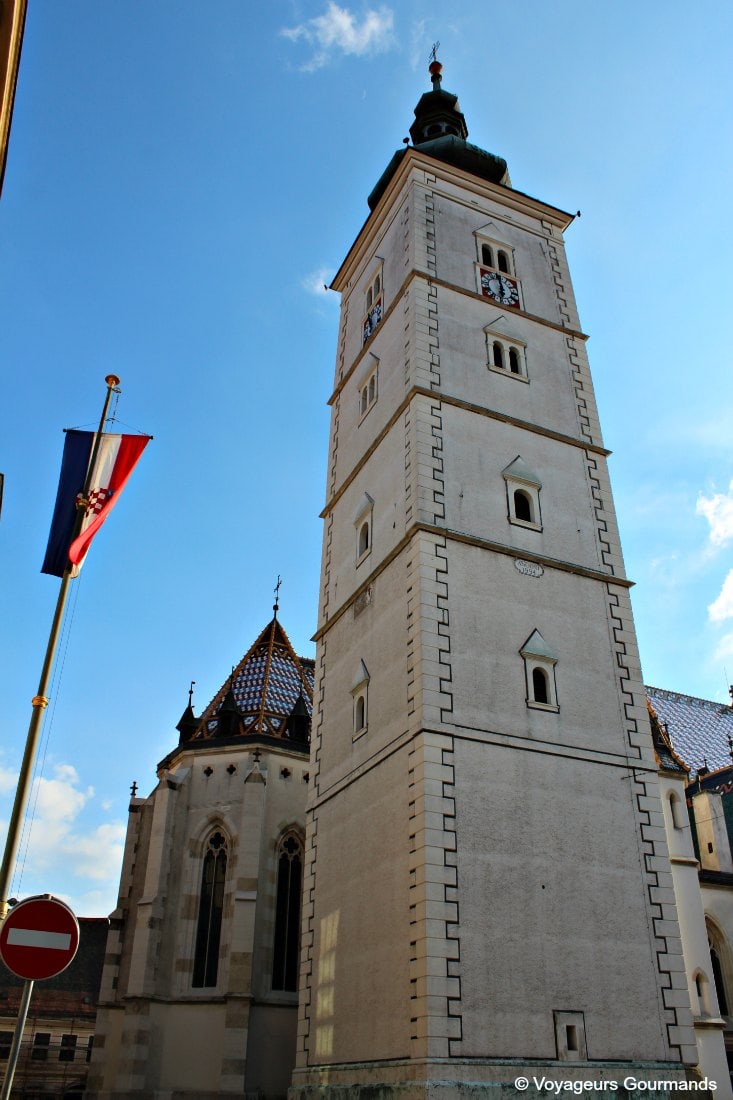
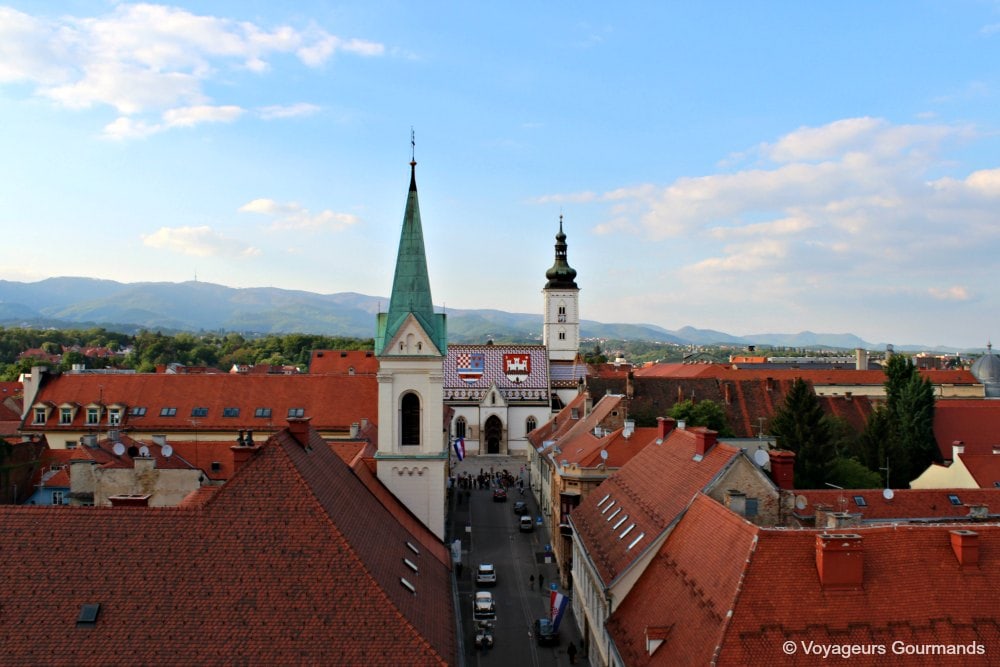
We climb one of the many staircases on the left to see the Stone Gate but instead find ourselves face to face with Zagreb’s famous St Mark’s Church: its roof is so beautiful! Located in the historic Gornji Grad (Upper Town), this architectural gem dates back to the 13th century. Its colourful tiled roof bears the coats of arms of Zagreb and of the Kingdom of Croatia. The interior is rather more understated, with medieval works of art, including 17th-century frescoes.
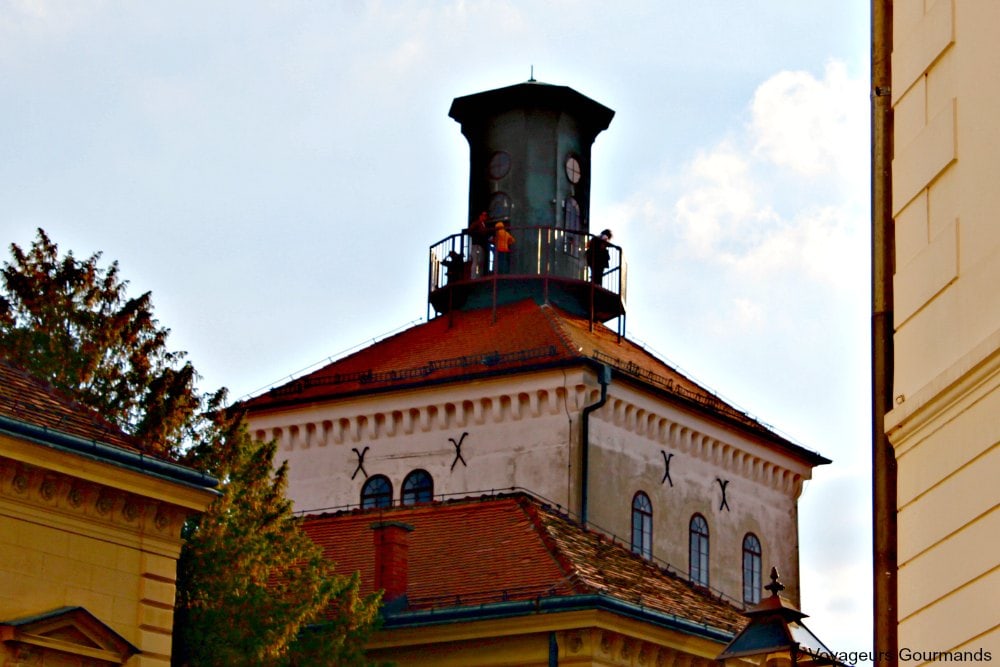
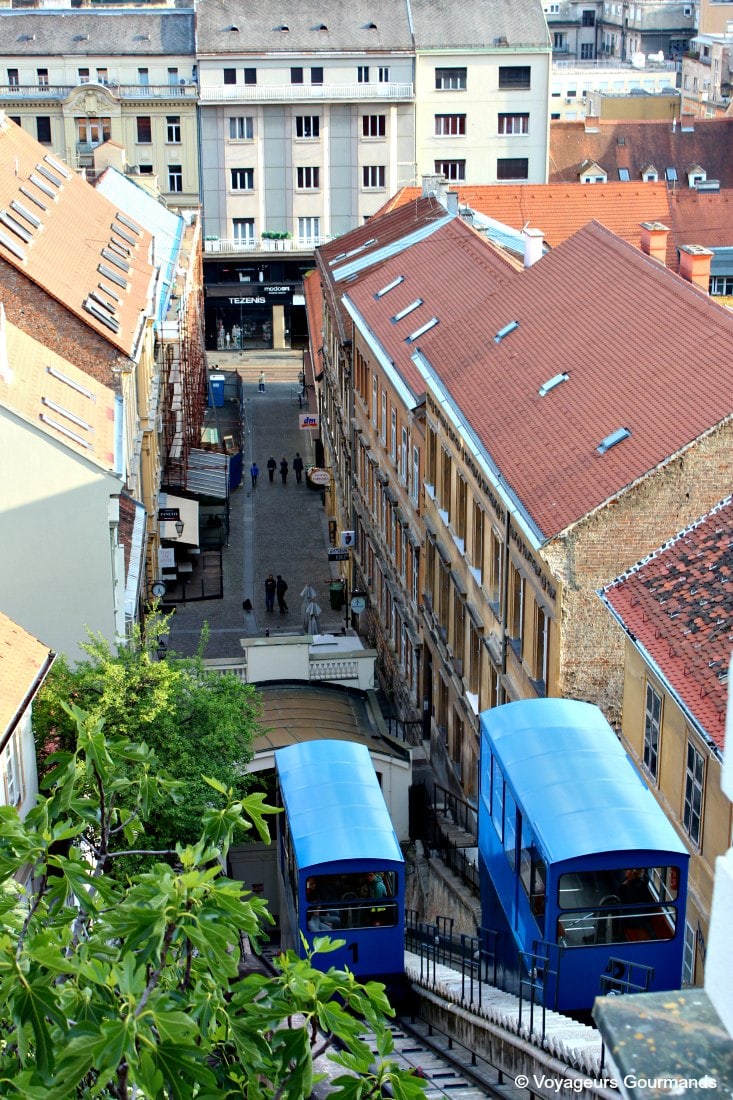
Lotrščak Tower
Walking on, we spot a kind of tower in the distance: Lotrščak Tower, which stands above the historic funicular. For a few euros (20 kuna at the time), up we go. Safety isn’t exactly a priority (we later realise this is the case throughout the country…): a small, rather dodgy wooden walkway with about twenty people on it… The view over Zagreb’s rooftops is lovely, but we don’t linger… Alcino is afraid of heights, and he doesn’t really trust the structure either…
The Stone Gate
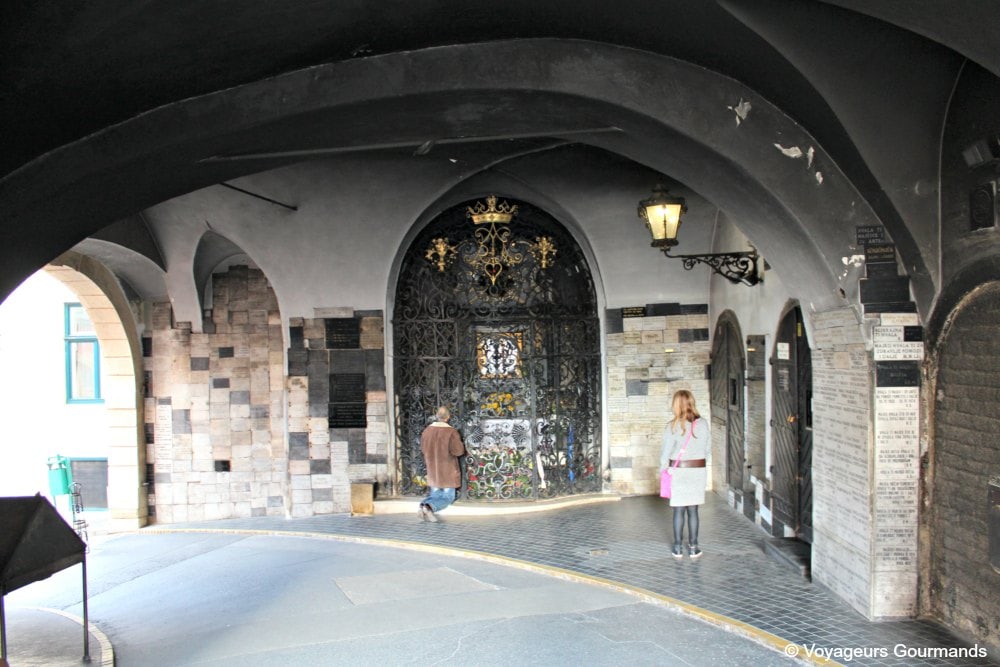
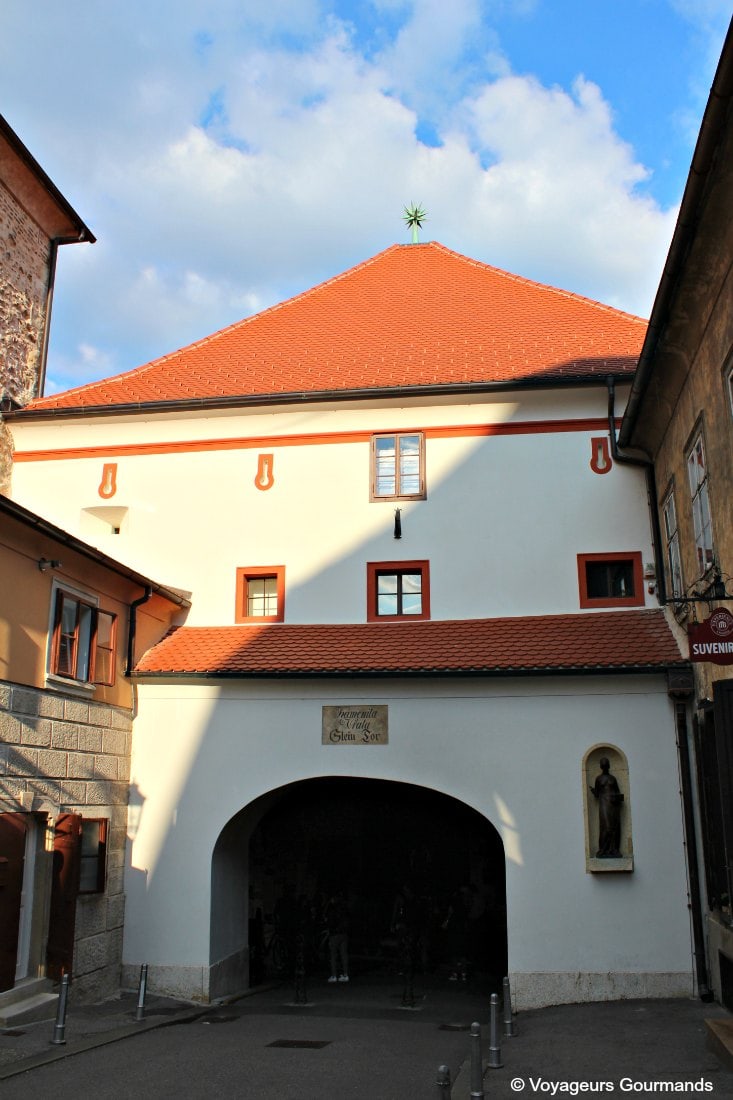
Retracing our steps, we find the famous Stone Gate. We’d never seen anything like it: a sort of small covered passage where people come to pray in front of an iron gate filled with offerings… At first, we find it strange, then we realise that this spot is actually a small chapel, a shrine to the Virgin Mary.
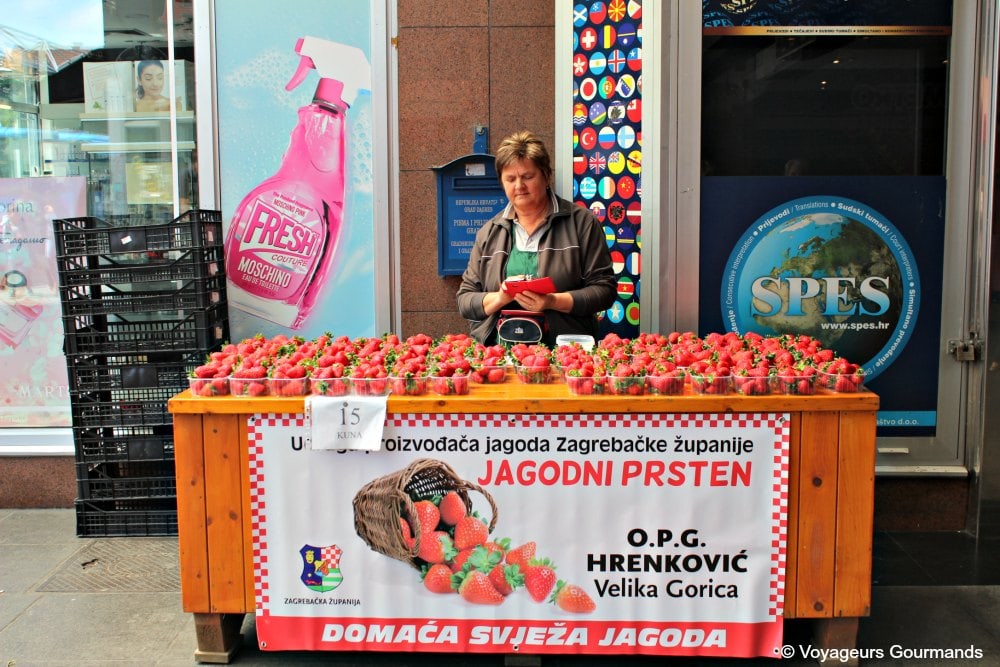
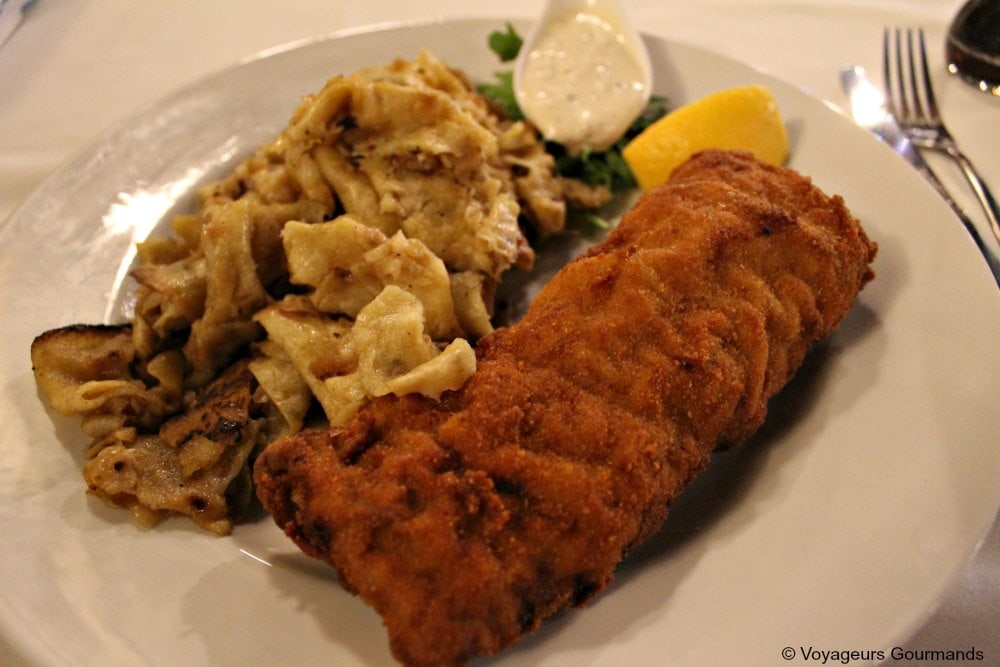
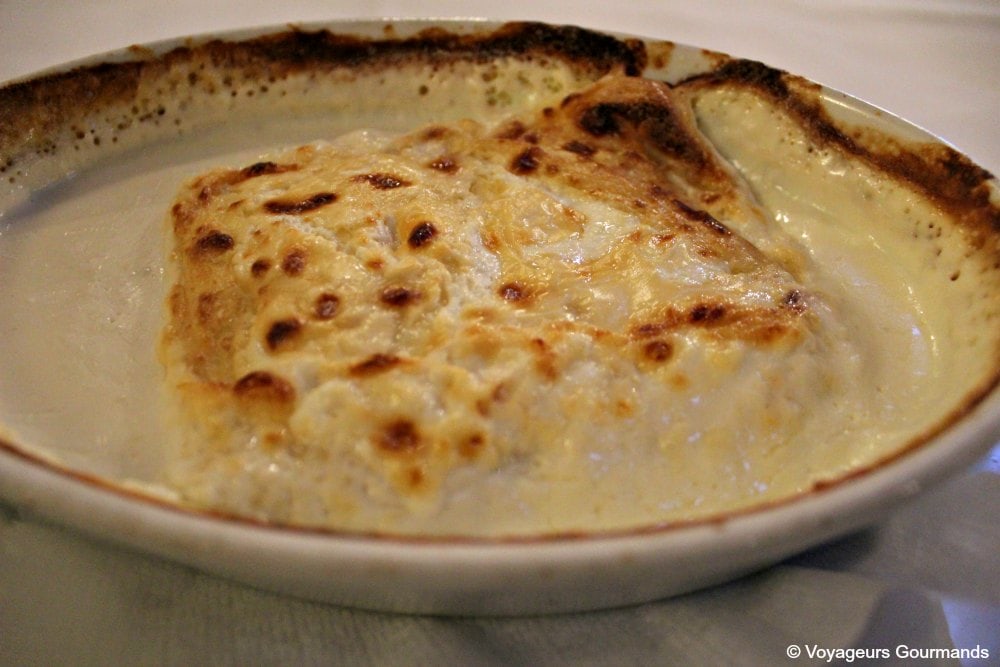
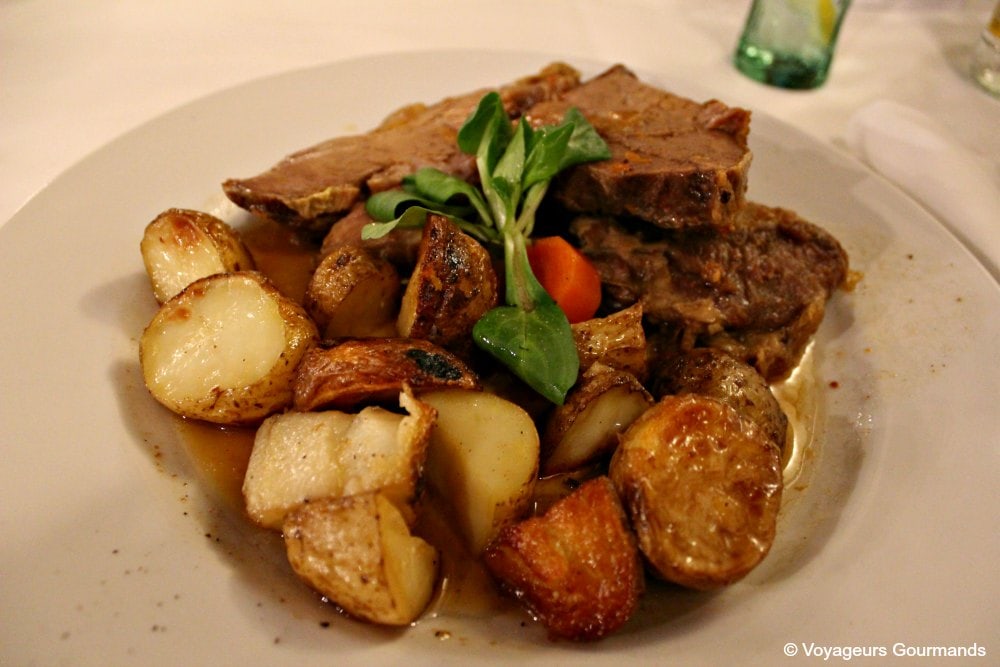
We head back towards Ilica Street and… it’s already 7 pm! Time flies… We buy some strawberries from a street seller (they’re everywhere!), then look for a restaurant to try Croatian specialities. Our guidebook recommends one and, too lazy to look any further, we don’t let the fact that it’s touristy, right in front of the cathedral, put us off. It turns out to be a great choice! We have a delicious goulash, a Zagreb-style schnitzel (Zagrebački odrezak), and more. The portions are generous, so we skip dessert and head back to our B&B for the night…
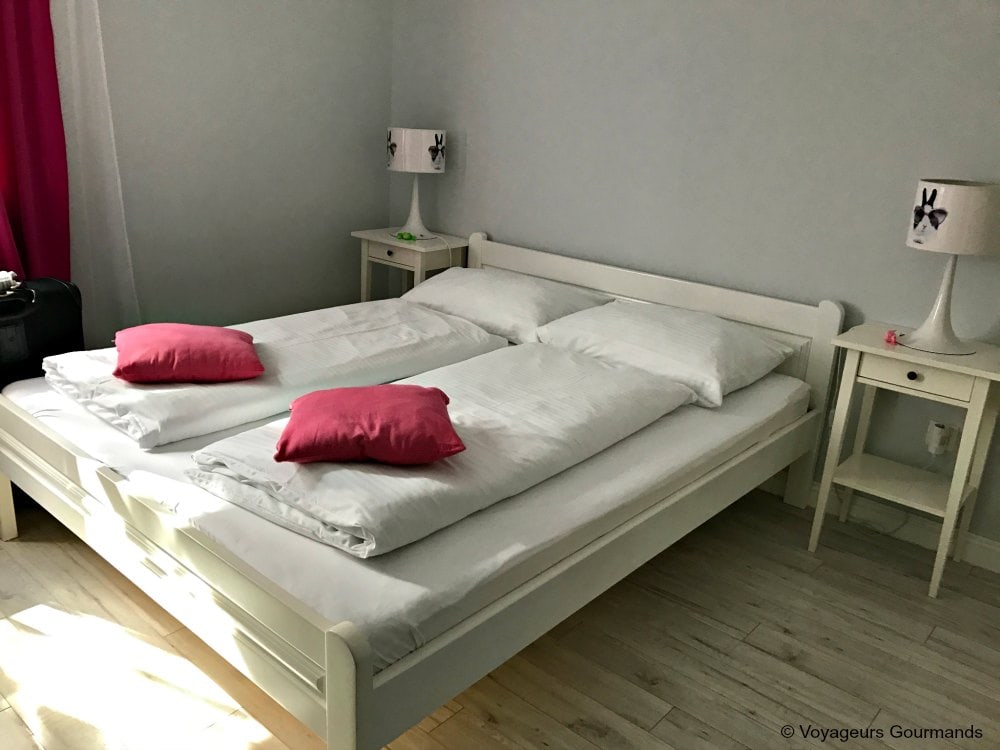
The decor at our B&B is really lovely! We make the most of it a little more this morning… Breakfast is perfect: generous and varied… and our host even offers us scrambled eggs, which we happily accept!
The “Tunel Grič – Radićeva” tunnel
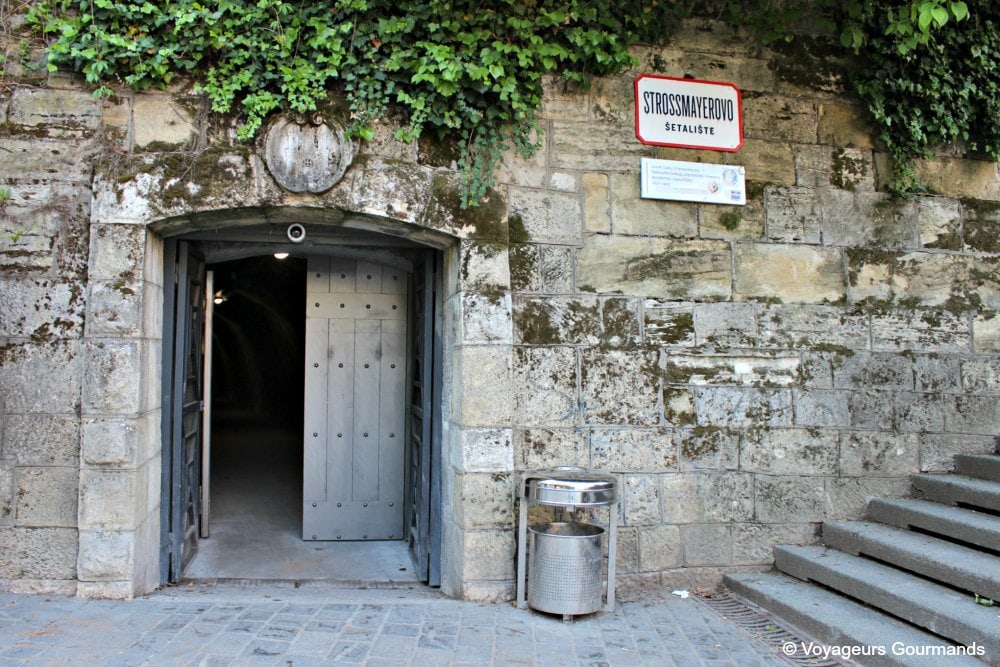
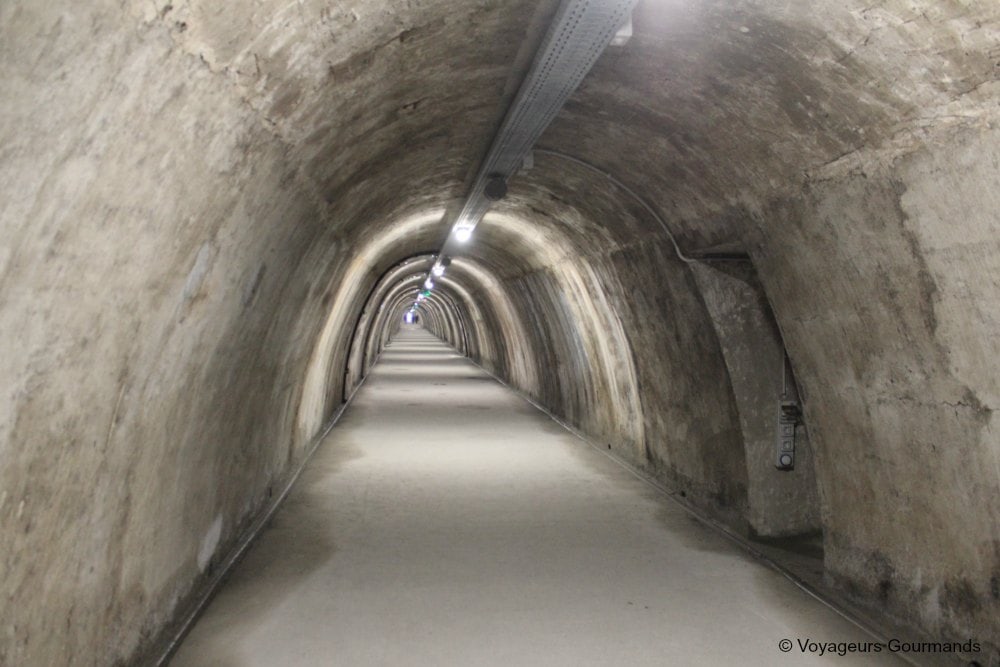
We go back to the market, but it’s 1 May, a public holiday here too… Oh well! We’ve spotted an unusual little place: a tunnel running under the city, dating from the Second World War. It’s impressive, and you can’t help imagining everything that must have happened here…
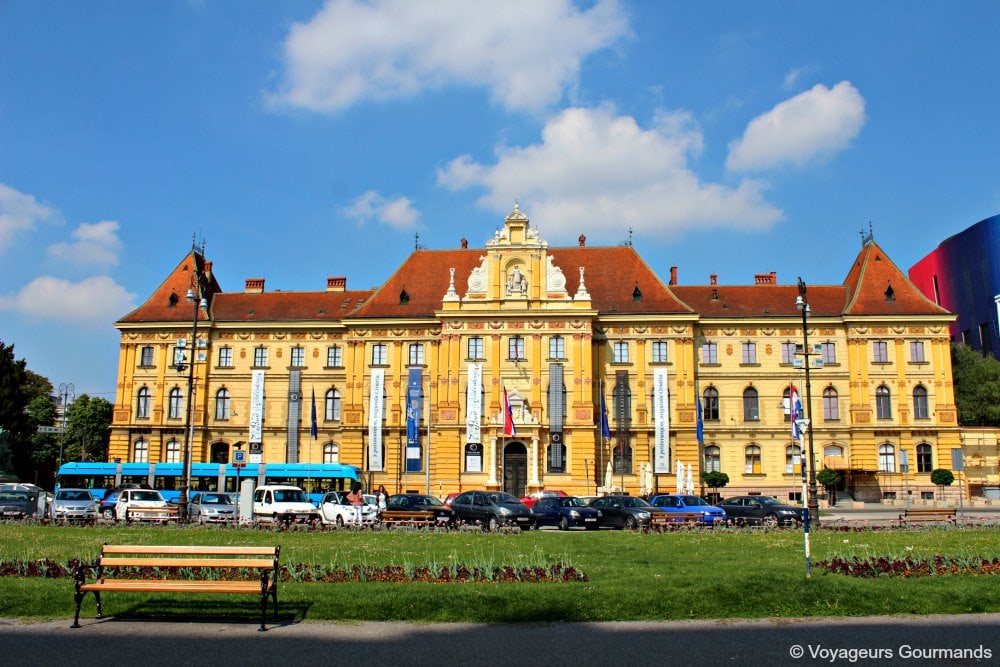
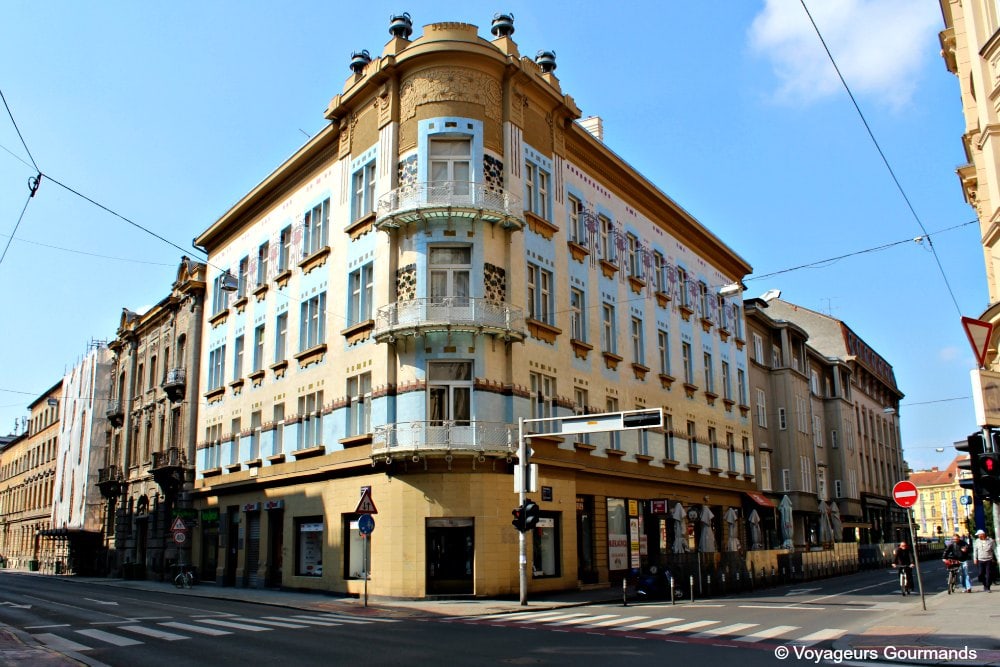
We walk back along Ilica Street, heading for Bundek Park. We should get there fairly quickly, but we get rather lost along the way… On the way, we pass some beautiful buildings as well as Zagreb’s Botanical Garden, where we stop for a few moments.
Bundek Park
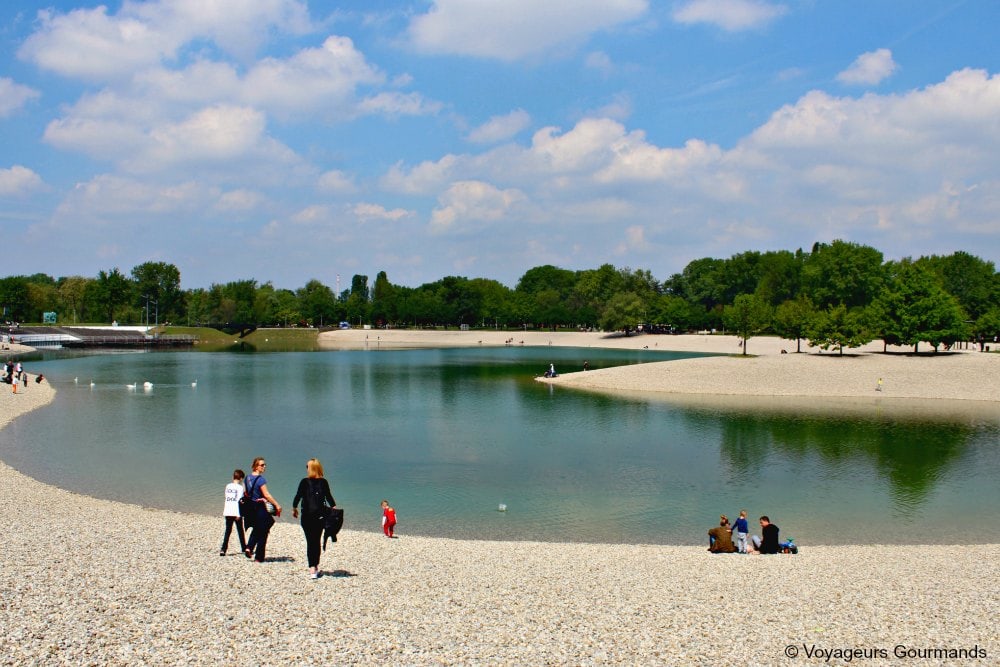
Bundek is often described as Zagreb’s green lung. It’s a huge park with an artificial lake where you can swim when the weather’s warm! We’re so jealous: we have nothing like it in Paris! We have lunch there before heading back to the B&B to pick up the car, bound for our accommodation near the Plitvice Lakes!
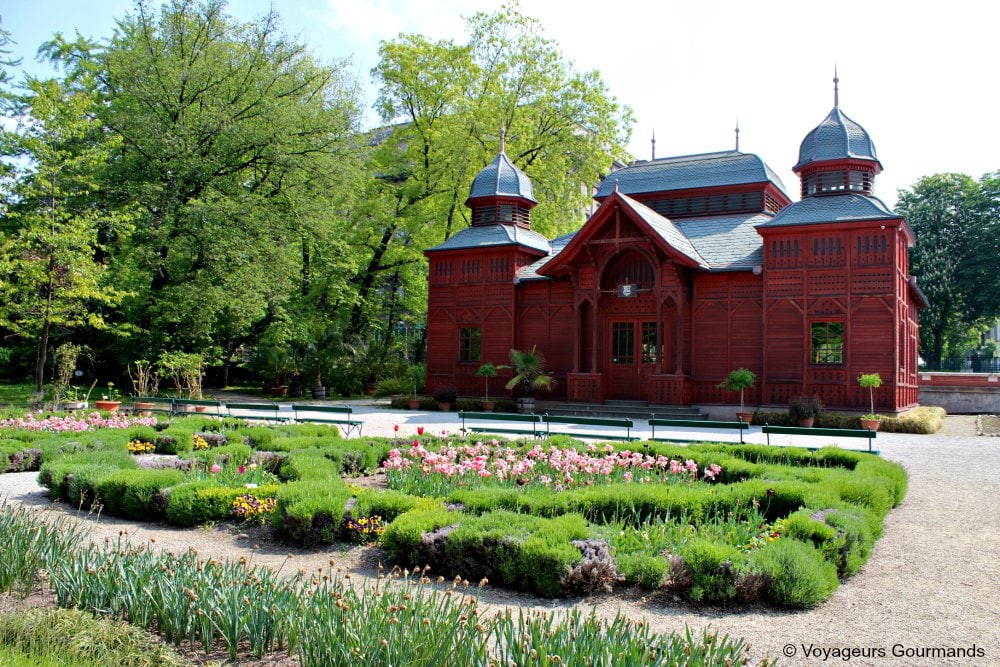
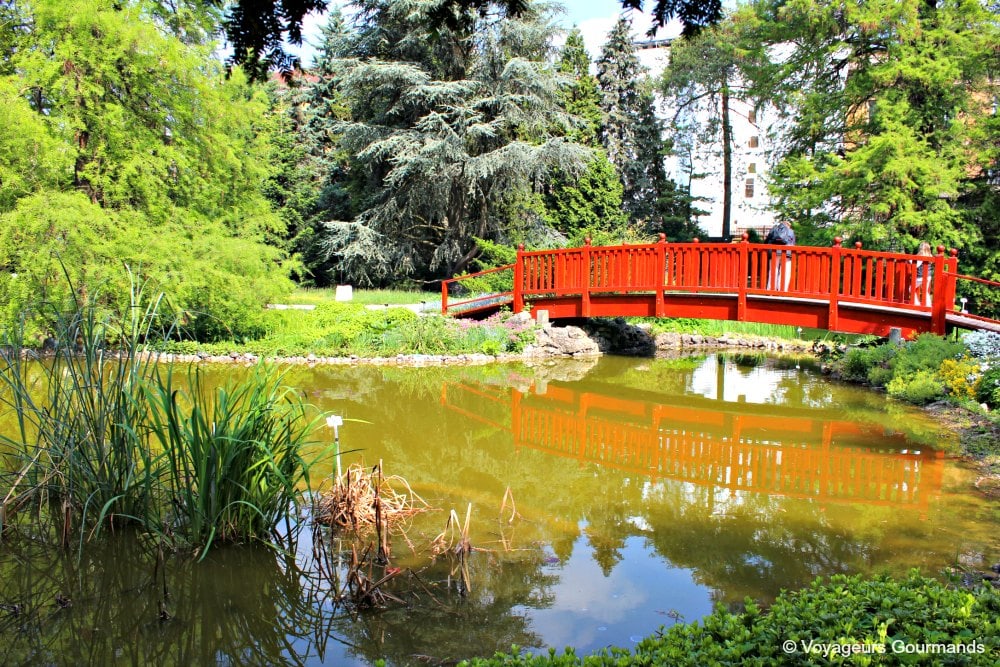
Zagreb Botanical Garden
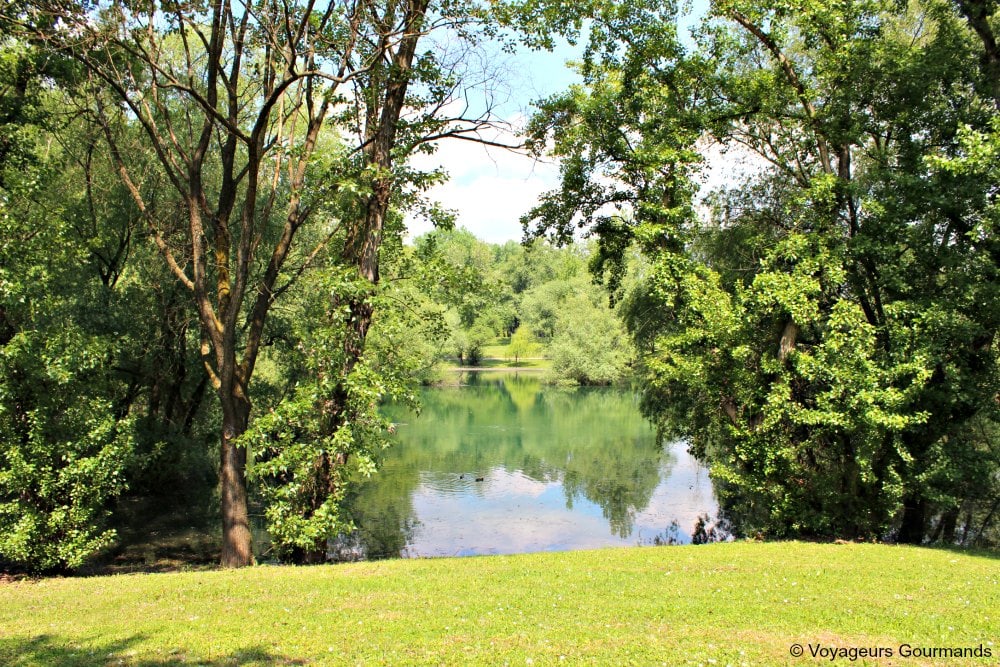
It’s a rather charming little botanical garden, with ponds and, above all, a very beautiful building.
✤✤✤
Visiting Zagreb: practical tips
Where to eat in Zagreb?
➺ Kaptolska Klet, Kaptol ul. 5, 10000 Zagreb: where we had dinner and tried all the delicious specialities 🙂
We’ve also written an article on Croatian food!
Where to stay in Zagreb?
We stayed in a great place, the Casablanca Boutique Bed & Breakfast. Everything was spotless and almost brand new. There’s parking, and breakfast was very generous. All for €55 a night during our stay in 2017 (prices may have changed since). We highly recommend it! The entrance is at the back of a courtyard, so keep your eyes peeled when you arrive.
Getting around and practical information
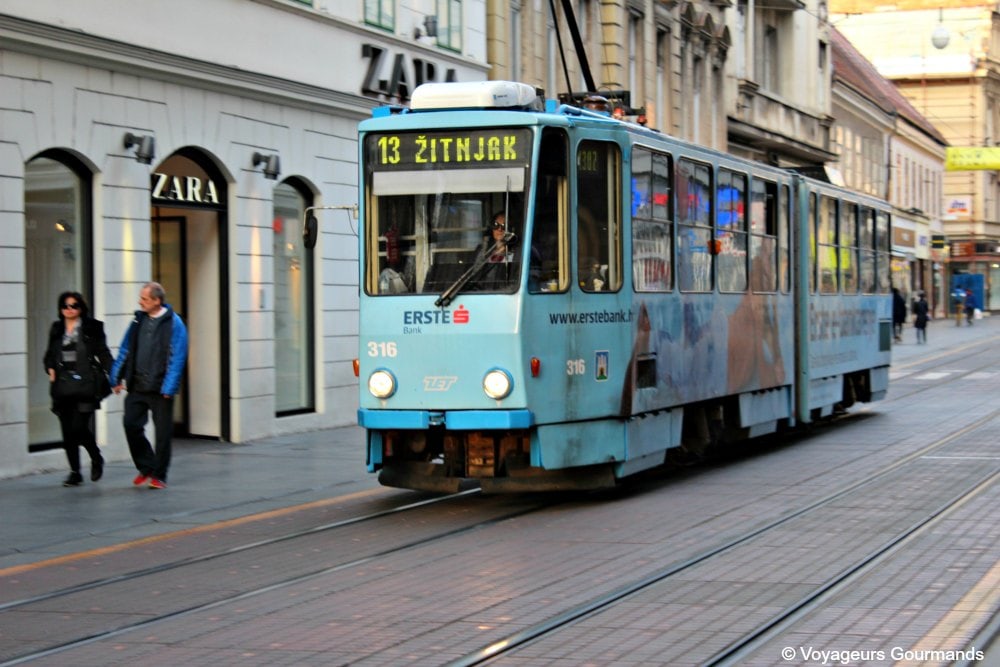
Most of Zagreb’s sights are concentrated in the historic city centre. But there are also buses and trams, as well as the funicular to get up to the Upper Town. A 30-minute ticket costs €0.53 from a kiosk, compared with €0.80 from the driver.
FAQ: visiting Zagreb
Your questions answered here!
How do you get from the airport to Zagreb city centre?
As we were setting off on a road trip, we picked up our car straight at the airport. However, you can get into the city by bus or taxi in about half an hour.
Is Zagreb worth visiting?
We’ve been asked this question, but I think after reading our story you already know the answer: YES, Zagreb is well worth a visit. This capital is far too underrated! Monuments, great addresses, green walks, historical and cultural visits: there’s something for everyone!
How many days do you need to visit Zagreb?
As I mentioned earlier in the article, we spent 2 days there, and that’s definitely enough! It gives you time to see the must-see sights and enjoy the city at a relaxed pace.
What are the best things to do in Zagreb?
The must-sees include Ban Jelačić Square, the cathedral, Dolac Market, Tkalčićeva Street and its cafés, St Mark’s Church and its colourful roof, Lotrščak Tower and its view over the rooftops, the Stone Gate, the Grič Tunnel and Bundek Park.
What currency is used in Zagreb?
Croatia has used the euro since 1 January 2023. Cards are accepted almost everywhere, but keep a little cash for the markets and small bakeries.
How do you get around Zagreb?
The historic centre is easy to explore on foot. For longer distances, there are trams and buses, and the funicular takes you up to the Upper Town. A 30-minute ticket costs €0.53 from a kiosk, compared with €0.80 from the driver.
✤✤✤
The capital is small, and we can understand why some people skip it after seeing the country’s other wonders. But we have to admit that, for us, visiting Zagreb was a lovely surprise. The capital is calm and peaceful, and we’d happily do it all again!
