


Chaves Portugal is the city I had passed through dozens of times without ever visiting… Not far away is the village where Alcino’s dad was born… We had never taken the time to stop and visit it… until last summer! Besides, I wasn’t expecting anything in particular when discovering it ; I imagined a city where there wasn’t much to do or see… In the end, we had a lovely time despite the 40 °C ! Here we go, we’re taking you to visit Chaves for a day. 🙂
✤✤✤
Chaves, Trás-os-Montes
Chaves is a city in the Northern region of Portugal, historically in the “ Trás-os-Montes ” region. It is located inland, not far from Spain, and is 150 km from Porto, to give you an idea.
Although it does have a few assets, it remains, to be honest, not very appealing for vacationers… It is far from the country’s main points of interest, such as Lisbon or Porto. But, but, but… In reality, there are a few interesting tourist sites, especially historical, religious, and natural ones… You can also easily include it in an itinerary through the north of the country, which could take you through the Douro Valley, for example…
What to do and see in Chaves?
Chaves Castle
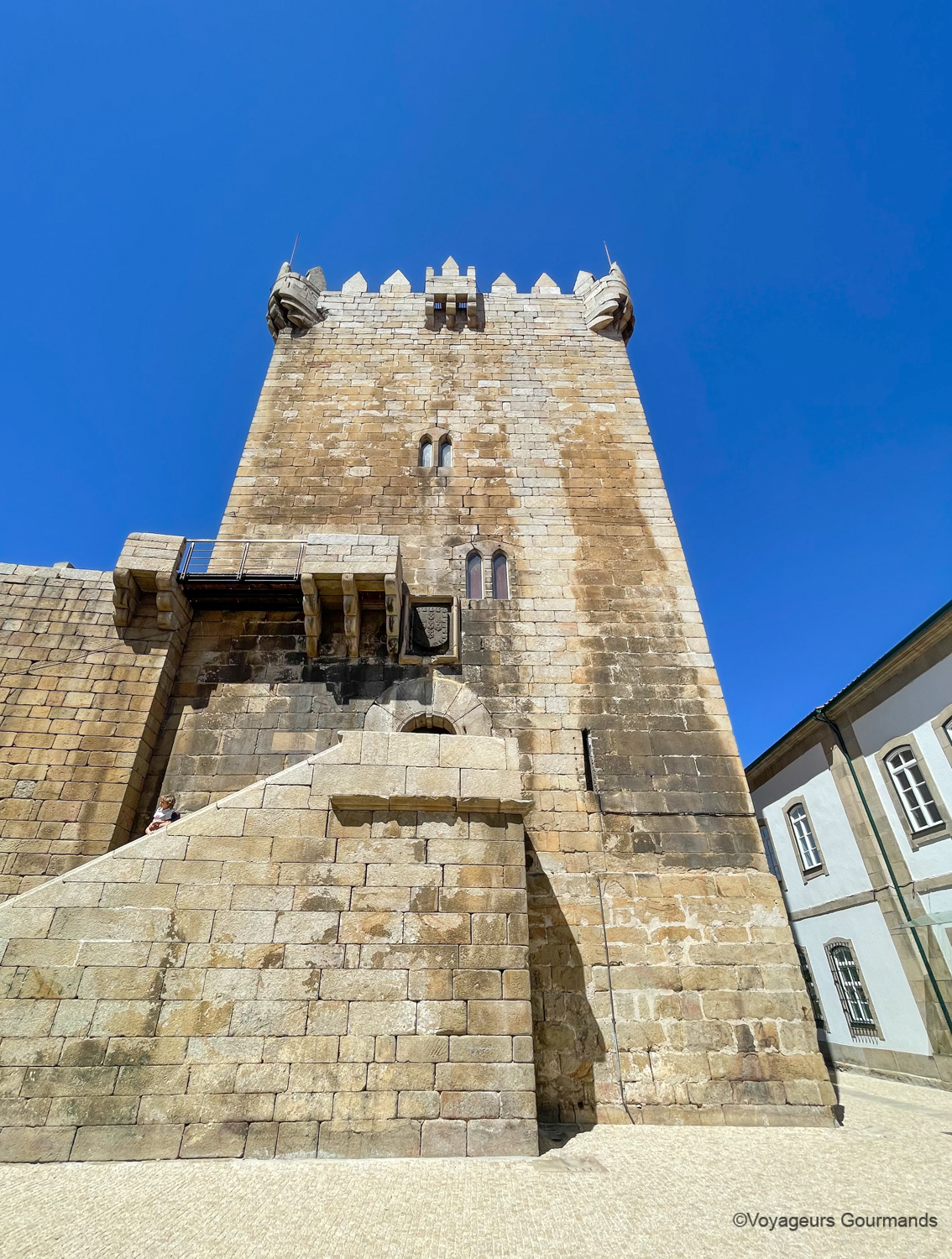
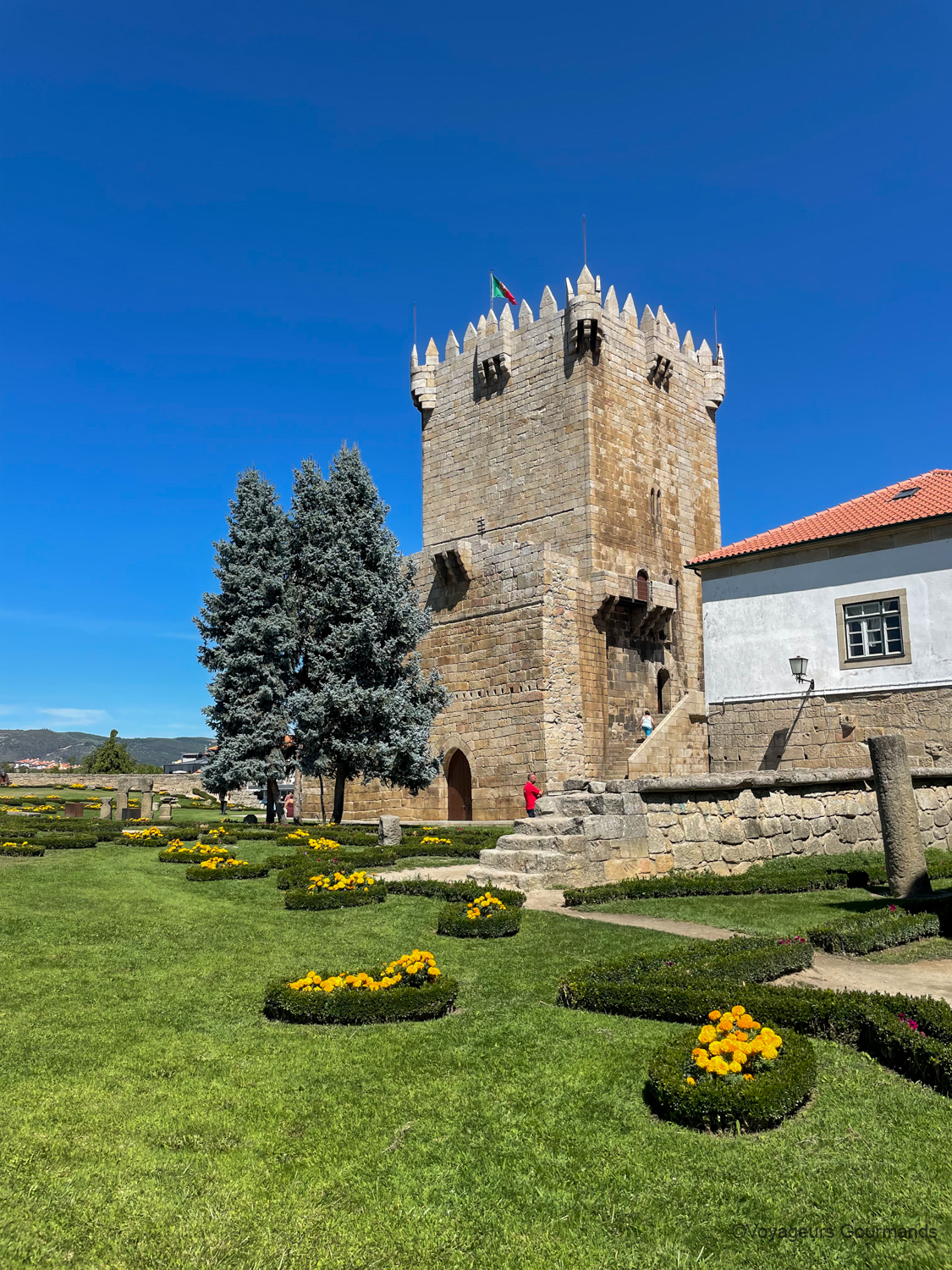
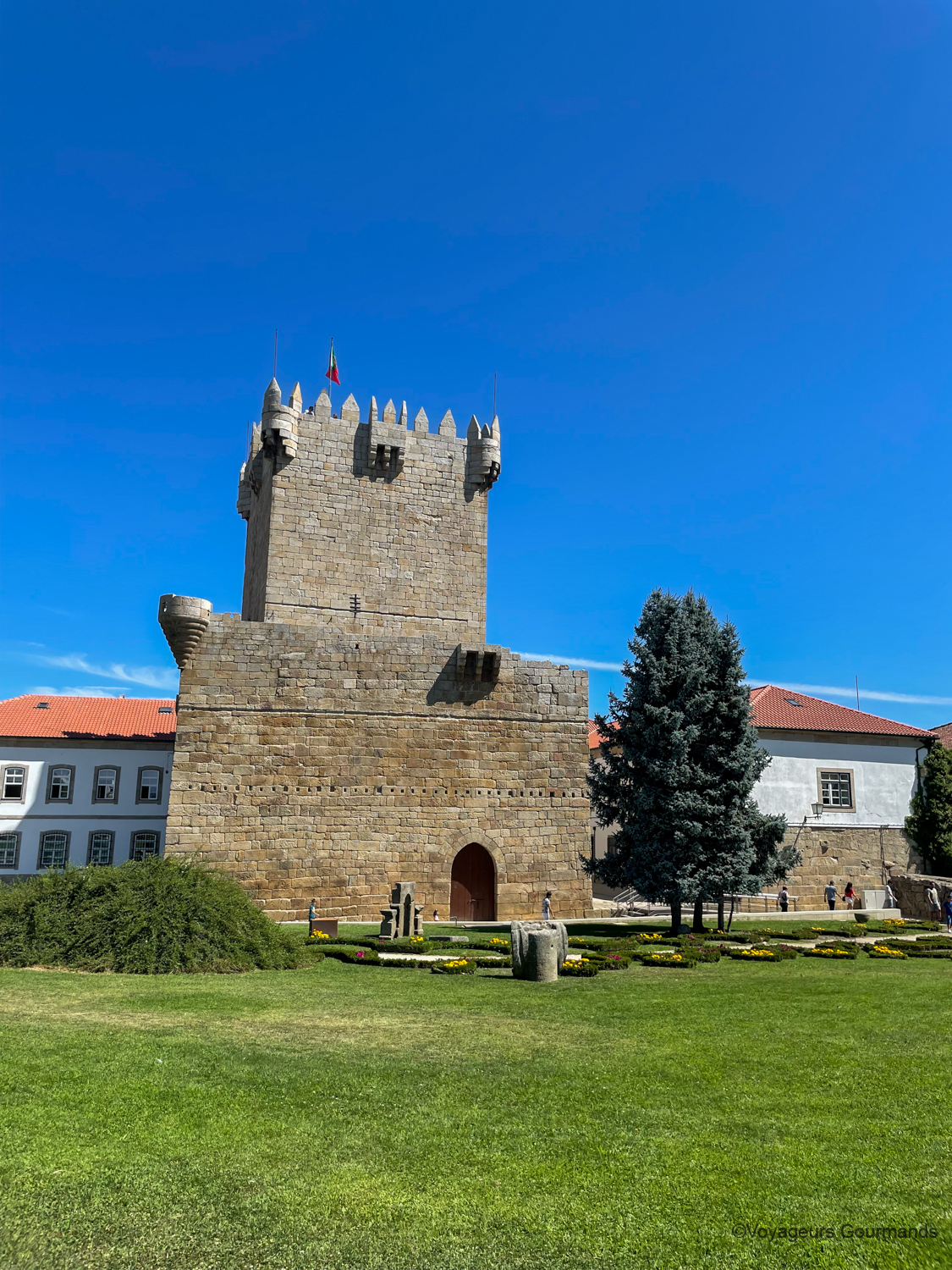
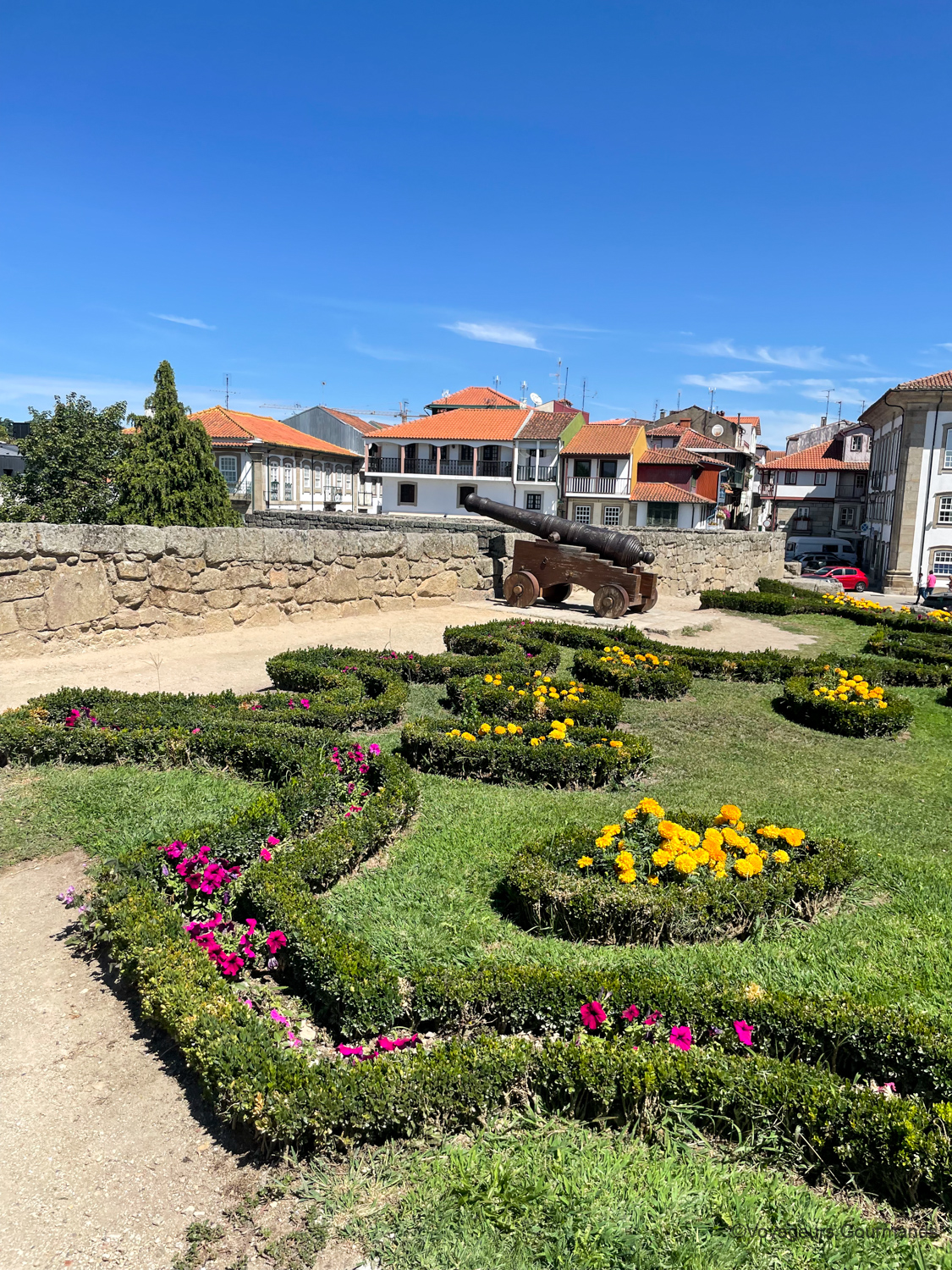
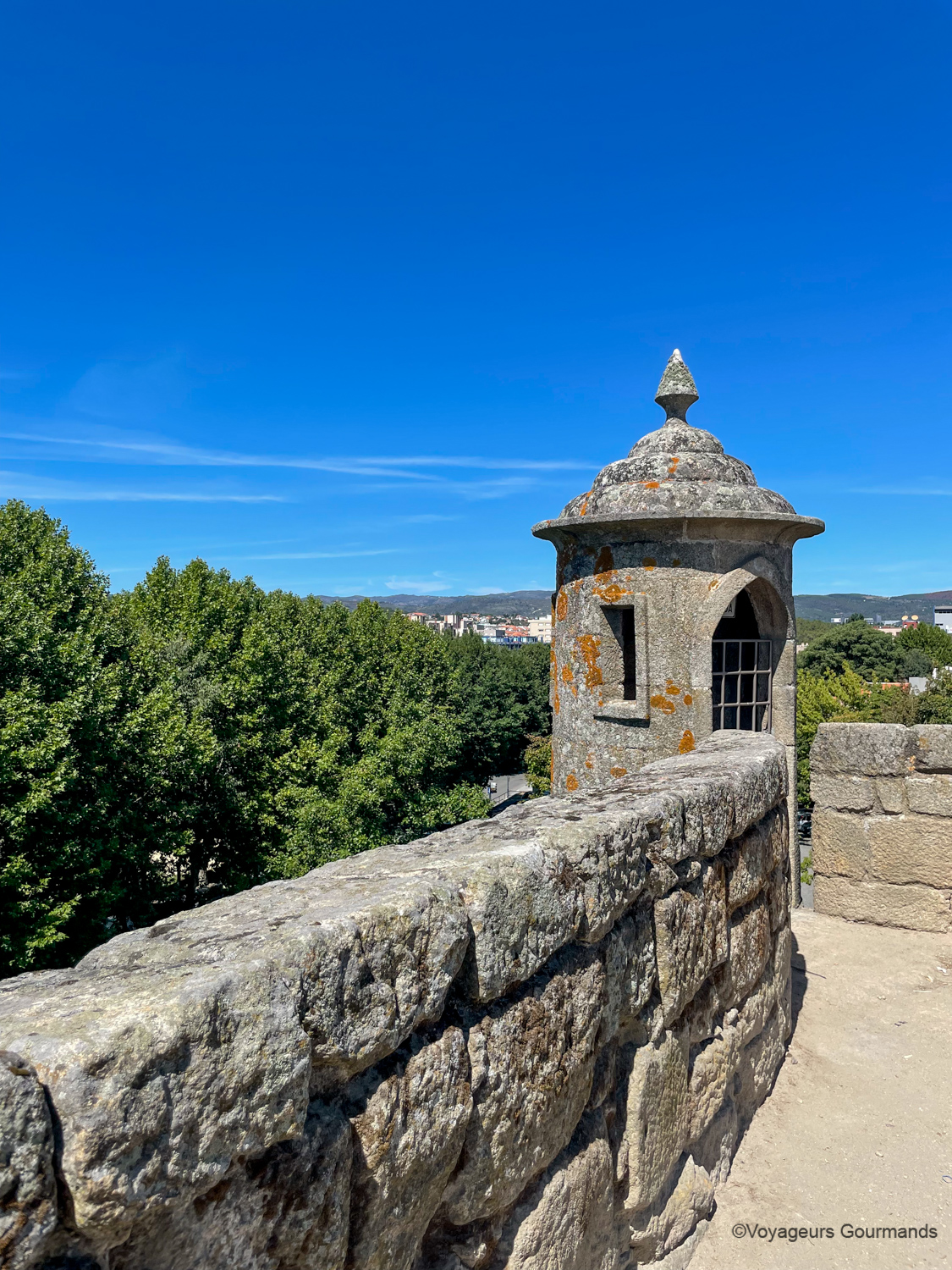
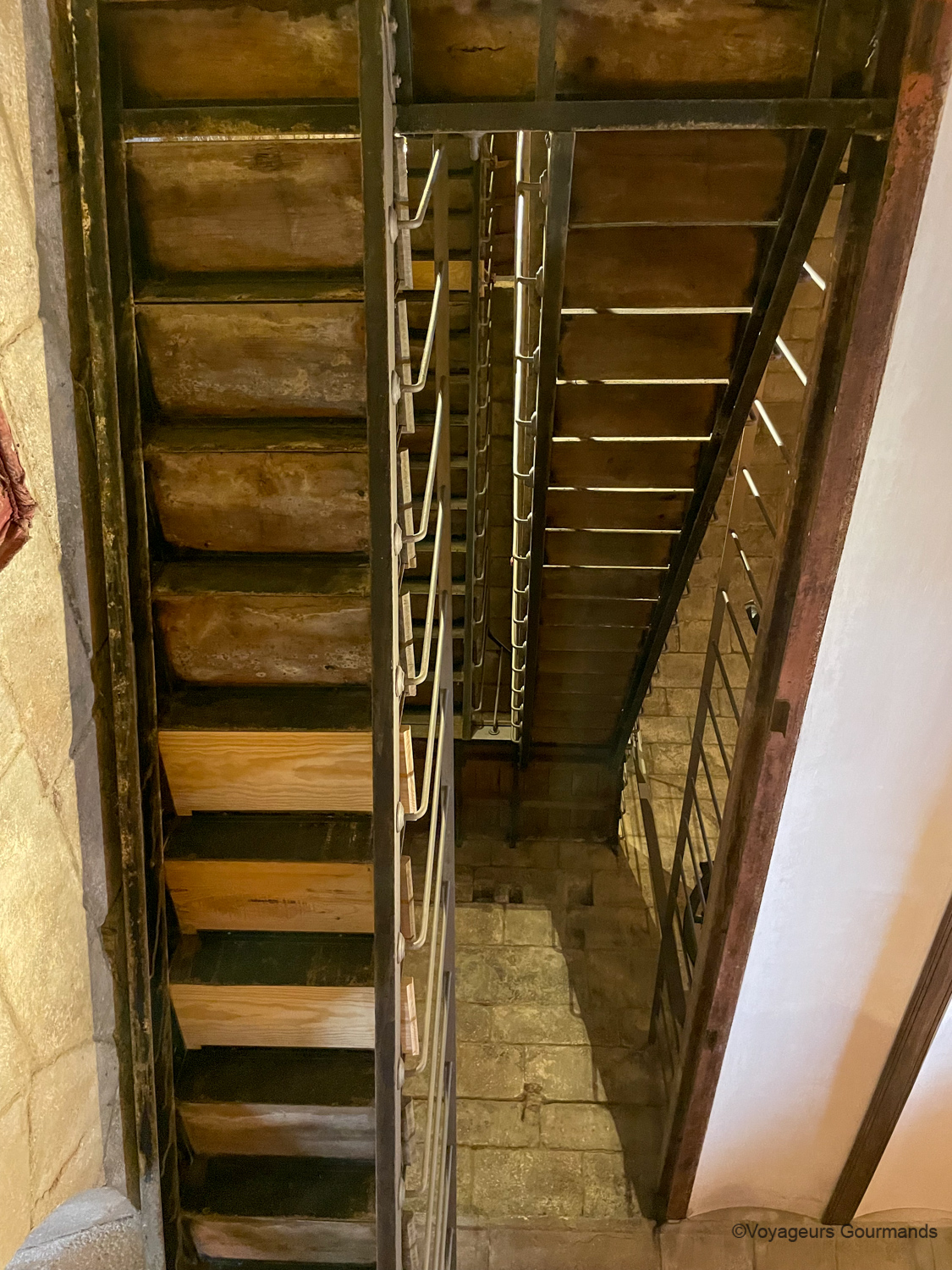
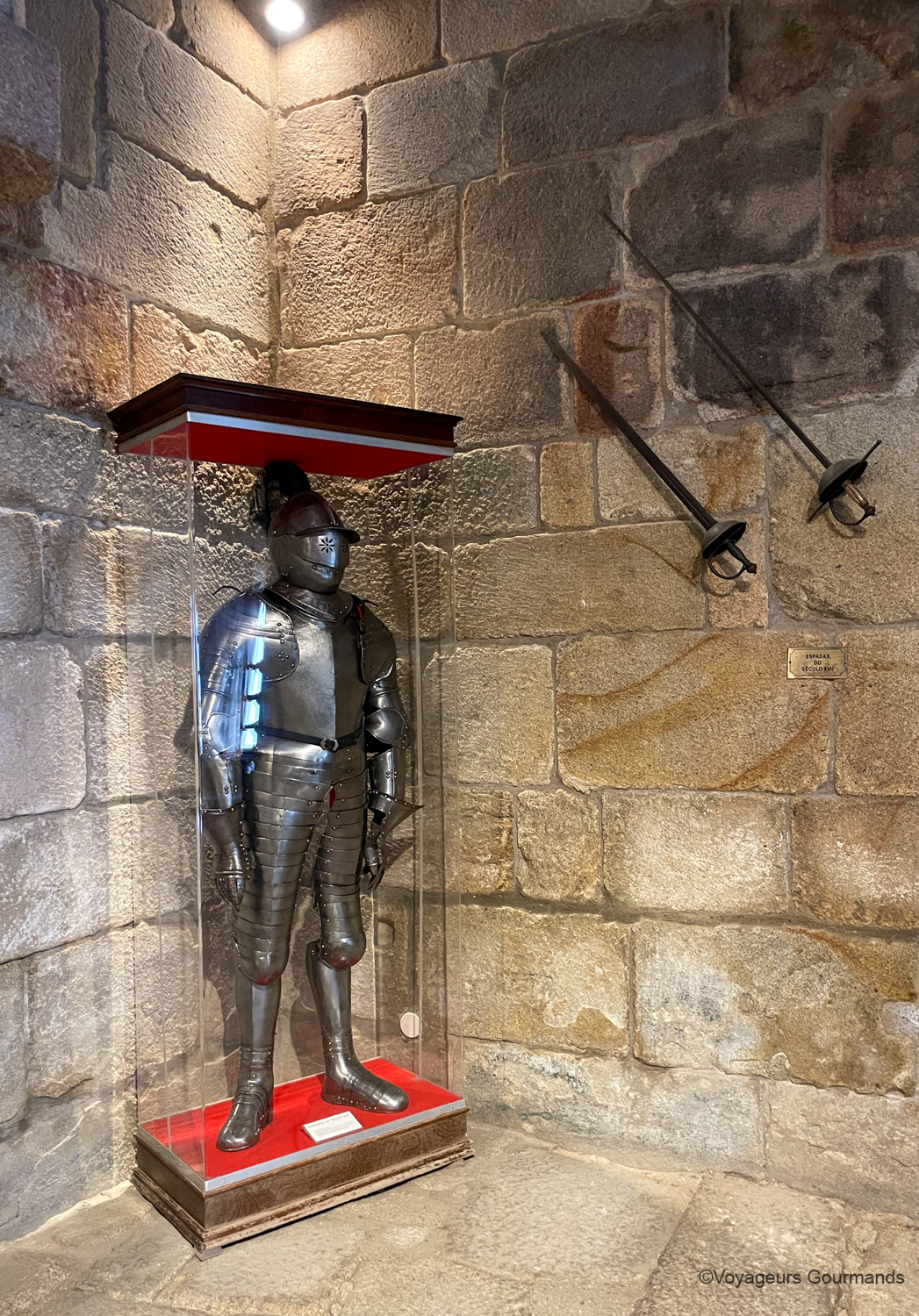
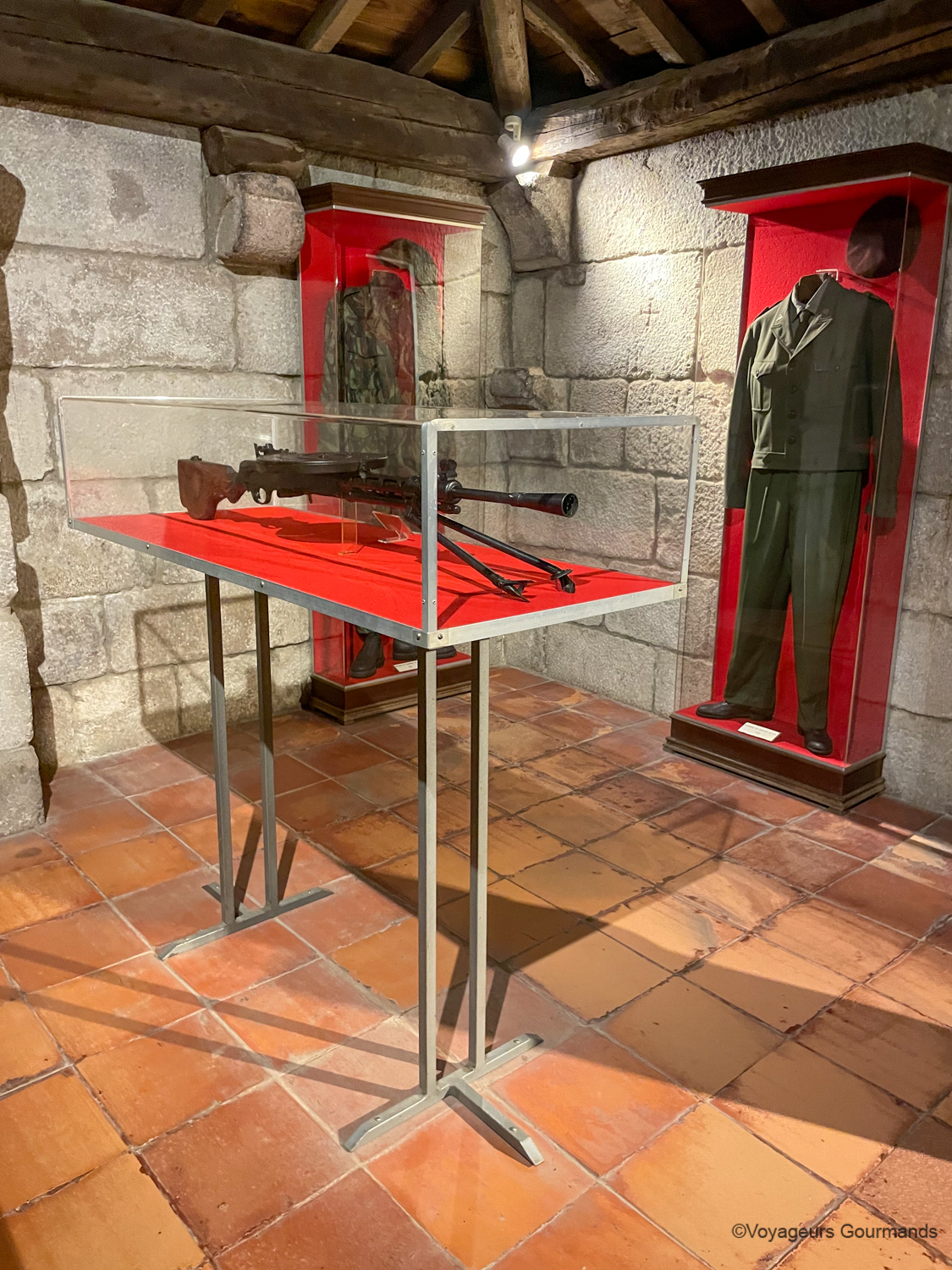
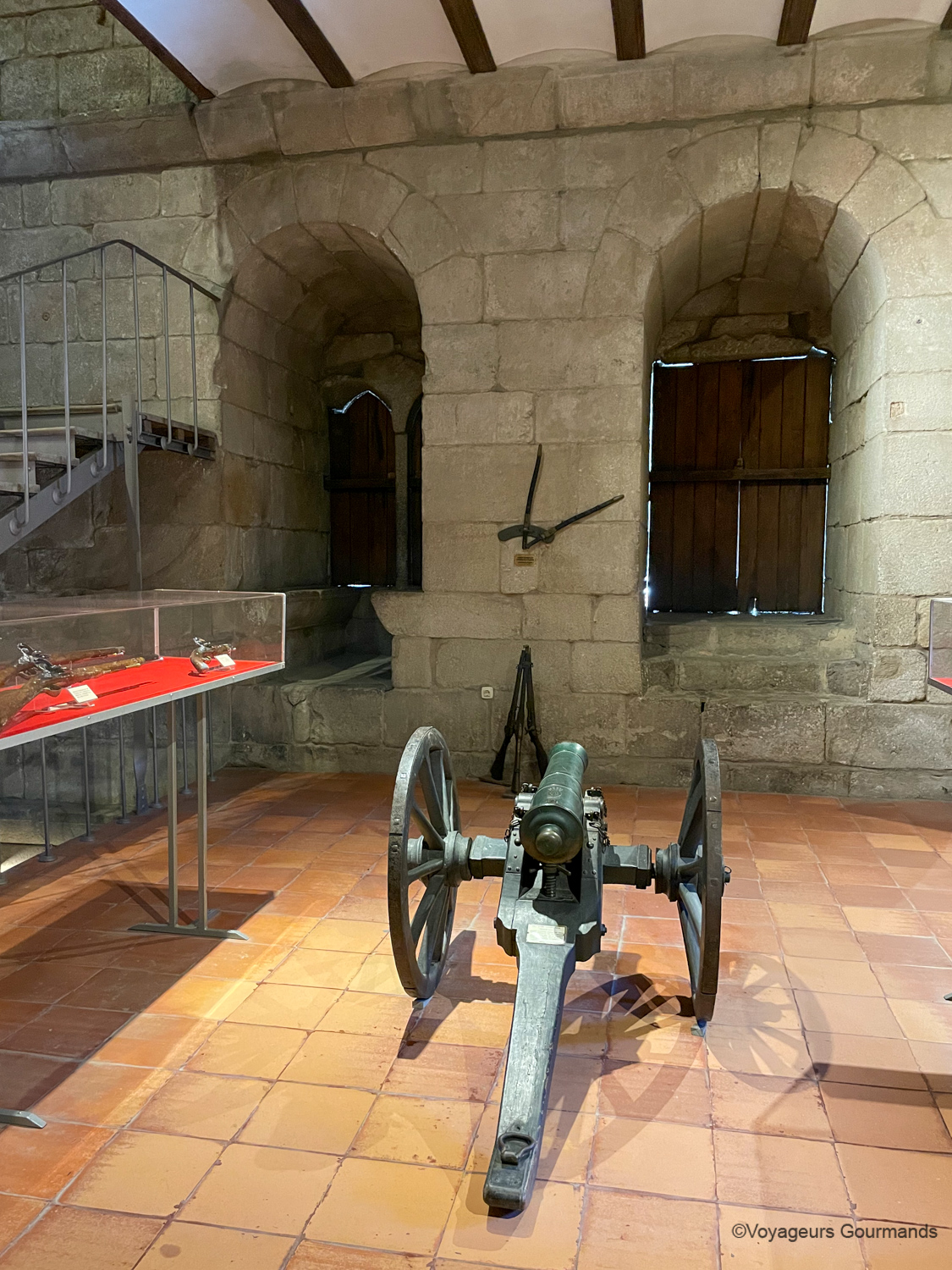
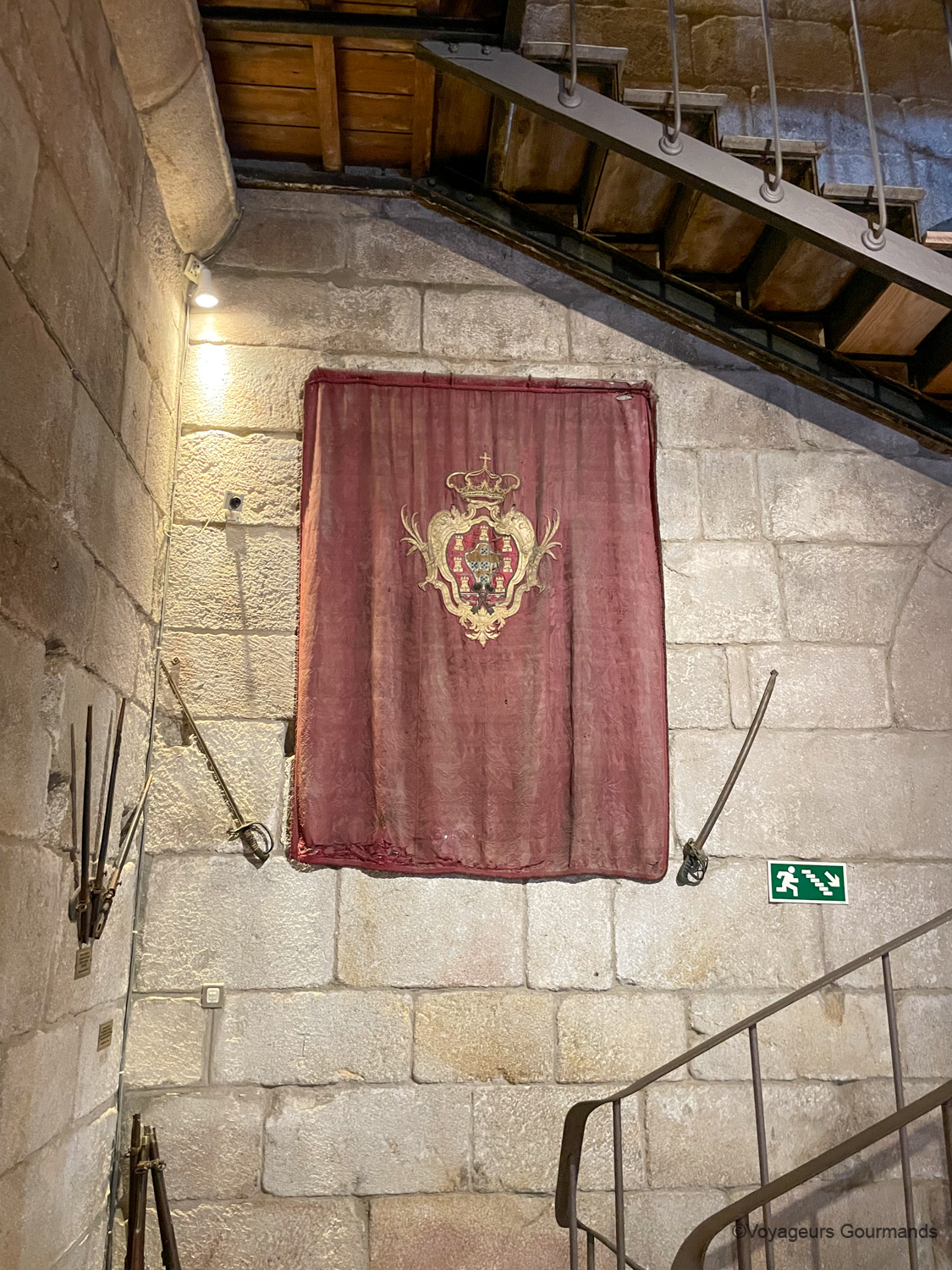
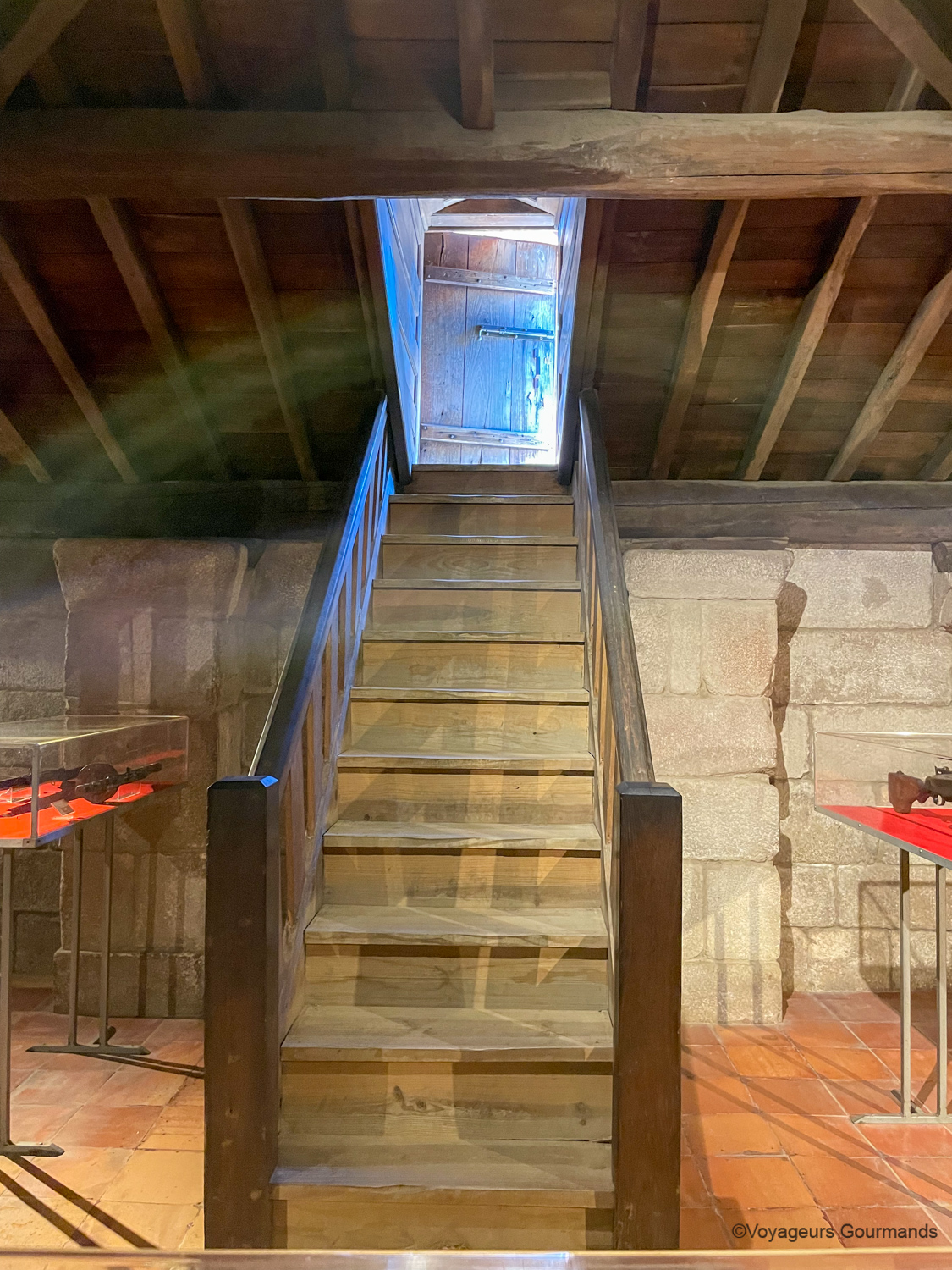
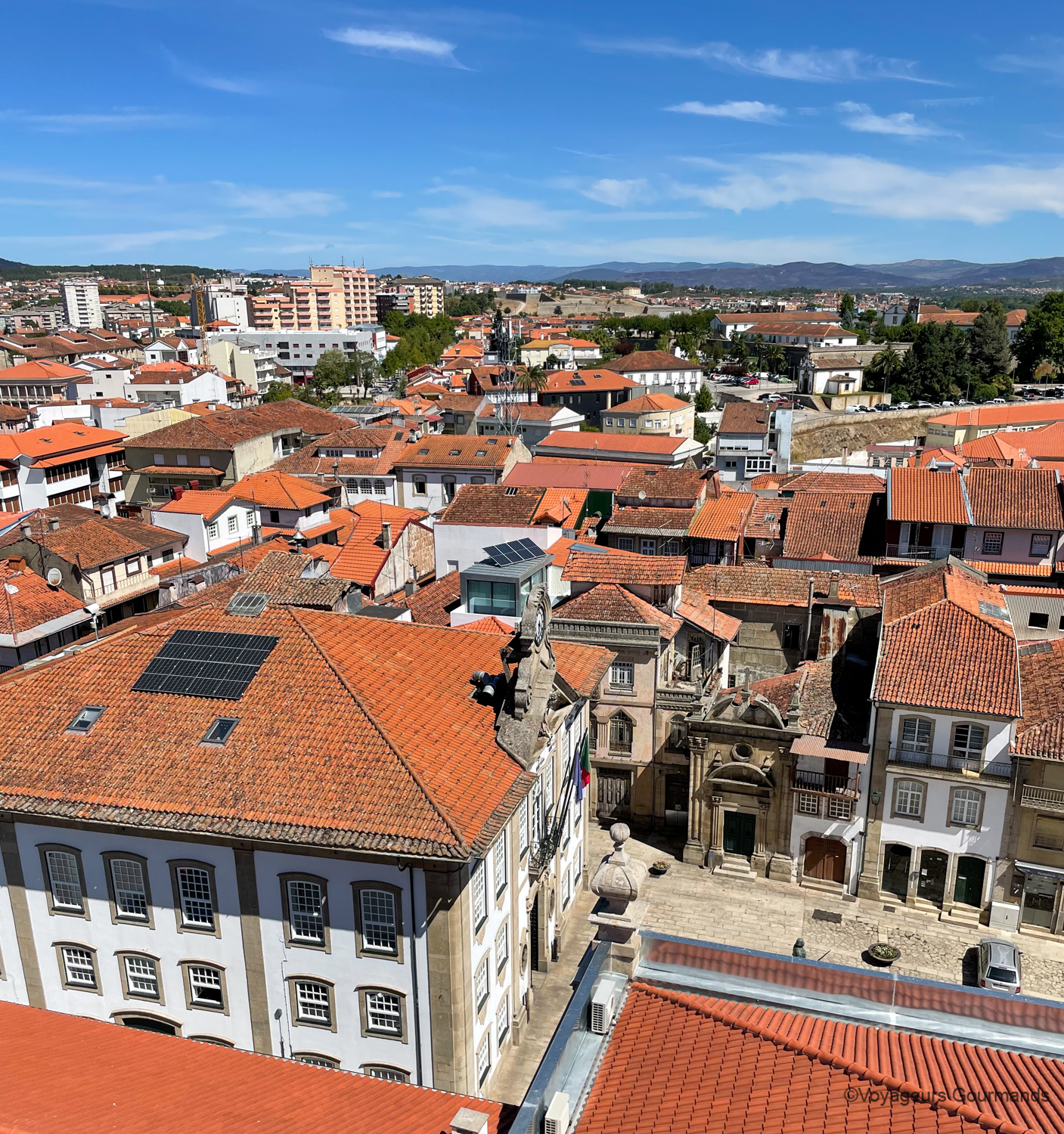
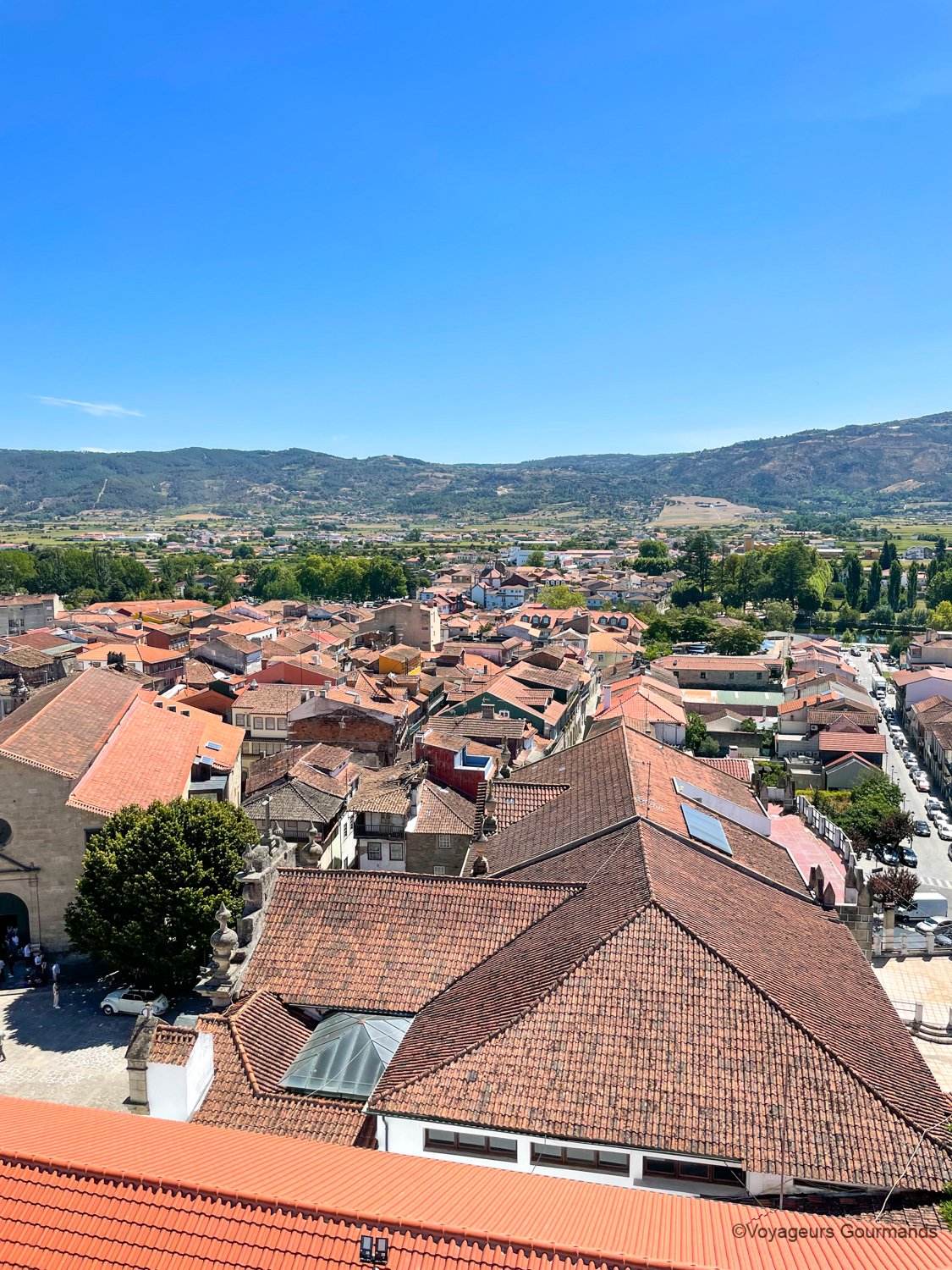
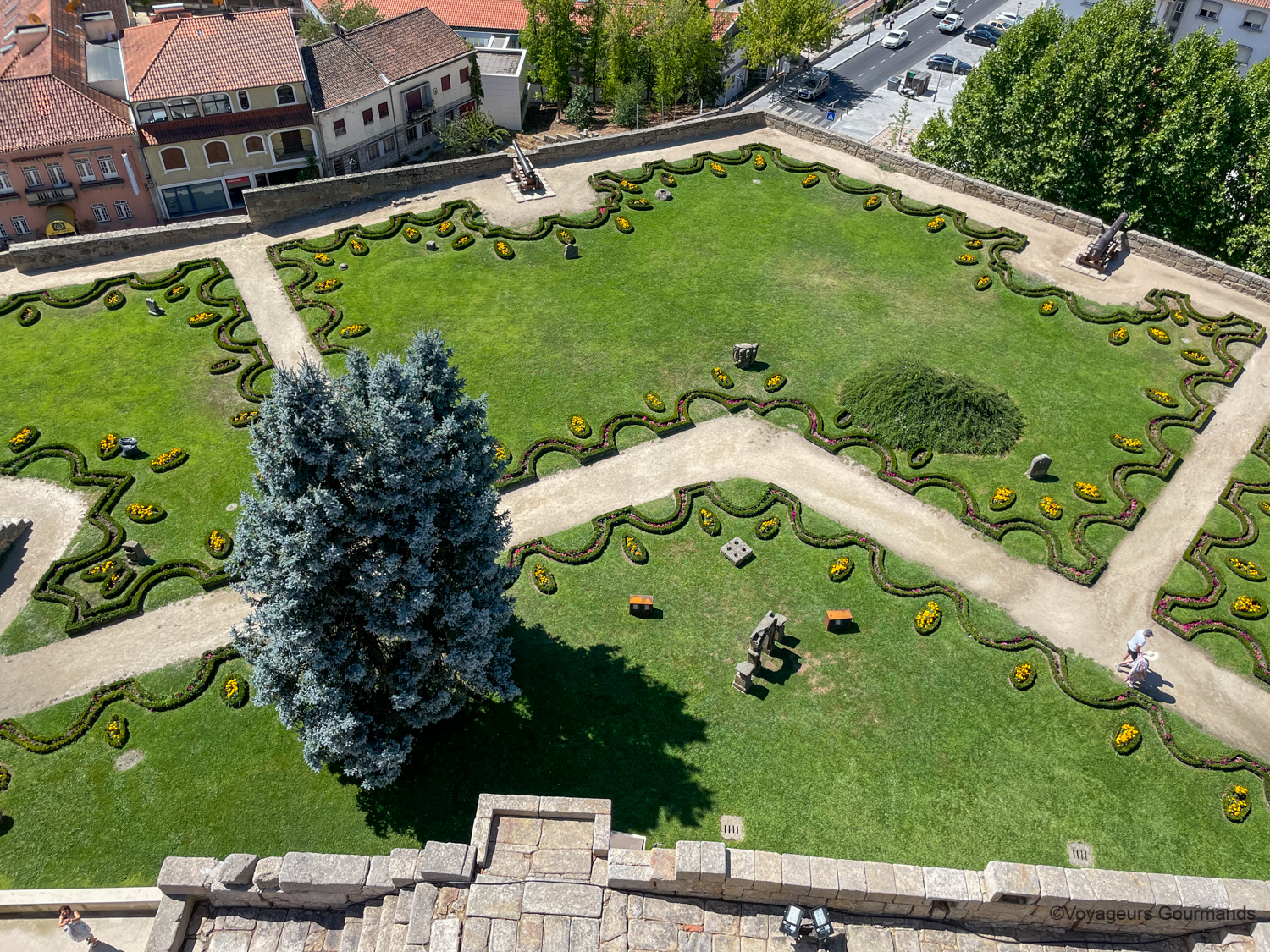
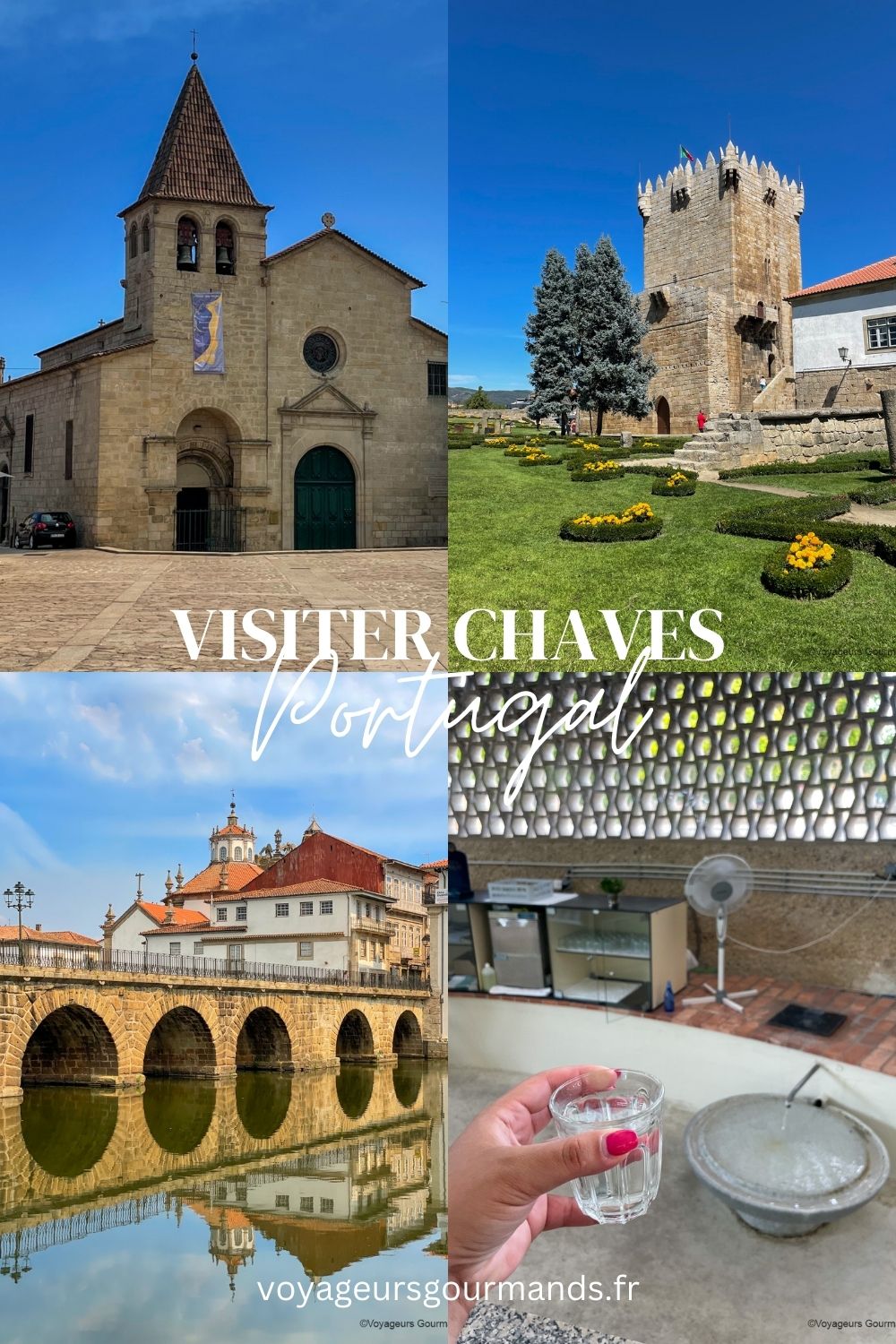
Chaves Castle is a medieval castle built in the 11ᵉ century, and it is one of the oldest castles in Portugal. It was built to protect the city from foreign invasions and played an important role in the defense of Portugal during the medieval wars. Surrounded by imposing ramparts, it has two watchtowers. Today, it is one of the city’s main tourist sites. It is possible to visit several parts of the castle and learn more about its history and architecture. In addition to being an interesting historical site, the castle also offers a breathtaking view of the city of Chaves and the surrounding hills, as well as pretty flower gardens.
Chaves Cathedral Church – Santa Maria Maior
The Chaves cathedral church, or Igreja Santa Maria Maior, is the city’s main church. Built in the 11ᵉ century on the ruins of a Romanesque church, it is one of the oldest churches still in use in Portugal. It is also considered a remarkable example of Portuguese Romanesque architecture. The church was expanded and renovated several times over the centuries, particularly in the 15ᵉ century, when Gothic arcades were added to the outside of the church. When we arrived, a wedding was taking place. <3 The church attracts many visitors for its architectural beauty and rich history. In high season, guided tours are organized for those who want to learn more.
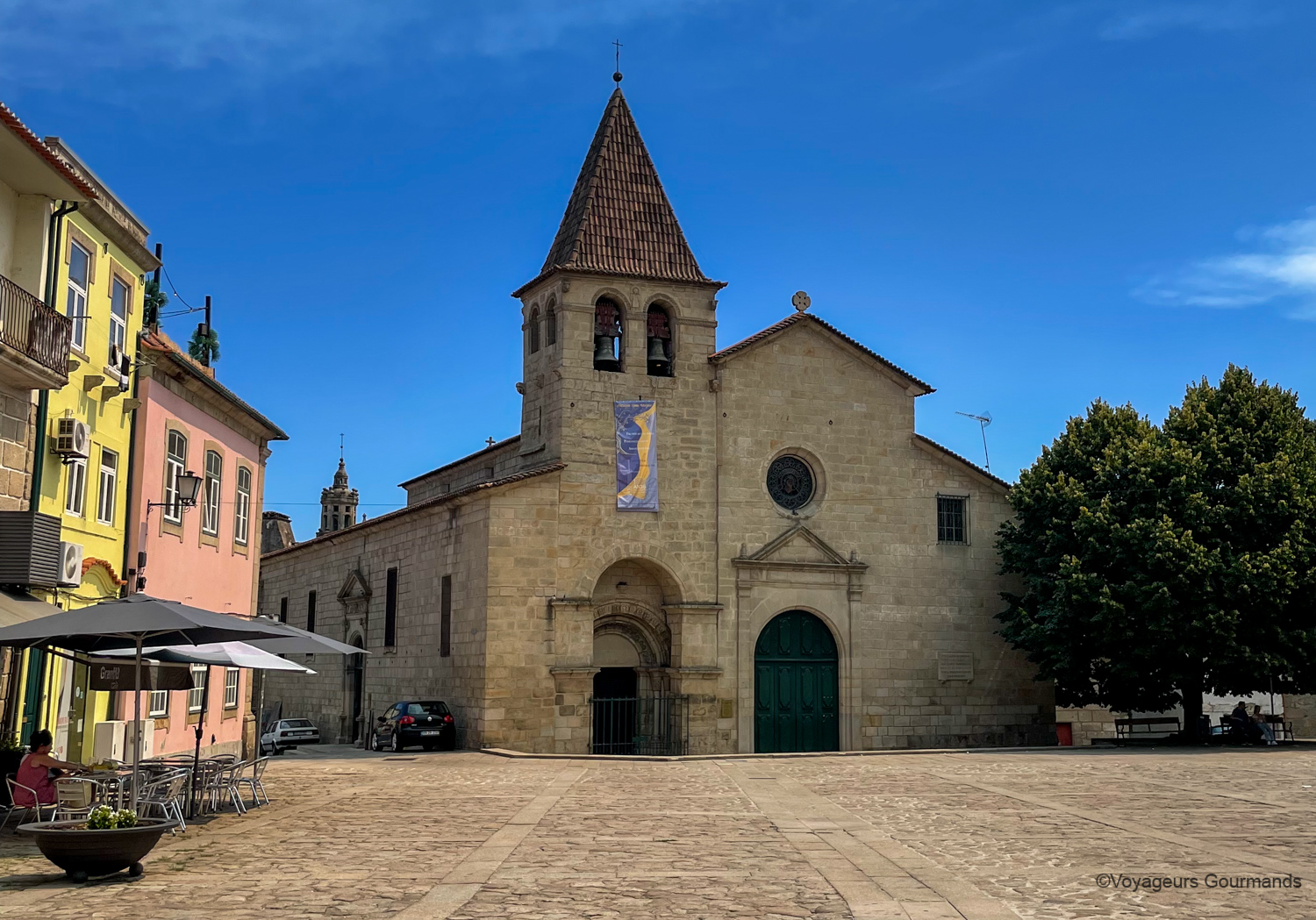
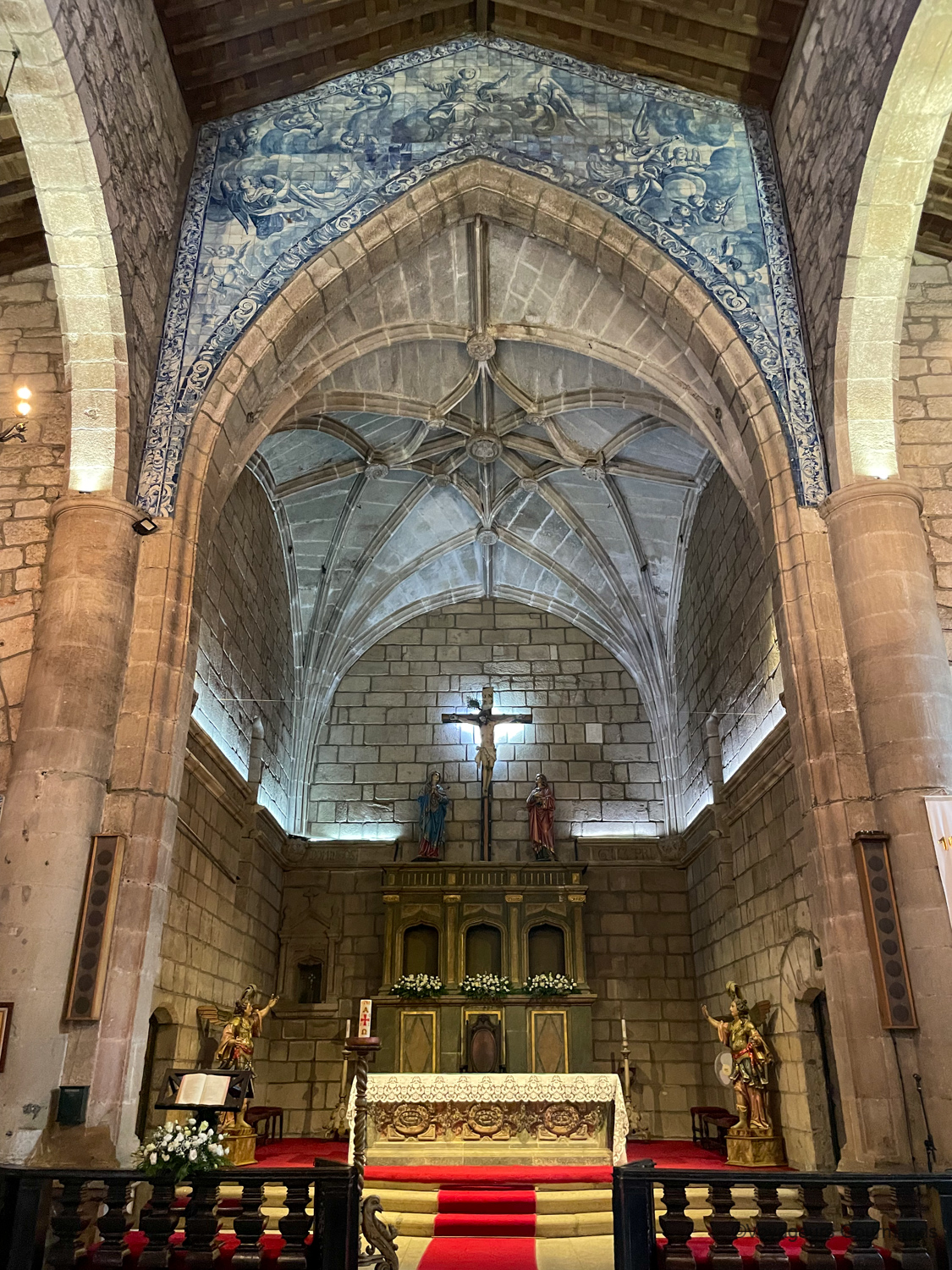
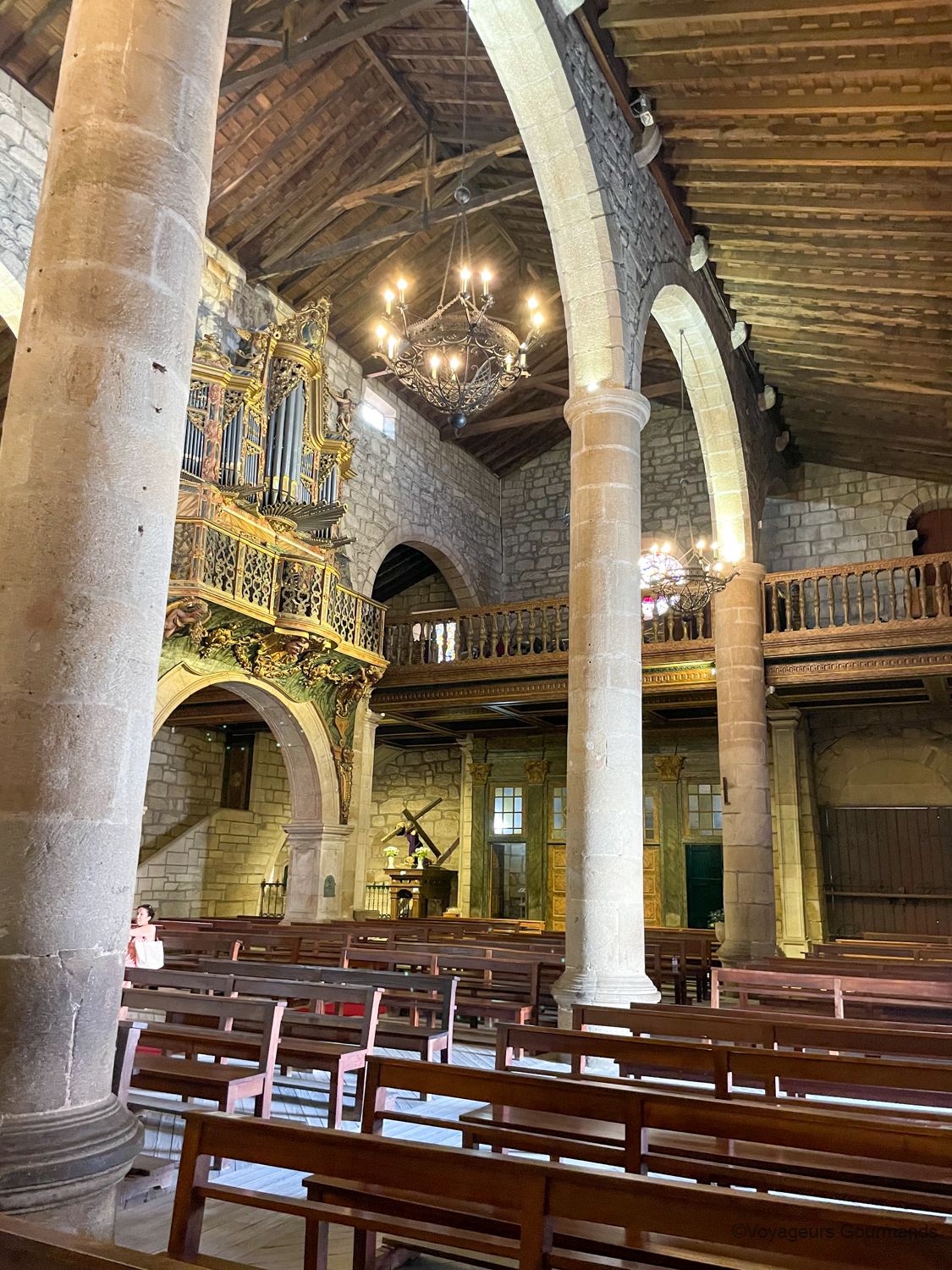
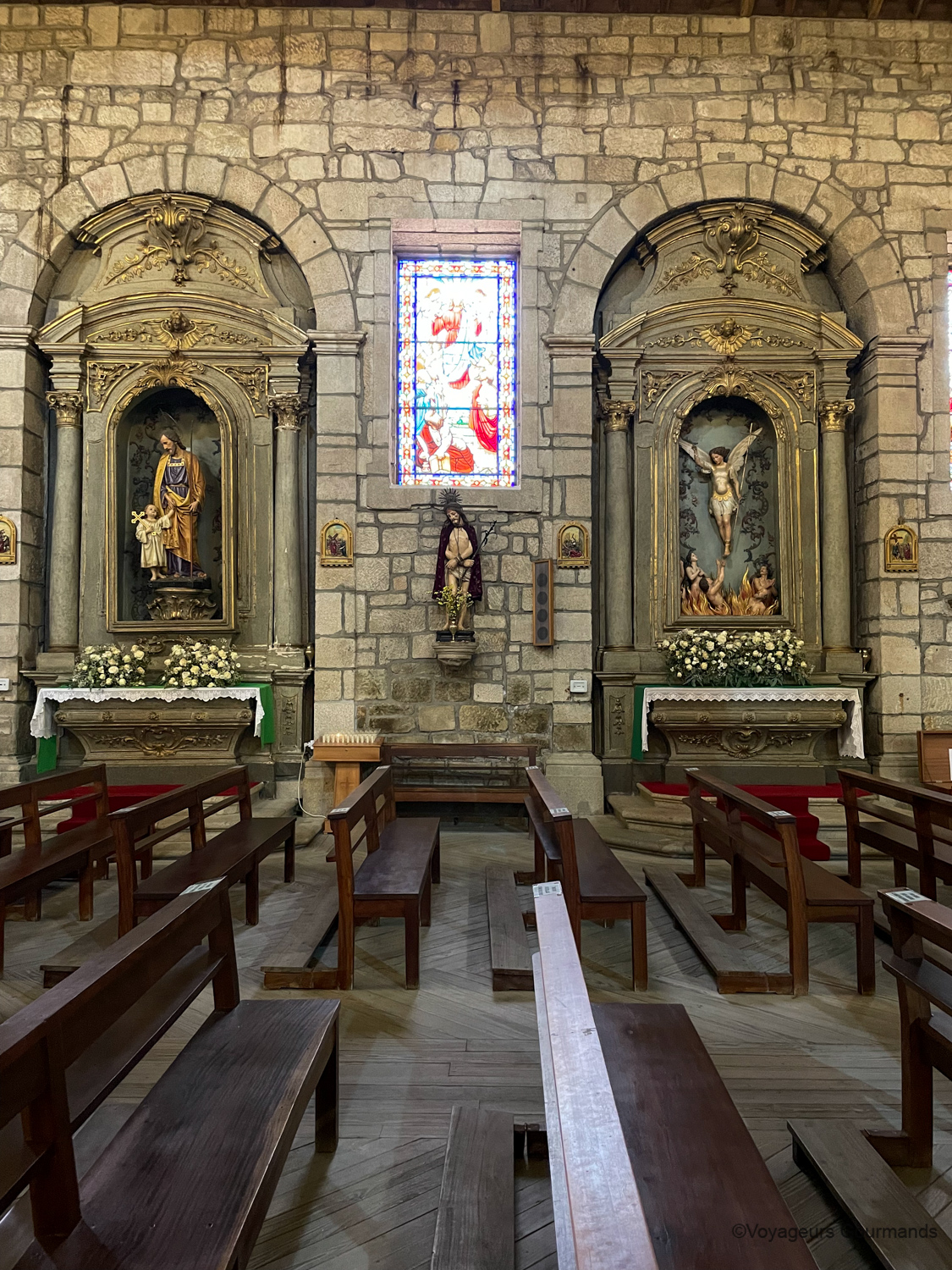
Church of Misericórdia
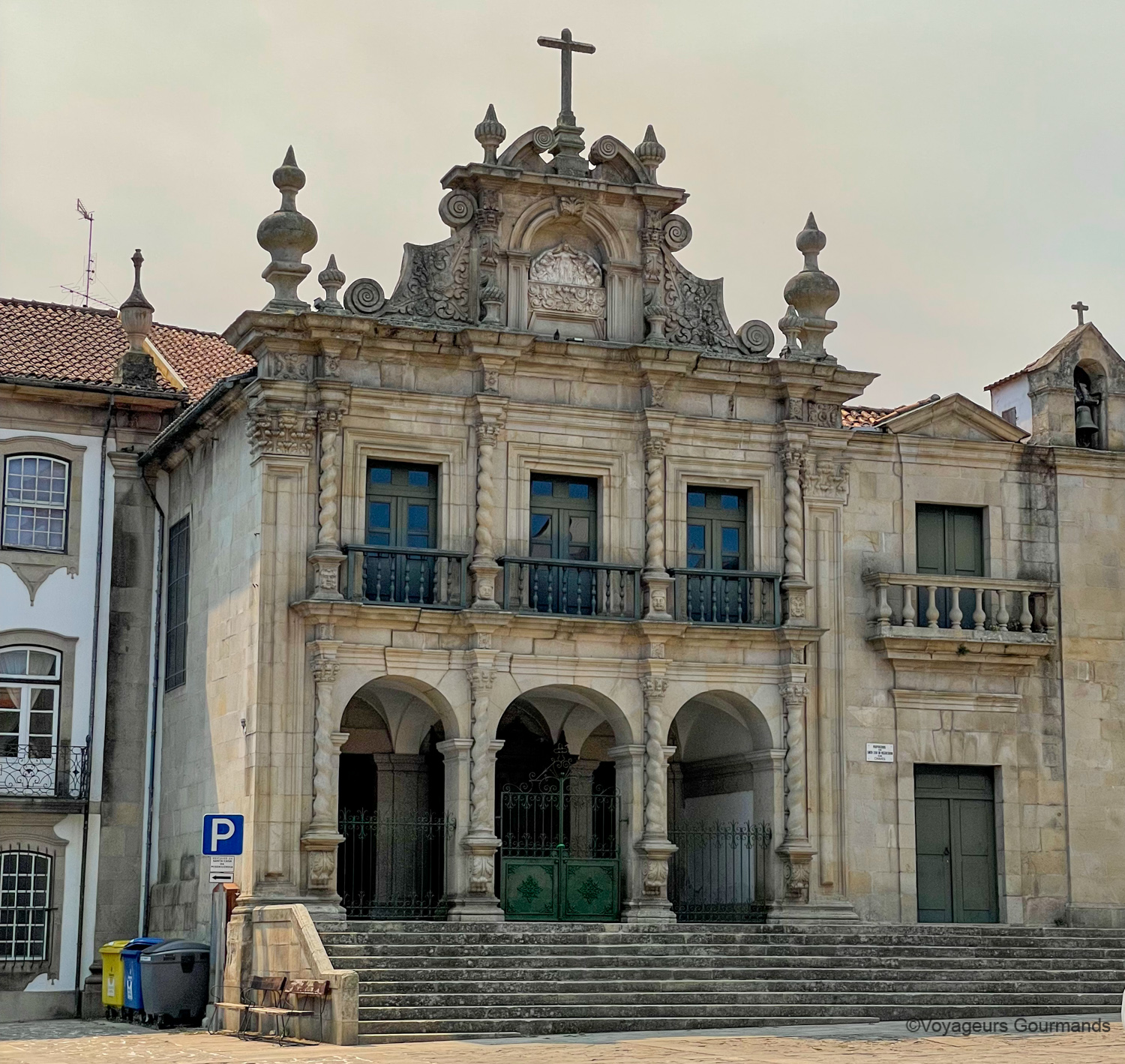
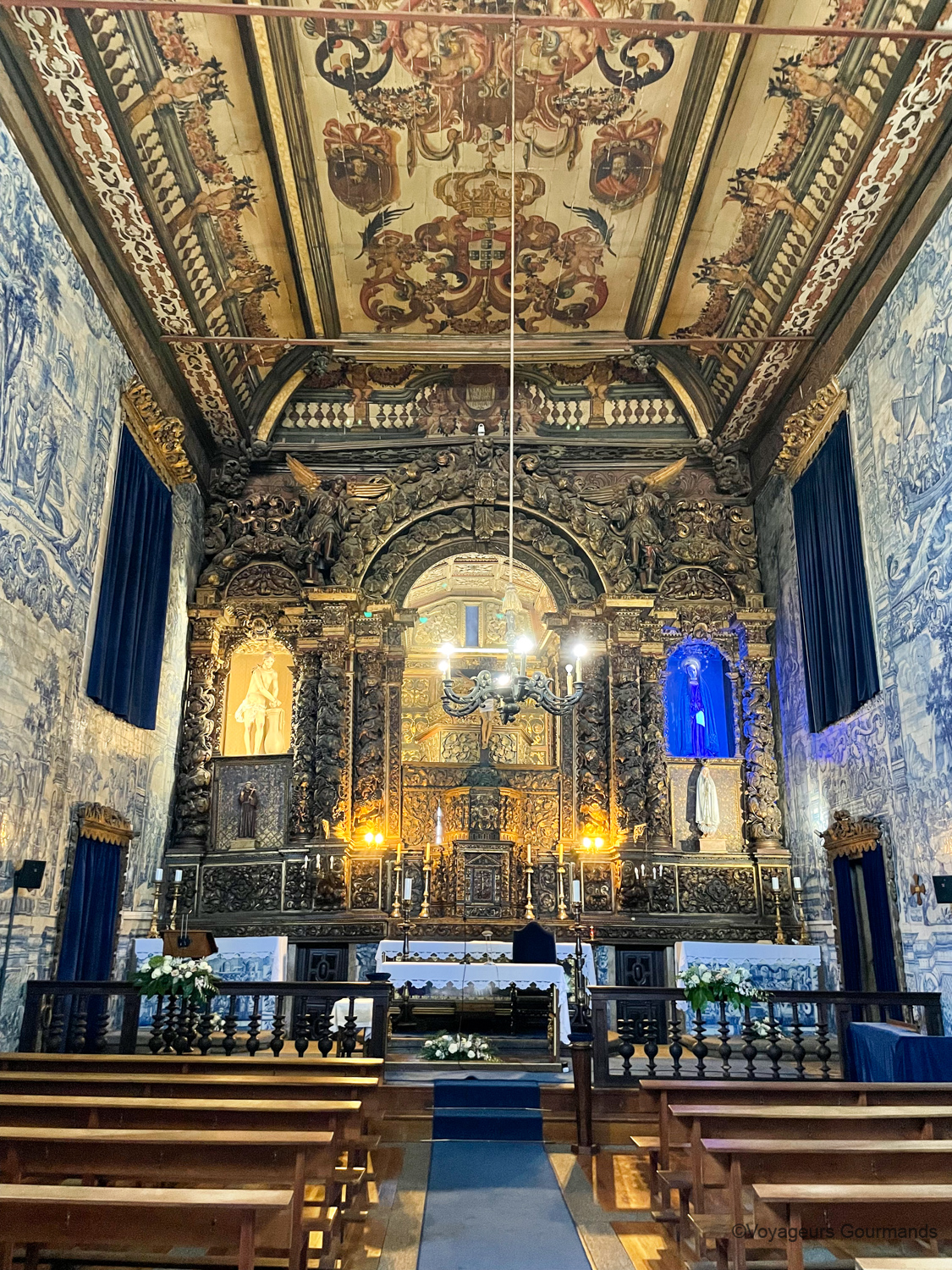
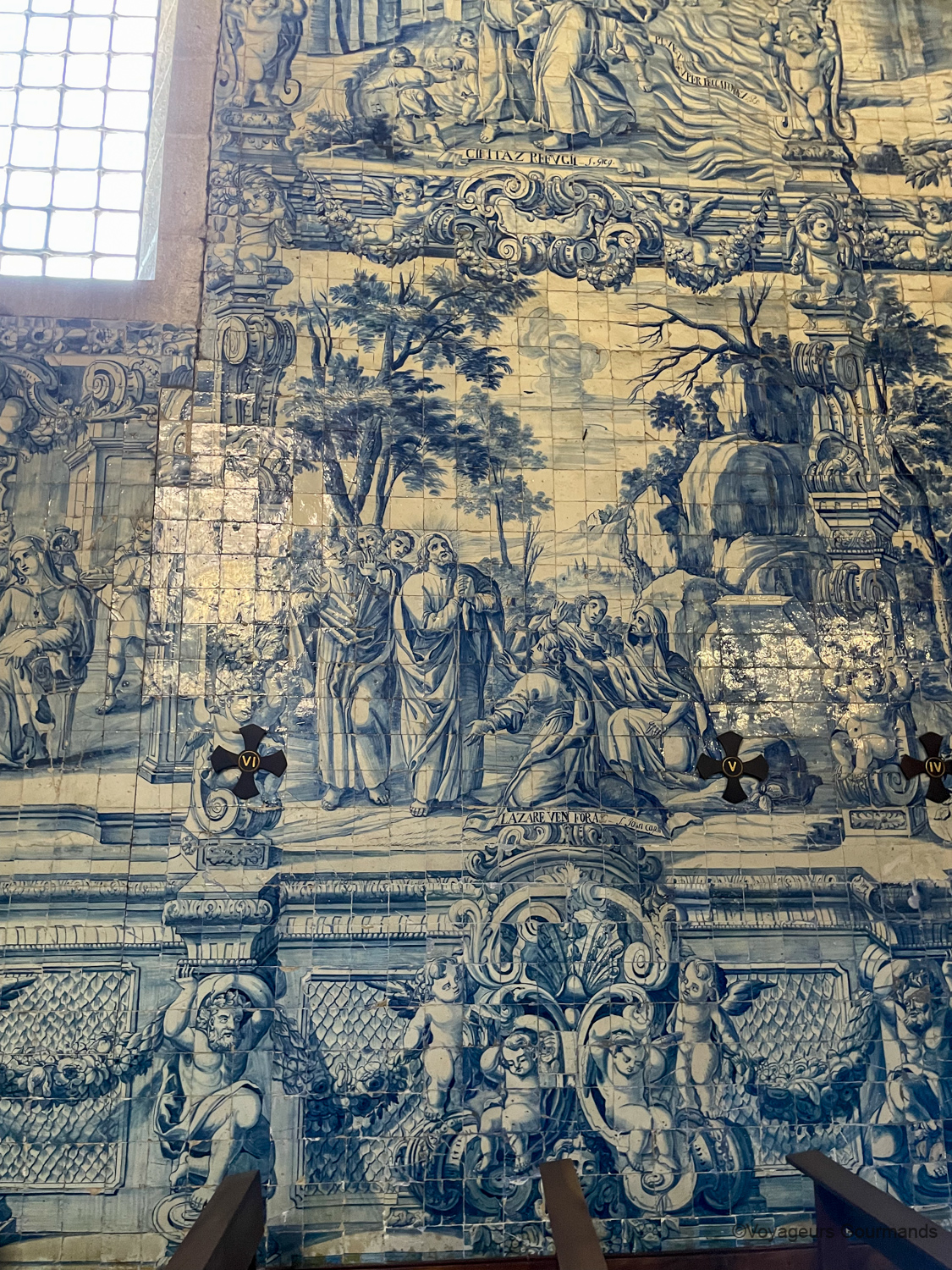
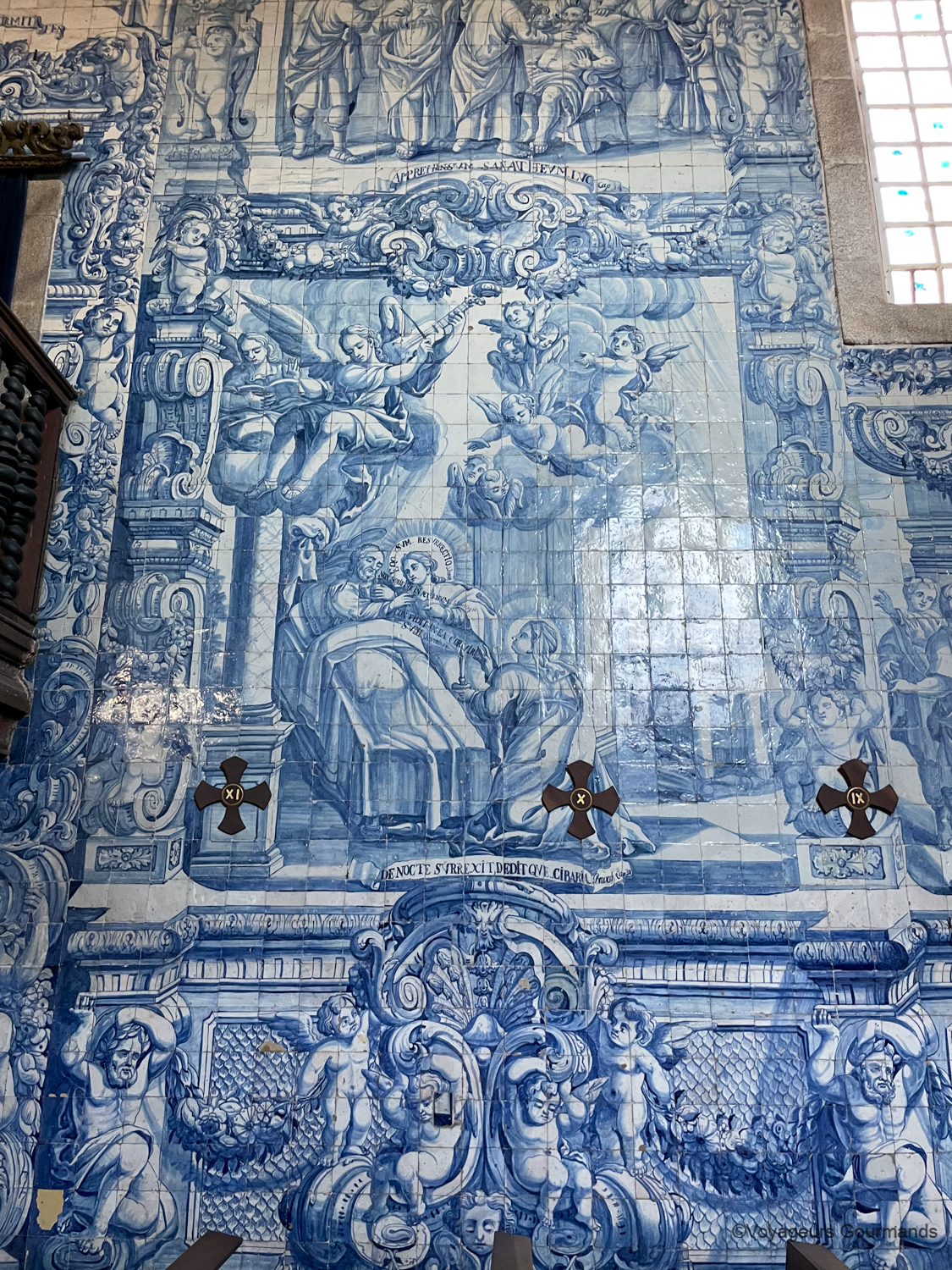
The Church of Misericórdia is a magnificent religious building in the city, built in the 17ᵉ century. It features Baroque architecture adorned with intricate patterns and decorations, with a white facade and bulb-shaped turrets at each corner. Inside, the nave is divided into two parts by a large marble altar, and it has many paintings and sculptures. What obviously catches your eye when you enter are the walls entirely covered with blue mosaics, the famous Portuguese azulejos, so typical of the country.
Camões Square
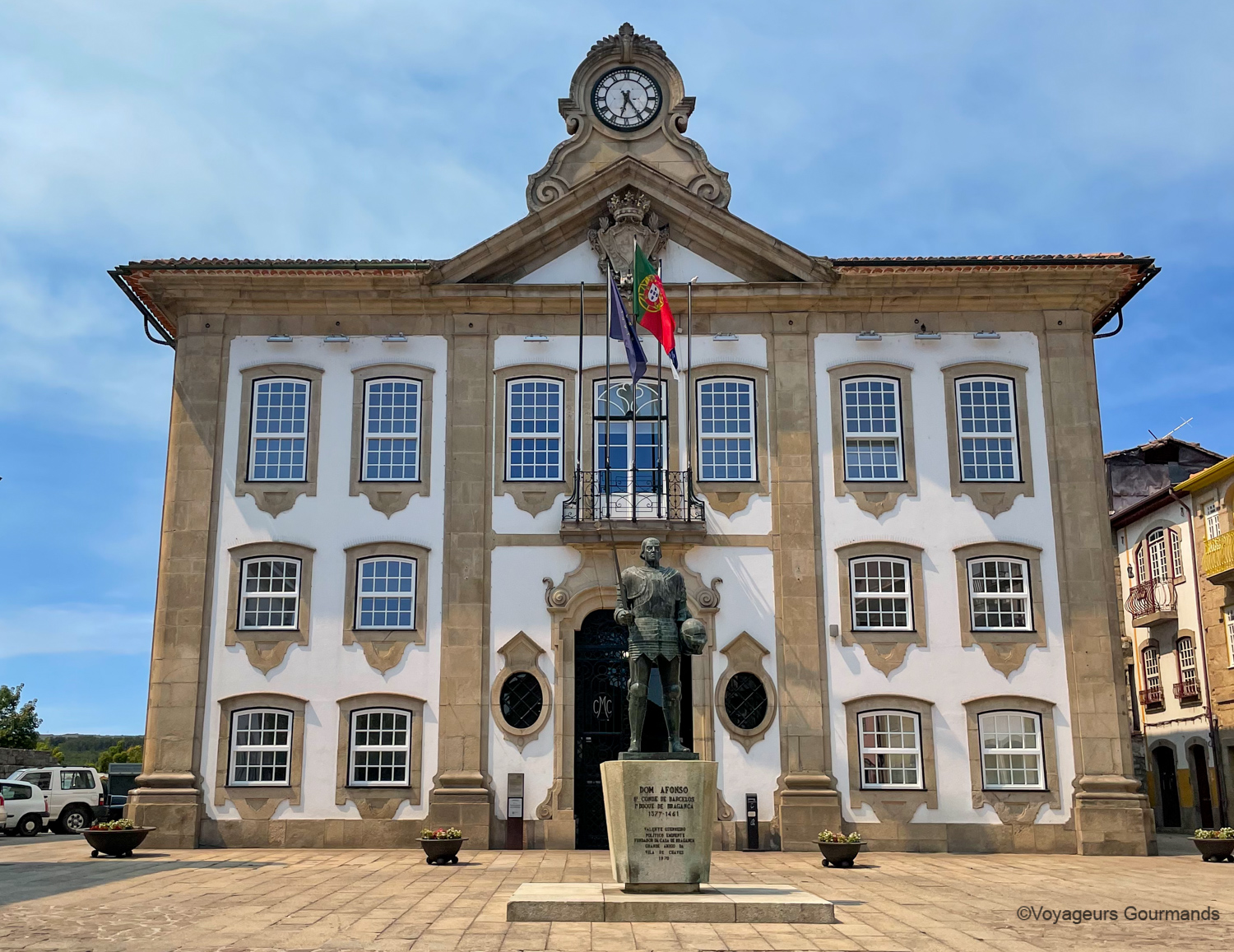
The heart of Chaves’ historic center, where you will find the town hall, the Gothic Santa Maria Church, the Church of Misericórdia, and the Palace of the Dukes of Braganza Museum.
The Chaves Thermal Baths
The thermal waters of Chaves are a true hidden treasure in northern Portugal. Known since Antiquity for their healing properties, the thermal waters have a unique composition, rich in carbon dioxide. It is the hottest thermal water in Europe, reaching around 76 °C throughout the year.
According to legend, the thermal waters of Chaves were discovered by the Romans during the conquest of the country. Since then, they have been used as a source of healing and well-being. Rich in minerals and trace elements, the water is an effective natural remedy for skin conditions, rheumatism, circulatory problems, and digestive disorders.
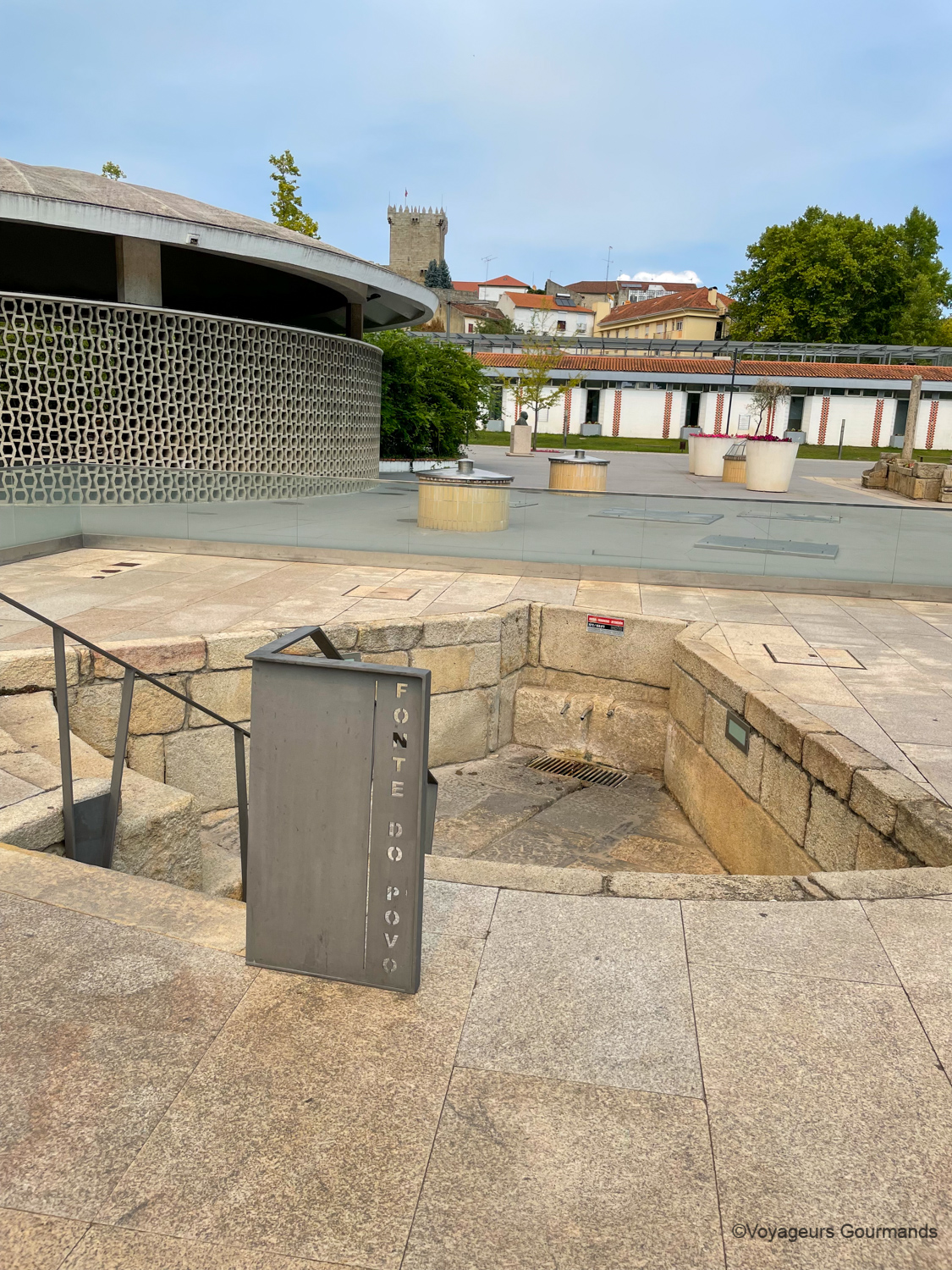
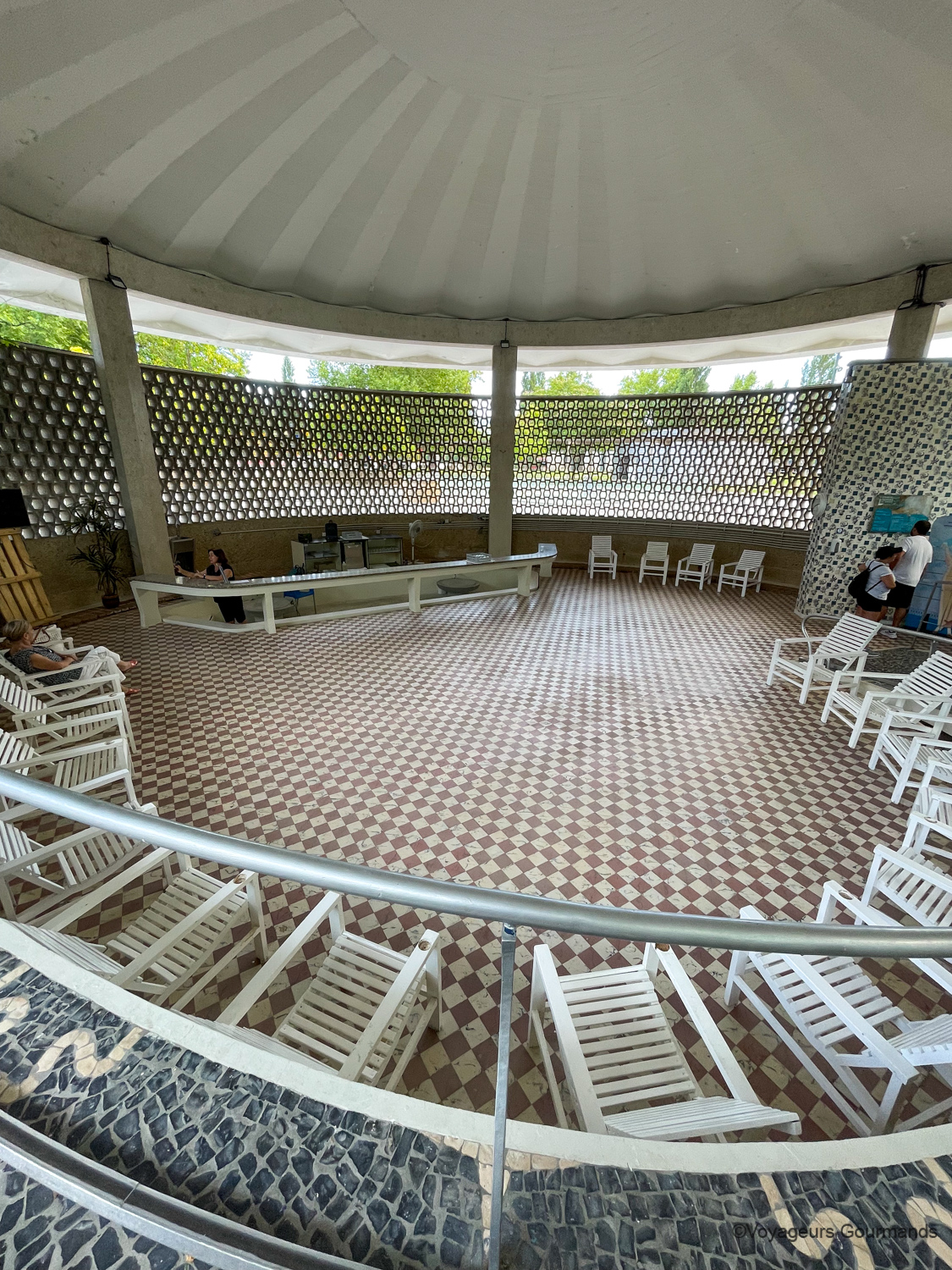
The place is divided into two parts: a paid “Chaves thermal baths” area, where you can enjoy its relaxing and soothing properties, ideal for unwinding and recharging. You will find a pool, spas, massages, etc. All the information on the website.
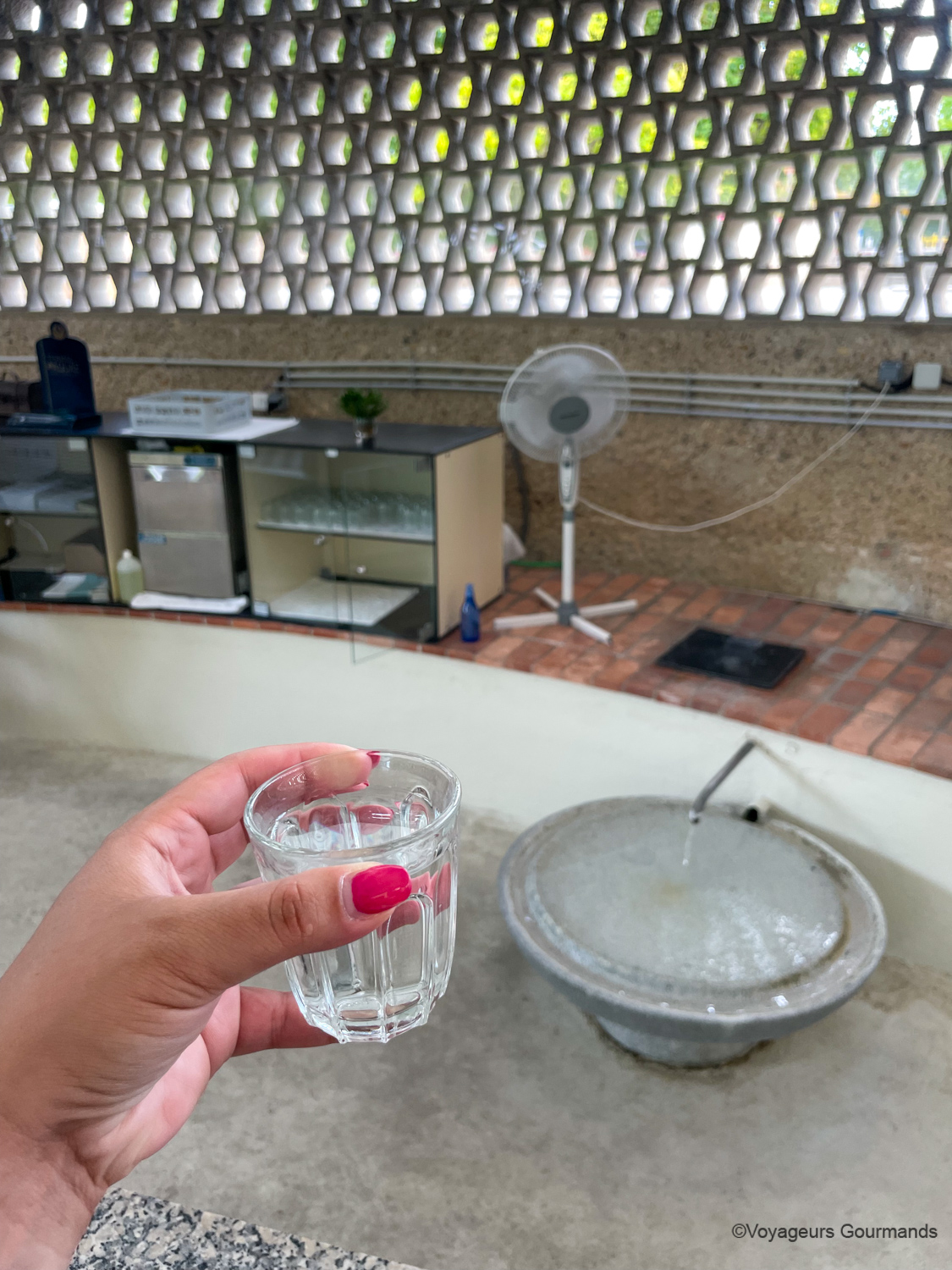
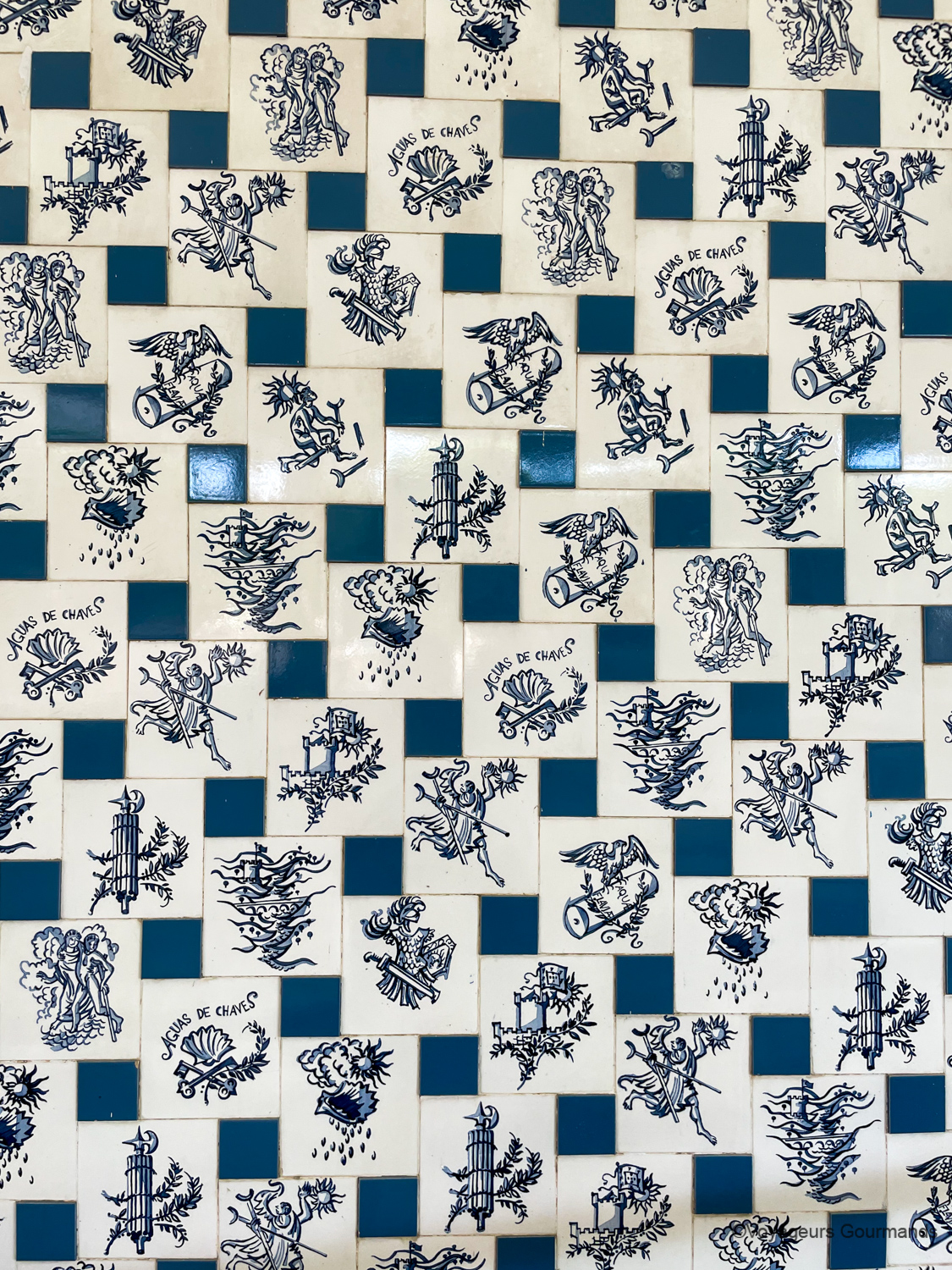
Then there is the “fonte do povo,” which literally means people’s fountain. Outside, there is a tap where the water flows continuously at 73 °C ; inside, a small drinking area where the water is served to you in a little glass, like a rejuvenating cocktail. 😀 You can sit for a few minutes and relax while enjoying the medicinal benefits of this water. Our impression? Well, besides being very hot (yes, I know, no kidding^^), it still has a pretty strong aftertaste.
The Roman baths
This is an archaeological site where you can see the city’s first thermal pools, with ruins as well as a few objects dating from that period. We didn’t have time to take the tour, but apparently it is very interesting.
The Roman bridge : Ponte de Trajano
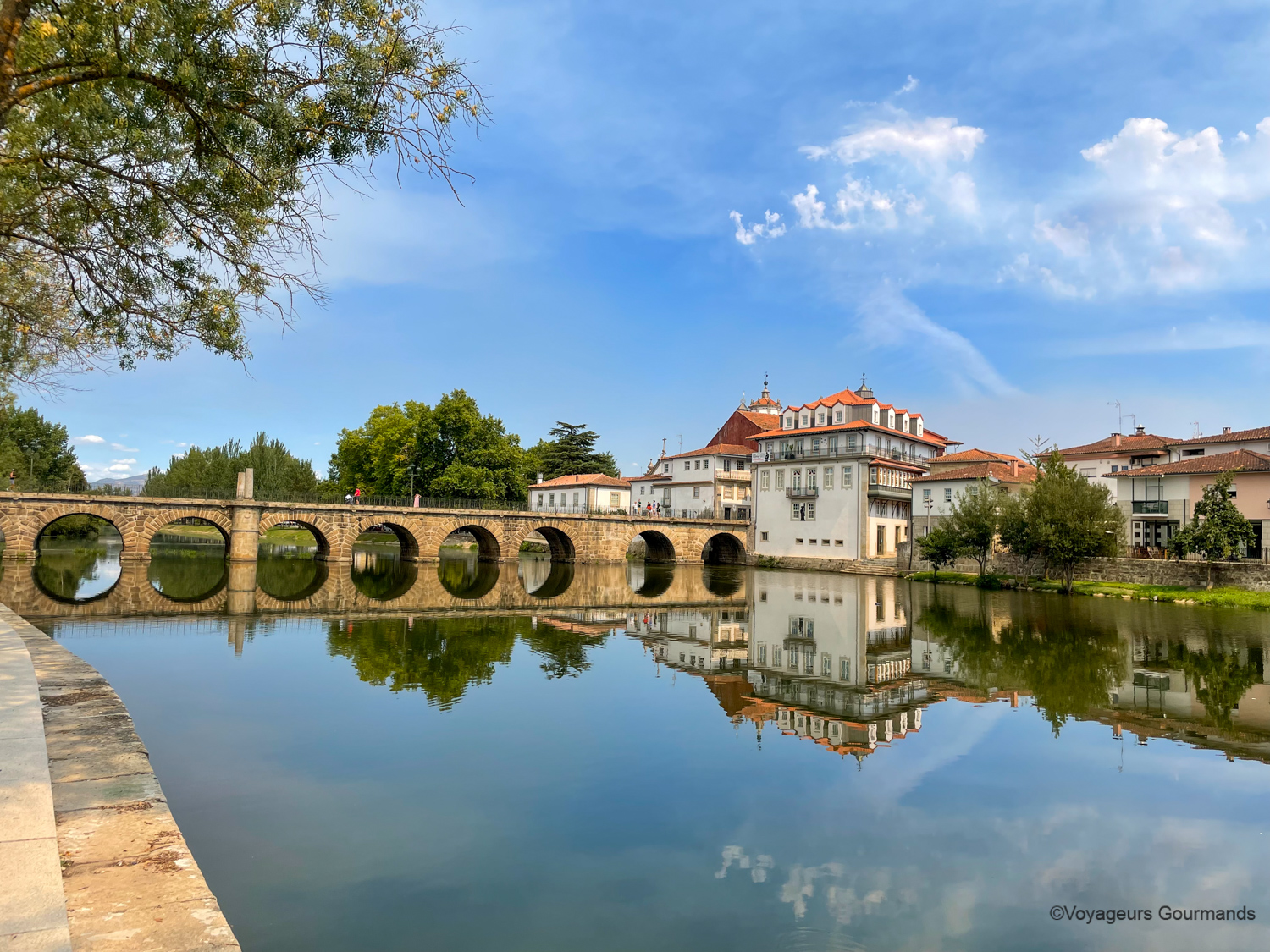
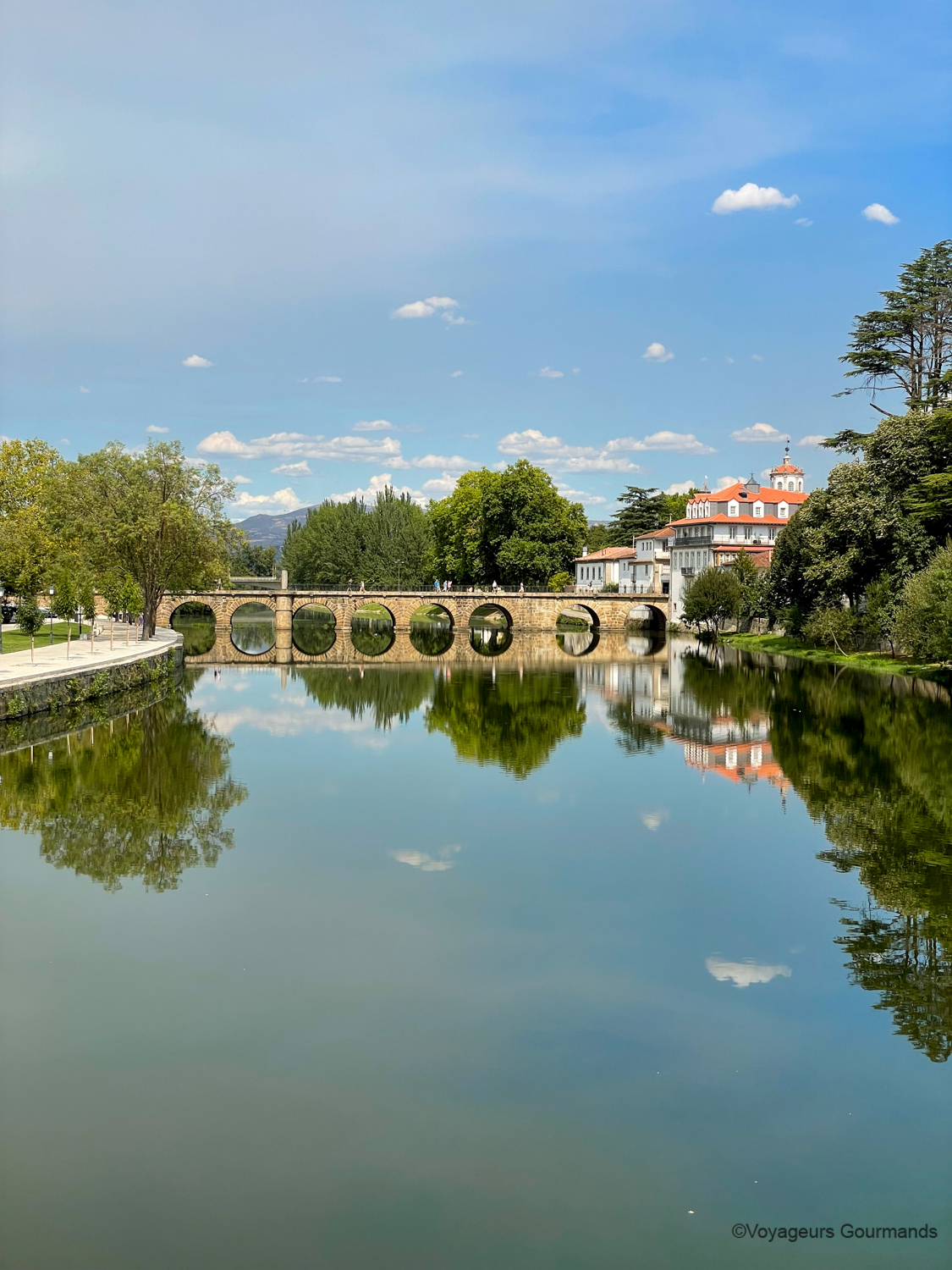
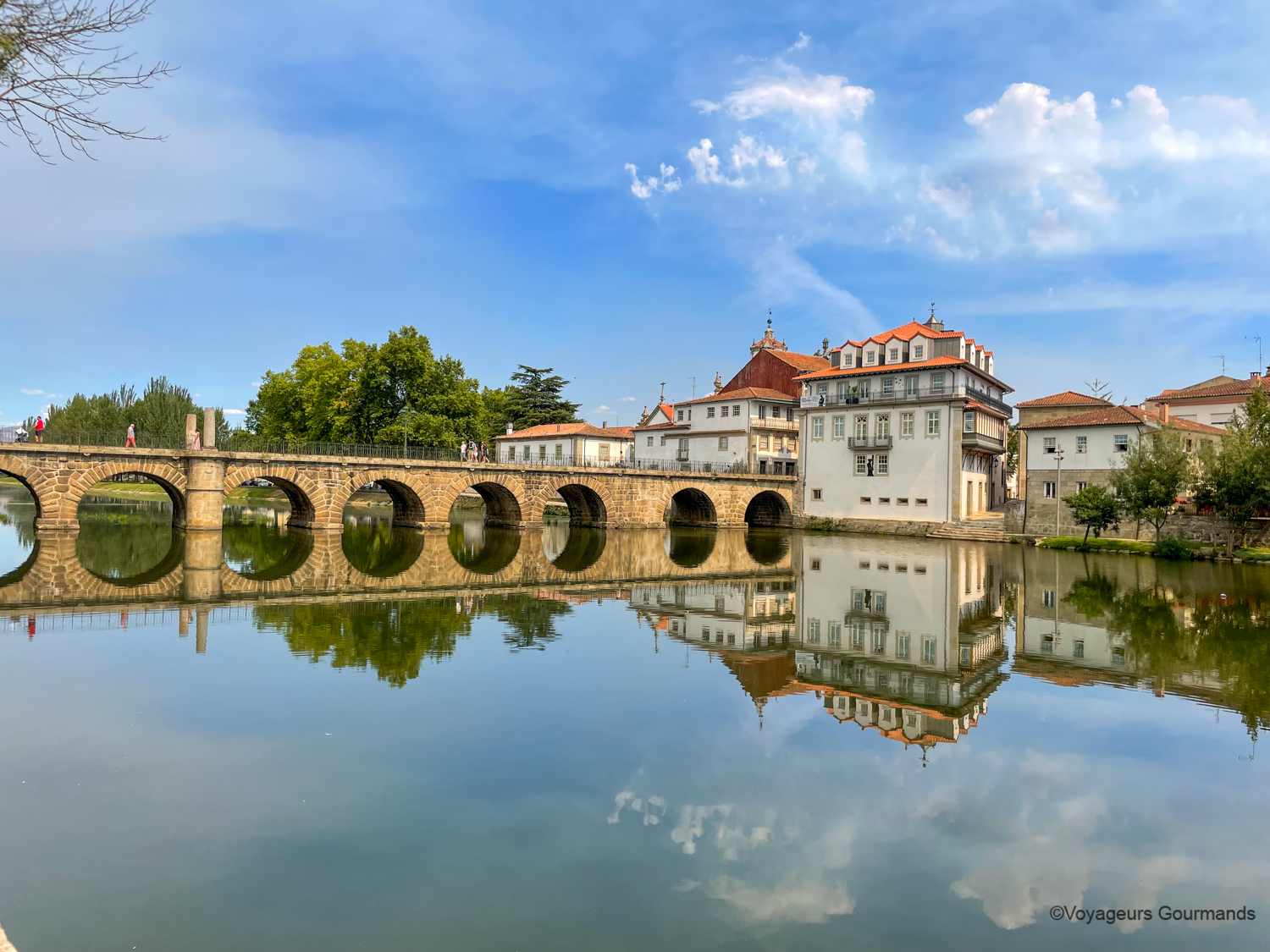
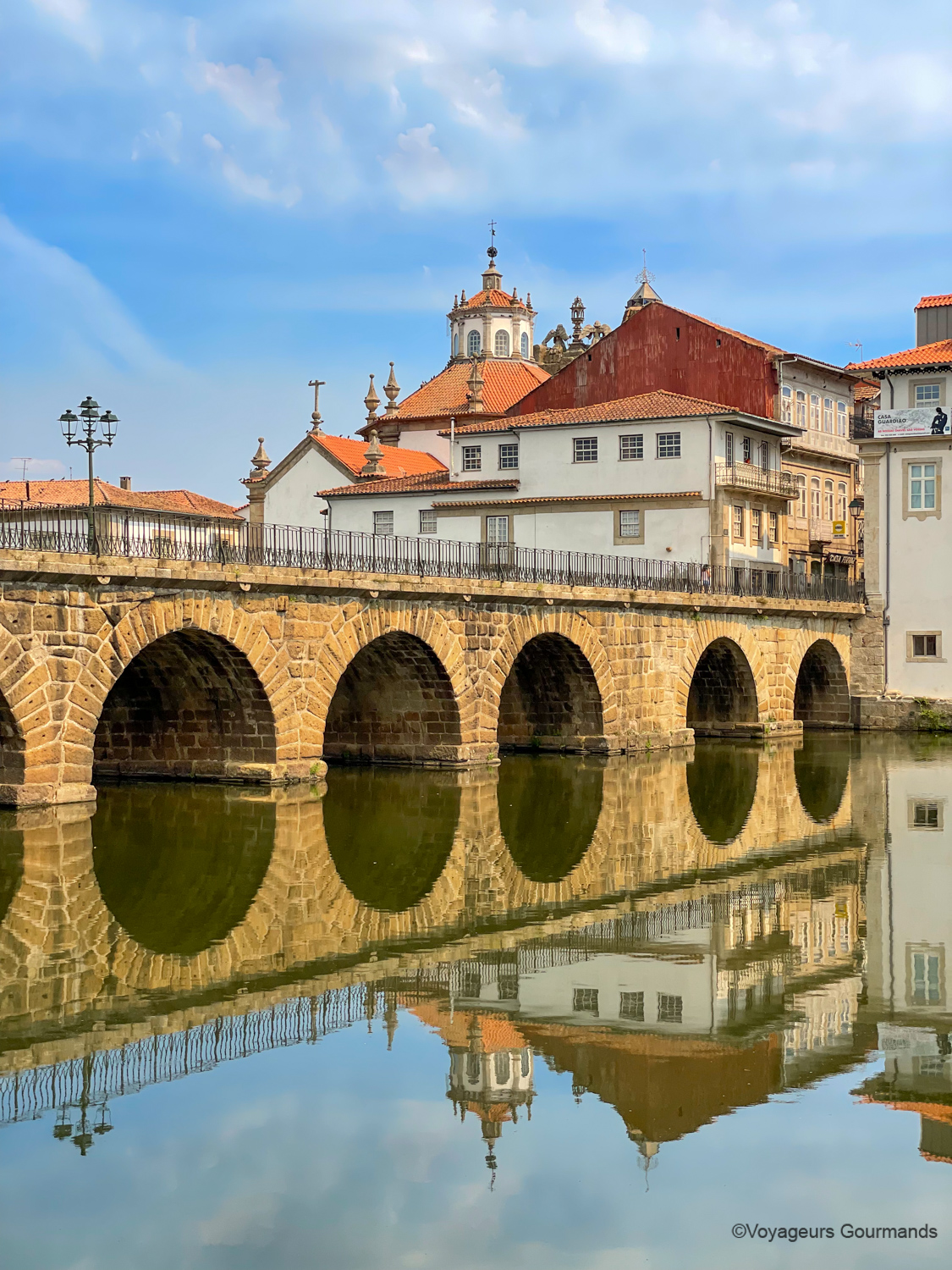
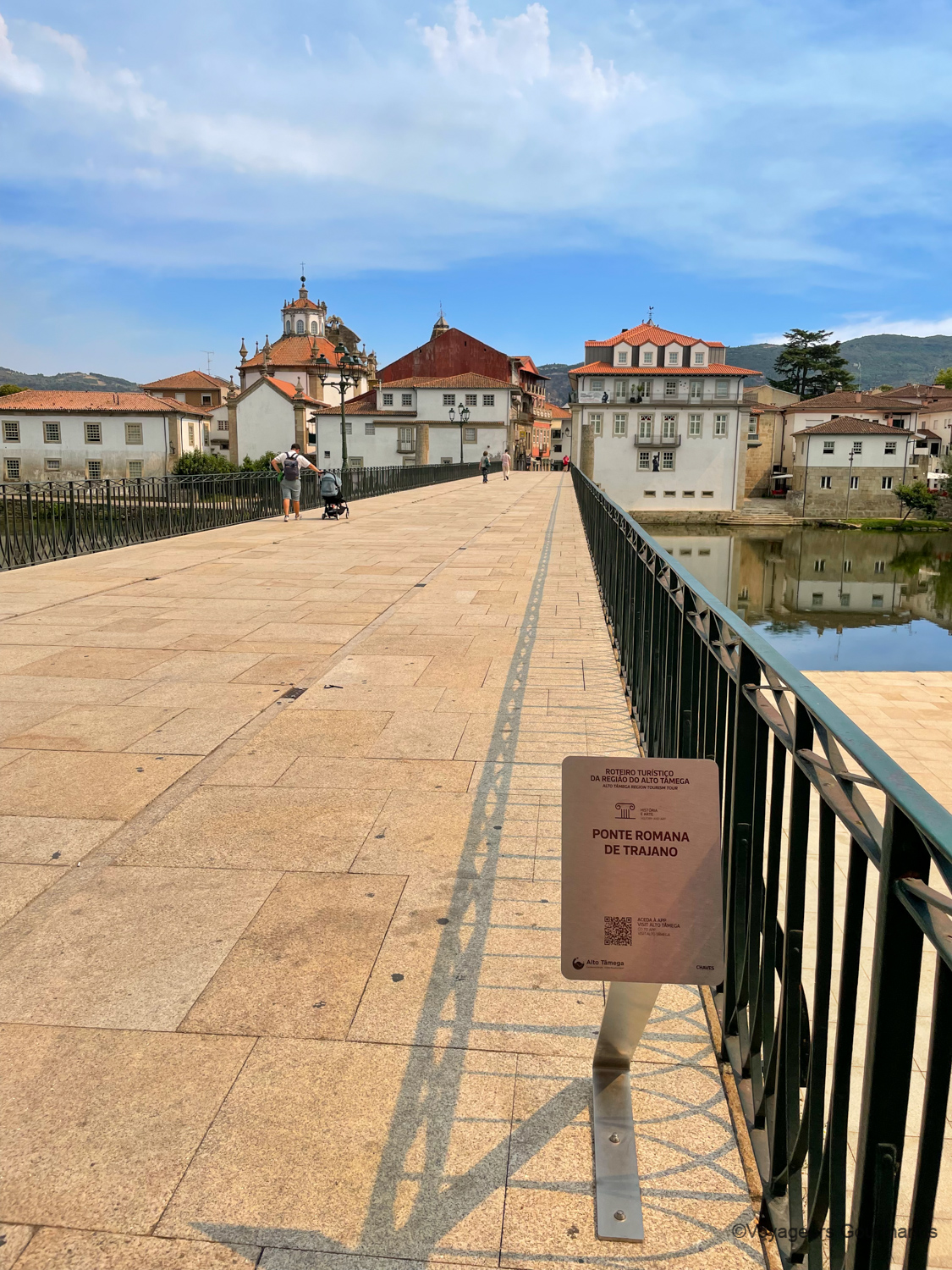
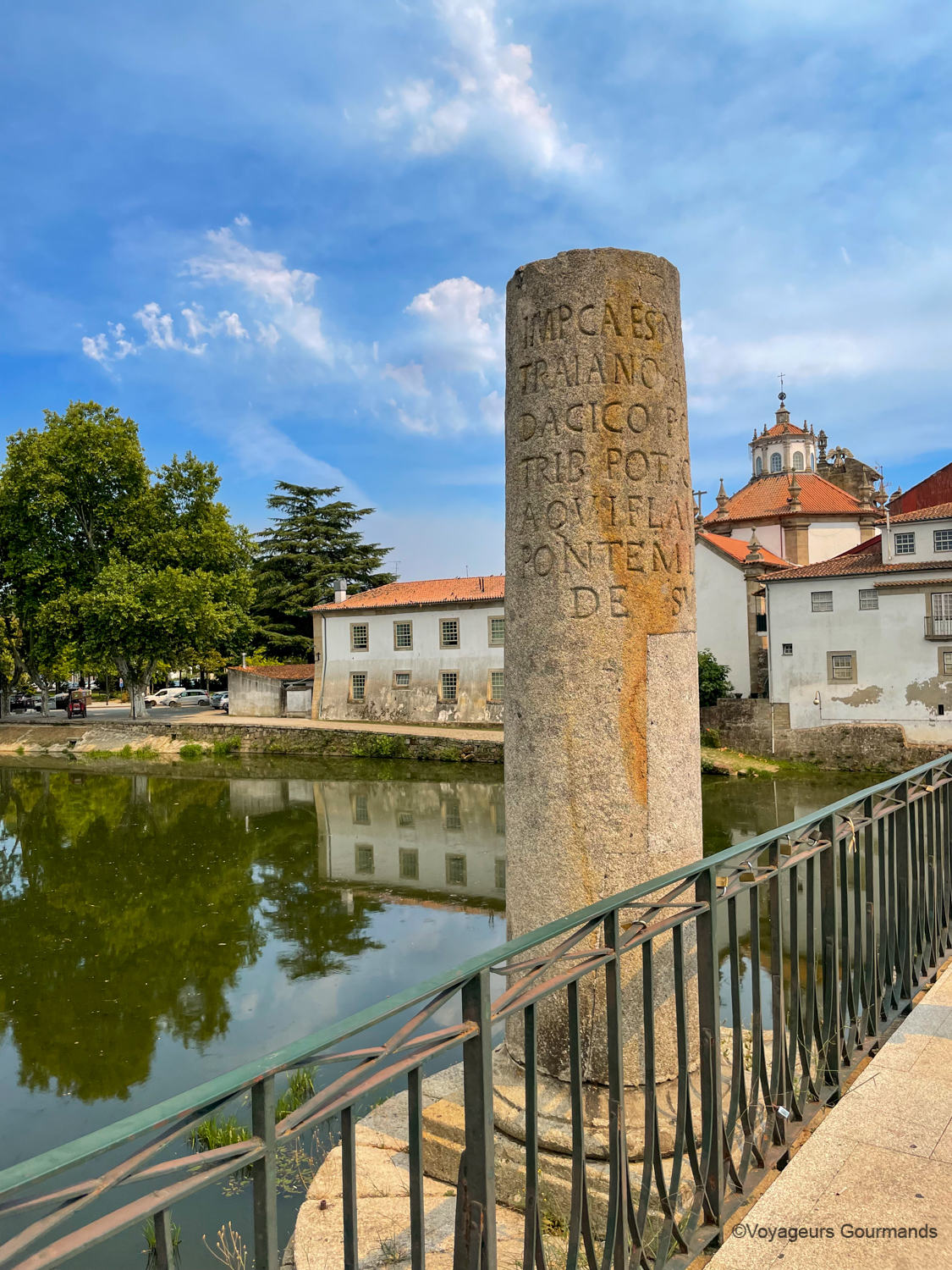
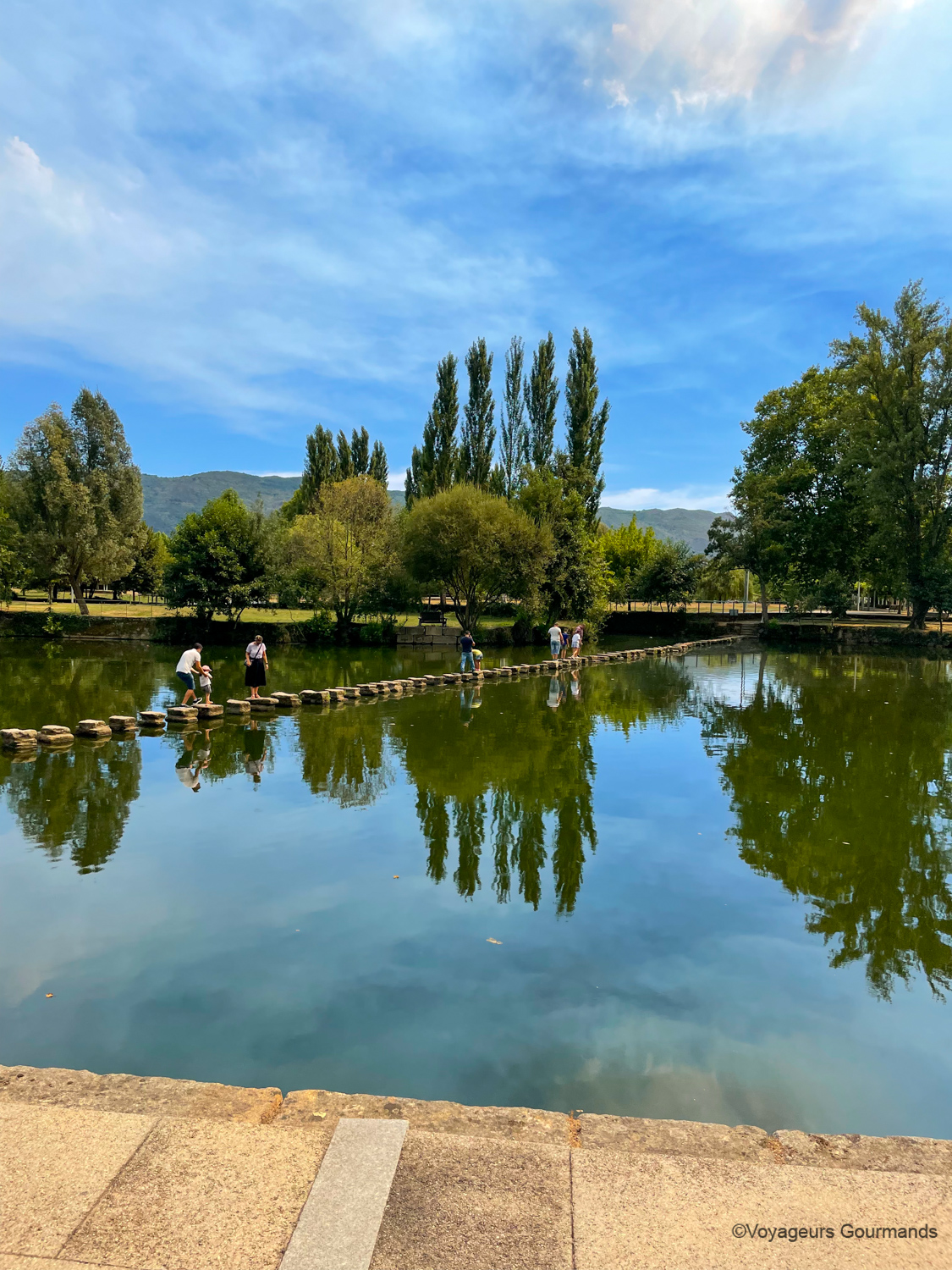
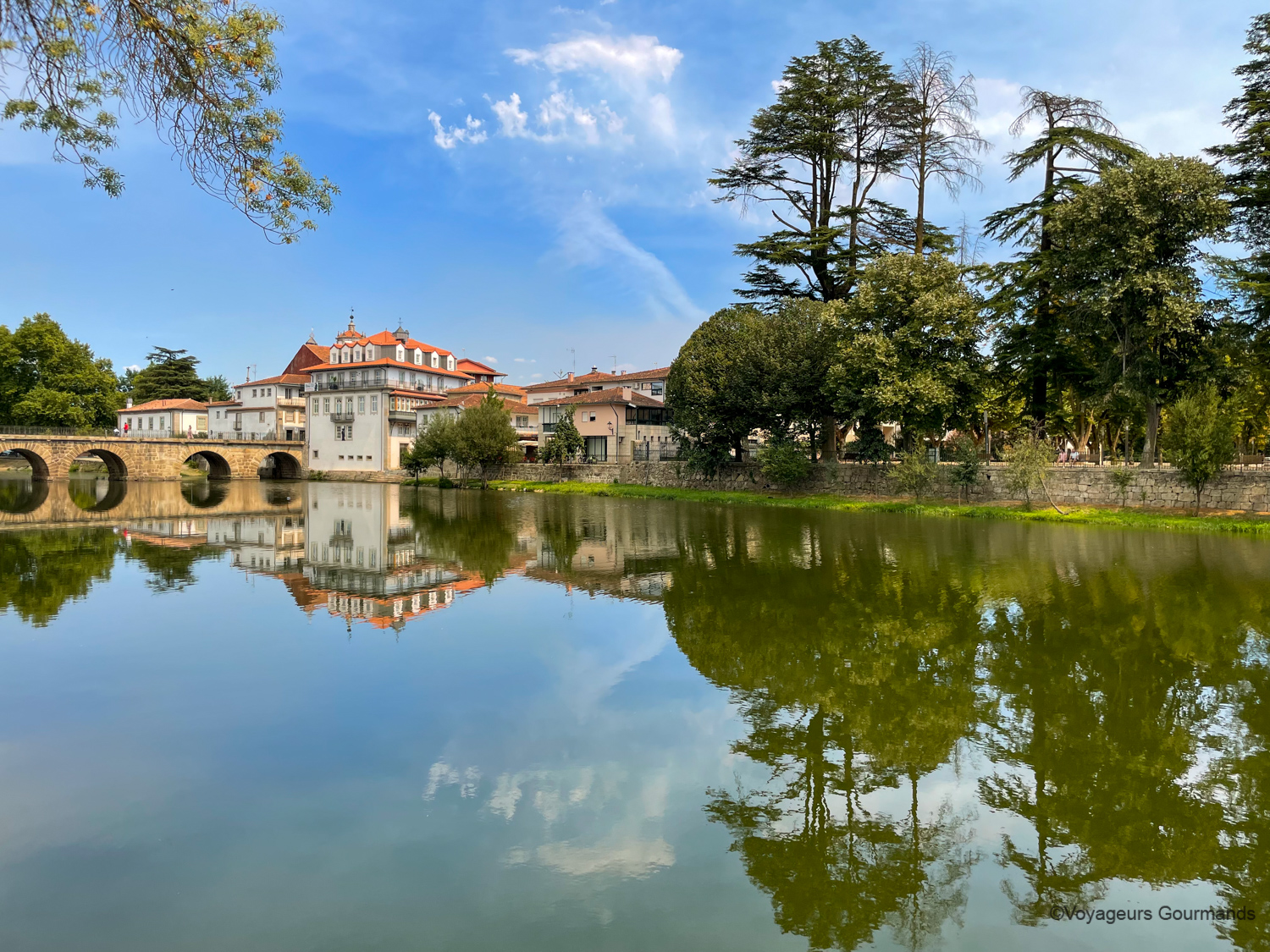
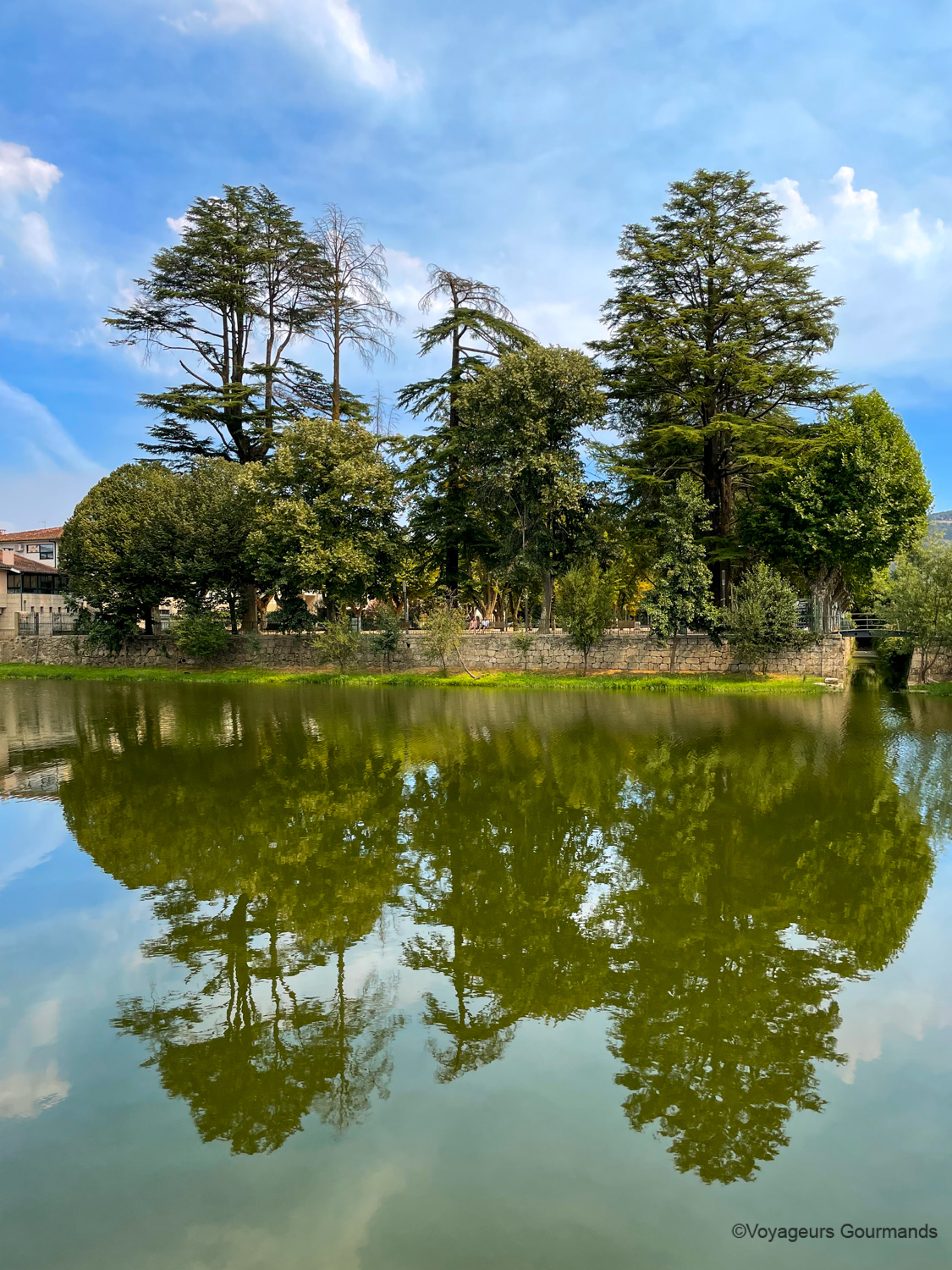
The Roman bridge, or ponte de Trajano, is the city’s iconic stone bridge. It was built in the 1ᵉʳ century AD by the Romans and is about 160 meters long and 8.5 meters wide. It spans the Tâmega River and was once one of the main means of communication between the north and south of the country. The bridge is considered one of the most important remains from the Roman era in Portugal and was classified as a national monument in 1910. Today, it is still in use and is mainly used by pedestrians. A true symbol of Chaves, the bridge is extremely well maintained. It offers lovely viewpoints over the opposite bank and the river, and we had a lot of fun with the reflections, as you can see!
Saint John of God Church
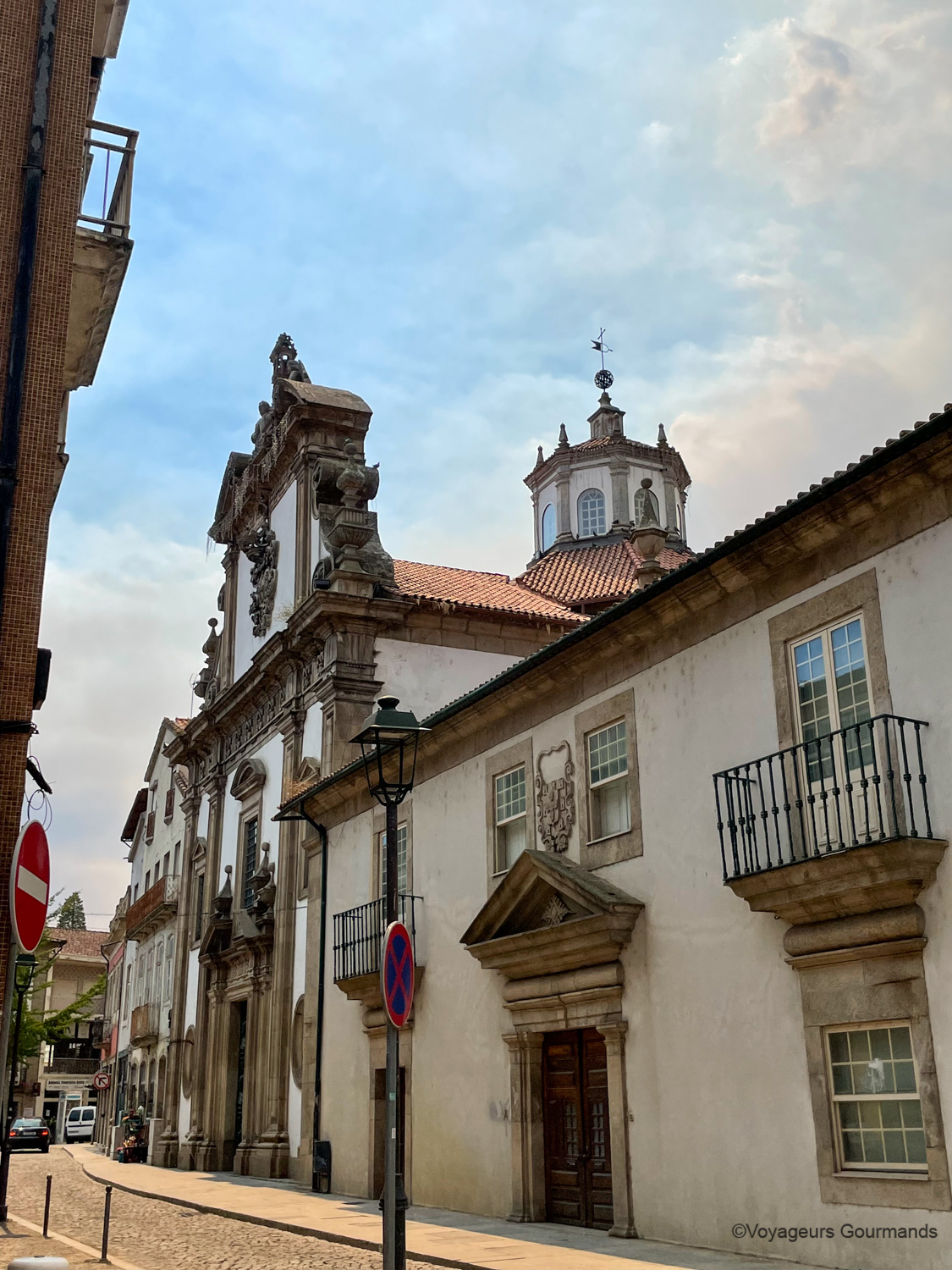
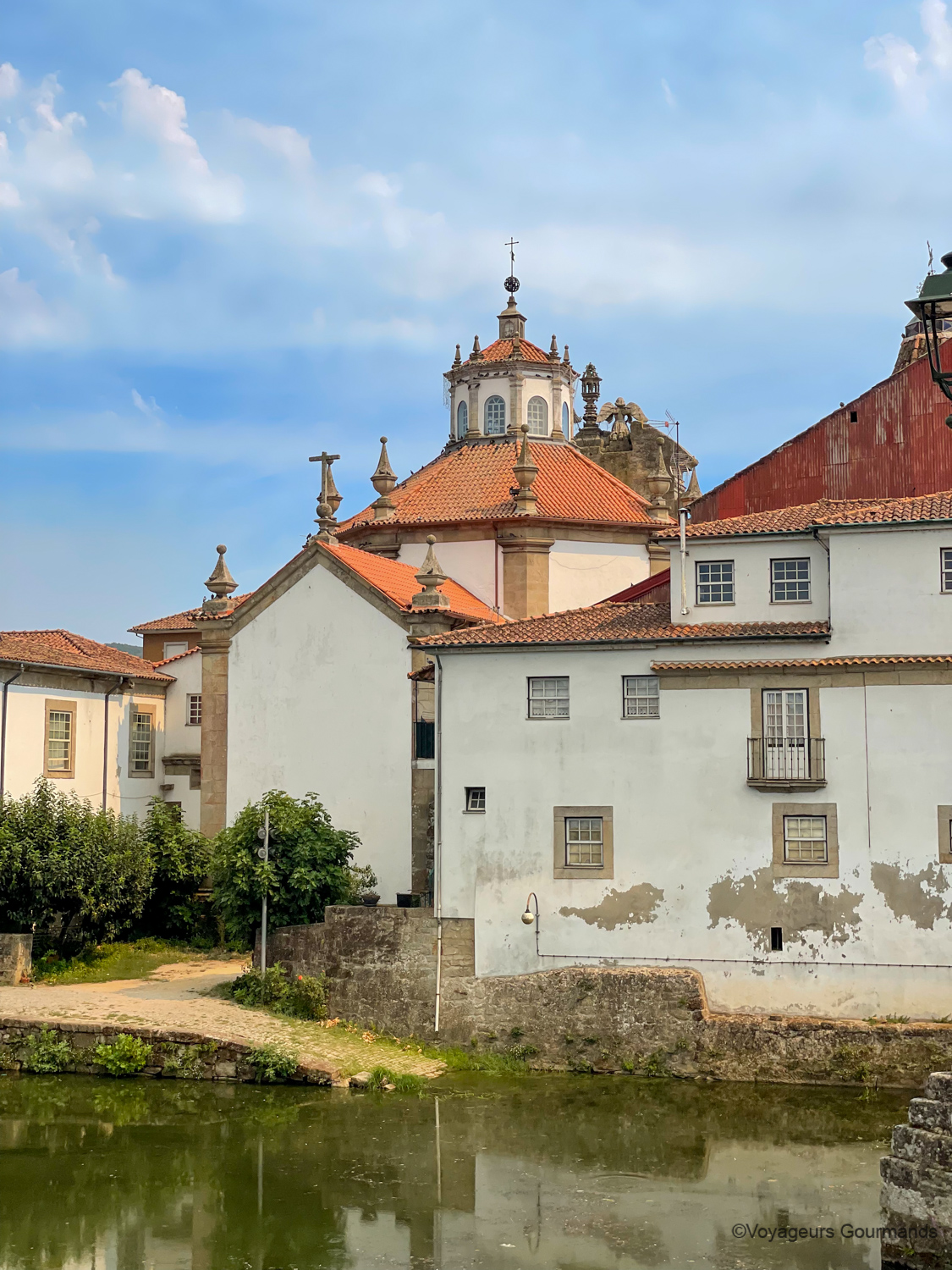
Unfortunately closed during our visit, it seems to be truly pretty, as shown by its exterior and unusual dome…
Tâmega River & water activities
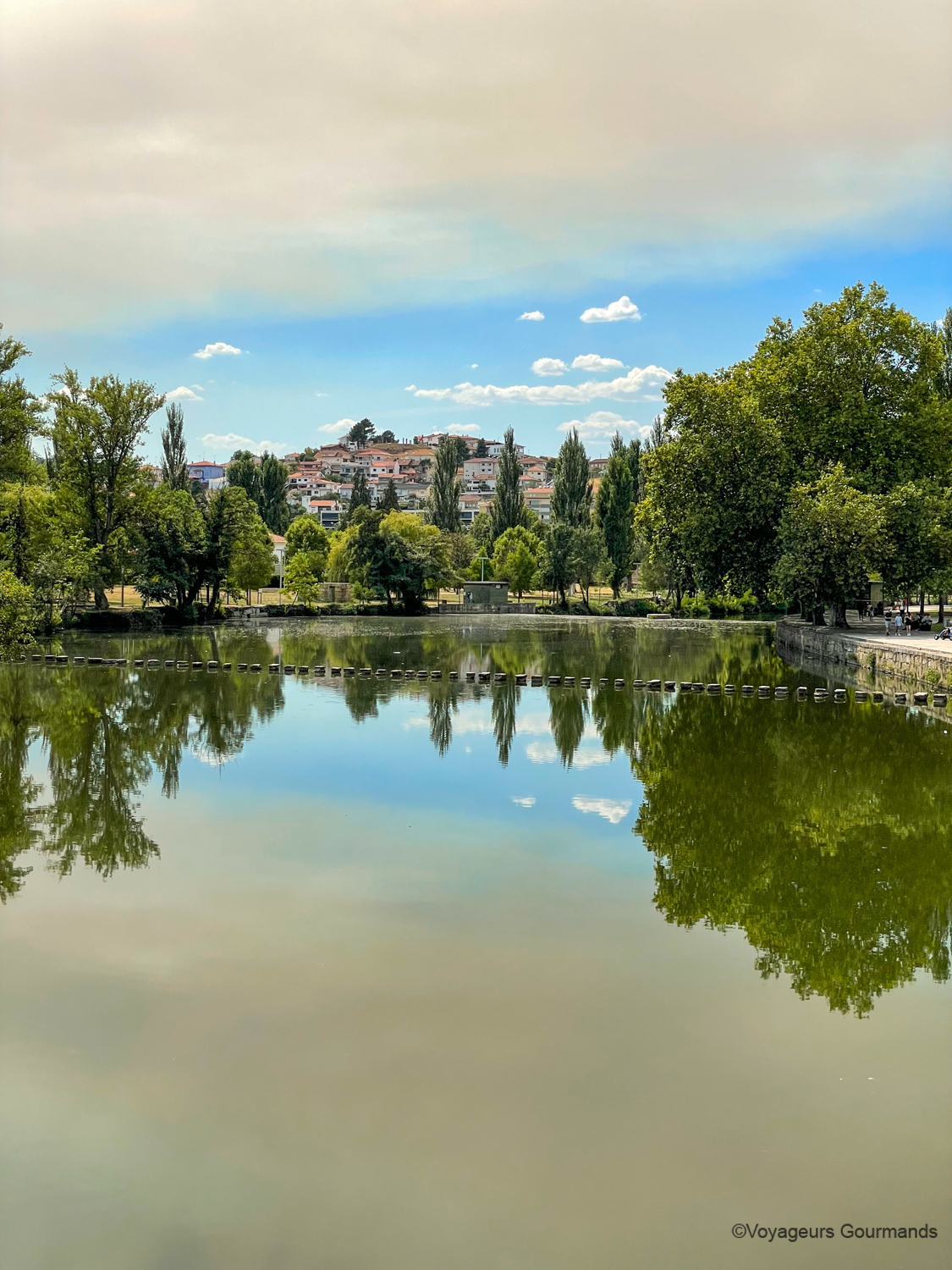
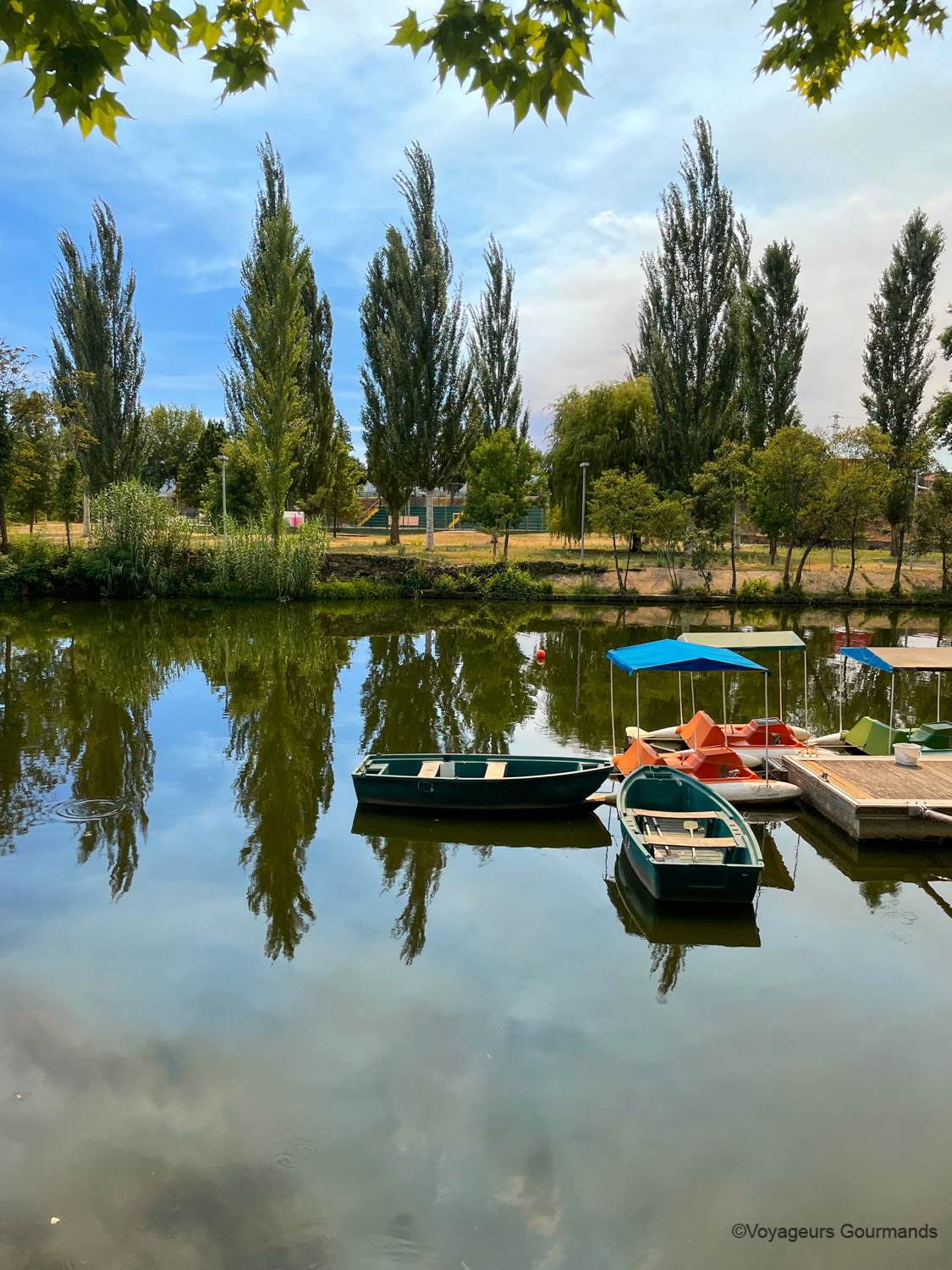
There is a lovely pedestrian promenade along the river, dotted with cafés where you can enjoy an ice cream, as well as water activities such as pedal boats. We simply walked along the river to the Roman bridge, and we really enjoyed the stroll.
In the streets of Chaves
It has become a bit of a habit in my articles, and because some shots don’t fit into any category… Here is a little photo tour of the city of Chaves!
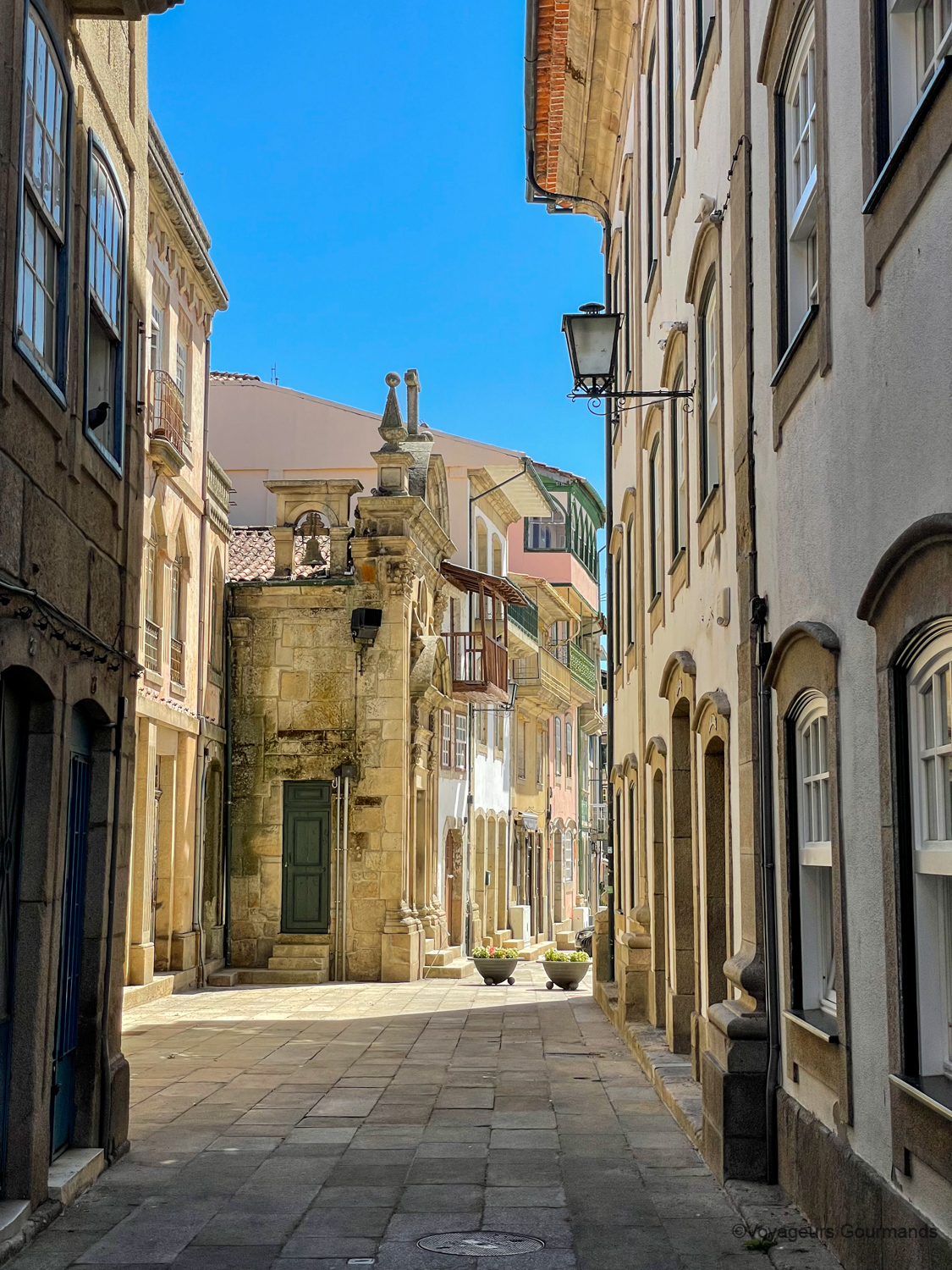
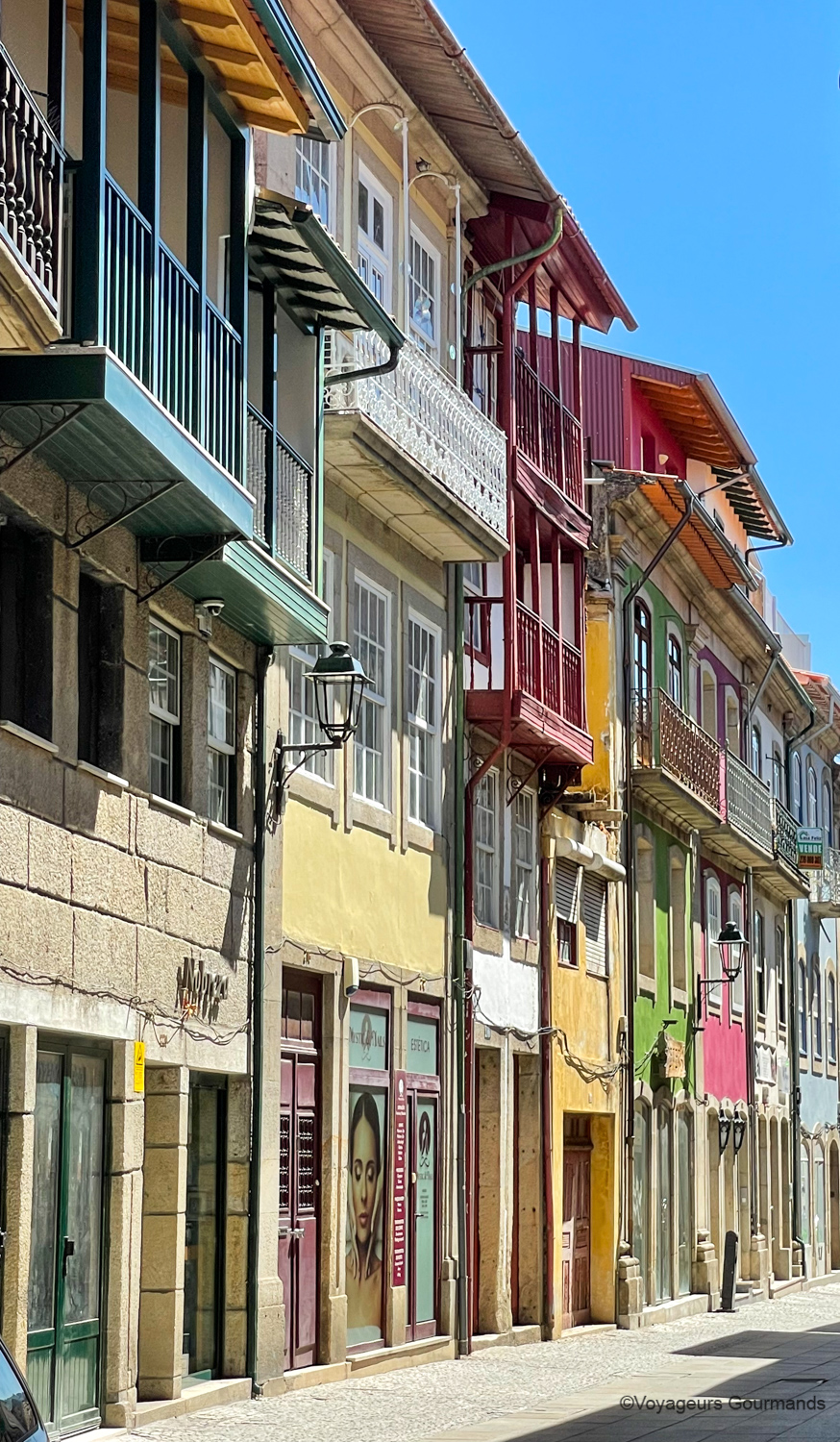
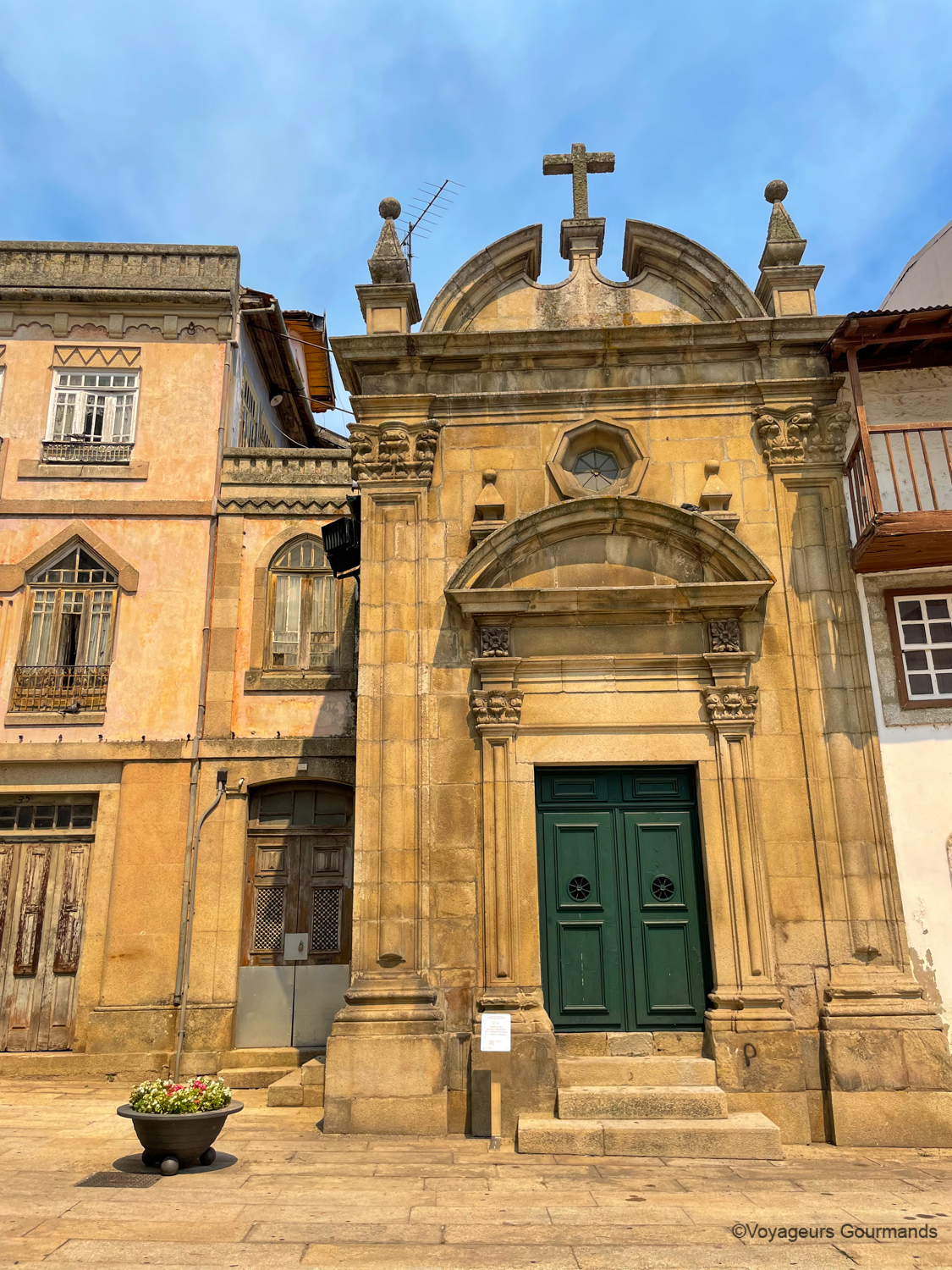
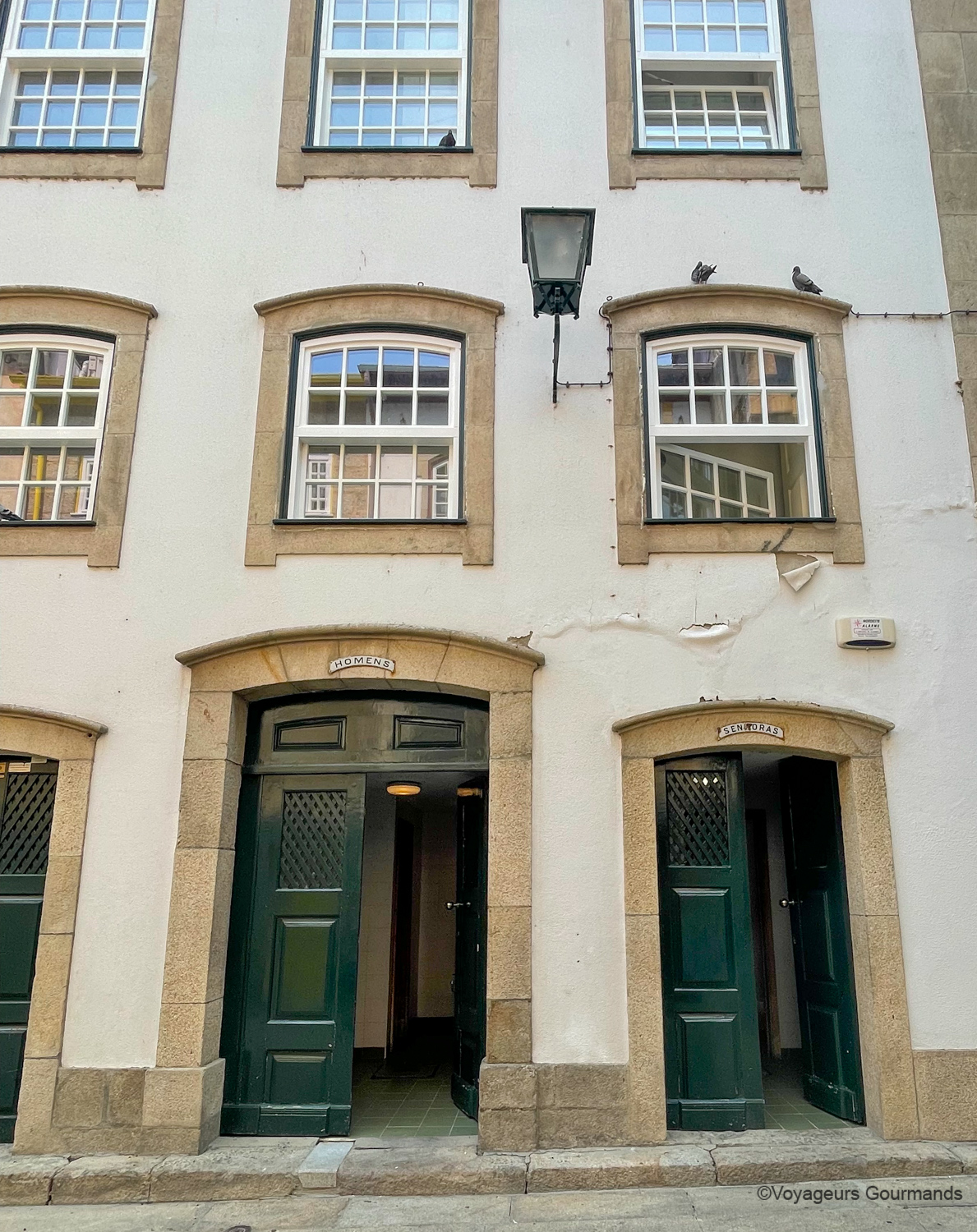
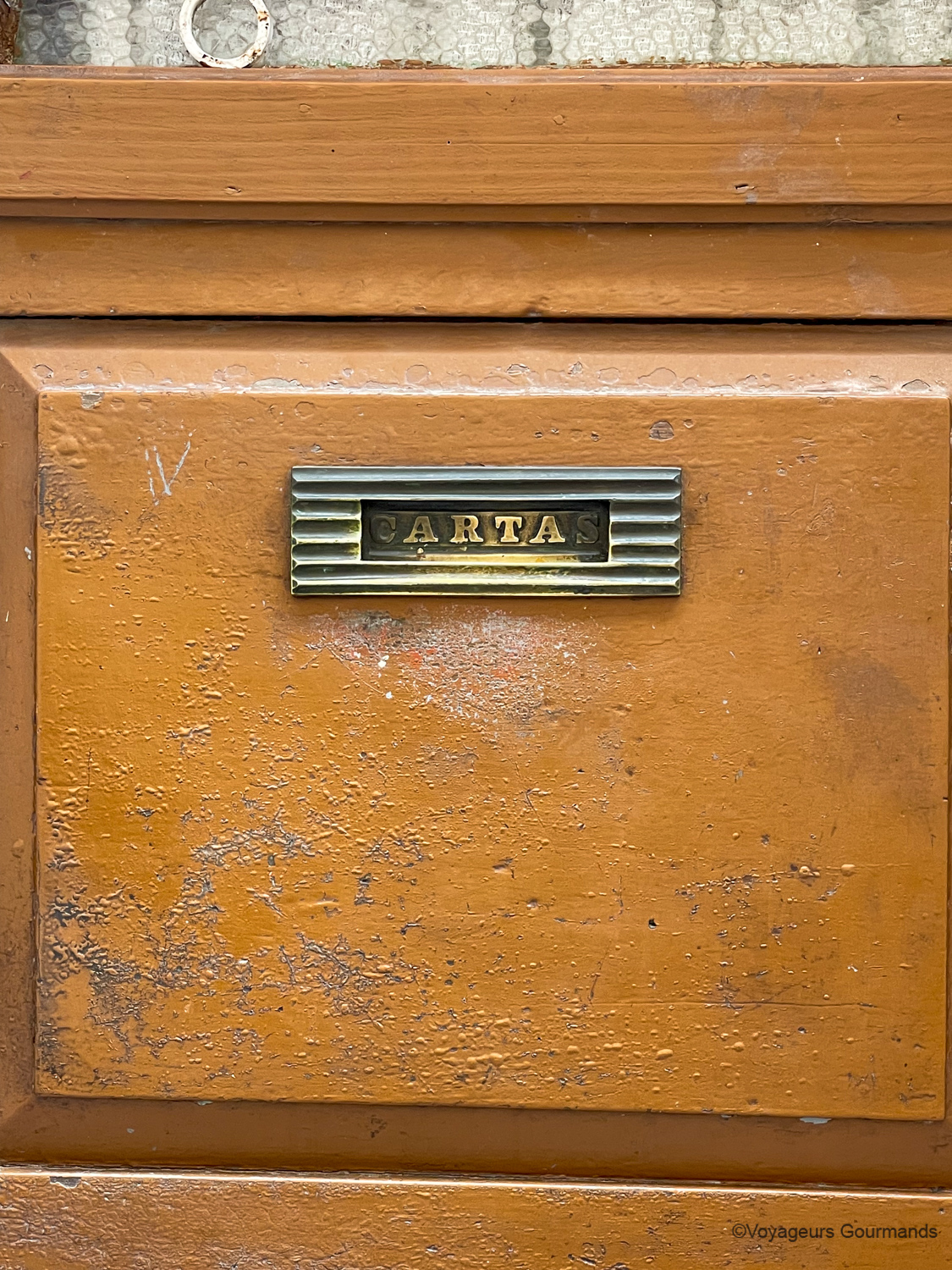
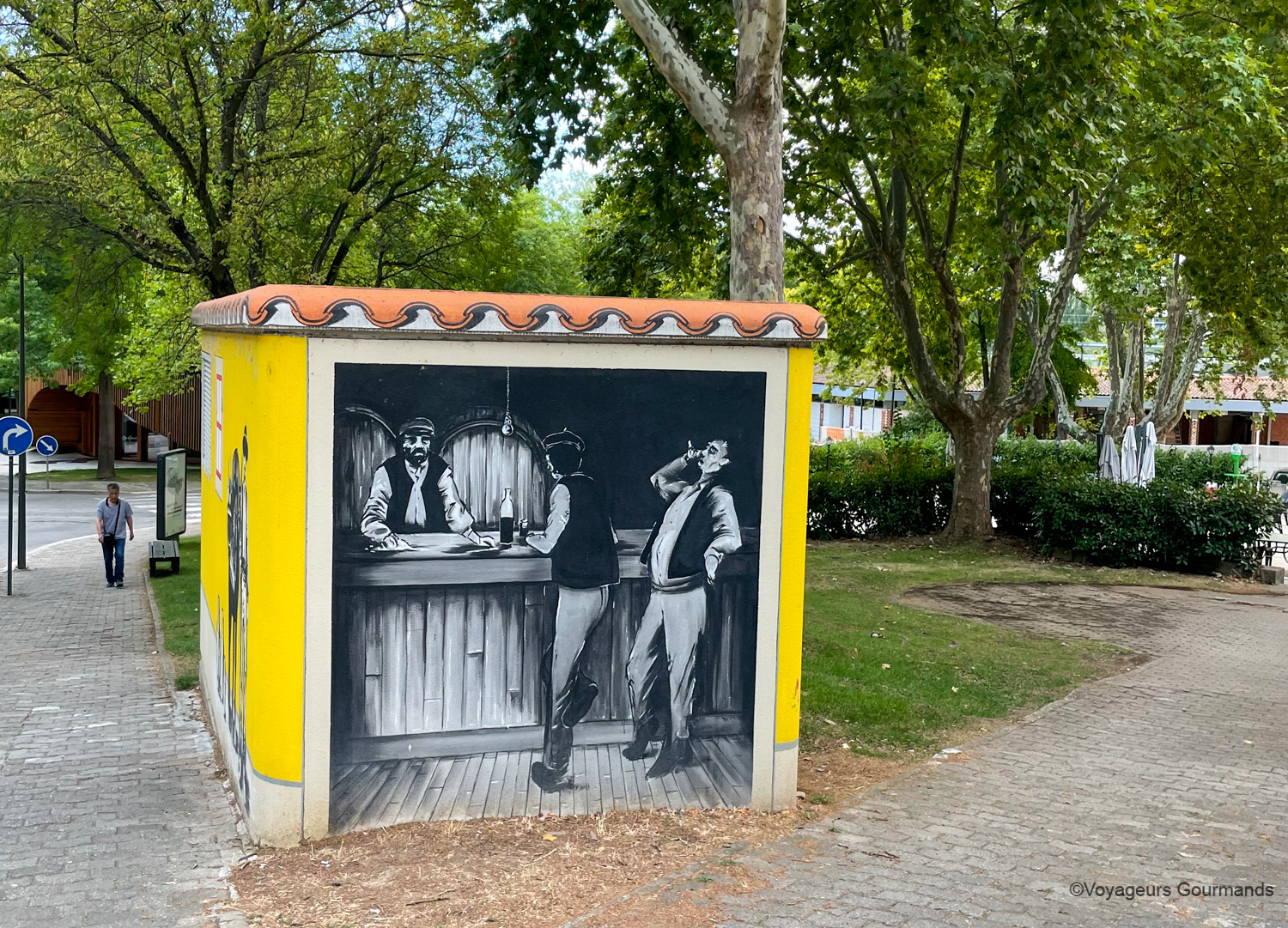
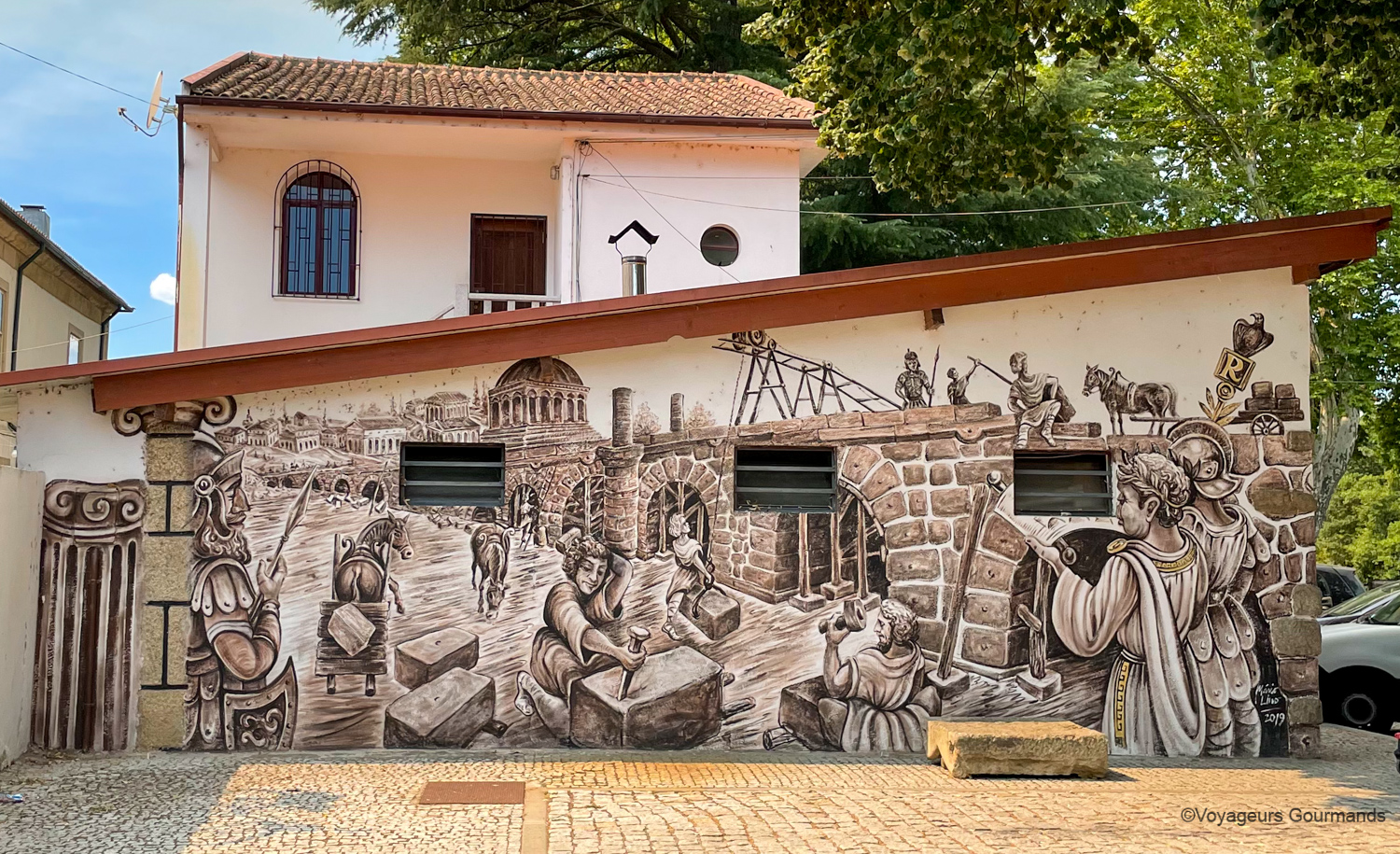
The kilometer 0 marker
The kilometer 0 marker in Chaves has also become a symbol of the city over the years. It marks the beginning of National Road nᵒ 2, the road that stretches the entire length of Portugal and connects Chaves, in the far north, to Faro, in the far south. It is located at the entrance to the city, near the Roman bridge. The plaque bears the inscription “Chaves, km 0” and is surrounded by a red marble circle. Inaugurated in 1971, it has become a meeting point, especially for motorcyclists traveling across the country, who stop there for a little souvenir photo. There is even a kind of passport that you can have stamped along the route at the 35 tourist offices on the way.
✧ Other ideas for visits in Chaves: the Contemporary Art Museum, the região Flaviense Museum / Palace of the Dukes of Braganza.
Visiting Chaves: practical information
Where to stay?
We made the round trip in one day from our home in Viana do Castelo. However, there are several accommodations in the city, so feel free to check Booking. You can also stay at the Chaves thermal baths, which can be a good idea for combining a relaxing getaway with cultural visits.
Where to eat?
We had lunch at the Aurora restaurant. The dishes we chose were very good (a tiny bit salty for me), and the prices were very reasonable. They have a terrace, but it gets taken over quickly…
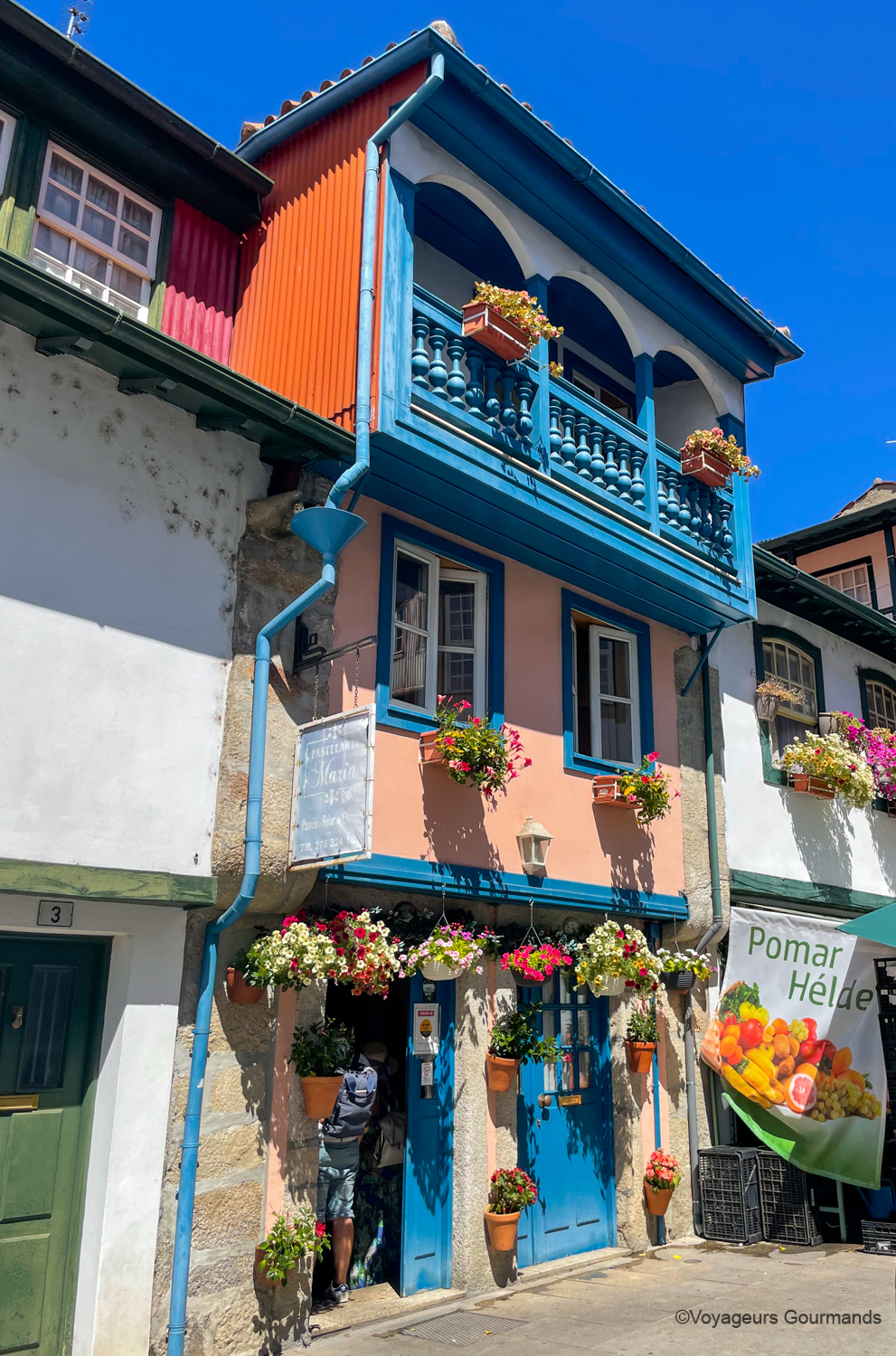
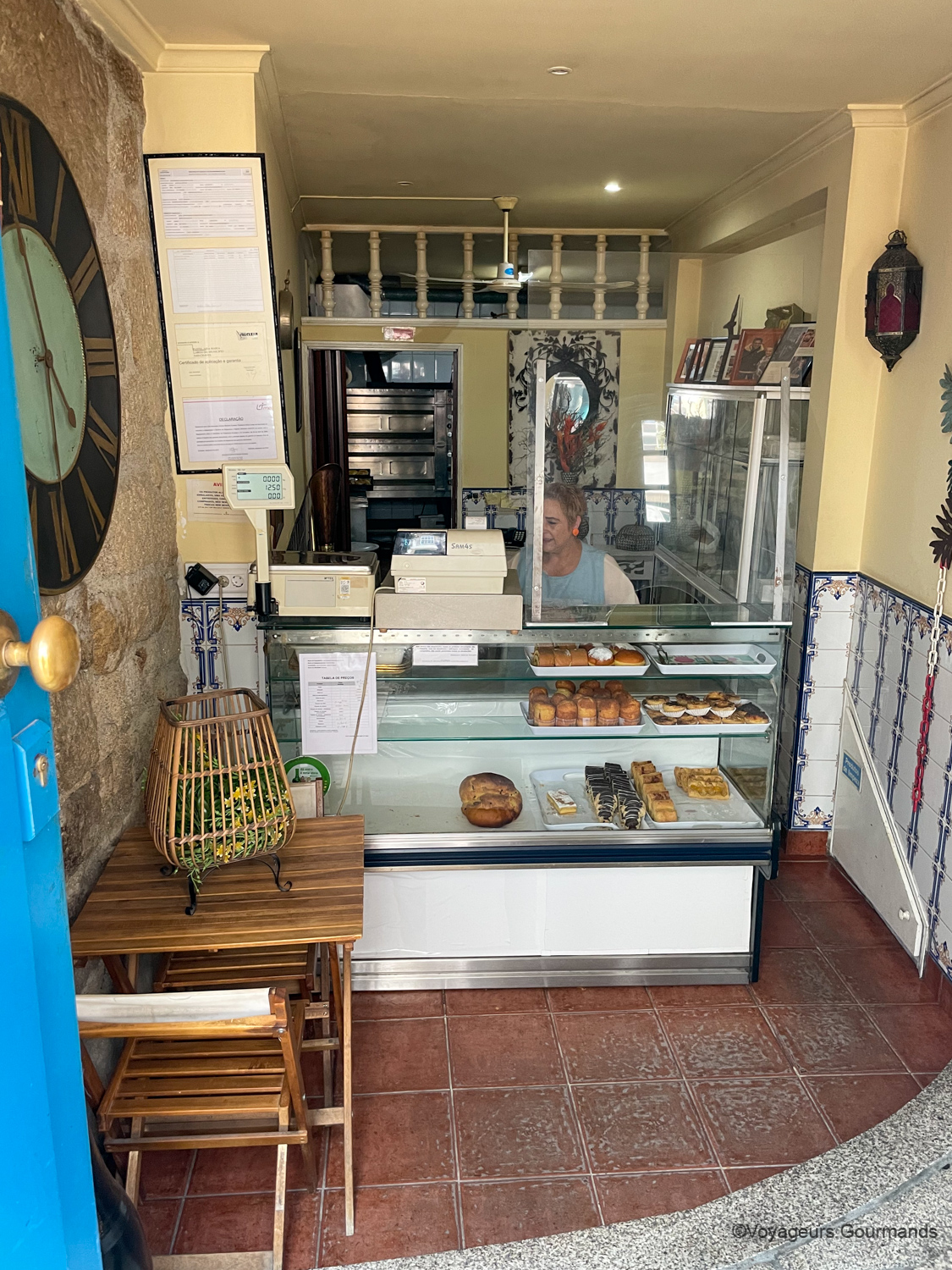
Also a must, Maria pastry shop, THE best in Chaves, where you absolutely have to try the pastéis. 😉 I also recommend buying some folar, a savory bread and culinary specialty of Chaves.
Chaves with a baby
It goes up and down a little between the castle and the river, but everything is properly paved, so there is no problem with a stroller.
How to get to Chaves?
The ideal option is to come by car, especially if you are planning a road trip. From Porto, coaches run daily connections.
Additional information
It is often very, very hot in this region of the country. During our visit, it was 38 °C ; there is shade, but the heat is “ stifling ” (mountainous region). Don’t forget caps, sunscreen, etc.
✤✤✤
What a wonderful surprise, this visit to Chaves!! Despite the heat, we had a lovely day, with walks, little visits, and foodie breaks. If you have the opportunity, don’t hesitate to add a short day in the city during your stay. Why not enjoy a thermal cure while you’re there?
Questions before visiting Chaves Portugal
Expand to view the FAQ about Chaves.
Is Chaves worth visiting?
Yes, especially if you want a side of Portugal that tour buses skip. Chaves combines a working Roman bridge, some of the hottest natural springs in Europe and a food scene built around smoked ham and pastries. It’s a genuine northern Portuguese town rather than a polished tourist stop.
How do you get to Chaves from Porto?
Chaves is about 90 miles from Porto, roughly a two-hour drive via the A4 and A24 motorways. Renting a car is by far the easiest option, since public transportation in Trás-os-Montes is limited.
Buses run from Porto and Vila Real, but they take longer and leave only a few times a day.Can you visit Chaves as a day trip from Porto?
It’s doable but rushed, with four hours of driving round trip. One night in town works much better: you get the old center in the afternoon, dinner with local wine, and the morning free for the thermal baths or a drive out to Vidago.
What is Chaves known for?
Roman heritage and hot water. The town was the Roman settlement of Aquae Flaviae, and Trajan’s bridge still crosses the Tâmega River today. It’s equally famous across Portugal for its smoked ham, its meat-filled pastel de Chaves and its thermal springs.
Can you bathe in the hot springs in Chaves?
Not directly — the water surfaces at over 160°F. The town’s thermal center offers supervised spa treatments, and at the public fountain you can taste the mineral water straight from the source, as locals have done for centuries.
How far is Chaves from the Spanish border?
About 15 miles. The Galician town of Verín sits just across the border, roughly half an hour away by car, which makes Chaves an easy stop if you’re combining northern Portugal with Galicia.
When is the best time to visit Chaves?
Spring and early fall offer the most comfortable weather. Summers inland are hot and dry, and winters get genuinely cold with regular frost — though that’s also when the thermal baths feel best and the town is at its most local.