


Sachertorte, Schnitzel, apple strudel, Viennese coffee… Vienna, the capital of Austria, is a dream destination for food lovers! We spent a long weekend in Vienna in winter, in November, and made the most of it to try the great classics of Viennese cuisine.
Before we left, we were a little apprehensive: we hadn’t eaten very well in Prague and expected to find fairly similar dishes (ah, preconceptions!). In the end, we had a real feast!
In this article, we share our top Viennese specialities: the must-try dishes, the pastries, the street food and the treats of the Christmas markets, along with our tips on where to try them. In short, everything you need to know to decide what to eat in Vienna!
✤✤✤
Vienna food at a glance
| 📌 Info | 🍰 What to eat in Vienna |
|---|---|
| Must-try dish | Wiener Schnitzel, the famous Viennese breaded escalope |
| Star dessert | Sachertorte, closely followed by apple strudel |
| Drink | A Wiener Melange, enjoyed in a Viennese coffee house |
| Street food | A sausage from a Würstelstand, such as the Käsekrainer |
| In winter | Punsch, mulled wine and roasted chestnuts at the Christmas markets |
| Where to try them | Coffee houses, the Naschmarkt, Beisln (traditional restaurants) and Heurigen |
| Budget | Around €18–28 for a Schnitzel in a restaurant, €4–6 for a coffee |
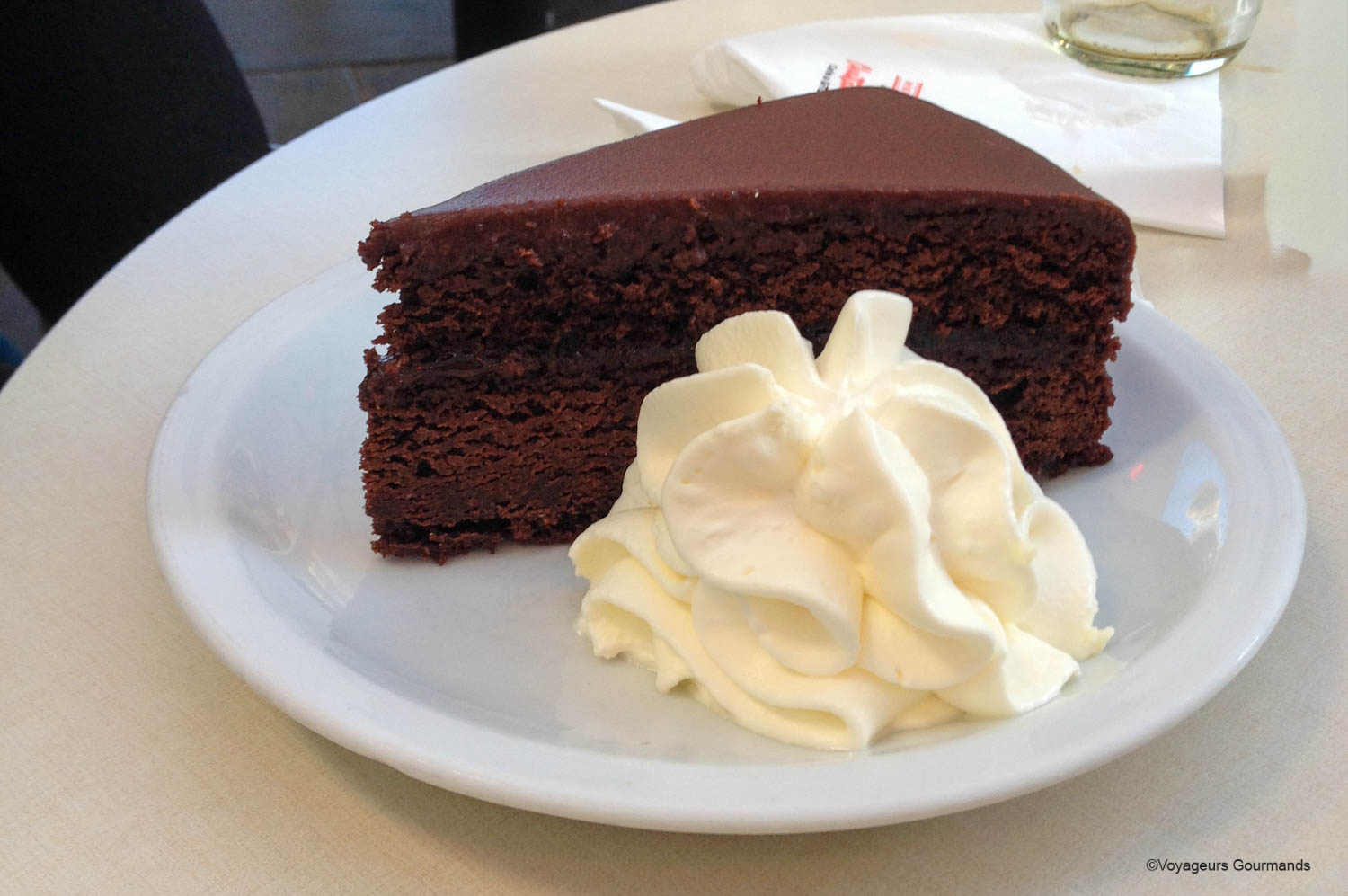
Sachertorte
“Life is too short, eat dessert first!”
Yes, I’m starting with dessert!! THE dessert to try if you love chocolate 🙂
This cake is made of two layers of light sponge, a thin layer of apricot jam in the middle and a dark chocolate glaze. It’s usually served with a little whipped cream.
I’m not a big fan of apricot myself, but I absolutely loved this dessert!!

Wiener Schnitzel
Wiener Schnitzel is a traditional Viennese dish: a thin slice of meat coated in breadcrumbs and fried. It’s said to have come from the famous cotoletta alla milanese. In Austria, the meat is usually veal, but it can be replaced with pork.
What we thought: it’s very tasty and filling, and even though the portions are usually huge, it goes down easily. You have to try it at least once 🙂 That said, we found the price a little steep. When you think about it, it’s only a breaded escalope… [€15–20 during our trip in 2014; expect more like €18–28 today in restaurants in the centre].


Tafelspitz
This dish is a bit like the French pot-au-feu. It’s a great classic of Viennese cuisine, often said to have been Emperor Franz Joseph’s favourite dish. Beef is slowly simmered in a fragrant broth, then served with vegetables, potatoes and a touch of horseradish.

Wiener Melange (Viennese coffee)
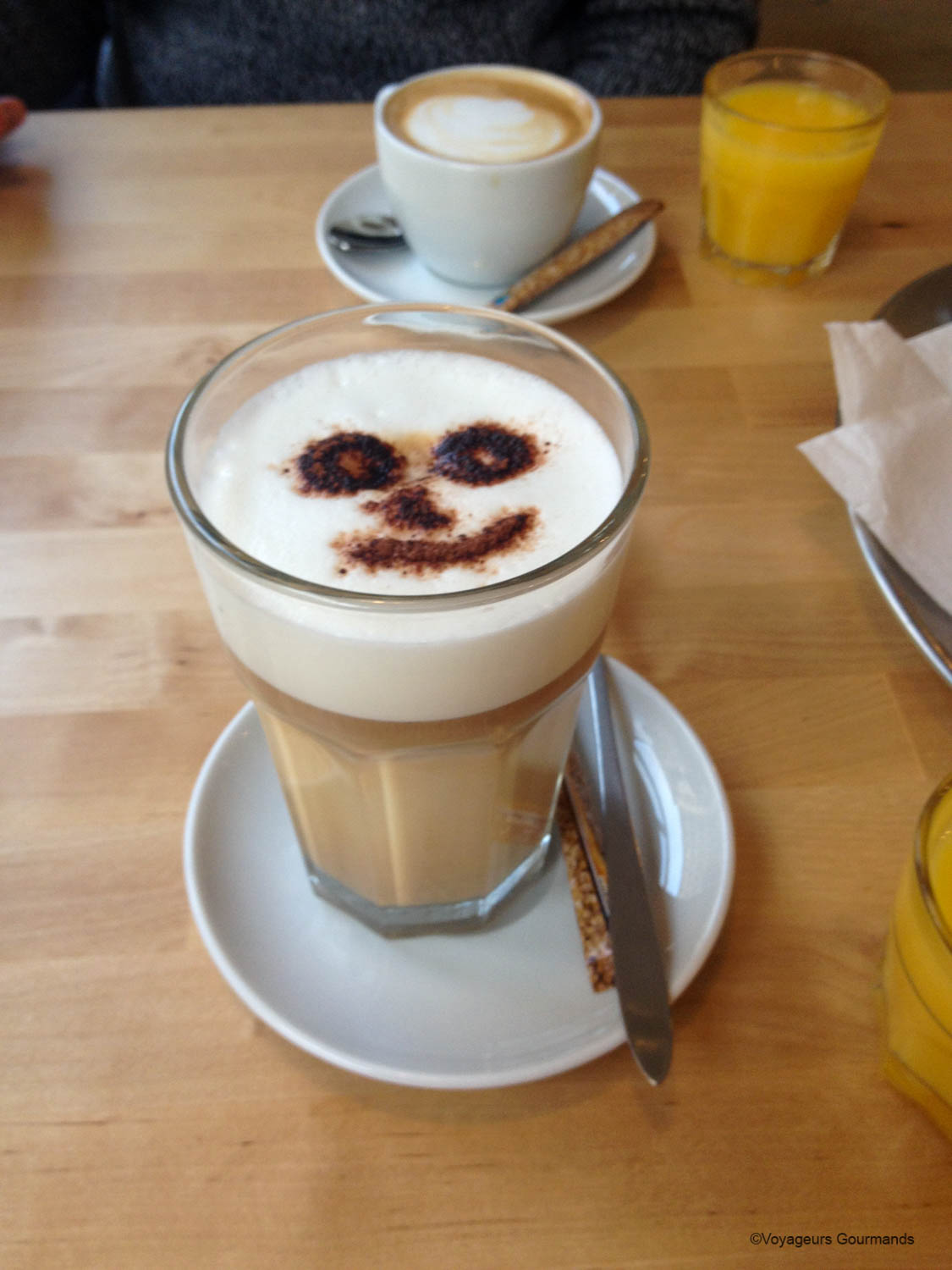
More than a drink, it’s a true institution! In Vienna, coffee is enjoyed as much for the atmosphere as for the taste. The Wiener Melange, similar to a cappuccino, is savoured in elegant coffee houses such as Café Central or Café Sperl, ideally with a pastry on the side, of course. A little anecdote: there used to be a richer version called the Eiermelange, made with coffee, egg yolk and sugar. A real imperial pick-me-up!

Spices
OK, this isn’t really a “speciality” as such, nor something you’ll only find in Vienna, but we were very surprised to find dozens and dozens of spices at the markets, at very good prices! So make the most of it for your future recipes!!

Viennese goulash
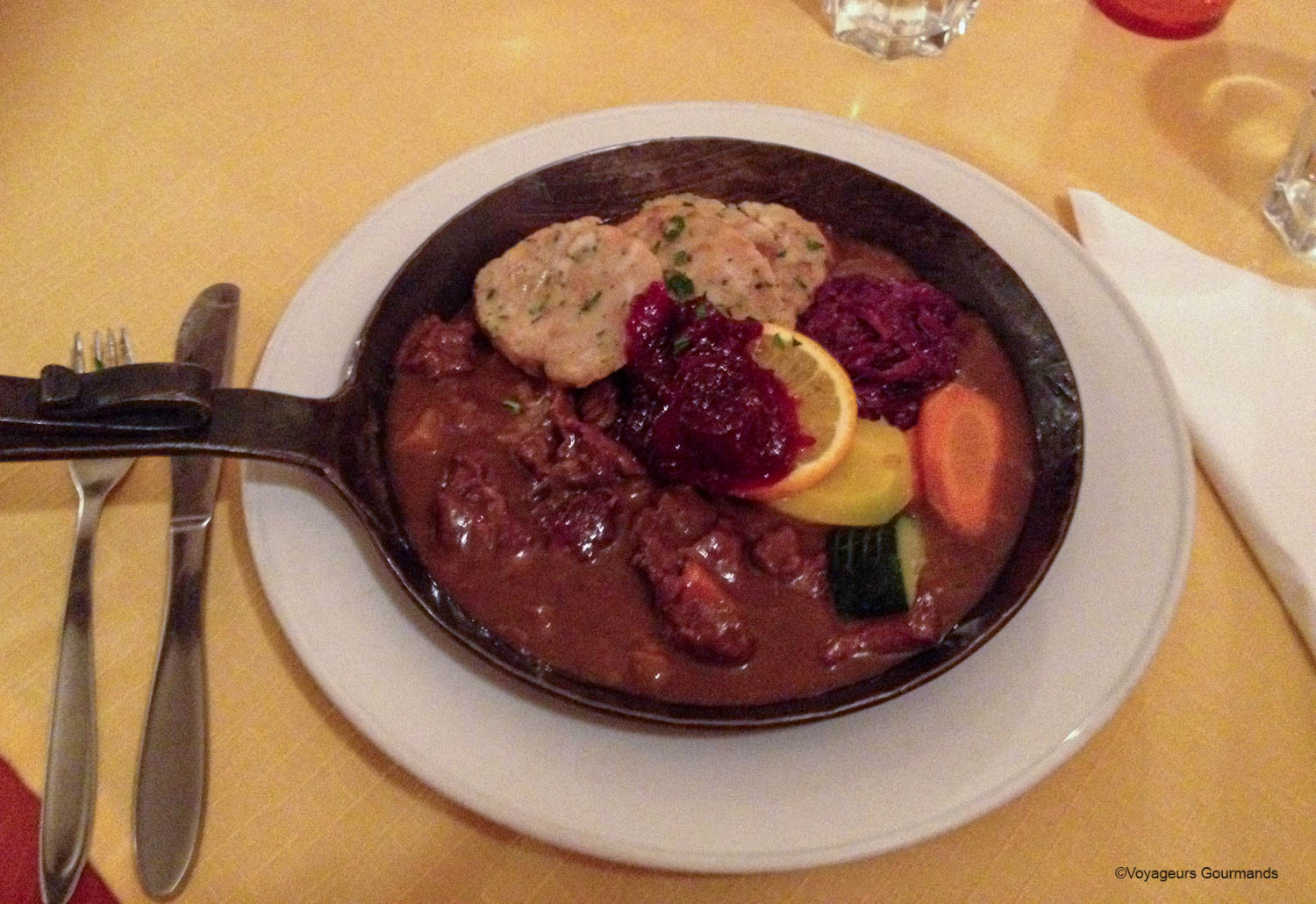
Viennese goulash (Wiener Saftgulasch) is one of those dishes that warms the heart as much as the stomach. Inspired by Hungarian goulash, it’s thicker and less spicy, but incredibly tasty, thanks to its mix of tender beef, caramelised onions and paprika. It’s traditionally eaten with fresh bread or bread dumplings (Semmelknödel) to mop up every last drop.
Viennese pastries you shouldn’t miss
If you have a sweet tooth, Vienna is a little paradise… The Austrian capital inherited a real pastry tradition from the Habsburg court, and the windows of its Konditoreien (pastry shops) are a constant temptation! Besides Sachertorte, here are the Viennese treats that deserve a place on your itinerary… and in your stomach.
Apfelstrudel (apple strudel)
It’s probably Vienna’s most iconic dessert after Sachertorte. A very thin pastry, stretched by hand until it’s almost transparent, is rolled around apples, raisins, cinnamon and breadcrumbs toasted in butter. It’s served warm, dusted with icing sugar, with whipped cream or vanilla sauce. If you’d like something milder, also try Topfenstrudel, filled with quark.
Kaiserschmarrn
Kaiserschmarrn, literally the “emperor’s mess”, is a thick, fluffy pancake that’s torn into pieces in the pan before being caramelised. It arrives covered in icing sugar, with plum compote (Zwetschkenröster) or apple sauce. Legend has it that Emperor Franz Joseph loved it… It’s very filling: one portion is plenty for two!
Palatschinken
A reader recommended these to us in the comments, and rightly so: Palatschinken are the Viennese version of crêpes, slightly thicker. They’re usually rolled up and filled with apricot jam (Marillenmarmelade), sometimes with chocolate or quark.
Esterházytorte and Krapfen
Esterházytorte is a layered cake made of almond or hazelnut meringue and buttercream, easy to spot thanks to its white icing decorated with a chocolate feathered pattern. Simpler but just as tempting, Krapfen are soft doughnuts filled with apricot jam: they’re especially popular during carnival season, but bakeries sell them all year round.
Backhendl, Viennese fried chicken
Less famous than its cousin the Schnitzel, Wiener Backhendl is breaded and fried chicken, nice and crispy. It’s traditionally served with potato salad (Erdäpfelsalat) with onions, often dressed with pumpkin seed oil, an Austrian speciality. Once again, it was a reader who introduced us to this dish: we didn’t try it during our stay, but it’s at the top of our list for next time!
Sausages from a Würstelstand
For a quick bite, there’s no escaping the Würstelstände, the sausage stands that are part of Vienna’s landscape and stay open late into the night. The star is the Käsekrainer, a smoked sausage filled with melted cheese, served with mustard, a piece of bread and a gherkin. You can also try a Burenwurst or a Bosna, a kind of hot dog with onions and curry. Expect to pay around €4–6: it’s one of the cheapest ways to eat in Vienna. One of the best-known stands is right next to the Albertina, near the Opera.
Knödel (dumplings)
Knödel are dumplings you’ll find all over Austria. Semmelknödel, made with stale bread rolls, go with dishes in sauce such as goulash. There are sweet versions too: Marillenknödel are quark dough dumplings wrapped around a whole apricot, then rolled in buttery breadcrumbs and sugar. A typical summer dessert, when apricots are in season.
What to eat at the Vienna Christmas markets
We discovered Vienna in November, and winter is probably the city’s most indulgent season. From around mid-November to the end of December, Christmas markets pop up all over town: in front of the City Hall (Rathausplatz), at Schönbrunn Palace, in Spittelberg or on Karlsplatz. Between two stalls, you can warm up with:
- Punsch, a hot drink made with tea or wine, fruit and spices, often with a dash of rum;
- Glühwein, spiced mulled wine;
- Maroni, roasted chestnuts sold in a paper cone;
- Kartoffelpuffer, golden potato pancakes;
- Lebkuchen, gingerbread biscuits, often iced or decorated.
Hot drinks are served in decorated mugs, for a deposit of a few euros: you get it back when you return the mug… or you keep it as a souvenir!
Where to try Viennese food?
Viennese coffee houses are an institution, so much so that their culture is recognised as intangible cultural heritage in Austria. For the atmosphere, settle in at Café Central or Café Sperl. For the original Sachertorte, head to Café Sacher, behind the Opera (expect a queue), while the Demel pastry shop, a former supplier to the imperial court, is perfect for apple strudel and cakes.
The Naschmarkt, the city’s largest market, is the ideal place to graze and stock up on spices, dried fruit and local products. For a Schnitzel, a Tafelspitz or a goulash, step into a Beisl, the small traditional restaurants with a cosy atmosphere. And if you have a little time, head to the outskirts of the city, to Grinzing for example, for a Heuriger: these winemakers’ taverns serve the year’s wine with a buffet of cold meats and cold specialities.
💡 Good to know
In Viennese coffee houses, coffee always comes with a glass of water, and no one will rush you if you spend hours over a single Melange. In restaurants, it’s customary to leave a tip of around 5 to 10%: you add it directly when paying, by telling the waiter the rounded-up amount, rather than leaving it on the table.
✤✤✤
We hope you’ve enjoyed our top Viennese specialities! And head over to our world flavours section to discover tastes from other countries!
Vienna food FAQ
The FAQ is right here!
What is the most famous food in Vienna?
Vienna’s most iconic dish is Wiener Schnitzel, a thin veal escalope that’s breaded and fried, served with potato salad or with parsley and lemon. Tafelspitz, beef simmered in broth and served with horseradish, and Viennese goulash are also great classics.
What is the most famous dessert in Vienna?
It’s Sachertorte, a chocolate cake filled with apricot jam and covered in a dark chocolate glaze. Apple strudel, Kaiserschmarrn and Esterházytorte are also among the Viennese pastries you shouldn’t miss.
What to eat in Vienna on a budget?
The Würstelstände, Vienna’s sausage stands, let you eat for around €4–6. The Naschmarkt is also handy for grazing, and many restaurants offer a lunch menu (Mittagsmenü) that’s cheaper than dinner.
What is a Viennese coffee in Vienna?
Outside Austria, a Viennese coffee usually means coffee topped with whipped cream. In Vienna, the most iconic coffee is the Wiener Melange: coffee with hot milk and milk foam, similar to a cappuccino. The version with whipped cream is called an Einspänner.
Where can you eat the original Sachertorte in Vienna?
The original Sachertorte is served at Café Sacher, in the Hotel Sacher, just behind the Opera. The Demel pastry shop also makes its own version, which was long a rival of the Sacher’s.
What to eat at the Vienna Christmas markets?
At the Vienna Christmas markets, people drink Punsch and mulled wine and snack on roasted chestnuts (Maroni), potato pancakes and gingerbread (Lebkuchen). The markets usually run from mid-November to the end of December.